

Summary
Even when pollen counts are low, indoor allergens like dust mites, pet dander, and mold spores can make winter miserable for allergy sufferers. Here's what's floating around this February and what you can do about it.
In This Article
The Pollen Lull Won't Last Long
By now, the worst of winter is likely behind us in most of the country. Warm weather will soon be sneaking in to kickstart spring plant growth, which means the short reprieve of a pollen-free January has come to an end. While grasses and weeds still slumber through the cold, the first trees across the country are getting a head start on pollen season.
But even though the air isn't thick with pollen yet, there are still plenty of things in the air that can have you reaching for the antihistamines. Spending more time indoors during winter increases your exposure to particulates like dust mite allergens and pet dander [1]. Over time, exposure to elevated levels of certain airborne particles and chemicals can negatively affect your health [2]. That's why keeping an eye on indoor air quality during the winter months is so important.
Here are the typical pollens you can expect across the United States this February. Keep in mind that pollen seasons vary by year and location, and actual conditions may differ from these general patterns [3, 4].
Regional Pollen Snapshot: February
Northeast: Tree pollen: Alder, Cedar, Juniper. Grass and weed pollen: Typically none in measurable quantity.
Southeast: Tree pollen: Cedar, Juniper, Pine. Grass and weed pollen: Typically none in measurable quantity.
Midwest: Tree pollen: Alder, Cedar, Juniper. Grass and weed pollen: Typically none in measurable quantity.
South Central: Tree pollen: Cedar, Juniper. Grass and weed pollen: Typically none in measurable quantity.
Southwest: Tree pollen: Cedar, Juniper, Pine. Grass and weed pollen: Typically none in measurable quantity.
Northwest: Tree pollen: Alder, Cedar, Juniper. Grass and weed pollen: Typically none in measurable quantity.
Just Because Pollen Is Low Doesn't Mean You're in the Clear
Low pollen counts don't mean allergy-triggering particles have left the building. Pet dander, mold spores, dust mites, and ultrafine particles are still floating around, ready to give your sinuses a fit. The EPA reports that Americans spend approximately 90% of their time indoors [5], so the quality of your indoor air matters year-round.
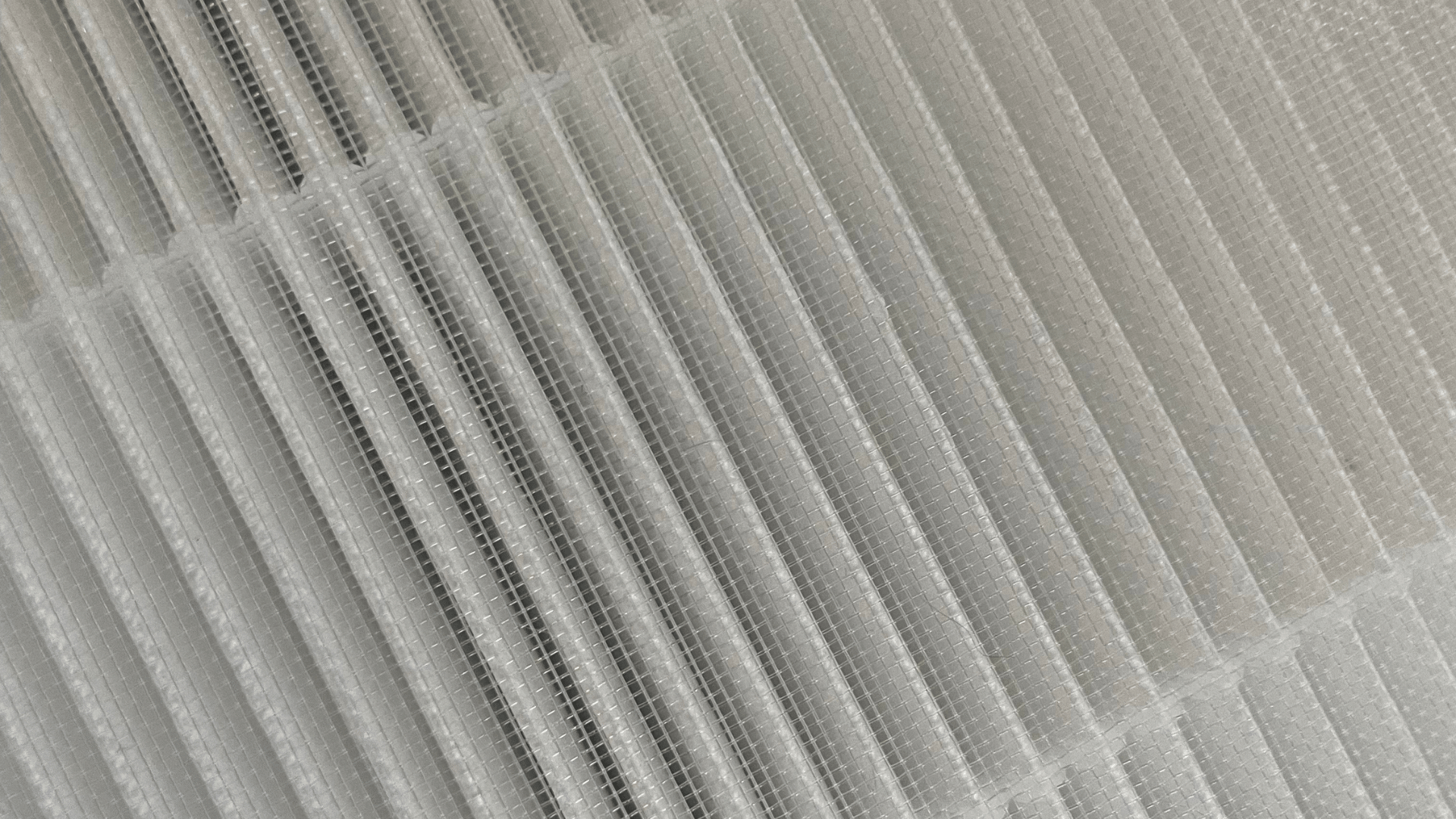
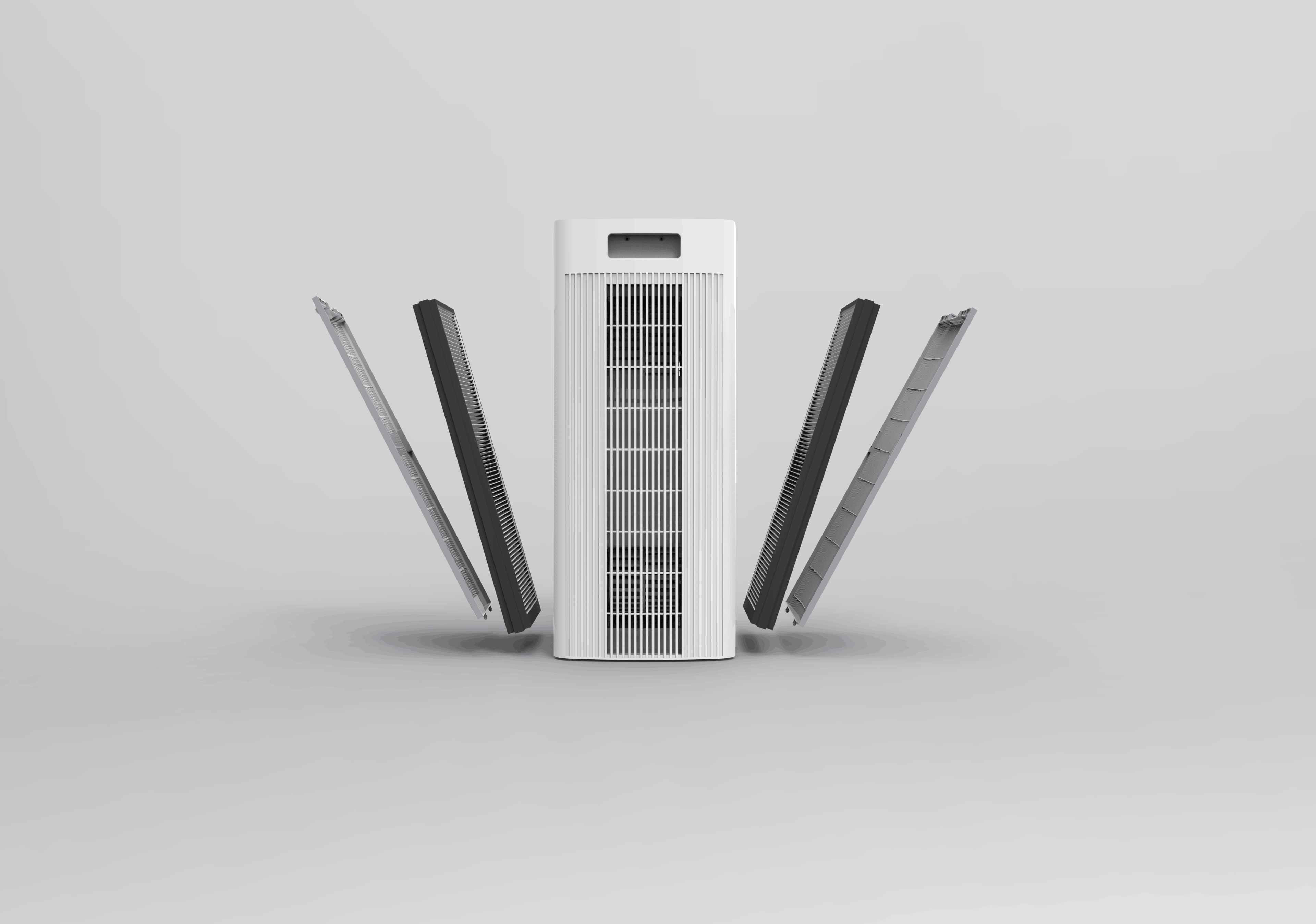
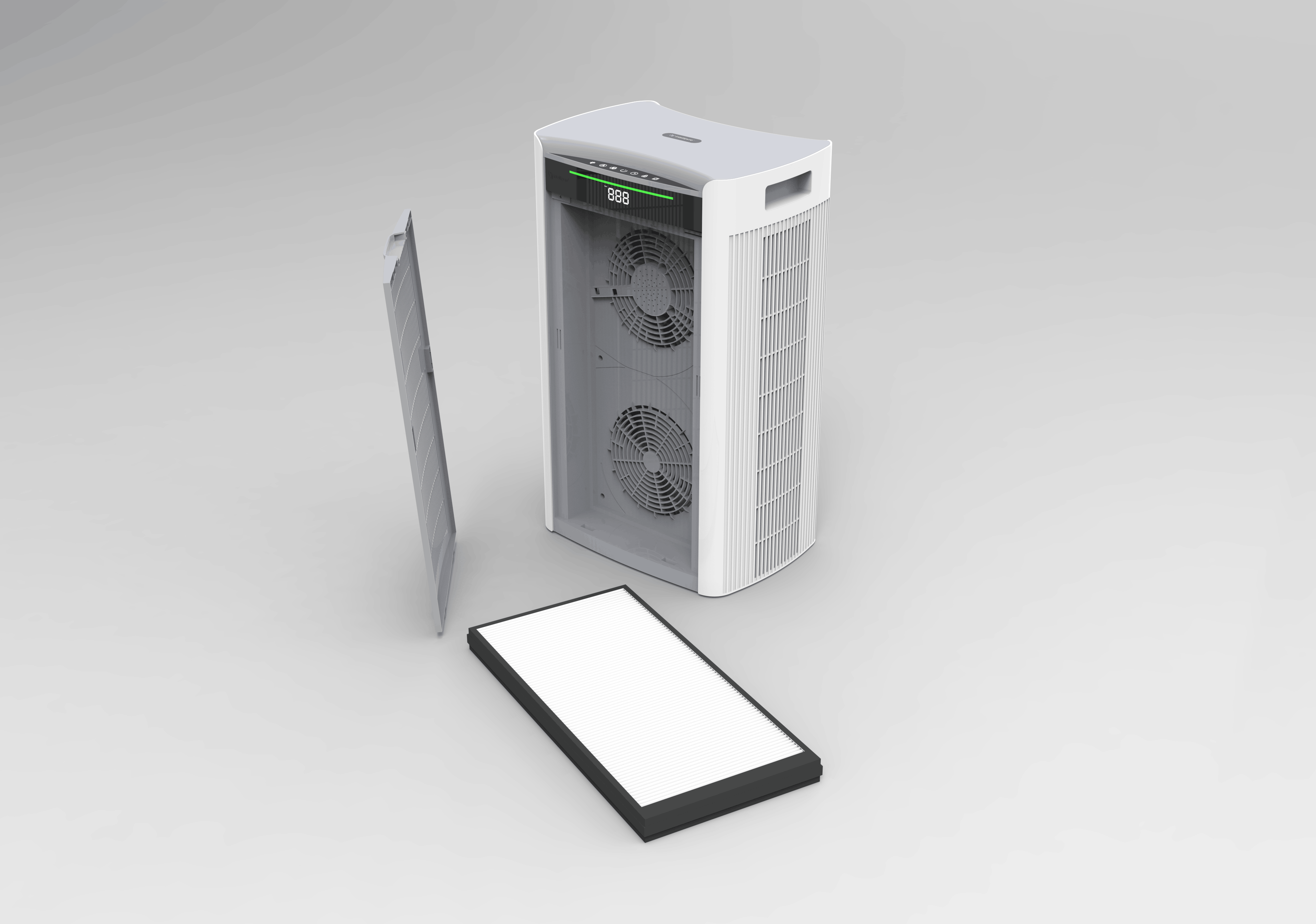
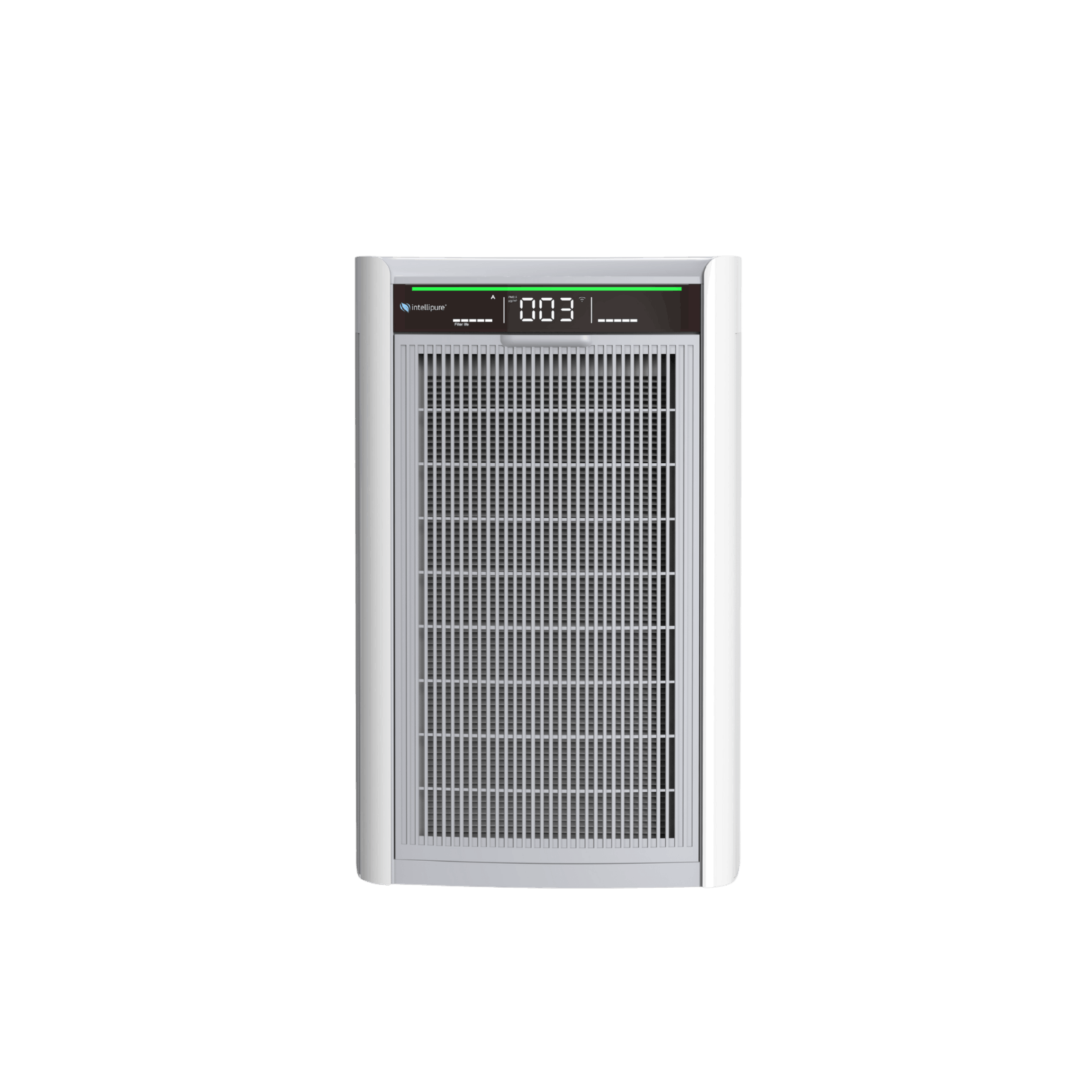
A high-quality air purifier can help keep those unwelcome airborne guests at bay. For reference, the HEPA filtration standard captures 99.97% of particles at 0.3 microns [6].
When Dust Mite Allergies Attack
Dust mites are everywhere, but there's no need to panic. These tiny arachnids are barely visible to the naked eye, measuring approximately 0.2 to 0.4 mm [7]. They can't bite you [8], but they do feed on the dead skin cells that we and our pets shed constantly [9].
Dust mites prefer warm, humid environments, thriving at temperatures between 68 and 77°F with relative humidity around 70 to 80% [10]. That makes many indoor settings a comfortable home for them [1]. However, there's a silver lining to winter's dry air: homes that maintain very low indoor humidity during the heating season may actually see reduced live mite populations over time [11]. The catch? Dust mite allergen levels that built up during warmer, more humid months can remain elevated well into winter [12], so you may still feel the effects even as live mite numbers decline.
Unfortunately, many people are allergic to the waste products that dust mites produce [13]. Common reactions include sneezing, itchy or watery eyes, a runny or stuffy nose, coughing, wheezing, and in some cases, asthma attacks [14]. When you pull out those warm coats, fluffy blankets, and other winter necessities from storage, you might find yourself sneezing more than usual.
Here's what you can do:
- Wash stored items before use. Taking time to wash coats, blankets, and sweaters when you remove them from storage can help reduce dust mite exposure.
- Wash bedding regularly in hot water to keep mite populations in check.
- Vacuum frequently, keeping in mind that dust mite waste particles can become airborne when disturbed, such as during vacuuming, walking on carpet, or shaking out bedding, though they tend to settle quickly once the disturbance stops [15].
- Run an air purifier to capture those particles while they're still suspended in the air.
Why Pet Allergies Get Worse in Winter
With winter in full swing, your pets know exactly where the best warm spots are. Whether it's the dog curled up in front of a heating vent or the cat snuggled up to you in bed, this time of year means lots of indoor time with your furry friends.
But for those with pet allergies, that increased togetherness can mean more sneezing, itchy eyes, a runny nose, or even itchy skin [16]. The culprit is pet dander: tiny flakes of dead skin shed by your pets that contain proteins capable of triggering allergic reactions [17].
Several factors pile up to make pet allergies worse during winter:
- More indoor time together means greater exposure to dander [18].
- Dry indoor air during the heating season may contribute to increased skin flaking in pets, which some veterinary professionals suggest could lead to higher dander production.
- Forced-air heating systems can circulate dander throughout your home, and standard low-MERV residential HVAC filters may not capture the smallest dander particles efficiently [19, 20].
- Upgrading your HVAC filter to MERV 13 or above is recommended by the EPA and ASHRAE for improved allergen control [20].
Since most of us spend the vast majority of our time indoors [5], and winter only increases that indoor exposure, it all adds up. That's where a high-quality air purifier becomes an essential part of your clean air plan.
Your Winter Clean Air Plan
Conquering indoor allergens doesn't require a complete lifestyle overhaul. Think of it as the clean air trifecta: source control, ventilation, and purification.
- Control the source: Regular cleaning, washing bedding in hot water, and grooming pets frequently all help reduce allergen levels at the source.
- Ventilate when you can: Even in winter, cracking a window briefly or using exhaust fans helps cycle out stale, particle-laden air.
- Purify what's left: An air purifier works around the clock to capture the particles that cleaning and ventilation miss.
References
- United States Environmental Protection Agency. Biological pollutants' impact on indoor air quality [Internet]. Washington (DC): EPA; 2025 [updated 2025 Mar 11; cited 2026 Feb 12]..
- United States Environmental Protection Agency. Introduction to indoor air quality [Internet]. Washington (DC): EPA; 2025 [updated 2025 Oct 1; cited 2026 Feb 12]..
- American Academy of Allergy, Asthma & Immunology. National Allergy Bureau pollen and mold counts [Internet]. Milwaukee (WI): AAAAI; [cited 2026 Feb 12]..
- American College of Allergy, Asthma & Immunology. Environmental allergy avoidance [Internet]. Arlington Heights (IL): ACAAI; [cited 2026 Feb 12]..
- United States Environmental Protection Agency. Indoor air quality. In: Report on the environment [Internet]. Washington (DC): EPA; 2025 [updated 2025 Jun 17; cited 2026 Feb 12]..
- United States Environmental Protection Agency. What is a HEPA filter? [Internet]. Washington (DC): EPA; 2019 [cited 2026 Feb 12]..
- PortnoyJ, MillerJD, WilliamsPB, ChewGL, MillerJD, ZaitounF, et al. Environmental assessment and exposure control of dust mites: a practice parameter. Ann Allergy Asthma Immunol. 2013;111(6):465-507. doi:10.1016/j.anai.2013.09.018.
- MumcuogluKY, KlausS. House dust mites: an overview of biology, ecology, and health significance. Trop Med Infect Dis. 2024;9(7):150. doi:10.3390/tropicalmed9070150.
- Sánchez-BorgesM, CaballeroT, CaprilesME, et al. Dust mites: an important allergen source. In: StatPearls [Internet]. Treasure Island (FL): StatPearls Publishing; 2024 [cited 2026 Feb 12]..
- National Center for Healthy Housing. Dust mites [Internet]. Columbia (MD): NCHH; [cited 2026 Feb 12]..
- ArlianLG, NealJS, MorganMS, Vyszenski-MoherDL, RappCM, AlexanderAK. Reducing relative humidity is a practical way to control dust mites and their allergens in homes in temperate climates. J Allergy Clin Immunol. 2001;107(1):99-104. doi:10.1067/mai.2001.112119.
- Platts-MillsTAE, HaydenML, ChapmanMD, WilkinsS. Seasonal variation in dust mite and grass-pollen allergens in dust from the houses of patients with asthma. J Allergy Clin Immunol. 1987;79(5):781-791. doi:10.1016/0091-6749(87)90211-7.
- American Lung Association. Dust mites [Internet]. Chicago (IL): American Lung Association; [cited 2026 Feb 12]..
- Mayo Clinic. Dust mite allergy: symptoms and causes [Internet]. Rochester (MN): Mayo Clinic; [cited 2026 Feb 12]..
- American College of Allergy, Asthma & Immunology. Dust allergy [Internet]. Arlington Heights (IL): ACAAI; [cited 2026 Feb 12]..
- American Academy of Allergy, Asthma & Immunology. Pet allergy [Internet]. Milwaukee (WI): AAAAI; [cited 2026 Feb 12]..
- Mayo Clinic. Pet allergy: symptoms and causes [Internet]. Rochester (MN): Mayo Clinic; 2025 [cited 2026 Feb 12]..
- National Jewish Health. Winter pet allergy: what you can do to feel better [Internet]. Denver (CO): National Jewish Health; [cited 2026 Feb 12]..
- American Lung Association. Pet dander [Internet]. Chicago (IL): American Lung Association; 2023 [cited 2026 Feb 12]..
- United States Environmental Protection Agency. What is a MERV rating? [Internet]. Washington (DC): EPA; 2019 [cited 2026 Feb 12]..





Are Cooking Odors and Smoke Affecting Your Indoor Air?
Benefits of a Smart, Connected Air Purifier for Your Home