


Before a Wildfire: How to Prepare
While considering things like fire-resistant home features and evacuation routes is a large part of making a safety plan, it’s also important to consider what wildfire safety could look like even if you do not have to leave your home. The truth is that wildfire smoke can affect areas hundreds or thousands of miles away from active fires, making it essential to plan for mitigating its harmful effects at home and on the go.
Actionable Tips
-
Create a Go Bag
Pack essentials like medications, important documents, water, non-perishable food, flashlights, a battery-powered radio, masks (N95 or respirators), and pet supplies. Click here to learn more.
-
Defensible Space
Clear brush, dead plants, and flammable materials at least 100 feet from your home. Trim trees and maintain landscaping to reduce fire risk. Click here to learn more.
-
Family Communication Plan
Decide on meeting points, emergency contacts, and evacuation routes. Make sure every household member knows the plan. Click here to learn more.
-
Home Protection
Test smoke alarms, check fire extinguishers, and consider fire-resistant window coverings.
-
Air Preparedness
Have indoor air solutions ready, like HEPA air purifiers, to filter smoke even if the fire is distant.
Tip: Wildfires can spread faster than 15 mph. Preparing early (before fire season) is safer than reacting when a fire is imminent.

When Is Wildfire Season?
From early summer until late fall, hot and dry conditions elevate wildfire risks across the United States, with some Western and Southern states representing particularly high-risk areas. In California, for example, where fires now happen year-round, wildfire risk has increased. If you live in or visit one of these areas, be sure to monitor current conditions, as risk may change quickly.
During a Wildfire: Stay Safe
Wildfire safety has levels of intensity. In the most serious cases, you may need to evacuate your home. While evacuation is an in-the-moment decision, it’s essential to be prepared with important documents and items, a plan that includes all household members, pets, and other animals, and necessary safety equipment. Whether you’re evacuating or monitoring spreading fires nearby, a large part of navigating wildfire safety is planning to mitigate the harmful effects of wildfire smoke.
Actionable Tips
-
Evacuate if Advised
Keep your go bag ready, including medications, documents, water, masks, and pet supplies. Know multiple evacuation routes in case roads are blocked. Click here to learn more.
-
Shelter in Place
Close windows and doors, use HEPA air purifiers, and seal gaps where smoke may enter. Click here to learn about creating a clean room in your home to protect against wildfire smoke.
-
Protect Yourself Outdoors
Use N95 or P100 masks when leaving home during heavy smoke. Limit strenuous activity. Click here to learn more.
-
Plan for Pets and Vulnerable Household Members
Have food, medications, and a safe location prepared. Click here to learn how to best protect your pets during a natural disater.
Smoke Without Flames: What If the Fire Isn't Close?
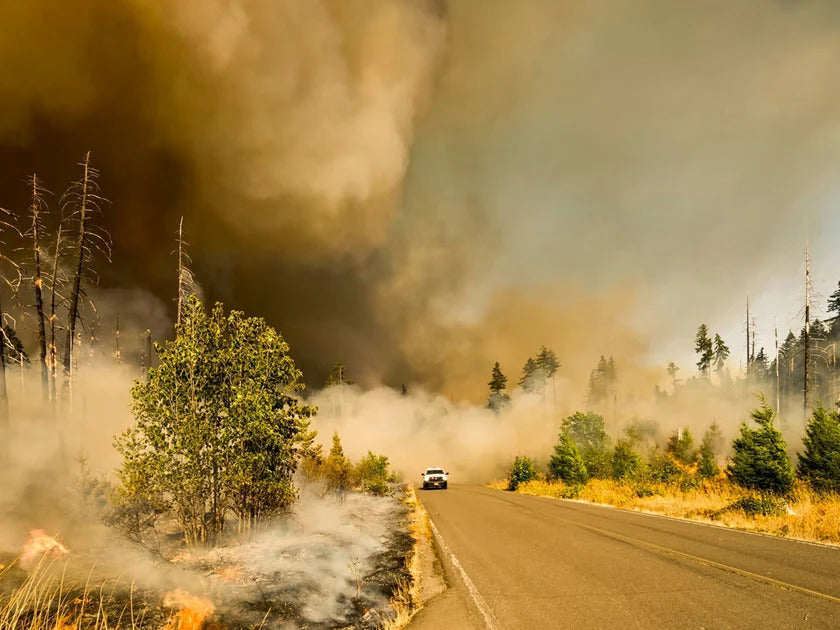
Even if you’re removed from the physical radius of the fire, you may still experience wildfire smoke. If you can smell or see smoke, you’re at risk of danger from its harmful effects. Running air purifiers in your home is a simple and effective way to help make sure that your indoor air is safe, regardless of conditions outdoors. Keeping doors and windows closed as much as possible can also be beneficial, but it’s nearly impossible to completely seal a home. So, the addition of an air purifier can be a game-changer when it comes to filtering out harmful particles, strong odors, and toxic gases.
Understanding Wildfire Smoke: What’s in the Air?
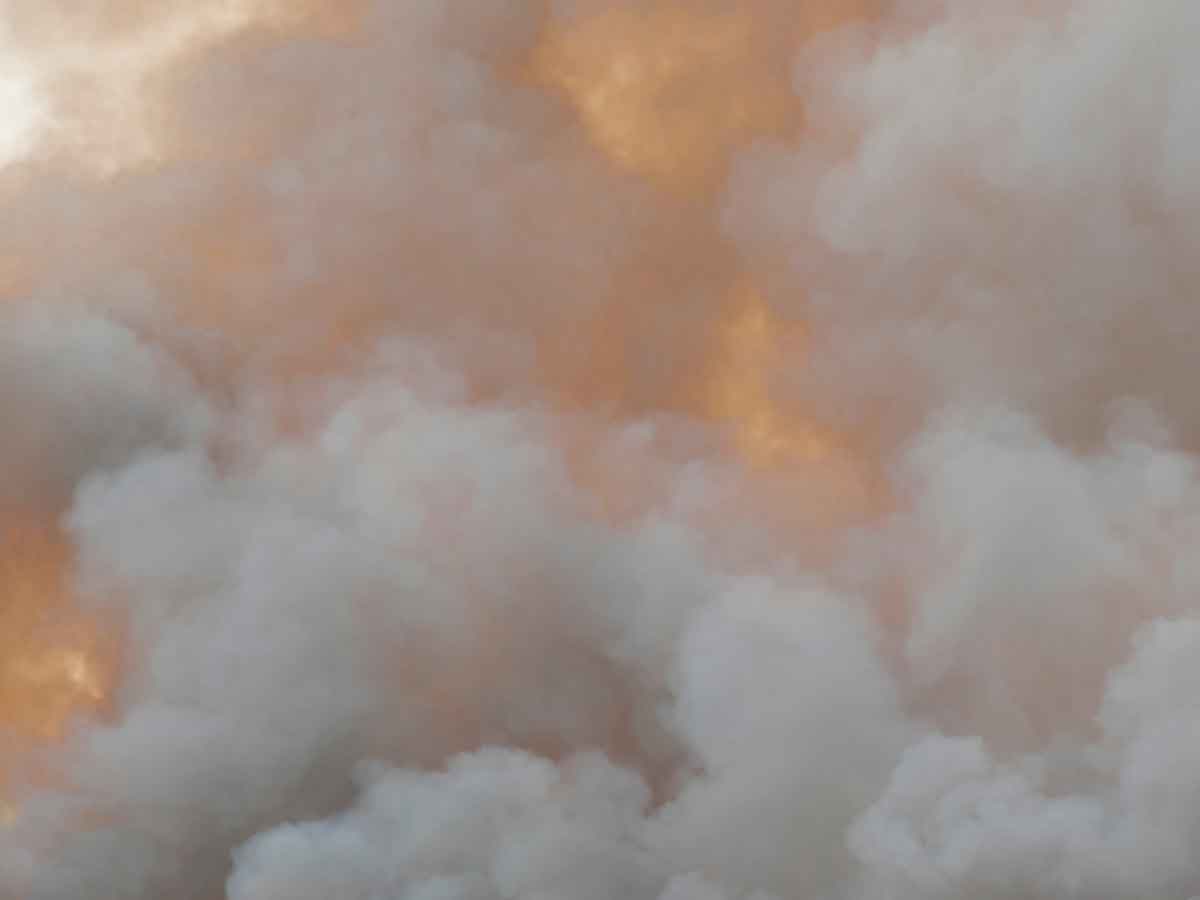
Wildfire smoke differs from fire to fire, depending on what materials the fires consume and the chemicals and compounds that the smoke encounters as it travels through the air. Things like wiring, electronics, and household chemicals can create particularly dangerous smoke.
The kicker? Wildfire smoke can affect areas hundreds or even thousands of miles away from active flames. Because of this, you should think about smoke filtration, whether or not you’re near the fire itself.
Breathe Easier During Wildfire Season
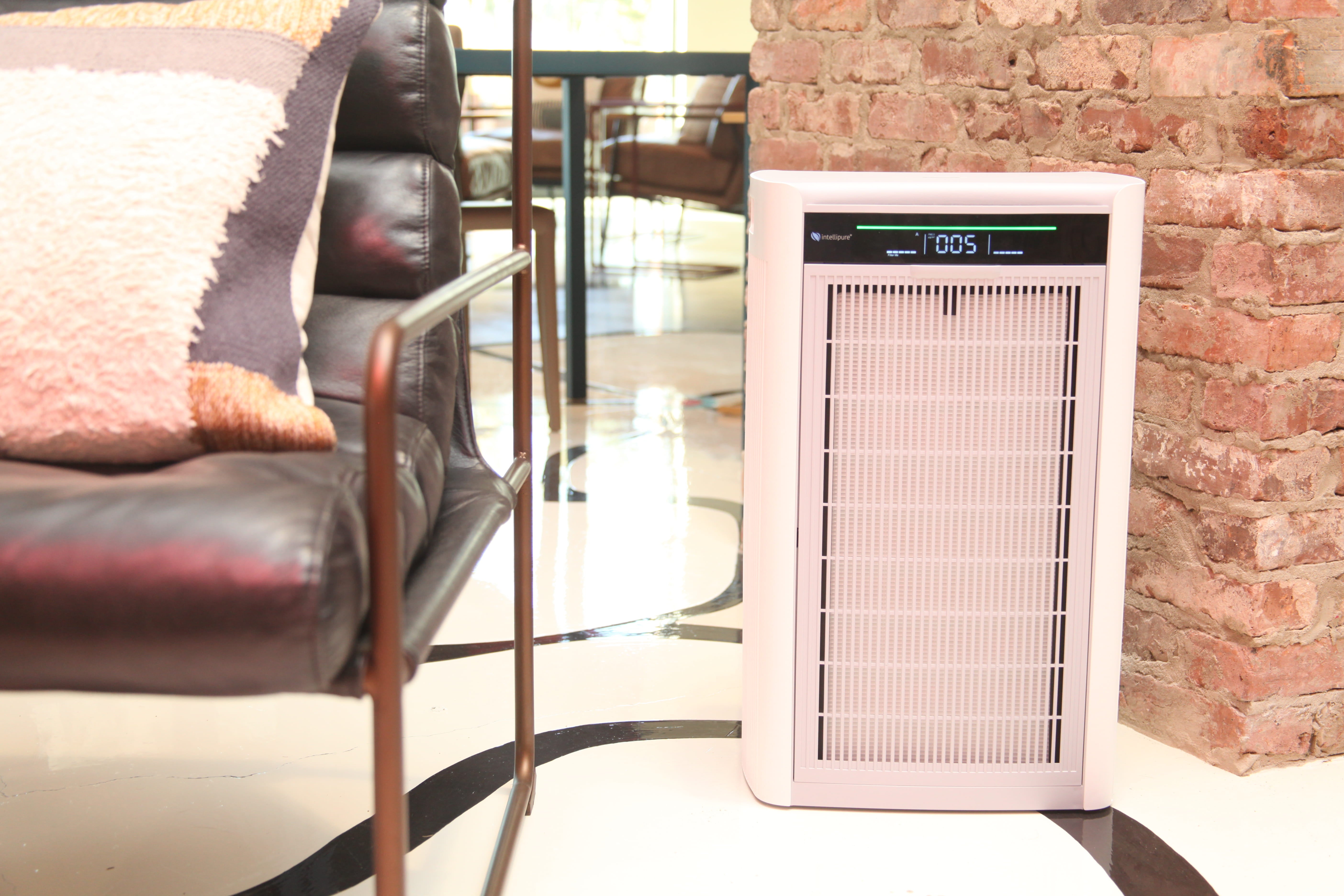
When wildfire smoke affects outdoor air quality, your indoor air matters even more. The Intellipure H1000 is designed to help create a cleaner home environment with dual H13 HEPA filters (each with a honeycomb VOC backing) and coverage for spaces up to 2,200 square feet in 30 minutes.
After a Wildfire: Clean Up & Recover
Though many aspects of wildfire recovery can be logistically and emotionally complex, using air purifiers to improve the air quality in your home can be a simple solution. Depending on the degree of fire damage or smoke exposure that you experienced, cleaning up from a wildfire may take significant time, resources, and planning.
Disaster Relief & Support
When wildfires or other natural disasters strike, many organizations are ready to provide assistance, resources, and guidance. From emergency shelter and food to recovery programs and financial support, help is available. Check out the links below to learn more and connect with trusted disaster relief organizations.
Protecting Indoor Air Quality Year-Round
Whether you’re trying to mitigate the effects of wildfire season in your home or just create a safer environment for your family, indoor air quality (IAQ) is a vital part of hygiene and safety. Because many people spend up to 90% of their time inside, IAQ can affect allergies, sleep, mood, and other health outcomes; children, the elderly, and people with health conditions are all especially vulnerable to negative effects from pollution, allergens, and other harmful particles.
Helpful tips
-
Run HEPA Purifiers Regularly
Keep your air clean by running high-efficiency purifiers in frequently used rooms. Click here to learn more about the benefits of an air purifier.
-
Maintain HVAC Systems
Check and replace filters to ensure your system is removing pollutants effectively.
-
Minimize Indoor Pollution Sources
Limit smoke from candles, cooking, and tobacco to protect air quality. Click here to learn about the negative effects of synthetic fragrences on your air quality.
-
Monitor Local Air Quality
Stay informed about outdoor smoke levels, especially during wildfire season, to adjust your indoor precautions. Click here to check your local air quality.
Learn to Breathe Easier Year-Round
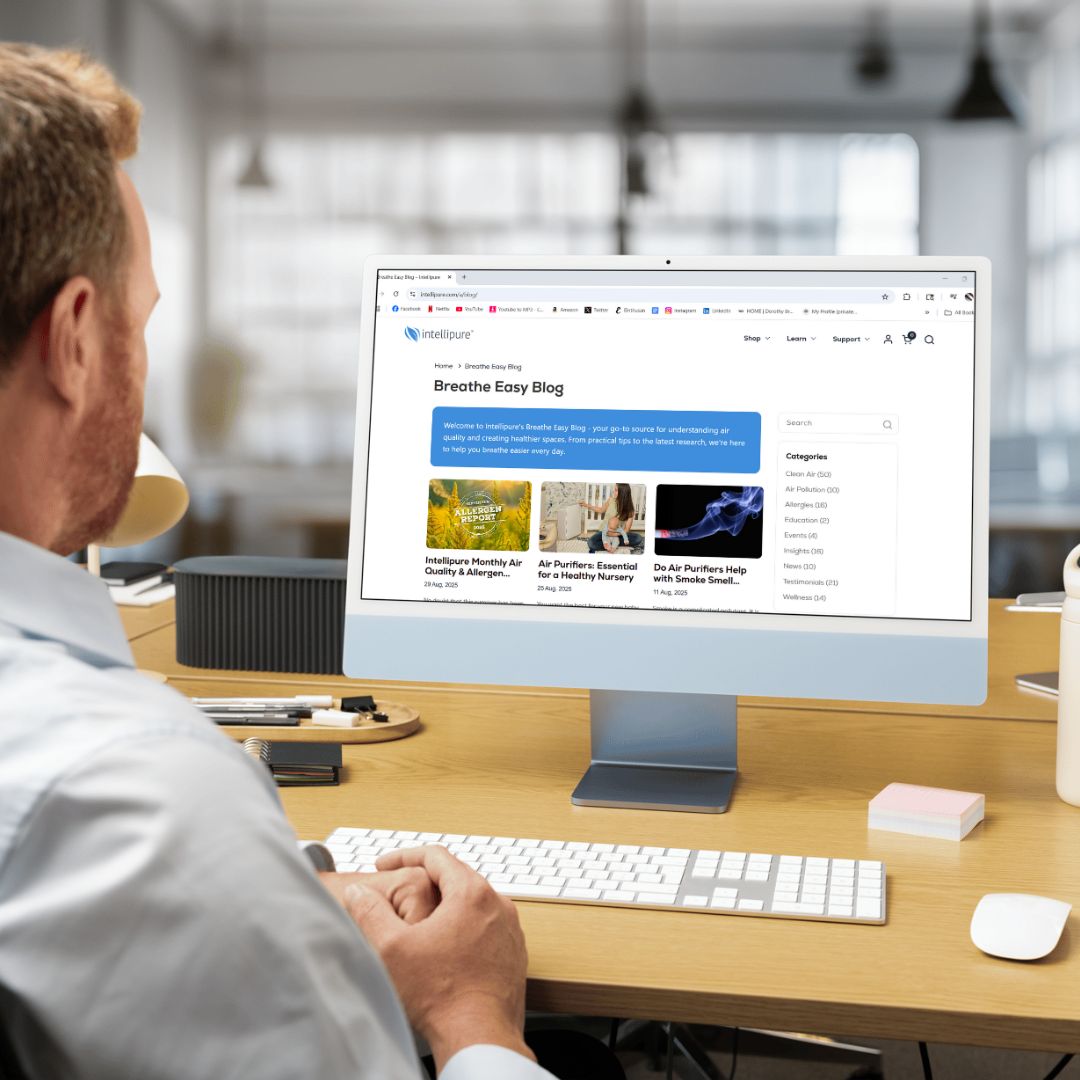
Indoor air quality affects your health every day, from allergies and sleep to overall well-being. Our Breathe Easy blog is full of practical tips, expert advice, and actionable strategies to help you protect your home’s air no matter the season.

Breathe Your Best with Intellipure
When it comes to your family’s safety, it’s best to invest in proven, science-backed solutions. With near-perfect particle capture, Intellipure air purifiers effectively filter out the dangerous and undesirable molecules that cause odor, illness, allergies, and more. From keeping the air in your home free from wildfire smoke and pollution to containing viral droplets and pet dander, Intellipure air purifiers allow you and your family to breathe better.
Is It Time to Change Your Filters?
Smoke from a wildfire can dirty up your air purifier filters faster than regular conditions. Take a few seconds to find out if you’re due for new ones.
References
-
[1]
Build A Kit [Internet]. Available from: https://www.ready.gov/kit
-
[2]
Defensible Space [Internet]. Available from: https://www.readyforwildfire.org/prepare-for-wildfire/defensible-space/
-
[3]
Family Emergency Communication Planning Document [Internet]. Available from: https://www.ready.gov/sites/default/files/2020-03/family-emergency-communication-planning-document.pdf
-
[4]
US EPA [Internet]. 2018. Wildfires and Indoor Air Quality (IAQ) | US EPA. Available from: https://www.epa.gov/emergencies-iaq/wildfires-and-indoor-air-quality-iaq?ref=drcrista&sub_id=IP+Site#_What_Can_I_2
-
[5]
Illson S. AirNow Fire and Smoke Map [Internet]. Available from: https://fire.airnow.gov/#5.55/34.402/-89.137
-
[6]
Wildfire Evacuation Flyer [Internet]. Available from: https://www.usfa.fema.gov/downloads/pdf/publications/wildfire_evacuation_flyer.pdf
-
[7]
Wildfire Clean Room Diy [Internet]. Available from: https://www.lung.org/blog/wildfire-clean-room-diy
-
[8]
CDC. Wildfires. Safety Guidelines: Wildfires and Wildfire Smoke. Available from: https://www.cdc.gov/wildfires/safety/how-to-safely-stay-safe-during-a-wildfire.html
-
[9]
Pet Disaster Preparedness & Recovery [Internet]. Available from: https://www.redcross.org/get-help/how-to-prepare-for-emergencies/pet-disaster-preparedness.html?srsltid=AfmBOopwgwpa3yRIN1dnncQSetUKlB9CddnLsl05LDAP7YX0j6_Ss2Kk
-
[10]
Wildfire Smoke and Indoor Air Quality: Why an Air Purifier is Essential [Internet]. www.intellipure.com. 2025. Available from: https://www.intellipure.com/blogs/clean-air/wildfire-smoke-and-indoor-air-quality-why-an-air-purifier-is-essential
-
[11]
Airborne Hazard: Why Wildfire Smoke Is Different [Internet]. www.intellipure.com. 2025. Available from: https://www.intellipure.com/blogs/clean-air/airborne-hazard-why-wildfire-smoke-is-different?_pos=1&_sid=d24f9679e&_ss=r
-
[12]
Air Purifier Benefits: How An Air Purifier Can Improve Your Health & Home [Internet]. www.intellipure.com. 2025. Available from: https://www.intellipure.com/blogs/all-articles/air-purifier-benefits-how-an-air-purifier-can-improve-your-health-and-home
-
[13]
When Good Smells Go Bad: How Synthetic Fragrances Can Affect Your Health [Internet]. www.intellipure.com. 2026. Available from: https://www.intellipure.com/blogs/all-articles/when-good-smells-go-bad-how-synthetic-fragrances-can-affect-your-health
-
[14]
Intellipure [Internet]. Know Your Air. Available from: https://www.intellipure.com/pages/air-quality