
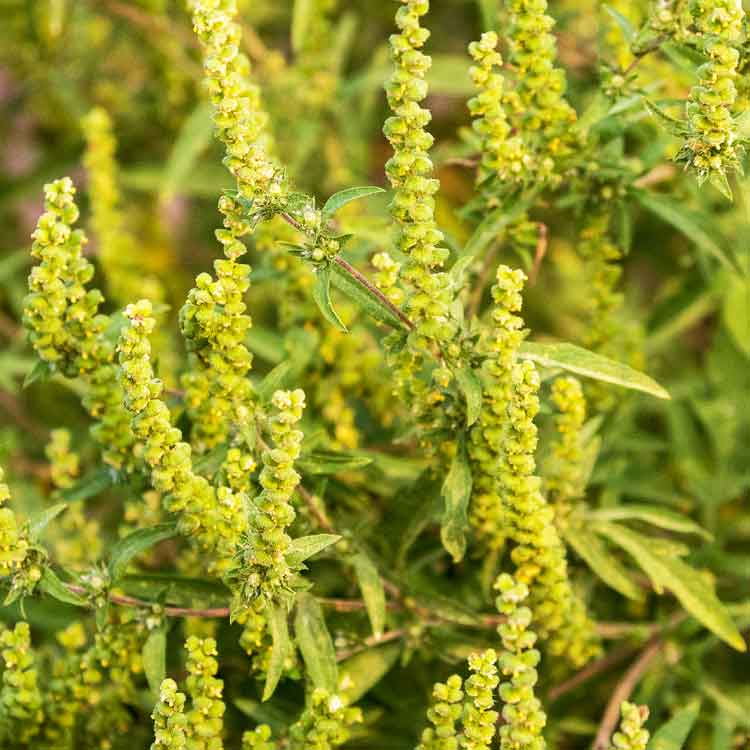
What is Ragweed And Why Does It Cause So Much Trouble?

Ragweed. Just the name alone makes some people start to sneeze and their eyes water. Of all the weeds in North America, ragweed is considered the absolute worst when it comes to allergies. Here's what we know about this noxious weed and how to fight back against its effects on the air you breathe.


What Exactly Is Ragweed?


Ragweed is seemingly everywhere. There are actually many kinds of ragweed, but they all belong to the plant genus Ambrosia, which itself is in the Aster family. As the name suggests, the leaves of the plant have a ragged edge. The word "ragweed" is used to describe 17 separate species of plants commonly found in North America. It grows easily just about anywhere, even in places where the soil conditions are bad. Empty lot? Side of the road? Gutter filled with years of leaves? Ragweed doesn't care. It can grow up to several feet tall and spreads aggressively wherever it can root.


How Does Ragweed Get To So Many Places?

Ragweed is prolific in its ability to spread. A single ragweed plant can spread roughly 1,000,000,000 pollen grains in a season. So not only does each plant send out countless grains of pollen, they can be carried hundreds of miles by the wind. Seeds can be spread a number of ways, but they are often carried along by vehicles traveling the roads. The side of the road is an ideal place for ragweed to grow as it is rarely mowed or subject to weed control. Farming also spreads ragweed as equipment moves from field to field.


What Makes Ragweed So Bad For Allergies?

Ragweed is responsible for around half of the hay fever cases in the United States each year. The pollen contains a certain protein compound that is extremely effective at causing an allergic reaction. It can also trigger asthma attacks for some people. Common ragweed and great ragweed are the biggest contributors to allergies. 


When Is Ragweed Season?

Ragweed season usually starts in mid-summer when the plants begin to flower. Unfortunately the season can stretch out for months until the first frost hits. And since the pollen produced is so numerous and can travel so far, just because ragweed isn't blooming in your area doesn't mean the pollen isn't affecting you. 


Ragweed Pollen Allergy Symptoms

For those unlucky enough to suffer from ragweed allergies, the following symptoms may appear:

  • Coughing
  • Headache
  • Hives
  • Itchy eyes
  • Itchy throat
  • Runny nose
  • Skin rash
  • Sneezing
  • Stuffy nose
  • Tired

How Do You Get Rid Of Ragweed In Your Yard?

Given how hard it can be to get rid of ragweed, it makes sense that it is in the genus Ambrosia. Ambrosia happens to be a Greek word meaning an immortal food or drink of the Gods. While ragweed isn't really immortal, it can seem like it when trying to get rid of it safely. Unfortunately the most common way to kill ragweed is herbicide. But there are other methods that don't involve chemicals like repeated mowing and weeding by hand.


How Do You Fight Ragweed Pollen In Your House?

Considering just how far ragweed pollen can travel on the winds, the only place you can control it is inside your home. Here are a few tips on fighting back against ragweed pollen:

  • Seal your home. Take a few minutes to make sure there are no gaps in windows or door frames. Resist the temptation to open windows during ragweed season, even if the weather is nice outside.

  • Leave shoes at the door. Remove your shoes before walking inside if possible. This keeps from tracking ragweed pollen into your home and onto the floors.

  • Change clothes. It may seem silly, but taking a shower and changing clothes helps remove any pollen that may have hitchhiked indoors with you.

  • Keep floors clean. Mop and/or vacuum regularly to remove any ragweed pollen that might have made its way inside.

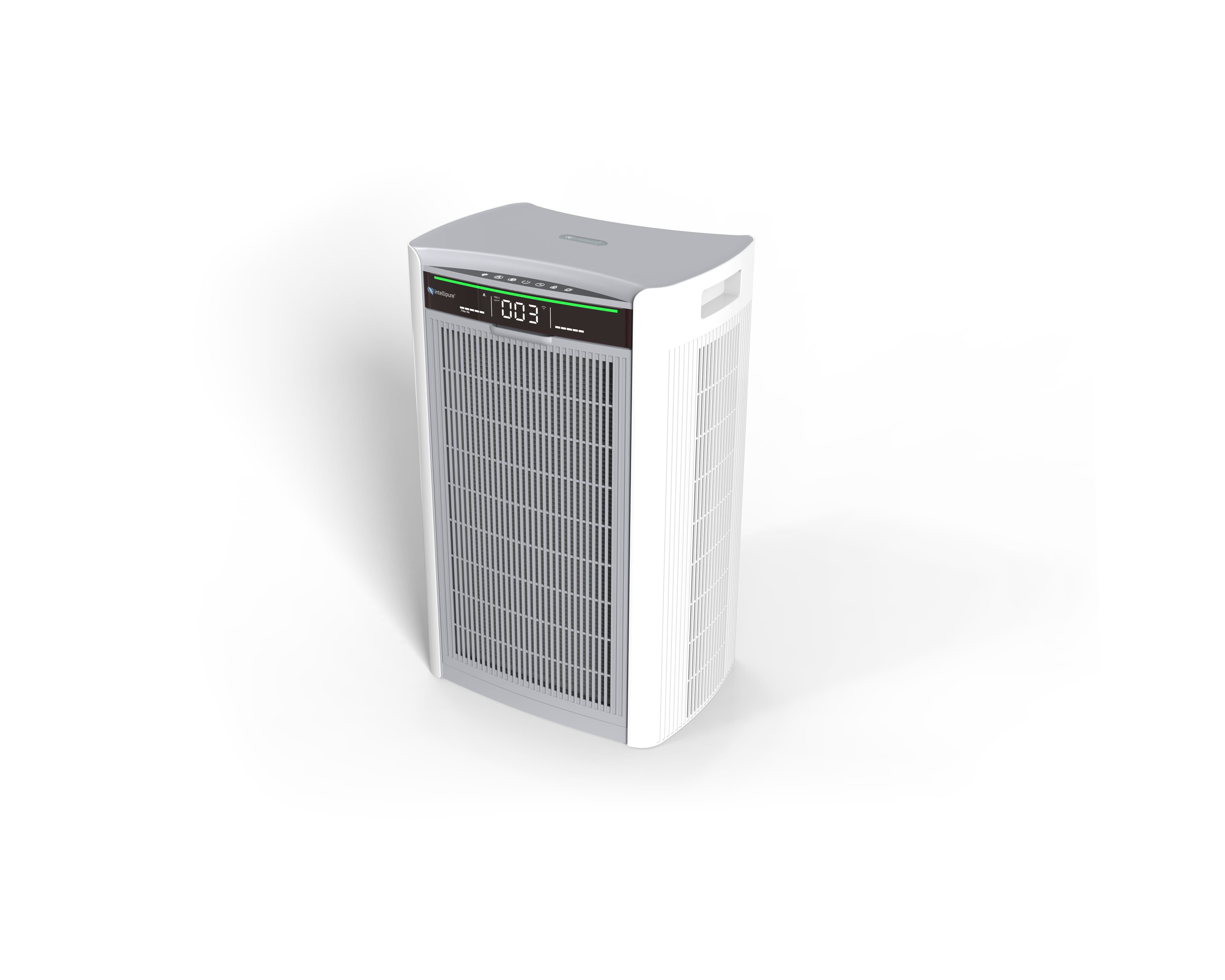
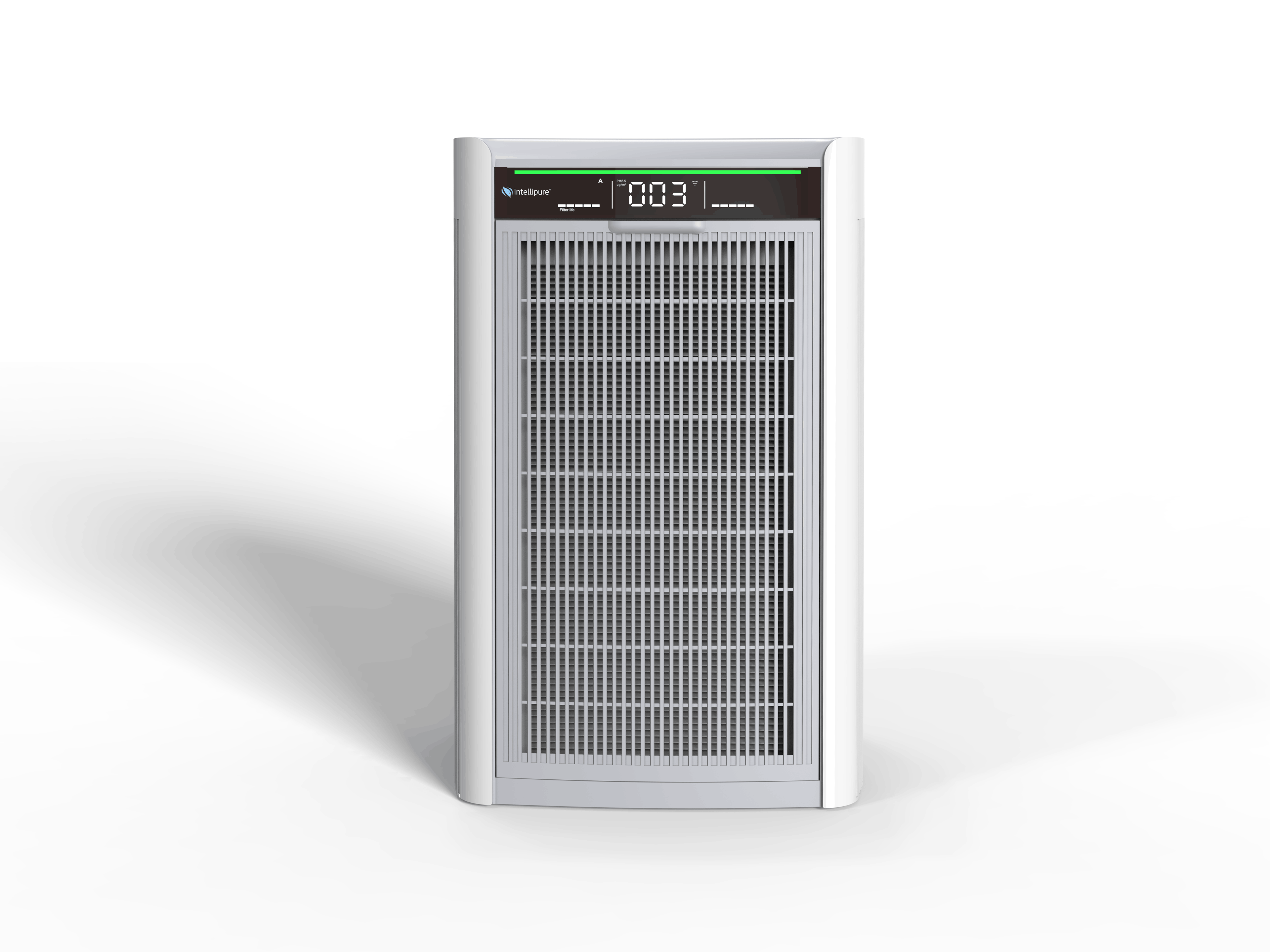
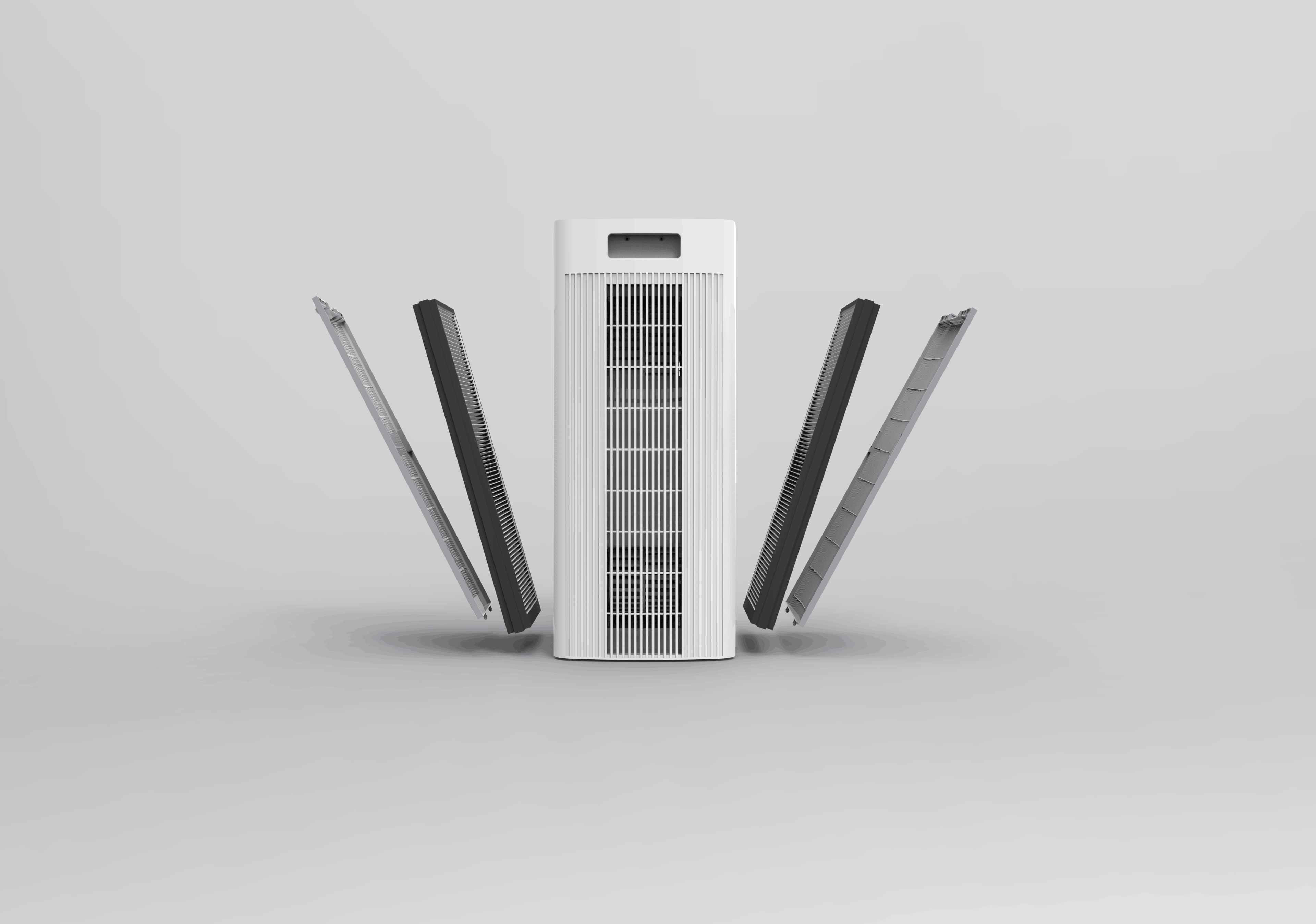
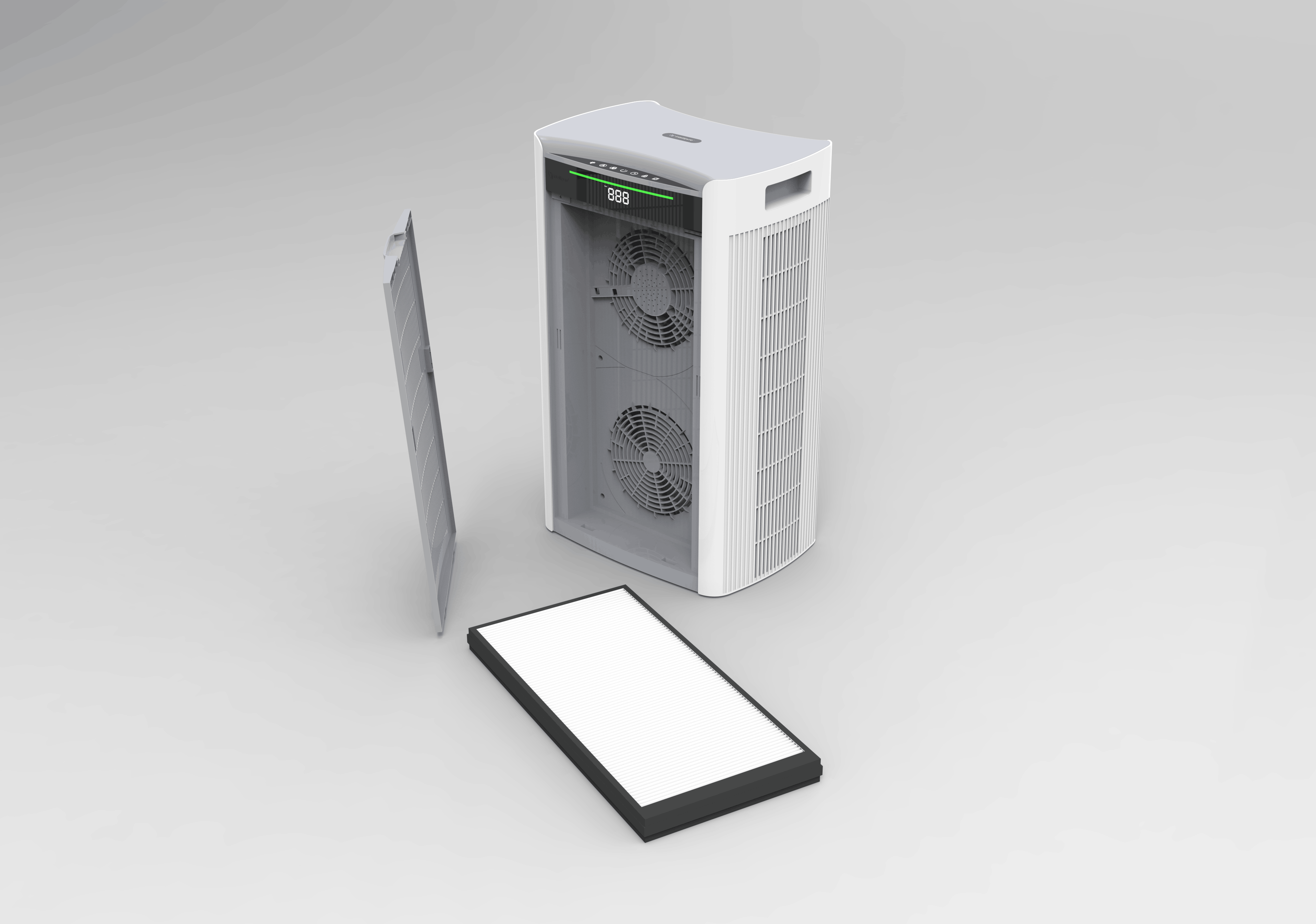
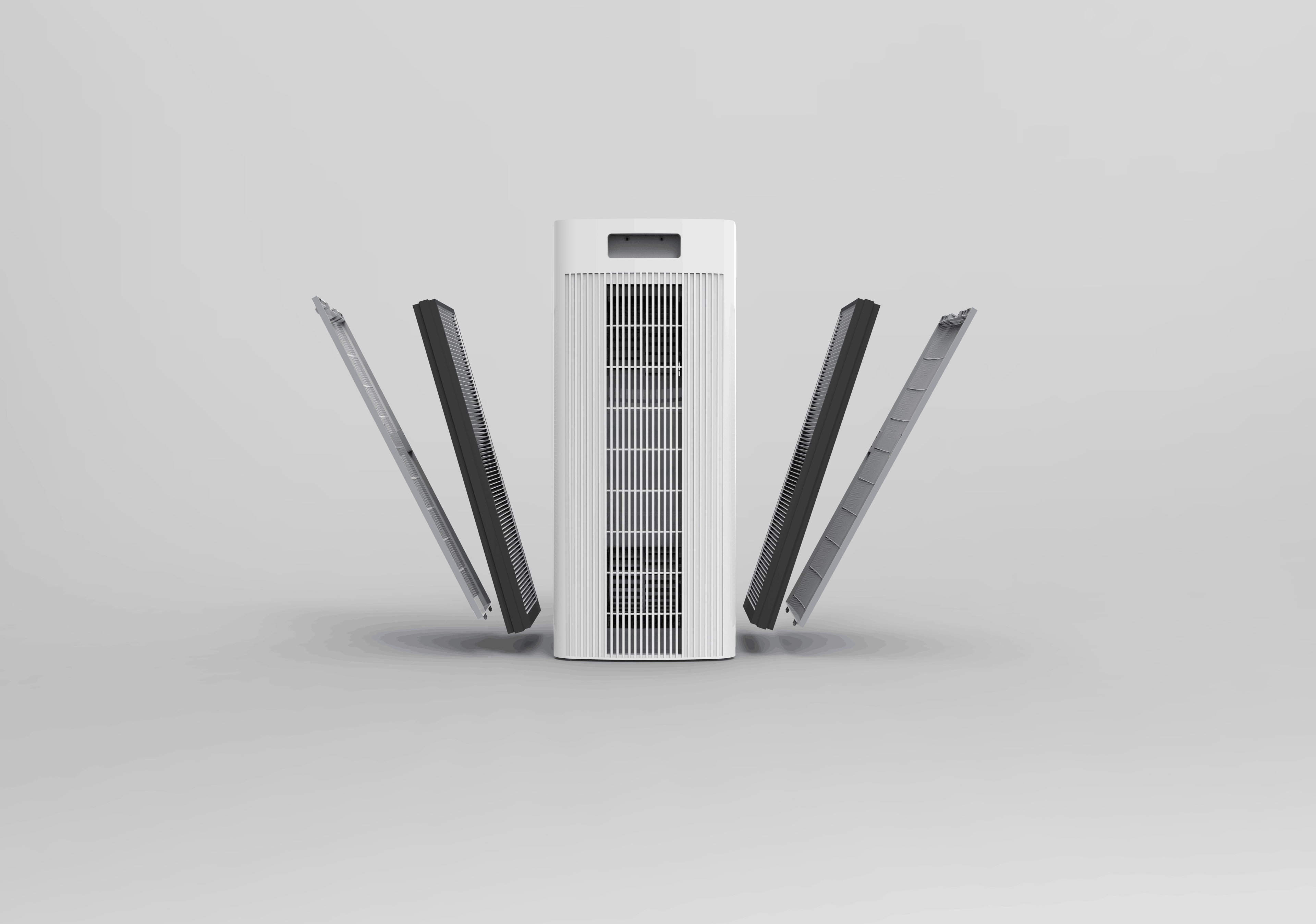
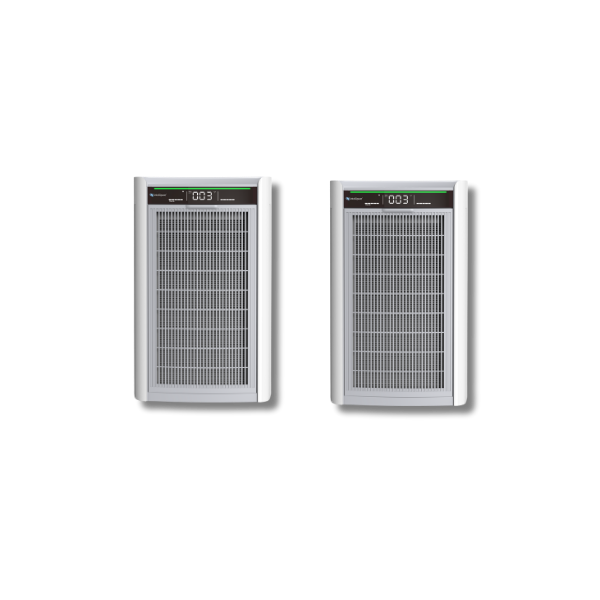
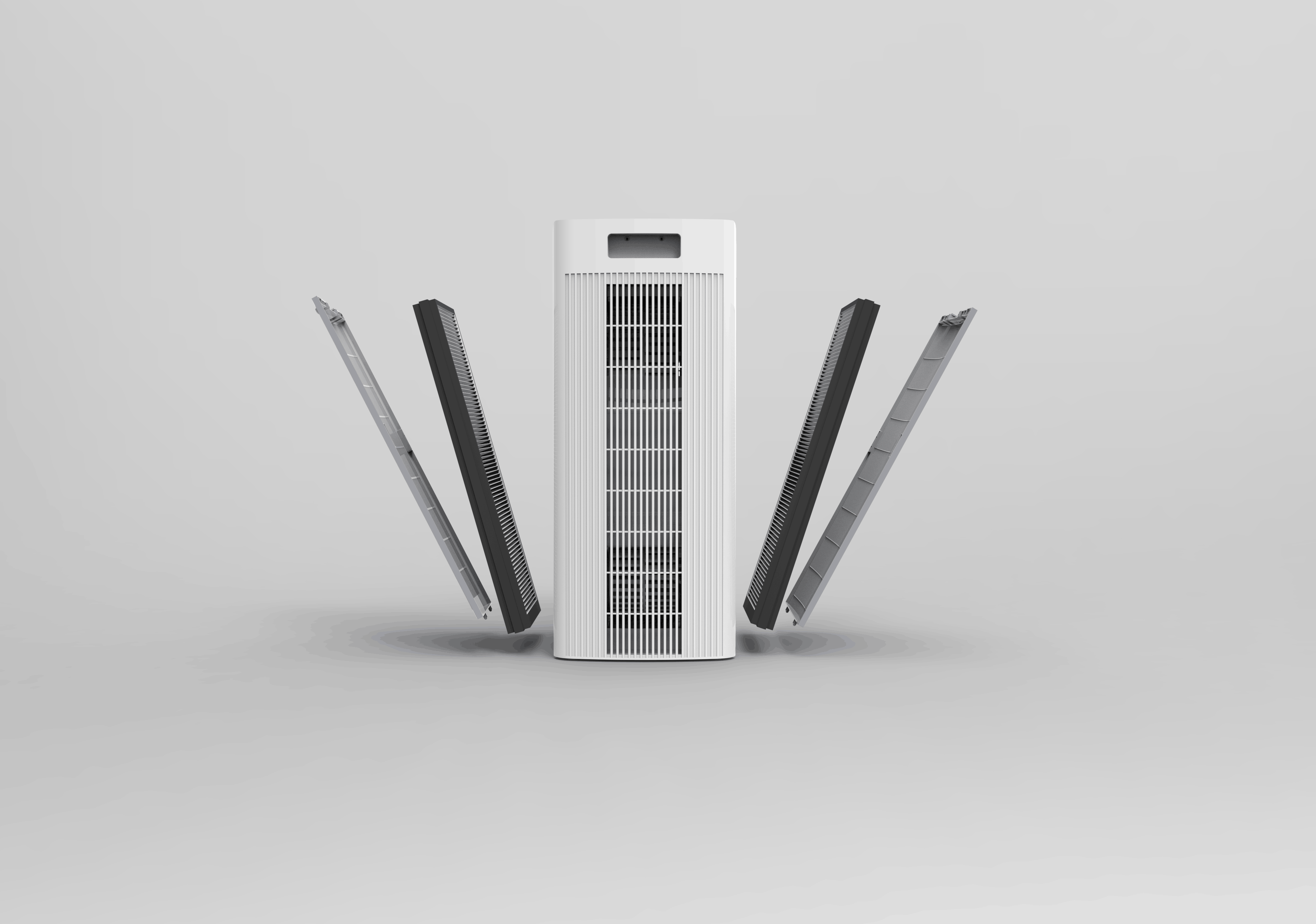
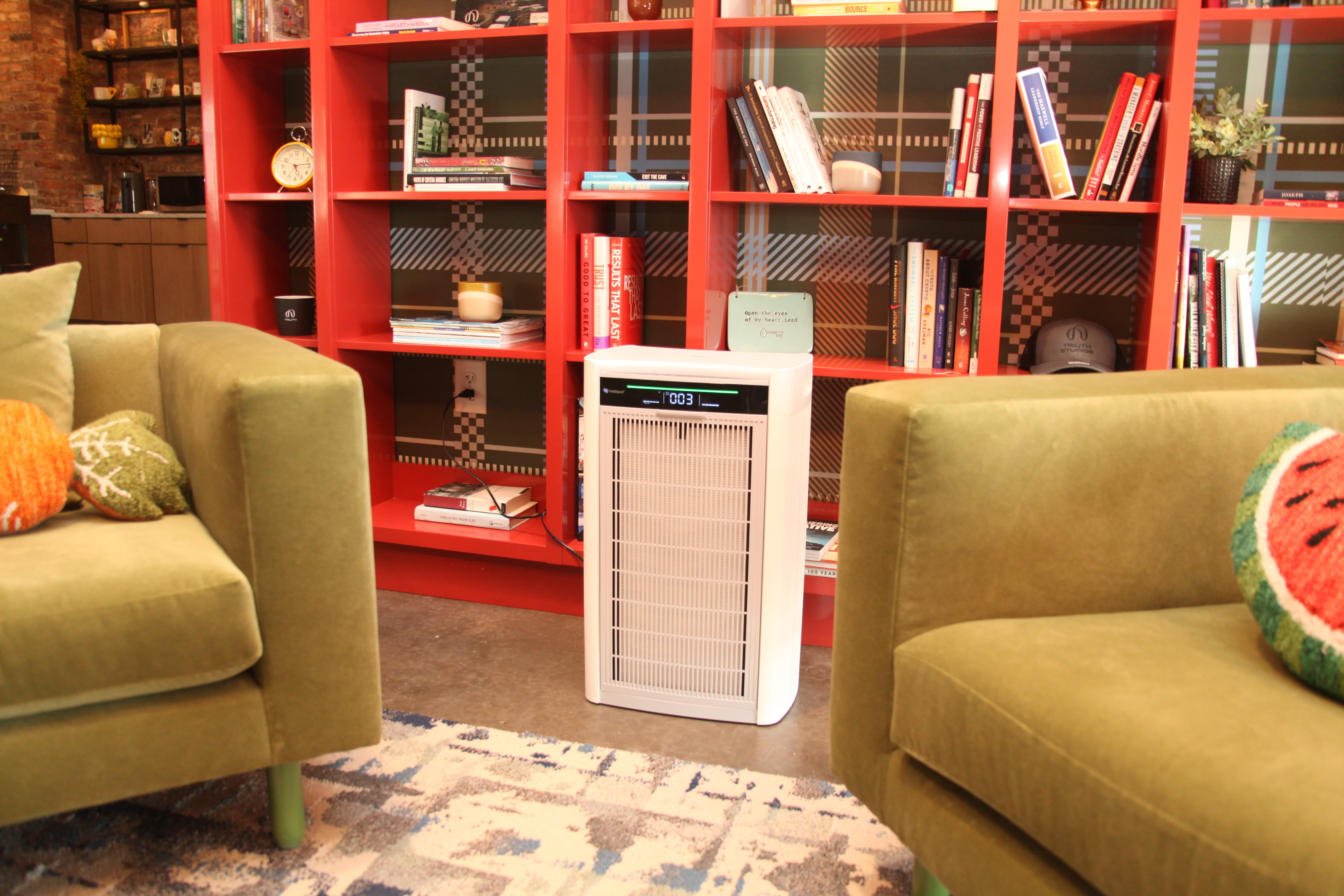
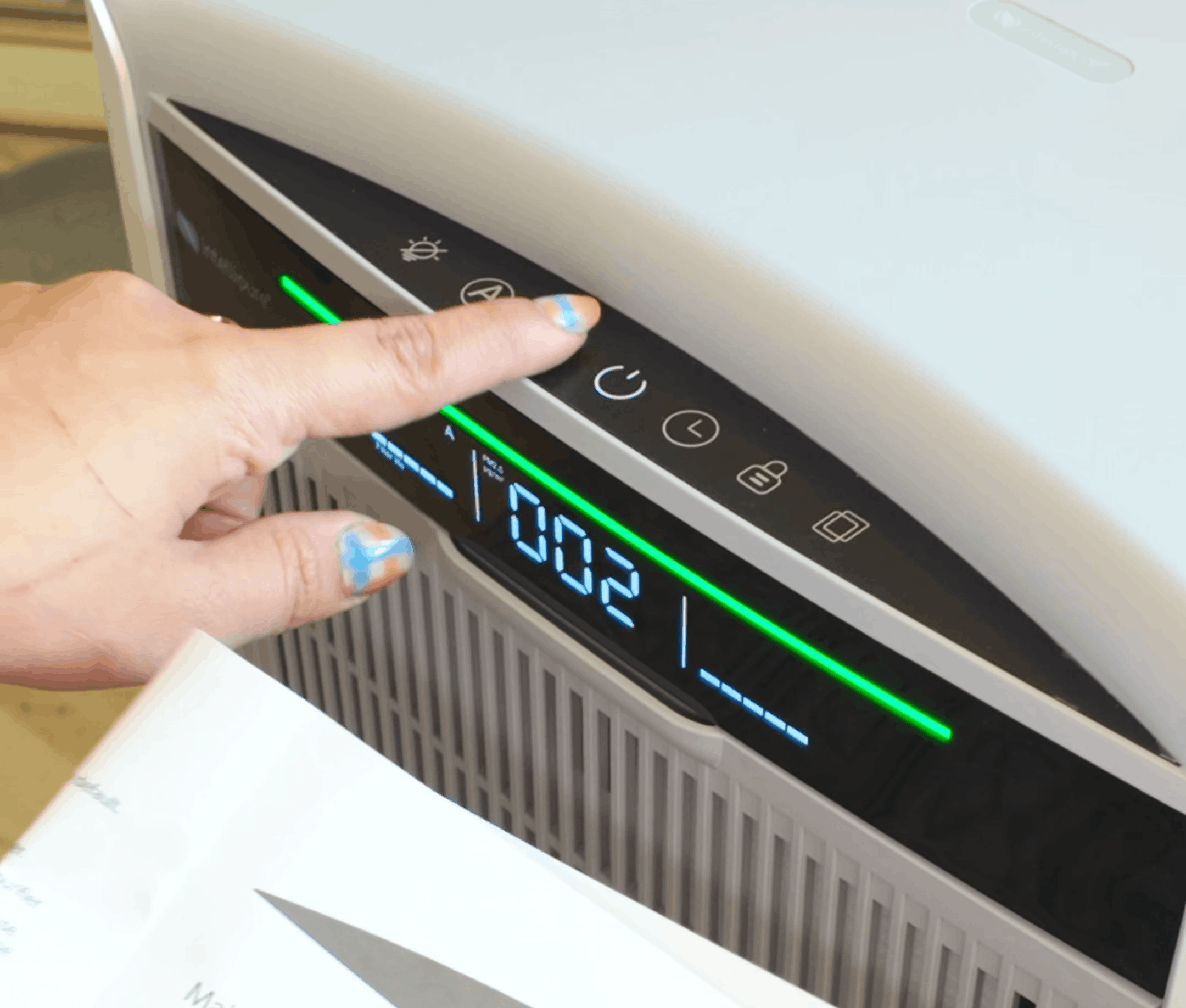
  • Use an air purifier. Your home HVAC system has a filter, but it isn't meant to keep the system clean, not your lungs. Even if you put a higher MERV rated filter in your HVAC system, you may have issues with air distribution due to the increased effort needed to pull air through it. That's why a purpose-built air purifier is necessary to remove fine particles like pollen.


Explore the Breathe Easy Blog

View all

The Smoky Side of Summer

The Smoky Side of Summer

Grills firing up. Fireworks cracking overhead. Citronella candles glowing on the patio. Personally, I'm excited for the festivities. But some of summer's most familiar moments come with a little smoke.

We usually think of these as outdoor activities, which makes them feel separate from the air inside our homes. But your indoor air doesn't exist in a hermetically-sealed bubble. Smoke can drift through open doors, screened porches, cracked windows, attached garages, and nearby air intakes. And once those tiny particles make their way inside, they can linger longer than the fun.

Read more

Breathing Activities to Help Kids Keep Their Cool

Breathing Activities to Help Kids Keep Their Cool

Big emotions are a regular part of childhood, but kids don't always know how to manage them without support. One of the simplest and most effective emotional regulation tools they can learn also happens to be completely free: mindful breathing. For kids and adults, deep breathing helps calm the body's stress response, making it easier to control emotions, refocus, and navigate challenging situations. 

Read more

Shedding Light on Pet Allergens: How Pets Affect Indoor Air Quality

Shedding Light on Pet Allergens: How Pets Affect Indoor Air Quality

We love our pets. We love their little routines, their tiny dramatic sighs, their oddly specific favorite spots around the house. What we don't love quite as much? We love our pets. We love their little routines, their tiny dramatic sighs, their oddly specific favorite spots around the house. What we don't love quite as much? The fur tumbleweeds, the mystery smells, and the microscopic particles they leave behind.

Read more

Summer Air Myths

Summer Air Myths

Summer is often portrayed as the season of fresh air, when you're supposed to get out of the house and enjoy the great outdoors, or at least crack open a window or two. But well-meaning advice about "getting fresh air" isn't always supported by science. This article debunks five common myths about summer air quality, so you can make more informed decisions about your home environment. 

Read more

From the Ballpark to the Boardroom: What Sports Science Can Tell Us About Air Quality and Mental Clarity

From the Ballpark to the Boardroom: What Sports Science Can Tell Us About Air Quality and Mental Clarity

You've probably heard that air pollution is bad for your lungs, but have you ever thought about how it might affect your brain? A growing body of research suggests that the air you breathe has a measurable impact on cognitive performance, and some of the best evidence comes from pretty unexpected places: baseball, football, and soccer fields. 

Read more

Sleep Better With Cleaner Air

Sleep Better With Cleaner Air

You've probably heard a lot of common tidbits of sleep advice before: Dim the lights. Put your phone away. Keep the room cool. Avoid caffeine too late in the day. Maybe add a fan, sound machine, or "rainfall in a forest" playlist (if that's your thing). All good ideas. But there's another part of your sleep environment that deserves a spot in the routine: the air you breathe all night.

Read more

May Flowers, Meet Indoor Air: Why Allergy Season Doesn’t Stop at the Door

May Flowers, Meet Indoor Air: Why Allergy Season Doesn’t Stop at the Door

Open the windows. Let the breeze in. Put some lilies in a vase. Finally, your home feels fresh again. Well, that's the idea, at least. In reality, the air this time of year has a way of blurring the line between "fresh" and "irritating." The same air that carries in that light, mid-to-late spring feeling also brings along something less welcome: pollen, particles, and other such respiratory irritants. 

Read more

Indoor Air Quality (IAQ) in Baby’s Nursery

Indoor Air Quality (IAQ) in Baby’s Nursery

My third baby is turning one this week. Reflecting back, the newborn and infant phases were different this time around. For starters, he's a really chill little guy who loves sleep (and trust me, we earned it after our first two). There was also a noticeable lack of late-night internet searching and spiraling. 

Read more

Clean Air Month Starts at Home

Clean Air Month Starts at Home

As the title suggests, May is Clean Air Month. No, really, it is. Clean Air Month is an annual observance held throughout May in the United States to raise awareness about air pollution, promote healthy, clean air, and encourage actions to reduce carbon footprints. When we think about air, our brain tends to focus on what's happening outside. Smog, pollen, pollution, wildfire smoke.

Read more