


Check the Quality of the Air where you Live
Ever wonder what you're breathing in? Use the interactive tool below to check the Air Quality Index (AQI) for your location. This live dial gives you an instant look at pollution levels in your area, so you can take steps to protect your indoor air, especially on high-risk days.
Right below the monitor, you’ll also find a simple breakdown of what each AQI score means and what actions you can take at each level. From “Good” days where you can open windows and enjoy fresh airflow, to “Unhealthy” days where it’s best to limit exposure and rely on indoor air filtration, this guide helps you quickly translate numbers into real-world decisions.
Understanding Your Air Quality Score
Air Quality Levels
Recommended Actions
Air Quality Index Trends
Air quality isn’t static, it changes throughout the day, the seasons, and even from block to block. This trends chart helps you spot patterns and track how local air quality is evolving over time. Whether you’re managing allergies, asthma, or simply trying to live cleaner, understanding long-term air patterns can help you plan smarter and breathe better.

Take Control of Your Indoor Air Quality
When outdoor air quality drops, what you do indoors matters even more. Air purifiers are one of the most effective ways to protect yourself and your family from pollutants like smoke, allergens, and harmful particles. Click the link below to learn more about the benefits of air purifiers and how they can support healthier living.
Explore our Products
Discover Intellipure
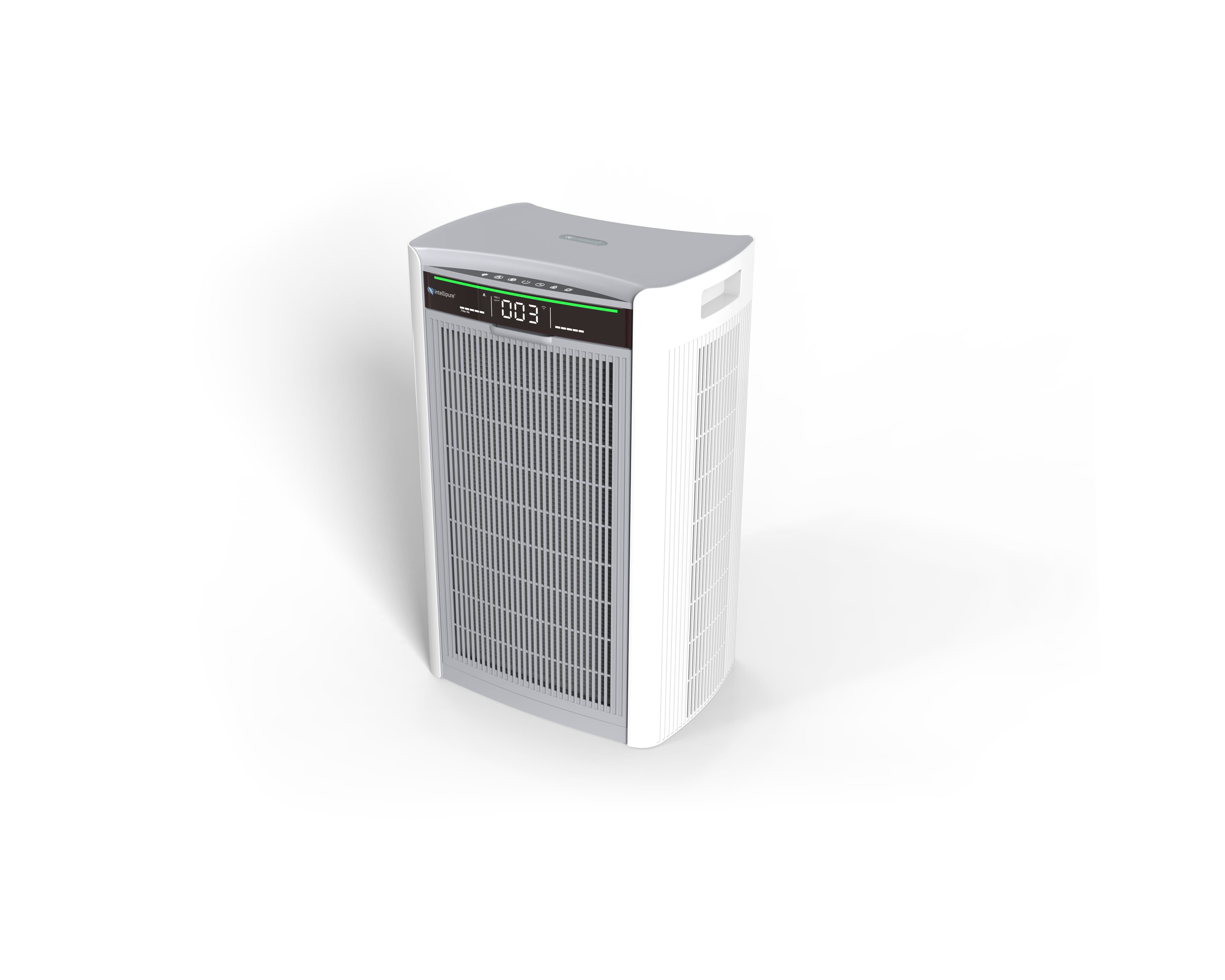
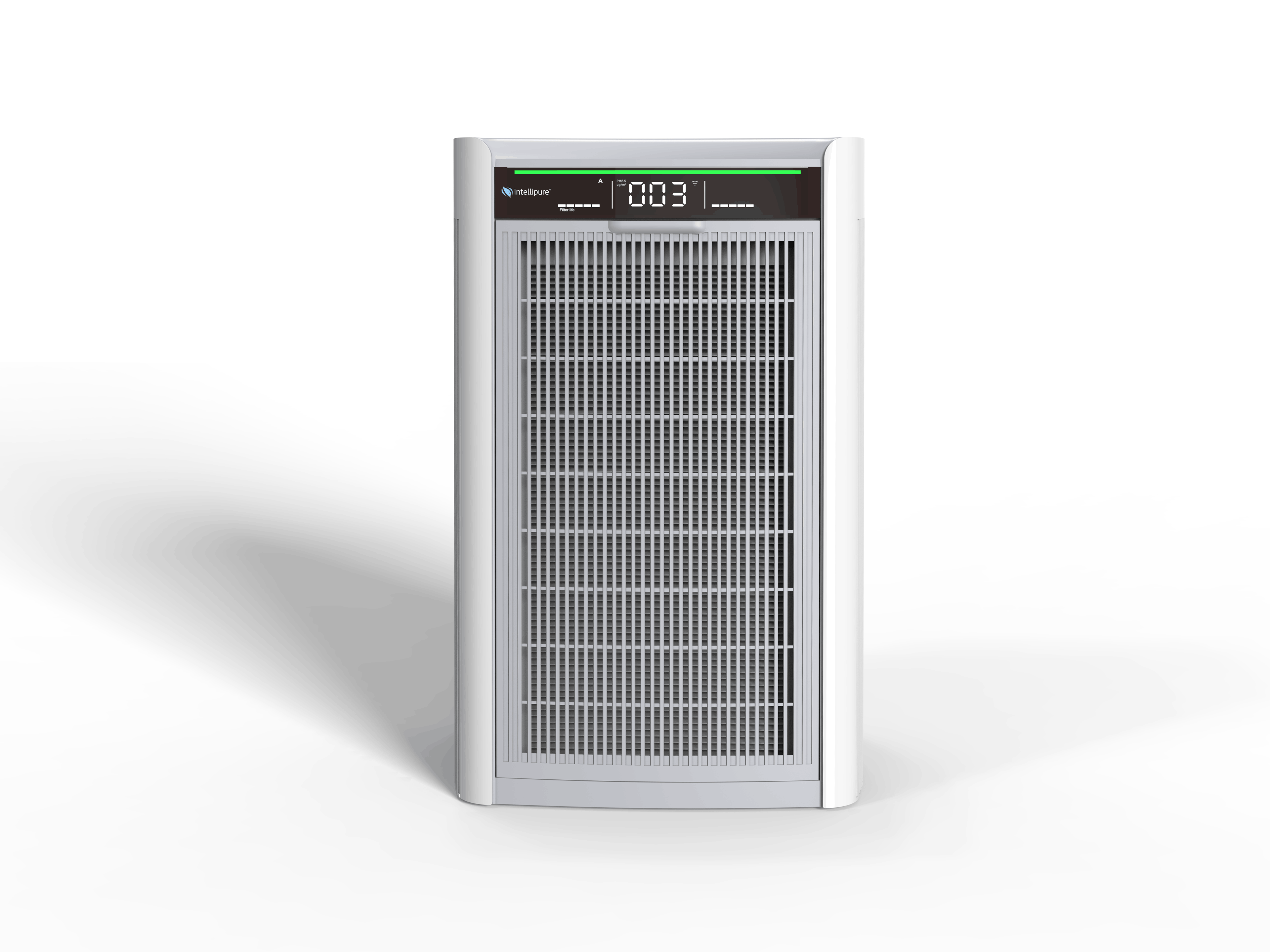
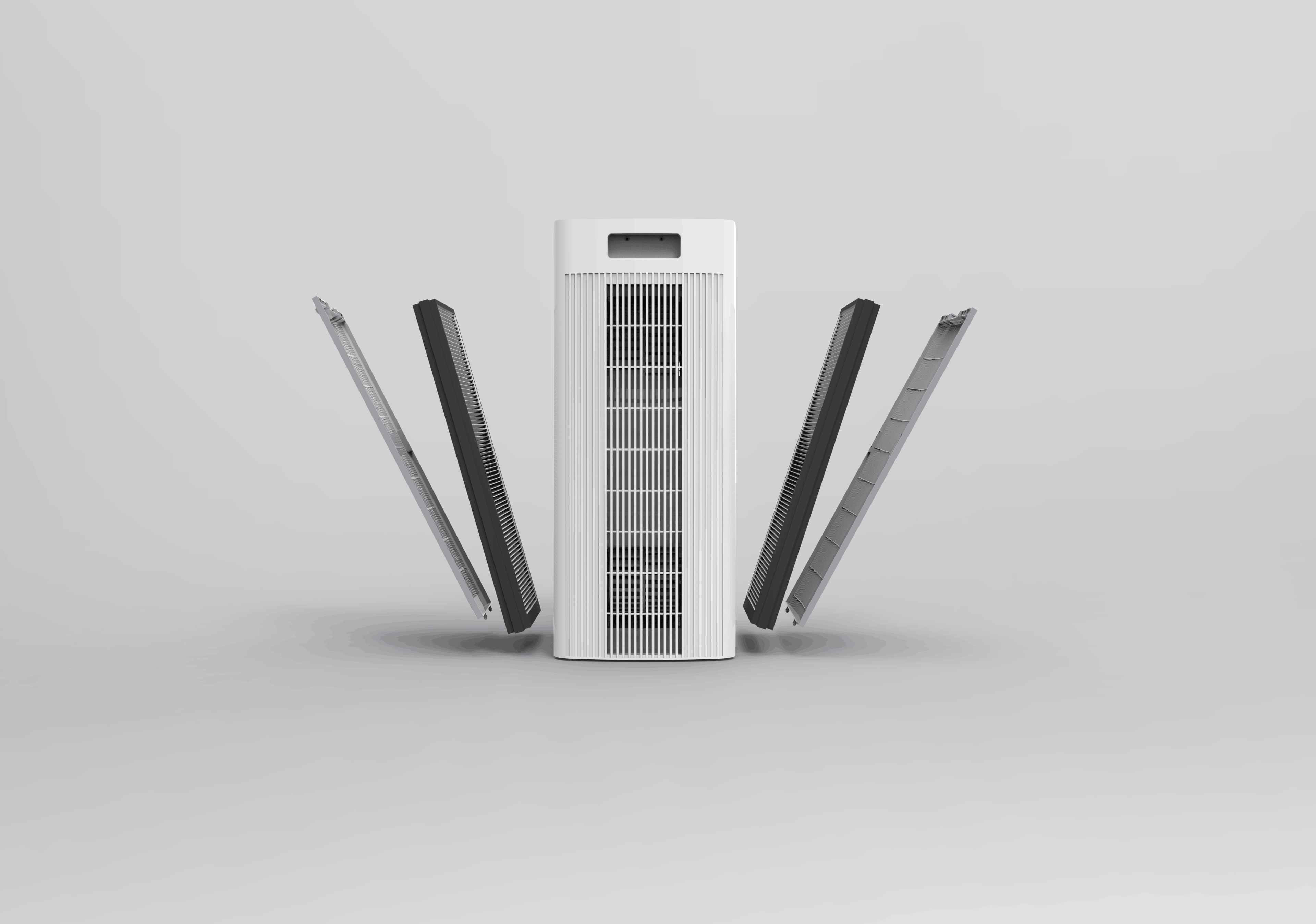
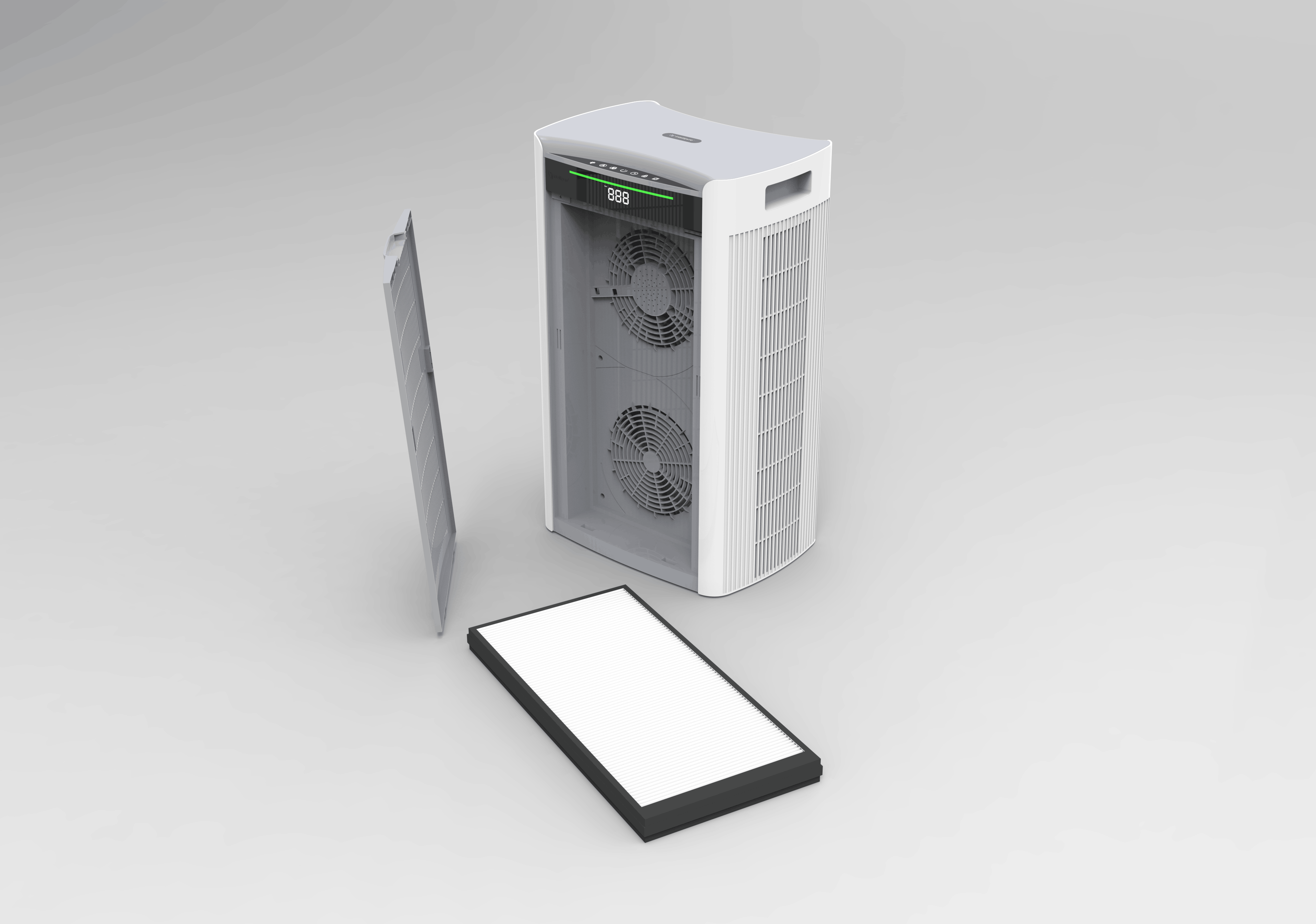

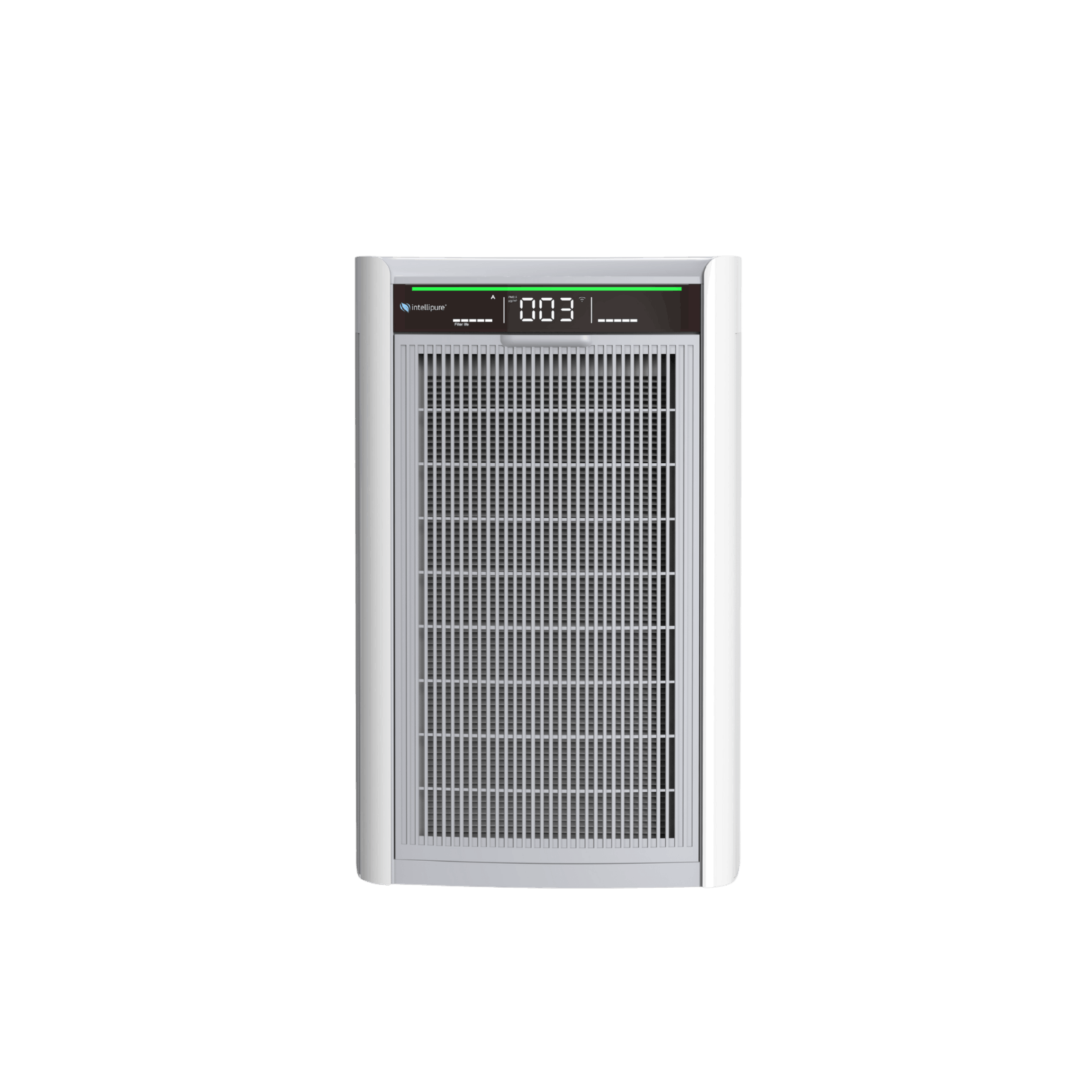
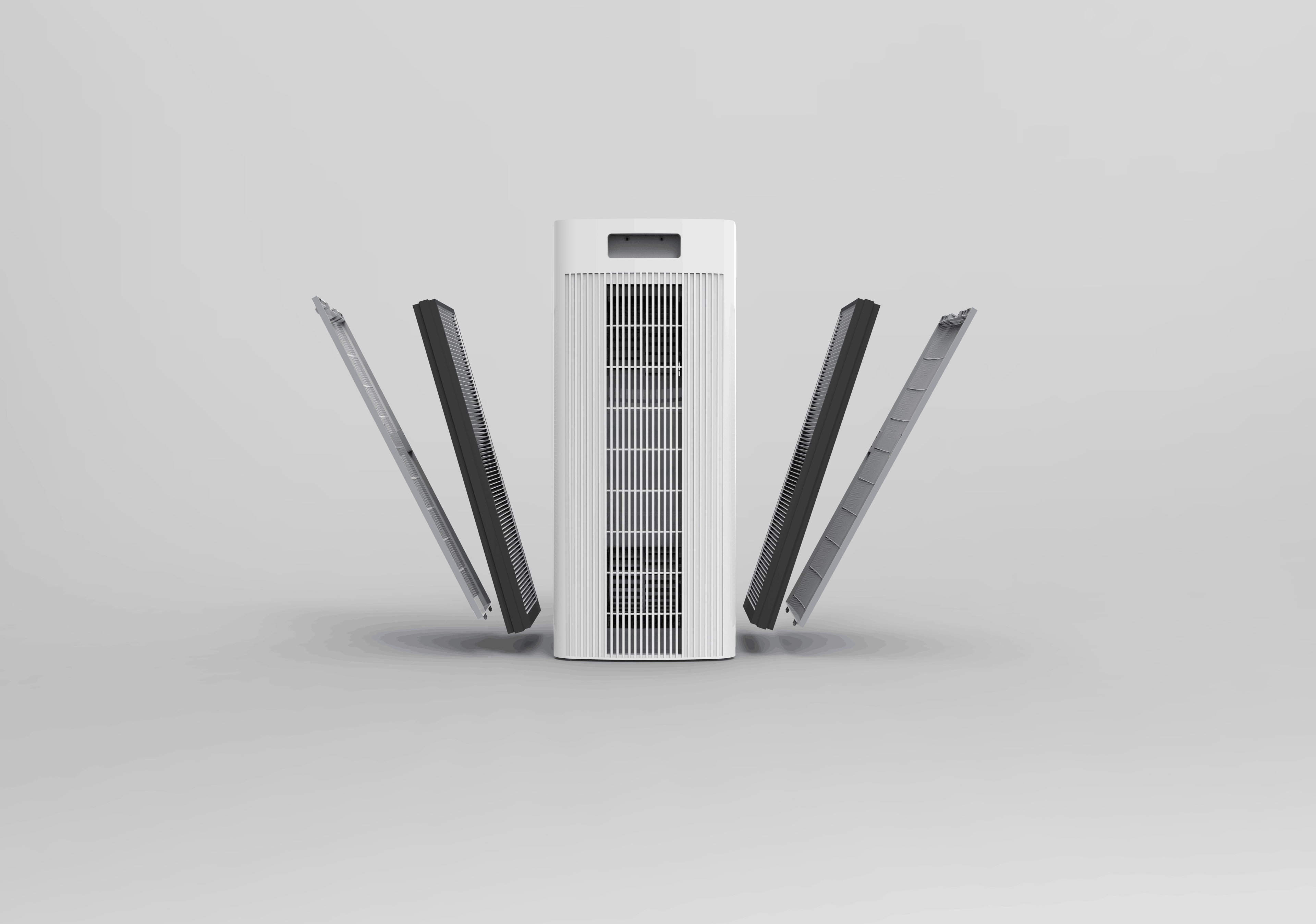
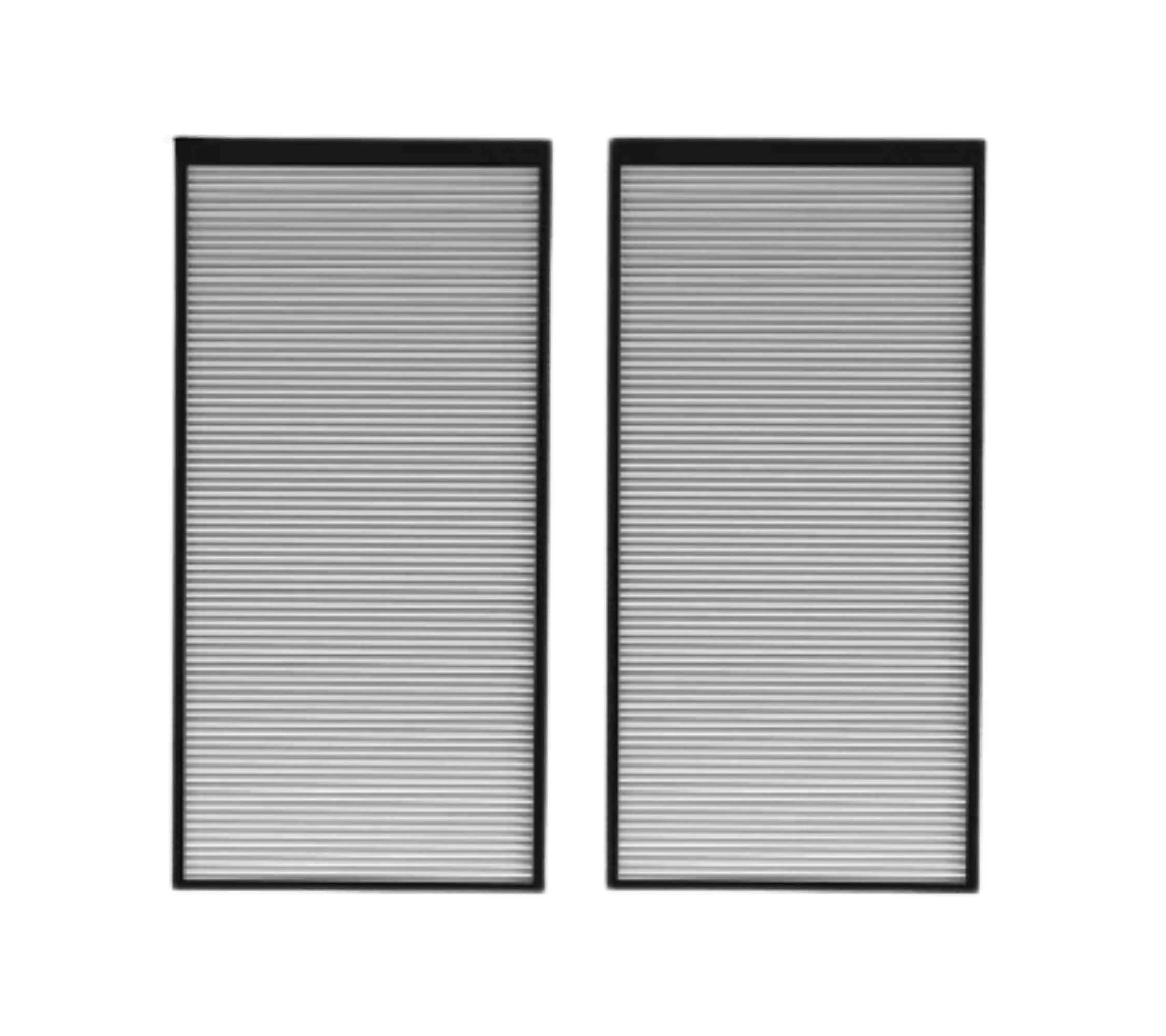
Smart HEPA Air Purifier and Filter Replacement Bundle with WiFi/App Control
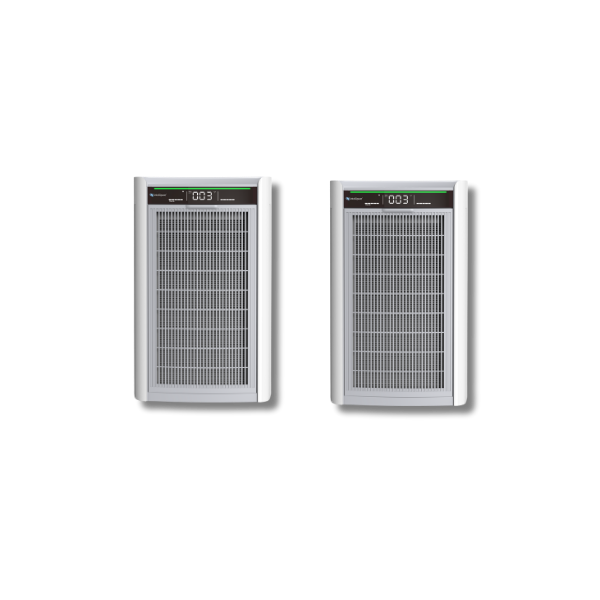
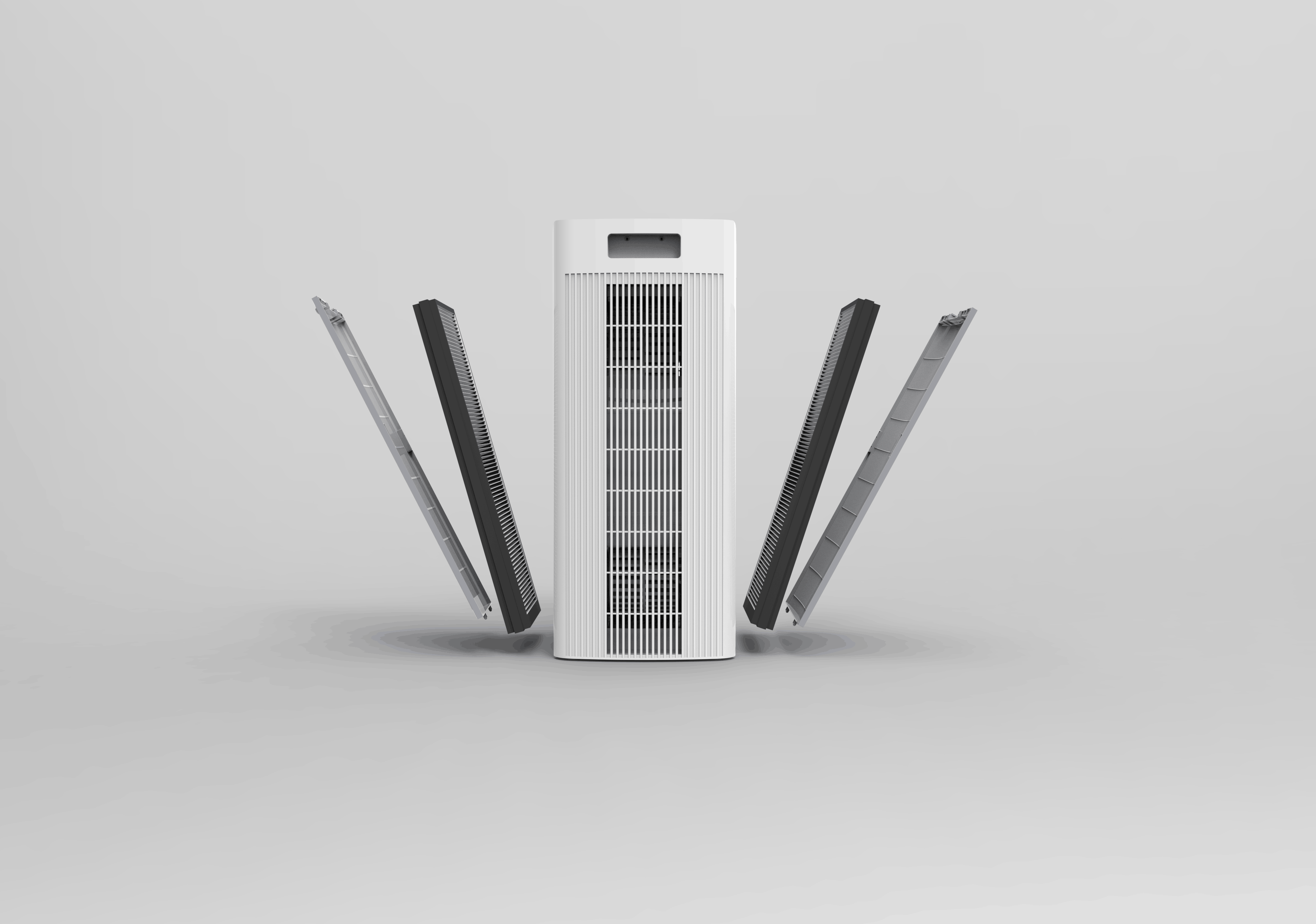
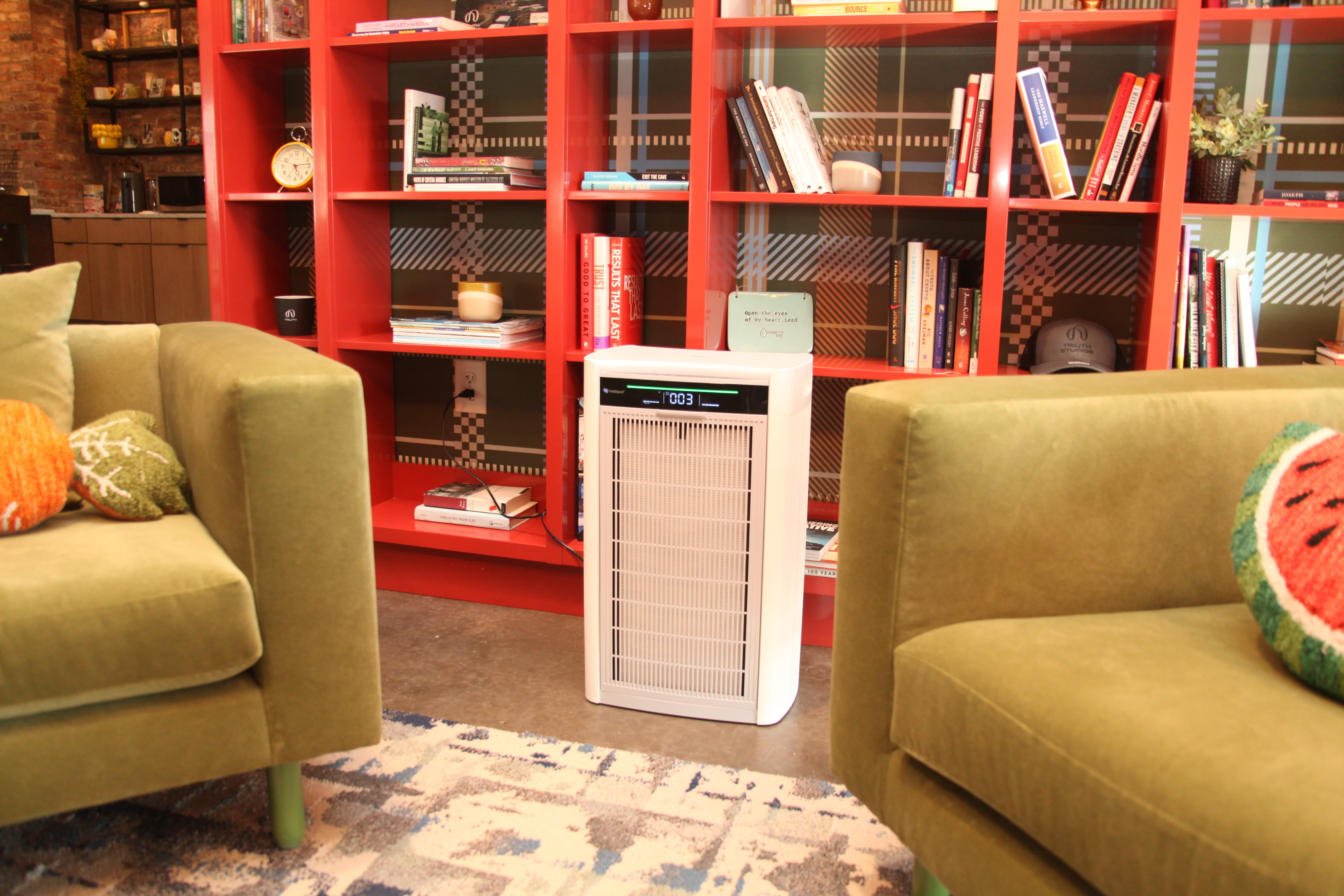
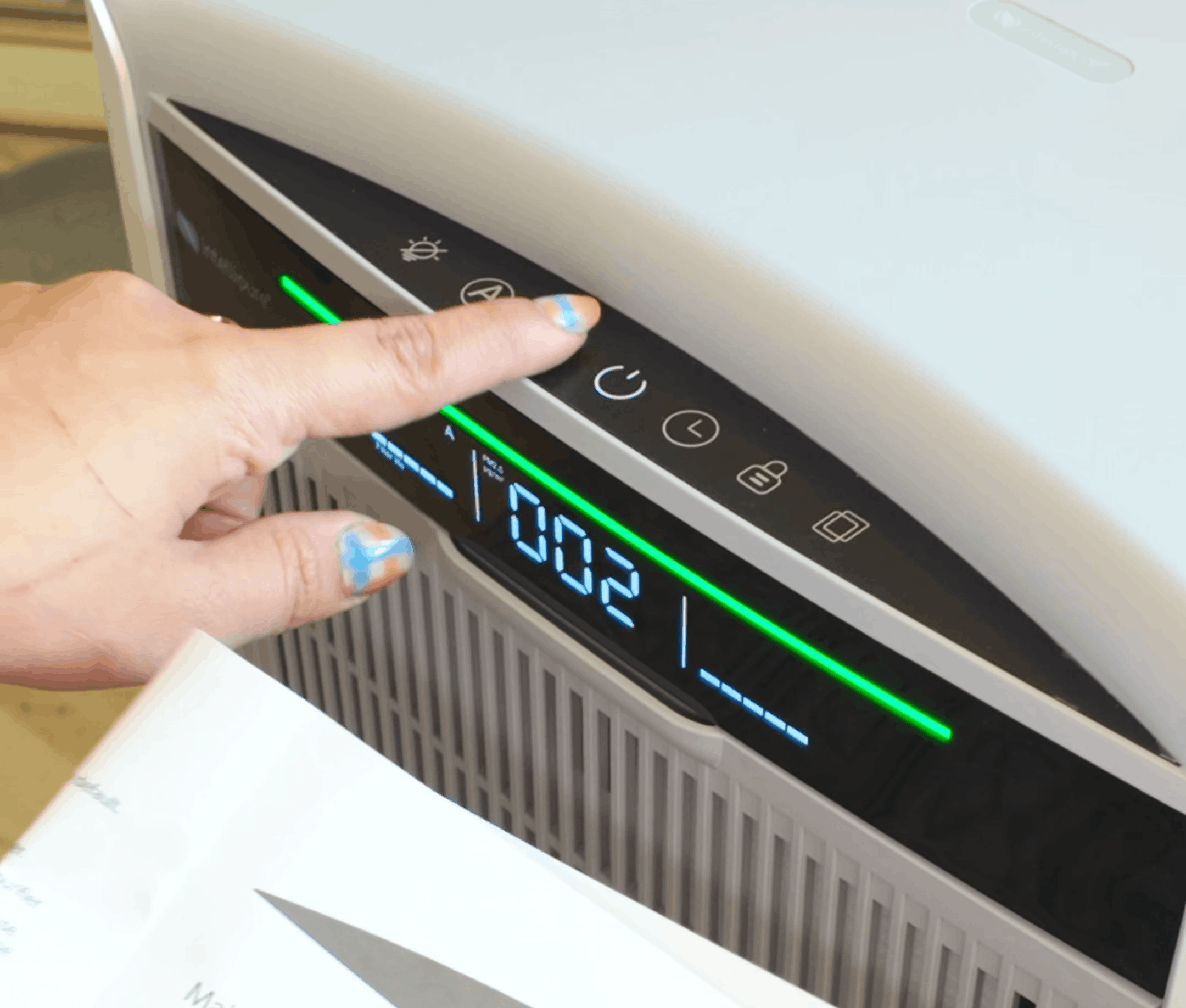
H1000 Air Purifier 2-Pack with Dual HEPA Filters
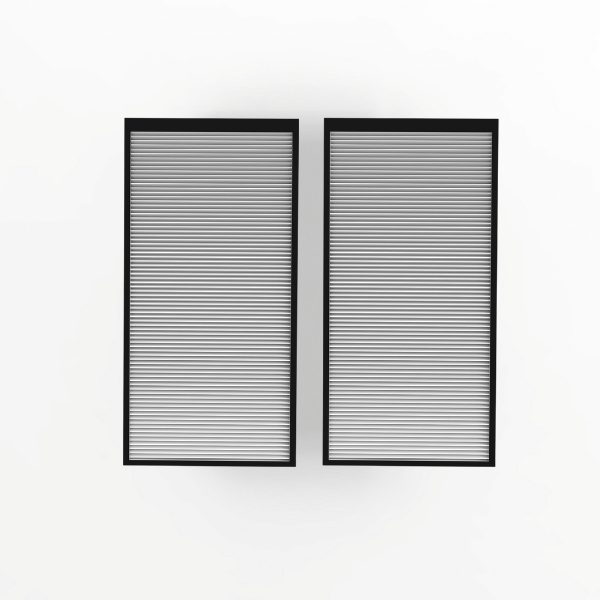
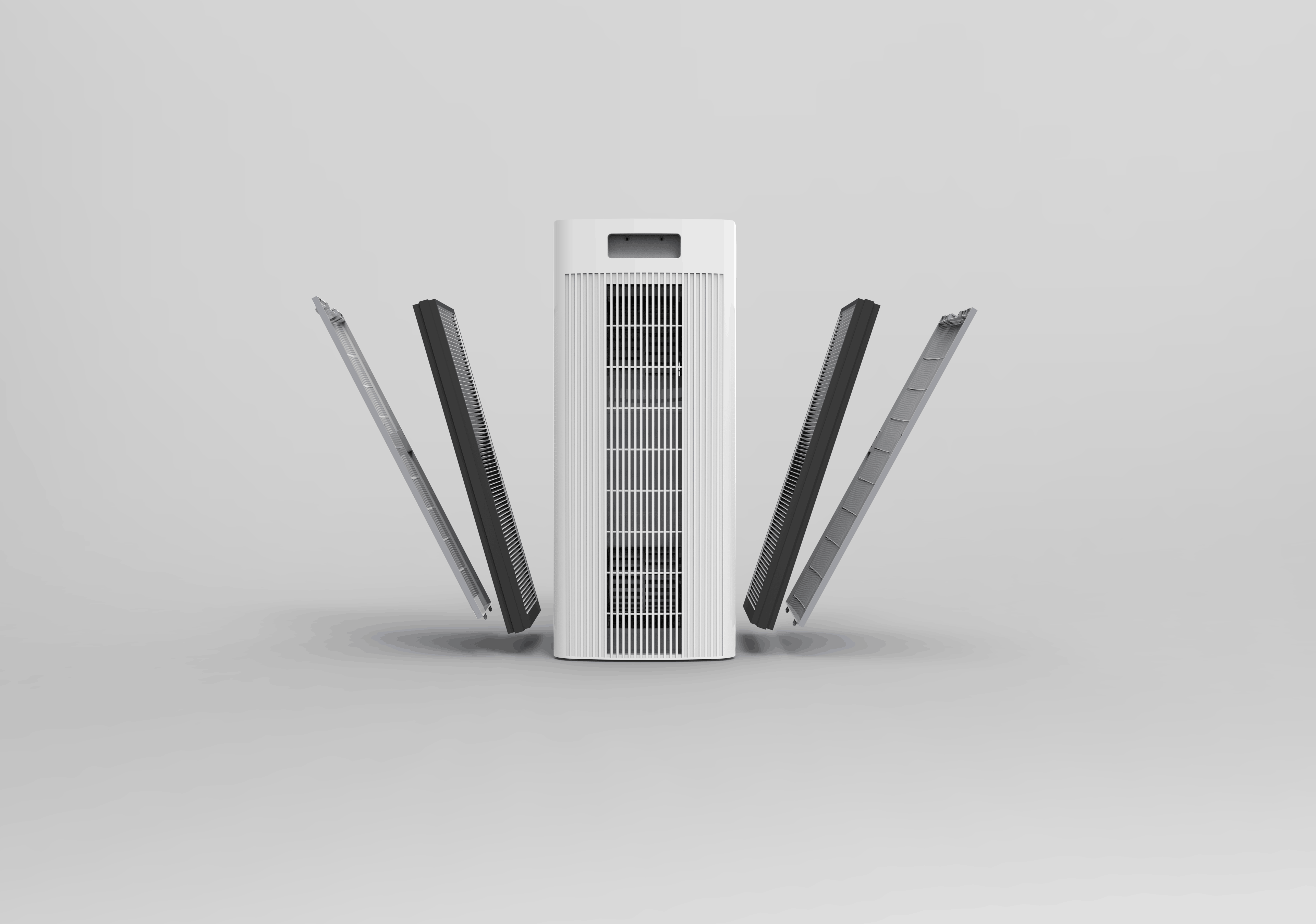
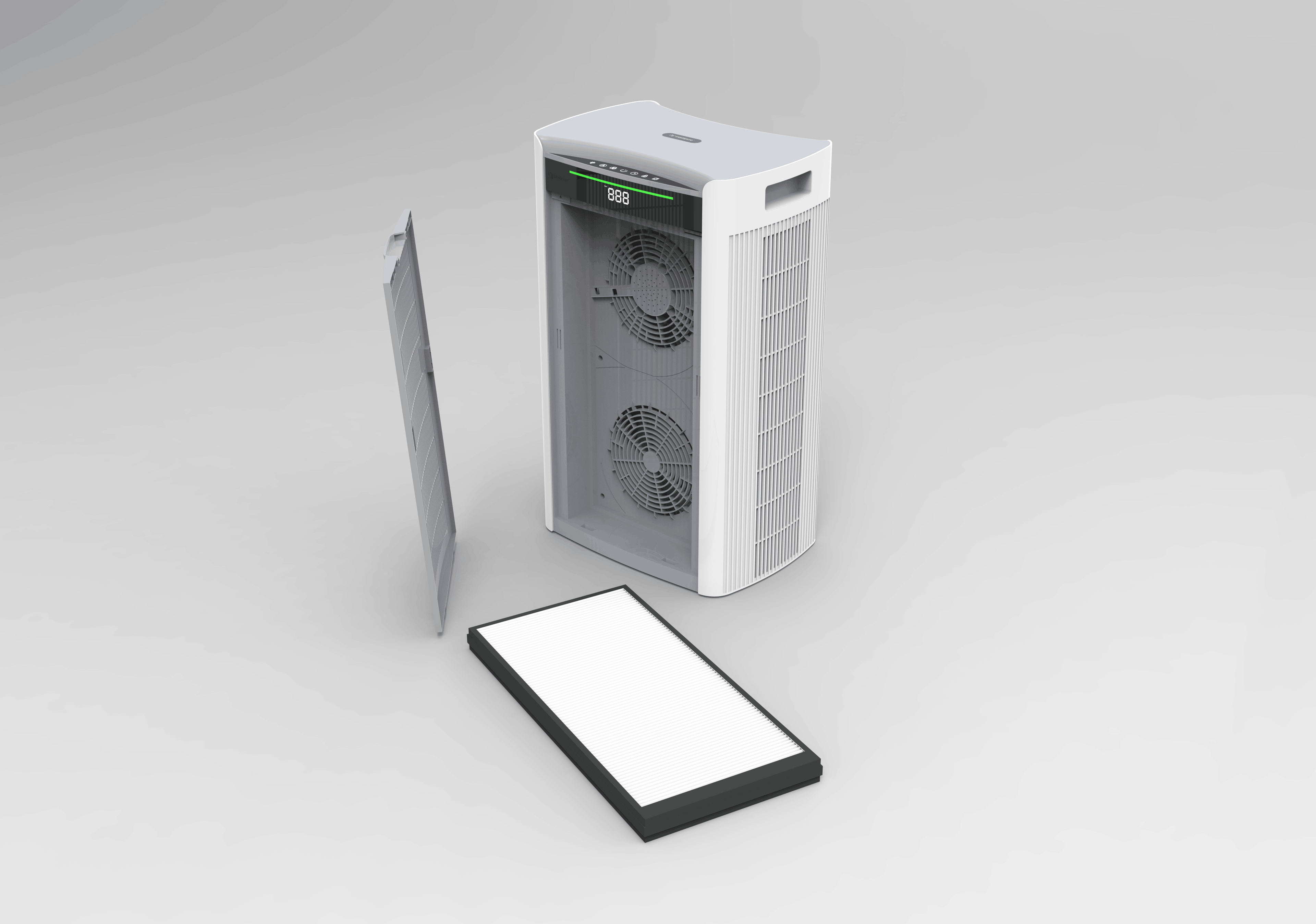
H1000 HEPA Filter Set – Annual Replacement

Compact/Pro Pre-Filter Replacement
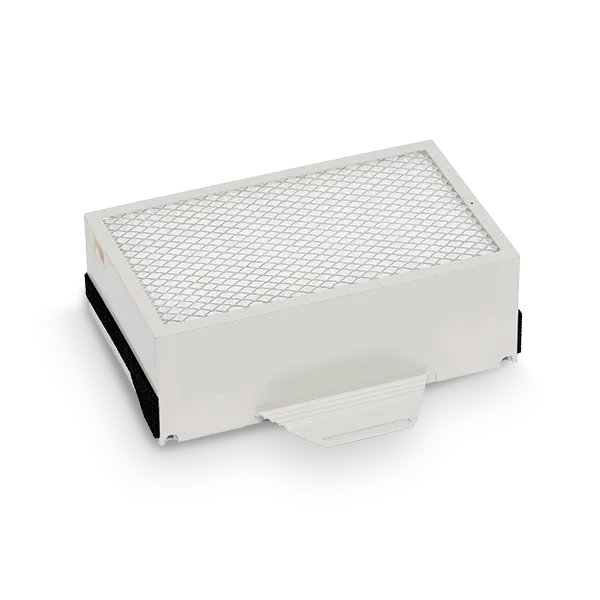
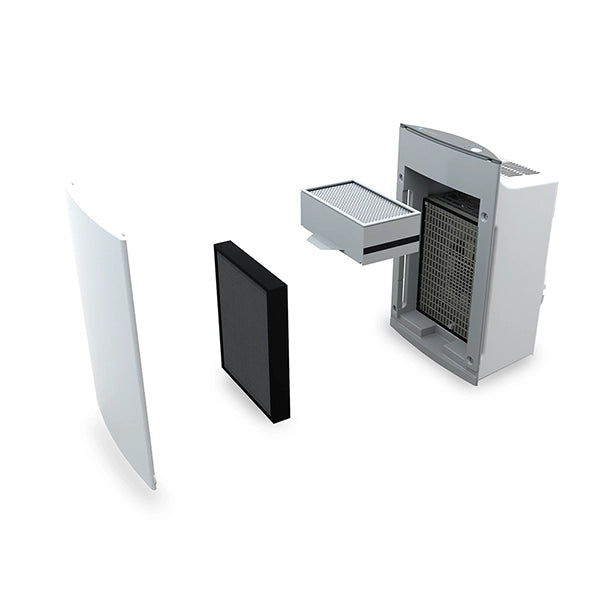
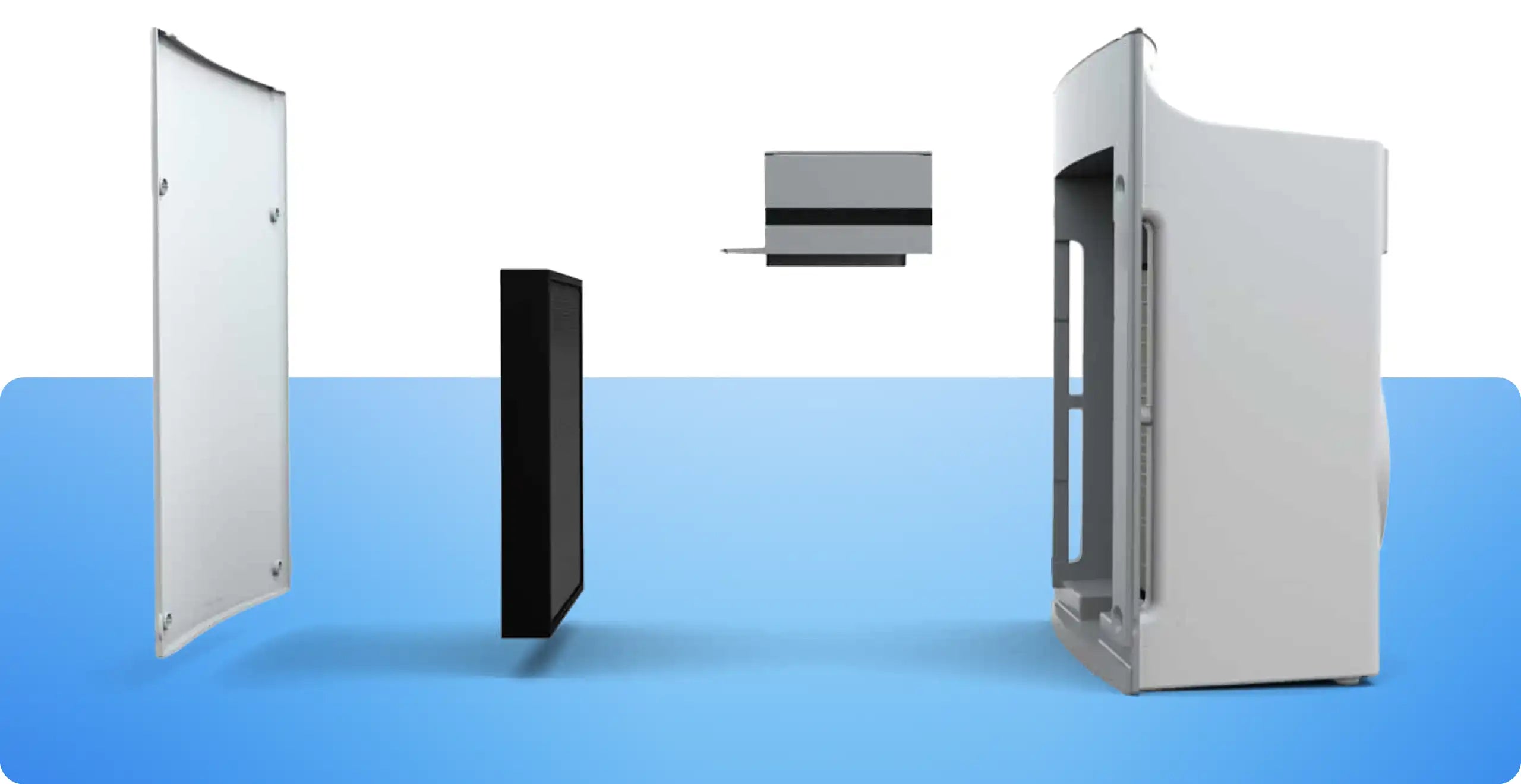
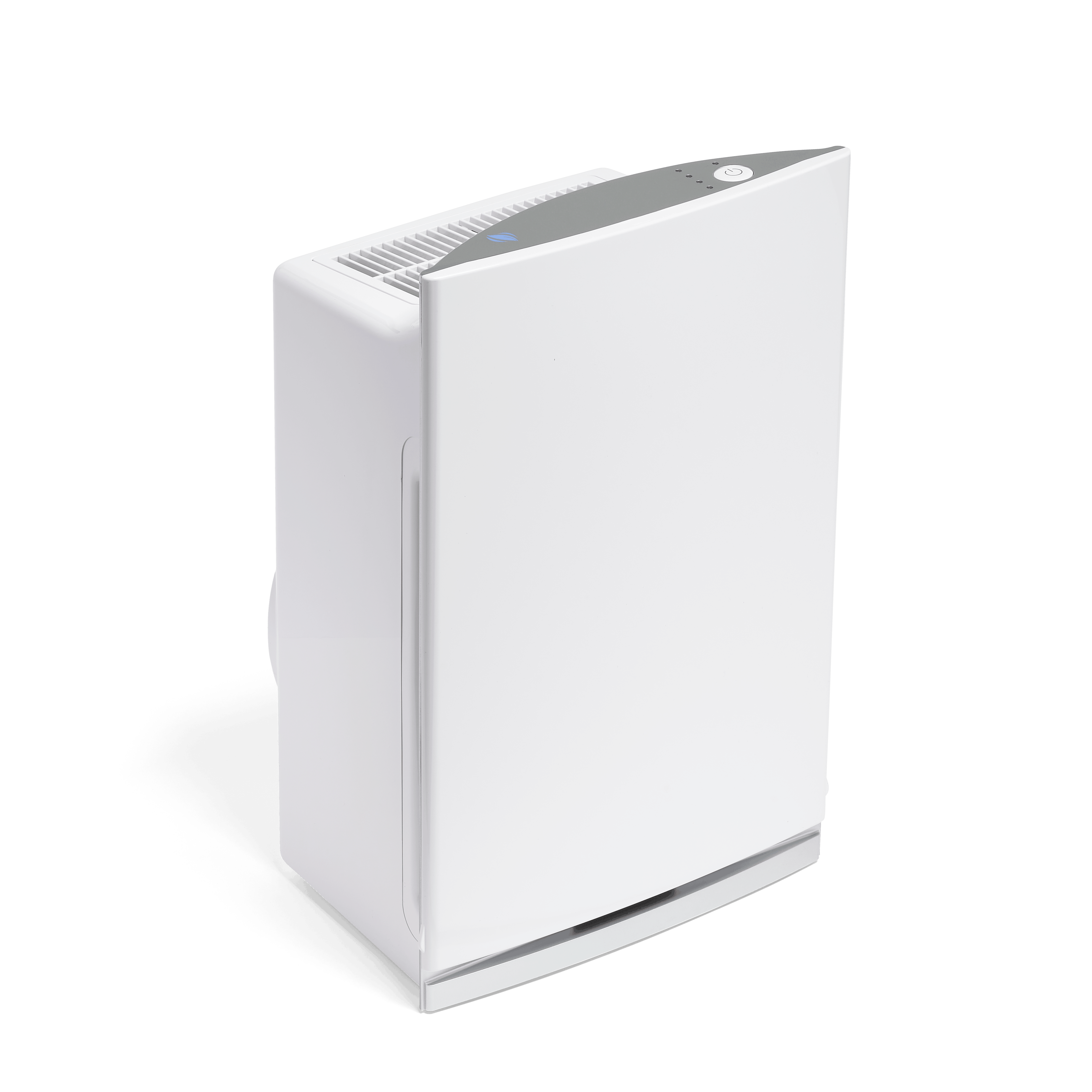
Main Filter Replacement for Compact & Pro Series 500 Air Purifiers
Explore the Breathe Easy Blog

Smoking Is Making a Comeback. What Does That Mean for Your Air?
Cigarettes are having a cultural moment again. For a while, they seemed destined to become a relic of another era. Then came vaping, sleek electronic devices, flavored nicotine, a way to smoke almost anywhere, and a whole new aesthetic.
Now, the pendulum appears to be swinging again.
Recent cultural coverage has pointed renewed interest in something trendsetters are calling analog smoking, especially among younger consumers. Cigarettes are showing up in fashion, celebrity imagery, nightlife culture, and social media feeds, alongside terms like cigfluencers, Gen Z smoking, and even vape fatigue.
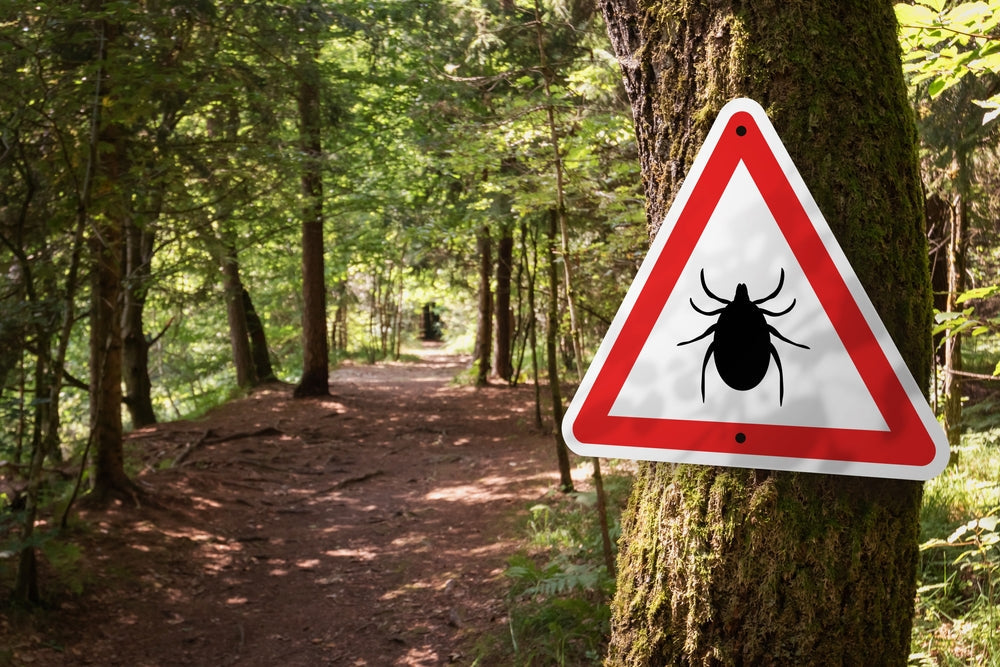
Living and Breathing with Lyme Disease
When you were a kid and had never seen "Lyme disease" spelled out before, you might have assumed it had something to do with little green citrus fruits. (No? Just me?)
Turns out, the disease is named for Lyme, Connecticut, where the first cluster of cases was documented back in 1977. Unfortunately, Lyme disease has spread far beyond Lyme's town limits: Today, it's been reported in almost every U.S. state, but the Northeast, Mid-Atlantic, and Upper Midwest regions see the most cases. It also exists in Asia, Europe, and other parts of the world [1, 2][1, 2].

Better Together: Why Different Air Filters Do Different Jobs
Fall has a way of putting maintenance back on everyone's radar. You're changing routines, getting the house ready for cooler weather, and maybe finally tackling that list of things you meant to check months ago. Changing your air purifier filters deserves a spot on that to-do list.