


Summary
Indoor air quality plays a bigger role in sleep than most people realize. From allergy symptoms to sleep apnea risk, here's how the air in your bedroom may be keeping you up at night, and what you can do about it.
In This Article
The Link Between Air Quality and Sleep
You probably already know the basics of good sleep hygiene: a consistent bedtime, a dark room, and maybe cutting back on the late-night scrolling. But here's one factor that doesn't get nearly enough attention: the air you're breathing while you sleep.
Research shows that exposure to air pollution, both indoors and outdoors, is associated with poor sleep quality across all age groups [1]. And since Americans spend roughly 87% of their time indoors [2], the air inside your home, especially your bedroom, deserves a closer look.
That's a fancy way of saying: no matter how old you are, pollutants floating around in your air can make sleep worse. The good news? Once you understand the connection, there are practical steps you can take to breathe easier at night.
How Allergies Disrupt Your Sleep
Millions of people deal with allergy symptoms every day, but many don't connect those symptoms to a rough night's sleep. Think about it: if you're climbing into bed with watery eyes, a stuffy nose, or an irritated throat, your body is already working overtime before you even close your eyes.
Research confirms the link. A systematic review and meta-analysis found that people with allergic rhinitis face significantly higher risks of insomnia, snoring, and daytime sleepiness compared to those without allergies [3].
So what's triggering these symptoms indoors? Common allergens include pet dander, dust mites, mold spores, and pollen [4]. On top of that, volatile organic compounds (VOCs) from everyday products like paints, cleaning supplies, and air fresheners can irritate the eyes, nose, and throat [5].
Over time, exposure to these indoor pollutants may lead to headaches, dizziness, and fatigue, and can aggravate or worsen conditions like asthma [6]. Those aren't exactly the conditions for restful sleep.
Sleep Apnea and Indoor Air
Sleep apnea is a common sleep disorder in which breathing repeatedly stops and restarts during the night, which can prevent the body from getting enough oxygen [7]. Many people with sleep apnea don't even realize they have it, though the effects on daily life can be significant.
What's interesting from an air quality perspective is that research has found a link between air pollution exposure and sleep-disordered breathing. A systematic review reported that increased exposure to fine particulate matter (PM2.5) and nitrogen dioxide was associated with a higher risk of sleep apnea [1]. That means the air in your bedroom could be playing a bigger role than you'd expect.
Of course, air quality isn't the only factor. Sleep apnea is also linked to obesity, smoking, and genetic predisposition [8]. If you suspect you may have sleep apnea, it's important to talk to a healthcare provider. Treatments like CPAP (continuous positive airway pressure) machines can help keep airways open during sleep [9].
Still, maintaining clean indoor air is one piece of the puzzle you can control, and it's a meaningful one.
The Real Cost of Poor Sleep
Let's zoom out for a moment. Why does all of this matter so much?
Experts recommend that adults get 7 to 9 hours of sleep per night [10]. When that doesn't happen consistently, the health consequences can add up. Sleep deficiency has been linked to a range of chronic conditions, including heart disease, high blood pressure, obesity, diabetes, kidney disease, stroke, and depression [11].
On the flip side, getting enough quality sleep supports cognitive function, helps regulate metabolism, and contributes to better overall physical health [12, 13]. In other words, sleep isn't just about feeling rested; it's foundational to how your body functions.
What You Can Do About It
Here's the practical part. You can't always control the air outside, but you have a lot of influence over your indoor air quality. A few doable steps:
- Keep allergens in check. Wash bedding regularly in hot water, vacuum with a HEPA-filter vacuum, and keep pets out of the bedroom if dander is a trigger.
- Reduce VOC sources. Choose low-VOC paints and cleaning products when possible, and ventilate well when using products that off-gas.
- Manage humidity. Keep indoor humidity between 30% and 50% to discourage mold growth and dust mites.
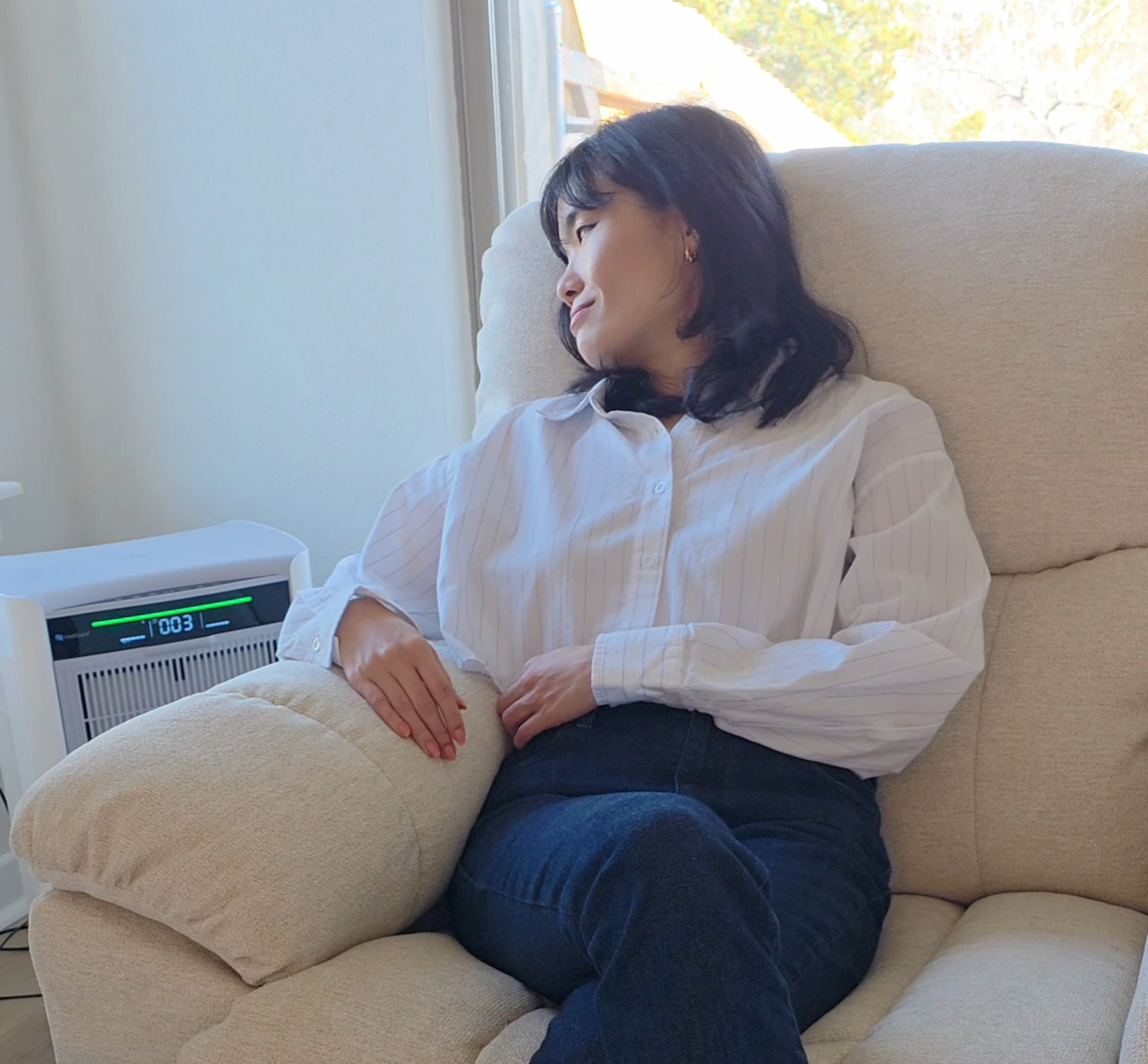
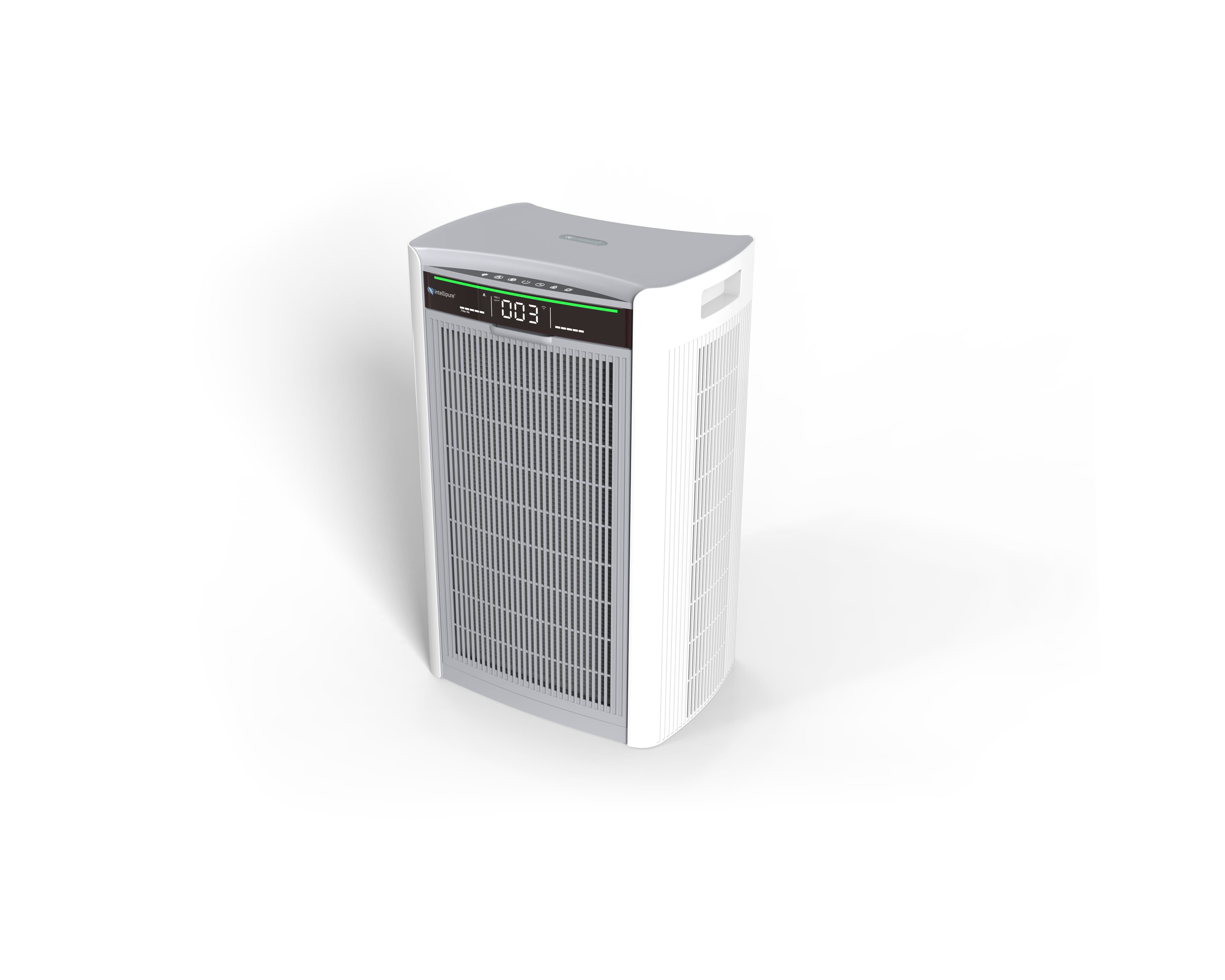
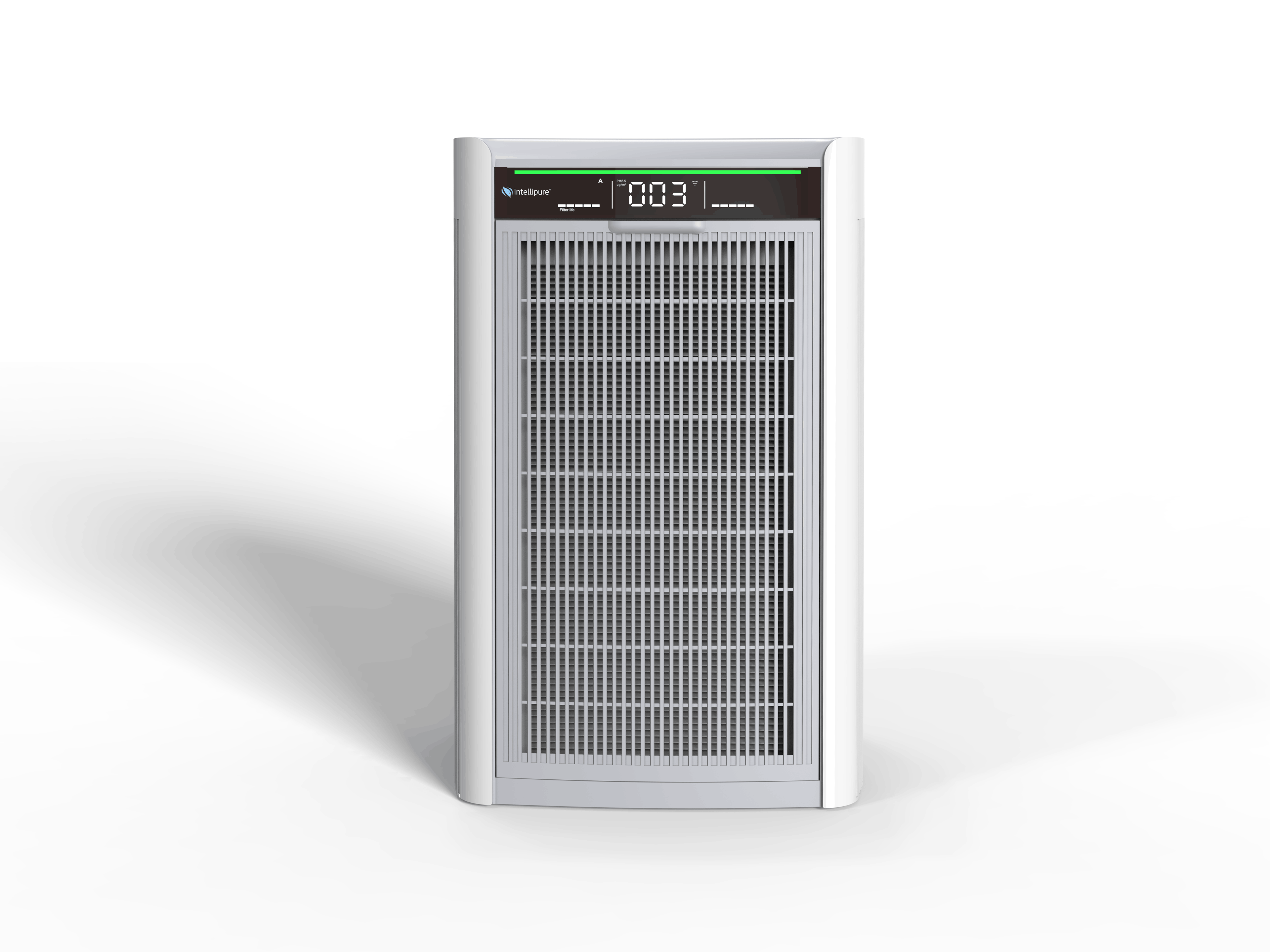
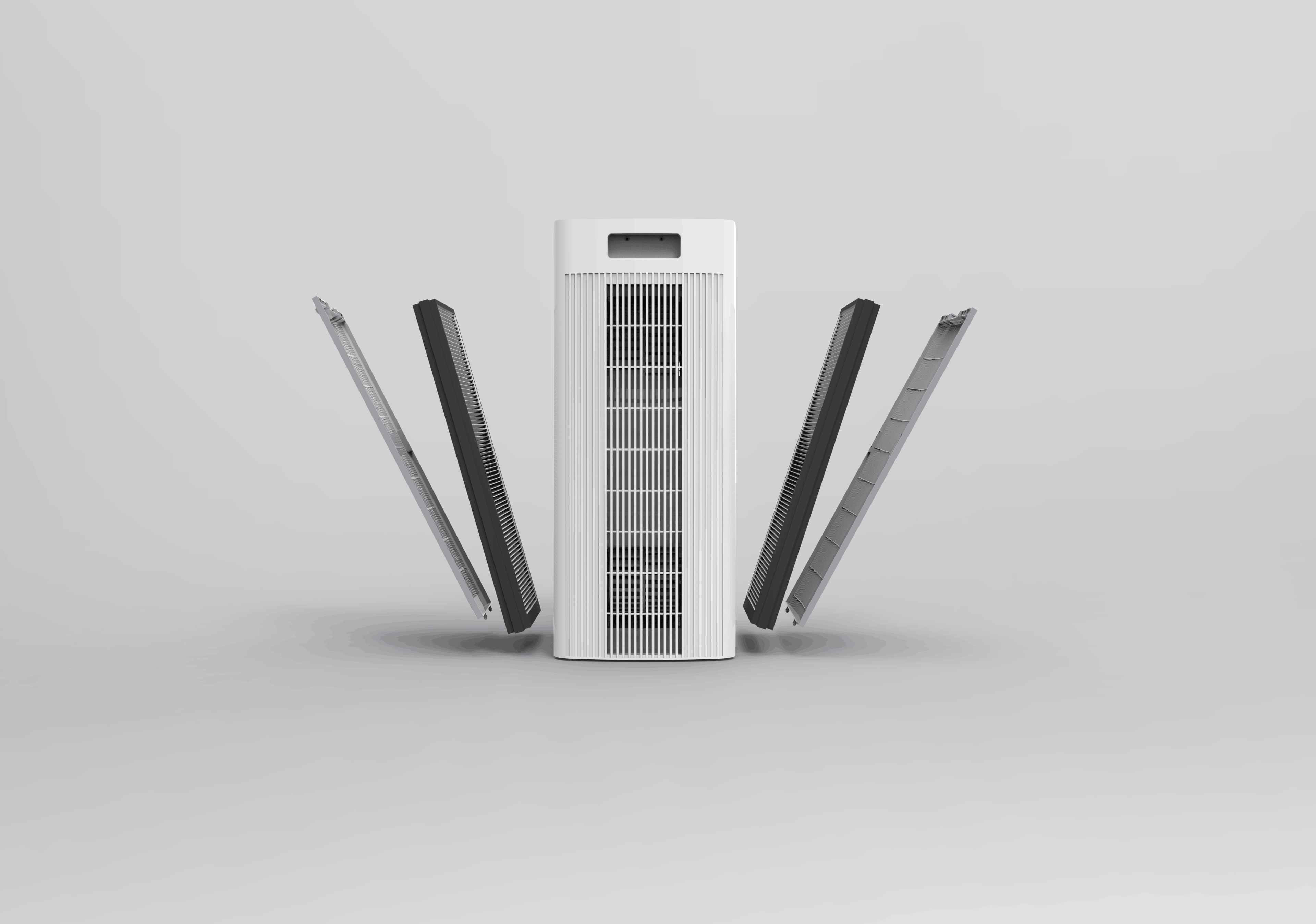
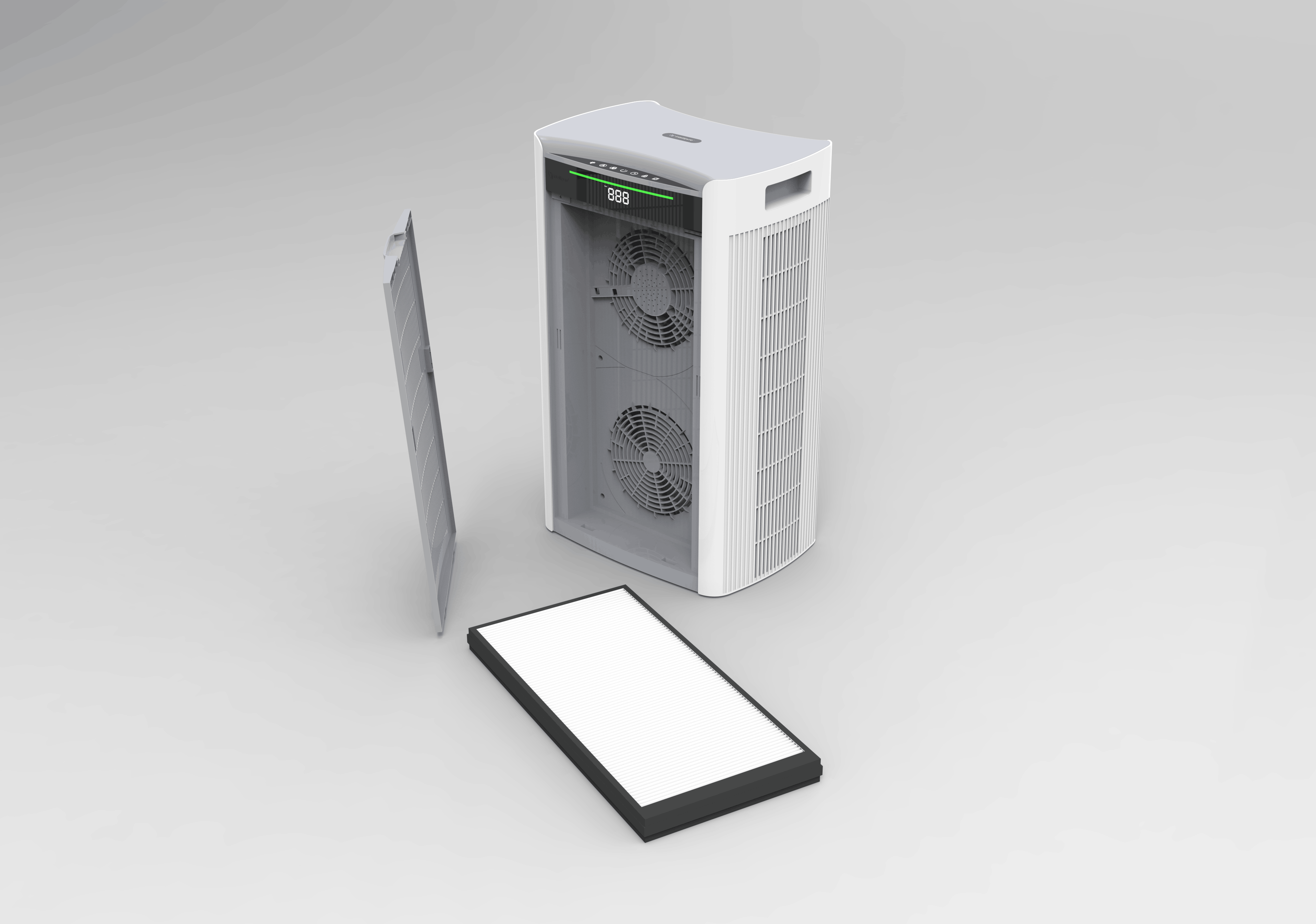
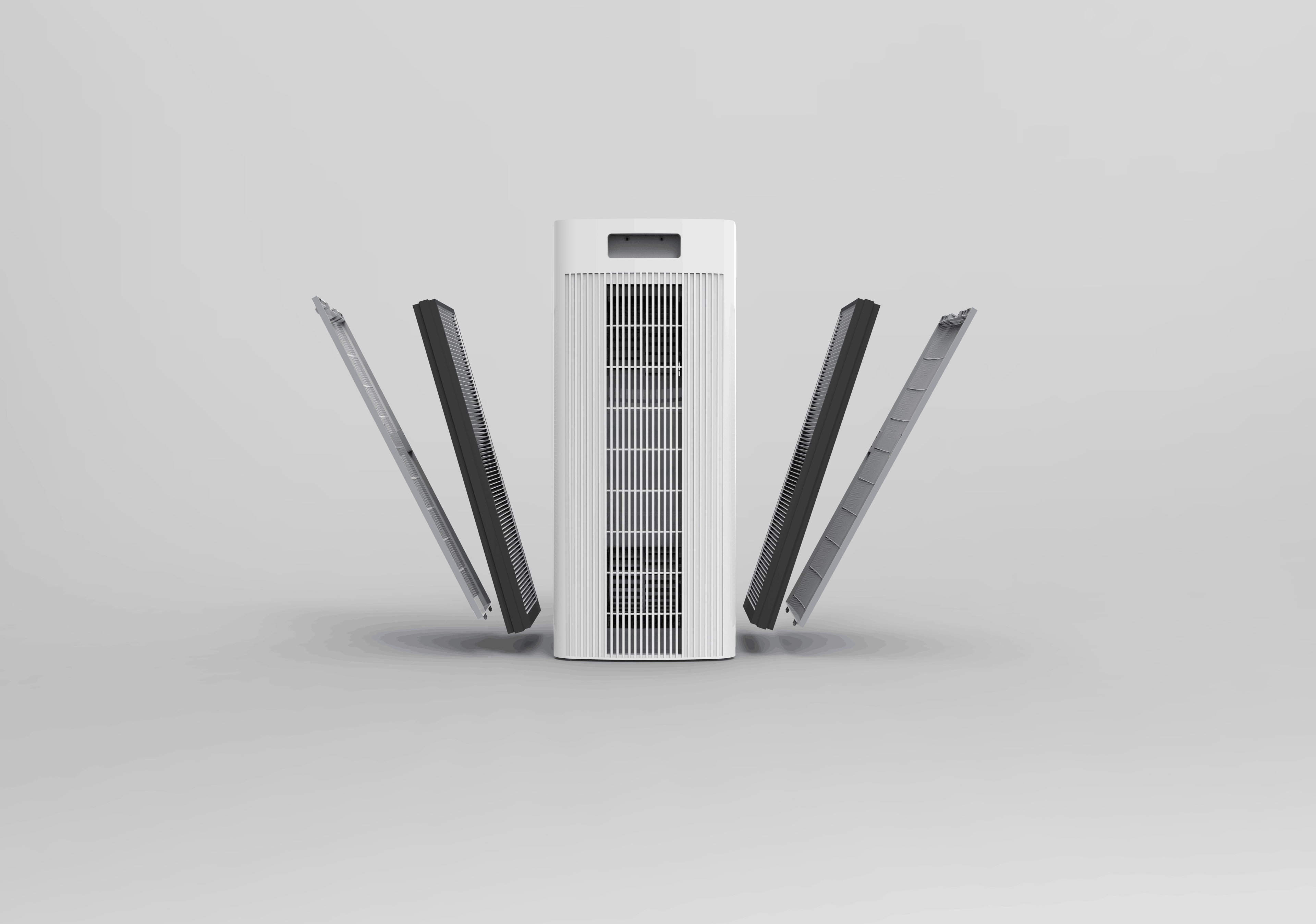
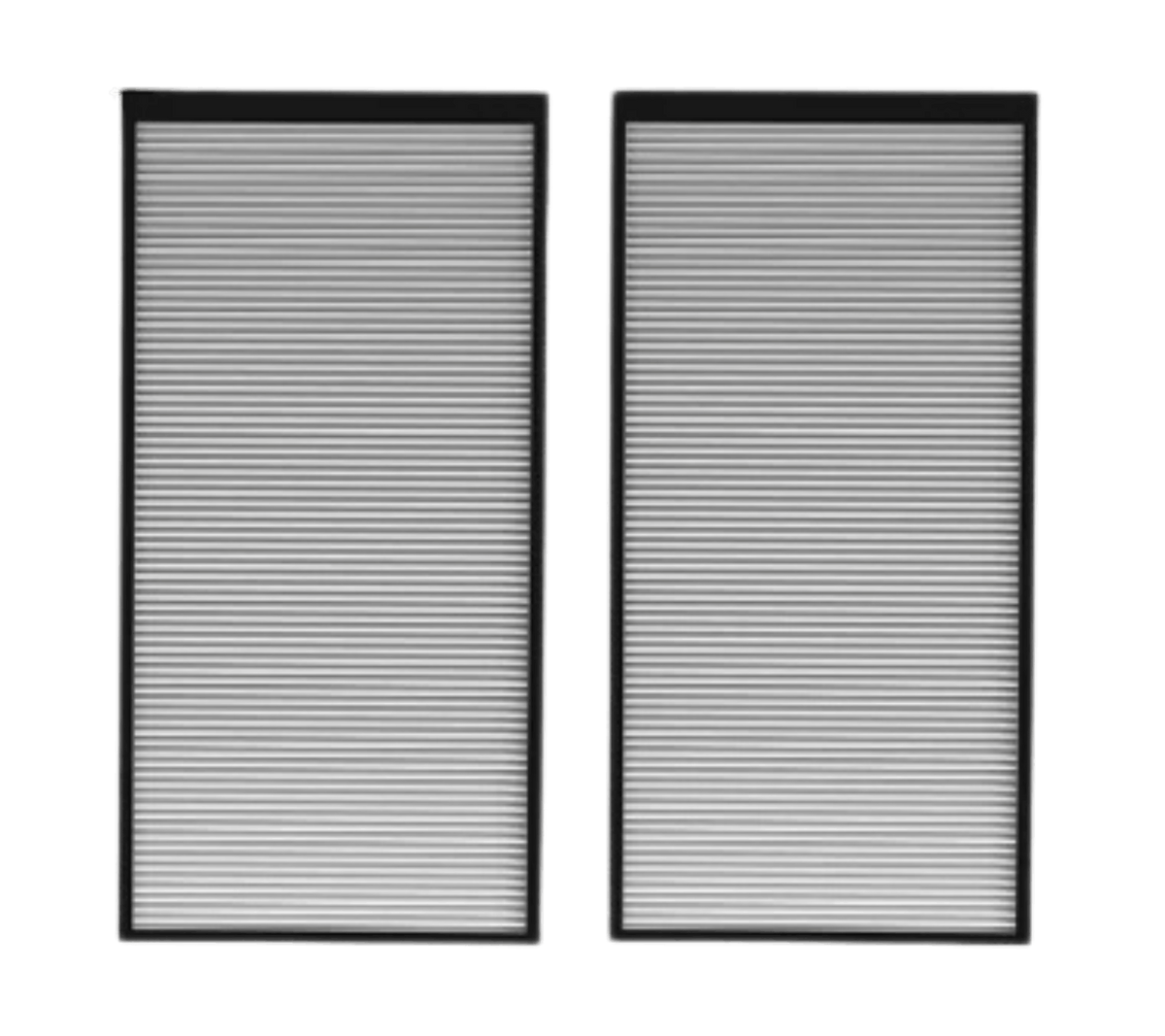
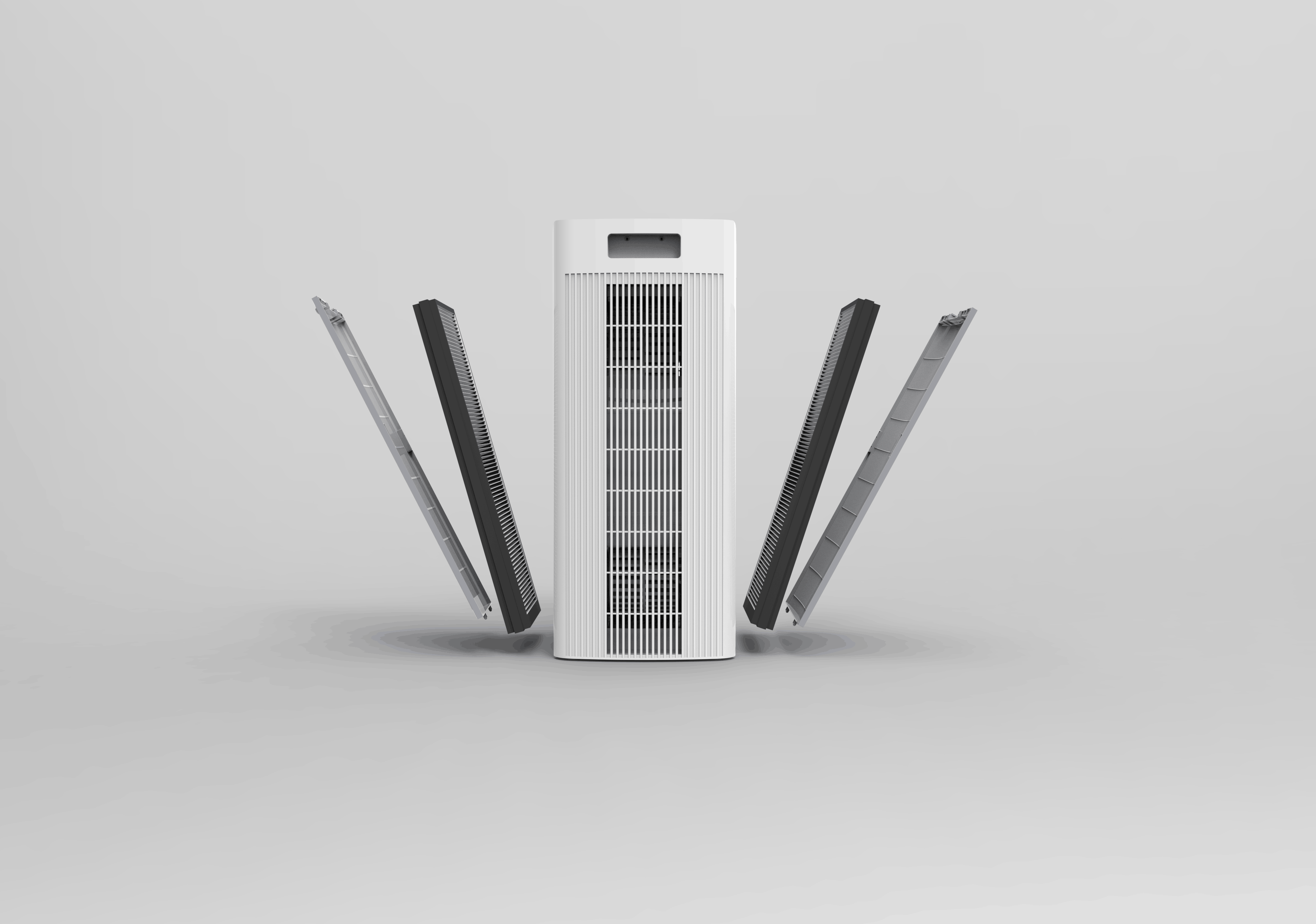
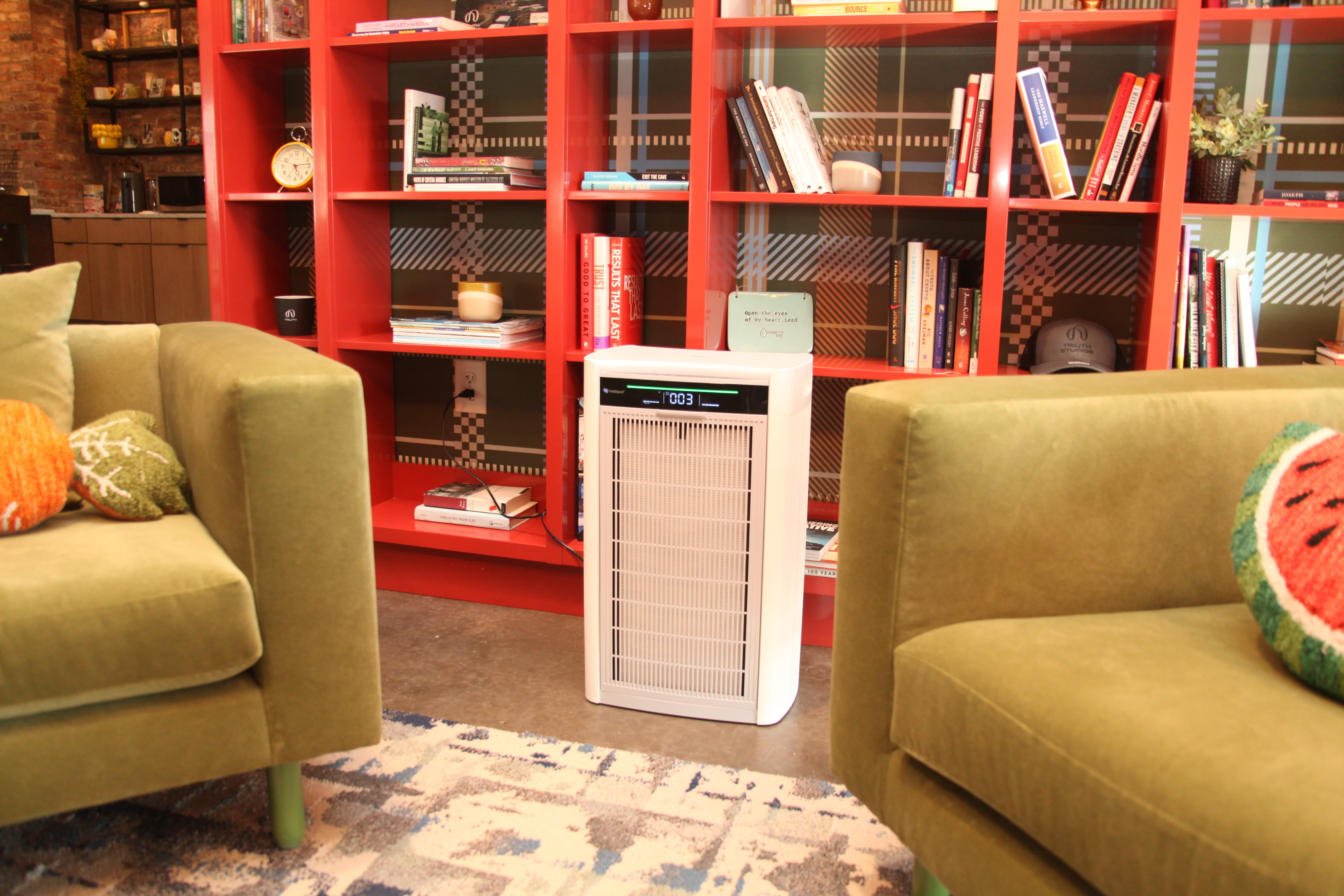
- Run an air purifier in your bedroom. A quality air purifier can help capture allergens, dust, and other airborne particles while you sleep.
- Ventilate when you can. When outdoor air quality is good, open windows to bring in fresh air and reduce the concentration of indoor pollutants.
Clean air won't solve every sleep problem, but it's a step in the right direction. Pair it with good sleep habits, and you're setting yourself up for more restful nights.
Want to learn more about what's in the air you breathe?
References
- Liu J, Wu T, Liu Q, Wu S, Chen JC. Air pollution exposure and adverse sleep health across the life course: A systematic review. Environ Pollut. 2020;262:114263. doi:10.1016/j.envpol.2020.114263.
- Klepeis NE, Nelson WC, Ott WR, Robinson JP, Tsang AM, Switzer P, et al. The National Human Activity Pattern Survey (NHAPS): a resource for assessing exposure to environmental pollutants. J Expo Anal Environ Epidemiol. 2001;11(3):231-52. doi:10.1038/sj.jea.7500165.
- Liu J, Zhang X, Zhao Y, Wang Y. The association between allergic rhinitis and sleep: A systematic review and meta-analysis of observational studies. PLoS One. 2020;15(2):e0228533. doi:10.1371/journal.pone.0228533.
- US Environmental Protection Agency. Biological Pollutants' Impact on Indoor Air Quality [Internet]. Washington (DC): EPA; 2025 [cited 2026 Feb 12].
- US Environmental Protection Agency. Care for Your Air: A Guide to Indoor Air Quality. Washington (DC): EPA; 2008. Report No.: EPA 402/F-08/008.
- US Environmental Protection Agency. Introduction to Indoor Air Quality [Internet]. Washington (DC): EPA; 2024 [cited 2026 Feb 12].
- National Heart, Lung, and Blood Institute. Sleep Apnea - What Is Sleep Apnea? [Internet]. Bethesda (MD): National Institutes of Health [cited 2026 Feb 12].
- National Heart, Lung, and Blood Institute. Sleep Apnea - Causes and Risk Factors [Internet]. Bethesda (MD): National Institutes of Health [cited 2026 Feb 12].
- National Heart, Lung, and Blood Institute. CPAP [Internet]. Bethesda (MD): National Institutes of Health [cited 2026 Feb 12].
- National Heart, Lung, and Blood Institute. How Sleep Works - How Much Sleep Is Enough? [Internet]. Bethesda (MD): National Institutes of Health [cited 2026 Feb 12].
- National Heart, Lung, and Blood Institute. Sleep Deprivation and Deficiency [Internet]. Bethesda (MD): National Institutes of Health [cited 2026 Feb 12].
- National Heart, Lung, and Blood Institute. How Sleep Works - Why Is Sleep Important? [Internet]. Bethesda (MD): National Institutes of Health [cited 2026 Feb 12].
- Ramar K, Malhotra RK, Carden KA, Martin JL, Abbasi-Feinberg F, Aurora RN, et al. Sleep is essential to health: an American Academy of Sleep Medicine position statement. J Clin Sleep Med. 2021;17(10):2115-2119. doi:10.5664/jcsm.9476.



Air Pollution Mortality Risks Reach Beyond Just Lung Cancer
10 Ways to Improve Your Indoor Air Quality