


Before a Tornado: How to Prepare
While identifying safe shelter areas and understanding weather alerts is a key part of tornado preparedness, it’s equally important to plan for what safety looks like inside your home. Power outages, structural damage, and airborne debris can all impact your environment, making preparation essential.
Actionable Tips
-
Create a Go Bag
Pack essentials like medications, important documents, water, non-perishable food, flashlights, a battery-powered radio, extra batteries, and pet supplies. Include masks to protect against dust and debris after the storm. Click here to learn more.
-
Identify a Safe Room
Choose a basement, storm cellar, or an interior room on the lowest floor away from windows (like a bathroom or closet). Make sure all household members know where to go. Click here to learn more.
-
Family Communication Plan
Decide on meeting points, emergency contacts, and evacuation routes. Make sure every household member knows the plan. Click here to learn more.
-
Secure Your Home
Bring in outdoor furniture, reinforce garage doors if possible, and secure loose items that could become airborne hazards.
-
Stay Weather Aware
Monitor alerts from NOAA weather radios or mobile apps so you can act quickly when conditions change. Click here to monitor the weather in your area.
-
Air Preparedness
Have indoor air solutions ready, like high-efficiency air purifiers, to help manage dust, debris, and airborne particles that may enter your home during or after a storm.
Tip: Tornadoes can form quickly with little warning. Preparing in advance is the safest way to protect yourself and your family.
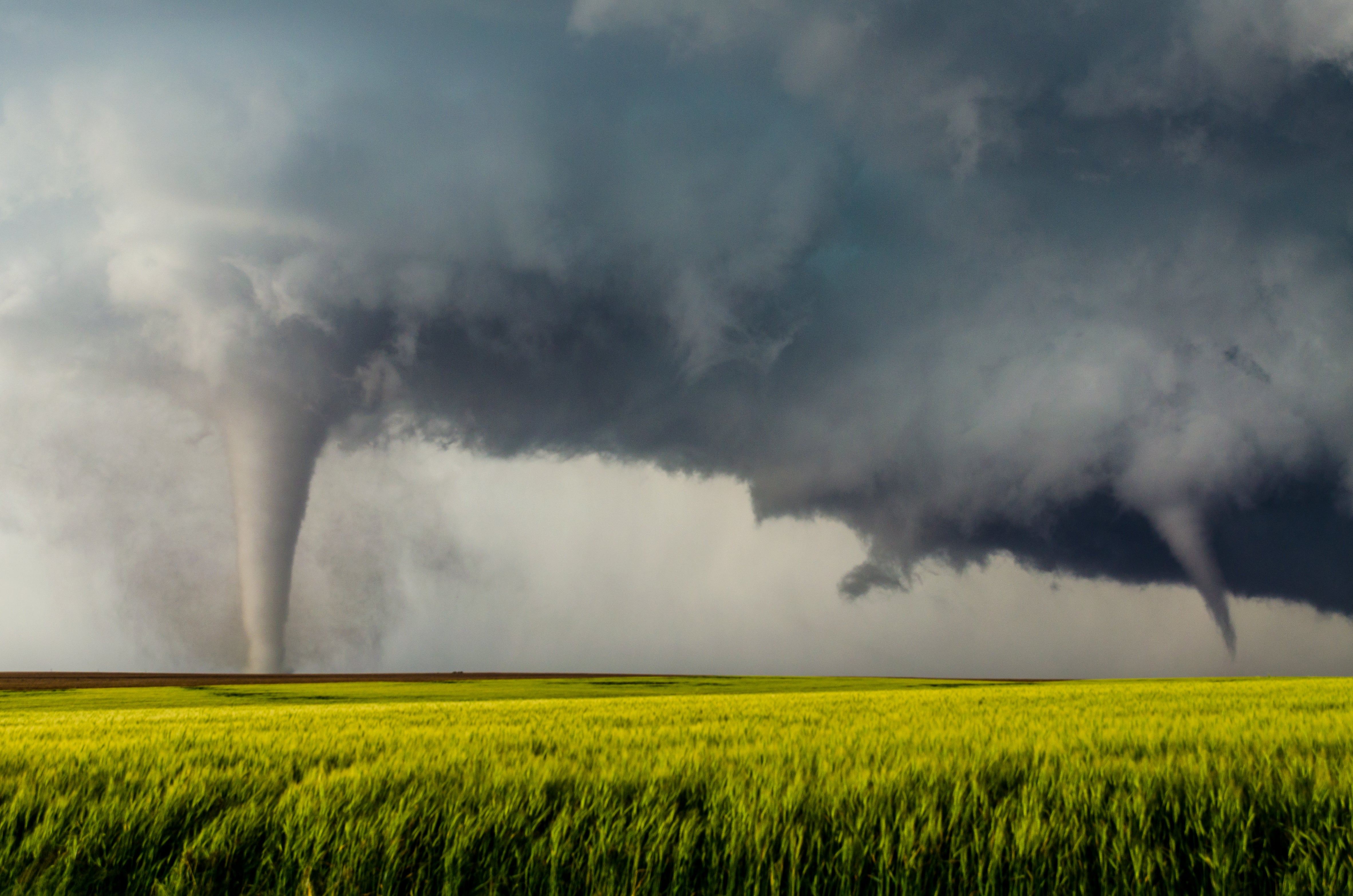
When Is Tornado Season?
Tornadoes can happen at any time, but peak season in the United States typically runs from March through June, with a secondary peak in the fall in some regions. Southern and central states are especially at risk, but tornadoes have been recorded in all 50 states.
Be sure to monitor local forecasts regularly, as conditions can change rapidly.
During a Tornado: Stay Safe
Tornado safety often requires immediate action. When a tornado warning is issued, you may only have minutes to seek shelter. Having a clear plan and knowing where to go can help reduce panic and improve safety.
Actionable Tips
-
Take Shelter Immediately
Go to your designated safe room, preferably a basement or an interior room on the lowest floor. Stay away from windows, doors, and exterior walls. Click here to learn more.
-
Protect Yourself
Use mattresses, heavy blankets, or helmets to shield yourself from flying debris. Cover your head and neck.
-
Avoid Dangerous Areas
Do not stay in mobile homes, vehicles, or large open rooms like gymnasiums. If you’re outside or in a car, seek sturdy shelter immediately. Click here to learn more. Click here to learn more.
-
Plan for Pets and Vulnerable Household Members
Have food, medications, and a safe location prepared. Click here to learn how to best protect your pets during a natural disater.
After a Tornado: Air & Safety Concerns
Even after the storm passes, hazards remain. Structural damage, broken materials, and disturbed debris can release dust, insulation particles, mold spores, and other pollutants into the air.
If your home has been impacted, it’s important to approach cleanup carefully and consider how indoor air quality may be affected.
Running an air purifier can help reduce airborne particles stirred up during cleanup, while keeping windows closed (if outdoor air quality is poor) can help limit additional contaminants.
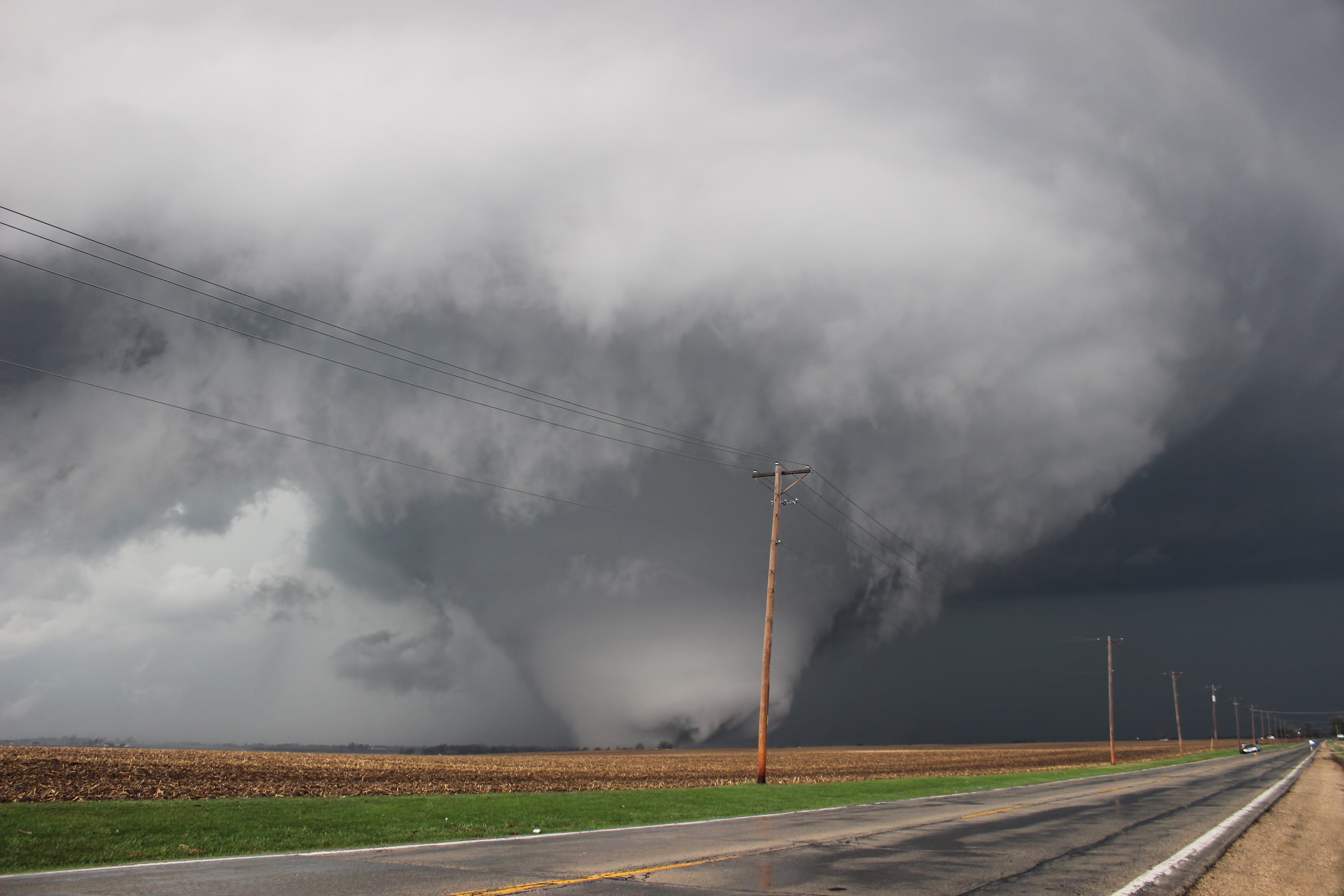
Why Indoor Air Quality Matters After a Tornado
Tornado damage often introduces a mix of airborne pollutants into your home, including:
- Dust and debris from damaged structures
- Fiberglass insulation particles
- Mold spores from water damage
- Chemical fumes from broken household materials
Even if damage appears minimal, these particles can linger in your air and impact your health.
Disaster Relief & Support
When tornadoes or other natural disasters strike, many organizations are ready to provide assistance, resources, and guidance. From emergency shelter and food to recovery programs and financial support, help is available.
Check out the links below to learn more and connect with trusted disaster relief organizations:
Protecting Indoor Air Quality Year-Round
Whether you’re trying to mitigate the effects of wildfire season in your home or just create a safer environment for your family, indoor air quality (IAQ) is a vital part of hygiene and safety. Because many people spend up to 90% of their time inside, IAQ can affect allergies, sleep, mood, and other health outcomes; children, the elderly, and people with health conditions are all especially vulnerable to negative effects from pollution, allergens, and other harmful particles.
Helpful tips
-
Run HEPA Purifiers Regularly
Keep your air clean by running high-efficiency purifiers in frequently used rooms. Click here to learn more about the benefits of an air purifier.
-
Maintain HVAC Systems:
Check and replace filters to ensure your system is removing pollutants effectively.
-
Minimize Indoor Pollution Sources
Limit smoke from candles, cooking, and tobacco to protect air quality. Click here to learn about the negative effects of synthetic fragrences on your air quality.
-
Monitor Local Air Quality
Stay informed about outdoor smoke levels, especially during wildfire season, to adjust your indoor precautions. Click here to check your local air quality.

Learn to Breathe Easier Year-Round
Indoor air quality affects your health every day, from allergies and sleep to overall well-being. Our Breathe Easy blog is full of practical tips, expert advice, and actionable strategies to help you protect your home’s air no matter the season.

Breathe Your Best with Intellipure
When it comes to your family’s safety, it’s best to invest in proven, science-backed solutions. Intellipure air purifiers are designed to capture a wide range of airborne particles, helping to reduce dust, allergens, and other pollutants that can impact your indoor environment, especially after events like severe storms.
From everyday air quality to unexpected conditions, Intellipure helps create a cleaner, more comfortable space so you and your family can breathe better.
Is It Time to Change Your Filters?
Tornadoes can stir up dust and debris that quickly impact indoor air quality. Take a moment to check if your filters might be due for a replacement.
References
-
[1]
Build A Kit [Internet]. Available from: https://www.ready.gov/kit
-
[2]
Fema Rsl Fema P 320 Taking Shelter From The Storm 042025 [Internet]. Available from: https://www.fema.gov/sites/default/files/documents/fema_rsl_fema-p-320-taking-shelter-from-the-storm_042025.pdf
-
[3]
Family Emergency Communication Planning Document [Internet]. Available from: https://www.ready.gov/sites/default/files/2020-03/family-emergency-communication-planning-document.pdf
-
[4]
National Weather Service [Internet]. Available from: https://www.weather.gov/
-
[5]
Tornado Safety [Internet]. Available from: https://www.weather.gov/safety/tornado
-
[6]
Live Tornado Tracker - Active Tornado Warning Alerts [Internet]. Available from: https://www.tornadopath.com/
-
[7]
CDC. Tornadoes. Safety Guidelines: During a Tornado. Available from: https://www.cdc.gov/tornadoes/safety/stay-safe-during-a-tornado-safety.html
-
[8]
What to do During a Tornado [Internet]. Available from: https://www.weather.gov/safety/tornado-during
-
[9]
Pet Disaster Preparedness & Recovery [Internet]. Available from: https://www.redcross.org/get-help/how-to-prepare-for-emergencies/pet-disaster-preparedness.html?srsltid=AfmBOopwgwpa3yRIN1dnncQSetUKlB9CddnLsl05LDAP7YX0j6_Ss2Kk
-
[10]
Tornadoes Affecting Air Quality [Internet]. Available from: https://www.lung.org/blog/tornadoes-affecting-air-quality
-
[11]
Air Purifier Benefits: How An Air Purifier Can Improve Your Health & Home [Internet]. www.intellipure.com. 2025. Available from: https://www.intellipure.com/blogs/all-articles/air-purifier-benefits-how-an-air-purifier-can-improve-your-health-and-home
-
[12]
When Good Smells Go Bad: How Synthetic Fragrances Can Affect Your Health [Internet]. www.intellipure.com. 2026. Available from: https://www.intellipure.com/blogs/all-articles/when-good-smells-go-bad-how-synthetic-fragrances-can-affect-your-health
-
[13]
Intellipure [Internet]. Know Your Air. Available from: https://www.intellipure.com/pages/air-quality