


The Technology Behind Better Breathing
Clean air shouldn’t feel complicated. At Intellipure, we prioritize HEPA-based purification because it’s a technology people recognize, trust, and can clearly understand. This focus allows us to cut through confusion, offering straightforward solutions and expert guidance so you can make informed air quality decisions for your home with confidence.
Clean air isn’t just a goal, it’s a measurable science. At Intellipure, we build purification systems rooted in internationally recognized filtration standards and engineered for real world air challenges in homes, offices, and complex indoor environments.

HEPA Filtration, Explained
HEPA stands for High-Efficiency Particulate Air, a filtration standard trusted for decades in environments where air quality truly matters.
True HEPA filters are designed to capture at least 99.9% of airborne particles as small as 0.3 microns - including dust, pollen, pet dander, mold spores, smoke particles, and many other common indoor pollutants.
Rather than relying on fragrances, ionization, or chemical treatments, HEPA filtration works through pure mechanical filtration:
- Interception: Particles following airflow paths contact and stick to filter fibers
- Impaction: Larger particles deviate from airflow and embed directly in fibers
- Diffusion: Very small particles move erratically and collide with fibers
It’s simple, proven, and widely recognized as one of the most effective ways to improve indoor air quality.
H13 HEPA Filtration - What It Means
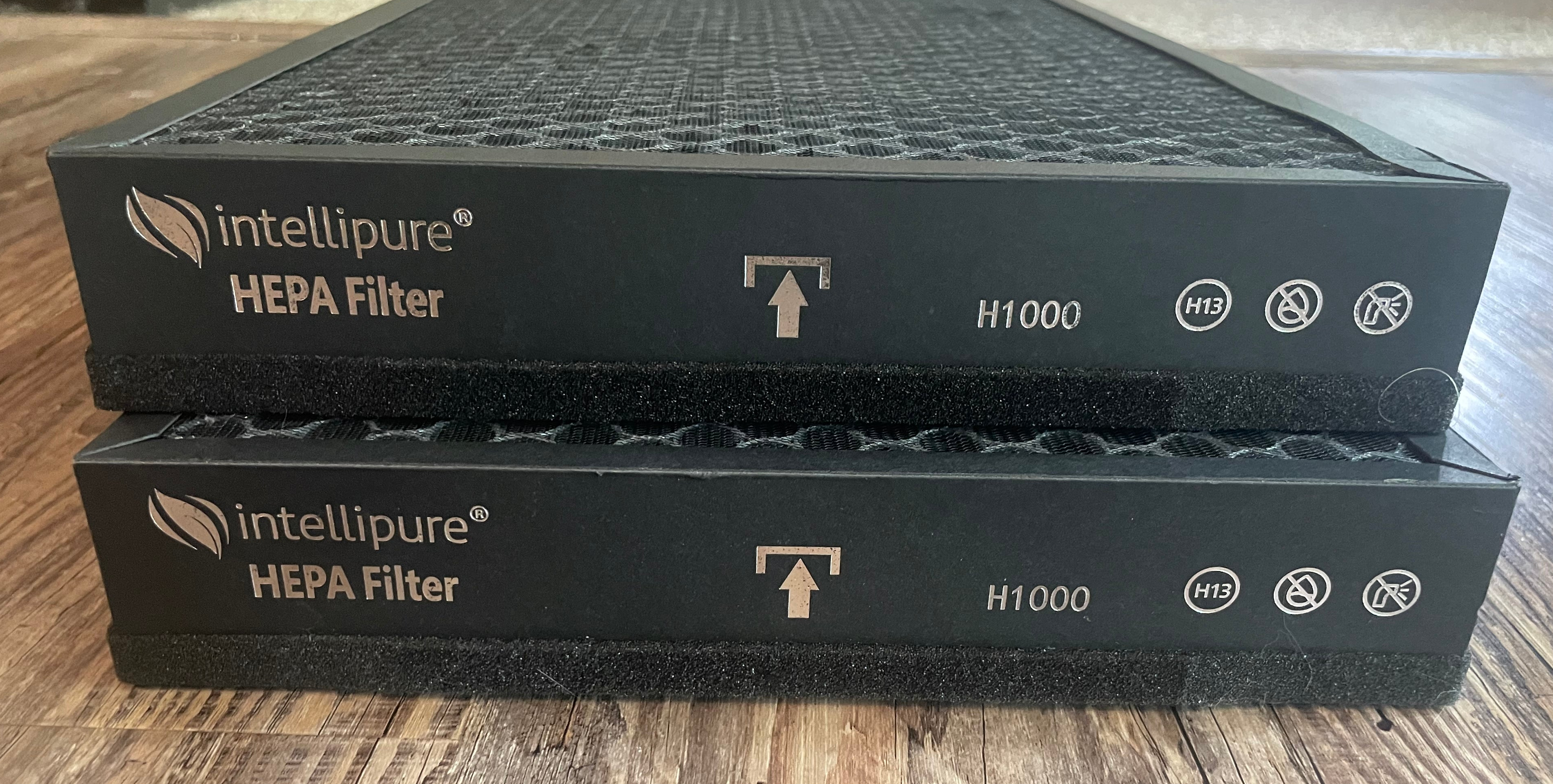
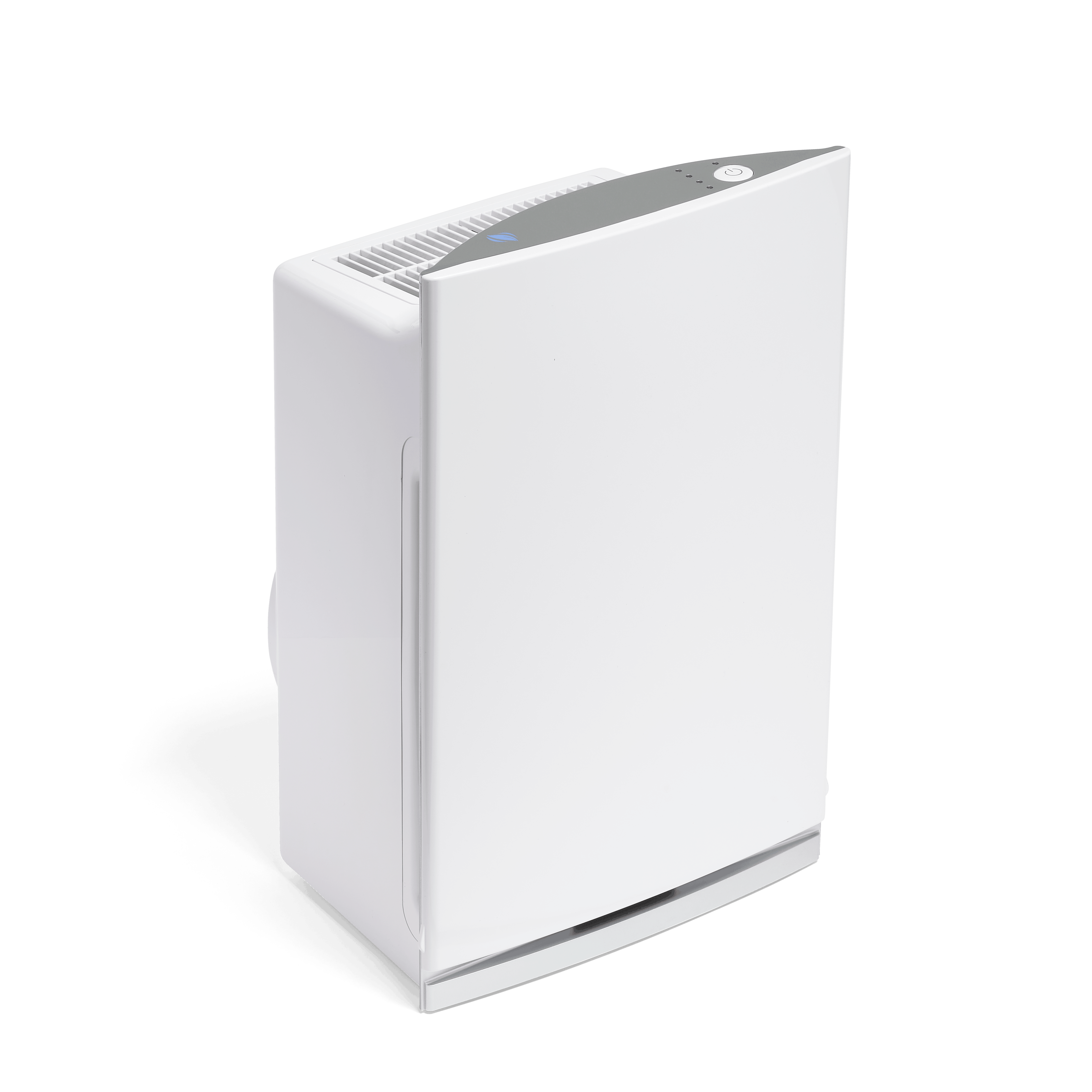
Not all HEPA filters are the same. The Intellipure H1000 uses H13 HEPA filtration, one of the highest efficiency levels used in residential and many medical environments.
Standard H13 HEPA filters are designed to capture at least 99.95 percent of airborne particles at 0.3 microns, the most difficult particle size to trap. This includes common indoor pollutants such as dust, pollen, smoke, pet dander, and other fine particles.
This level of filtration is defined under the EN 1822 standard, a globally recognized benchmark that classifies filters based on their performance at the most penetrating particle size. H13 filters are tested to ensure consistent efficiency across the entire filter surface, not just under ideal conditions.
Because of this, H13 filtration is widely trusted in environments where air quality matters, offering a higher level of confidence in removing microscopic airborne particles.
The Purification Journey
From Intake to Clean Air Output
Air Intake
Bringing your air in - Air from your room is quietly pulled into the system, capturing what’s circulating in your space in real time.
Pre-Filtration
Catching the big stuff first - Larger particles like dust, hair, and lint are trapped upfront—helping protect the main filter and maintain performance.
HEPA Filtration
Where the real work happens - The HEPA filter captures microscopic particles like allergens, smoke, and ultrafine pollutants you can’t see but still breathe.
Clean Air Out
Cleaner air, back to you - Purified air is released back into your space, helping maintain a healthier, more comfortable indoor environment.
H1000 Filtration - What Sets It Apart
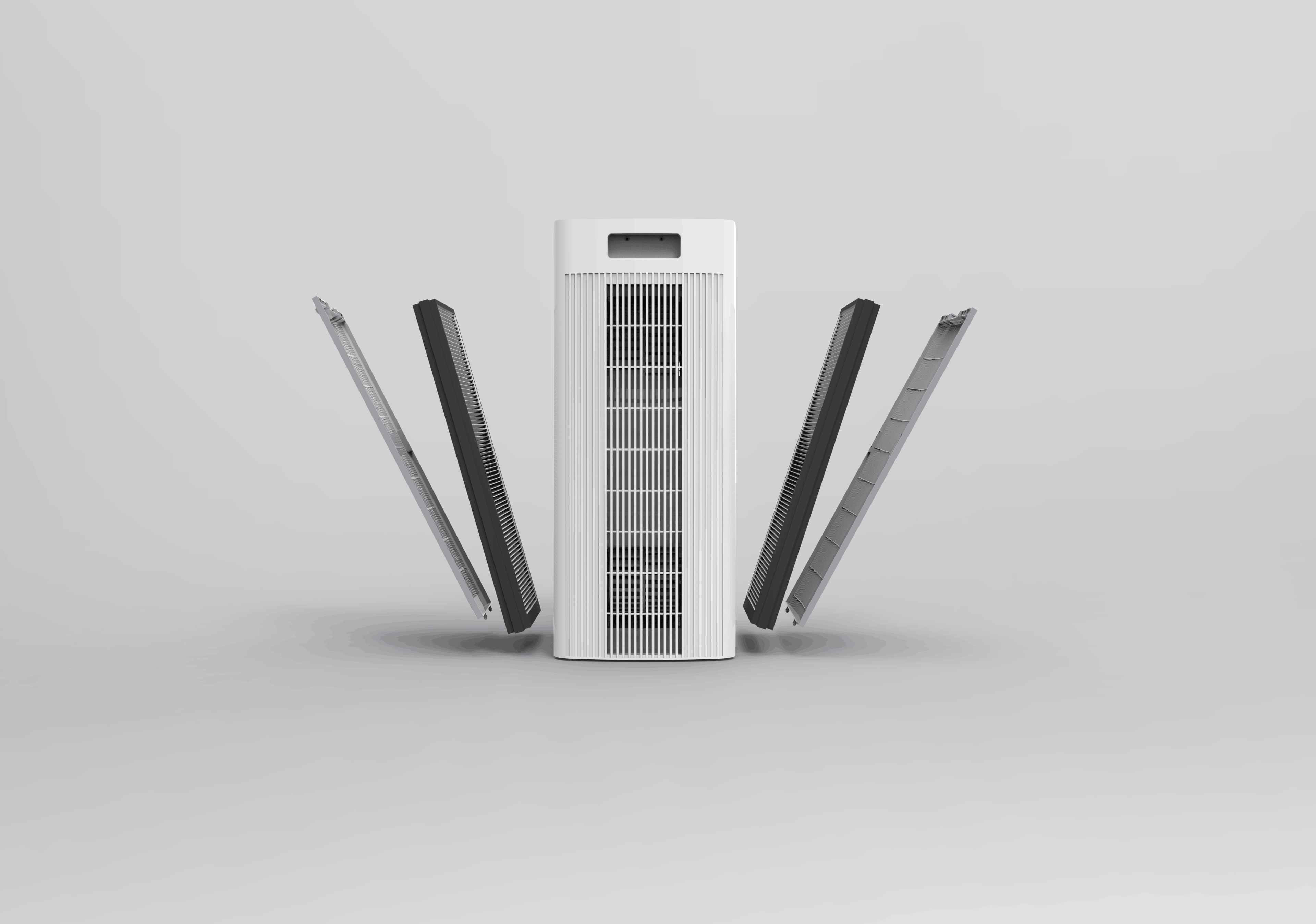
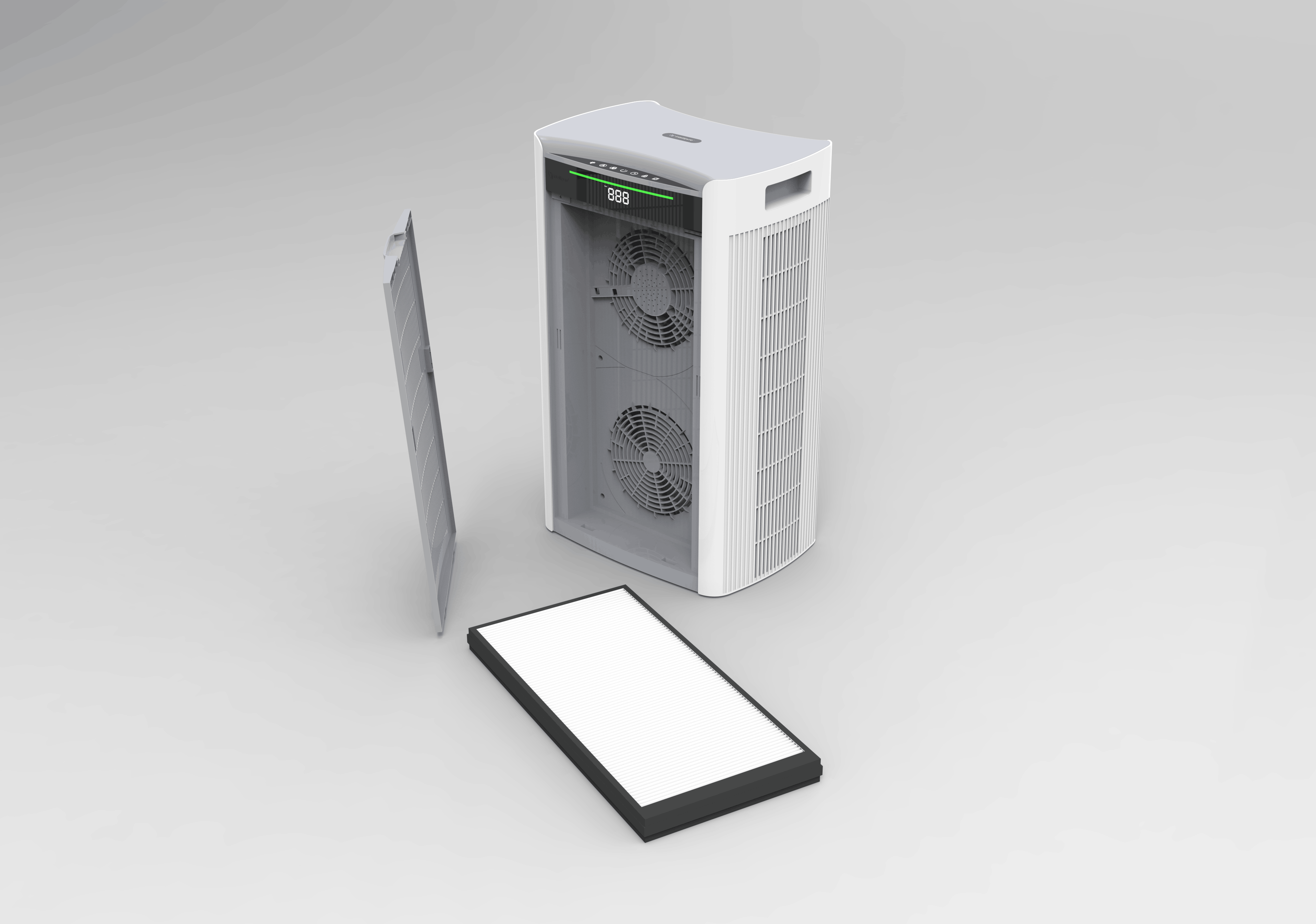
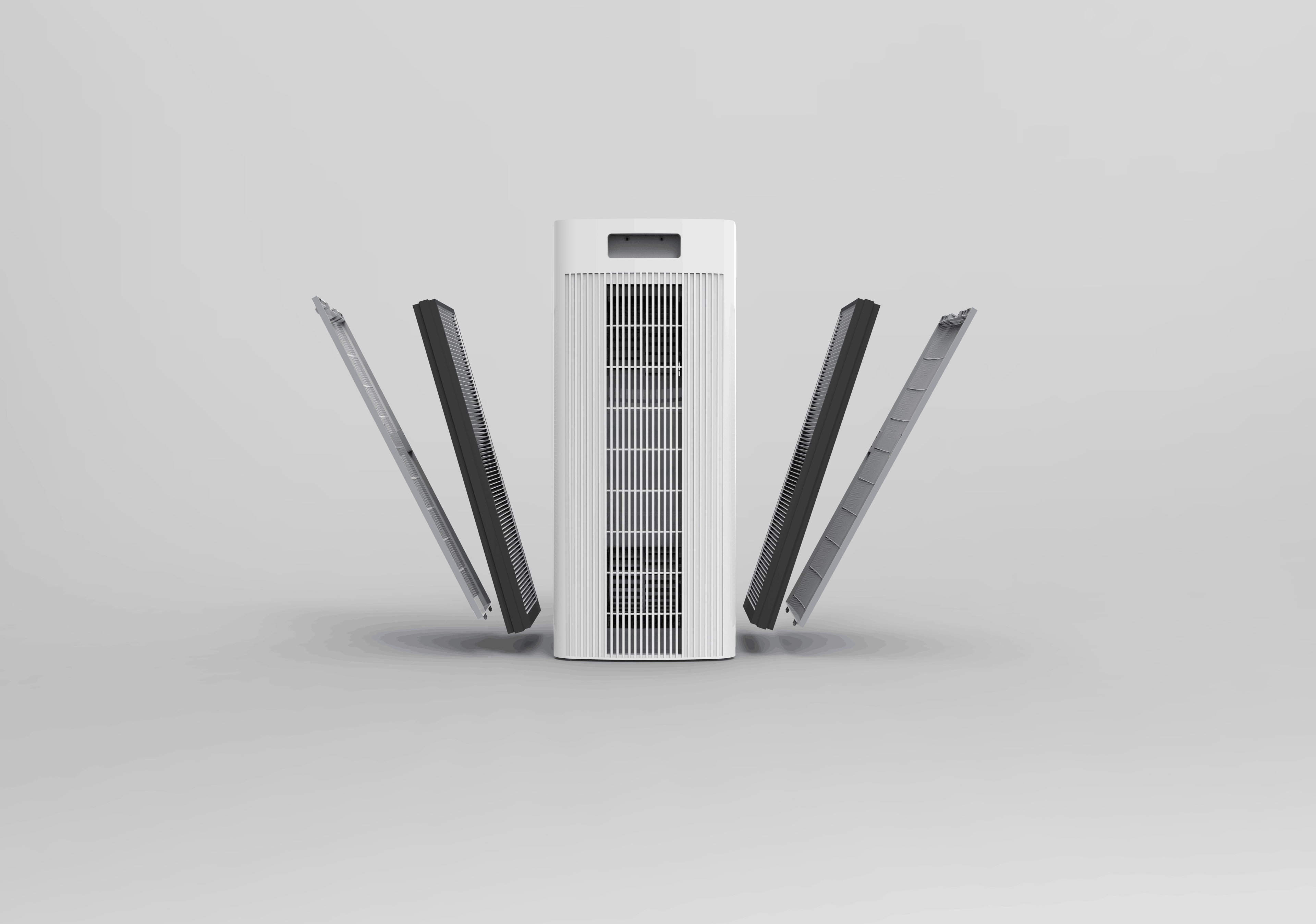
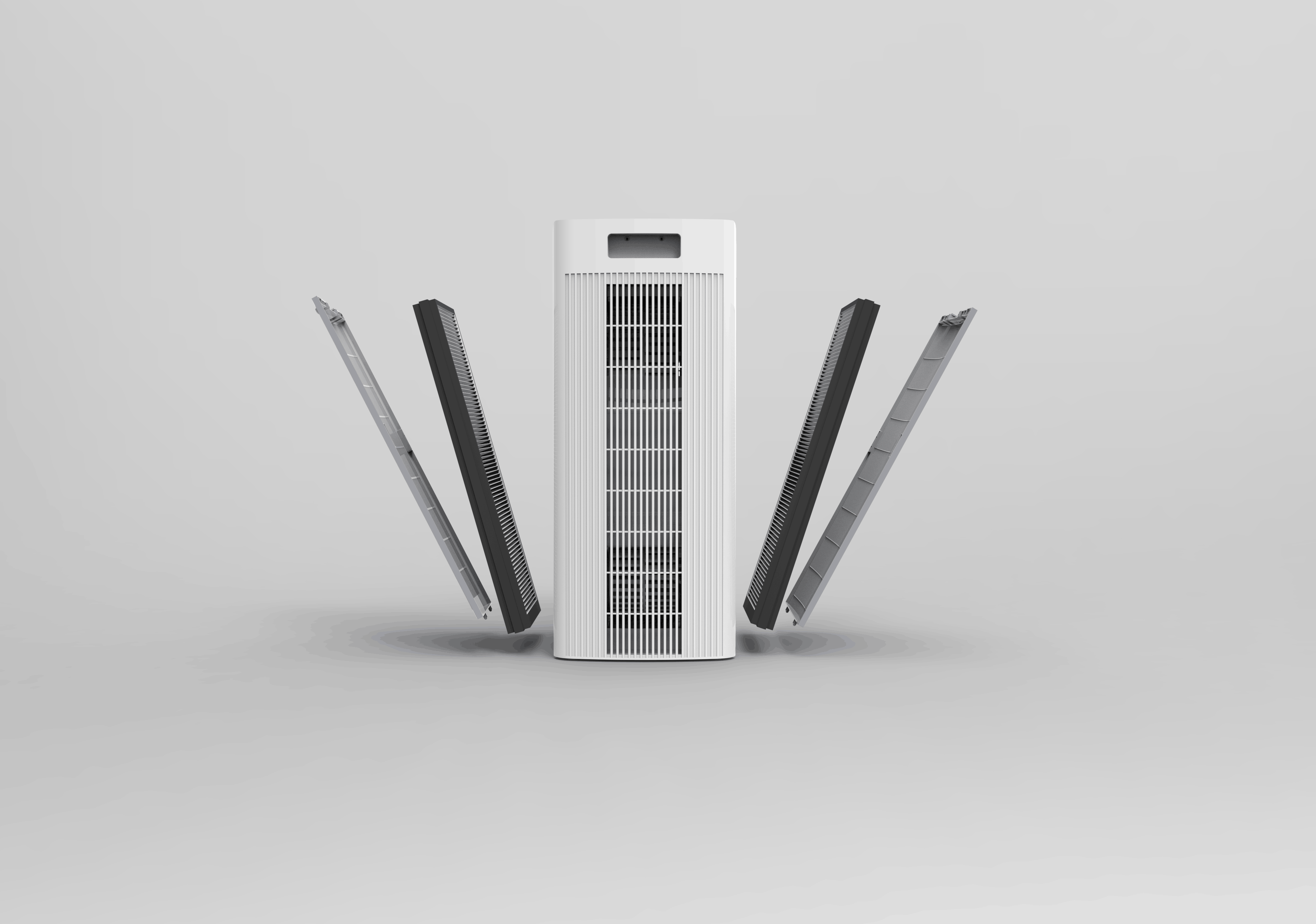
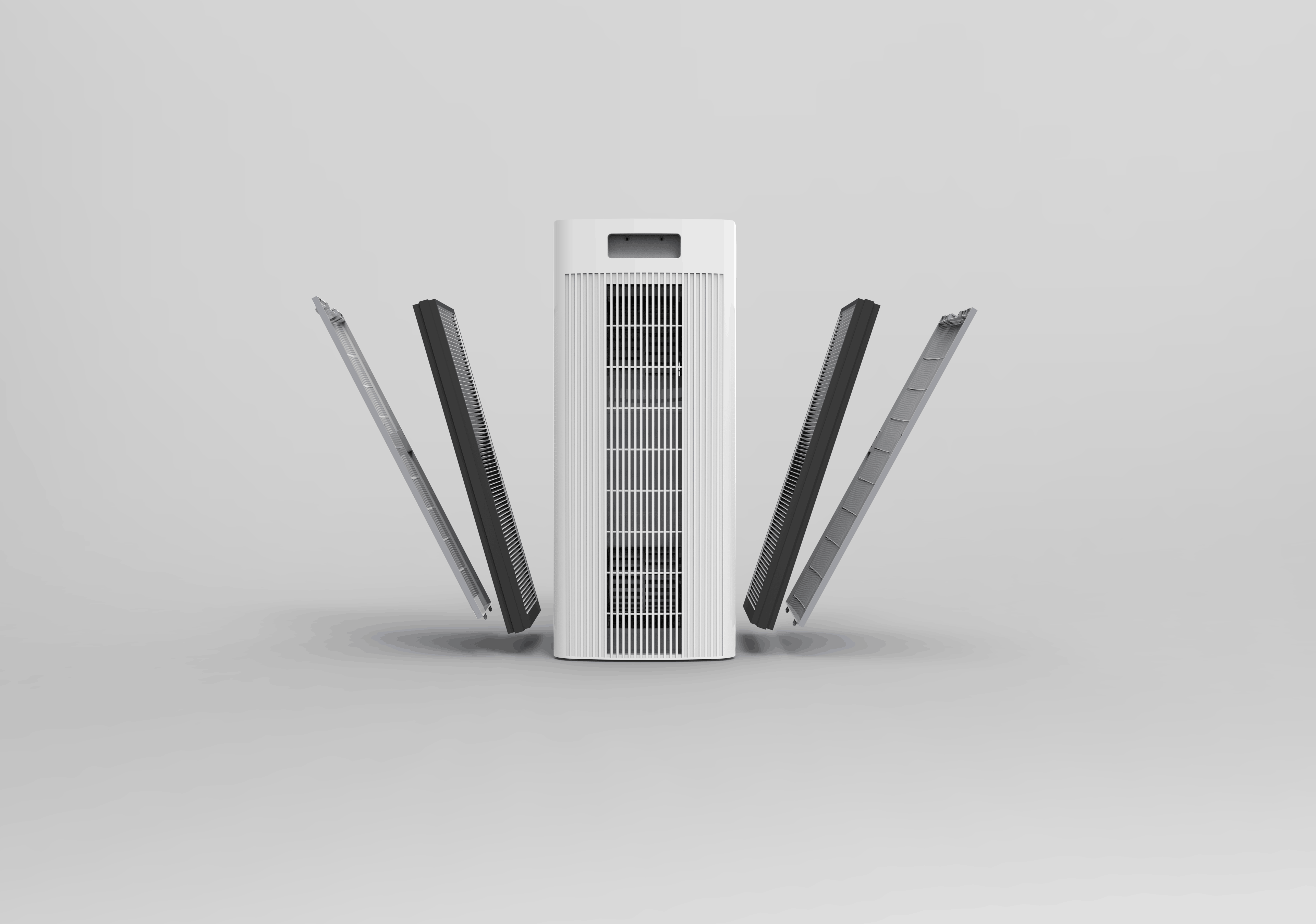
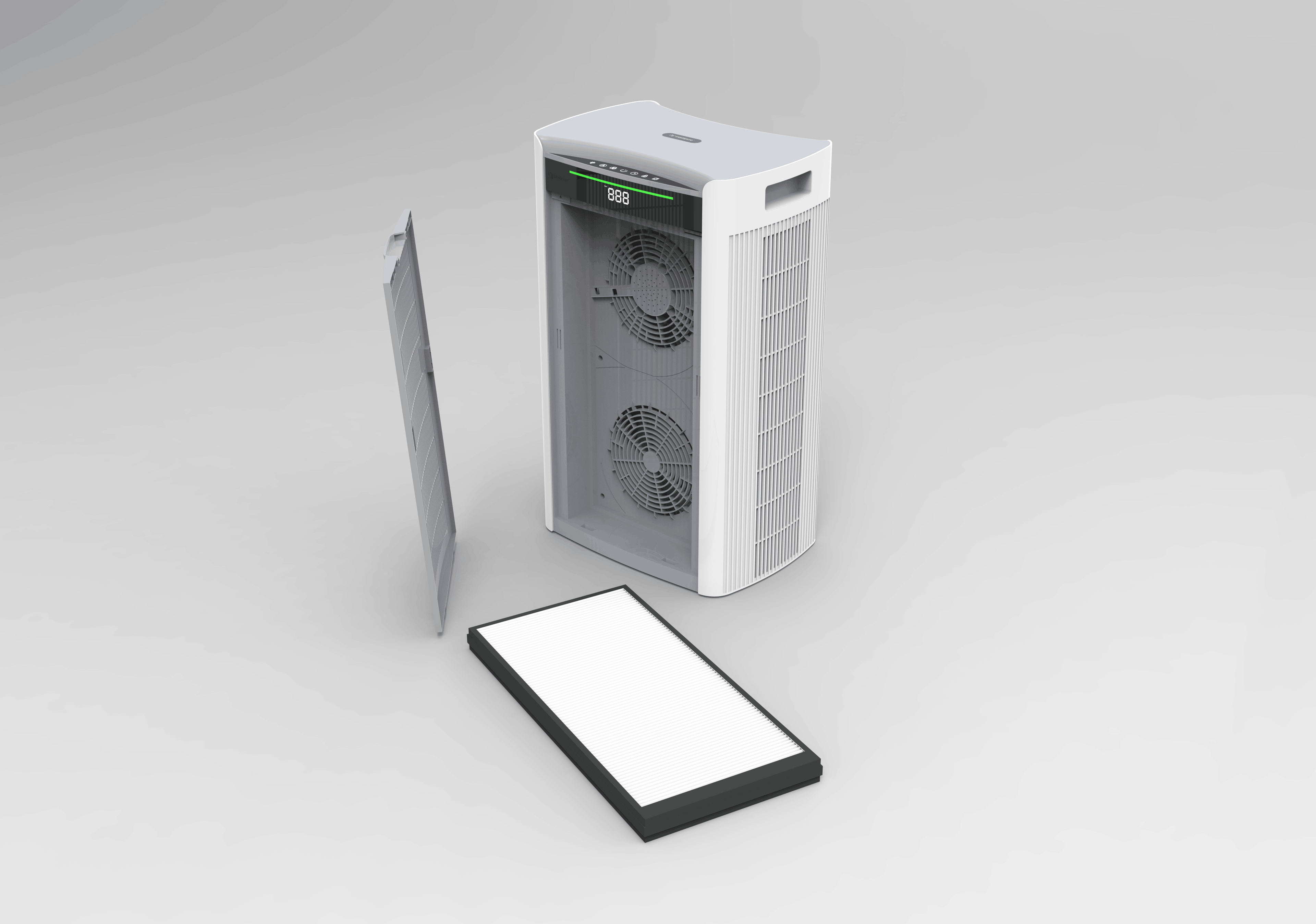
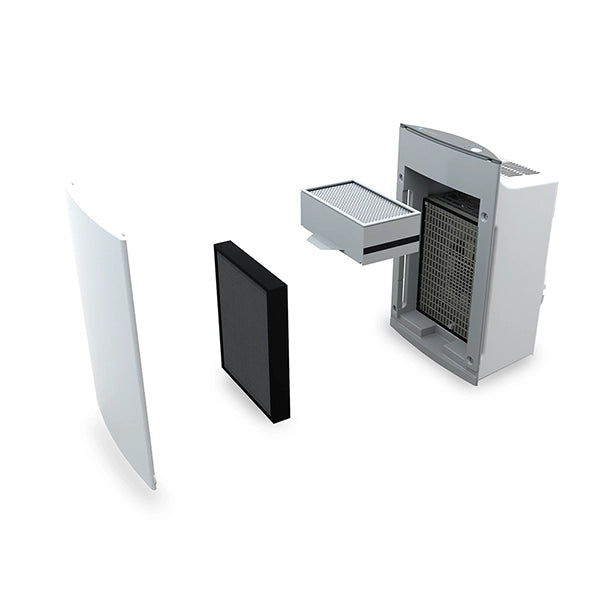
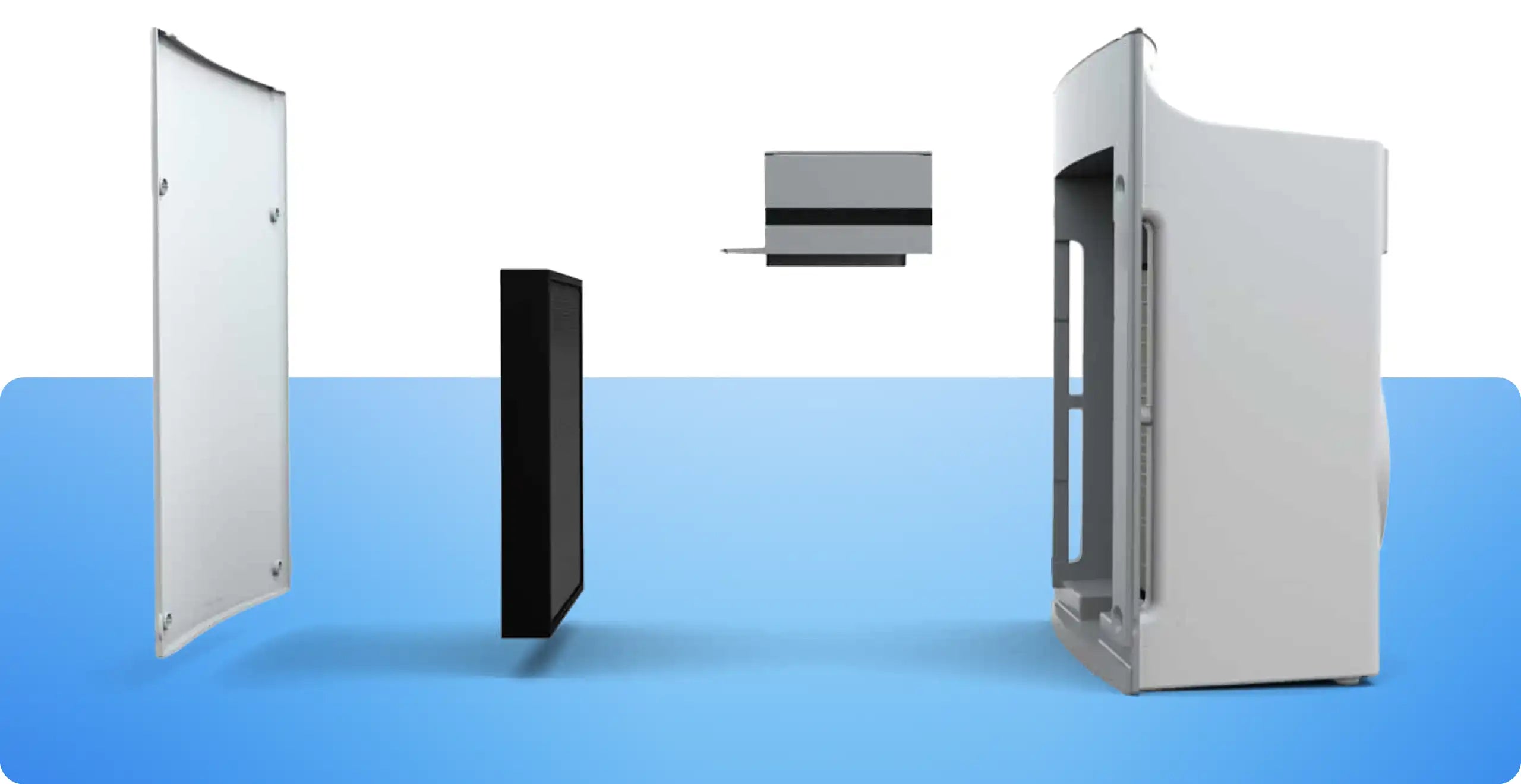
The Intellipure H1000 Air Purifier integrates a multi stage filtration system designed for real world indoor air challenges.
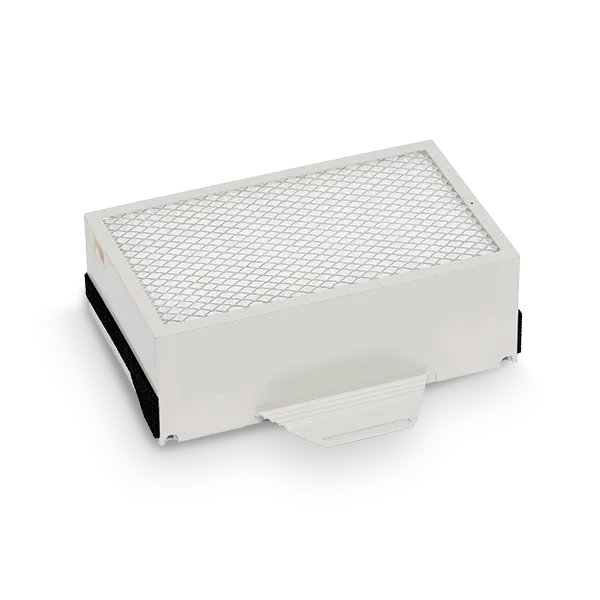
H13 True HEPA Filtration
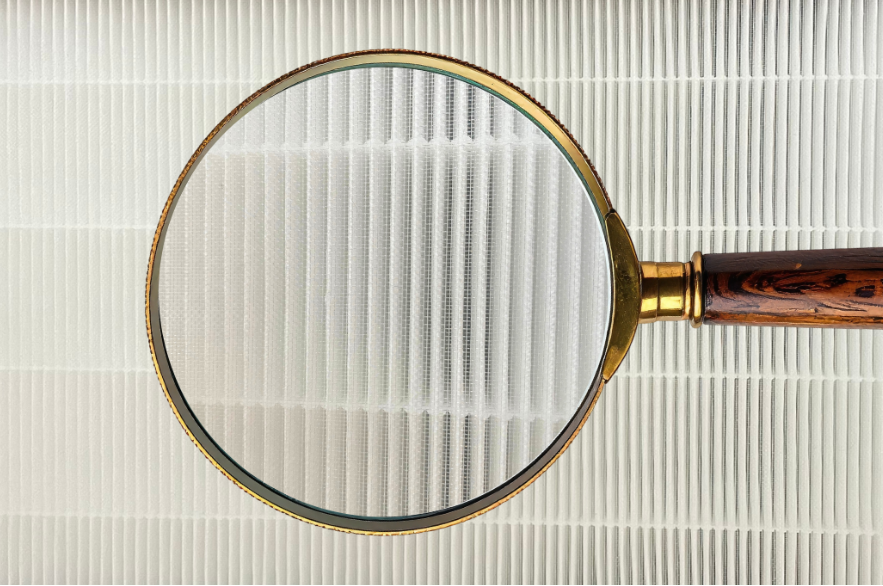
Captures at least 99.9% of airborne particles at 0.3 microns, including pollen, smoke, allergens, pet dander, and fine dust.
Tested in alignment with standards consistent with EN 1822 to ensure reliable performance across the full filter surface.
Honeycomb VOC Filter
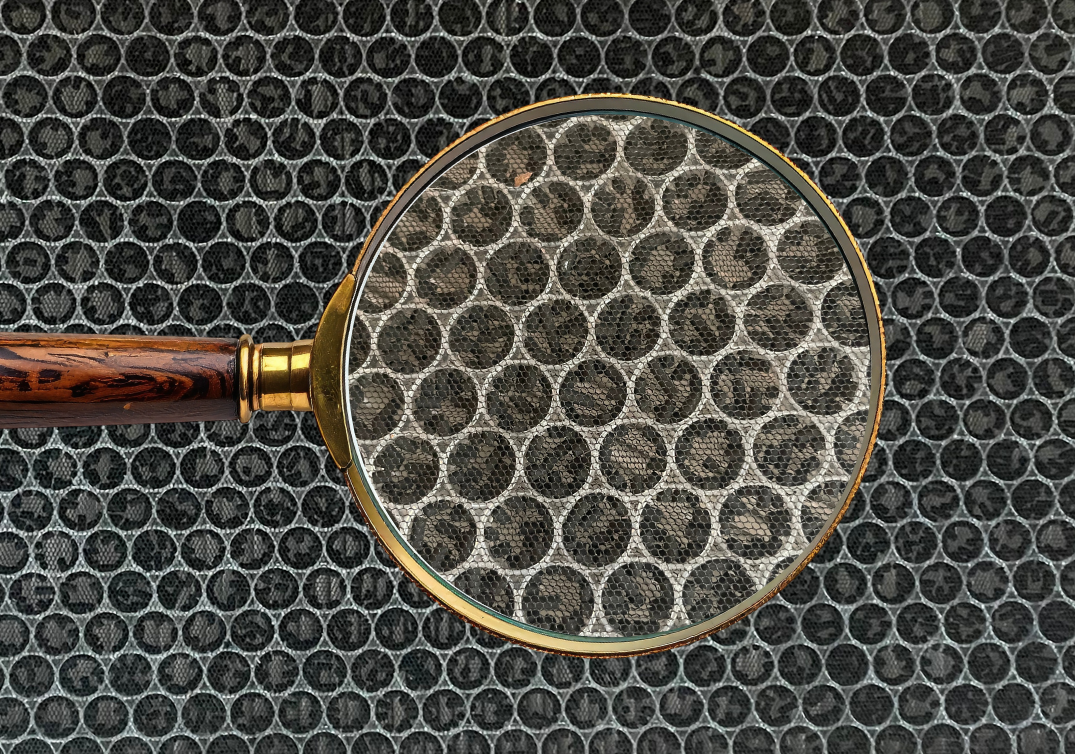
Targets volatile organic compounds, including chemicals released from cleaning products, paints, furniture, and everyday household items.
The honeycomb structure increases surface area, allowing activated carbon and adsorptive media to more effectively capture odors and chemical vapors.
Why this combination matters
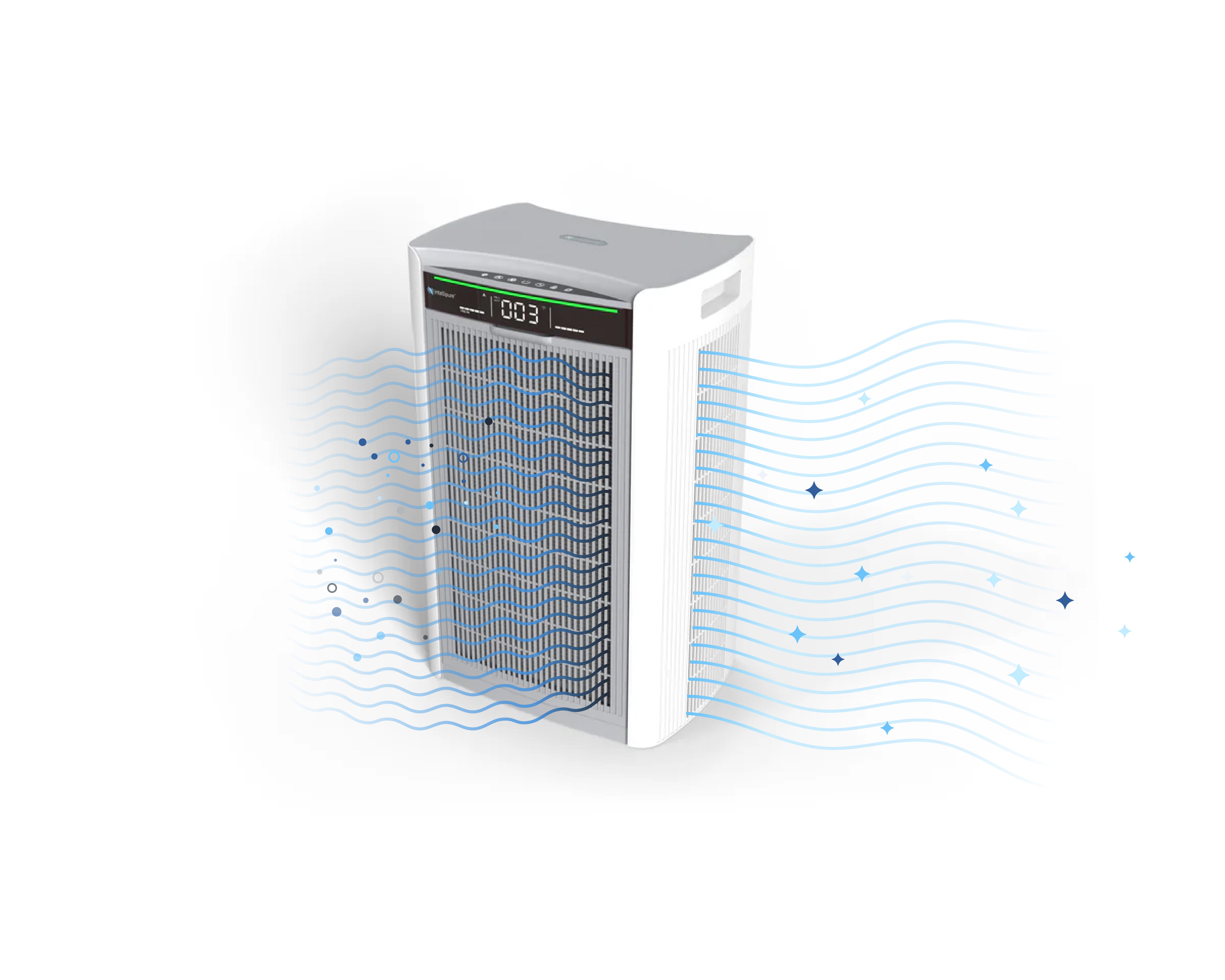
Particles and gases require different filtration approaches.
HEPA captures particulate matter, while VOC filtration addresses gases and odors.
Together, they create a more complete air purification solution.
Why This Matters to You
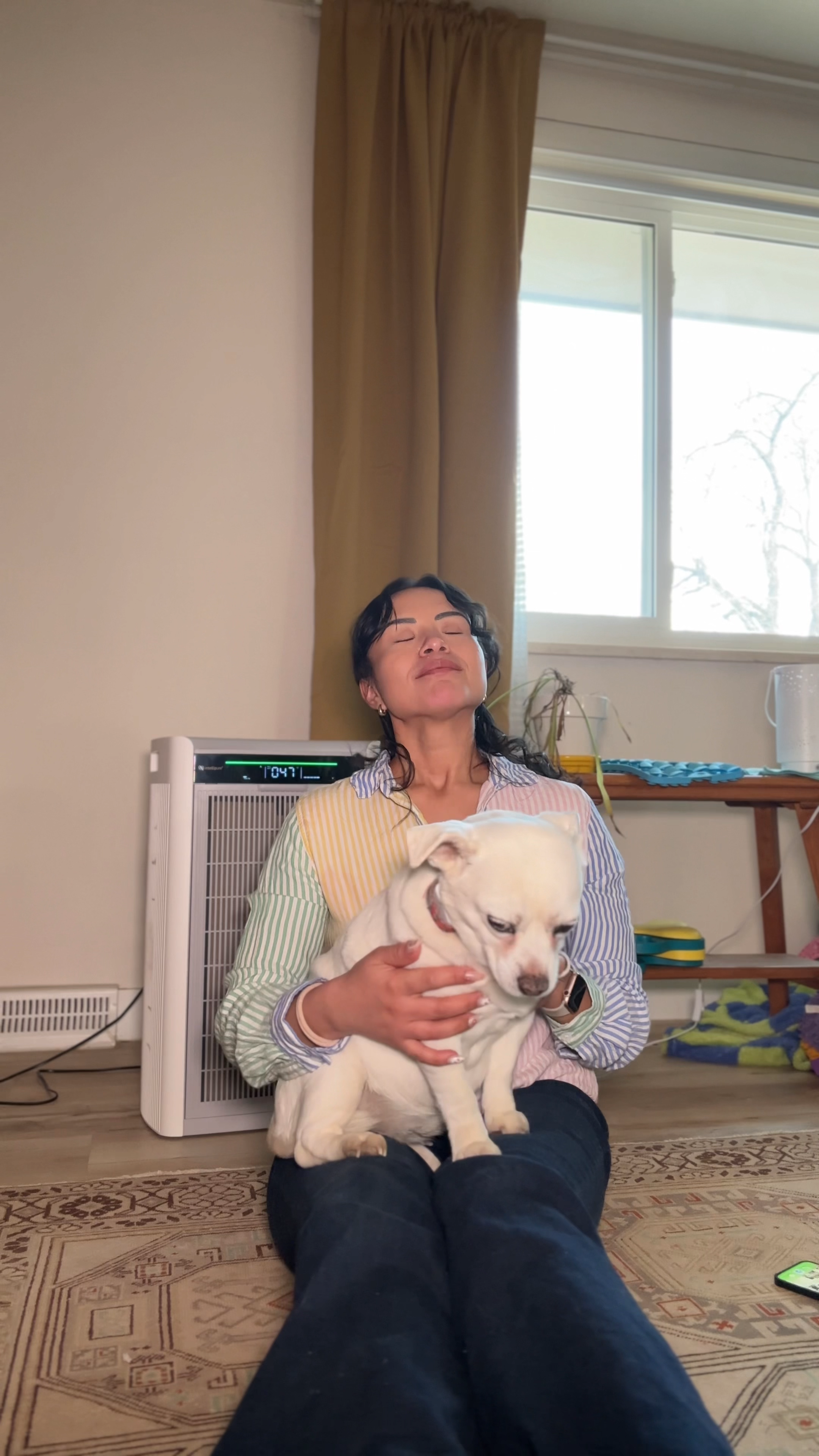
Indoor air can contain more pollutants than outdoor air, especially when windows are closed and air is recirculated. Everyday activities introduce particles and chemicals that can affect how your space feels.
Poor air quality has been linked to allergies, asthma symptoms, headaches, fatigue, irritation, and lingering odors.
Clean air supports better breathing, better sleep, and a healthier home. While you cannot control everything that enters your space, you can control how well your air is filtered.
Effective purification goes beyond visible dust. It reduces microscopic particles and airborne chemicals that impact comfort and overall air quality.
High efficiency HEPA filtration combined with VOC adsorption provides a more complete approach to cleaner, more breathable indoor air.

Explore our Products
Discover Intellipure
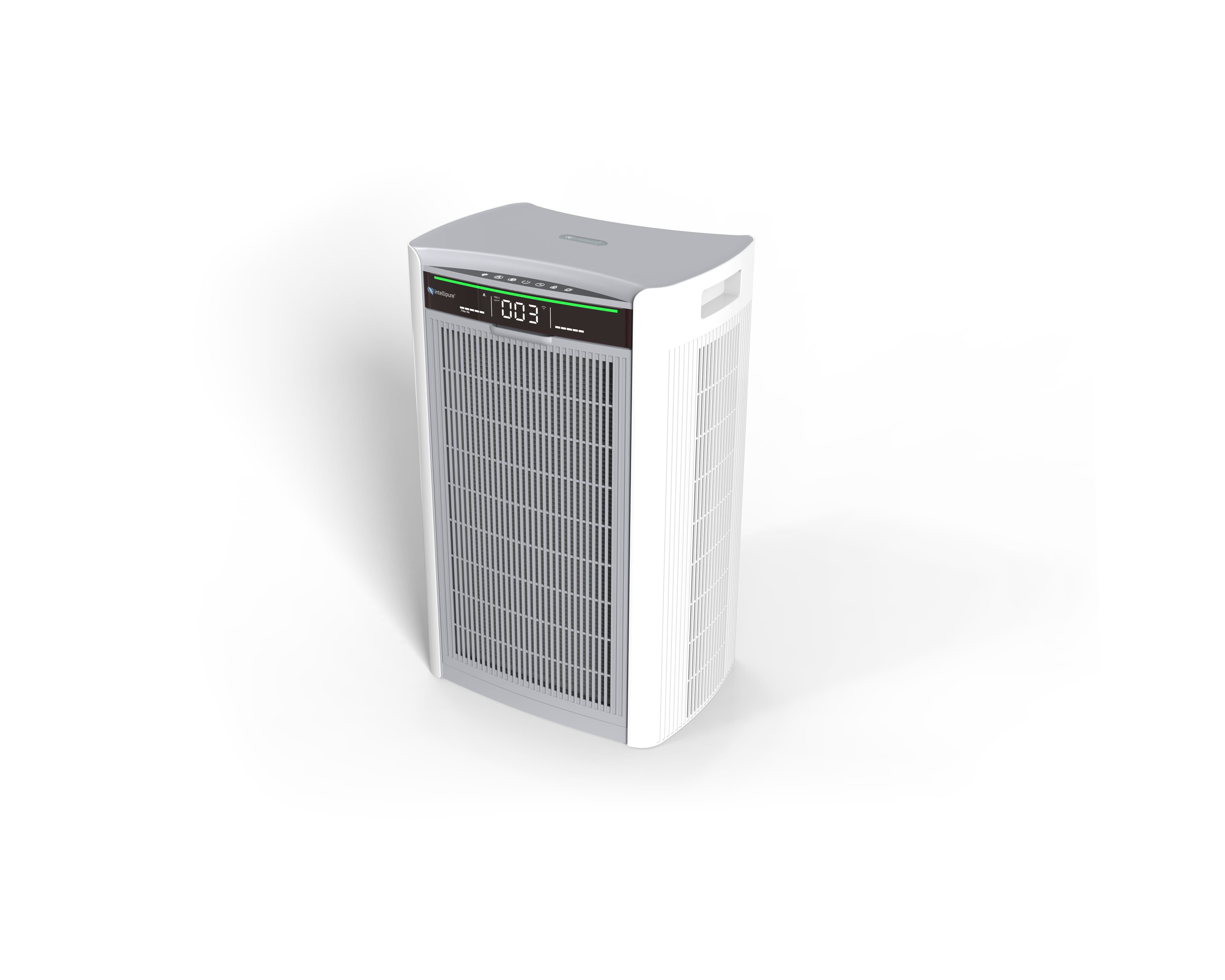
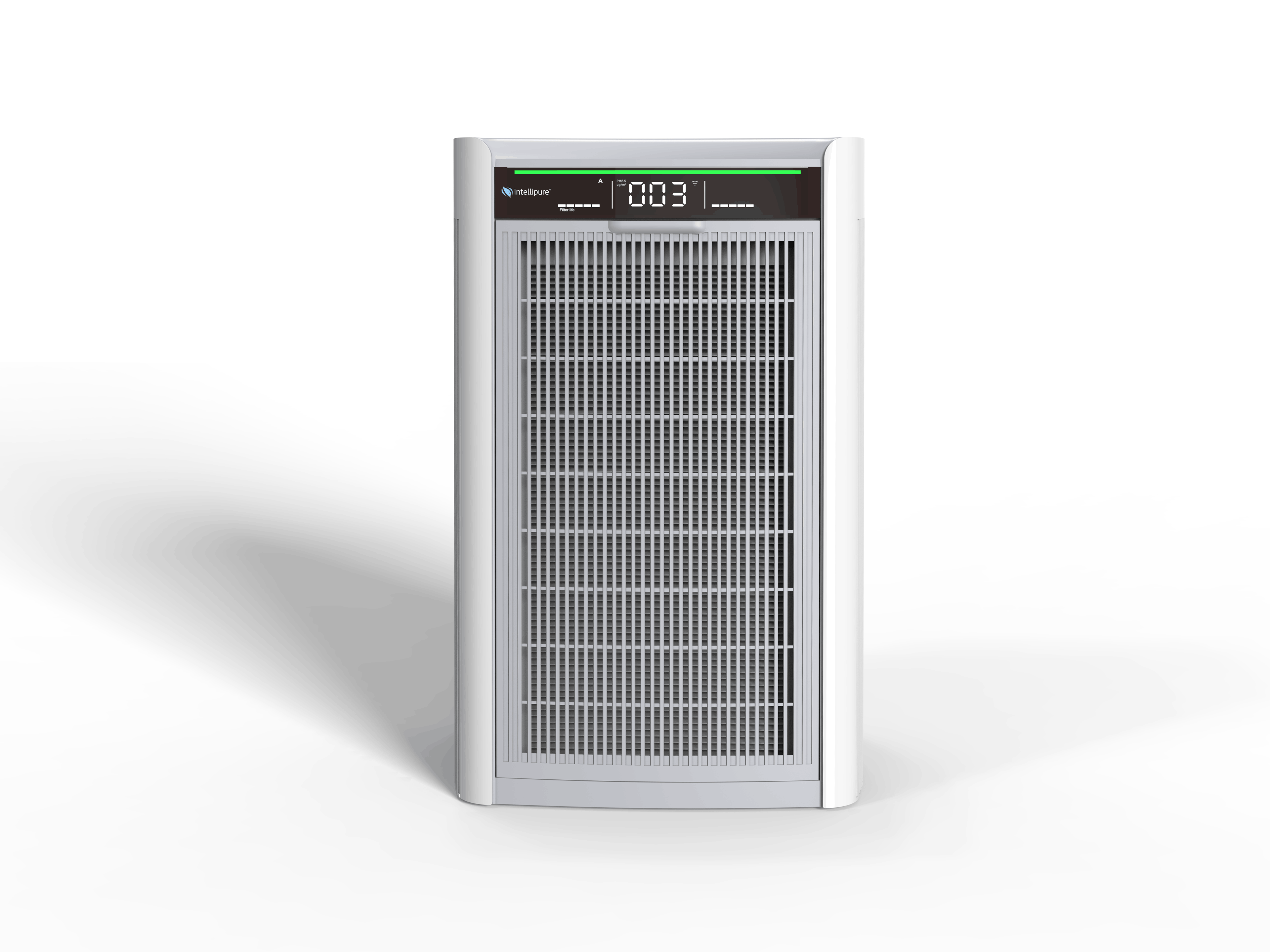

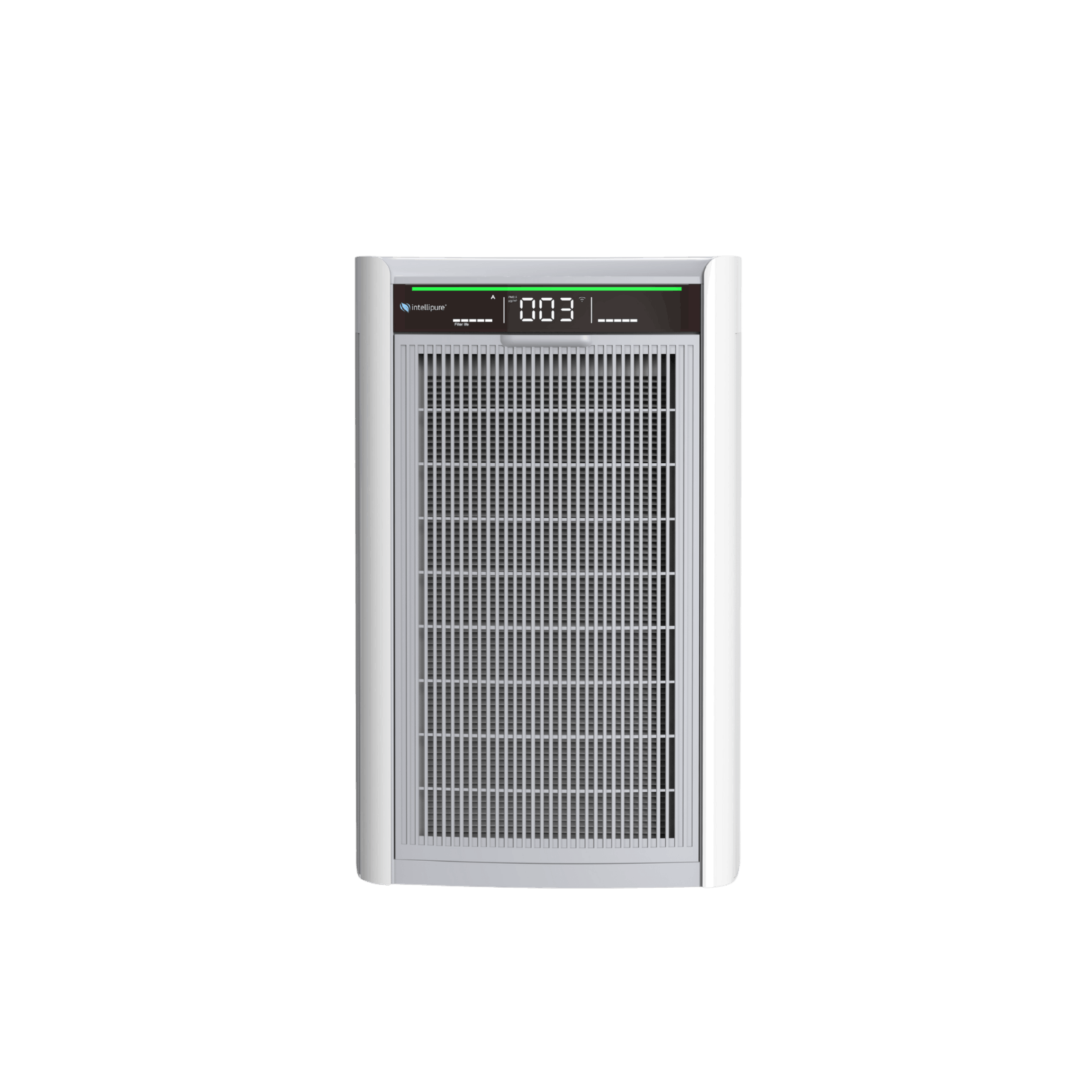
Smart HEPA Air Purifier and Filter Replacement Bundle with WiFi/App Control
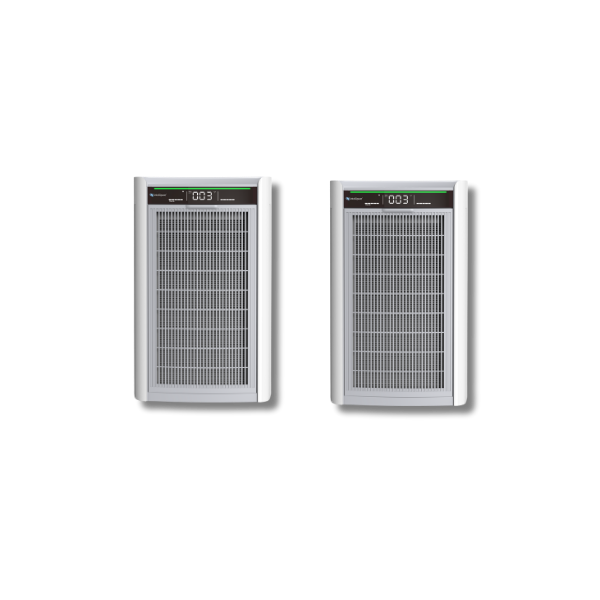
H1000 Air Purifier 2-Pack with Dual HEPA Filters
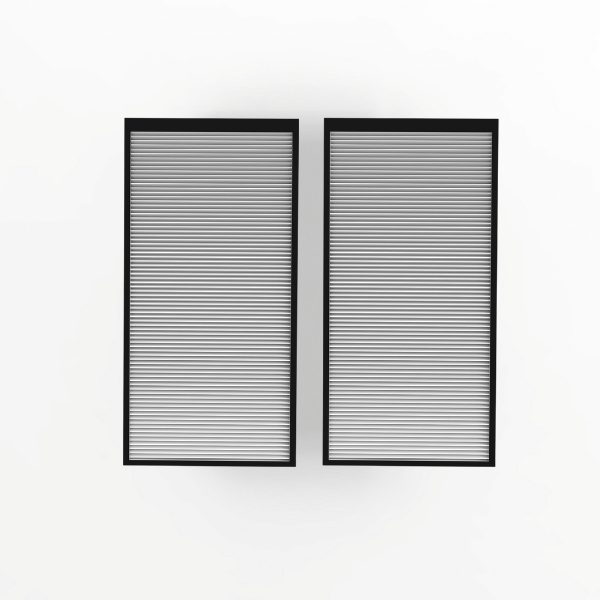
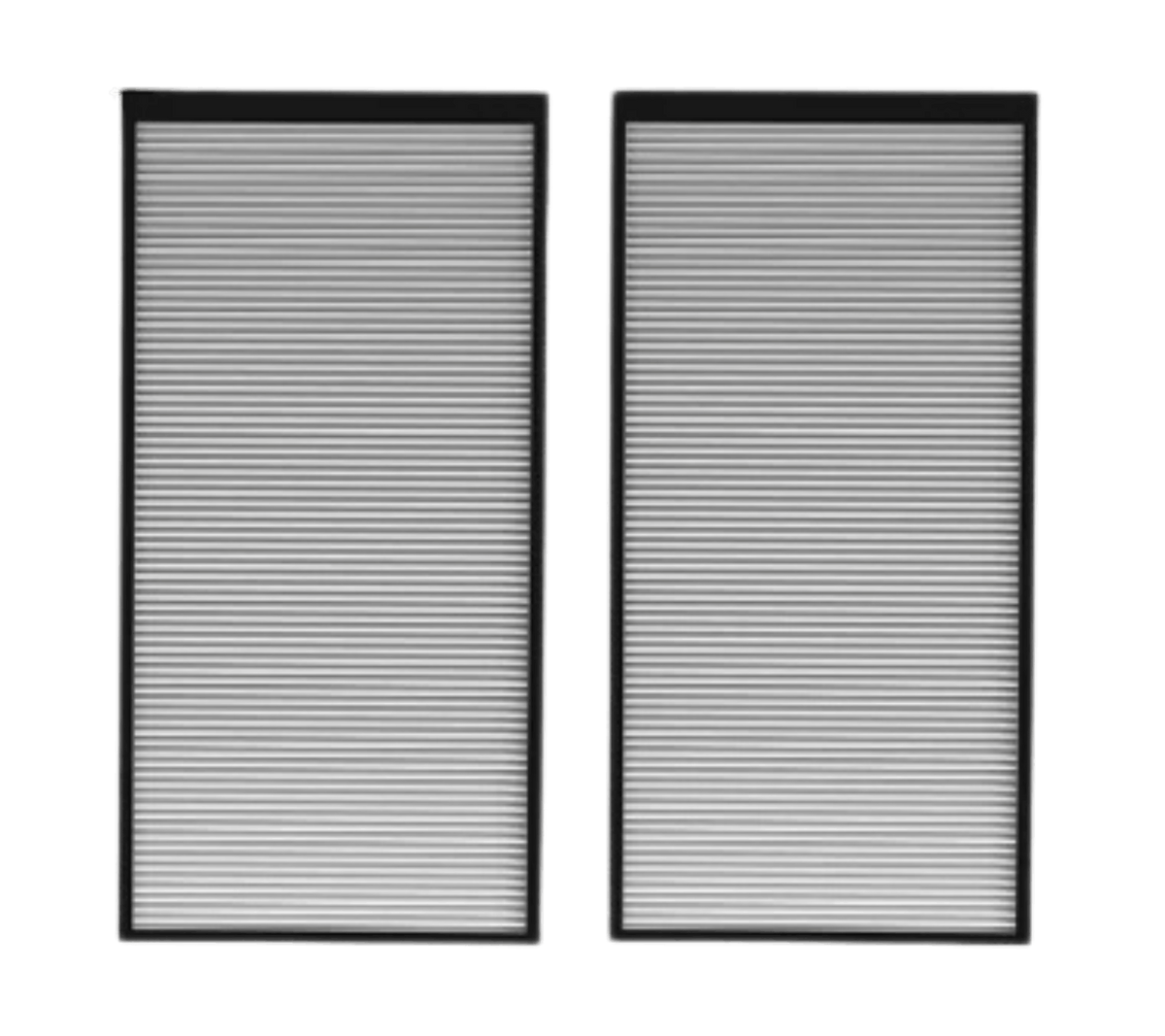
H1000 HEPA Filter Set – Annual Replacement
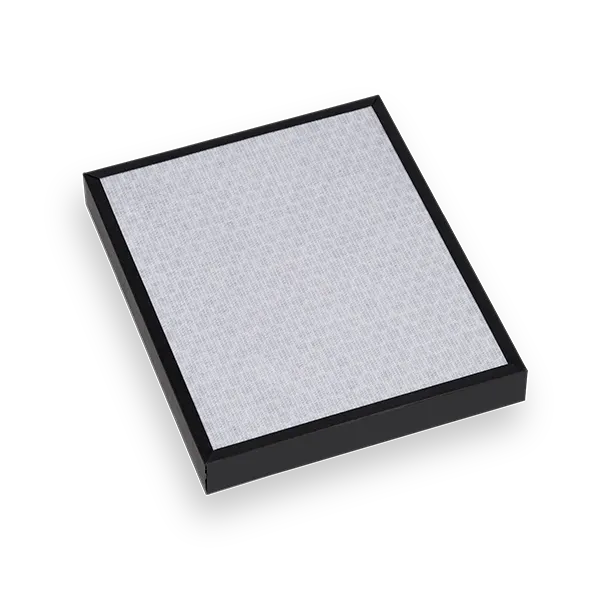
Compact/Pro Pre-Filter Replacement
Main Filter Replacement for Compact & Pro Series 500 Air Purifiers