


When conditions change outside, your indoor air can change too
Natural disasters can impact indoor air quality through smoke, dust, moisture, and debris.
Your home may experience increased particles, reduced airflow, and changes in humidity, often in ways you can’t see, even when events are happening far away.
Explore Safety Guides
Choose a situation to learn how to prepare

Wildfires
Smoke and fine particles can travel long distances and enter indoor spaces, even if the fire isn’t nearby.

Hurricanes
Hurricanes can introduce moisture, debris, and long-term environmental changes that affect indoor air conditions.

Tornadoes
Tornadoes and severe storms can introduce debris, dust, and sudden air quality changes inside the home.

Dust Storms
Dust storms can carry large amounts of airborne particles that quickly impact both outdoor and indoor air.

Heat Waves & Droughts
Dry conditions and extreme heat can worsen air quality and increase airborne irritants over time.

Snow Storms
Cold weather events can trap indoor air and reduce ventilation, leading to buildup of particles and pollutants.
Each of these events can have very different impacts, but all can affect the air inside your home.
Most lead to increased airborne particles, reduced airflow, and shifts in indoor air quality.
Understanding this ahead of time helps you stay prepared instead of reacting when conditions change.
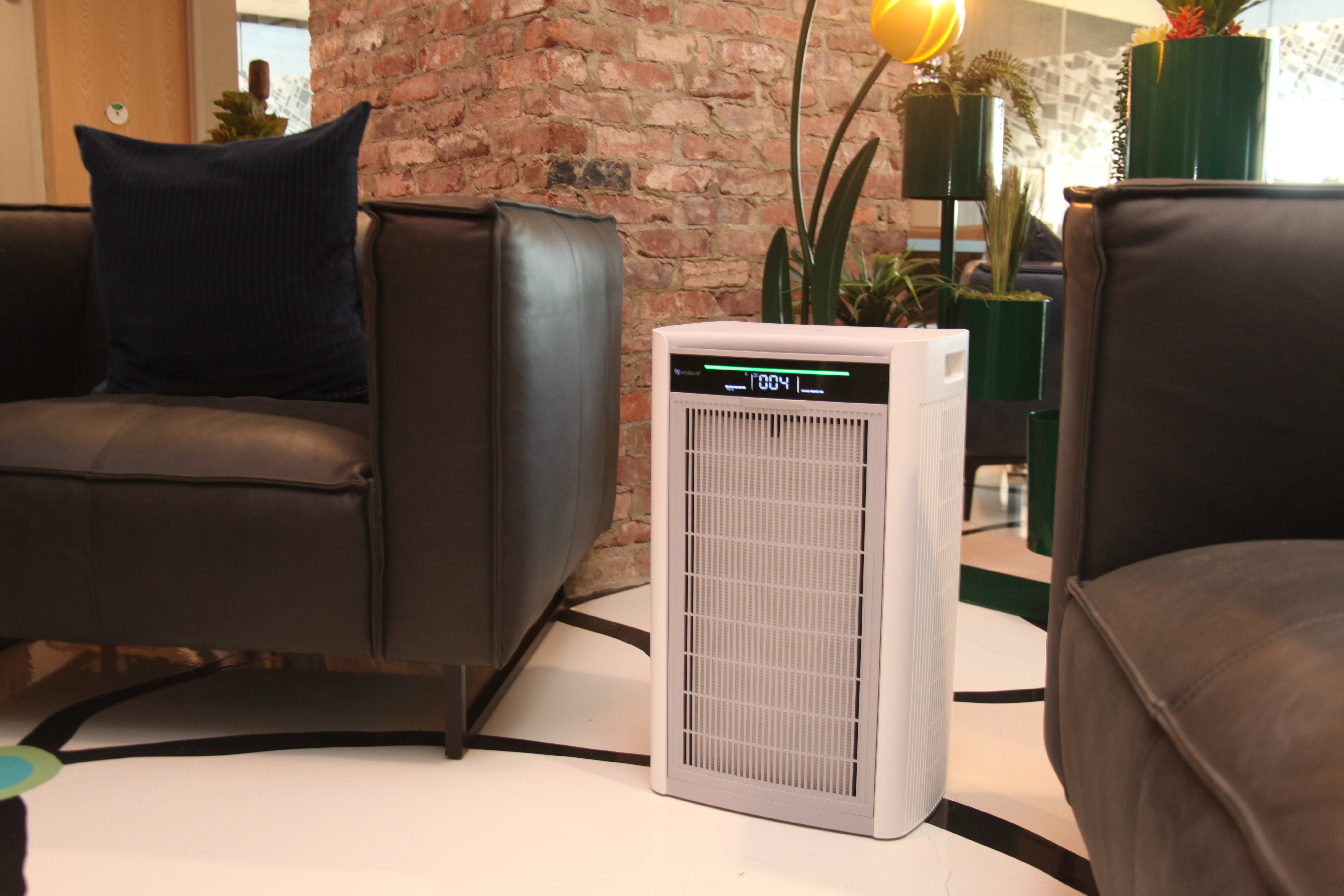
Be ready before conditions change
When outdoor air quality shifts, your home becomes your most important environment.
Explore solutions designed to help improve the air in your home when it matters most.