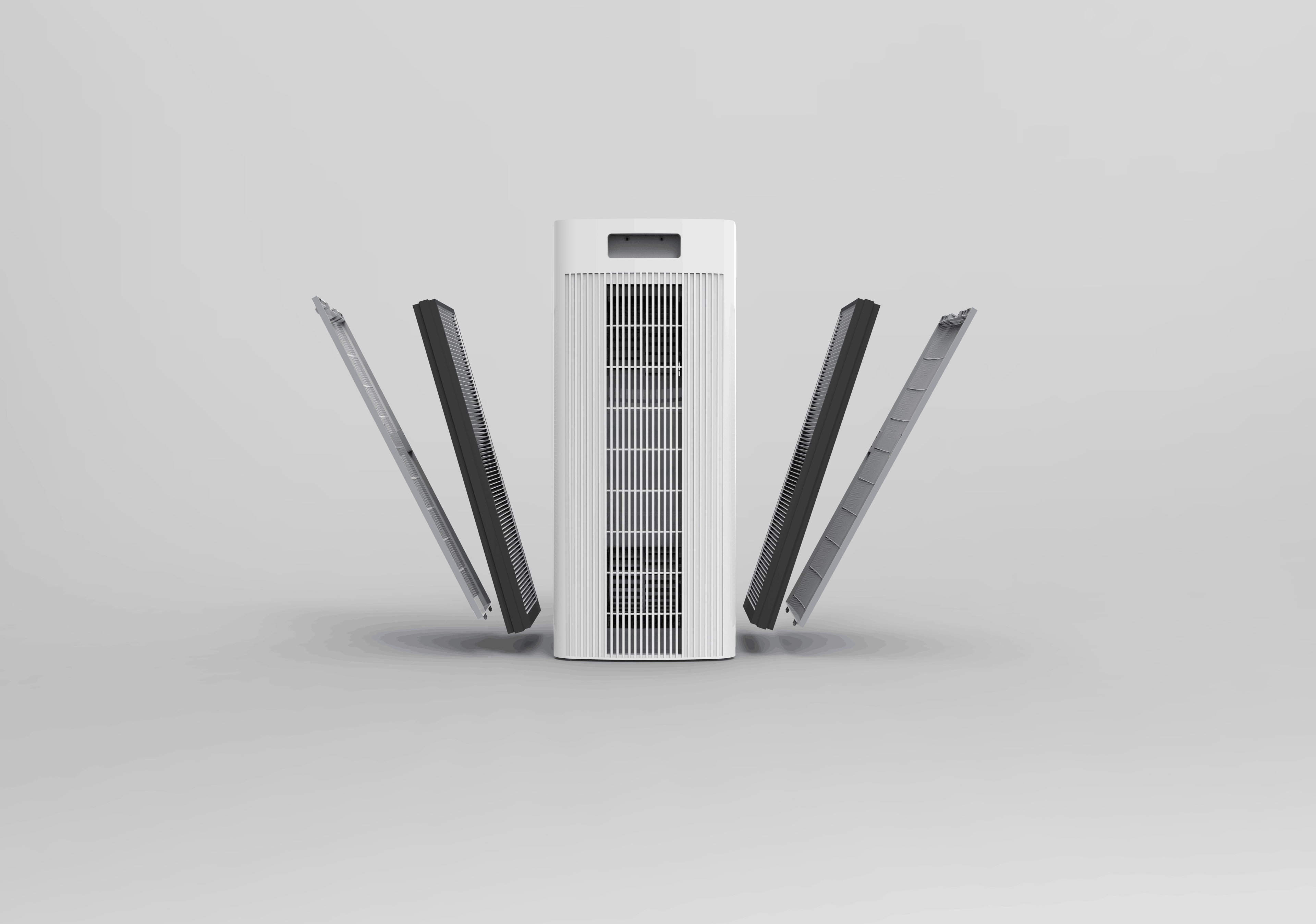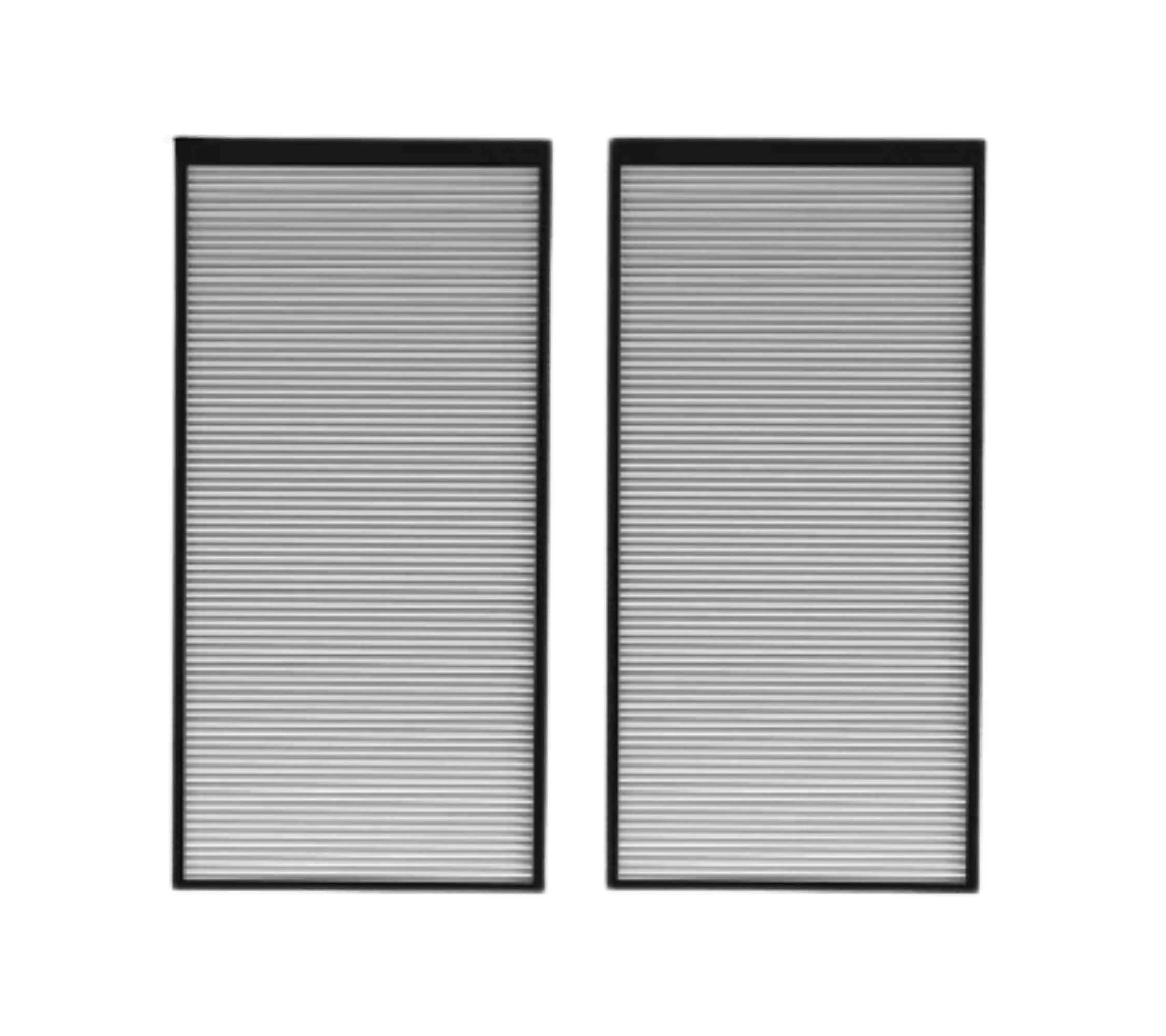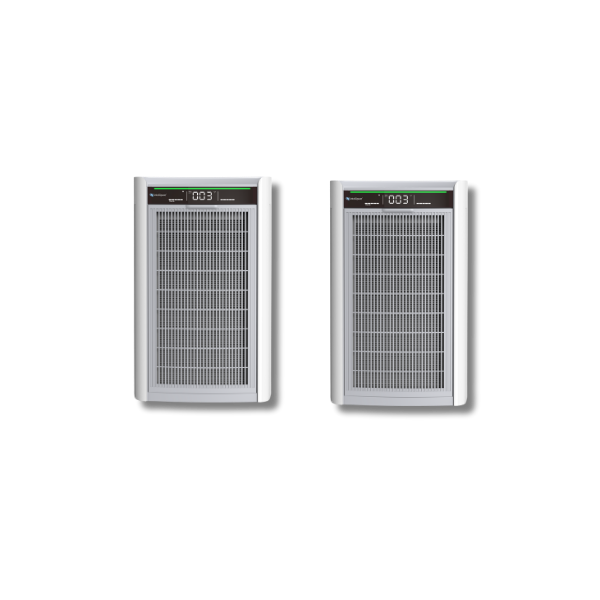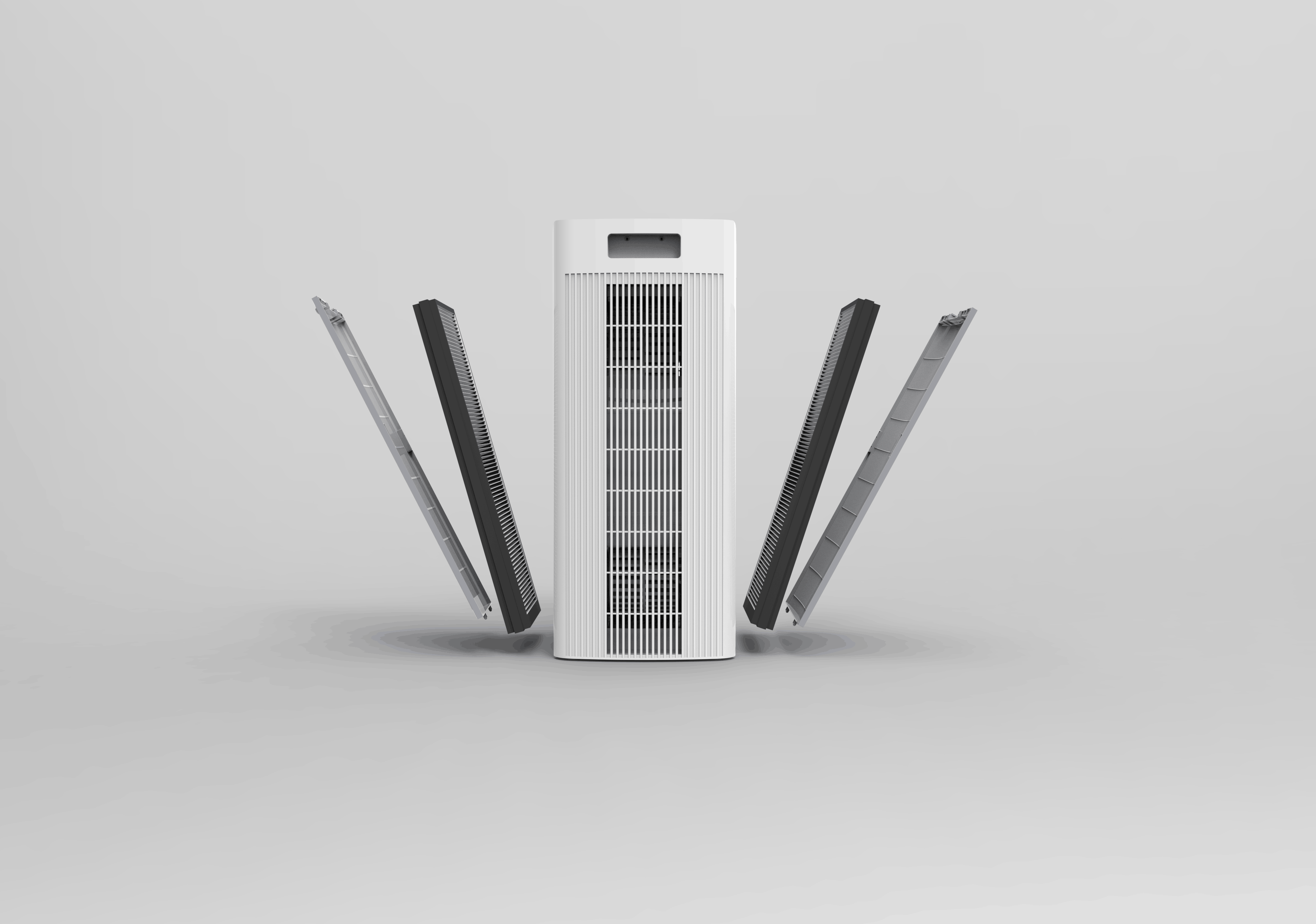

Why You Need An Air Purifer For Baby Nursery Room Health

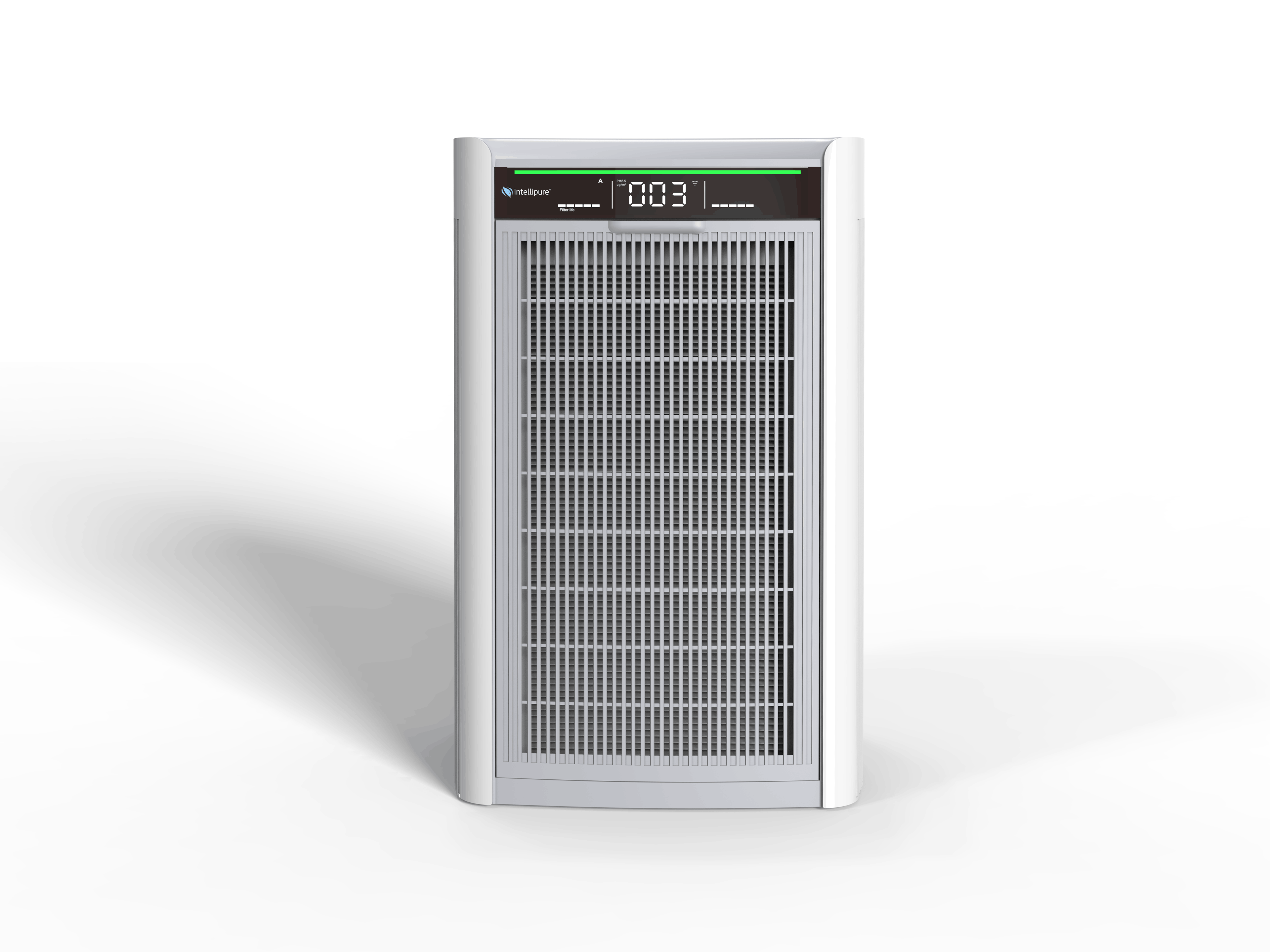
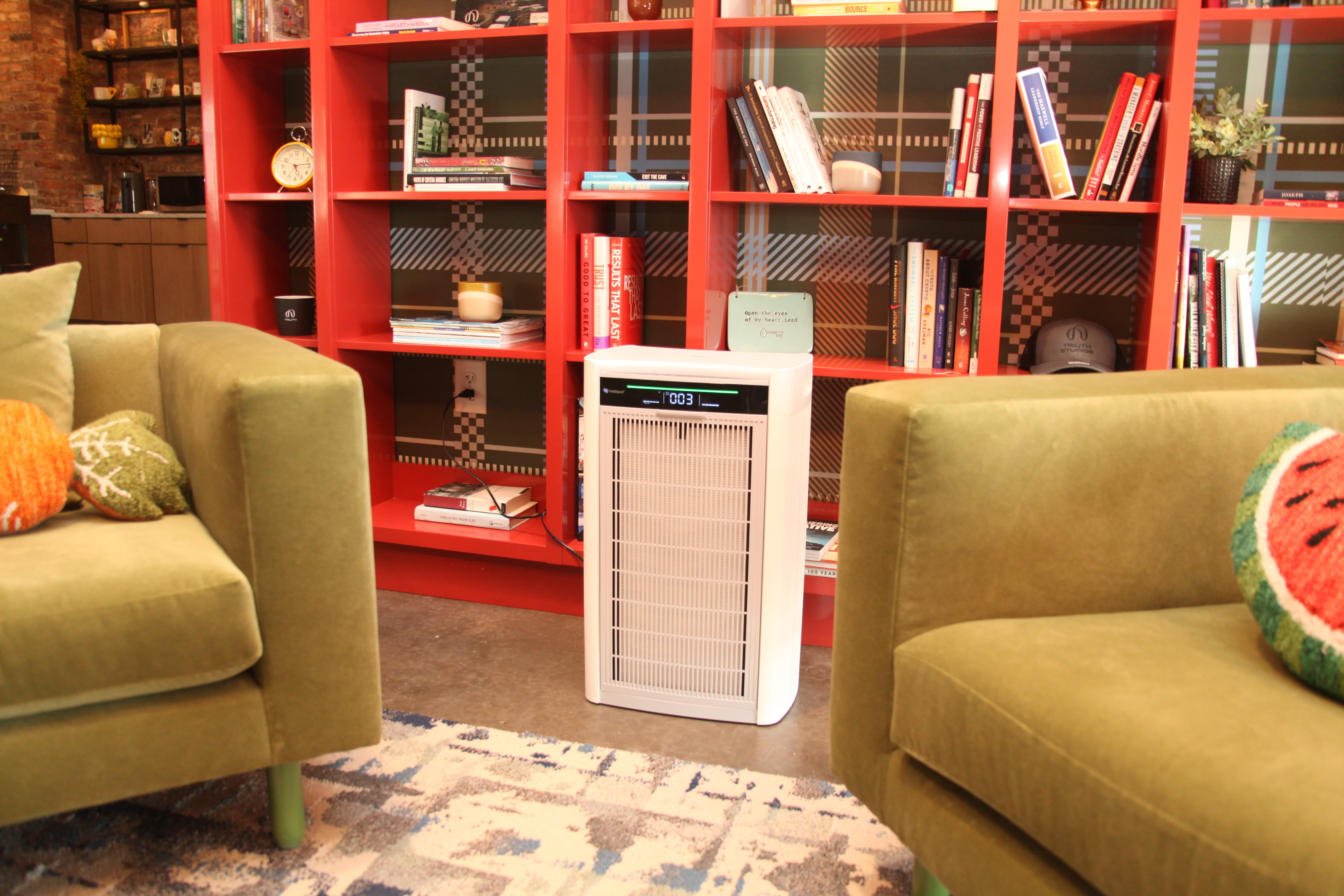
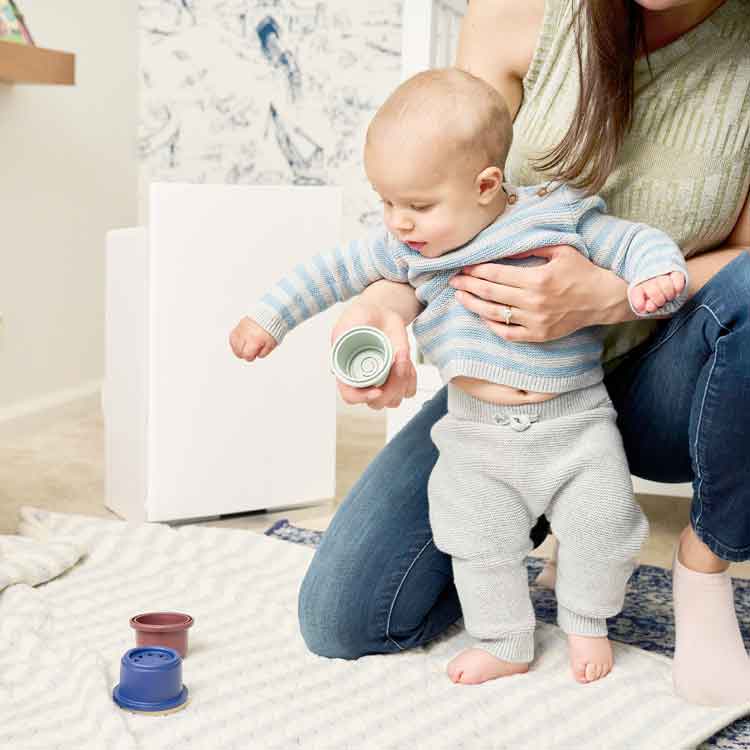
As a new parent, your world revolves around your baby's health and well-being. You meticulously clean and sanitize every surface, but have you considered the air your baby breathes? Indoor air can be surprisingly polluted, carrying dust, allergens, pet dander, mold spores and even harmful chemicals. That is why an air purifier is an essential addition to your baby's nursery. Here are a few things to consider when thinking about what you want in your baby nursery…and what you definitely don't want in the air!


Protecting Tiny Lungs

Babies have delicate respiratory systems that are still developing. An air purifier helps remove airborne particles that can irritate their lungs and lead to respiratory issues. We are only now starting to learn how things like ultra tiny airborne microplastics enter the lungs where they can become trapped, even possibly passing into the bloodstream. In areas prone to wildfires an air purifier is a must as home HVAC filters are not typically meant to filter particulates as small as smoke particles.


Reducing Illness-Causing Pathogens


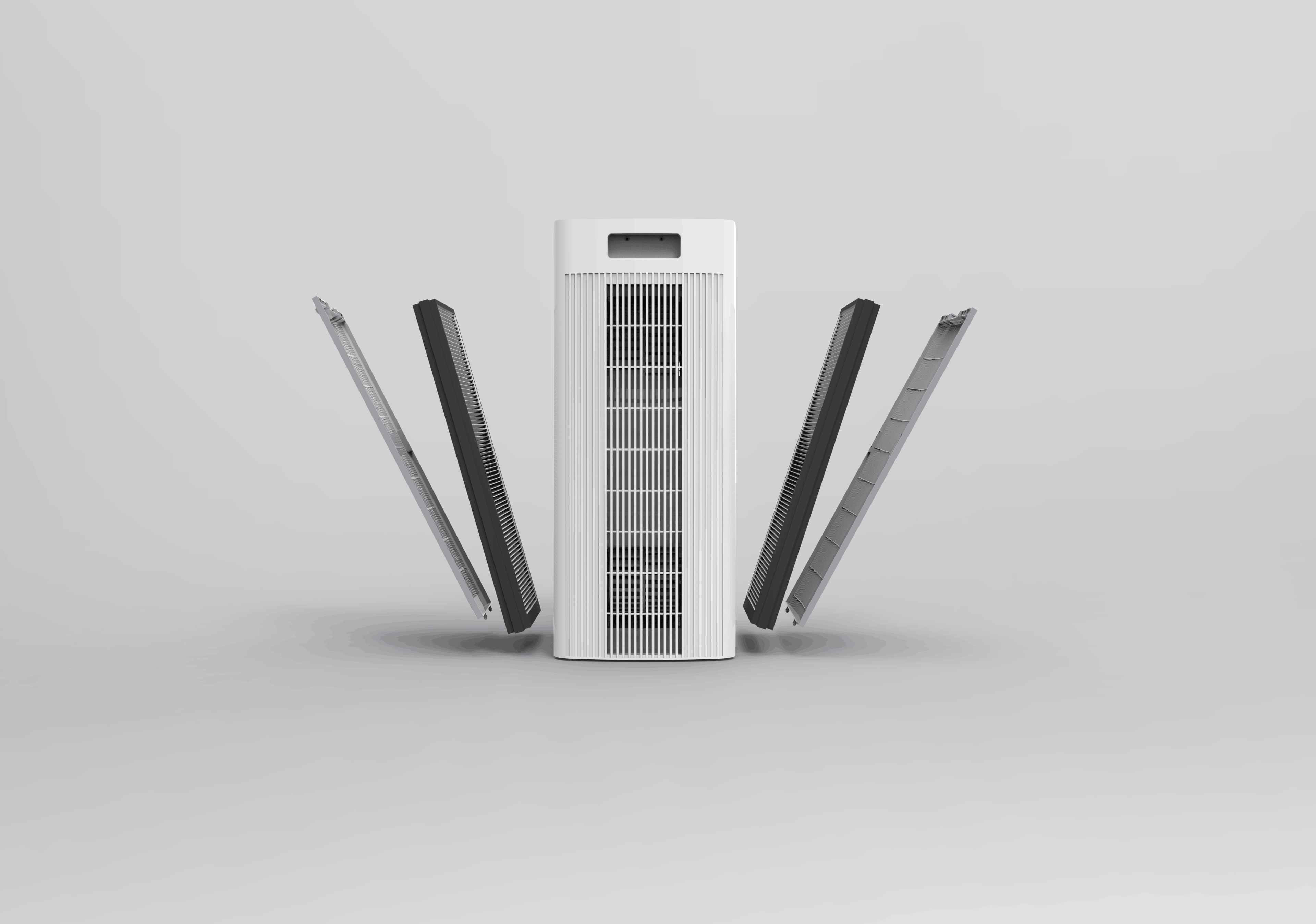
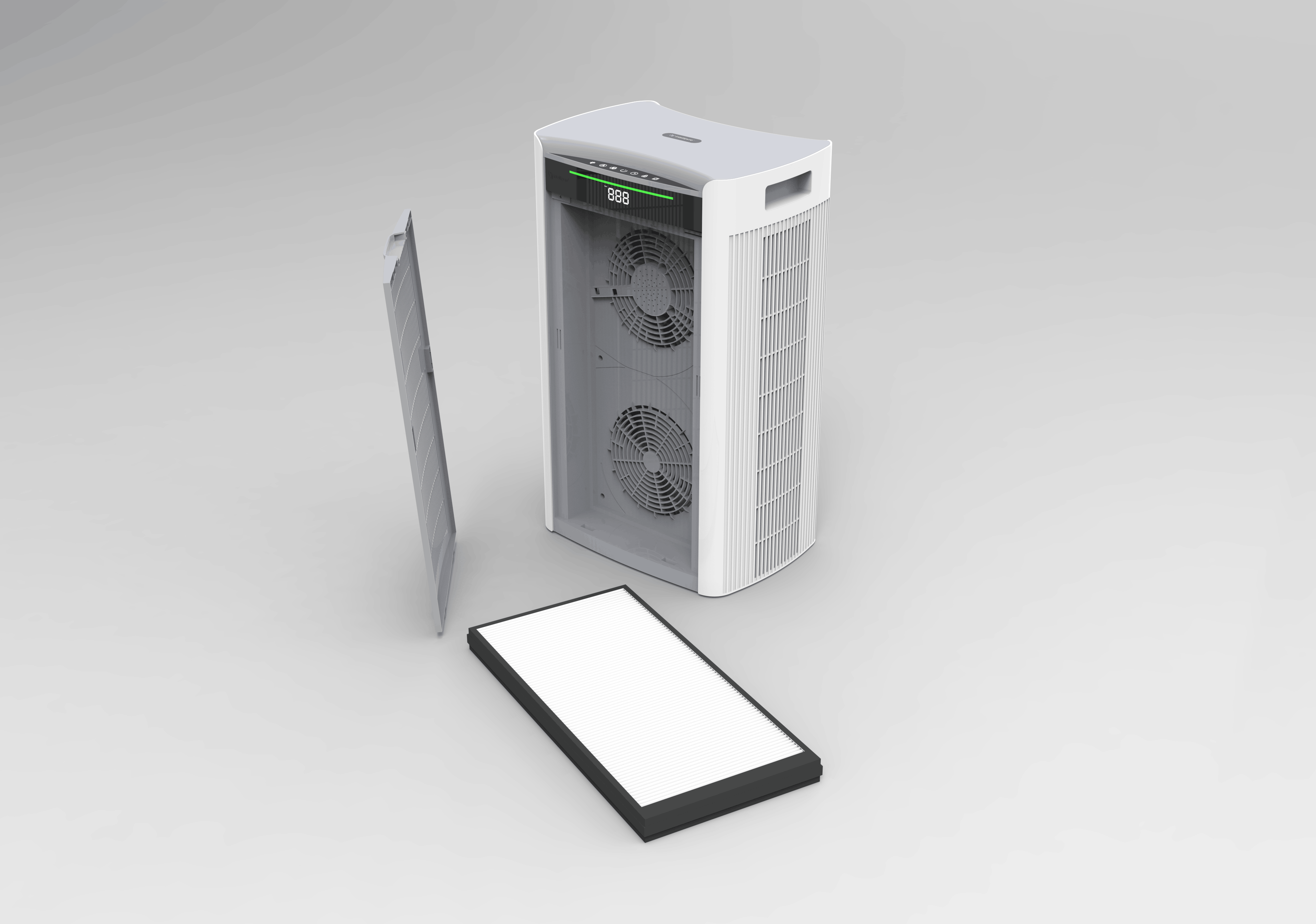
Airborne germs and viruses can easily spread in a confined space like a nursery. Visiting relatives, older siblings coming home from school, even parents can be unknown carriers of airborne diseases. An air purifier with high filtration efficiency can capture these pathogens, reducing the risk of your baby getting sick.


Better Sleep for Everyone

Cleaner air can lead to better sleep for both you and your baby. By removing allergens and irritants, an air purifier creates a more comfortable and restful environment. Since a baby can't tell you that their throat itches or why they are coughing, doing the best to remove any potential airborne irritants helps create a good sleep foundation.


Quiet Operation

Choose an air purifier designed for nurseries with quiet operation. This helps make sure that the air purifier won't disturb your baby's sleep. Engineers spend hours designing systems that move air effectively with a minimal amount of fan blade noise. Make sure to choose an air purifier that lists the operating decibel (dB) noise range so you can pick a quiet unit. Experts recommend keeping it under 60 dB so as to not damage young ears over time.


Investing in an air purifier for your baby's nursery is a proactive step towards safeguarding their health. It's a simple yet effective way to create a cleaner and healthier environment where your baby can thrive. Beyond the immediate benefits listed above, clean air is a firm foundation for a lifetime of good health.
Explore the Breathe Easy Blog

View all

Fall Leaf Burning and Air Quality

Fall Leaf Burning and Air Quality

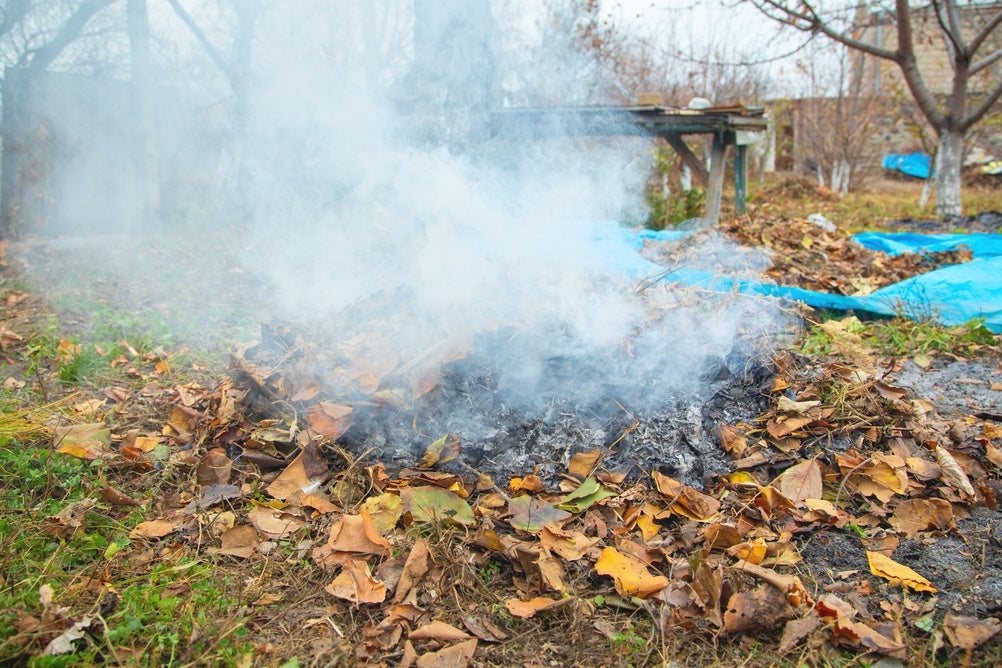
Backyard burning is pretty much exactly what it sounds like. On their own properties, people burn vegetative waste or household trash that would typically be recycled or sent to a landfill. Burning can happen in a barrel, homemade burn box, wood stove, outdoor boiler, or an open pit [1][1].

Some people think of backyard burning as a nostalgic autumn tradition and convenient, affordable way to get rid of leaves and waste. Others don't think about it at all … until the smoke from their neighbor's burn pile shows up in the air around and inside their home. 

Read more

Smoking Is Making a Comeback. What Does That Mean for Your Air?

Smoking Is Making a Comeback. What Does That Mean for Your Air?

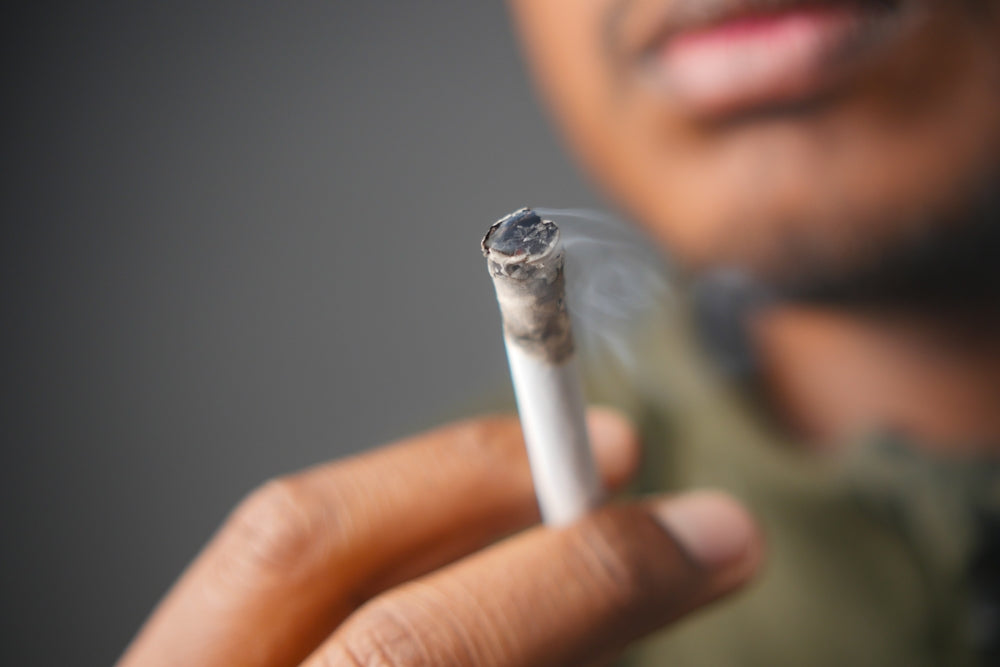
Cigarettes are having a cultural moment again. For a while, they seemed destined to become a relic of another era. Then came vaping, sleek electronic devices, flavored nicotine, a way to smoke almost anywhere, and a whole new aesthetic. 

Now, the pendulum appears to be swinging again.

Recent cultural coverage has pointed renewed interest in something trendsetters are calling analog smoking, especially among younger consumers. Cigarettes are showing up in fashion, celebrity imagery, nightlife culture, and social media feeds, alongside terms like cigfluencers, Gen Z smoking, and even vape fatigue.

Read more

Living and Breathing with Lyme Disease

Living and Breathing with Lyme Disease

When you were a kid and had never seen "Lyme disease" spelled out before, you might have assumed it had something to do with little green citrus fruits. (No? Just me?) 

Turns out, the disease is named for Lyme, Connecticut, where the first cluster of cases was documented back in 1977. Unfortunately, Lyme disease has spread far beyond Lyme's town limits: Today, it's been reported in almost every U.S. state, but the Northeast, Mid-Atlantic, and Upper Midwest regions see the most cases. It also exists in Asia, Europe, and other parts of the world [1, 2][1, 2]. 

Read more

Better Together: Why Different Air Filters Do Different Jobs

Better Together: Why Different Air Filters Do Different Jobs

Fall has a way of putting maintenance back on everyone's radar. You're changing routines, getting the house ready for cooler weather, and maybe finally tackling that list of things you meant to check months ago. Changing your air purifier filters deserves a spot on that to-do list.

Read more

What You Should Know About Humidifiers

What You Should Know About Humidifiers

Clean air isn't just about clearing out particles and volatile organic compounds. Humidity is an important component of indoor air quality (IAQ), and the United States Environmental Protection Agency (EPA) lists monitoring and adjusting humidity as a way to improve the air in your home [1][1]. 

Plus, research suggests that indoor humidity could play a bigger role in your health than you might think. Experimental studies show that too much or too little humidity can create conditions that make it easier for germs and allergens to stick around [2][2].

Read more

Should You Pair an Air Purifier and a Dehumidifier This Summer?

Should You Pair an Air Purifier and a Dehumidifier This Summer?

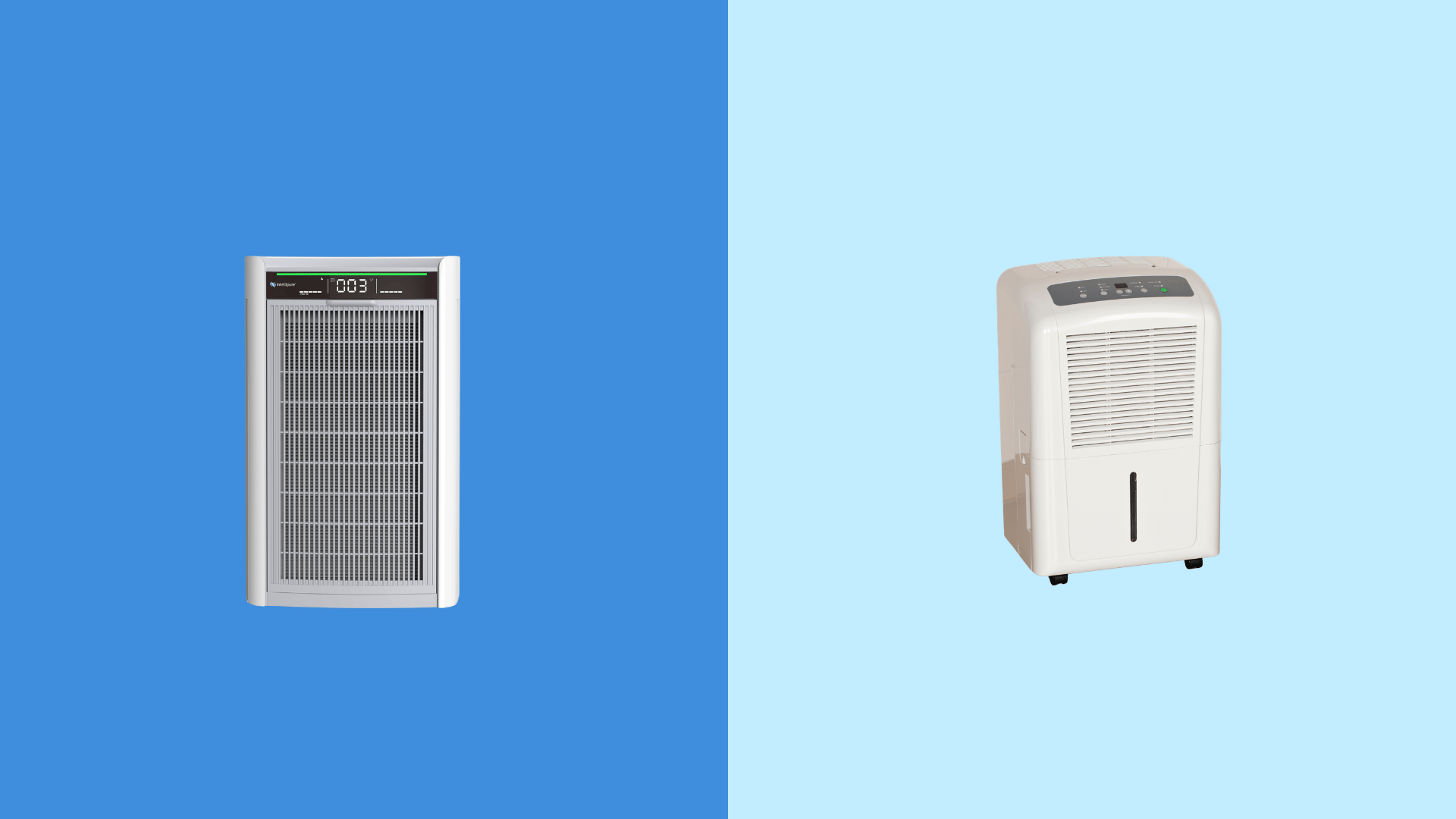
Sticky summer air isn't for everyone. Whether you love or hate climates that make you sweat on the way to your mailbox, the objective reality is that humidity creates a few extra challenges for people who care about air quality.

Before we get into those potential clean-air and respiratory health threats, let's take a minute to go over the basics of humidity.

Read more

Hurricane Season Starts Outside. The Air Prep Starts at Home.

Hurricane Season Starts Outside. The Air Prep Starts at Home.

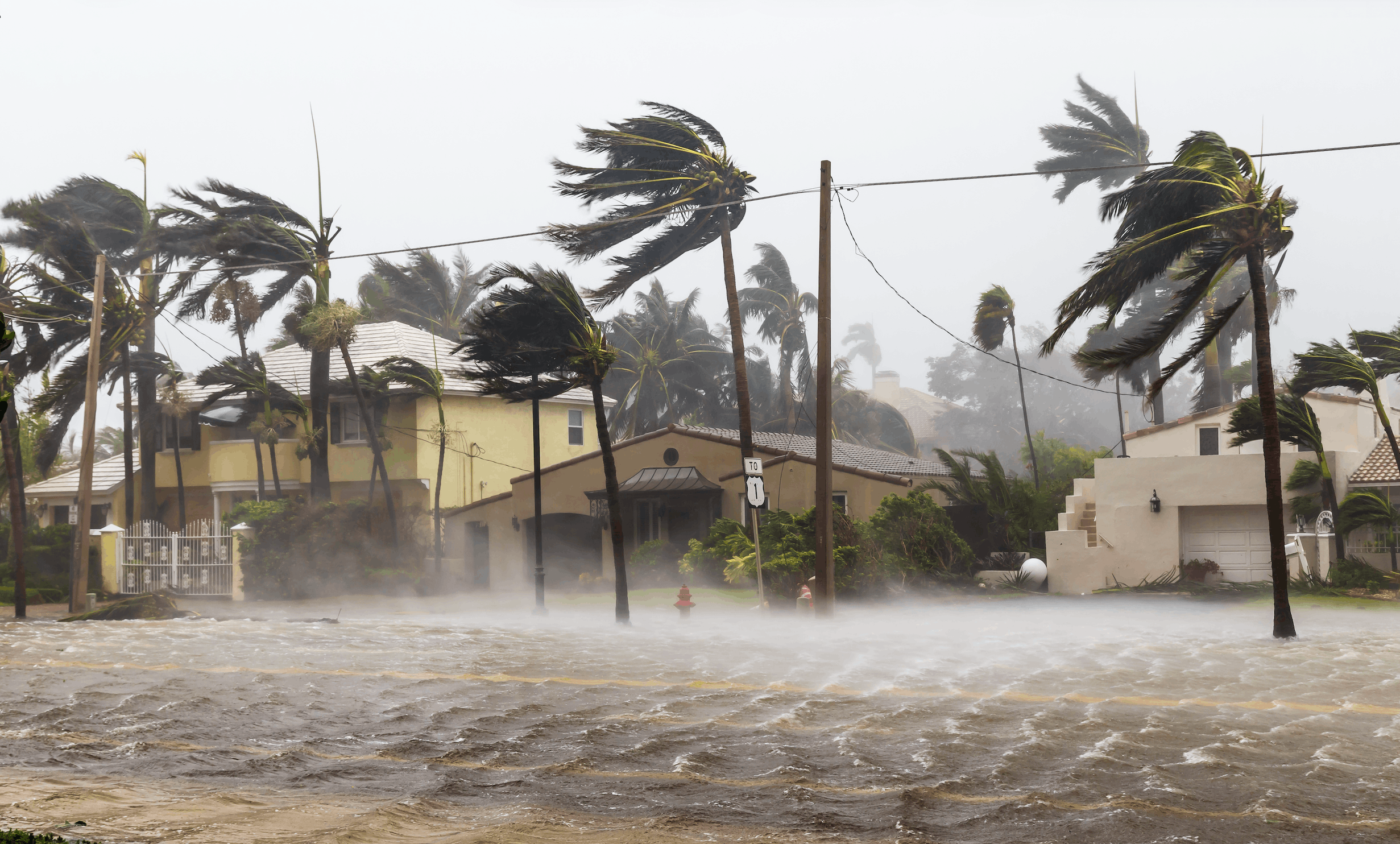
Hurricane prep usually starts with the obvious: batteries, bottled water, flashlights, medications, and a plan for where to go if conditions turn dangerous. But hurricane season home preparation should also include the air inside your home.

I've lived in Florida my whole life, so hurricane prep feels almost like a seasonal ritual. Still, indoor air can be easy to overlook when there are shutters to hang and supplies to track down.

Read more

Clean Air Self-Care: Small Ways to Breathe and Feel Better at Home

Clean Air Self-Care: Small Ways to Breathe and Feel Better at Home

As I live and breathe, National Wellness Month is finally here! And what better time to talk about personal wellness tips and tricks than this? Self-care can take many forms. For some, it's a better bedtime routine. Morning people might tell you it's a few quiet minutes before the day begins.

Read more

Outside In: How Your Yard Affects Your Indoor Air Quality

Outside In: How Your Yard Affects Your Indoor Air Quality

Counterintuitively, a big part of maintaining good indoor air quality (IAQ) is being more mindful of the air outside your home. That's because half of what's in the air outside can make its way inside [1][1].

From pollen and mold spores to pesticides and other lawn treatments, lots of different outdoor contaminants find their way into the air you breathe when you're chilling on the couch, eating lunch at the kitchen table, or even tucked under the covers in bed. 

Read more