
Air Quality Alert: Wildfires Erupt Across Western United States

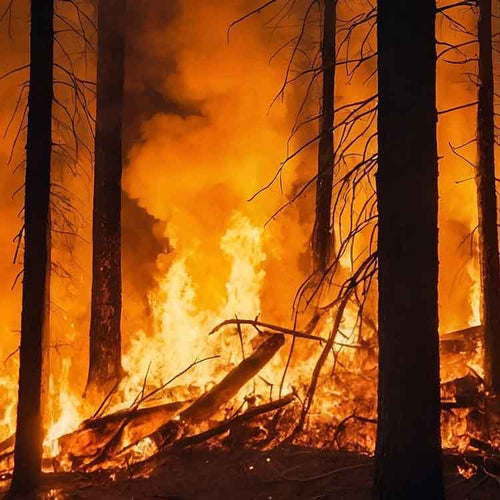
Large portions of the western United States, including parts of California, Idaho, Utah, Colorado, Wyoming, Oregon and Washington, are under air quality alerts due to raging wildfires. Fires such as the Park Fire spanning Butte and Tehama counties in California are sending huge amounts of fine particulate matter into the air, which is then carried hundreds of miles away. In eastern Oregon, near the Idaho border, the Double Creek Fire has scorched more than 270,000 acres of forest, with the Nebo Fire, Bedrock Fire, Lookout Fire and Wiley Fire raging nearby. Hundreds of smaller fires are burning from Nebraska to the California coast, with the potential for new fires to spring up instantly.


Long Distance Fire Effects

Just because a fire isn't raging in your area doesn't mean you won't be affected by it. Wildfire smoke can travel hundreds, sometimes thousands, of miles and with it comes ultrafine particulates and sometimes dangerous chemicals. Smoke particles from western wildfires are traveling all the way to the East Coast as far south as Florida. Even if you can't see smoke, it doesn't mean it isn't there.


Why Forest Fire Smoke Is Bad

Ultrafine particles in the smoke - too tiny to be seen - can make their way deep into your lungs and cause health problems. Wildfires don't just burn trees, but also anything else in their path, including houses, buildings, vehicles and more. Wildfire smoke can contain benzene, toluene, styrene, nitrogen oxides, sulfur dioxide and other harmful substances.


forest fire smoke allergen


Effects Of Wildfire Smoke

Exposure to wildfire smoke can cause immediate mild to severe health issues such as:

  • Difficulty breathing and reduced lung function
  • Coughing/wheezing
  • Asthma attacks
  • Bronchitis
  • Pneumonia
  • Irritated eyes
  • Irritated nose/throat
  • Nausea


Long-term exposure effects are becoming a bigger issue now that wildfires are becoming more intense and occurring across larger areas. Long-term health issues include:

  • Increased risk of heart attack
  • Increased risk of stroke
  • Headaches
  • Dizziness
  • Increased risk of lung cancer

What Can You Do to Protect Your Health?

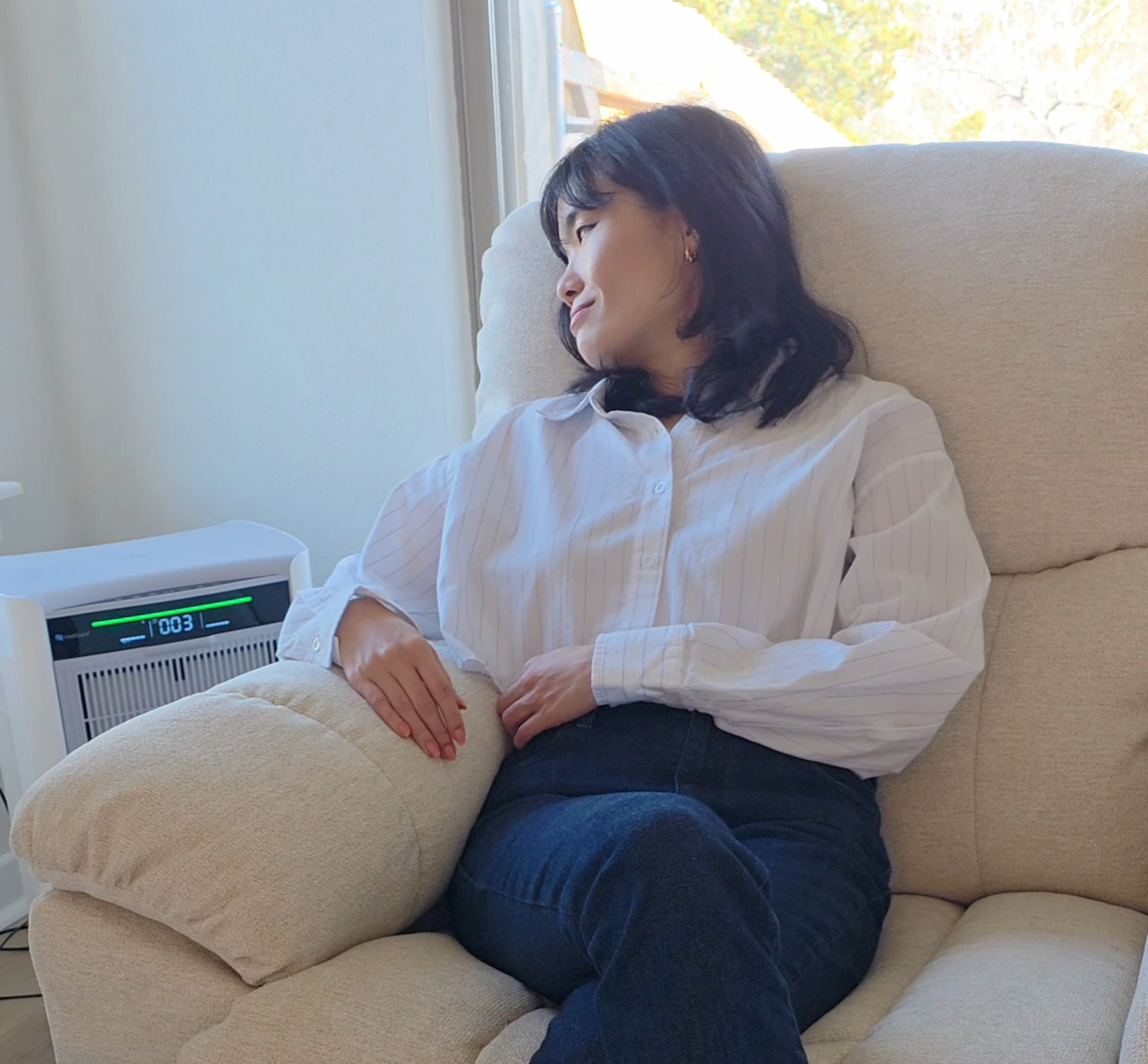
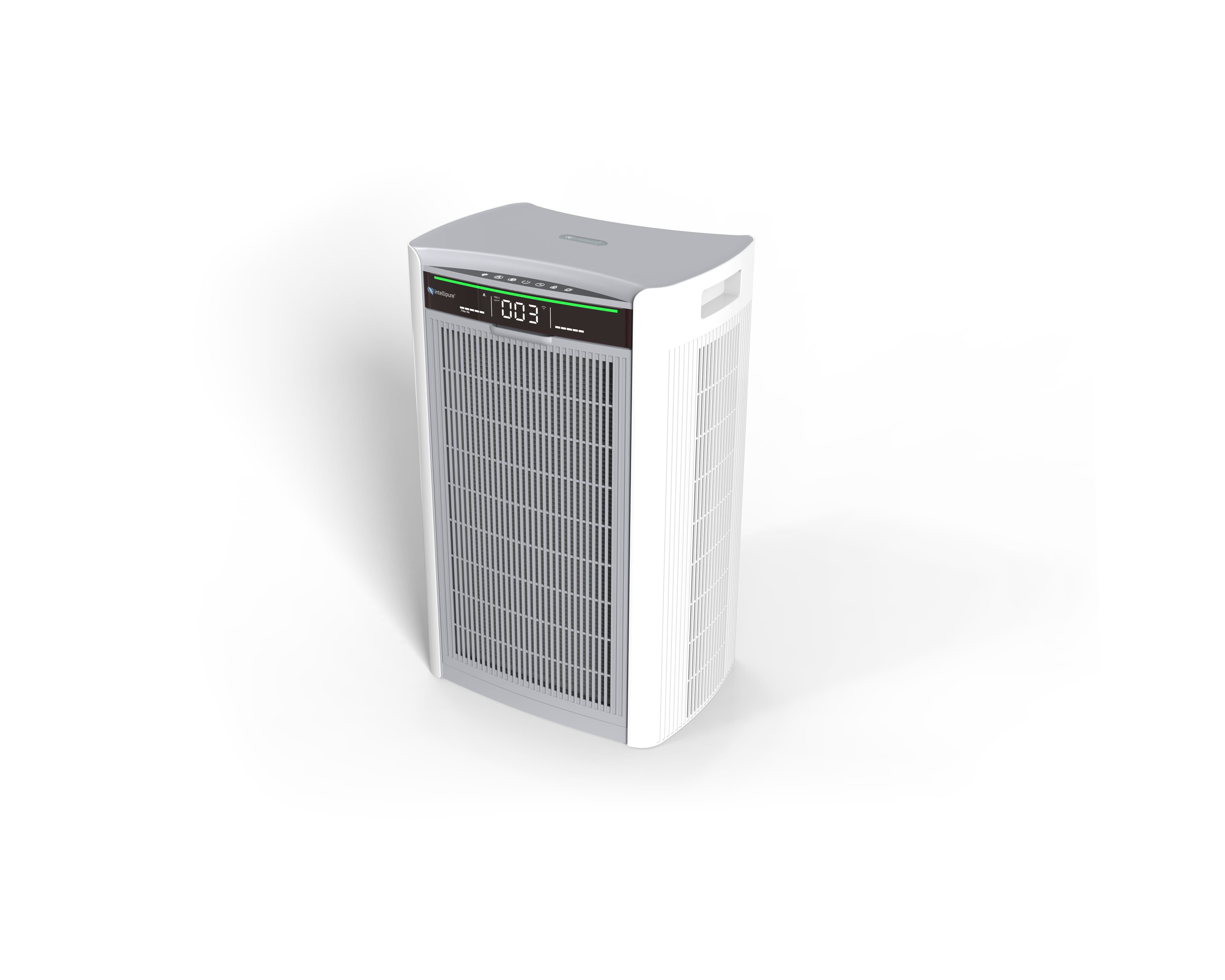
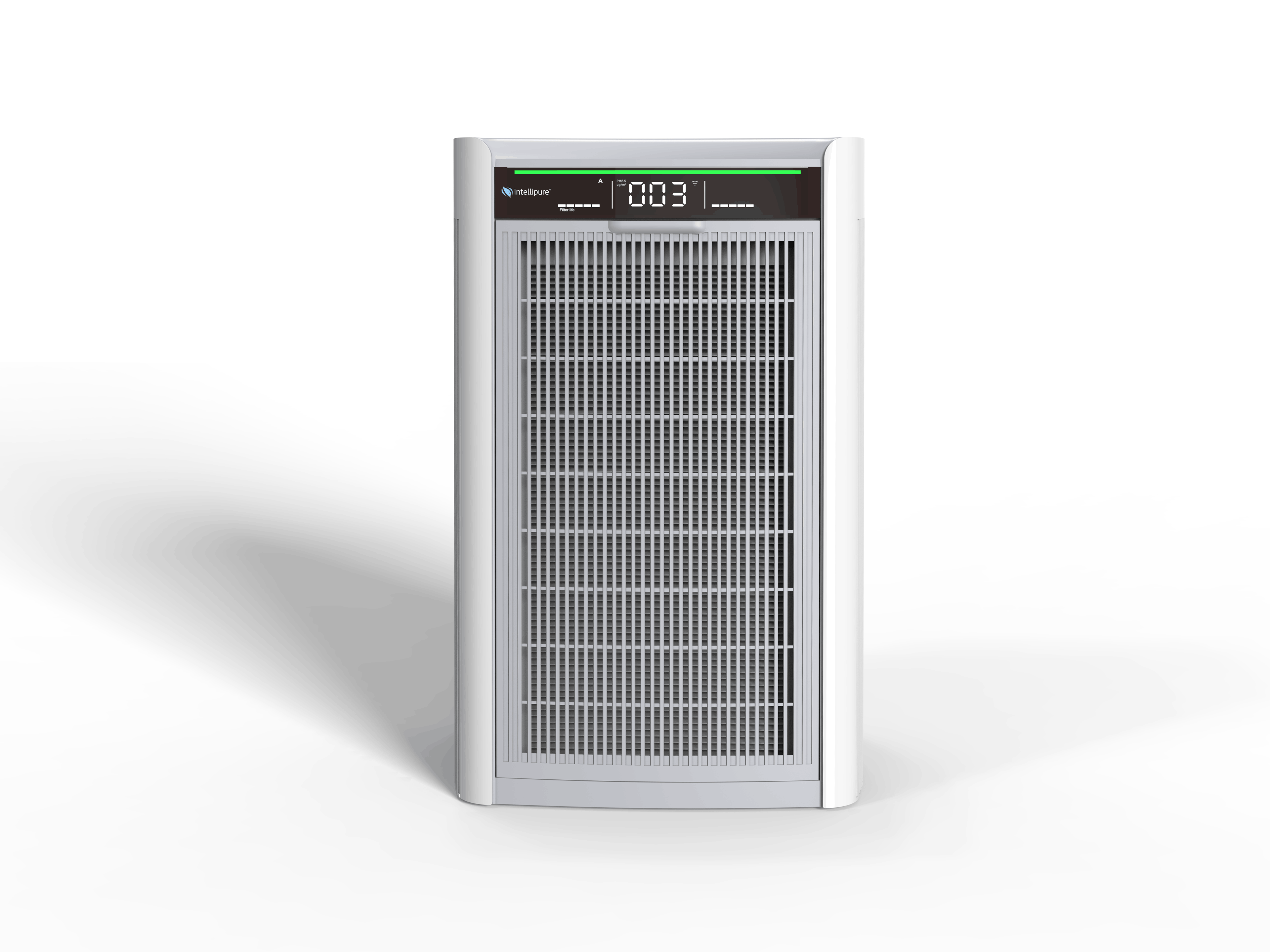
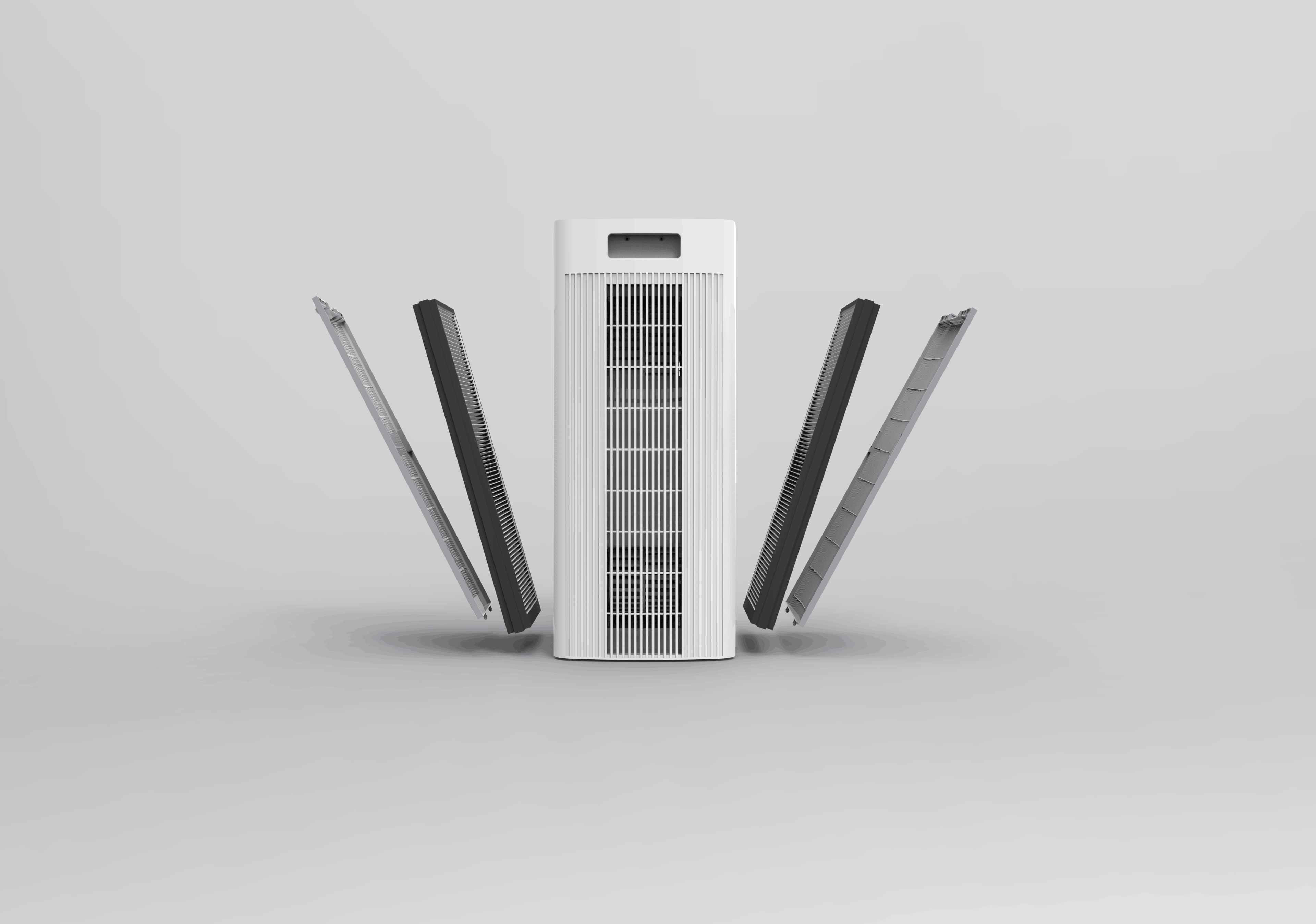
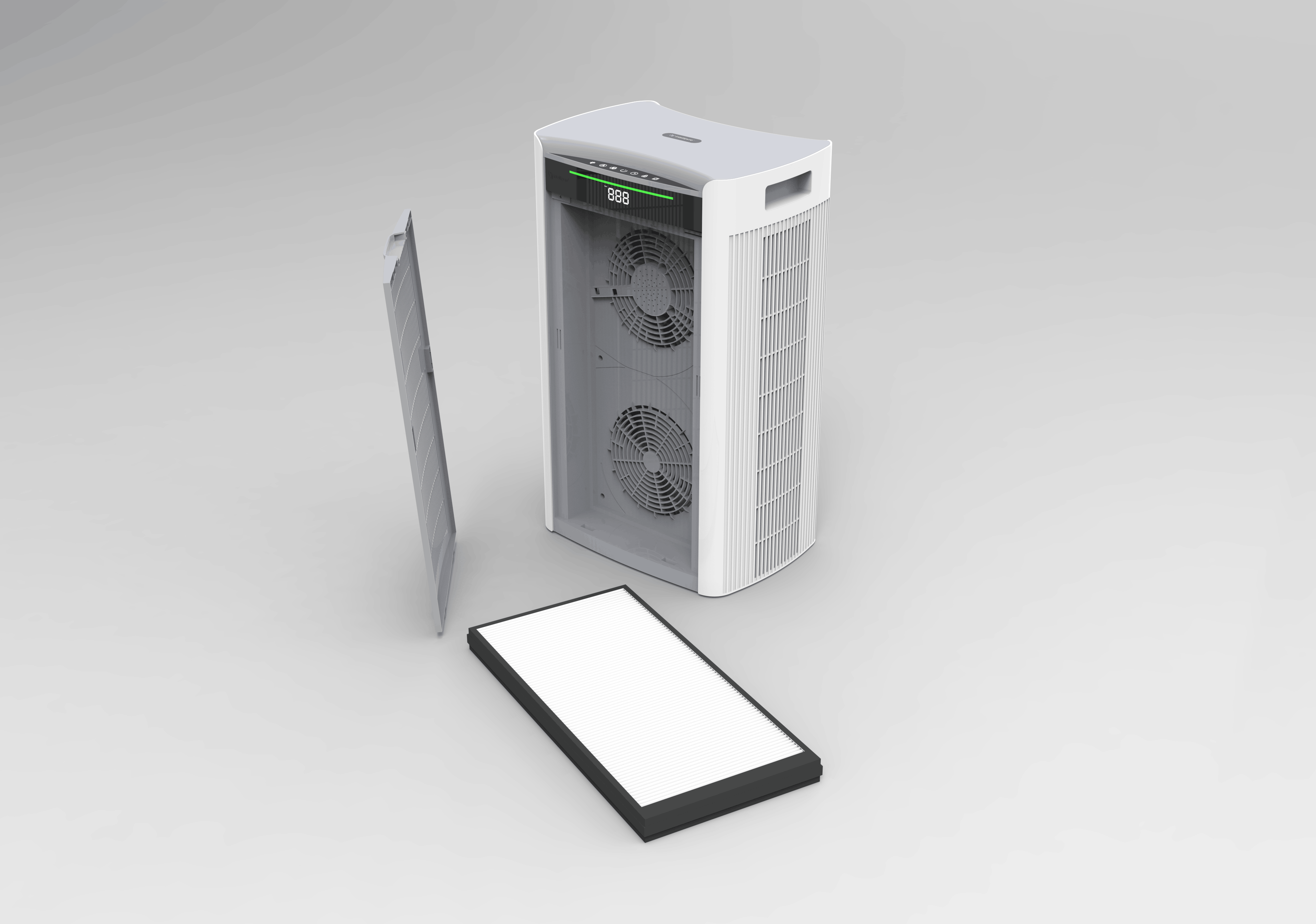
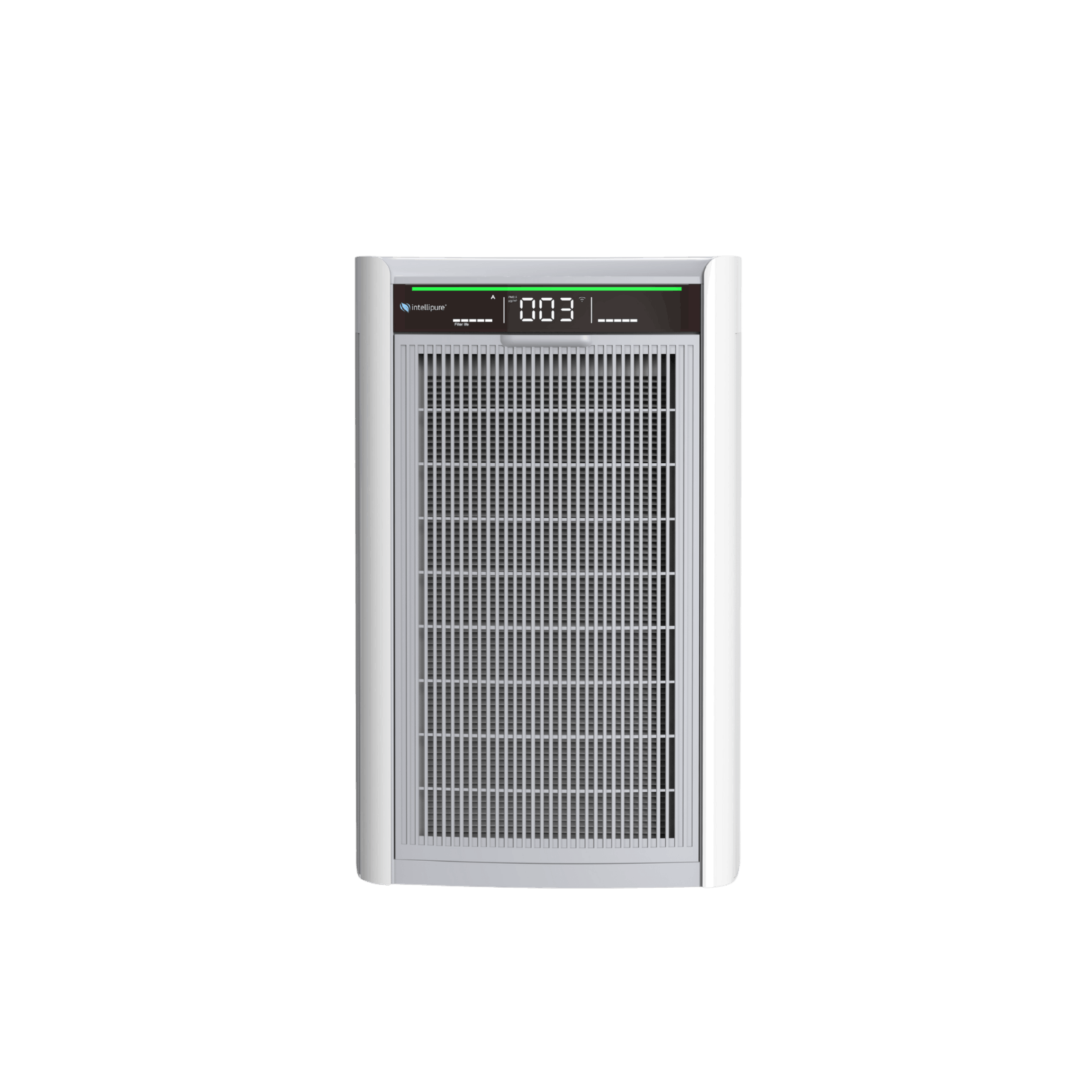
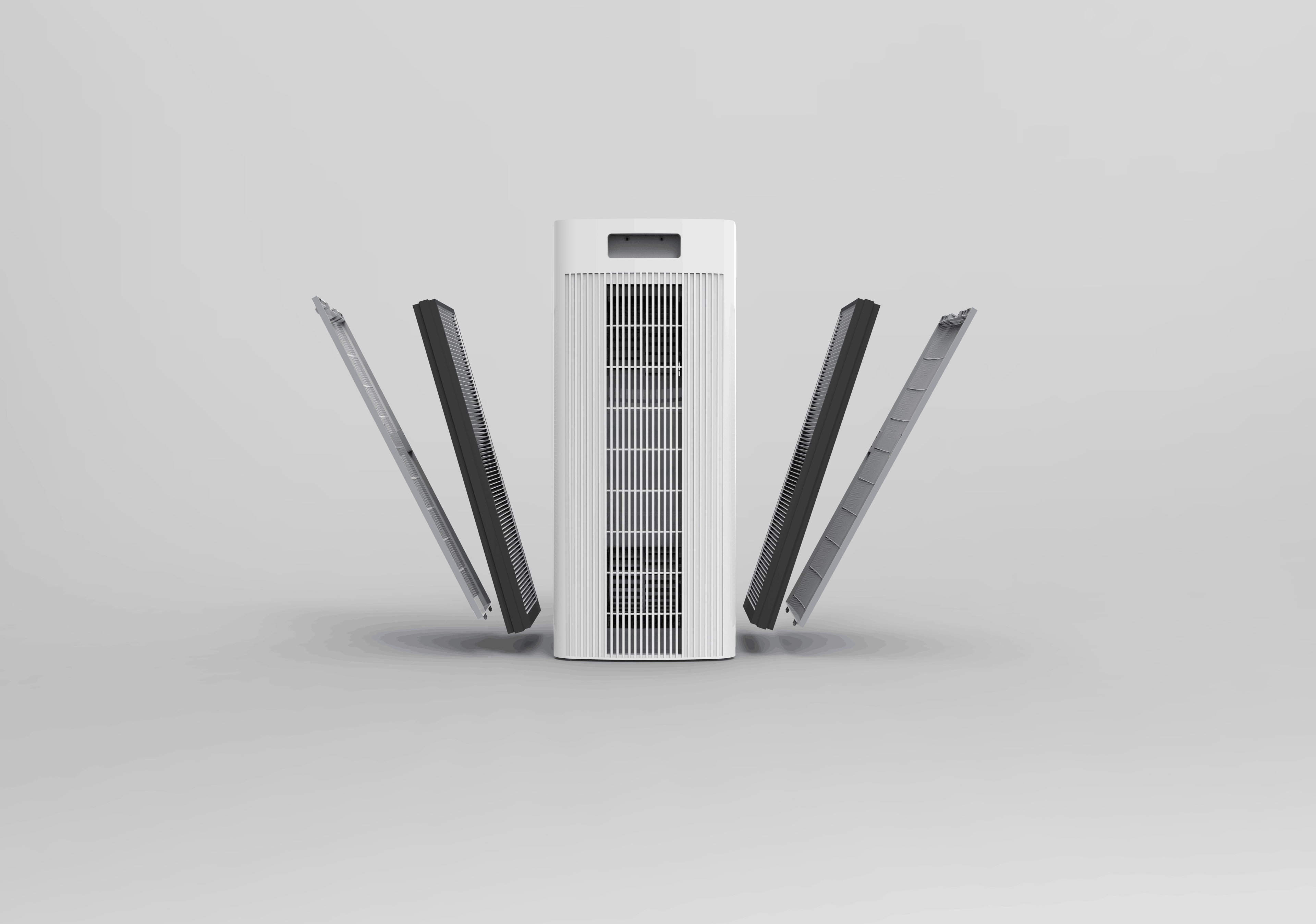
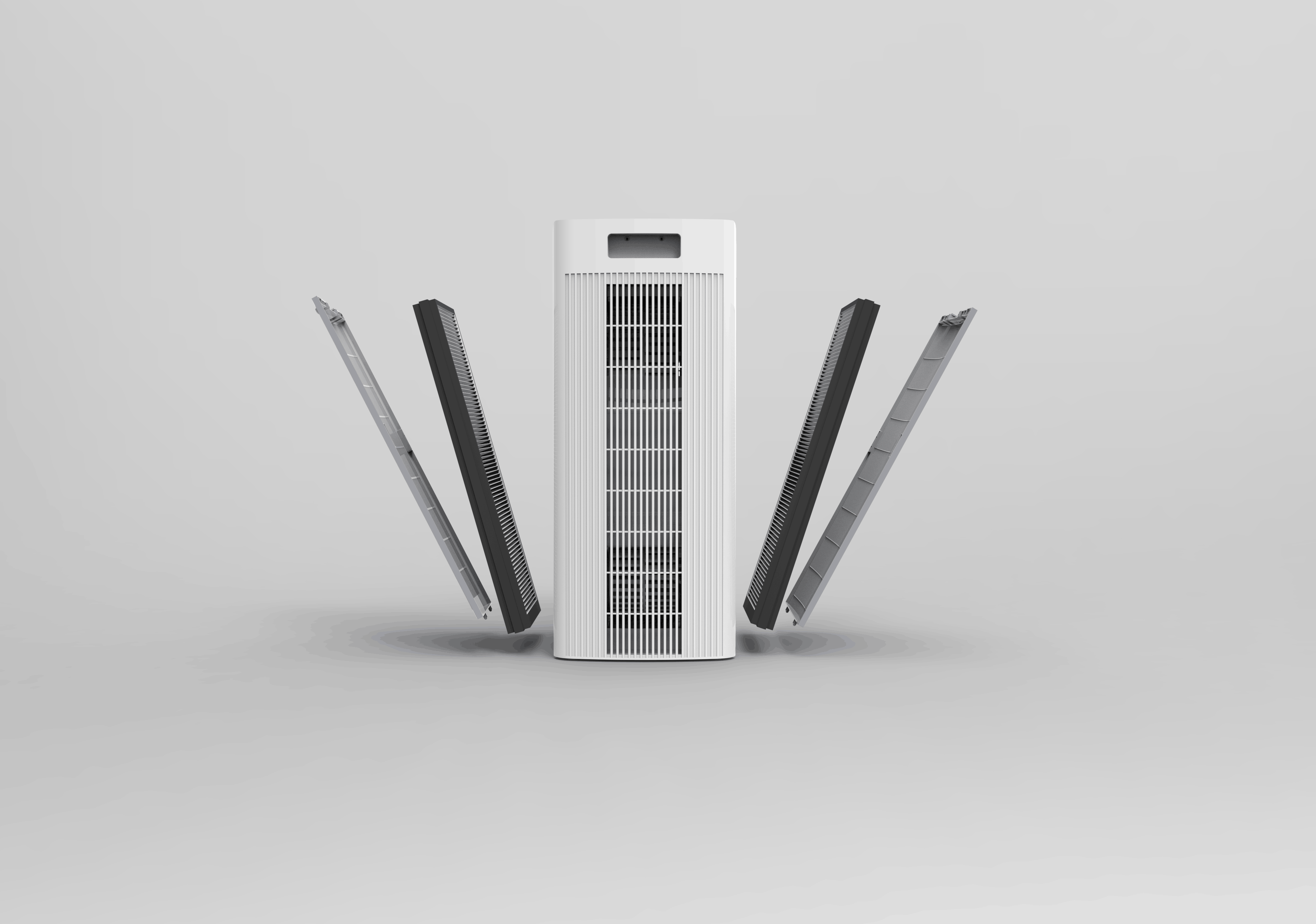
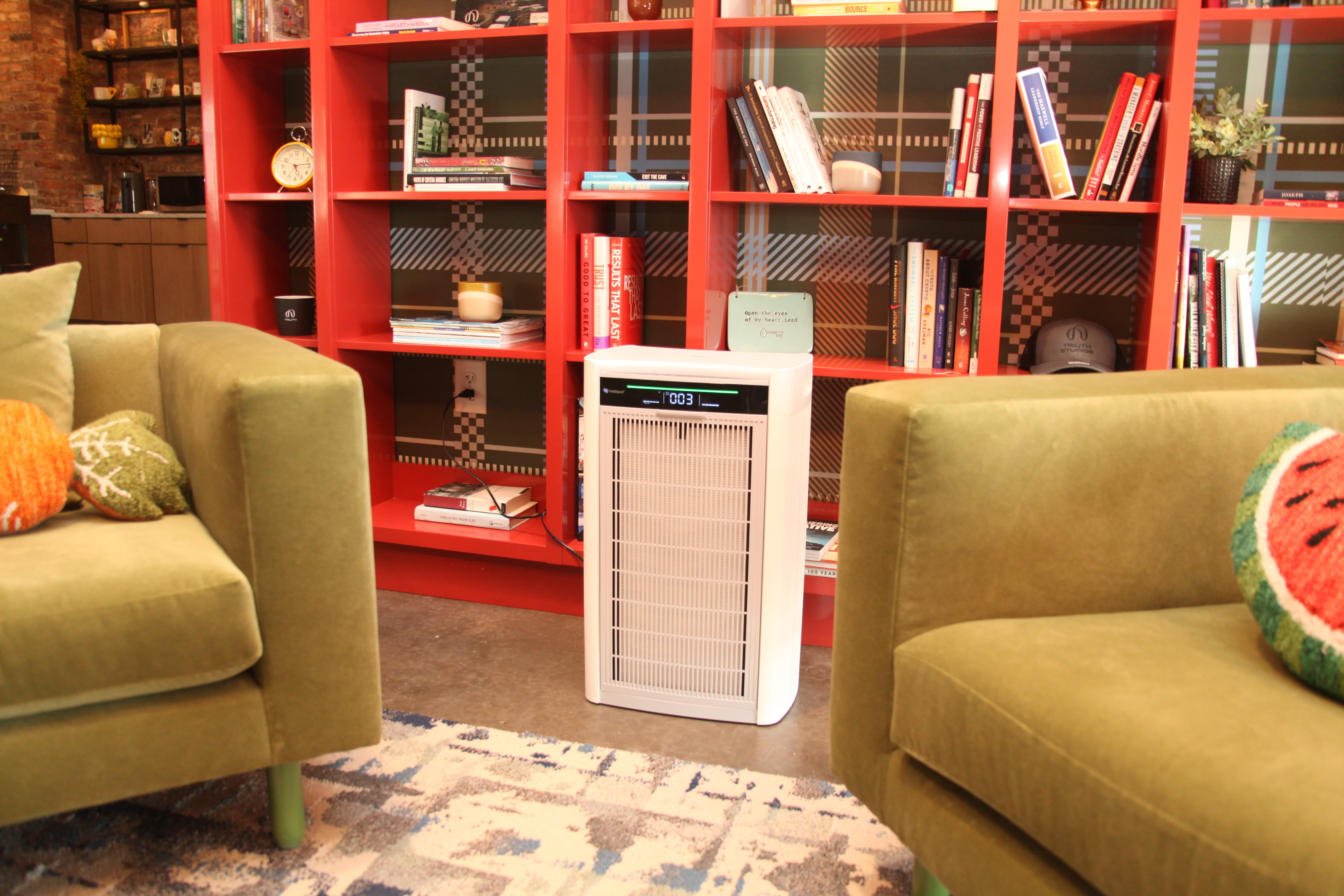
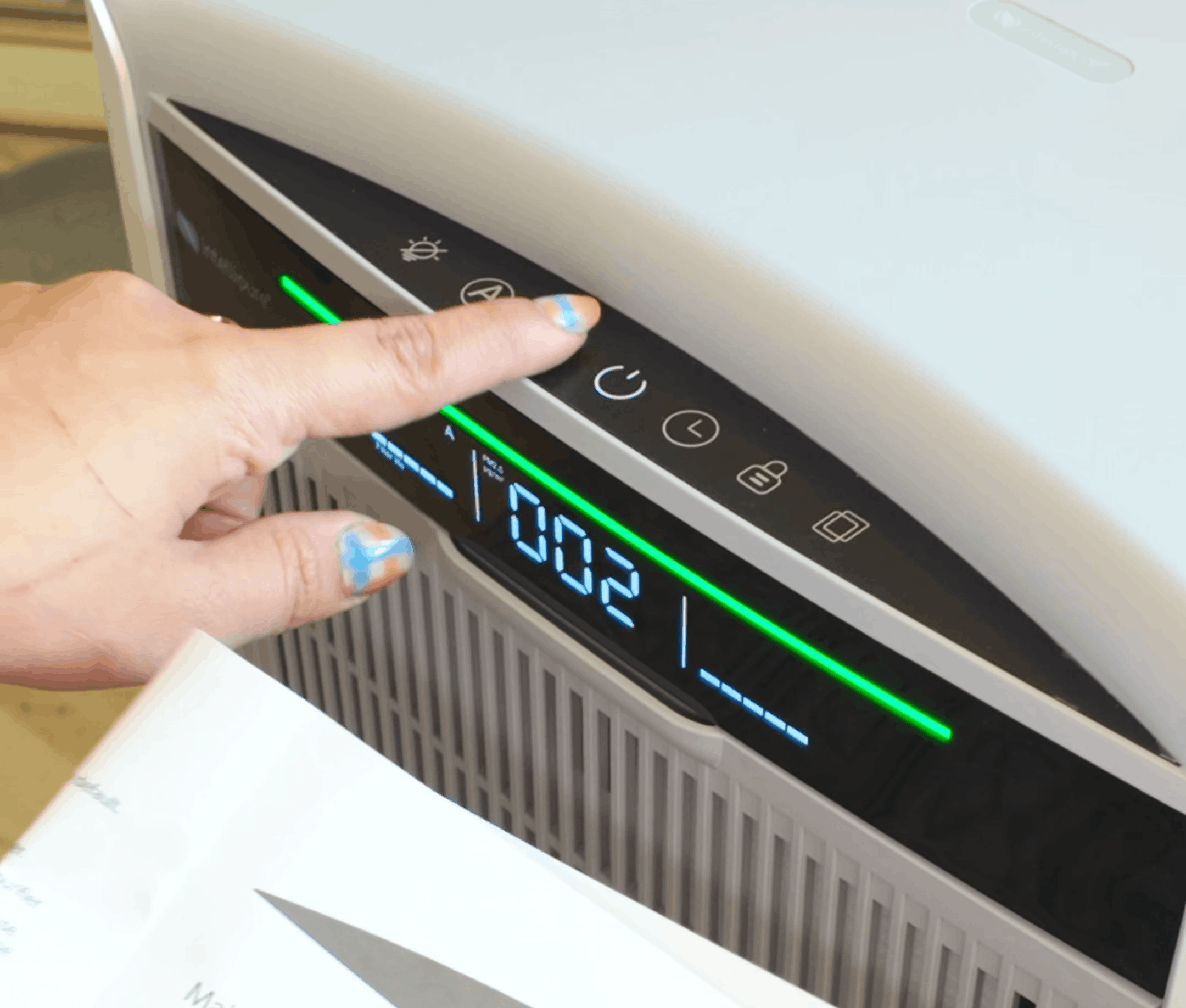
If you plan on being outside in an area affected by wildfire smoke, wear an N95 or KN95 rated face mask. For the best protection on days when outdoor air quality is at its worst, stay inside with a high-quality air purifier. Your home HVAC unit filter is not designed to remove the ultrafine smoke particles from a wildfire.


Fire Conditions Are Prime Right Now

People living and working in Utah, California, southern Idaho, Nevada, southwest Oregon, eastern Oregon and eastern Washington are being warned of the elevated risk of fire. Conditions are right for wildfires to start and spread easily in these areas. Hot, dry weather with gusty winds are turning parts of California, Arizona, Utah and Wyoming into a tinderbox. Residents are cautioned to take extreme care when using grills, campfires, outdoor fireplaces or any other fire sources. Make sure fire sources are completely extinguished with water and cold before assuming they are completely out.


Be Prepared

Those living in fire-prone areas need to be ready for evacuation. Stay tuned to your local weather and official communication channels. Check information websites such as AirNow and Fire and Smoke Map for up-to-date outdoor air quality and wildfire location information. Know your escape routes and keep in mind that some roads may be blocked. Stay away from areas where fires are already burning, as sudden shifts in wind direction can shift fire movement in an instant. And if you receive an evacuation order for your area, leave immediately!


*53% reduction in Toluene over a 60 minute period within a 1,007 cubic foot test chamber.
Explore the Breathe Easy Blog

View all

Outside In: How Your Yard Affects Your Indoor Air Quality

Outside In: How Your Yard Affects Your Indoor Air Quality

Counterintuitively, a big part of maintaining good indoor air quality (IAQ) is being more mindful of the air outside your home. That's because half of what's in the air outside can make its way inside [1][1].

From pollen and mold spores to pesticides and other lawn treatments, lots of different outdoor contaminants find their way into the air you breathe when you're chilling on the couch, eating lunch at the kitchen table, or even tucked under the covers in bed. 

Read more

The Skin-Deep Side of Summer IAQ

The Skin-Deep Side of Summer IAQ

As a lifelong resident of the Sunshine State, I consider myself an authority on all things sunny. So, I speak from experience when I say: Summer has a way of making skincare routines and hair maintenance schedules feel like full-time jobs. 

Read more

Summer Staples That Threaten Clean Indoor Air

Summer Staples That Threaten Clean Indoor Air

Summer is all about getting outside and having fun, but for many families, it also means a rush of indoor air pollutants that go largely unnoticed.

From sunscreen sprays to insect repellents to beachy scented candles, the products we use to help us enjoy summer can measurably degrade our indoor air quality (IAQ). Volatile organic compounds (VOCs) from these everyday items can accumulate to concentrations much higher indoors than outdoors, triggering everything from mild irritation to more serious long-term health consequences [1][1]

Read more

The Smoky Side of Summer

The Smoky Side of Summer

Grills firing up. Fireworks cracking overhead. Citronella candles glowing on the patio. Personally, I'm excited for the festivities. But some of summer's most familiar moments come with a little smoke.

We usually think of these as outdoor activities, which makes them feel separate from the air inside our homes. But your indoor air doesn't exist in a hermetically-sealed bubble. Smoke can drift through open doors, screened porches, cracked windows, attached garages, and nearby air intakes. And once those tiny particles make their way inside, they can linger longer than the fun.

Read more

Breathing Activities to Help Kids Keep Their Cool

Breathing Activities to Help Kids Keep Their Cool

Big emotions are a regular part of childhood, but kids don't always know how to manage them without support. One of the simplest and most effective emotional regulation tools they can learn also happens to be completely free: mindful breathing. For kids and adults, deep breathing helps calm the body's stress response, making it easier to control emotions, refocus, and navigate challenging situations. 

Read more

Shedding Light on Pet Allergens: How Pets Affect Indoor Air Quality

Shedding Light on Pet Allergens: How Pets Affect Indoor Air Quality

We love our pets. We love their little routines, their tiny dramatic sighs, their oddly specific favorite spots around the house. What we don't love quite as much? We love our pets. We love their little routines, their tiny dramatic sighs, their oddly specific favorite spots around the house. What we don't love quite as much? The fur tumbleweeds, the mystery smells, and the microscopic particles they leave behind.

Read more

Summer Air Myths

Summer Air Myths

Summer is often portrayed as the season of fresh air, when you're supposed to get out of the house and enjoy the great outdoors, or at least crack open a window or two. But well-meaning advice about "getting fresh air" isn't always supported by science. This article debunks five common myths about summer air quality, so you can make more informed decisions about your home environment. 

Read more

From the Ballpark to the Boardroom: What Sports Science Can Tell Us About Air Quality and Mental Clarity

From the Ballpark to the Boardroom: What Sports Science Can Tell Us About Air Quality and Mental Clarity

You've probably heard that air pollution is bad for your lungs, but have you ever thought about how it might affect your brain? A growing body of research suggests that the air you breathe has a measurable impact on cognitive performance, and some of the best evidence comes from pretty unexpected places: baseball, football, and soccer fields. 

Read more

Sleep Better With Cleaner Air

Sleep Better With Cleaner Air

You've probably heard a lot of common tidbits of sleep advice before: Dim the lights. Put your phone away. Keep the room cool. Avoid caffeine too late in the day. Maybe add a fan, sound machine, or "rainfall in a forest" playlist (if that's your thing). All good ideas. But there's another part of your sleep environment that deserves a spot in the routine: the air you breathe all night.

Read more