


April Showers Bring… Mold and Mildew?
Spring has sprung a leak. When rainy weather moves in, most of us think about blooming flowers, greener lawns, and maybe a little extra mud by the ...
Read Article →

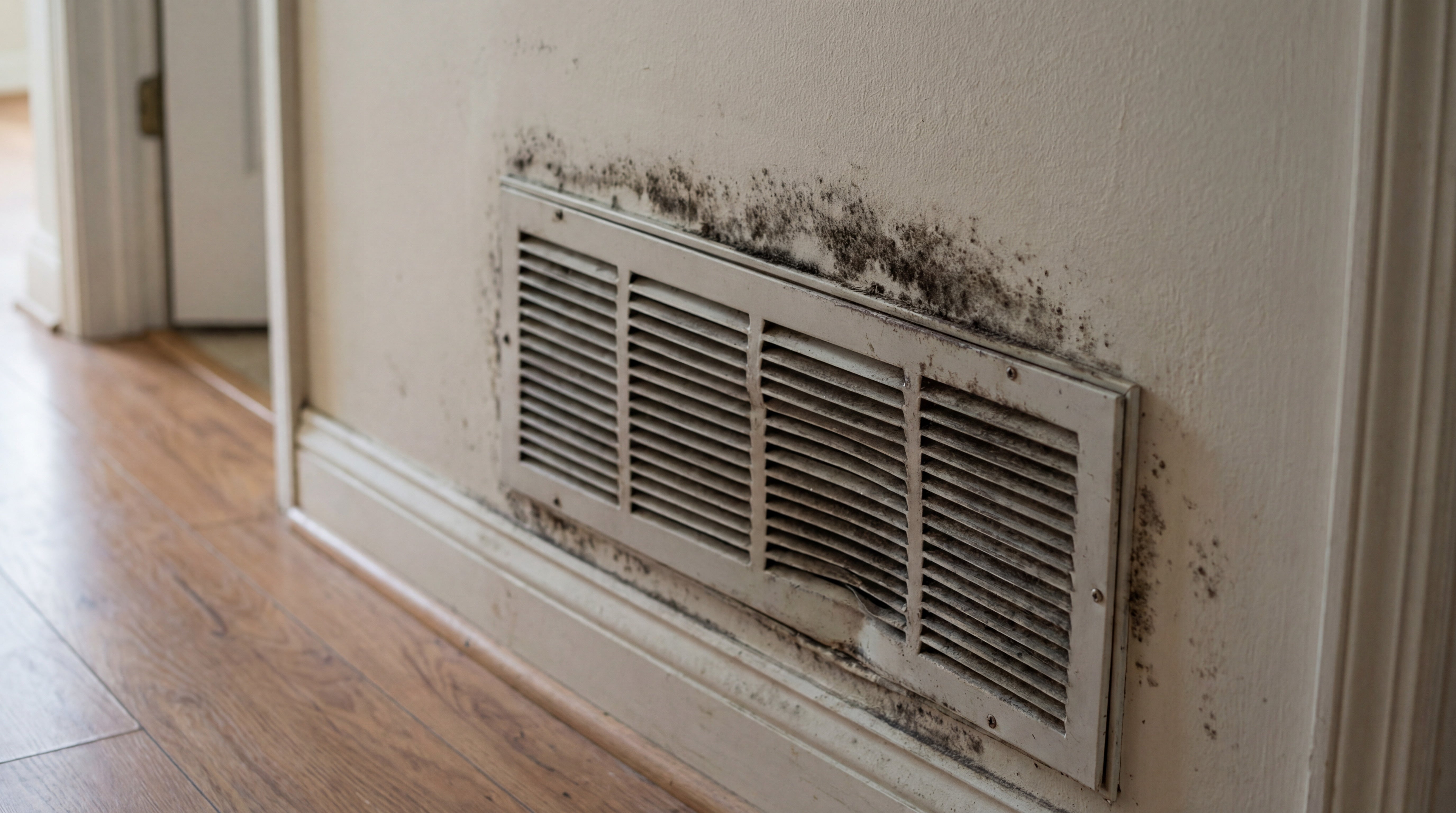
Indoor mold doesn't just stay where it's growing. As mold colonies develop, they release spores into the air that can circulate throughout your home. Everyday activities like walking across a room, opening doors, or running your HVAC system can disturb these spores and keep them suspended in the air.
Exposure to mold spores may contribute to poor indoor air quality and can trigger symptoms in sensitive individuals, particularly those with allergies or asthma. Depending on the person, exposure may cause:
Children, older adults, and individuals with asthma or weakened immune systems may be more sensitive to mold exposure. The EPA recommends addressing moisture problems quickly because removing excess moisture is the most effective way to prevent mold growth.
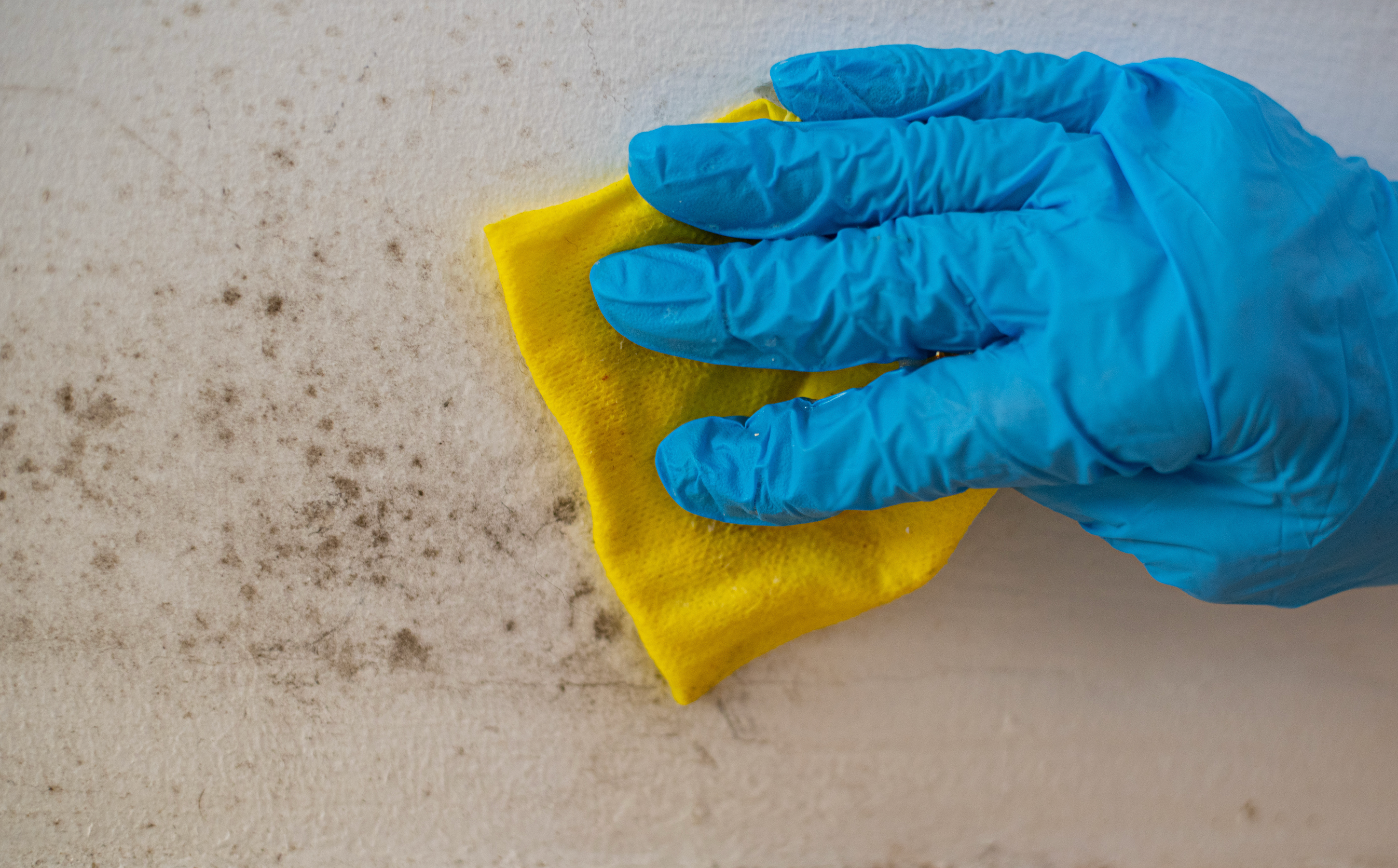
If you notice mold growing on a small, hard surface, it's important to address it promptly before it has the opportunity to spread. Wear gloves, eye protection, and, when appropriate, an N95 respirator while cleaning to reduce exposure to mold spores. Clean the affected area with soap and water or an appropriate mold-cleaning product, then dry the surface completely.
Keep in mind that cleaning visible mold doesn't address the underlying cause. Mold will often return if excess moisture or leaks aren't corrected.
Good to know: Porous materials like drywall, ceiling tiles, carpeting, and insulation that have extensive mold growth may need to be removed and replaced rather than cleaned.
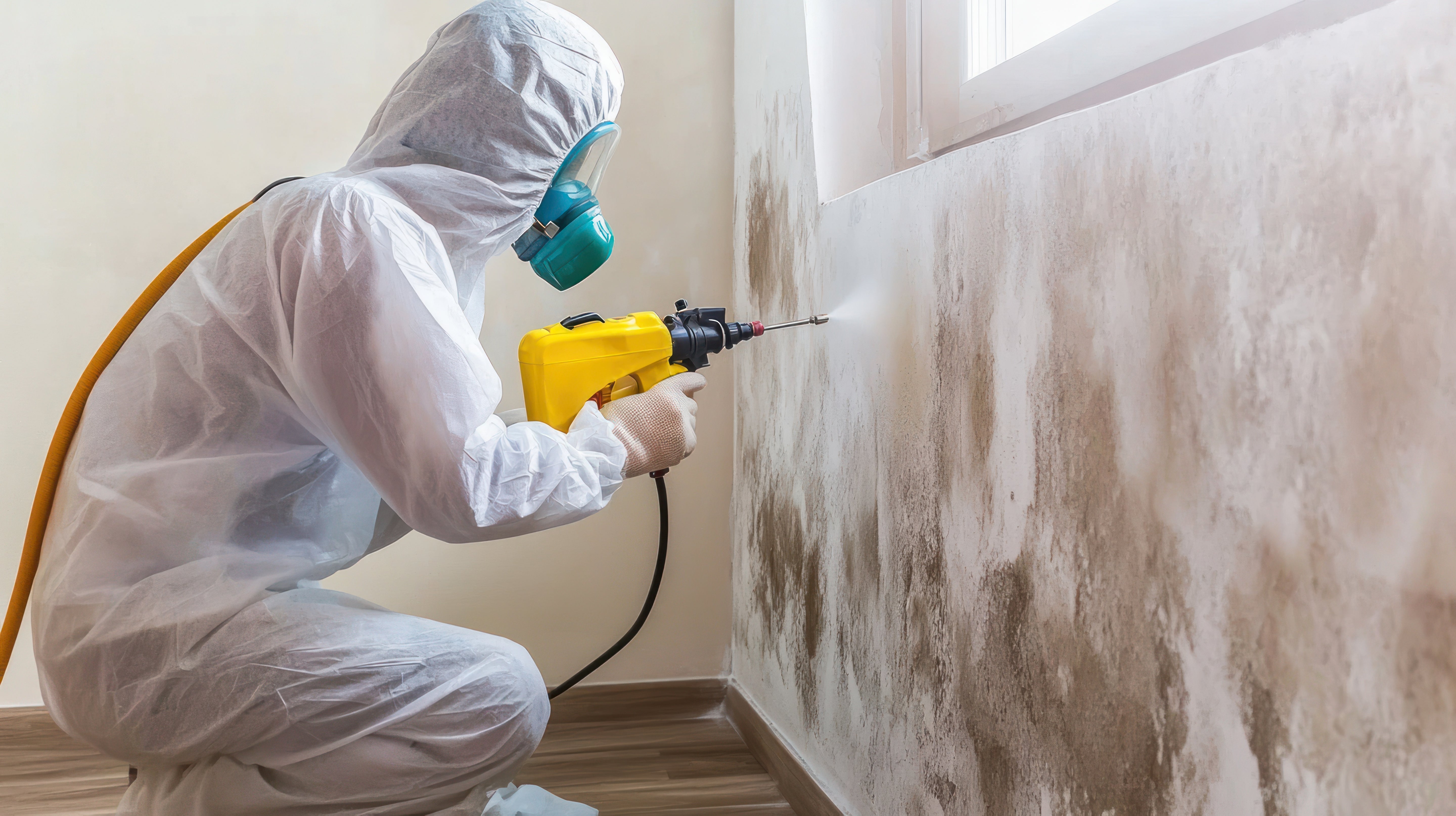
If mold is widespread, returns after cleaning, or results from significant water damage, professional remediation may be needed. Effective remediation focuses on removing mold, correcting the underlying moisture problem, and helping prevent spores from spreading during cleanup.
The CDC notes that finding and fixing the source of moisture is the most important step in preventing mold from returning. Simply covering or painting over mold will not solve the problem. Additionally, routine air testing for mold is generally not recommended, as a visual inspection and identifying signs of moisture are typically more effective.
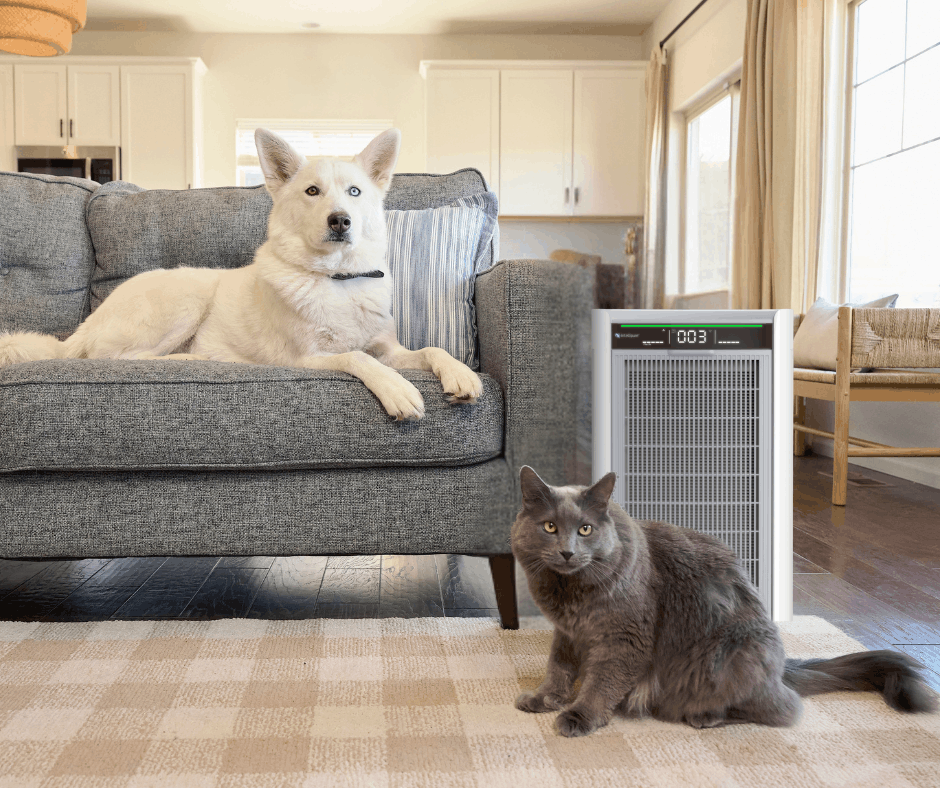
While air purifiers cannot remove mold growing on surfaces or solve moisture problems, they can help improve indoor air quality by capturing airborne mold spores before they settle elsewhere in your home.
The Intellipure H1000 features dual H13 HEPA filters designed to capture 99.9% of airborne particles down to 0.3 microns, including mold spores. By reducing airborne particles, an air purifier can help support a cleaner indoor environment while mold issues are being addressed.
Together, moisture control, proper cleanup, and effective air filtration can help create a healthier home and improve your indoor air quality over the long term.

While no air purifier can eliminate mold growing on surfaces, air purifiers can play an important role in improving indoor air quality by helping capture airborne mold spores before they settle elsewhere in your home.
The Intellipure H1000 features dual H13 HEPA filters designed to capture 99.9% of airborne particles down to 0.3 microns, including mold spores, while the integrated Honeycomb VOC backing helps reduce certain household odors and volatile organic compounds (VOCs).
For the best results, use an air purifier alongside proper mold remediation and moisture control. Fixing leaks, lowering indoor humidity, improving ventilation, and removing existing mold are essential steps in creating a healthier indoor environment.
Explore expert-backed articles from the Intellipure Breathe Easy Blog covering mold prevention, humidity management, healthy homes, and practical tips for improving your indoor air.
Spring has sprung a leak. When rainy weather moves in, most of us think about blooming flowers, greener lawns, and maybe a little extra mud by the ...
Read Article →
Musty odors are more than just unpleasant; they signal mold or mildew growth that can affect your respiratory health. Here's how to identify the so...
Read Article →
Mold is one of the most common yet overlooked indoor air quality hazards, linked to respiratory symptoms, allergic reactions, and even mood changes...
Read Article →Mold [Internet]. Available from: https://www.lung.org/clean-air/indoor-air/indoor-air-pollutants/mold
US EPA [Internet]. 2013. What Are Molds? | US EPA. Available from: https://www.epa.gov/mold/what-are-molds
Channel TW. A Complete Guide To Identifying And Getting Rid Of Mold | The Weather Channel. The Weather Channel [Internet]. 2022 Sept 6; Available from: https://weather.com/safety/news/2020-02-05-complete-guide-identifying-getting-rid-mold
Bandoim L. Healthline Media. 2017. What Is Cladosporium and Is It Dangerous to Your Health? Available from: https://www.healthline.com/health/cladosporium
Aspergillus | Better Health Channel [Internet]. Available from: https://www.betterhealth.vic.gov.au/health/conditionsandtreatments/aspergillus
Cleveland Clinic [Internet]. 2023. Black Mold Exposure: Symptoms, Risks & Treatment. Available from: https://my.clevelandclinic.org/health/diseases/24862-black-mold
moldguidecc. Penicillium Mold: Characteristics and Treatment - Mold Guide [Internet]. Mold Guide. 2024. Available from: https://www.moldguide.net/penicillium-mold-characteristics-and-treatment/
Clean Up [Internet]. Available from: https://www.cdc.gov/mold-health/about/clean-up.html
CDC - Mold, Testing, and Remediation. Available from: https://www.cdc.gov/niosh/mold/testing-remediation/index.html https://www.cdc.gov/niosh/mold/testing-remediation/index.html
US EPA [Internet]. 2014. A Brief Guide to Mold, Moisture and Your Home | US EPA. Available from: https://www.epa.gov/mold/brief-guide-mold-moisture-and-your-home
US EPA [Internet]. 2022. Guide to Air Cleaners in the Home | US EPA. Available from: https://www.epa.gov/indoor-air-quality-iaq/guide-air-cleaners-home
Hidden Danger: How Mold Exposure Affects Your Health [Internet]. 2026. Available from: https://www.catholichealthli.org/blog/hidden-danger-how-mold-exposure-affects-your-health
placeholder