


Fall Leaf Burning and Air Quality
Backyard burning is pretty much exactly what it sounds like. On their own properties, people burn vegetative waste or household trash that would ty...
Read Article →


Smoke can travel far beyond the source and affect the air inside your home. From understanding the health effects of smoke exposure to learning how smoke enters your living space and what you can do to improve indoor air quality, taking proactive steps can help you breathe easier when air quality conditions change.

Smoke can affect air quality by increasing concentrations of airborne particles and gases. Fine particles like PM2.5 are especially concerning because they can remain airborne for extended periods and penetrate deep into the lungs.
Exposure to smoke may contribute to:
Some groups may be more sensitive to smoke exposure, including children, older adults, pregnant individuals, outdoor workers, and people with respiratory or cardiovascular conditions.
Monitoring air quality and taking steps to reduce indoor smoke exposure can help create a healthier indoor environment.
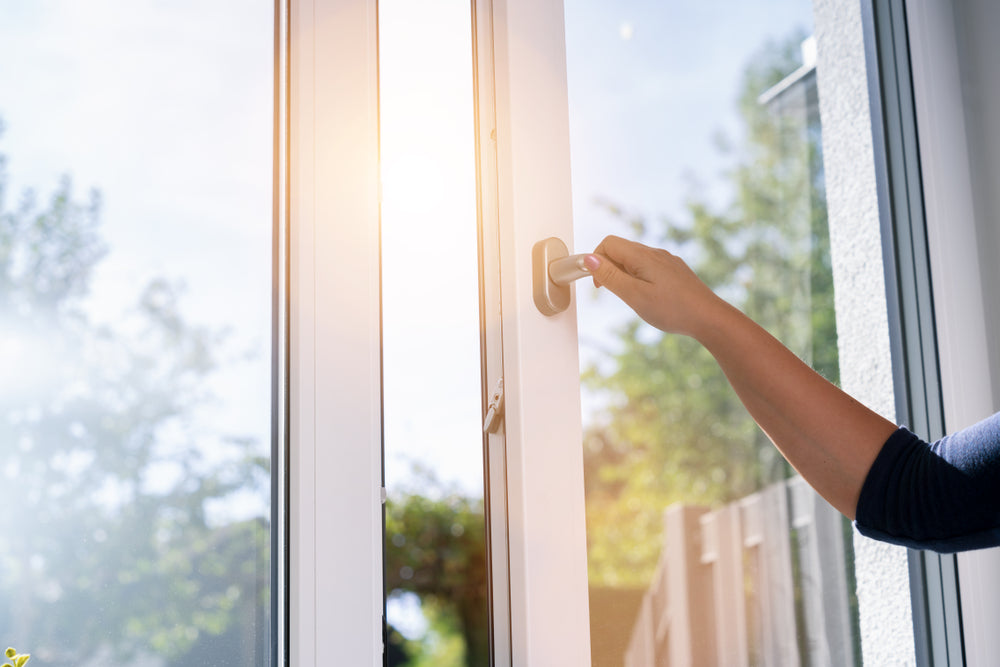
Even when smoke originates outdoors, it can impact the air inside your home. Fine particles can enter through:
During smoke events, indoor air quality can change quickly. Taking steps such as closing windows, monitoring air quality, and using air filtration can help reduce indoor exposure.
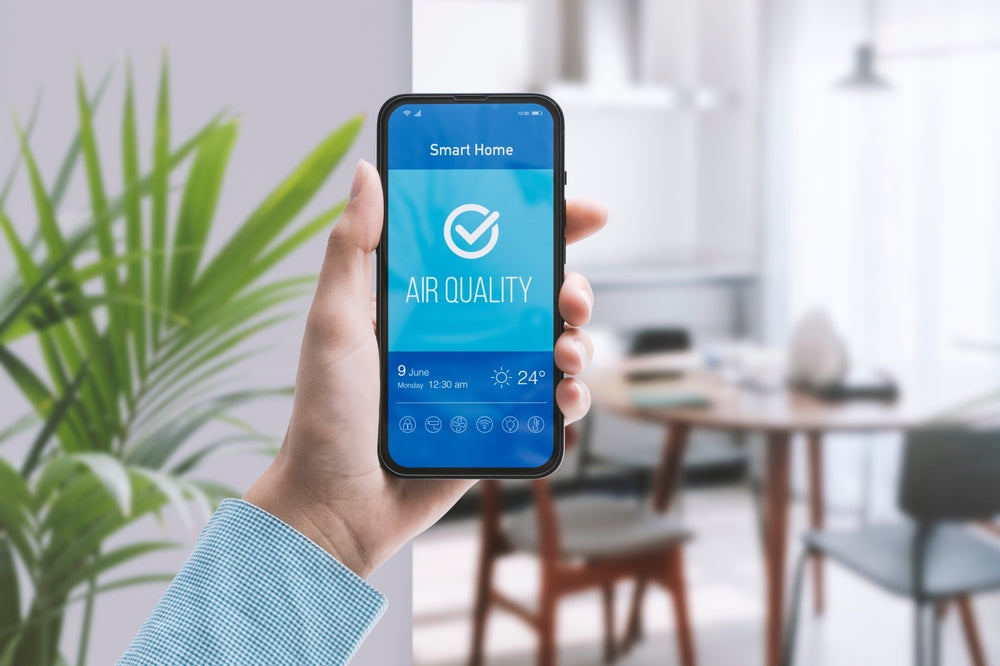
When smoke levels are elevated, there are several steps you can take to help improve your indoor environment:
Monitor Air Quality - Check local air quality conditions before spending extended time outdoors.
Keep Smoke Outdoors - Close windows and doors when outdoor smoke levels are high.
Reduce Indoor Pollution Sources - Avoid activities that create additional airborne particles, such as burning candles, using fireplaces, or cooking without ventilation.
Improve Air Filtration - Use an air purifier with effective particle filtration to help reduce airborne particles indoors.
Stay informed with tools and guides that help you monitor air quality, track smoke conditions, and make decisions to protect your indoor environment.

Understanding your indoor air quality can help you identify changes caused by smoke, pollutants, and everyday activities. An air quality monitor provides insight into your home's environment so you can make informed decisions about improving your air.
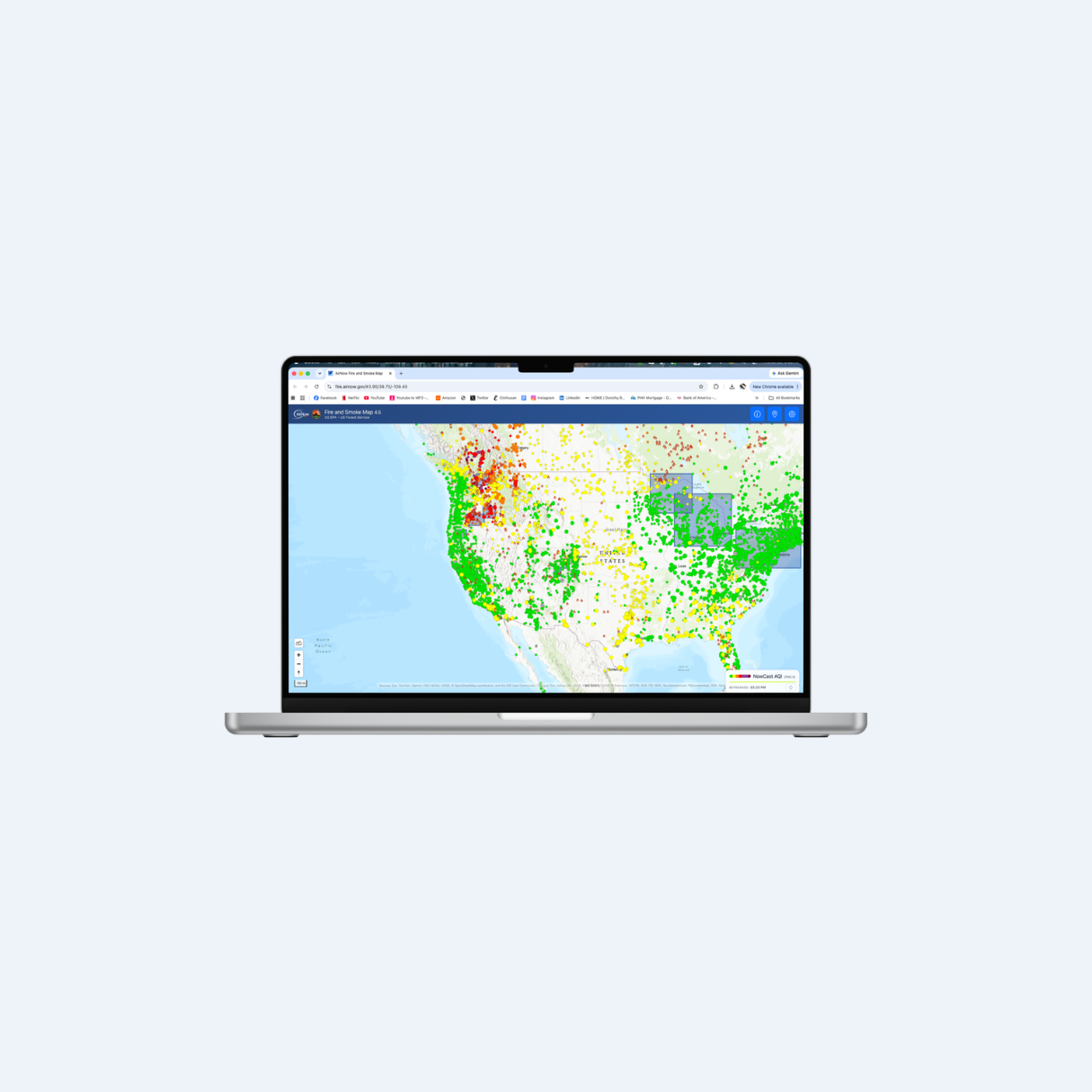
Smoke conditions can change quickly depending on wind, weather, and fire activity. Use live smoke and wildfire maps to stay informed about current conditions in your area.

Wildfire season can bring changing air quality conditions that impact communities near and far from active fires. Our Wildfire Safety Guide provides practical tips to help you prepare your home, reduce smoke exposure, and protect your indoor air quality before, during, and after a wildfire.

When smoke affects outdoor air quality, your indoor environment becomes an important place to protect. A high-performance air purifier can help reduce airborne particles inside your home, creating cleaner air during smoke events and supporting better everyday indoor air quality.
The Intellipure H1000 is designed for whole-home air purification with dual H13 HEPA filters and Honeycomb VOC backing to help capture airborne particles and reduce odors and VOCs.
Whether you are preparing for wildfire season, managing seasonal air quality changes, or looking for cleaner air every day, the right filtration system can be an important part of your indoor air quality strategy.
Explore expert articles from the Breathe Easy Blog covering wildfire smoke, improving indoor air quality during smoke events, understanding airborne particles, and practical tips for protecting your home year-round.
Backyard burning is pretty much exactly what it sounds like. On their own properties, people burn vegetative waste or household trash that would ty...
Read Article →
Cigarettes are having a cultural moment again. For a while, they seemed destined to become a relic of another era. Then came vaping, sleek electron...
Read Article →
Grills firing up. Fireworks cracking overhead. Citronella candles glowing on the patio. Personally, I'm excited for the festivities. But some of su...
Read Article →
Wildfire smoke doesn’t stop at the front door. It lingers in the air, on surfaces, and in the systems that circulate it through your home. This gui...
Read Article →
Everyday cooking releases pollutants including particulate matter, nitrogen dioxide, and volatile organic compounds into your home. Understanding w...
Read Article →US EPA [Internet]. 2025. Wildfire Smoke - A Complex Mixture | US EPA. Available from: https://www.epa.gov/wildfire-smoke-course/wildfire-smoke-complex-mixture
About Smoke And Health [Internet]. Available from: https://www.ourair.org/about-smoke-and-health/
Understand Smoke 101 – Wildfire Risk Carbon [Internet]. Available from: https://www.wildfireriskcarbon.org/smoke-101/
Cooking Air Pollution [Internet]. Available from: https://www.lung.org/blog/cooking-air-pollution
US EPA [Internet]. 2018. Wildfires and Indoor Air Quality (IAQ) | US EPA. Available from: https://www.epa.gov/emergencies-iaq/wildfires-and-indoor-air-quality-iaq
Health Effects of Smoking and Tobacco Products [Internet]. Available from: https://www.lung.org/quit-smoking/smoking-facts/health-effects
Health Effects Tobacco Use [Internet]. Available from: https://www.fda.gov/tobacco-products/public-health-education/health-effects-tobacco-use
US EPA [Internet]. 2013. Wood Smoke and Your Health | US EPA. Available from: https://www.epa.gov/burnwise/wood-smoke-and-your-health
How Industrial Air Pollution Affects Our Health Hd Vehicle Emissions [Internet]. Available from: https://www.globalmrv.com/how-industrial-air-pollution-affects-our-health-hd-vehicle-emissions/
348849152 The Effect Of Smoke From Factories Electricity Generator And Vehicles On Human Health And Environment A Review [Internet]. Available from: https://www.researchgate.net/publication/348849152_The_Effect_of_Smoke_from_Factories_Electricity_Generator_and_Vehicles_on_Human_Health_and_Environment_A_Review
US EPA [Internet]. 2015. Smog, Soot, and Other Air Pollution from Transportation | US EPA. Available from: https://www.epa.gov/transportation-air-pollution-and-climate-change/smog-soot-and-other-air-pollution-transportation
CDC- How Wildfire Smoke Affects Your Body [Internet]. Available from: https://www.cdc.gov/wildfires/risk-factors/index.html
Intellipure [Internet]. Know Your Air. Available from: https://www.intellipure.com/pages/air-quality
Intellipure [Internet]. Intellipures Wildfire Safety Guide. Available from: https://www.intellipure.com/pages/intellipures-wildfire-safety-guide
Illson S. AirNow Fire and Smoke Map [Internet]. Available from: https://fire.airnow.gov/#3.95/39.75/-109.45
placeholder