

Summary
January offers a rare reprieve from pollen across most of the continental United States, but mold spores and cold-and-flu season keep indoor air quality on the radar. Here's your guide to the allergens ahead and how to stay a step ahead of them.
In This Article
A Rare Breather
Happy New Year! If your nose has been suspiciously quiet lately, there's a good reason: January is typically a low point for pollen across much of the country. In general, trees release their pollen in the spring, grasses in late spring, and weeds in the fall [1]. That means right now, most of us get a brief reprieve before allergy season ramps up again.
Since the air is relatively clear, this is a great time to get familiar with the allergens heading your way. Think of it as a scouting report for your sinuses.
Know Your Pollen: Trees
Tree pollen is usually the first to arrive each year, with some species beginning to release pollen in early spring [1]. And it affects more people than you might think: tens of millions of Americans experience allergy symptoms from tree, grass, and weed pollens each year [2].
If you're curious what's actually floating through the air each season, here's your field guide to the usual suspects:
- Oak: A long-lived hardwood that produces acorns. Its pollen is a major spring allergen.
- Birch: A medium-sized tree with distinctive white bark, commonly found in northern states.
- Maple: A versatile hardwood tree, also the source of maple syrup.
- Cedar and Juniper: Evergreen trees with berry-like cones. Cedar pollen can appear earlier than most tree species in some regions.
- Elm: A tall deciduous tree with a wide canopy. Populations were significantly reduced by Dutch elm disease.
- Ash: Part of the olive and lilac family, known for strong, flexible wood.
- Cottonwood: A fast-growing tree often found near water, known for its fluffy seeds.
- Mulberry: A fast-growing hardwood with edible berries.
- Pecan: A large hardwood valued for its edible nuts.
- Sycamore: A massive tree with mottled, peeling bark, often found near water.
Know Your Pollen: Grasses
Grass pollen season follows trees, typically arriving in late spring [1]. If you've ever wondered why your eyes start watering just from mowing the lawn, one of these is probably the culprit:
- Bermuda grass: A tough, fast-growing grass found in warm climates around the world.
- Timothy grass: A tall, cold-resistant grass commonly used as animal feed.
- Kentucky Bluegrass: One of the most popular lawn grasses in the United States.
- Ryegrass: A fast-growing grass popular for lawns and pastures in mild climates.
- Orchard grass: A tall grass that grows in clumps (also called cat grass), popular for farming.
- Bahia grass: A low, creeping grass with V-shaped stalks, useful for erosion control.
- Johnsongrass: Considered both a grass and an invasive weed that spreads quickly.
Know Your Pollen: Weeds
Weed pollen season typically starts in late summer and can stretch into fall [1]. Ragweed is the heavyweight here: there are 17 species found across most regions of the United States, and ragweed pollen alone can trigger hay fever in roughly 25 million Americans [3]. If your allergies flare up in August and September, ragweed is probably the reason.
Other common weed allergens include:
- Sagebrush: A woody shrub found in dry areas of the western United States, with a pleasant, distinct smell.
- Lamb's Quarters: A fast-growing weed with diamond-shaped leaves that is actually edible.
- Pigweed: A tall, fast-growing weed with small green flowers clustered together.
- Russian Thistle: The classic tumbleweed, often found in open, dry areas.
- Dock and Sorrel: Common weeds with broad or arrowhead-shaped leaves.
- Nettle: A tall plant with jagged leaves that can cause a sting, often found in damp, shady areas.
- Kochia: A bushy tumbleweed that dries up and rolls away to disperse its seeds.
While this isn't an exhaustive list, it covers the most common offenders. Knowing what's out there can help you prepare before pollen season ramps up.
Too Cold for Mold?
Many people assume mold takes a winter vacation, but that's not quite how it works. Mold needs moisture to grow, and your home has plenty of it, even in the coldest months. The key to controlling mold is controlling moisture [4].
Here's the thing: your home is warm, even when it's freezing outside. Condensation on windows, moisture from cooking and showering, and unpredictable winter weather like snow and sleet can all introduce moisture where you don't want it. The EPA recommends running exhaust fans or opening windows when cooking or showering, and acting quickly to dry any wet surfaces where condensation collects [4].
To help keep mold at bay, the EPA recommends keeping indoor humidity ideally between 30% and 50% and drying wet or damp materials within 24 to 48 hours after a leak or spill [4]. Good ventilation matters too, especially in kitchens, bathrooms, and laundry rooms where moisture tends to build up.
A Healthier New Year (With Almost No Effort)
Every January, millions of people resolve to exercise more, eat better, or unplug from screens. Those are all worthwhile goals. But what if you could make a change that supports your health around the clock, with almost no effort on your part?
The EPA notes that Americans spend approximately 90% of their time indoors, where concentrations of some pollutants are often two to five times higher than typical outdoor concentrations [5]. That's a significant amount of exposure, especially for the young, the elderly, and the chronically ill, who tend to spend even more time indoors [6].
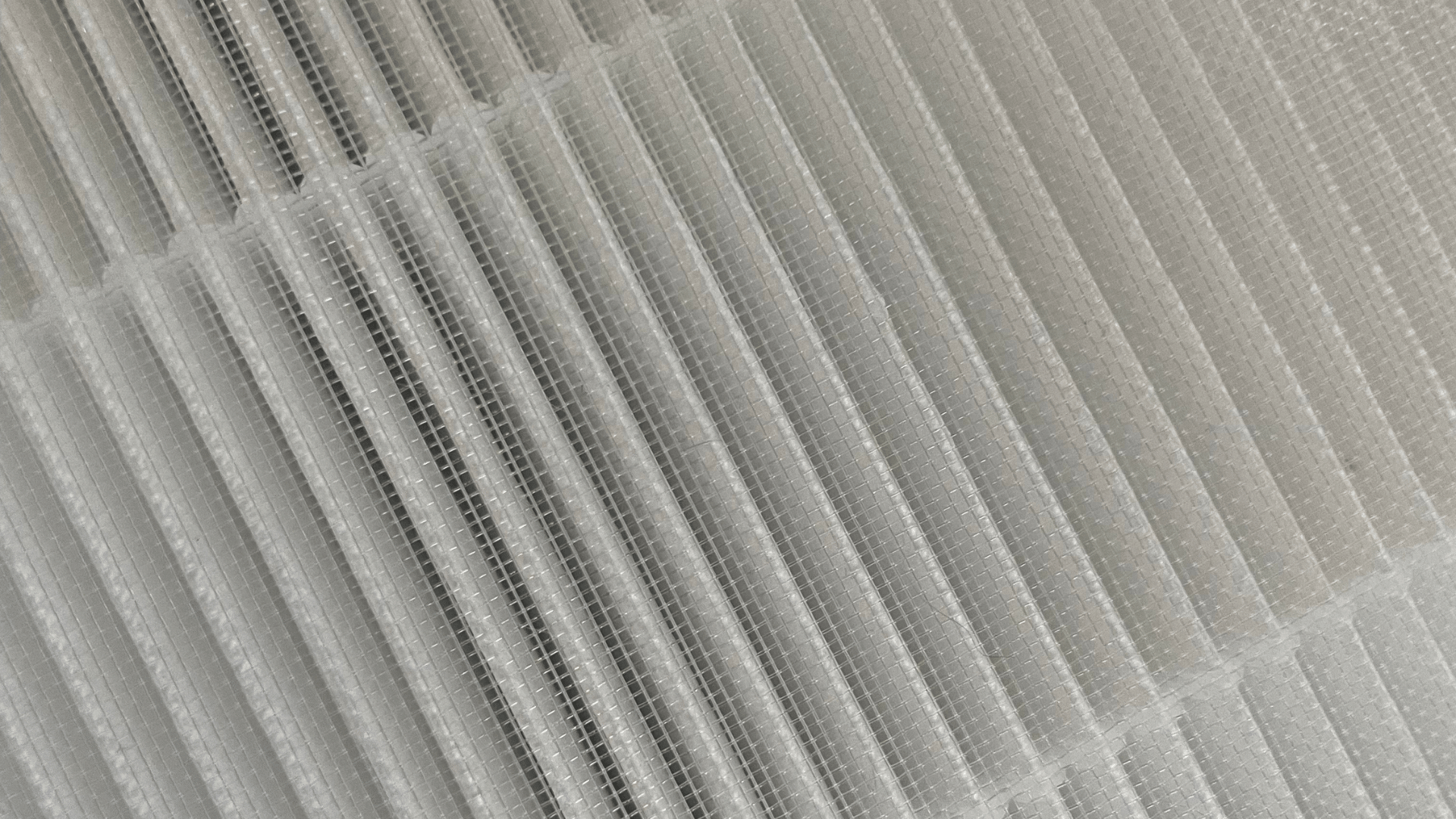
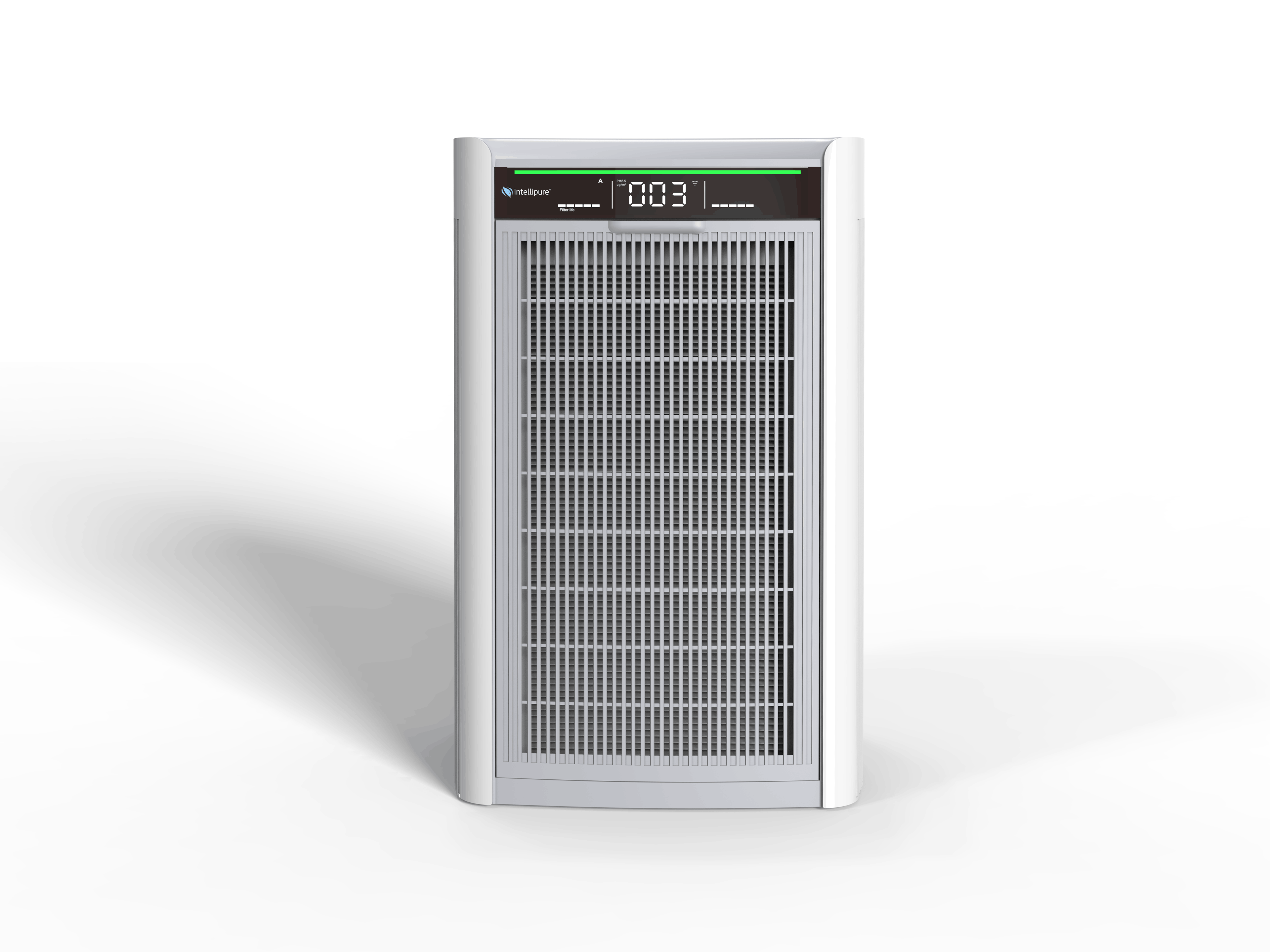
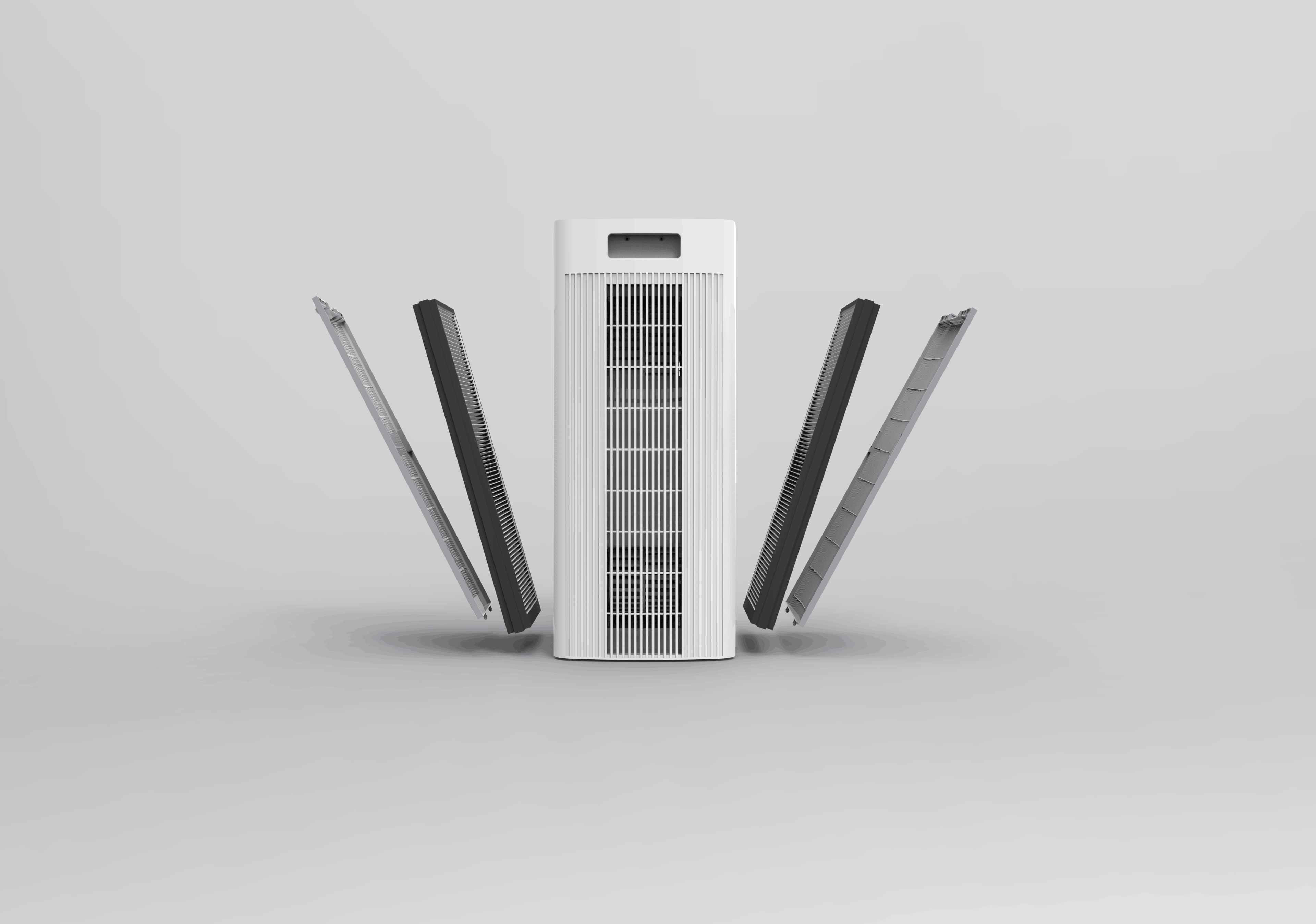
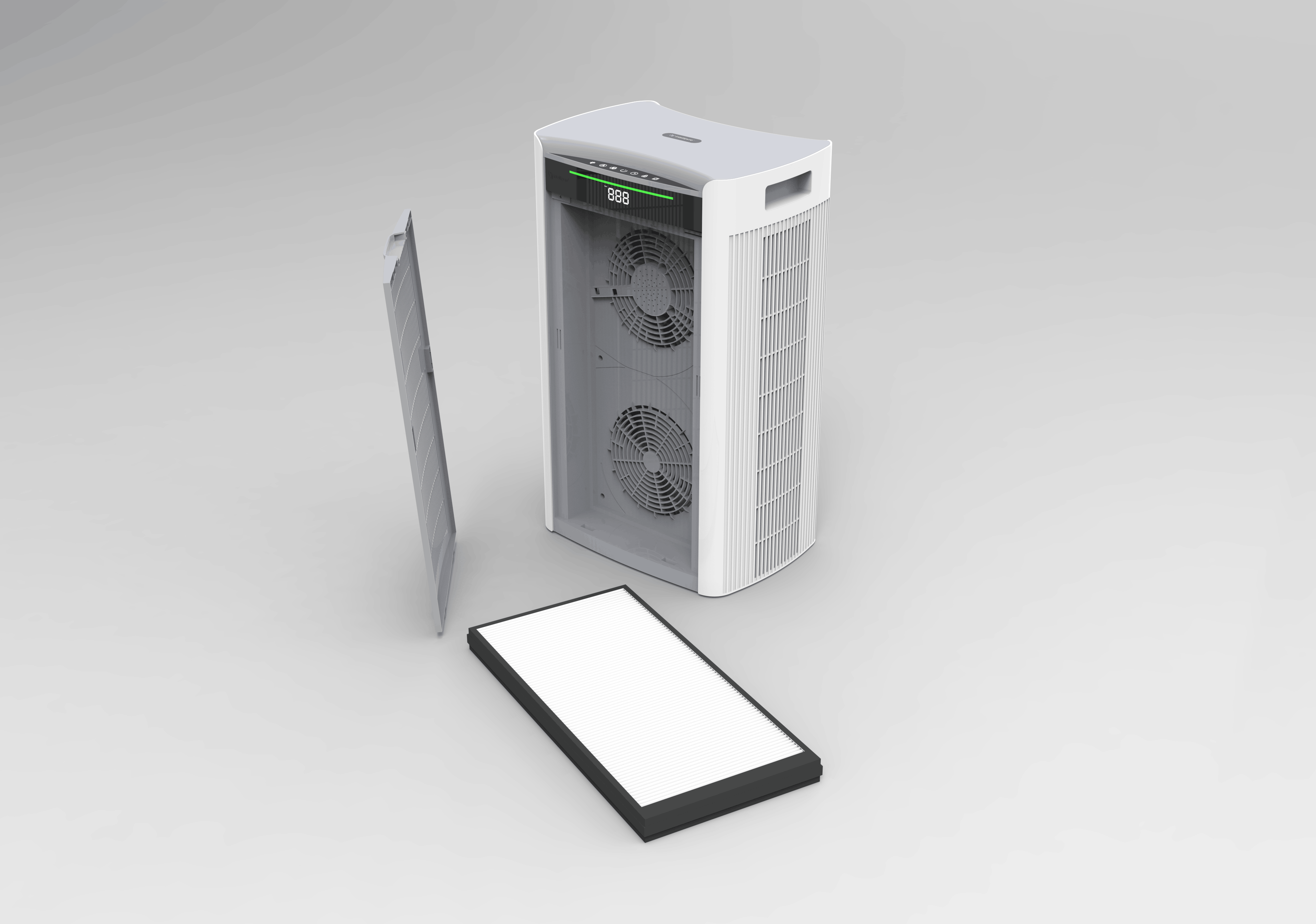
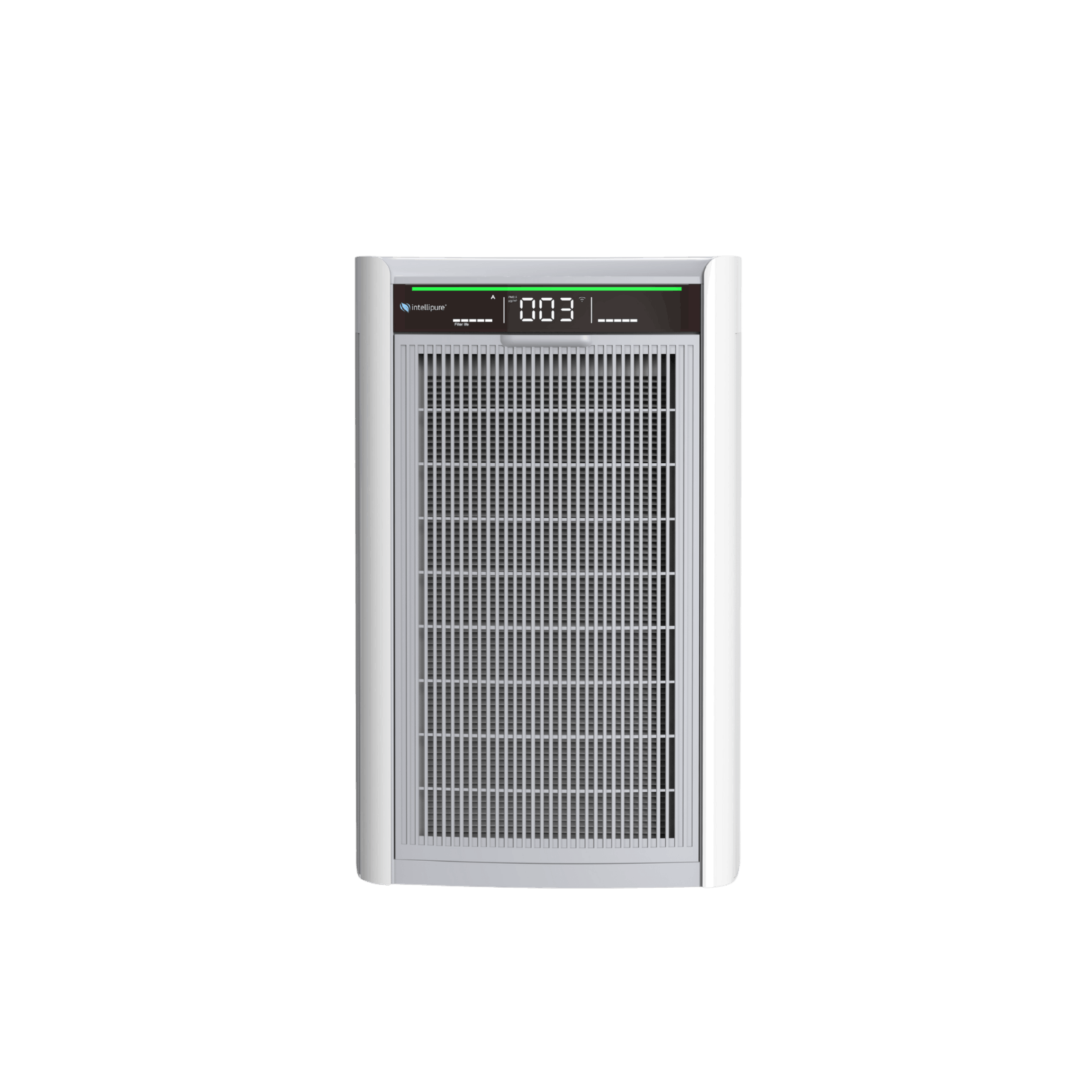
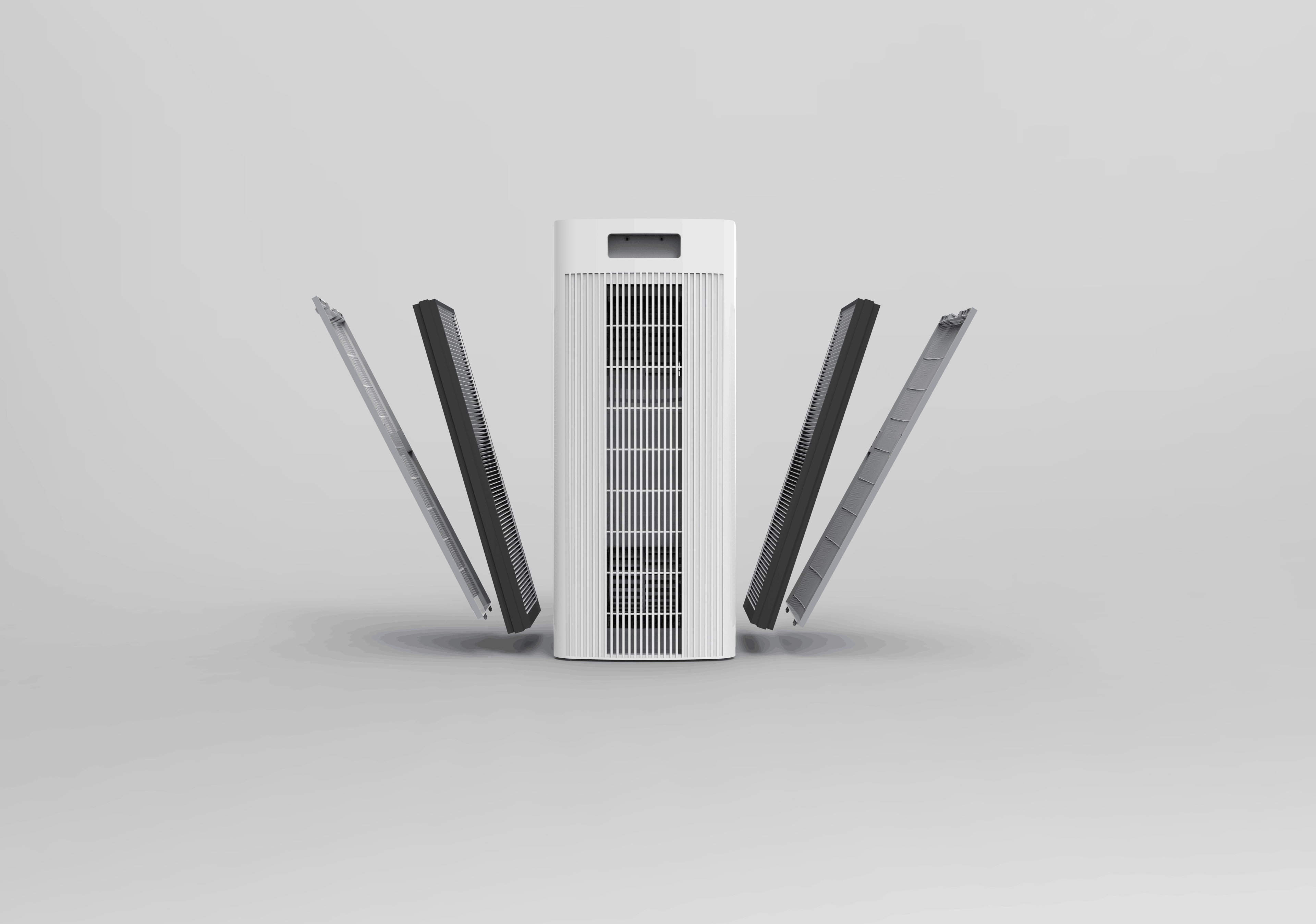
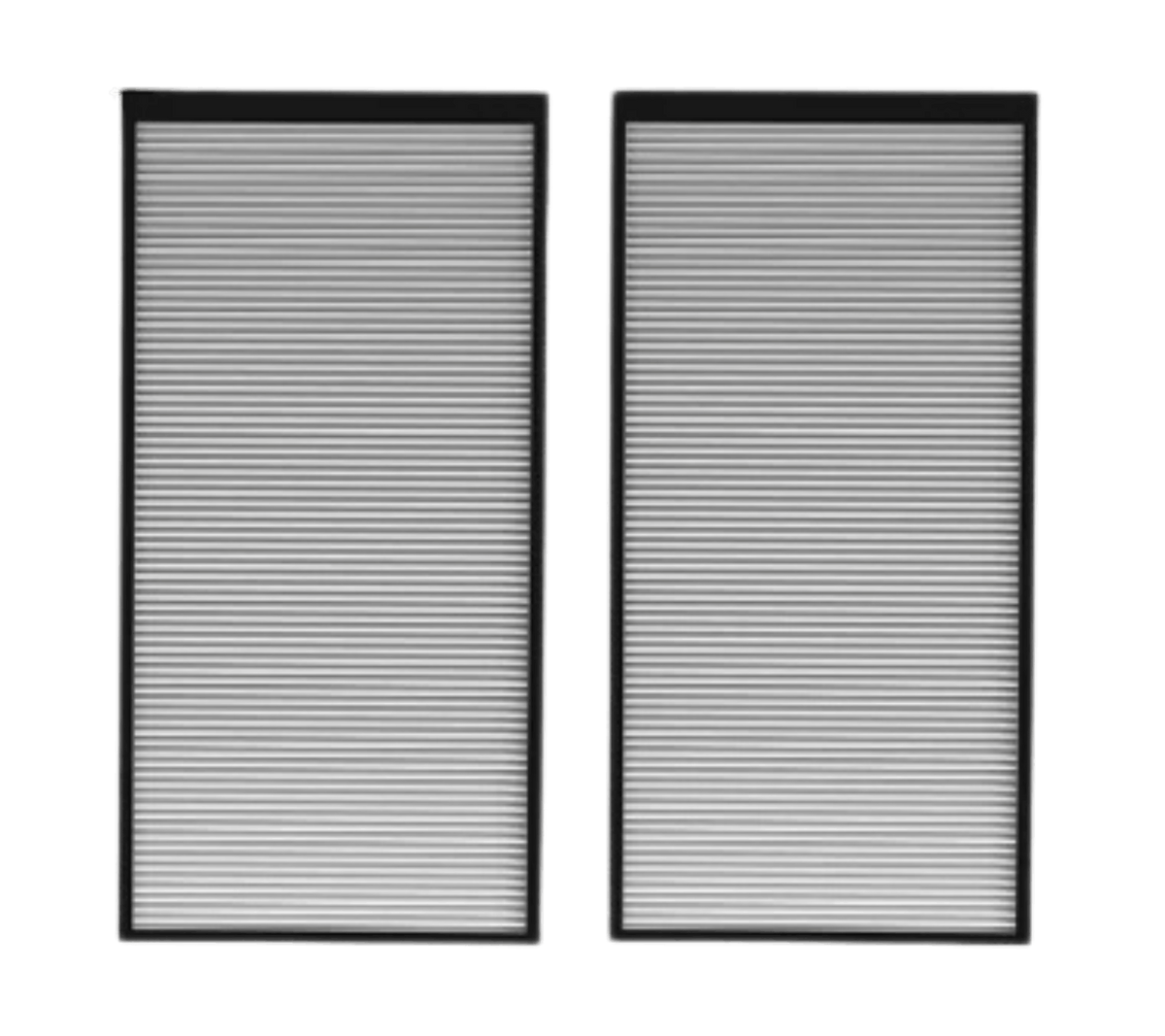
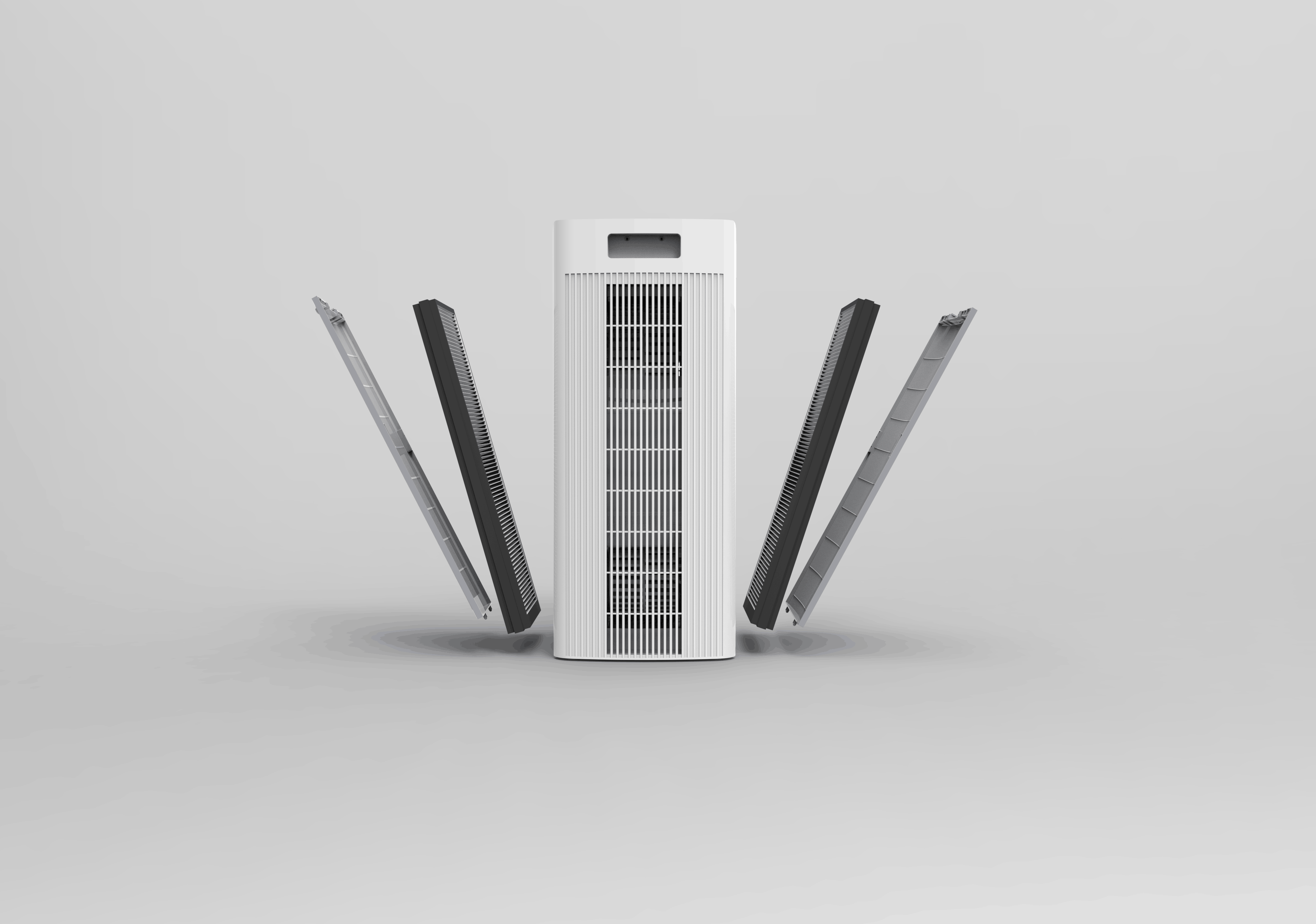
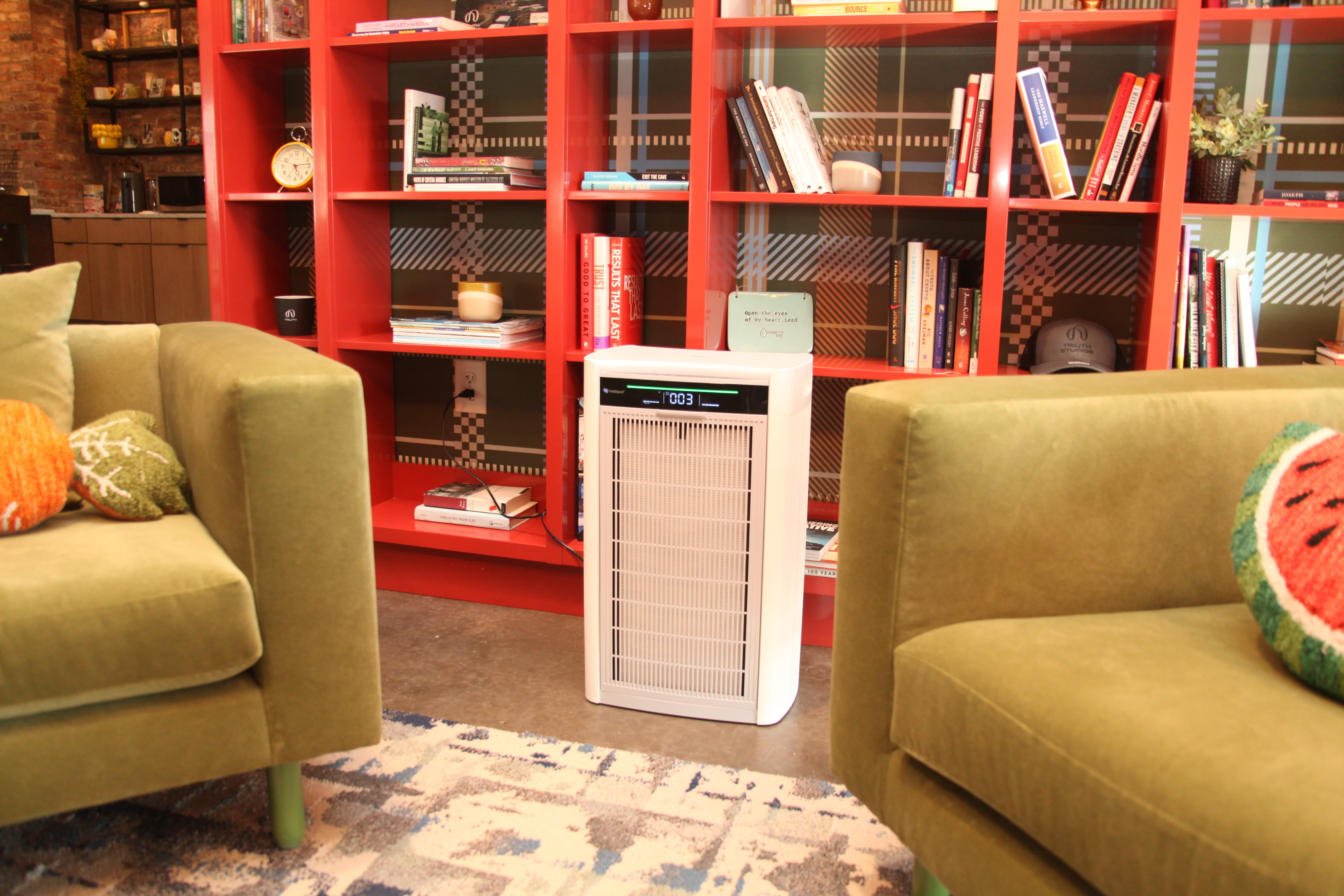
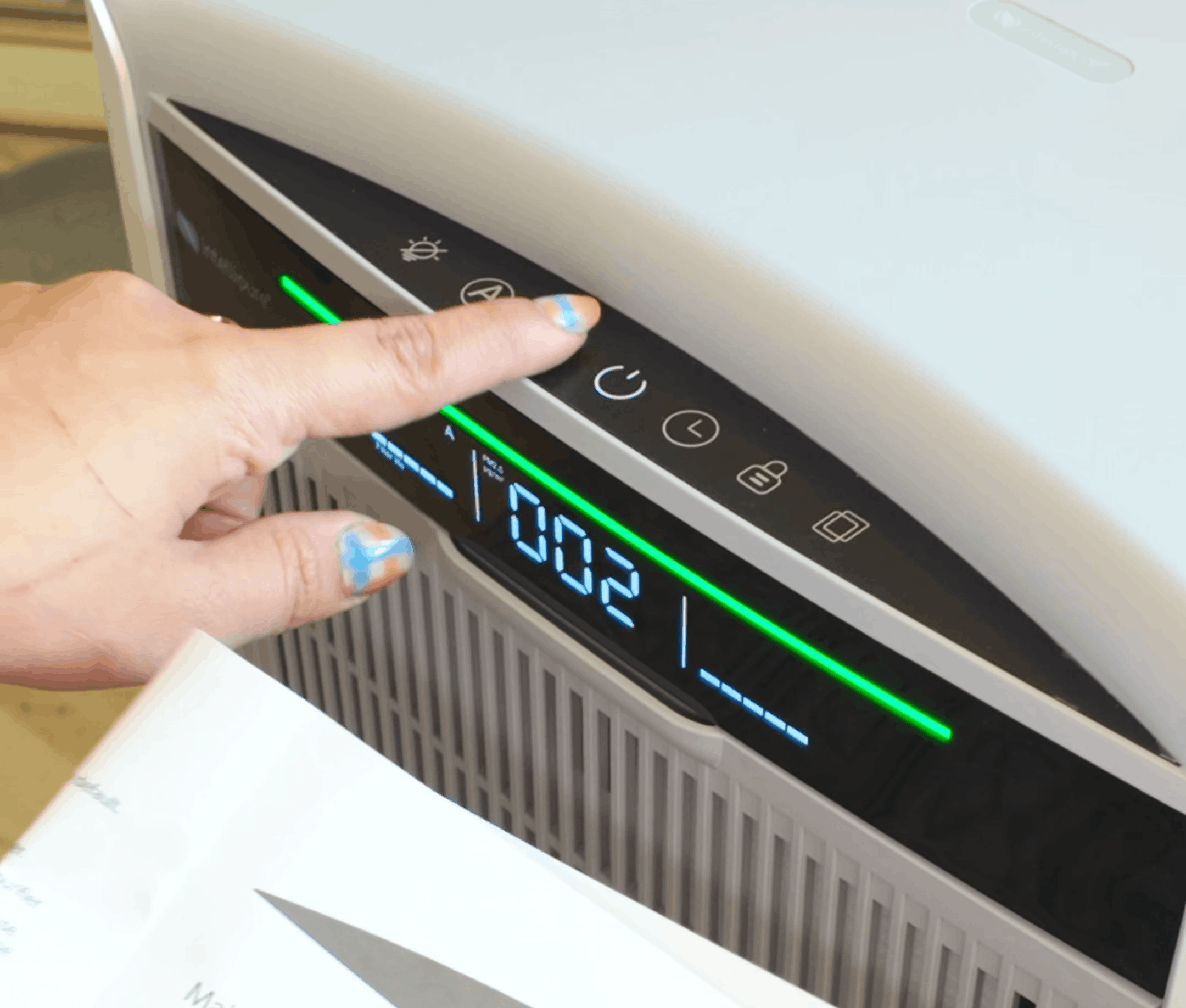
Adding an air purifier to your home is one of the simplest steps you can take. HEPA filters can theoretically remove at least 99.97% of airborne particles with a size of 0.3 microns, including dust, pollen, mold spores, and bacteria [7]. Set it up and let it do its thing.
Paired with source control (keeping things dry, ventilating well) and regular filter maintenance, an air purifier becomes part of a practical clean air routine: not a silver bullet, but a meaningful step in the right direction.
Looking Ahead
January's pollen reprieve won't last forever. Trees will begin releasing pollen in the spring, with grasses and weeds following through summer and fall [1]. Now is the time to prepare: check your filters, optimize your air purifier placement, and keep an eye on local pollen counts as the seasons change.
Here's to a year of cleaner air and easier breathing. We'll be back next month with the latest allergen update.
References
- Asthma and Allergy Foundation of America. Pollen allergy [Internet]. Arlington (VA): AAFA; 2022 [updated 2025 Oct 24; cited 2026 Feb 11]..
- American College of Allergy, Asthma and Immunology. Pollen allergies [Internet]. Arlington Heights (IL): ACAAI; 2020 [updated 2022 Nov 7; cited 2026 Feb 11]..
- American College of Allergy, Asthma and Immunology. Ragweed allergy [Internet]. Arlington Heights (IL): ACAAI; 2024 [cited 2026 Feb 11]..
- United States Environmental Protection Agency. A brief guide to mold, moisture and your home [Internet]. Washington (DC): EPA; 2025 [cited 2026 Feb 11]..
- United States Environmental Protection Agency. Indoor air quality [Internet]. Washington (DC): EPA; 2025 [cited 2026 Feb 11]..
- United States Environmental Protection Agency, Consumer Product Safety Commission. The inside story: a guide to indoor air quality [Internet]. Washington (DC): EPA; 1993 [cited 2026 Feb 11]..
- United States Environmental Protection Agency. What is a HEPA filter? [Internet]. Washington (DC): EPA; 2024 [cited 2026 Feb 11]..




Why Outdoor Air Pollution Is An Indoor Air Pollution Problem
Wildfire Smoke and Indoor Air Quality: Why an Air Purifier is Essential