

Summary
Big emotions are a regular part of childhood, but kids don't always know how to manage them without support.
In This Article
Big emotions are a regular part of childhood, but kids don't always know how to manage them without support. One of the simplest and most effective emotional regulation tools they can learn also happens to be completely free: mindful breathing.
For kids and adults, deep breathing helps calm the body's stress response, making it easier to control emotions, refocus, and navigate challenging situations.
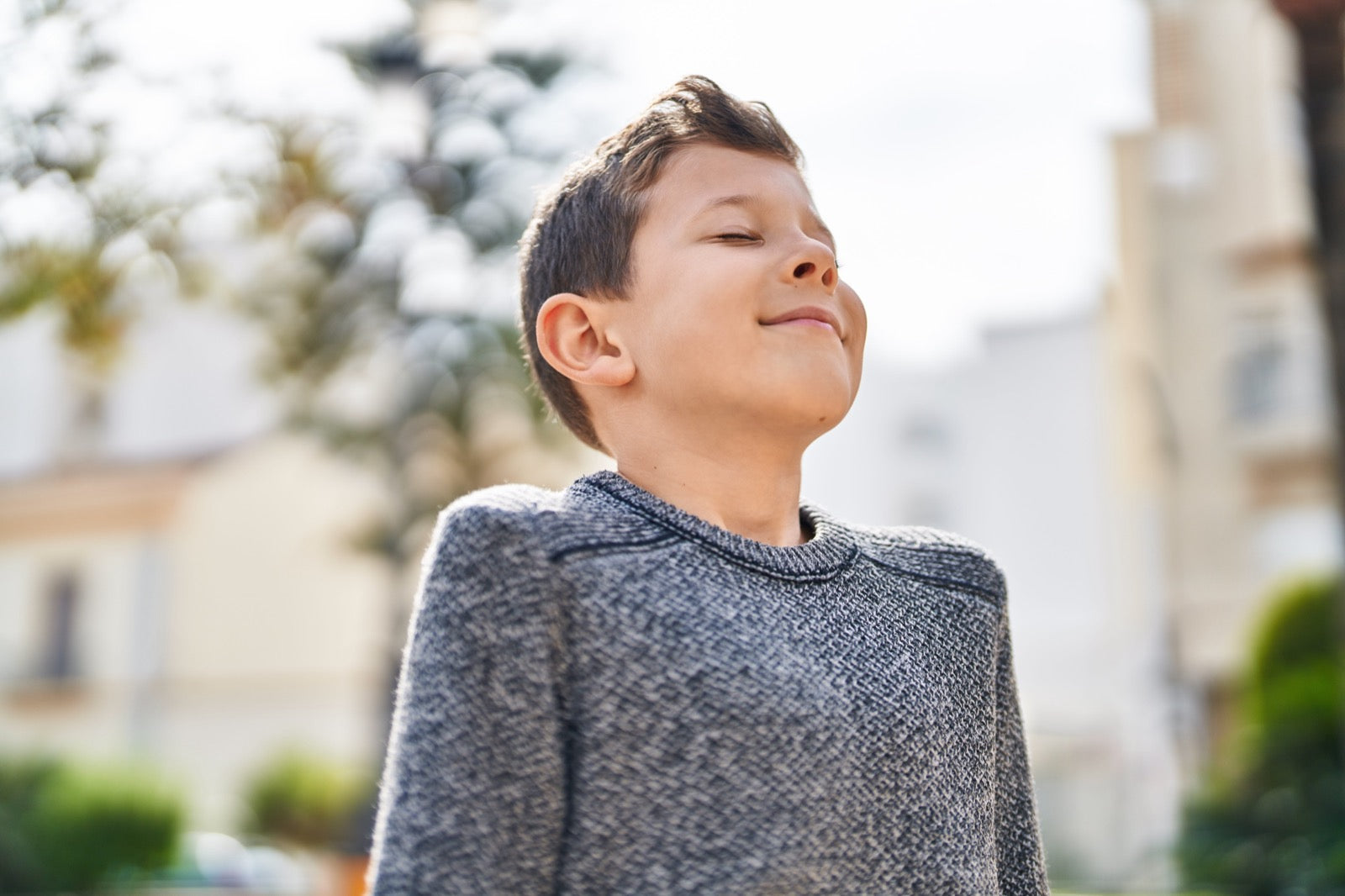
When we're upset or worried, our heart rate increases and our breath becomes quicker and shallower. We enter what's called "fight or flight" mode. But when we take deep and intentional breaths, we send a message back to our brain that says, "It's okay to settle down now." In short, mindful breathing can help calm emotional storms a little faster [1].
According to the National Center for Complementary and Integrative Health, research increasingly shows that breathing exercises can reduce stress and support healthy blood pressure and blood sugar levels. A Stanford University study found that even brief periods of mindful breathing can positively impact the mental health of children and adolescents [2].
Pretty cool that something as basic as breathing can have emotional, mental, and physical benefits, huh? So let's run through a handful of breathing games and activities that begin to teach your little one a lifelong tool that can help restore calm, no matter where they are.
1. Cookie Breathing
Ask your little one to imagine that they're holding a freshly baked cookie that's still a bit too hot to bite into. Tell them to breathe in through their nose to smell the chocolate chips and then blow on the cookie to help cool it down [2].
Swap out your child's favorite dessert or beverage that's served warm if they aren't a big fan of chocolate chip cookies.
2. Stuffed Animal Breathing
First, encourage your kid to pick out a "breathing buddy" from their stuffed animal collection (and maybe a few extras for you and any other family members who want to participate in the breathing exercise).
Then, lie on your backs and place your stuffed animals on your tummies. Each of you can watch your animal slowly move up and down as you inhale and exhale. Some kids like to pretend they're taking their breathing buddy on a little ride on their belly [1].
This activity can be a mood-booster for the whole family! Try to stick with it for at least two-to-five minutes for the best results [3].
3. Square Breathing
If your child has already shown an interest in numbers and counting, you can introduce ways that counting can help them breathe more deeply and calm down when they're angry, sad, or frustrated.
To try square breathing, you and your little one should breathe in to the count of four; hold that breath to the count of four; breathe out to the count of four; then pause to the count of four. Repeat the square breathing technique until the vibe in the room has mellowed [1].
4. Breathing Like a Real Animal
If you have a kid who's an animal lover, this breathing game might be the only one you'll need.
Spend some time together thinking about how different animals might breathe, and then imitate those breaths. Here are a few ideas to get you started, but you'll definitely want to try this with your little one's favorite animals.
Snake breathing – Inhale through your nose for a few seconds, then hold for a second. Breathe out while making your most convincing hissing sound.
Bunny breathing – Inhale three quick breaths through your nose, followed by one long exhale through your nose as well. (Practice slowing down the exhale if your child seems too focused on the quick bunny sniffs.)
Bumblebee breathing – Breathe in and out through your nose, and ask your child to make a humming or buzzing sound, like a bee would make, on the exhale [3].
5. Five Senses
This one is possibly the best option on our list for older kids and preteens.
In the morning and throughout the day, suggest to your child that they pause to breathe and take in what's around them. Remind them to engage each of their senses: seeing, hearing, touching, tasting, and of course, smelling [2]. If they're interested in writing and have extra time, they might even enjoy journaling about their sensory observations.
6. Blowing Bubbles
Blowing bubbles outside is an easy way for young children to focus on their breathing. The act of blowing a bubble calms their mind and body, likely without them even realizing it. When they blow slowly, carefully, and purposefully to create the biggest bubble they can, their thoughts are on the present moment, and breathing takes center stage [3].
Tips I Learned the Hard Way
Trust me, I'm not trying to make breathing more complicated than it needs to be. It's breathing. If you dive straight into the exercises described above, you'll surely figure it out and find your family's own rhythm and routines.
If you're feeling intimidated, though, scanning the following recommendations might help boost your confidence.
Not One-Size-Fits-All
Suzanne Silverstein, founding director of Cedars-Sinai's Share & Care program that provides services to at‑risk children and adolescents, recommends practicing breathing techniques as a family and paying attention to which methods work best for each person [2].
A strategy that's perfectly effective for one kid might not be helpful at all for their sibling. For example, my daughter uses "square breathing" to help her fall asleep if her mind is still racing late at night. Meanwhile, my oldest son is a "breathe like a real animal" type of guy.
Being observant and curious pays off. If you ask your child for their thoughts about an exercise they've just tried, they'll almost always have opinions to share.
Timing and Consistency Are Key
You'll probably need to repeat a new breathing method with your child a few times before it really clicks. According to Silverstein, "If you do that enough, kids will naturally try it on their own when they have a hard time" [2].
Speaking from a combo of firsthand experience and hearing war stories from parent friends, it's best to teach breathing techniques when your little one is feeling calm—NOT frustrated, exhausted, or grouchy. Put yourself in their shoes. Would you want to learn a brand new skill when you're not feeling like yourself?
Lastly, consider introducing one breathing exercise at a time and sticking with just that one for a week or two. Testing out too many strategies at once might confuse or overwhelm your kiddo.
Be a Role Model
Don't forget to take a deep breath yourself!
When you're frazzled, overstimulated, distracted, panicked, or all of the above, it's really, really tough to support your children as they manage their own emotions. Fortunately, pausing for a minute or two in the front seat of your minivan (or wherever you are) can make a noticeable difference in your mood and ability to be a calm presence for your kids. And when calm feels out of reach, calm-ish will do just fine.
If you feel strong feelings arising in your body, try taking deep breaths and exhaling longer than your inhale, multiple times [4].
Right now you're probably thinking about how you can't spare even a couple minutes when one of your kids is in meltdown mode. You don't have to hide from them, though. In fact, showing and explaining to your child exactly what you're doing, and why, is an authentic learning opportunity for them. You're setting an example of how to use breathing to regain peace and calmness when things feel a bit chaotic. This reinforcement can only help lock in the consistency and make intentional breathing feel like second nature to your child [3].
Children's Books to Promote Better Breathing
My kids' school occasionally hosts author visits in their library, and one day this past year, my first grader came home with a signed copy of what he declared to be his new favorite book: The Marvelous Now, written by Angela DiTerlizzi and illustrated by Lorena Alvarez Gómez.
The inside flap of its dust jacket highlights that "The Marvelous Now will help you to see that this is the moment where you need to be. … Whether you're feeling big feelings or having a bad day, with the Now by your side, it will all be okay" [5].
My son's favorite part? A mindful breathing exercise that's illustrated so beautifully. Plus, the book provides an excellent introduction to mindfulness more broadly.
There are tons of other children's books that help get toddlers and young children excited about the relationship between breathing and emotions. A few popular ones include:
- Alphabreaths: The ABCs of Mindful Breathing by By Christopher Willard and Daniel Rechtschaffen
- Belly Breathe by Leslie Kimmelman and Lindsey Dale-Scott
- Breathe Like a Bear: 30 Mindful Moments for Kids to Feel Calm and Focused Anytime, Anywhere by Kira Willey and Anni Betts
- Breathing Is My Superpower by Alicia Ortego
- Breathing Makes It Better by Christopher Willard and Wendy O'Leary
- Crab & Whale by Mark Pallis, Christiane Kerr, and James Cottell
- My Magic Breath: Finding Calm Through Mindful Breathing by By Nick Ortner, Alison Taylor, and Michelle Polizzi
Take Better Breaths at Home
As mindful breathing becomes a part of your parenting routine, you might find yourself thinking more about the quality of the air inside your house. After all, it's probably the air that matters most to you and your family members. (Did you know that indoor air can be two-to-five times—and even up to 100 times—more polluted than outdoor air, and the average American spends 90% of their time indoors? [6])
If you have a kid who experiences allergies, asthma, or has frequent nosebleeds, you're right to wonder what exactly you're breathing into your bodies when you take deep, purposeful inhales and exhales together during breathing activities, and when you go about your everyday life at home.
One of my kids gets nosebleeds often, and I recently brought the issue up with our family's pediatrician. She had a couple of recommendations that have really helped. If you're going through something similar or have any questions or concerns that pertain to your child's health, do seek advice from a medical professional.
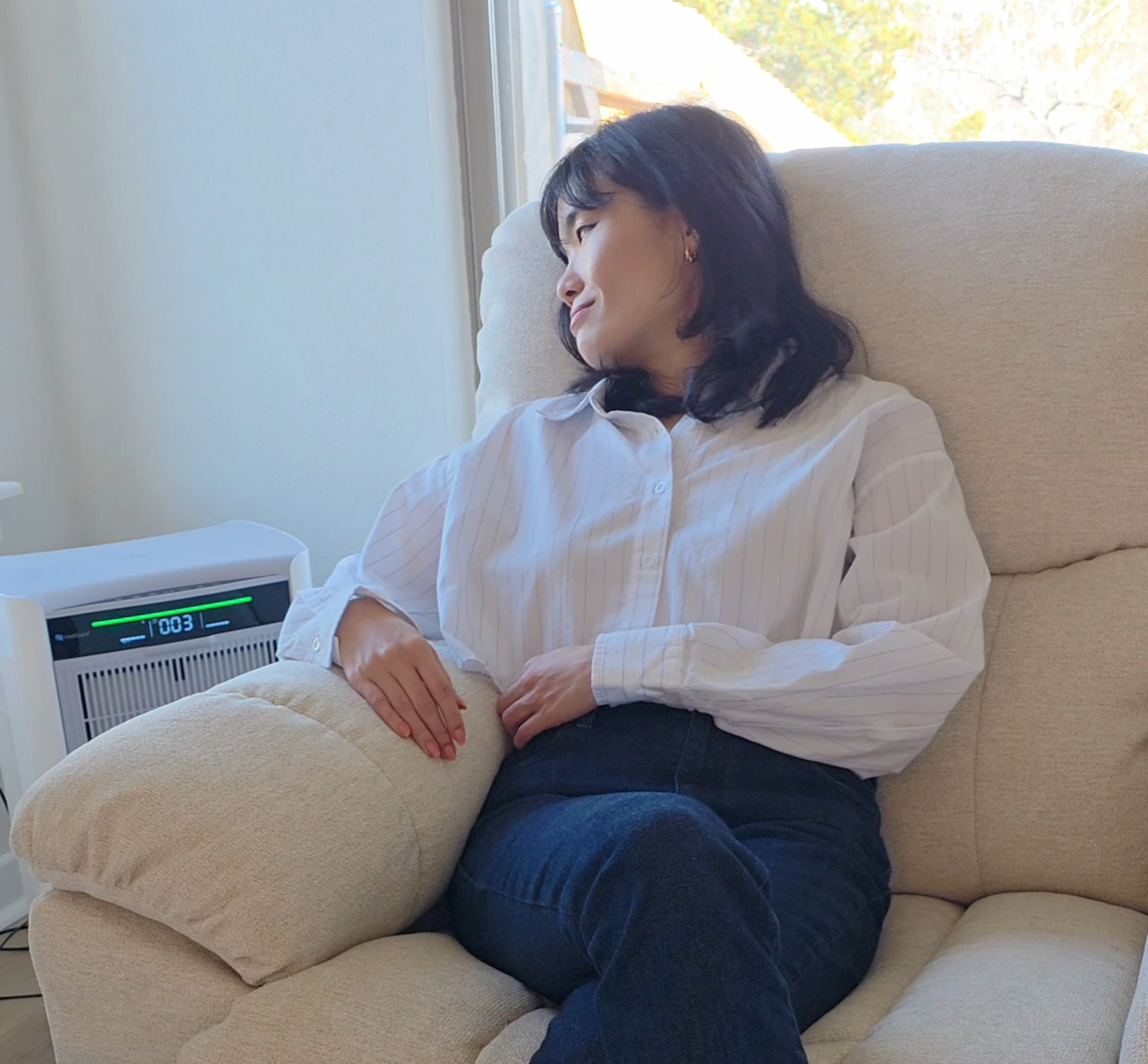
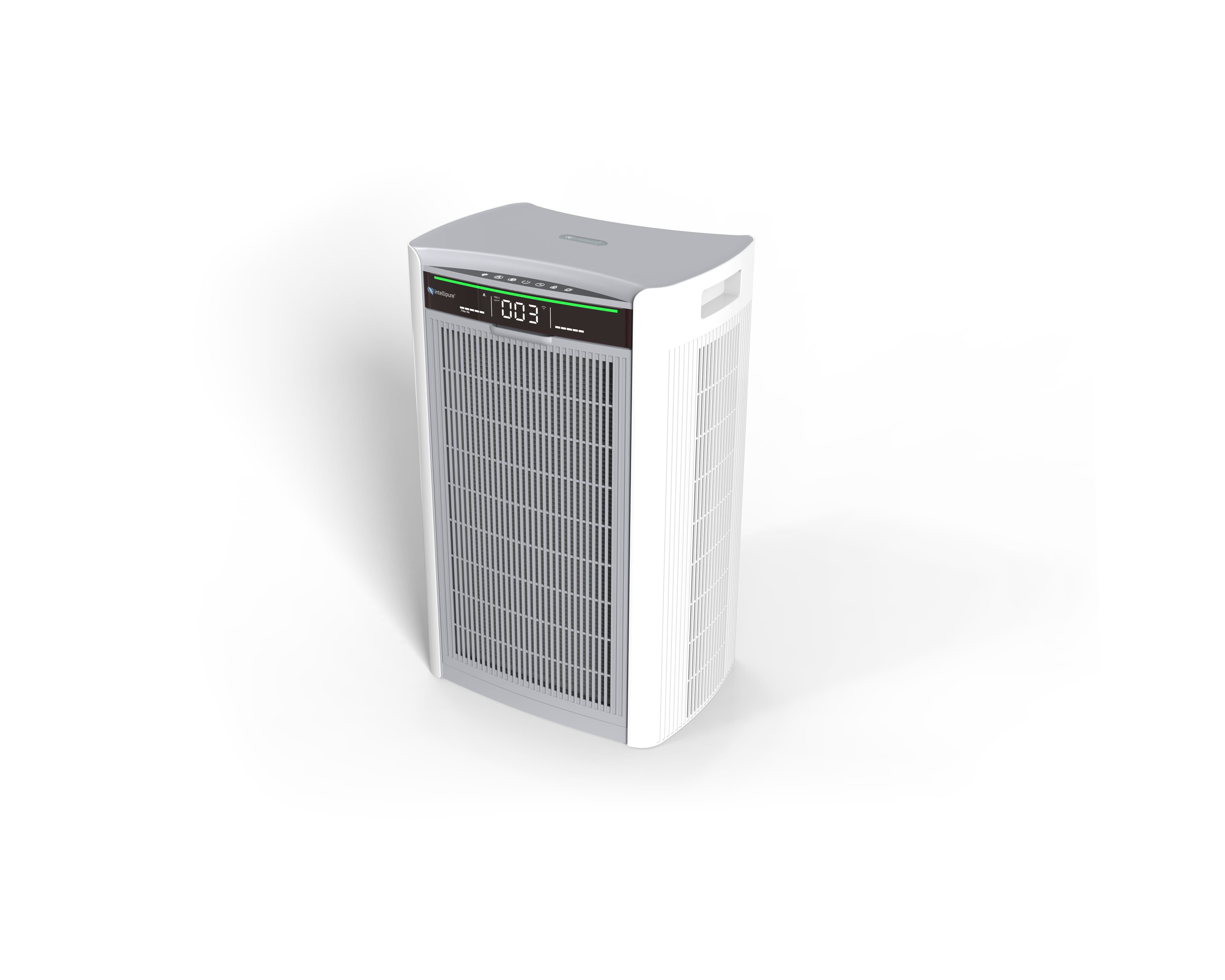
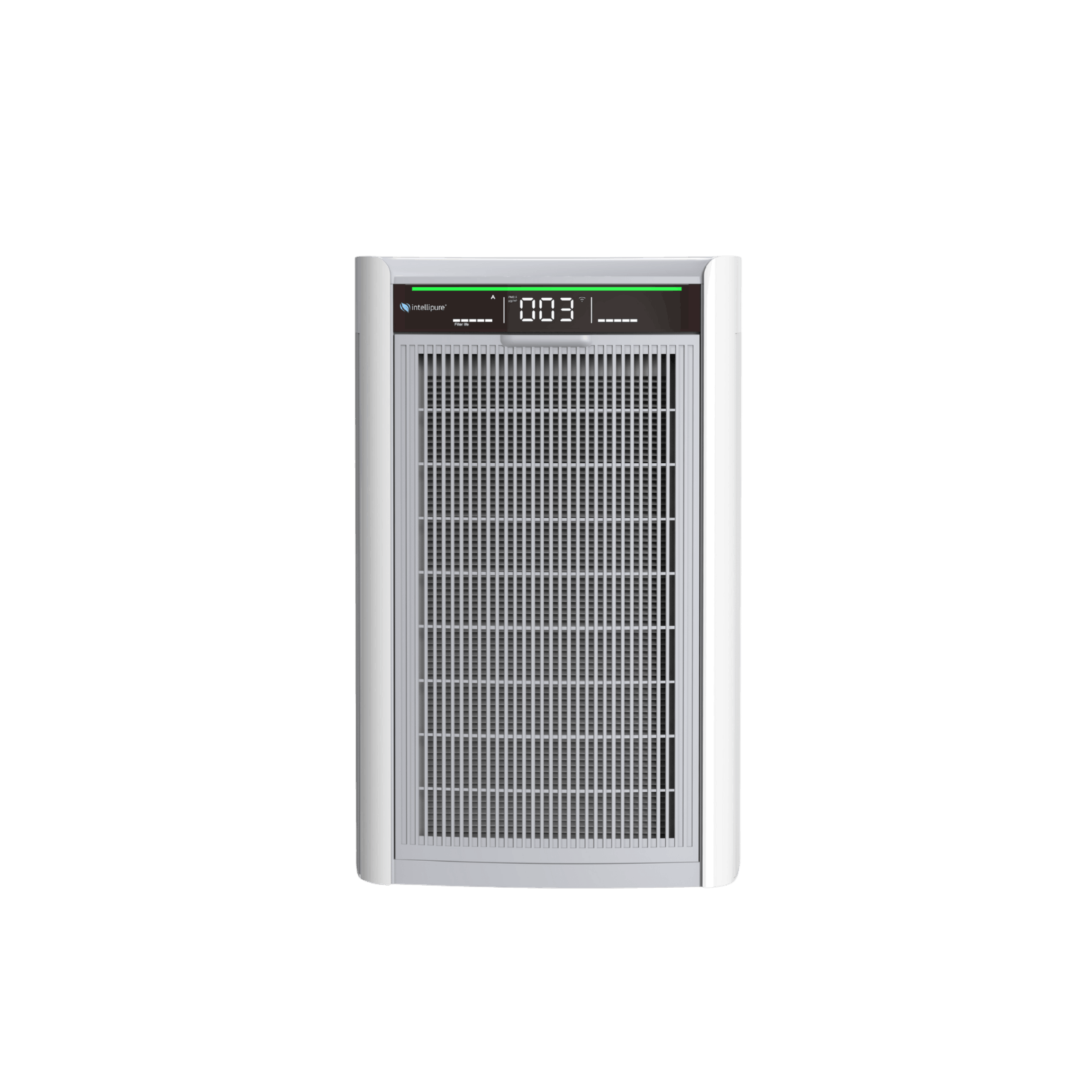
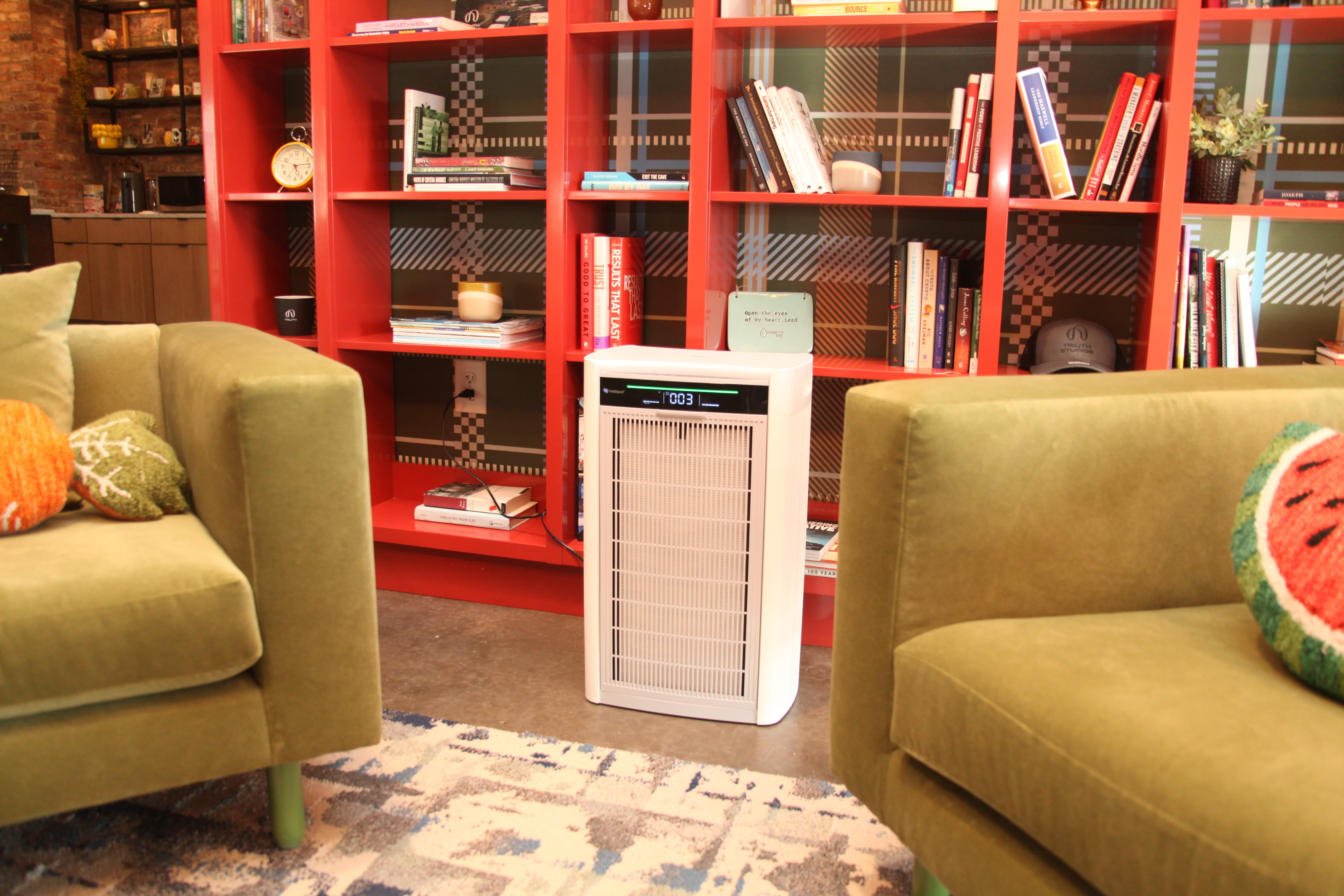
For an extra layer of defense, we've been running our Intellipure indoor air purifier to supplement the treatments the doctor provided. According to the Sleep and Sinus Centers of Georgia, indoor air purifiers can reduce irritants significantly, decreasing nasal inflammation that contributes to allergy sufferers' nosebleeds [7].
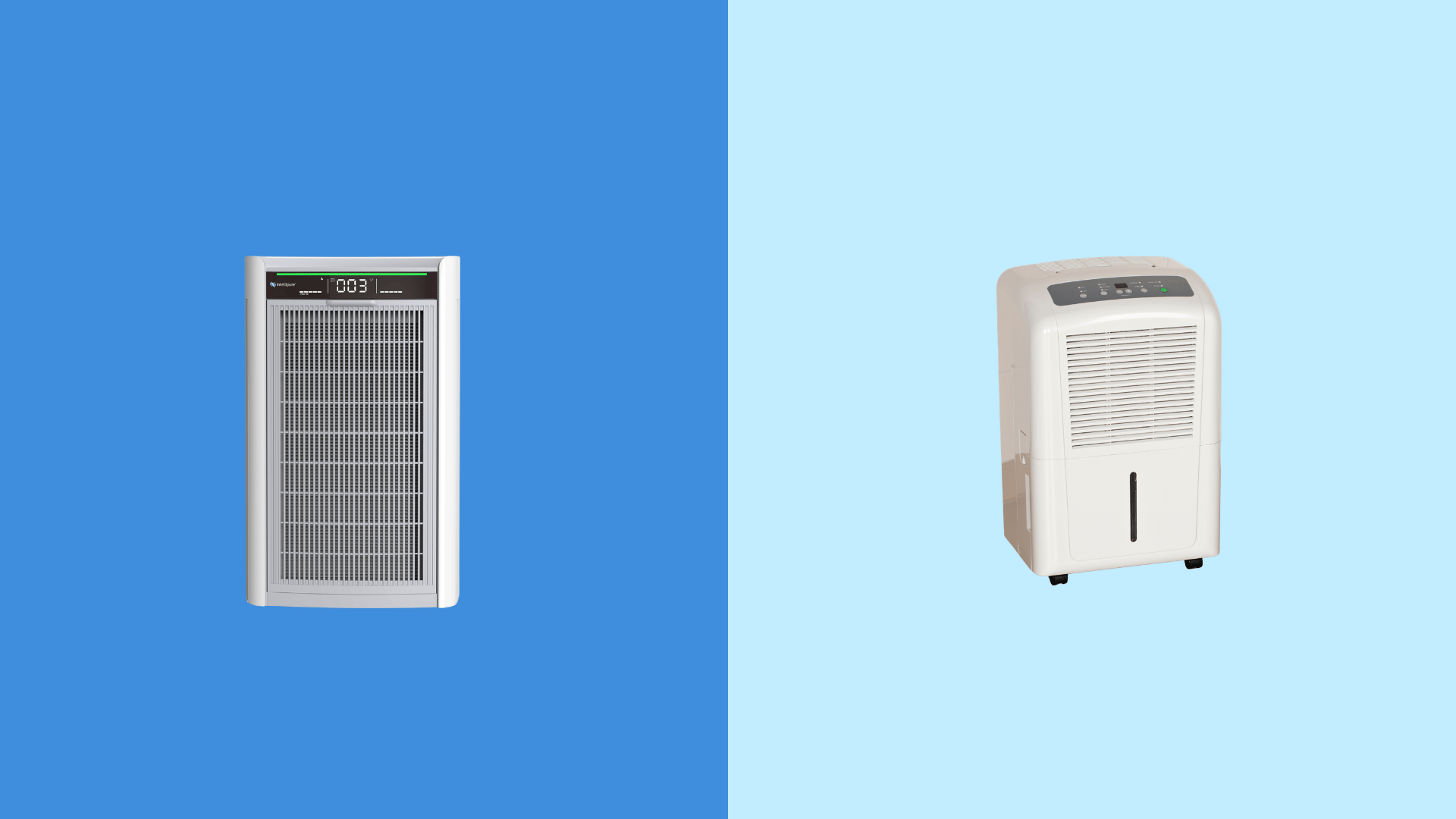
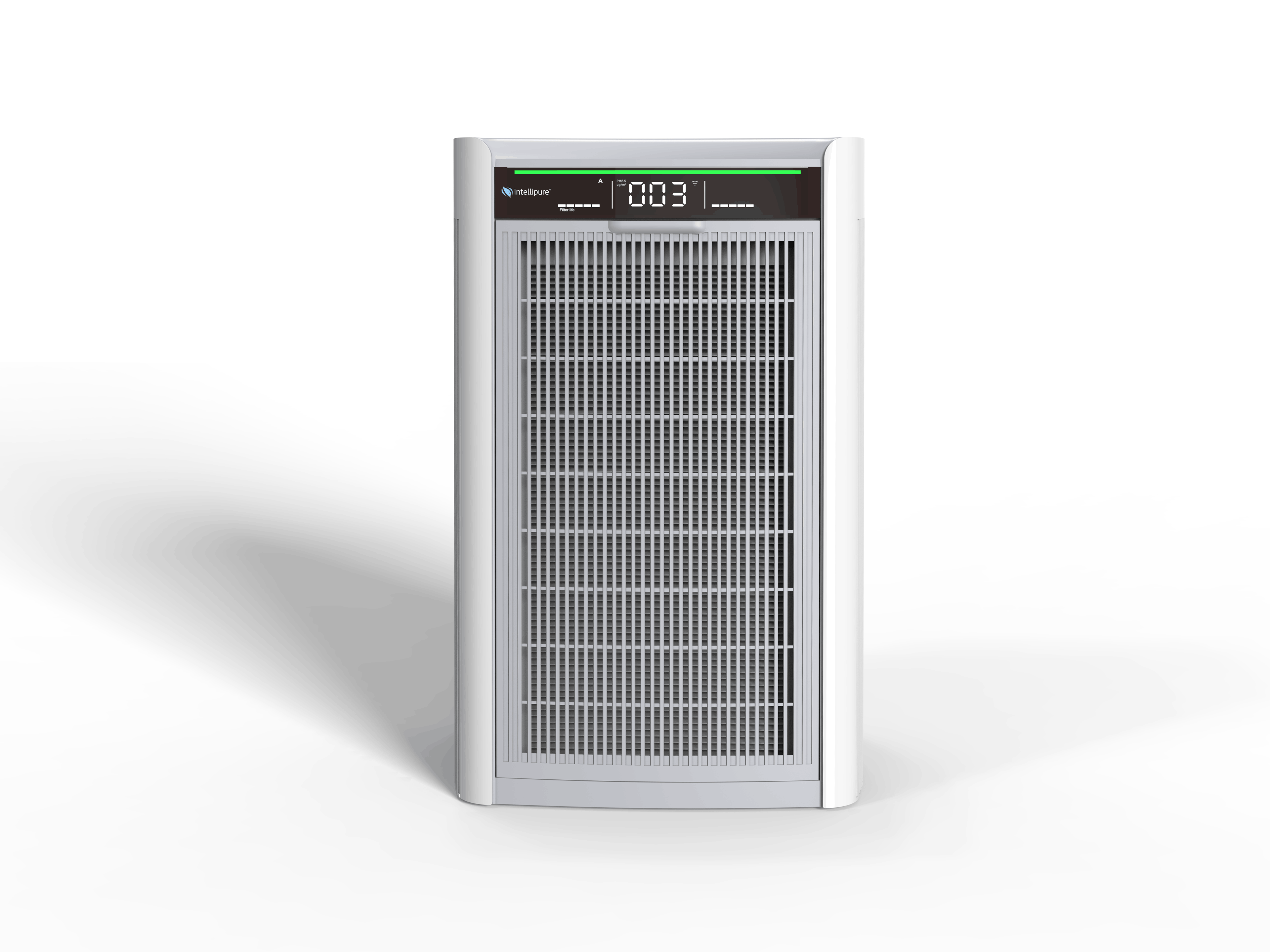
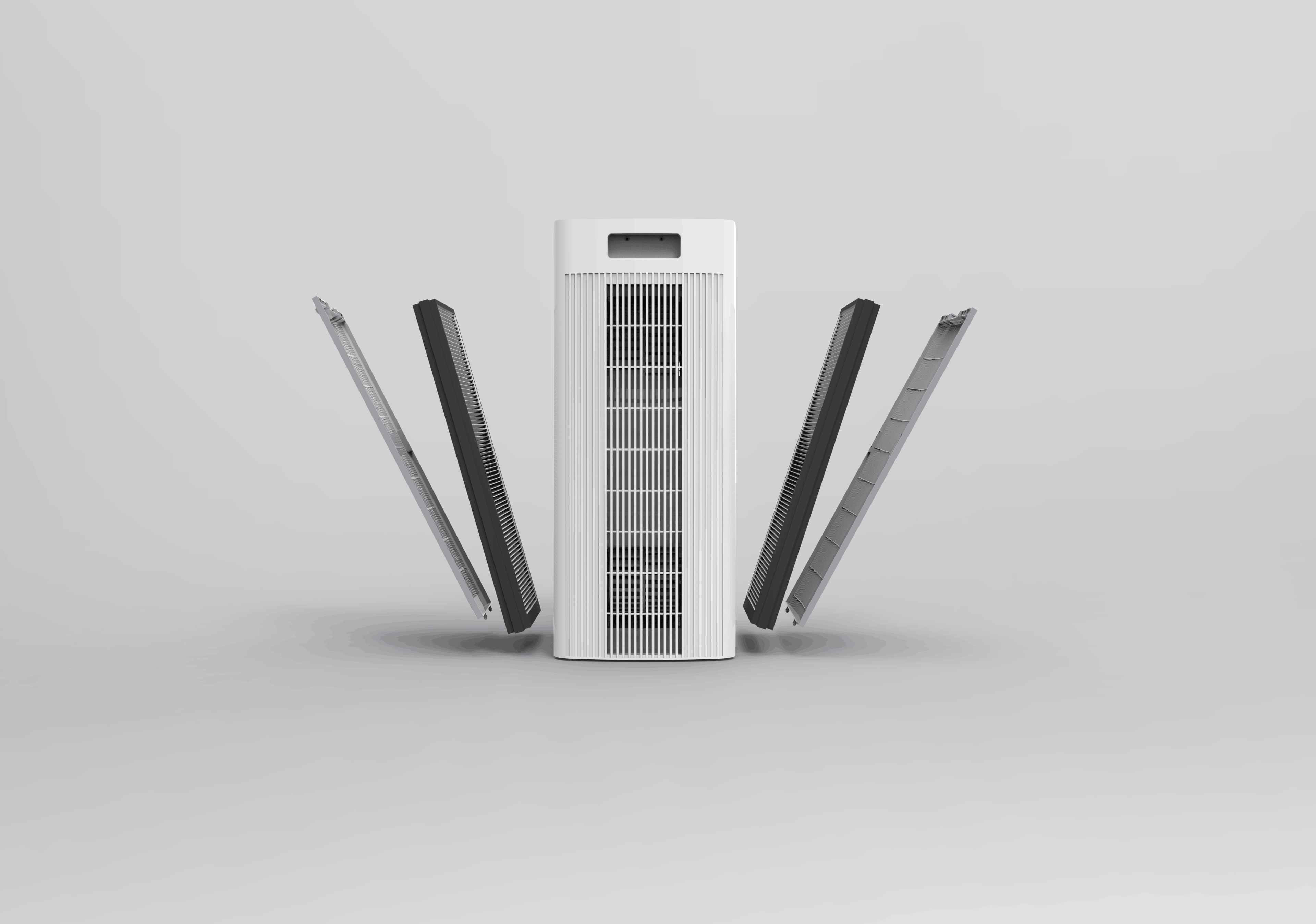
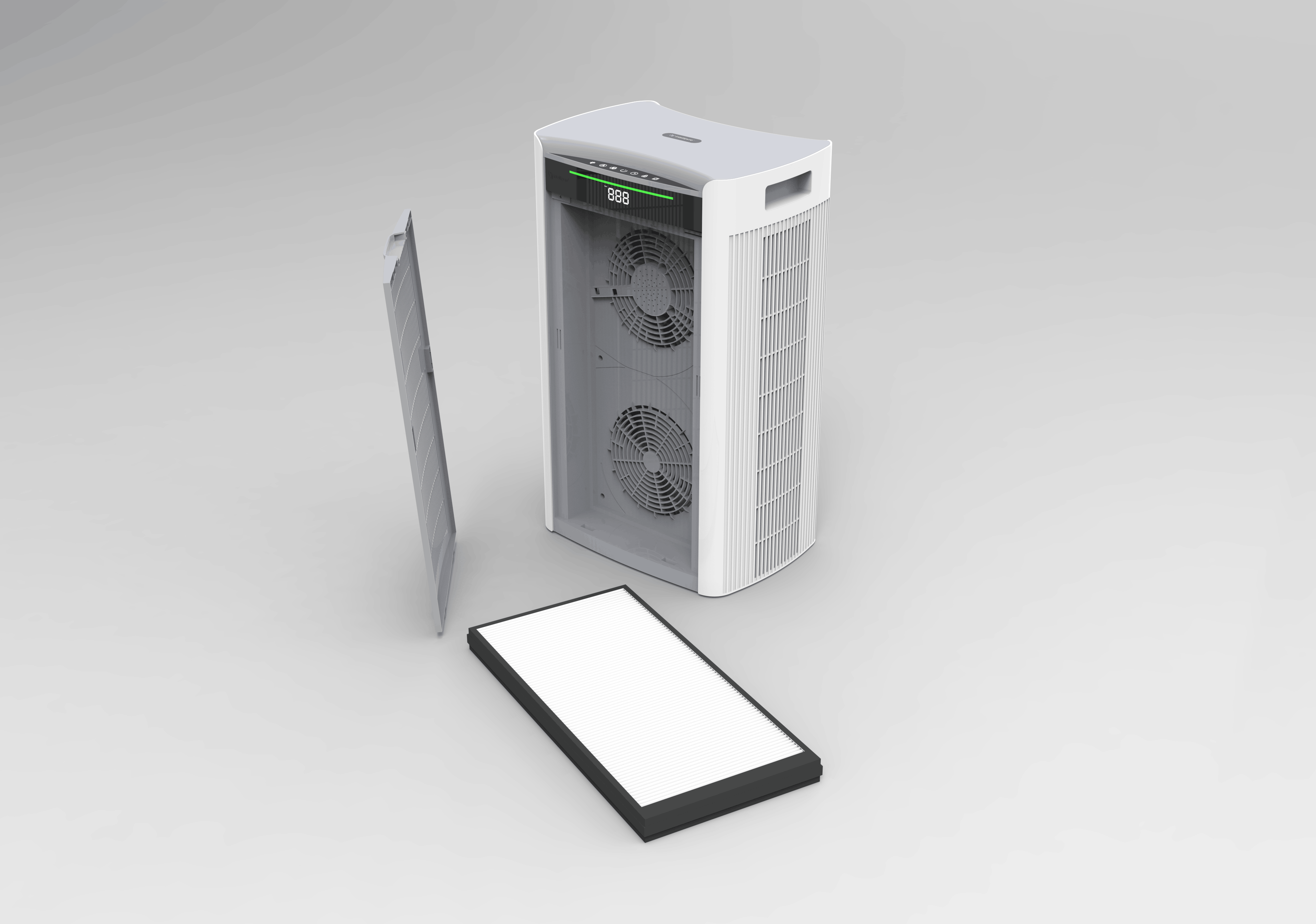
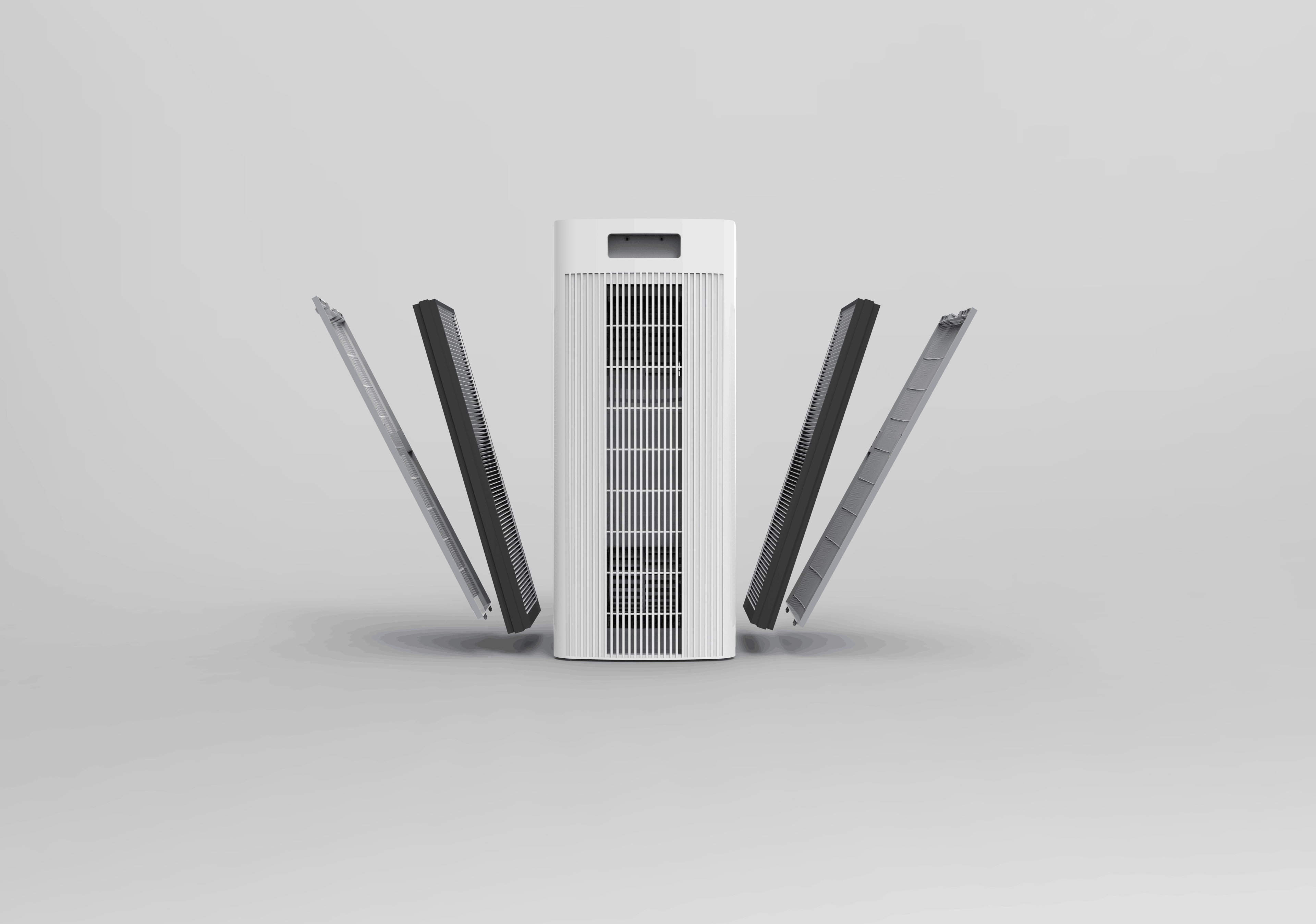
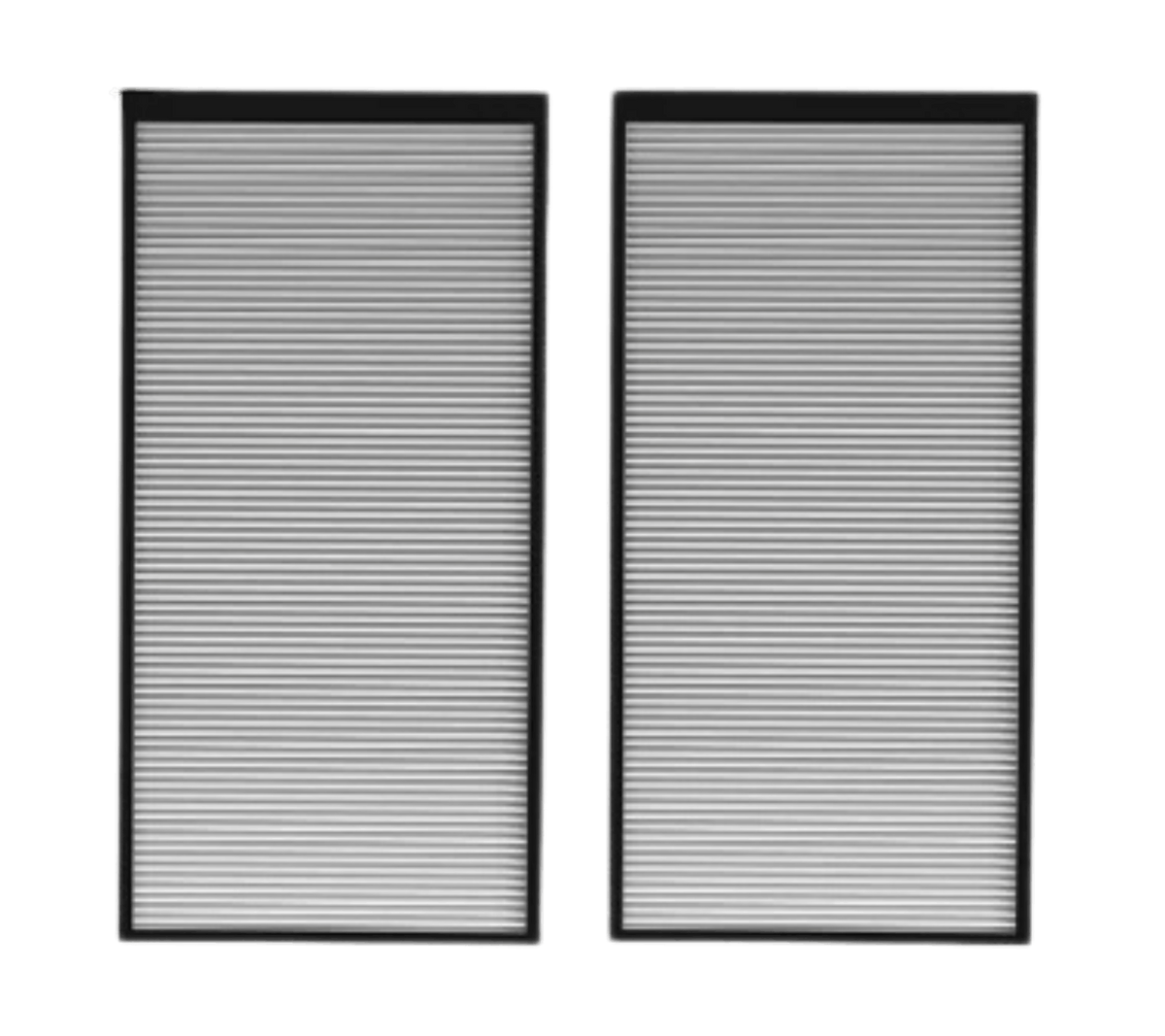
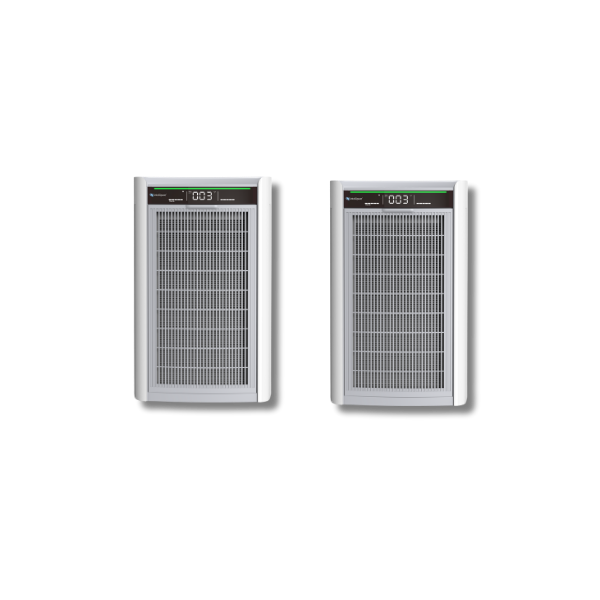
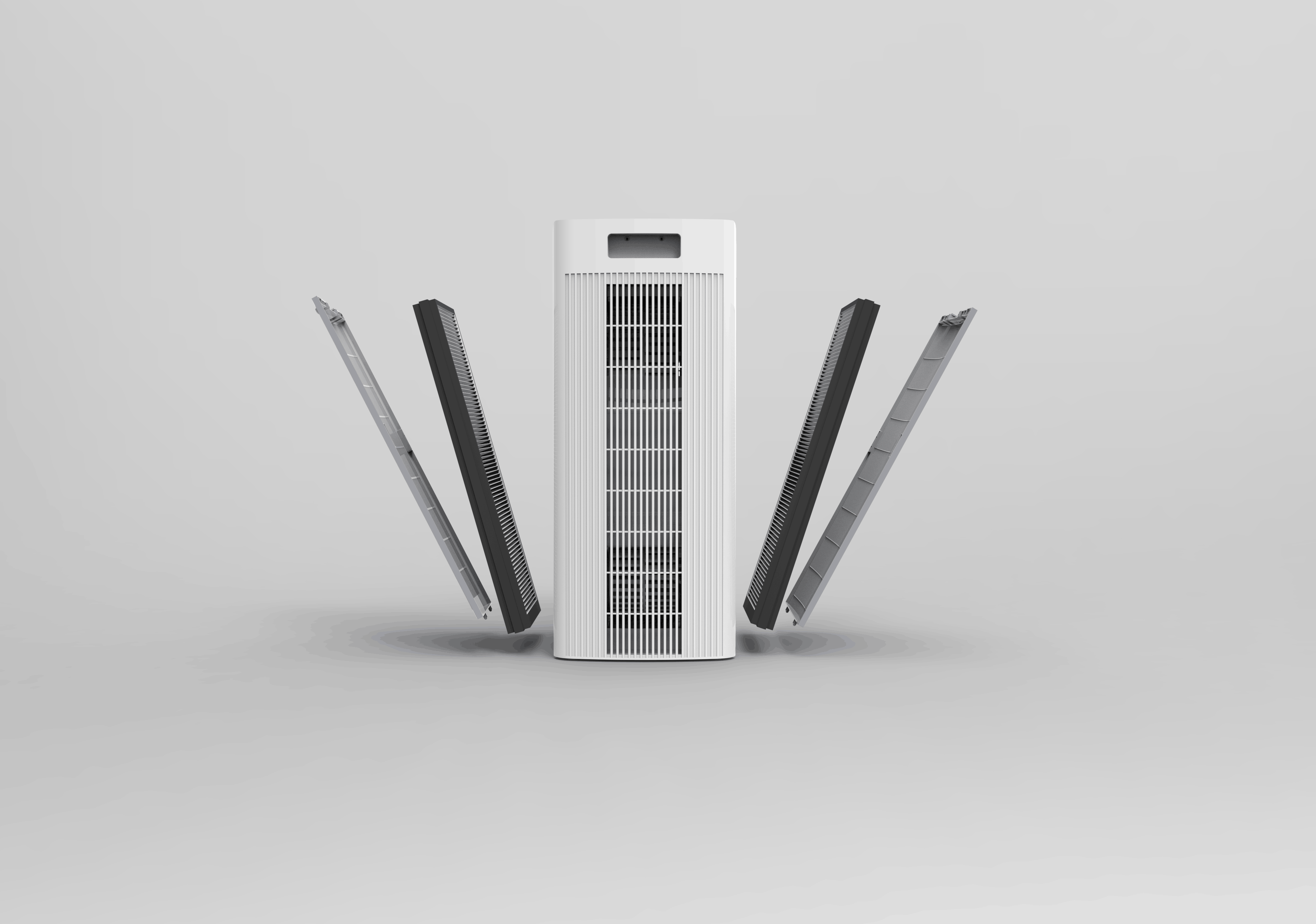
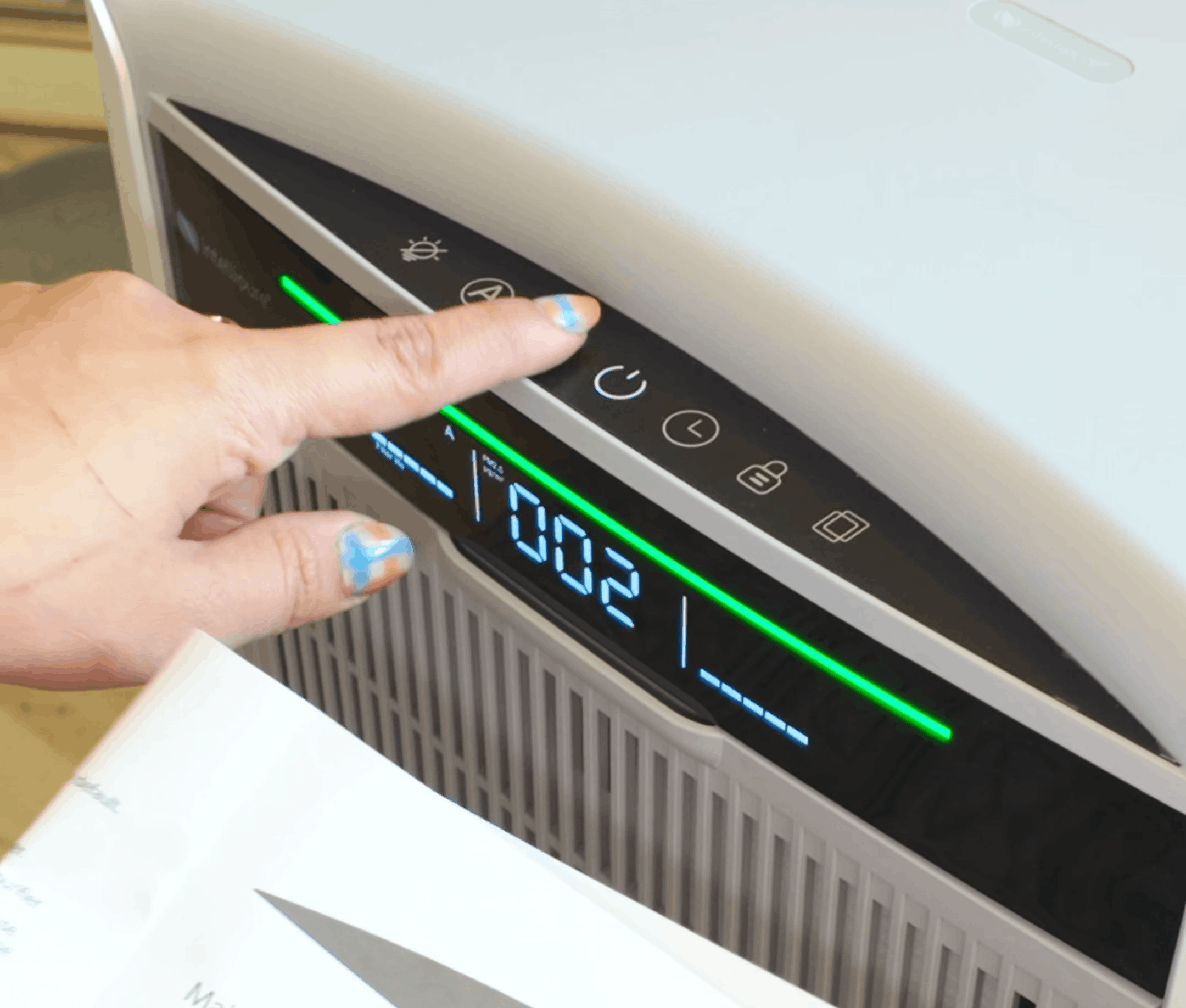
Portable air cleaning devices can pull dust mites, mold, pollen, and other particulate matter (PM) out of household air. So using air purifiers for kids' allergies can only help ensure they're breathing cleaner air in your home. Intellipure's H1000 is a powerful purifier that captures and cleans more than 99.9% of airborne particles with dual intake and two separate HEPA filters.
Source control and filtration are a wonderful team. Rady Children's Health says, "Although not a cure, a good air-filtration system can be beneficial for kids with allergies or asthma. … However, before investing in an air filtration system, families with allergy problems should first look for and eliminate or control the source of the problem, like pets, rugs, dust mites, and moldy areas in the home." They also mention that maintaining your air purifier and staying on top of filter changes according to the manufacturer's instructions are important to optimize its benefits and performance [8].
The Takeaway
There are lots of ways to show your child how to use their breath to work through unpleasant emotions. Whether it's pretending to cool a cookie, taking a stuffed animal for a ride on their belly, or using counting skills to take deep and consistent breaths, these activities might help young kids and toddlers begin to build healthy coping skills they can use anywhere. With practice as your child grows and develops, mindful breathing can become a familiar and trusted tool that they use independently to navigate all sorts of complicated feelings through childhood and the teenage years and even into adulthood.
References
- Kris D. Breathing Exercises to Help Calm Young Children [Internet]. PBS KIDS for Parents; 2020. Available from: https://www.pbs.org/parents/thrive/breathing-exercises-to-help-calm-young-children.
- Pelham V. Five Deep Breathing Exercises for Kids and Teens [Internet]. Cedars-Sinai; 2023. Available from: https://www.cedars-sinai.org/stories-and-insights/healthy-living/five-deep-breathing-exercises-for-kids-and-teens.
- Madrid A. 5 Breathing Exercises for Kids. All For Kids. 2025.
- American Society for the Positive Care of Children. 3 Ways Coregulation is the Key to Raising an Emotionally Healthy Child [Internet].
- DiTerlizzi A, Alvarez Gómez L. The Marvelous Now. Little, Brown and Company; 2025.
- American Lung Association. Generic Error Page [Internet]. Available from: https://www.lung.org/clean-air/indoor-air.
- Dillard D. Effective nighttime nosebleed prevention tips for healthy sleep [Internet]. Sleep and Sinus Centers of Georgia; 2026. Available from: https://sleepandsinuscenters.com/blog/effective-nighttime-nosebleed-prevention-tips-for-healthy-sleep.
- CHOC. An ultimate guide to avoiding indoor triggers for kids with asthma and allergies [Internet]. CHOC; 2023. Available from: https://health.choc.org/an-ultimate-guide-to-avoiding-indoor-triggers-for-kids-with-asthma-and-allergies/.








Shedding Light on Pet Allergens: How Pets Affect Indoor Air Quality
The Smoky Side of Summer