


Summary
Summer is often portrayed as the season of fresh air, when you're supposed to get out of the house and enjoy the great outdoors, or at least crack open a window or two.
In This Article
Summer is often portrayed as the season of fresh air, when you're supposed to get out of the house and enjoy the great outdoors, or at least crack open a window or two. But well-meaning advice about "getting fresh air" isn't always supported by science.
This article debunks five common myths about summer air quality, so you can make more informed decisions about your home environment. Whether you're wondering if you should open windows during wildfire smoke, if air purifiers for allergies really work, or if your ceiling fan is actually helping, you'll find research-backed answers here.
Myth #1: You Should Keep Your Windows Open in the Summer for Fresh Air
The Reality: It depends on where you live, what time of day it is, and above all, how the air quality is outside.
During the warmer months when most of us spend more time outdoors, people can get the idea that summer air is cleaner than winter air. The impulse to open your windows and "let some fresh air in" is strong. But the truth is, each season has its own air challenges. Summer is no exception.
In the summer, air pollution may be especially troubling for people who have hay fever or asthma. Plus, high levels of sunlight can intensify the formation of ground-level ozone [1].
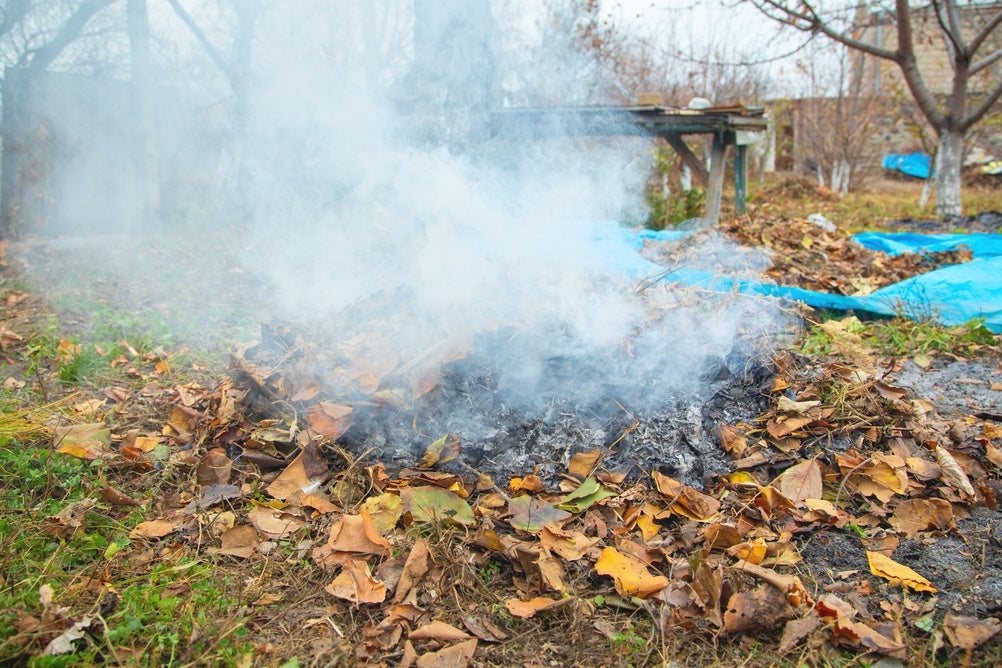
For these reasons and others, the American Lung Association (ALA) advises that "opening your doors and windows is not recommended on days with poor outdoor air quality." If you live near a busy road, airport, factory, or port with high emissions, or if there's wildfire smoke in the air around you, it's even more important that you keep windows and doors shut tight to minimize the flow of outdoor air into your home [2]
The Allergy and Asthma Foundation of America (AAFA) echoes the recommendation to keep windows shut, especially during peak pollen seasons (ahem, summer) and times of day [3].
Myth #2: Ceiling Fans Improve the Air in the Room
The Reality: If the fan's blades are dusty, they'll just blow dust and allergens around your space.
While it's true that ceiling fans create a wind-chill effect that cools you off, that's pretty much the extent of their benefits [4]. If you don't remove dust from the blades as part of your regular cleaning routine, you run the risk of your fan circulating allergens and irritants all over the room [5].
Some sources advise against ceiling fan usage entirely. Children's Hospital of Philadelphia says, "To lower your child's exposure to pollen, both indoors and out … do not use window or ceiling fans, especially with the windows open" [6].
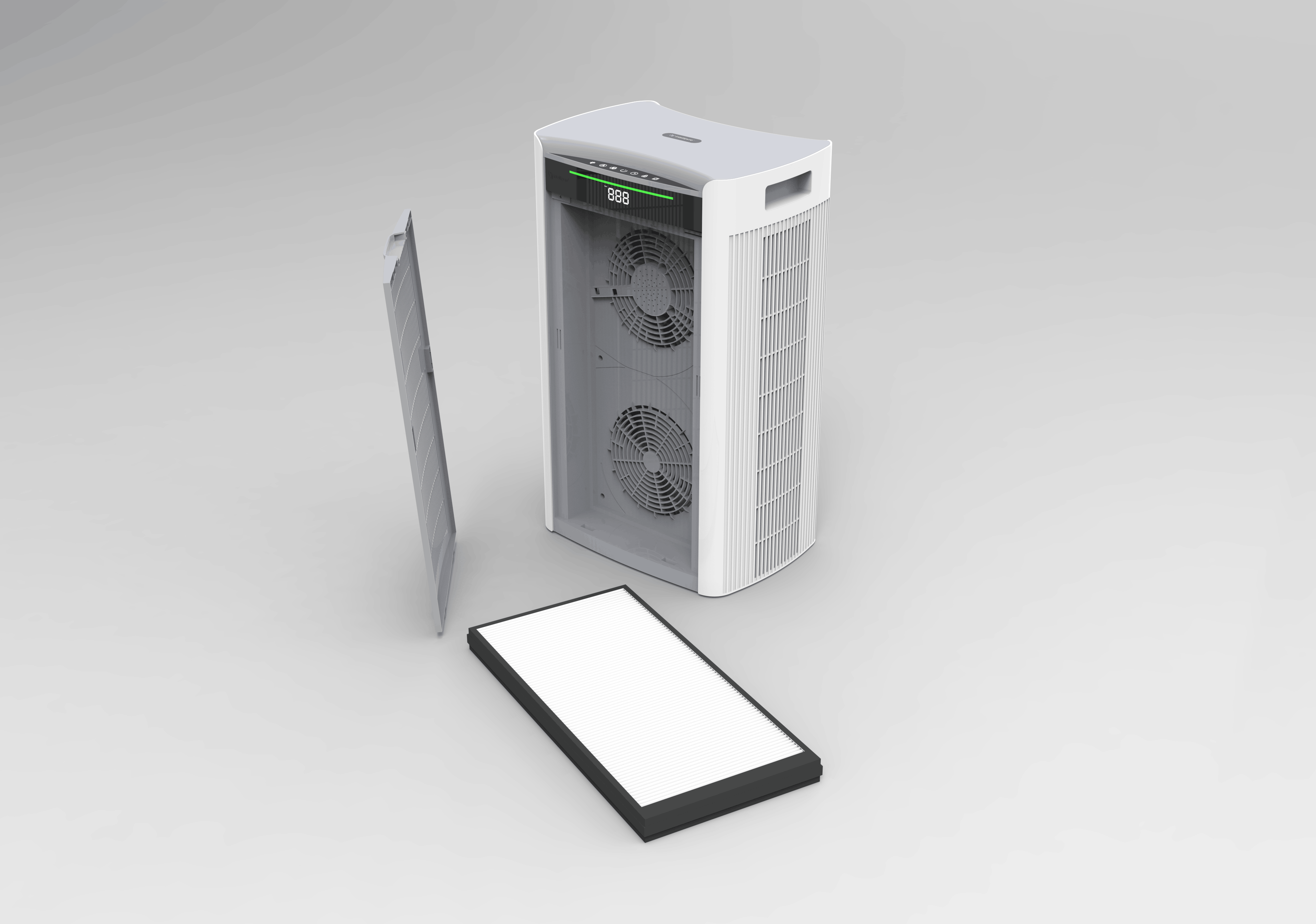
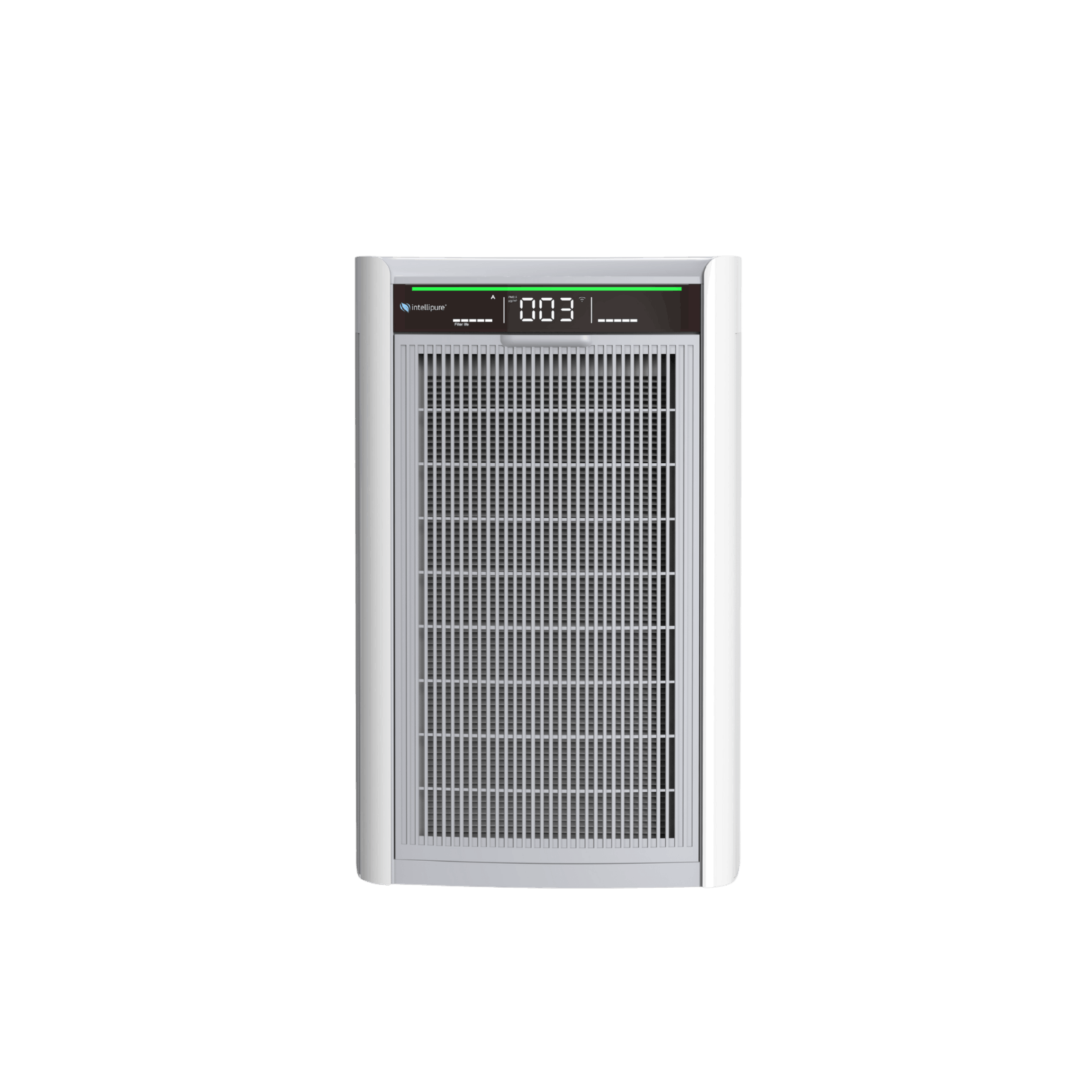
(This might go without saying, but ceiling fans do NOT filter out any airborne particles and allergens in the room. That's what indoor air purifiers, like Intellipure's H1000, are for!)
Myth #3: Summer-Scented Air Fresheners Make Air Better
The Reality: Air fresheners, plug-ins, and scented candles do not purify the air. They simply mask odors with chemicals, which actually decrease your indoor air quality (IAQ).
Lighting a "summer breeze" scented candle might feel like a quick way to freshen up the air in your home, but science shows it will likely do more harm than good. One study examining a variety of popular scented consumer products found that they emitted more than 100 volatile organic compounds (VOCs), including chemicals classified as toxic or hazardous under federal regulations. Researchers tested products such as air fresheners, laundry detergents, cleaners, soaps, shampoos, lotions, and deodorants, including items marketed as "green," "natural," or "organic." These products emitted similar amounts of hazardous chemicals as standard ones.
On average, each product released about 17 VOCs, with many emitting substances linked to cancer and other health risks. Yikes!
Despite the number of chemicals detected, very few were disclosed on product labels, highlighting how many potentially harmful emissions from scented products could be unknown to consumers [7].
Myth #4: Humidity Has Nothing to Do With Air Quality
The Reality: Humidity is one of the biggest IAQ factors during the summer.
Humid environments can be a breeding ground for mold, mildew, dust mites, and pests, so it's smart to keep a close watch on humidity levels in your home.
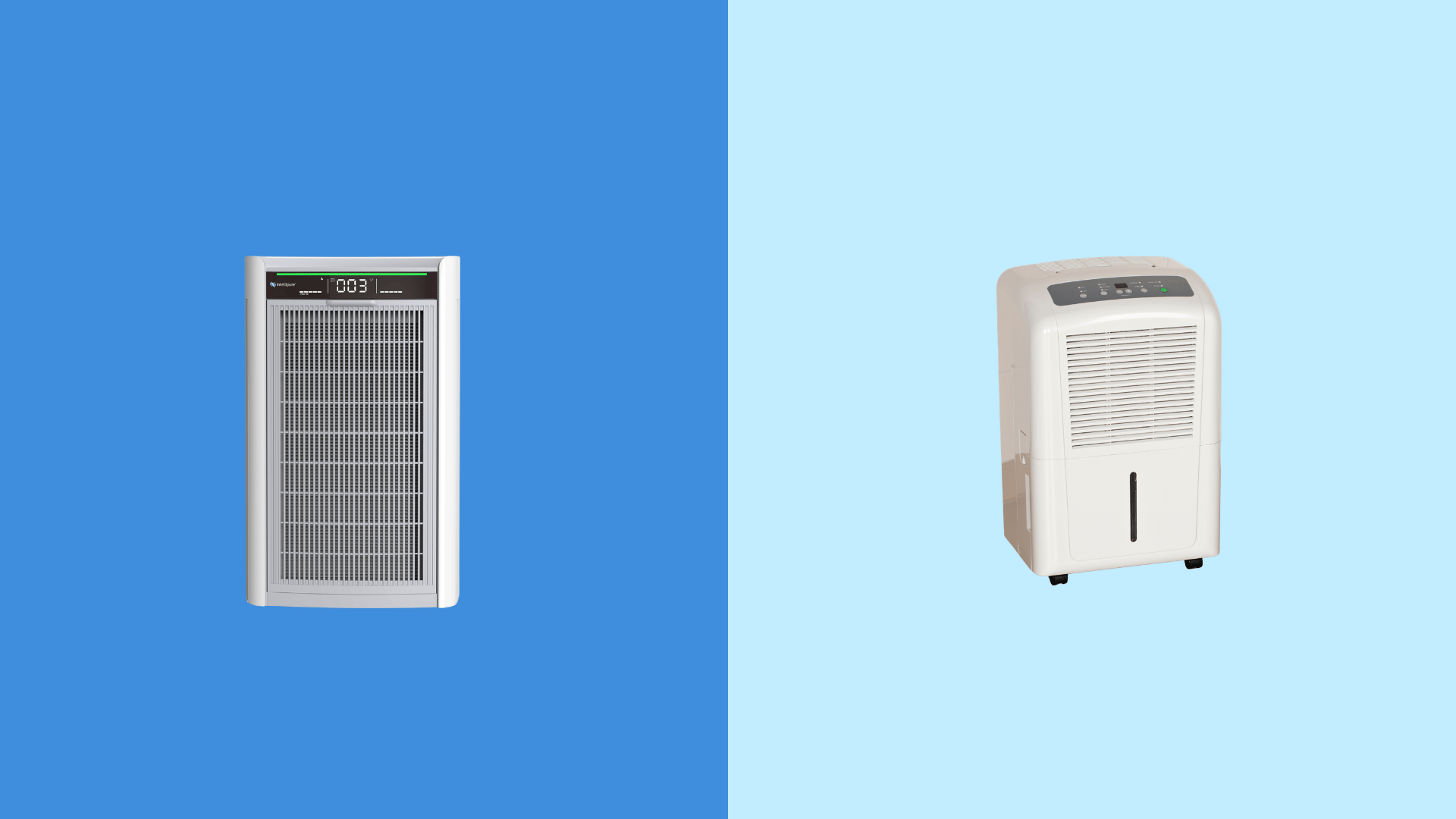
You might want to purchase a hygrometer, a tool that measures moisture in the air, to keep track of humidity levels inside. Ideally, you want indoor humidity to stay between 30% and 50% to prevent the growth of mold and mildew, while keeping your air comfortable for everyone. If the humidity level is above 60%, consider running a dehumidifier [8].
Myth #5: You Don't Need an Air Purifier If You Have Air Conditioning
The Reality: Standard HVAC filters are designed to protect the equipment, not your lungs.
We're really passionate about this topic. So much so that we wrote an entire article about it.
The takeaway? Even if you put a higher quality filter in your HVAC system, it can restrict airflow and force the blower motor to work harder, potentially causing uneven heating and cooling. In lots of systems, poor sealing around the upgraded filter can also allow air to bypass the filter entirely.
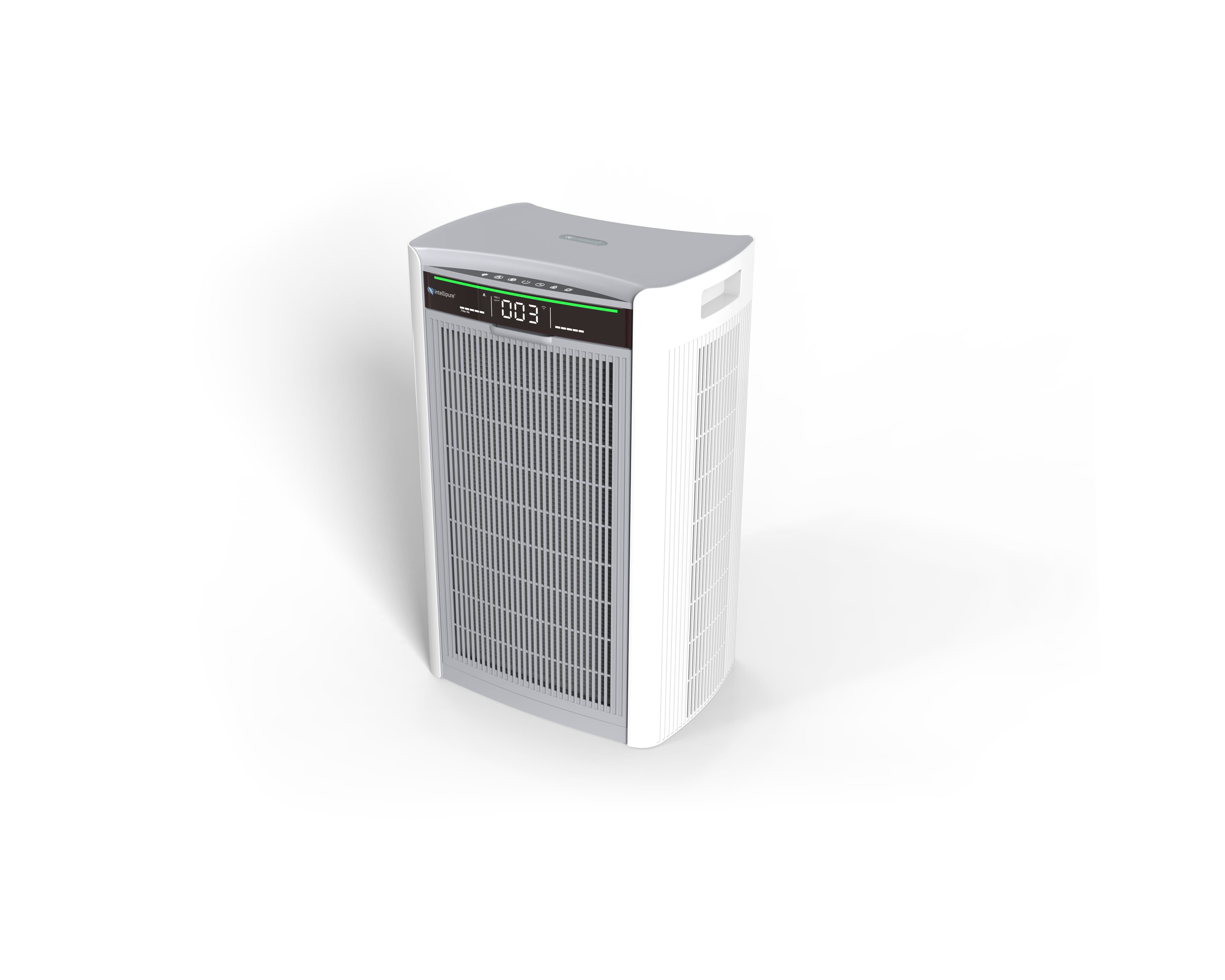
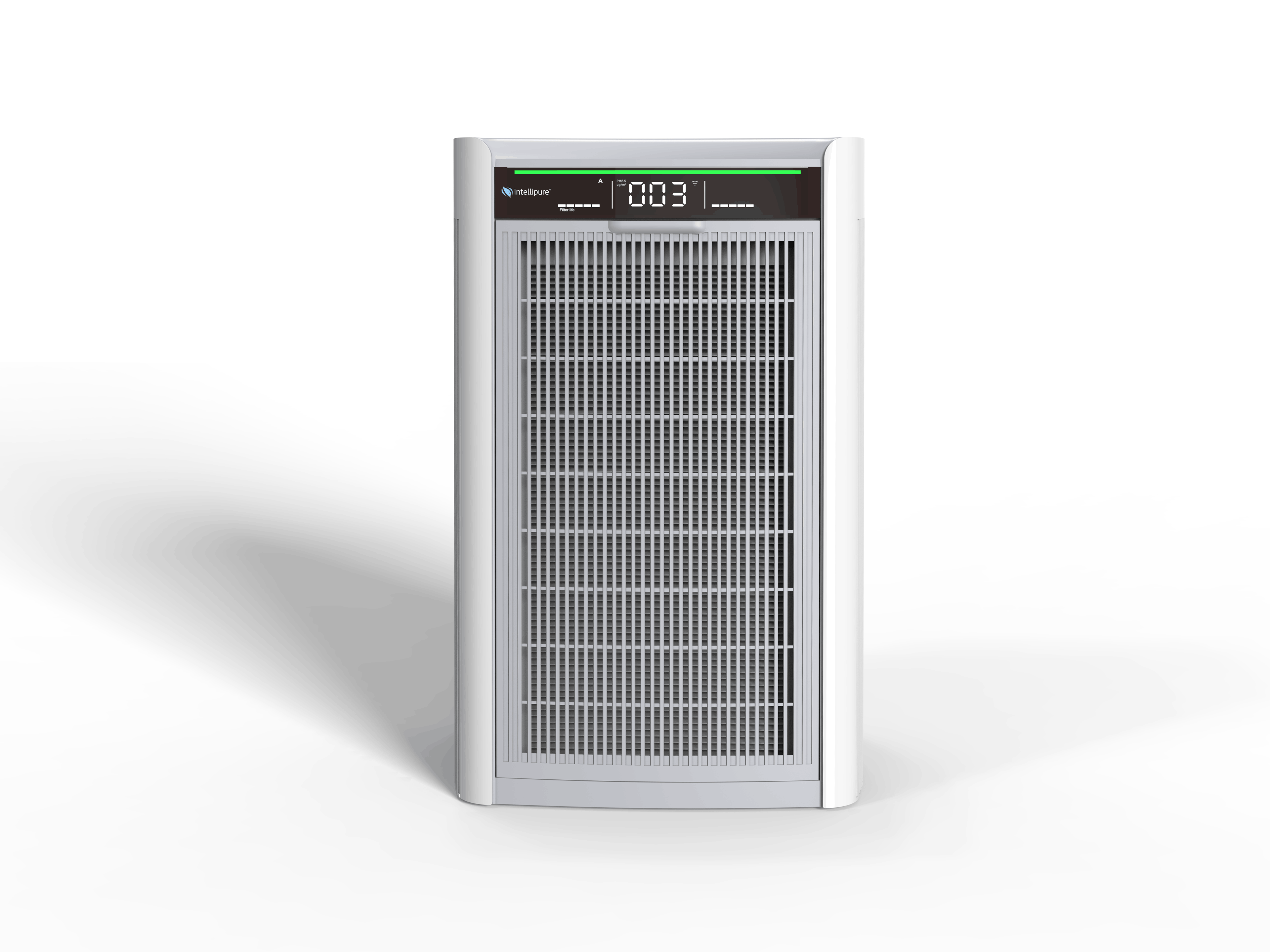
Your best bet for clean air in your home is an air purifier, like the H1000, which purifies areas up to 2,200 square feet in just 30 minutes.
How to Improve Your Air Quality This Summer
Monitor Outdoor Air Conditions
When you check the weather forecast in the morning, try to take a look at the air quality in your area, too. The U.S. Air Quality Index (AQI) measures air pollution according to the Clean Air Act of the EPA. Staying informed of air quality indexes and advisories can play a huge role in reducing your exposure to dangerous pollutants [9].
If you (or anyone who lives in or visits your home) have a pollen allergy, you can check pollen counts and forecasts to help you limit your exposure to the allergen. A pollen count tells you how much pollen is in the air, while a pollen forecast is an estimate, just like a weather forecast. Pollen counts, which the American Academy of Allergy, Asthma & Immunology's (AAAAI) National Allergy Bureau™ collects and reports around the U.S., are more accurate [3].
Ventilate Wisely
Try to avoid both natural ventilation (opening windows or doors) and mechanical ventilation (exhaust fans) when outdoor air conditions are bad [2].
Change Your Air Purifier Filters on Time
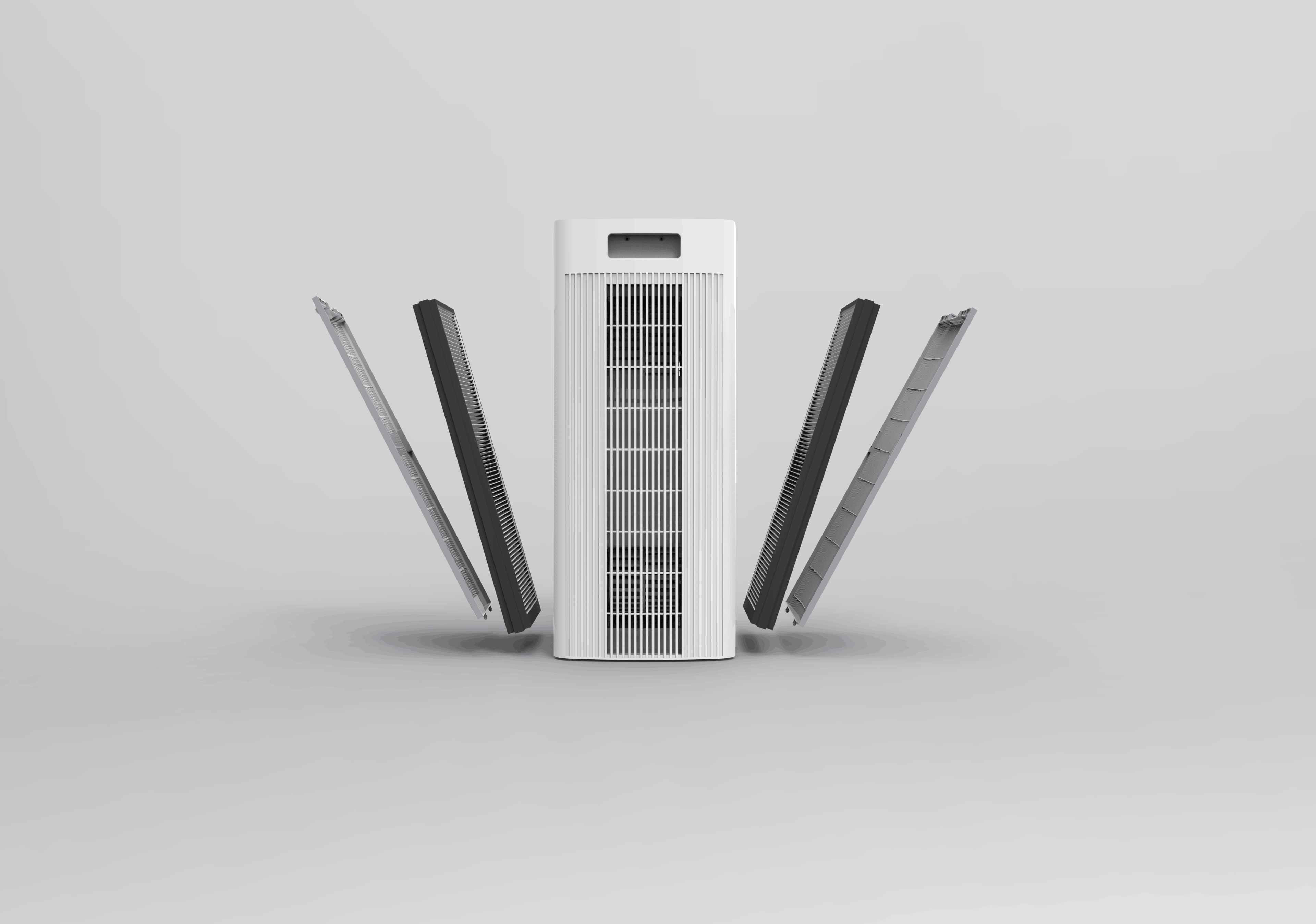
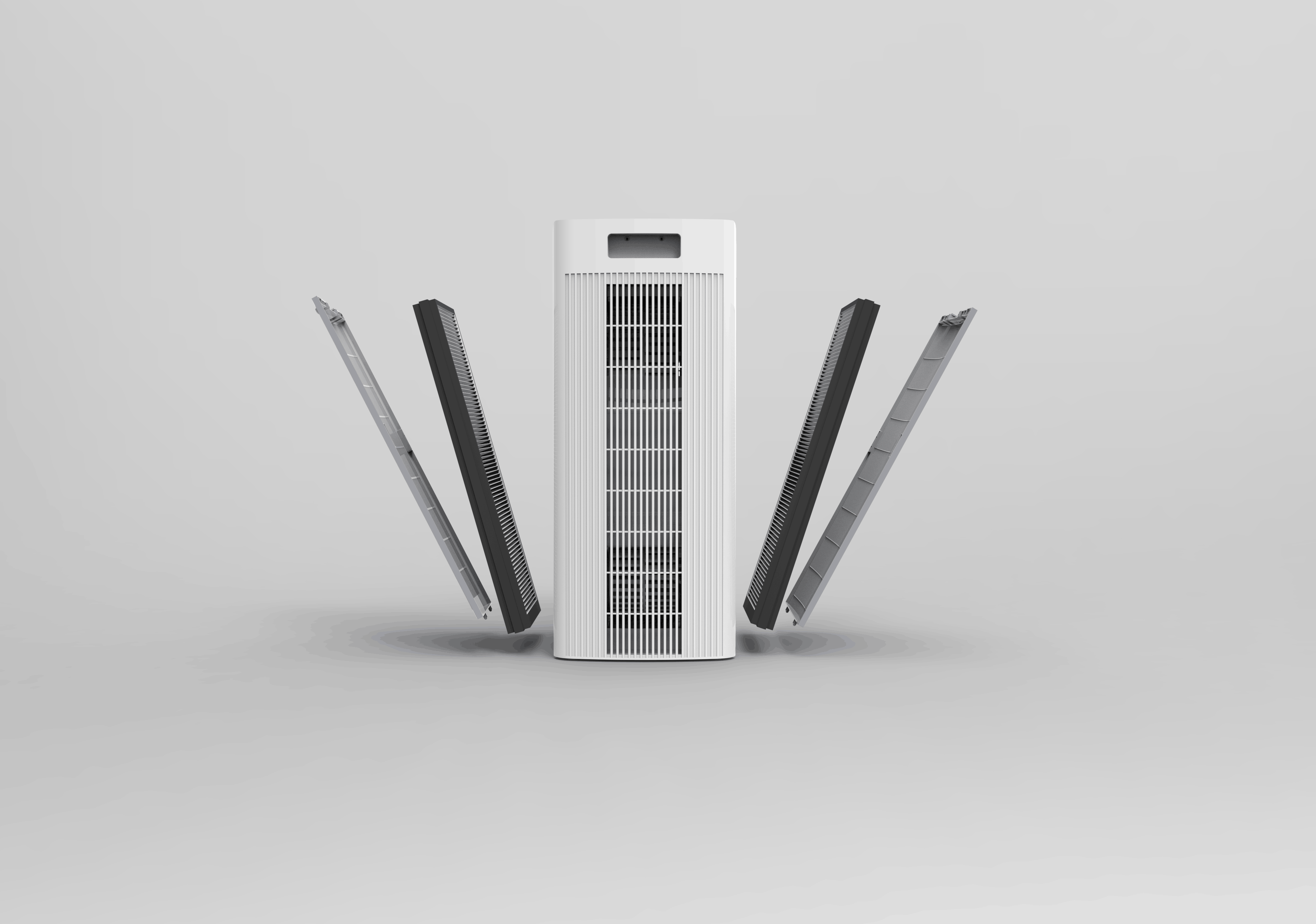
Intellipure's H1000 takes the guesswork out of knowing when to replace your filters. Its indicator light flashes to alert you when you're due for new ones, so you can maintain peak product performance.
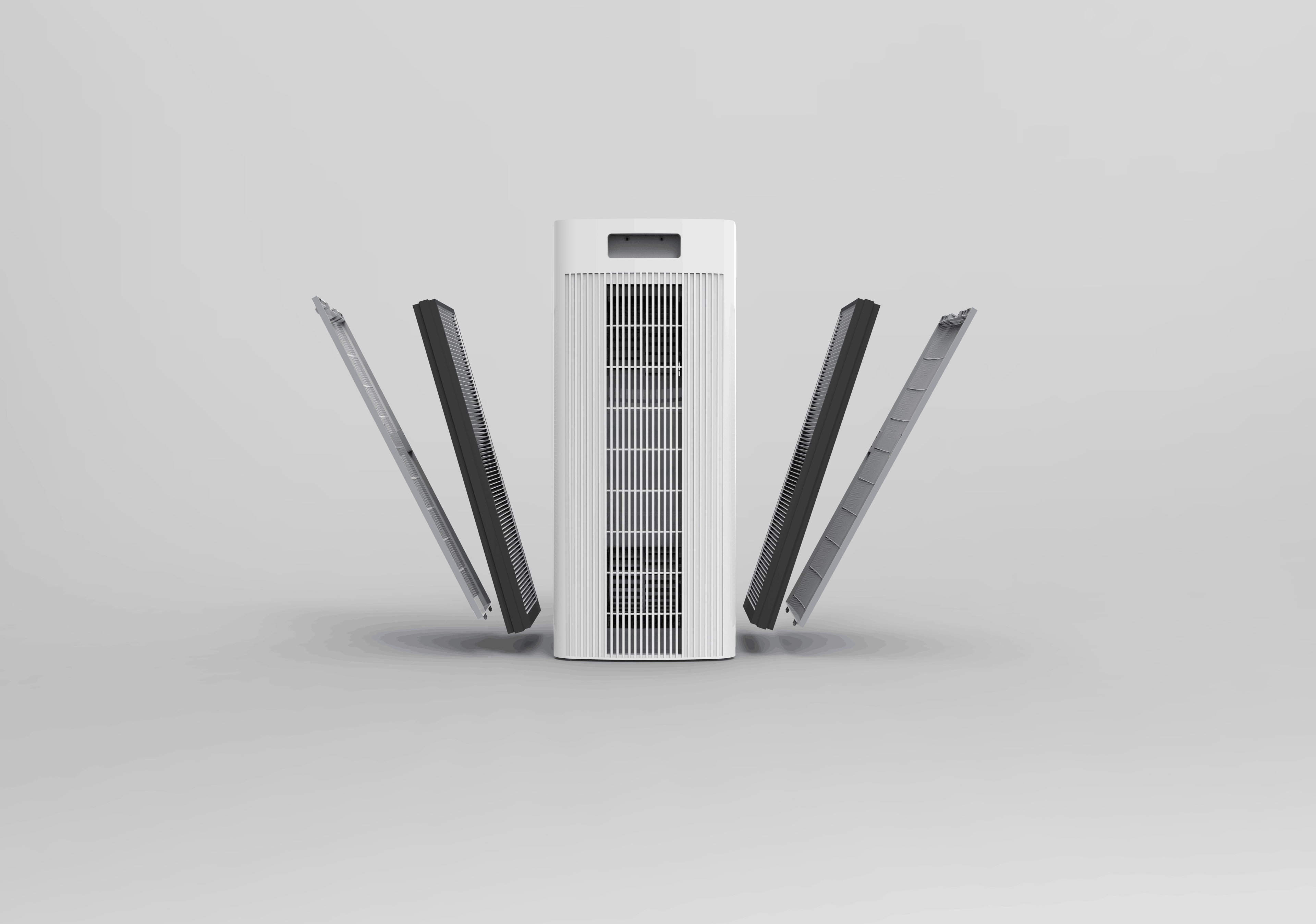
You can expect to change out your H1000's filters about every 12 months. Being on the ball with replacements is especially important if you run your purifier 24/7, have pets, or live in an area with lots of outdoor air pollution.
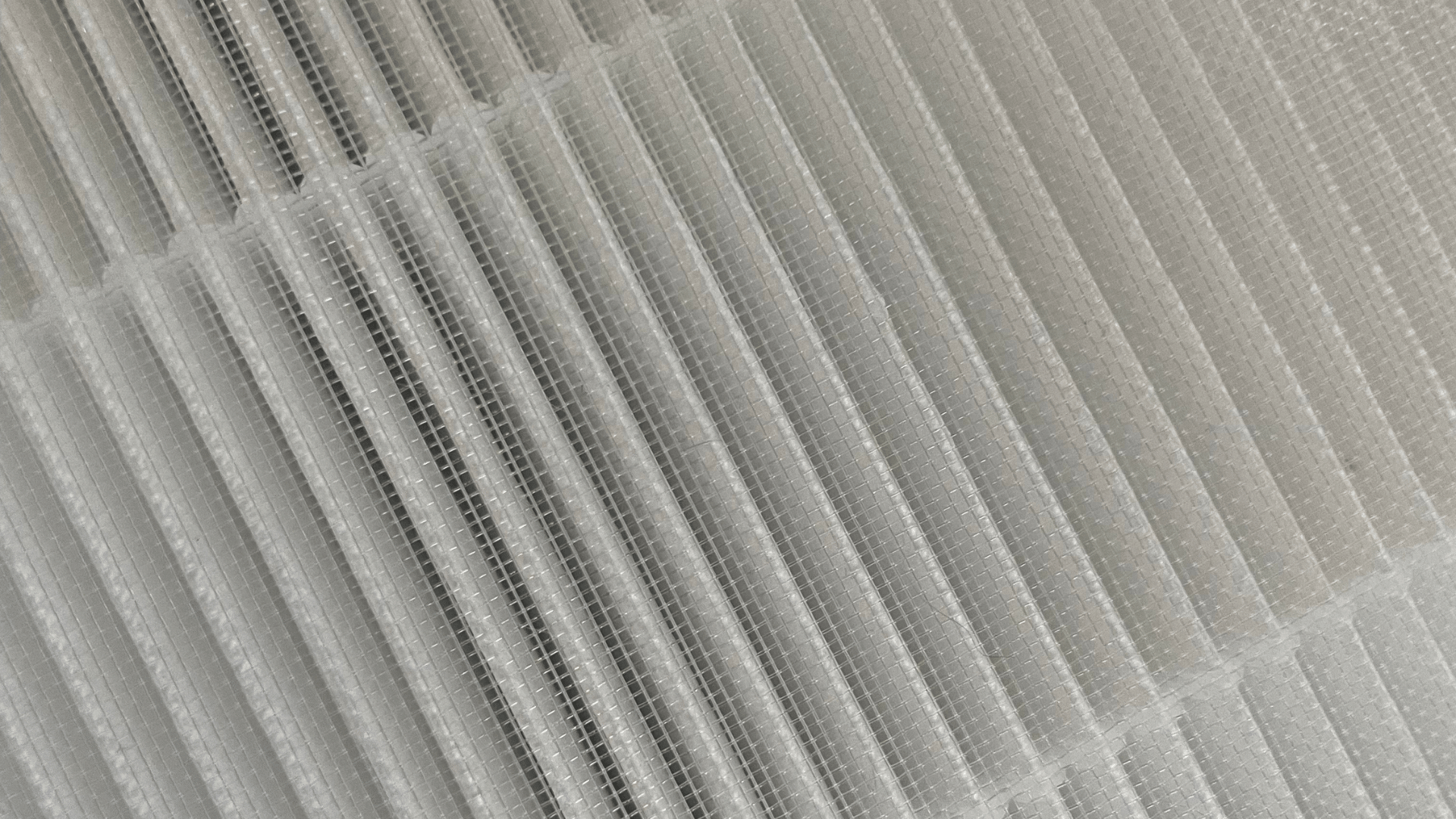
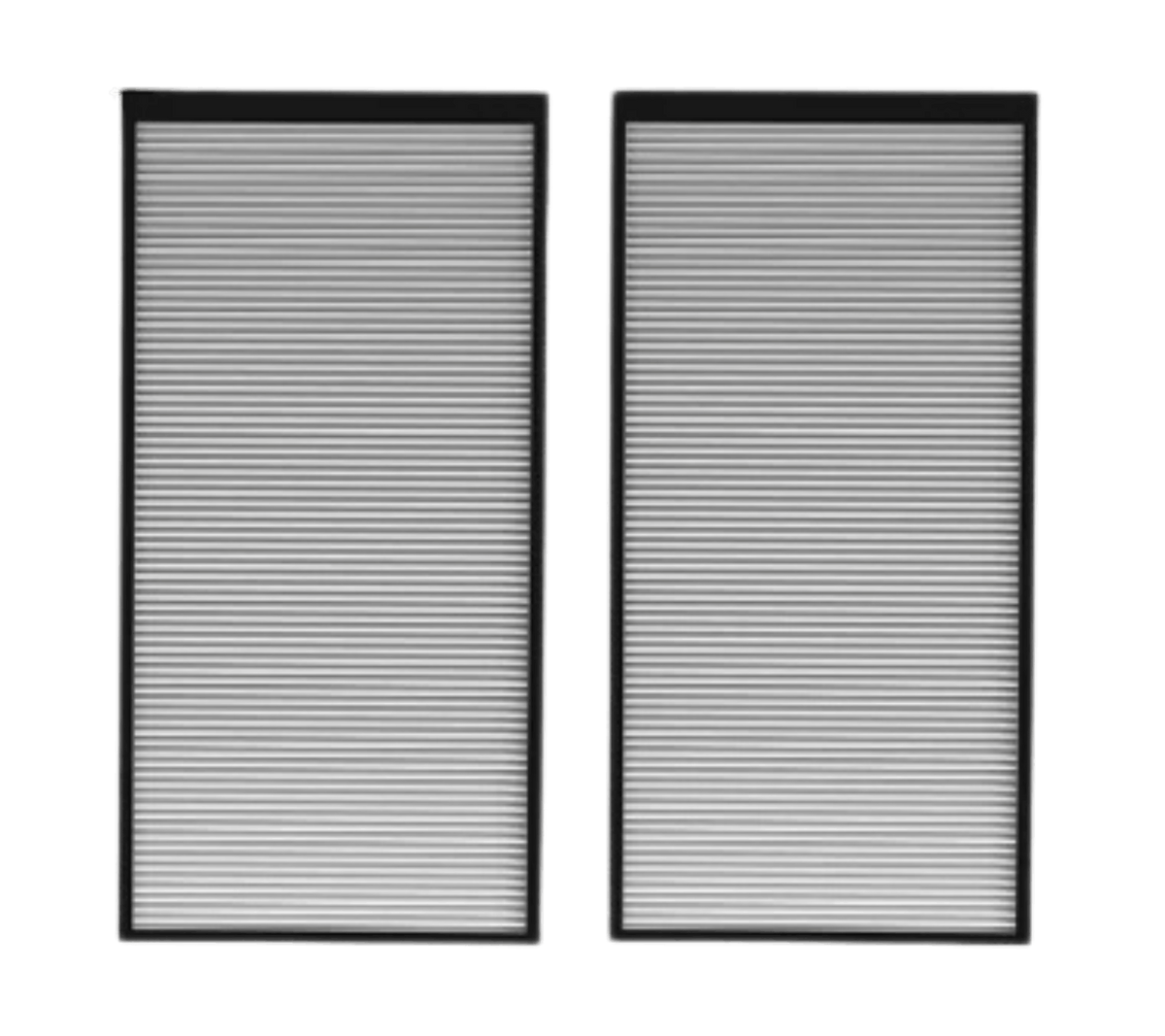
A quick look at your existing filter can tell you if it's clogged. A good rule of thumb: If it looks dirty, then it is dirty. Check out the Intellipure Air Purifier Filter Change FAQ if you need more info.
To Recap
Summer air quality is a bit complex. The impulse to throw open your windows and rely on old-fashioned ventilation to improve your home's air quality might feel right, but it's not always the best approach. Wildfire season and pollen season indoor air calls for some strategic decision-making based on real-time air quality data, not just going off the time of day or the season.
The good news? There are plenty of resources and tools to help you. Check air quality and pollen levels before opening your windows. Keep humidity levels in your home between 30% and 50%. Run an air purifier with clean filters.
Now you've got the knowledge to make this summer your freshest summer yet.
References
- Airly. Increased Air Pollution: Is It Worse During the Summer or Winter? [Internet]. Available from:.
- American Lung Association. Ventilation [Internet]. 2023. Available from:.
- . Pollen Allergy [Internet]. 2024. Available from:.
- U.S. Department of Energy. Fans for Cooling [Internet]. Available from:.
- Asthma and Allergy Foundation of America. Spring Cleaning for an Asthma and Allergy Friendly Home [Internet]. AAFA Community Services; 2025. Available from:.
- Children’s Hospital of Philadelphia. Controlling Your Home Environment to Prevent Asthma Flares [Internet]. Available from:.
- Potera C. Indoor Air Quality: Scented Products Emit a Bouquet of VOCs [Internet]. PubMed; 2011. Available from:.
- U.S. Environmental Protection Agency. Mold Course Chapter 2: Why and Where Mold Grows [Internet]. 2025. Available from:.
- Norton M. Understanding the Complex Health Risks of Wildfire Smoke [Internet]. Mayo Clinic Health System; 2025. Available from:.





From the Ballpark to the Boardroom: What Sports Science Can Tell Us About Air Quality and Mental Clarity
Shedding Light on Pet Allergens: How Pets Affect Indoor Air Quality