


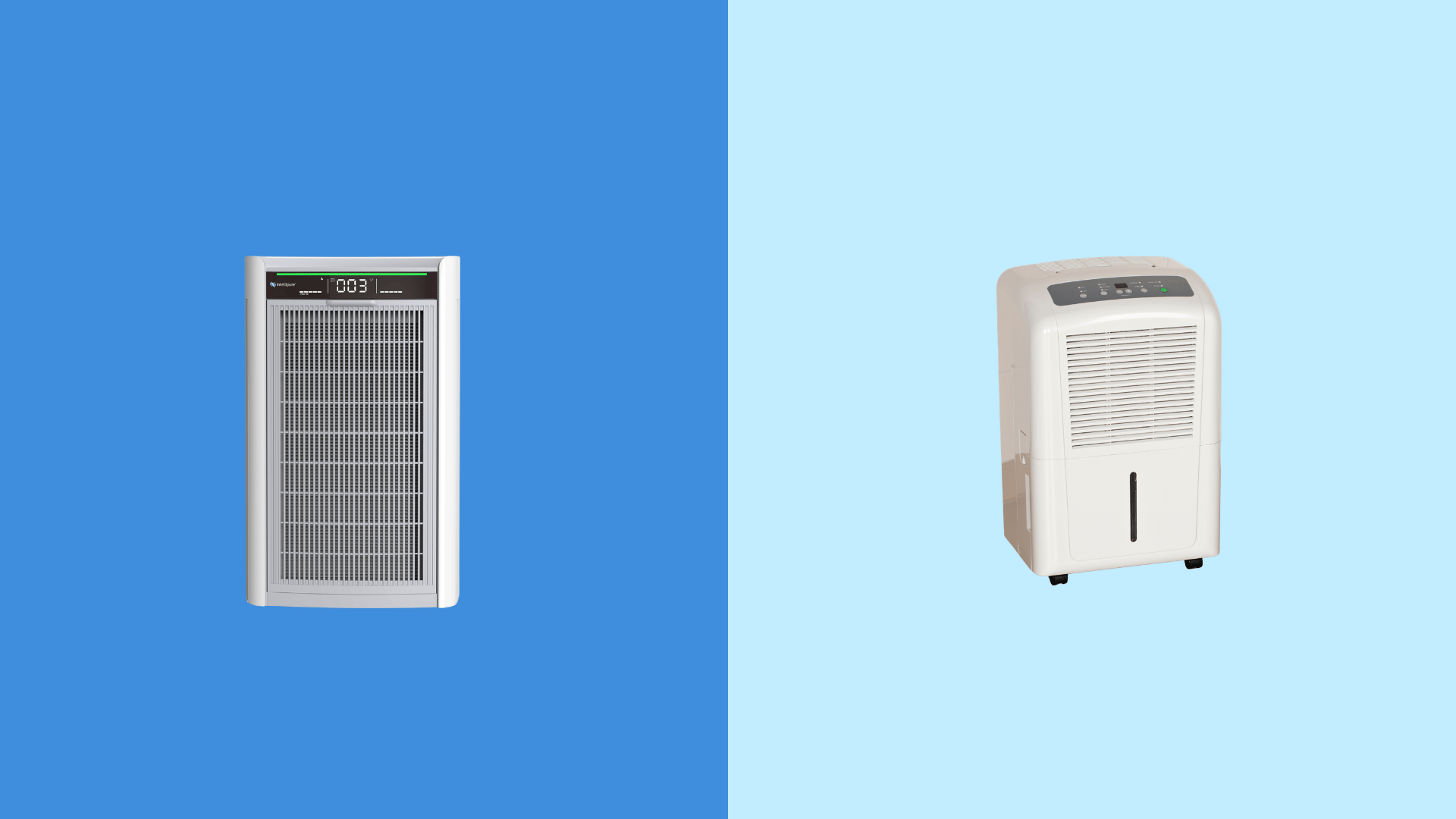
When it comes to maintaining good indoor air quality, there are several options depending on your needs. For overall clean air an air purifier is the go-to solution. If the humidity level needs adjustment, pick either a humidifier or a dehumidifier. But can an air purifier affect humidity levels too?
Air Purifiers and Air Quality
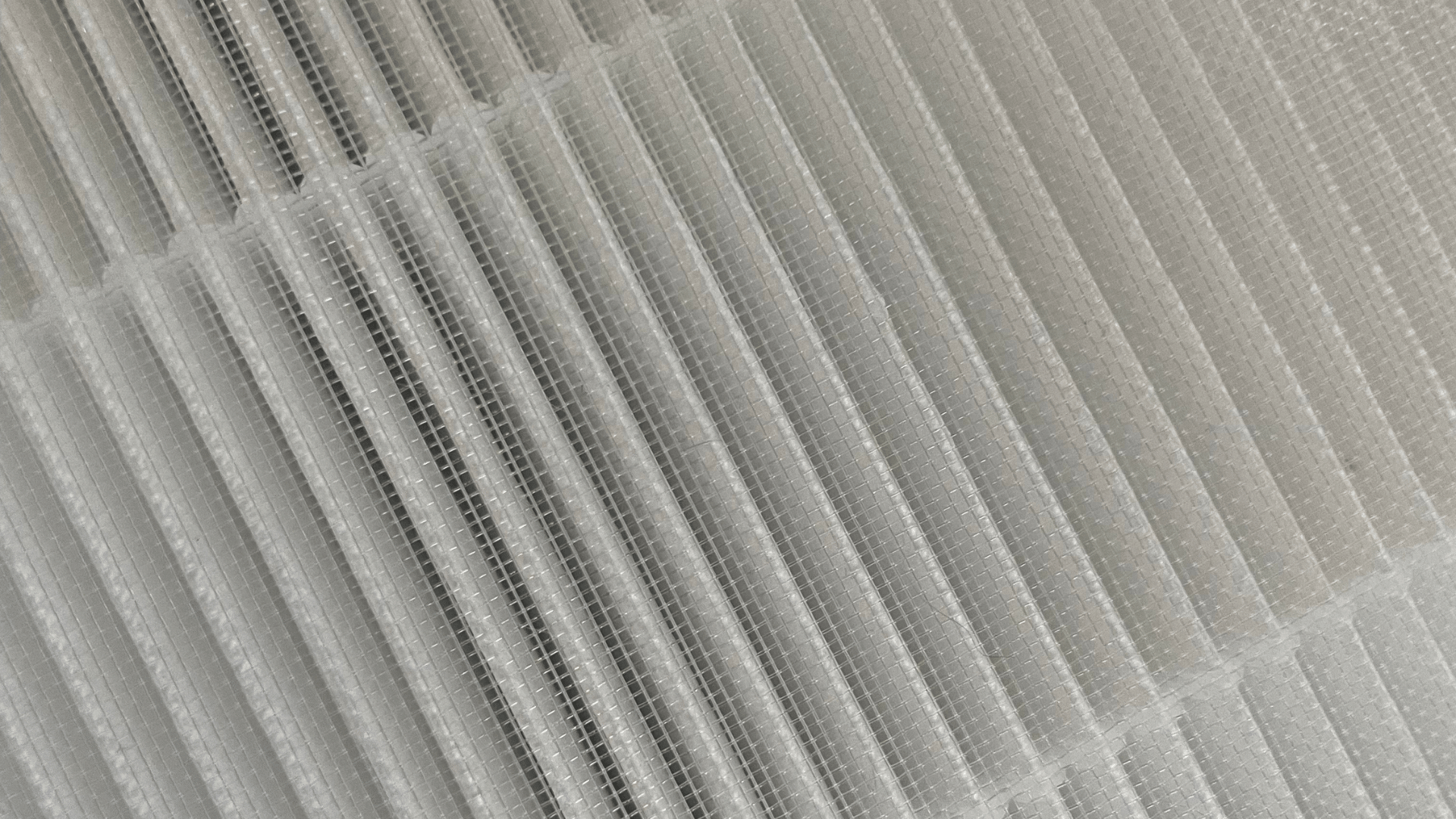
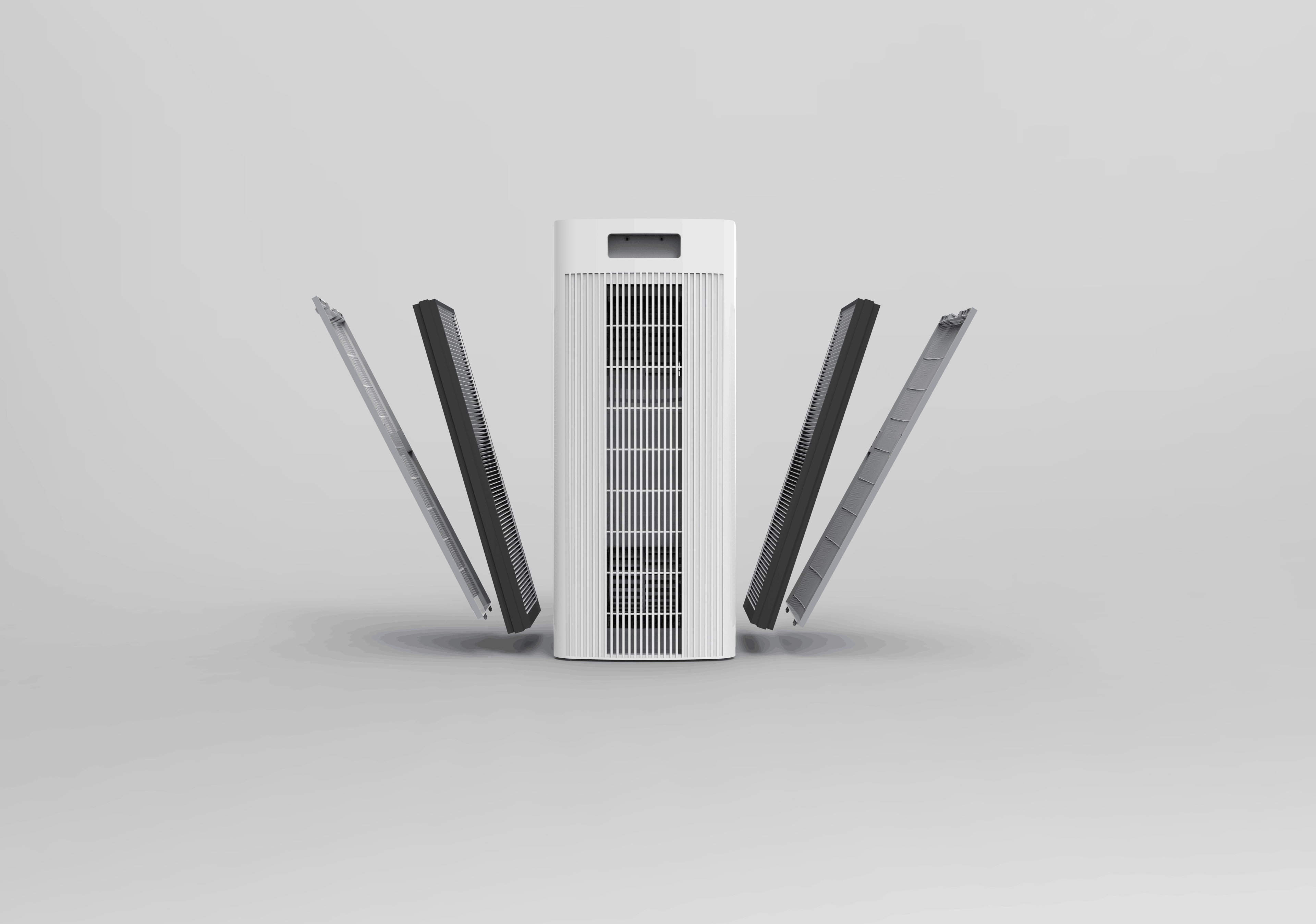
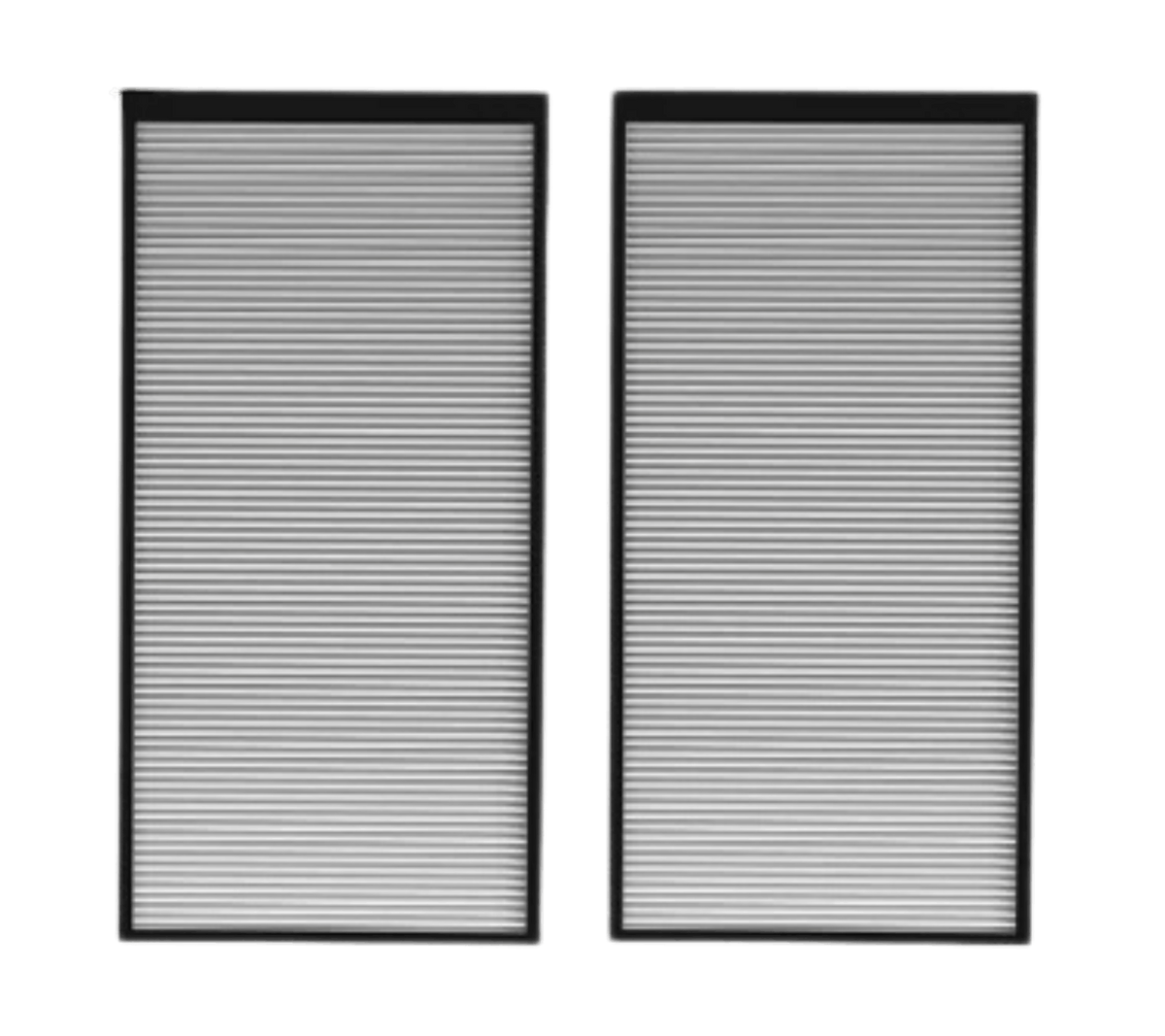
Air pollution has been linked to several respiratory conditions such as asthma, chronic obstructive pulmonary disease (COPD), lung cancer, and respiratory infections. When it comes to capturing harmful airborne chemicals and particulate pollution an air purifier is the answer. Air purifiers equipped with mechanical HEPA filters are excellent for removing harmful things like:
- Airborne particles - dust, microplastics, soot, textile fibers
- Microorganisms - bacteria, viruses
- Allergens - pollen, pet dander, dust mites, mold spores
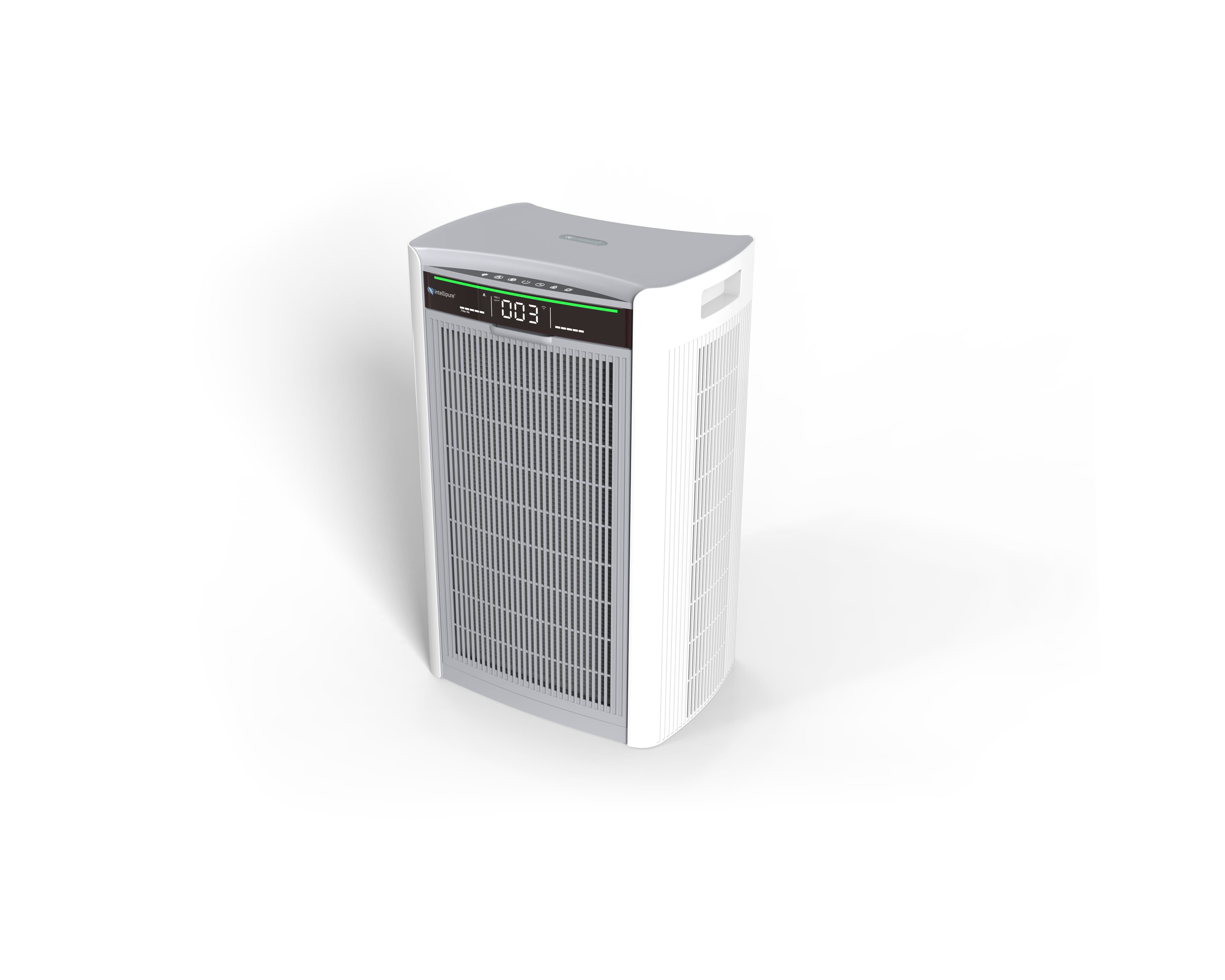
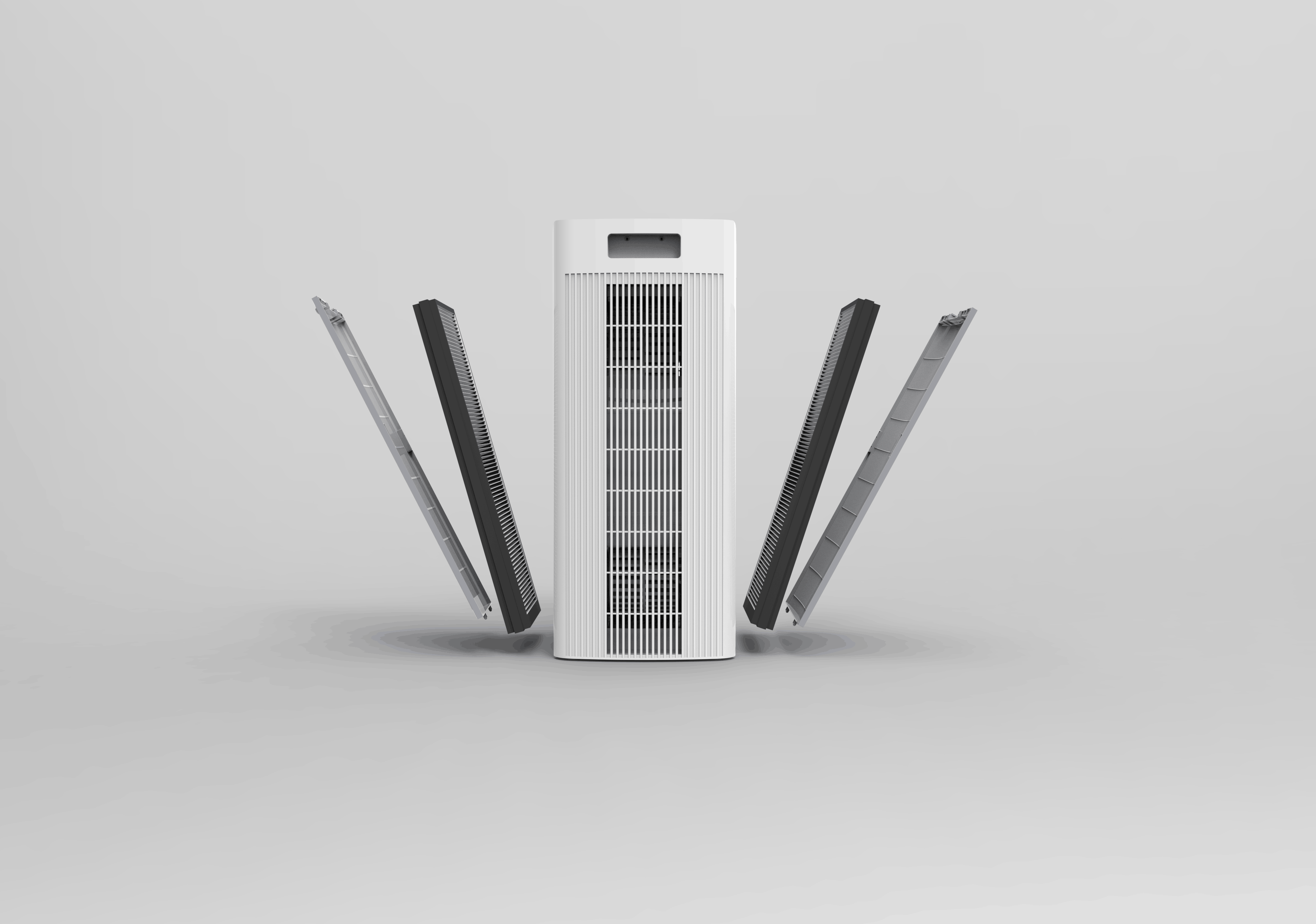
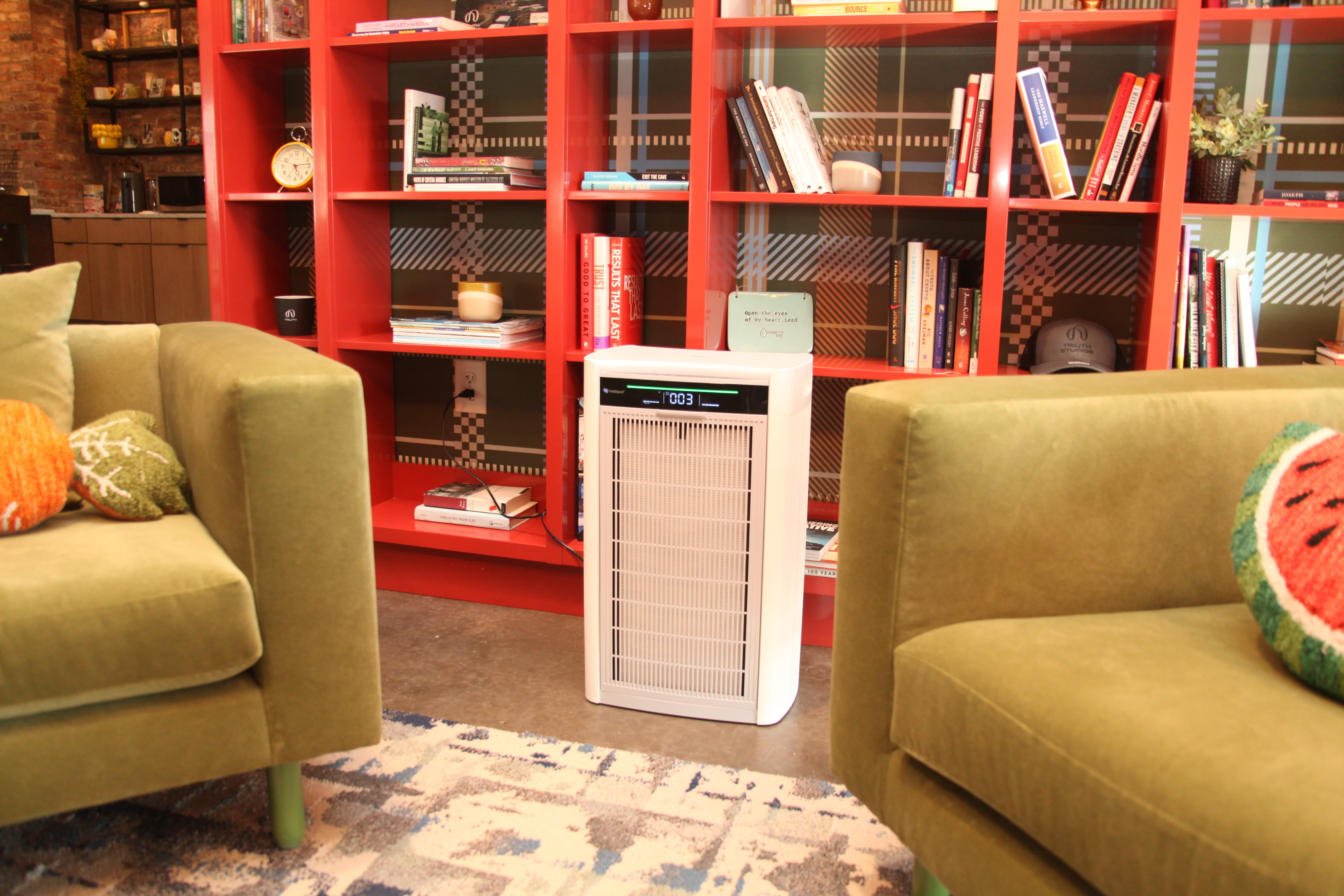
For things like odors, harmful chemicals or volatile organic compounds (VOCs) you need an air purifier with activated carbon filters. Some portable air purifiers are a hybrid design with both kinds of filters which allows them to handle complex pollutants like wildfire smoke which contain fine soot particles and harmful gases. Proper air purifier placement is important for clean air circulation. An air purifier should be placed in the middle of the room, ideally three to five feet off the ground for best indoor air quality.
Air Purifiers and Dry Air
Having plenty of air circulation in a room helps make things feel cooler without changing the humidity level. Moving air helps evaporate moisture (sweat) from the skin, creating a cooling effect. It takes a fairly large amount of energy to change liquid water to gas. That energy is sourced from heat in the skin, lowering its temperature. When air exits an air purifier (especially with fan speed on high) it has only passed through the internal filters, but evaporation may cause a perception of dry air on the skin. The air purifier itself has not dried the air.
Air Purifiers and Humidity Levels
The action of purifying air does not directly affect moisture levels unless the air purifier specifically has dehumidifying features. The amount of moisture a HEPA filter or even activated carbon filters can absorb makes very little difference in a room. A paper air filter may absorb some water, but a carbon filter does not. Activated charcoal adsorbs things like odors and volatile organic compounds (VOCs) by having it stick to the surface, not soak into it.
An air purifier won’t affect moisture levels that allow mold and mildew to flourish, but it can help remove mold spores that allow it to spread along with other forms of particulate pollution.
To reduce indoor air humidity levels it takes a different type of machine. For a dehumidifier to work air must pass through cold evaporator coils which cause moisture to condense. Air that exits the unit is now drier than what went in. A dehumidifier needs a way to collect and dispose of water removed from the air so that it does not just evaporate back into the room.
Air Purifiers vs. Humidifiers
Unless an air purifier is specifically designed with humidifier features such as a water supply or some way to introduce water vapor into the air, it will have no effect on air moisture levels. There are four common types of humidifiers: steam, evaporative, ultrasonic, and impeller. If you have an illness causing nasal congestion a steam humidifier may help, but it won’t help as much if the root source is allergens such as mold spores or pollen. Evaporative humidifiers use a wick or filter-like component to evaporate water into the air, but it is not meant to filter air the same way as HEPA filters or activated carbon filters. Steam humidifier works the same as boiling a pot of water on the stove with no mechanism to filter air. An impeller humidifier simply slings water at high speed inside a chamber to create a fine mist but not filter the air.
Maintaining Indoor Humidity
Having the most comfortable indoor air quality takes high-quality air purification and a balance of humidity levels. Many people don’t realize how humidifiers and dehumidifiers can help them take control of their own indoor moisture levels. During the summer using a dehumidifier for humidity control can allow the thermostat to be set a little warmer, potentially saving energy. During the winter using a humidifier to bolster moisture levels can help things feel a little warmer plus ease dry skin and nasal passages. There can be too much of a good thing though, as high moisture levels can promote mold growth, so it is important to keep an eye on humidity levels using a hygrometer.







How Long Should You Run an Air Purifier Daily?
Can I Leave My Air Purifier On 24/7?