

Summary
Mold thrives indoors during winter because we seal up homes, trap moisture from cooking/bathing/breathing, and create condensation when warm air hits cold surfaces. About 47% of U.S. homes have visible mold. While "black mold" isn't necessarily more dangerous than other molds, exposure can trigger allergies, worsen asthma, and cause respiratory issues, especially in susceptible people. Prevention comes down to controlling humidity (keep it 30-50%), fixing leaks fast, improving ventilation, and wiping down condensation. Small mold patches you can clean yourself; larger areas need professionals.
In This Article
When you think about air quality hurting your ability to breathe, you might picture a springtime jog on a street coated in pollen, a sticky summer afternoon on a freshly cut lawn, or a smoky evening spent around the fire pit in the fall. Winter, when we retreat into our safe and cozy havens, is probably the last season you'd associate with poor air quality.
The reality is that indoor air can be two-to-five times more polluted than outdoor air, and we spend most of our time indoors during the winter. Plus, we seal up our homes extra tight to conserve heat, which traps dust, allergens, particulate matter, and volatile organic compounds (VOCs) inside with nowhere to escape.
That's just the tip of the iceberg. Moisture from cooking, bathing, and window condensation accumulate in our homes during the winter. When you host guests for the holidays and keep gatherings confined to the indoors, all that breathing only adds more moisture. [1] And guess what grows when moisture builds in your home? Mold.
There are over 100,000 known species of mold. Most exist in the natural environment in regions outside the United States, so you won't ever find them inside your house. In nature, mold breaks down organic matter like fallen trees, leaves, and dead animals. Many of these molds are harmless, and some are even used in medicine. But the mold species commonly found in homes can hurt your health.
Unfortunately, 47% of residential buildings in the U.S. have visible mold or mold odor—so it's worth learning what signs to lookout for and how to minimize the risk of developing a mold problem in your home. [2]
Types of Mold You Might See Inside
Mold is a microorganism and type of fungus that thrives in wet places. In nature, it forms on wet materials and in decaying organic matter. Inside, it can spread on virtually any damp surface.
Common indoor molds include:
- Alternaria.
- Aspergillus.
- Cladosporium.
- Penicillium. [3]
- Stachybotrys.
The mold you've probably heard the most about is "black mold." There are lots of different types of black mold, but when most people refer to it, they mean Stachybotrys chartarum, a certain fungus that looks dark green or black. It grows and spreads on materials that have a lot of cellulose, like paper, wood, and drywall.
Black mold tends to appear in damp or water-damaged areas of your home. It produces spores, which can get released into your air and create microbial volatile organic compounds (mVOCs). If you ever get a whiff of a moldy odor or musty smell, that means mVOCs are in the air you're breathing. [4]
The Black Mold Myth
In the 1990s, Stachybotrys chartarum attracted media attention when research suggested a correlation between black mold and lung hemorrhage in infants. But according to Dr. Nicholas Nassikas, an assistant professor of medicine at Harvard Medical School, that research may have been misleading. "The link is controversial—it's not clear that S. chartarum was the cause," he says. Even though black mold symptoms have made headlines over the years, black mold itself hasn't been proven to be more dangerous than other types of mold. [5] Fortunately, for most people, black mold won't kill you or even make you very sick. [4]
Indoor Mold: What Are the Dangers?
So, black mold isn't necessarily more dangerous than other common household molds. But what harm can mold cause in general? The answer isn't so simple.
Exposure to damp environments with moldy air can cause a variety of health effects—or none at all.
In 2004, the Institute of Medicine (IOM) found enough evidence to connect indoor exposure to mold with upper respiratory tract symptoms, wheezing, and coughing in otherwise healthy people; with asthma symptoms in people with asthma; and with hypersensitivity pneumonitis in people susceptible to that immune-mediated condition.
Other more recent studies have found a potential association between early mold exposure and development of asthma in some children, particularly among children who are already genetically susceptible to asthma development. Some of that research suggests that interventions that improve housing conditions can reduce rates of asthma and respiratory allergies. [6]
In short, your reaction to mold exposure is highly individualized and depends on whether you're allergic to mold or if you have asthma or other respiratory conditions.
Mold Allergies & Allergic Asthma
A mold allergy can cause an allergic reaction right on the spot. But in some cases, symptoms might not show up until later. If you notice your allergy symptoms get worse when you're in a damp, humid, or moldy room like a basement, this might mean you have a mold allergy.
Outdoor molds mostly cause allergy symptoms in the summer and fall, unless you live in a warmer, humid climate where mold thrives year-round outside. Meanwhile, indoor molds can cause allergy symptoms every single month of the year. [7]
If you're allergic to mold spores, you may feel any combination of these symptoms during or after an exposure:
- Headache
- Sore throat
- Nasal and sinus congestion
- Eye irritation
- Blurred vision
- Chronic cough
- Skin rash
For some people, contact with certain molds might trigger more serious reactions, including:
- Asthma: Mold exposure can increase the risk of developing asthma or worsen its symptoms, especially for young children.
- Cognitive issues: Extended exposure to mold is associated with short-term memory loss, lightheadedness, dizziness, ringing in the ears, blurred vision, and brain fog (or a loss of cognitive function).
- Mental health struggles: Studies have linked prolonged mold exposure to higher levels of depression, anxiety, and stress in both children and adults.
- Immune system effects: Long-term exposure to inhaled mycotoxins can cause immune system changes and inflammation.
- Cancer: Aflatoxin, a toxic chemical produced by certain molds, has been listed by the National Toxicology Program (NTP) as a human carcinogen. [3]
What Causes Mold & Where to Watch Out for It
Where there's mold, there's almost always a moisture or humidity problem. Mold grows when spores land on surfaces that are wet, including wood, drywall, laminate, clothing, shoes, carpets, and upholstery.
Some sources of moisture that mold loves most:
- Water leaks from pipes, roofs, and windows
- Condensation on cold surfaces like windows and walls (especially common in the winter)
- Flooding from heavy rain or storms
- High indoor humidity, especially in rooms with poor ventilation
- Malfunctioning HVAC systems
- Inadequate insulation in walls or ceilings
- Outdoor drainage issues
For a proactive approach to mold prevention in your home, do your best to control moisture levels, keep humidity low, and address any leaks or water issues right away. If you put off dealing with moisture problems, mold spores can settle and start to grow on surfaces, leading to mold infestations—even if temperatures outside are freezing. [2]
Why Mold Still Thrives in Winter
Managing air moisture in your home is a balancing act. Too little humidity leads to dry skin, itchy eyes, and irritated airways. Too much humidity creates the perfect environment for mold, dust mites, and other biological pollutants. It's easy to assume that when temperatures drop outside, the risk of mold growth in your house drops too. But winter is actually one of the riskiest seasons for mold indoors. [1]
Cold weather doesn't kill mold. It can go dormant outdoors, then reactivate and start growing again when conditions improve. Inside our cozy, heated homes, however, mold doesn't even need to wait. With houses sealed tight to keep heat in, humidity rises and air circulation drops. Warm indoor air meets cold surfaces to create condensation on windows and walls. Cooking, showering, and even breathing add to the humidity. (And holiday hosting during the winter season makes all of these activities more frequent.)
The key is to understand how winter conditions encourage mold and monitor and manage humidity levels in rooms and areas that are the most problematic:
- Windows and window sills
- Bathrooms
- Kitchens
- Basements
- Crawl spaces
- Attics
- Anywhere else there is moisture, including pipe or roof leaks. [8]
It would be nice if the threat of mold completely disappeared during the colder months, but at least there are simple steps you can take to protect your home's air quality and keep your living spaces healthy regardless of the weather outside. Regular inspections, good airflow, and quick responses to moisture issues can make all the difference.
Mold Prevention Strategies
To help manage mold allergies and asthma, it's crucial to reduce exposure to mold. Doing so may even keep children in your home from developing asthma or allergic rhinitis since common household molds are linked to childhood asthma. [7]
None of the mold prevention tips below take a lot of time or energy (physical or mental), but they can save you from the financial and logistical burden of having to deal with an unexpected mold outbreak in your home.
Aim to adopt as many of these mold-fighting habits as you can:
- Keep a close watch on humidity levels in your home. If you see condensation on your windows, humidity might be too high. Use a hygrometer to confirm. If the humidity level is above 60%, run a dehumidifier. Ideally, you want indoor humidity to stay between 30% and 50% to prevent the growth of mold and mildew, while keeping your air comfortable for everyone. [5]
- Act fast when you spot a water leak or spill. If wet or damp areas get dried within 24–48 hours, mold usually will not grow. [9]
- Boost the air flow in your home. Open doors between rooms, move furniture a couple inches away from the walls, and use fans if needed. [7]
- Run the bathroom fan during and for 30 minutes after you shower. If you don't have an exhaust fan, open the window instead. [1]
- Use your stove's exhaust hood while you cook. Cracking a window or door also works to draw moisture out of the kitchen.
- Make sure your clothes dryer is vented to the outdoors. [5]
- Don't use carpet in rooms that have a lot of moisture. Bathrooms, basements, kitchens … You get the idea. [6]
- Wipe down condensation on windows. Plus any other areas where water collects. [1]
- Fix roof leaks and damaged gutters. Keep your gutters free of leaves and debris because they can cause leaks when they're clogged up. [7]
- Make sure the ground slopes away from your home's foundation. You don't want water to collect around the foundation or seep into your crawl space. [9]
- Keep your plants mold-free. Only water your houseplants and potted herbs when the soil is dry. Use a fan to circulate air around the plant, and stay on top of trimming dead leaves. [7]
How to Treat Mold in Your Home
As hard as you may try to prevent mold in your home, some mold spores will always be found floating through the air and in house dust. The good news? Those spores won't grow if moisture isn't around.
But if you ever do find signs of mold growth in your home, take a deep breath (er, maybe not literally) and don't panic. Here's what to do:
- Dry water-damaged areas and items within 24–48 hours to prevent mold growth.
- Clean up the mold. [9]
- Bring in a professional to fix the underlying water problem. For example, if you find mold from a leaky pipe, you'll want to have a plumber come to fix it. (Don't skip this step! If you clean up the mold but don't address the water problem, then the mold will almost definitely come back.)
According to Harvard Health, if the moldy area is smaller than a three-foot-by-three-foot patch, you can get rid of the mold yourself by following these steps:
- Use soap and water, or a bleach solution with one cup of laundry bleach mixed with one gallon of water, to scrub mold off hard surfaces.
- Dry completely.
- Throw away absorbent materials like carpets or ceiling tiles, which cannot be adequately cleaned.
As you work, be sure to wear rubber boots, gloves, and goggles. Open all the windows and doors, and turn on nearby exhaust fans for extra ventilation. Crank up the speed setting on your indoor air purifier, too.
If the area affected by mold is larger than about 10 square feet, or if you've experienced a major flood in your home, it's best to seek help from a mold remediation professional. Look for a mold removal company that's certified by any of the following:
- American Council for Accredited Certification (ACAC).
- American Industrial Hygiene Association (AIHA).
- Institute of Inspection, Cleaning and Restoration Certification (IICRC).
- National Environmental Health Association (NEHA). [5]
Where Air Purification Fits In
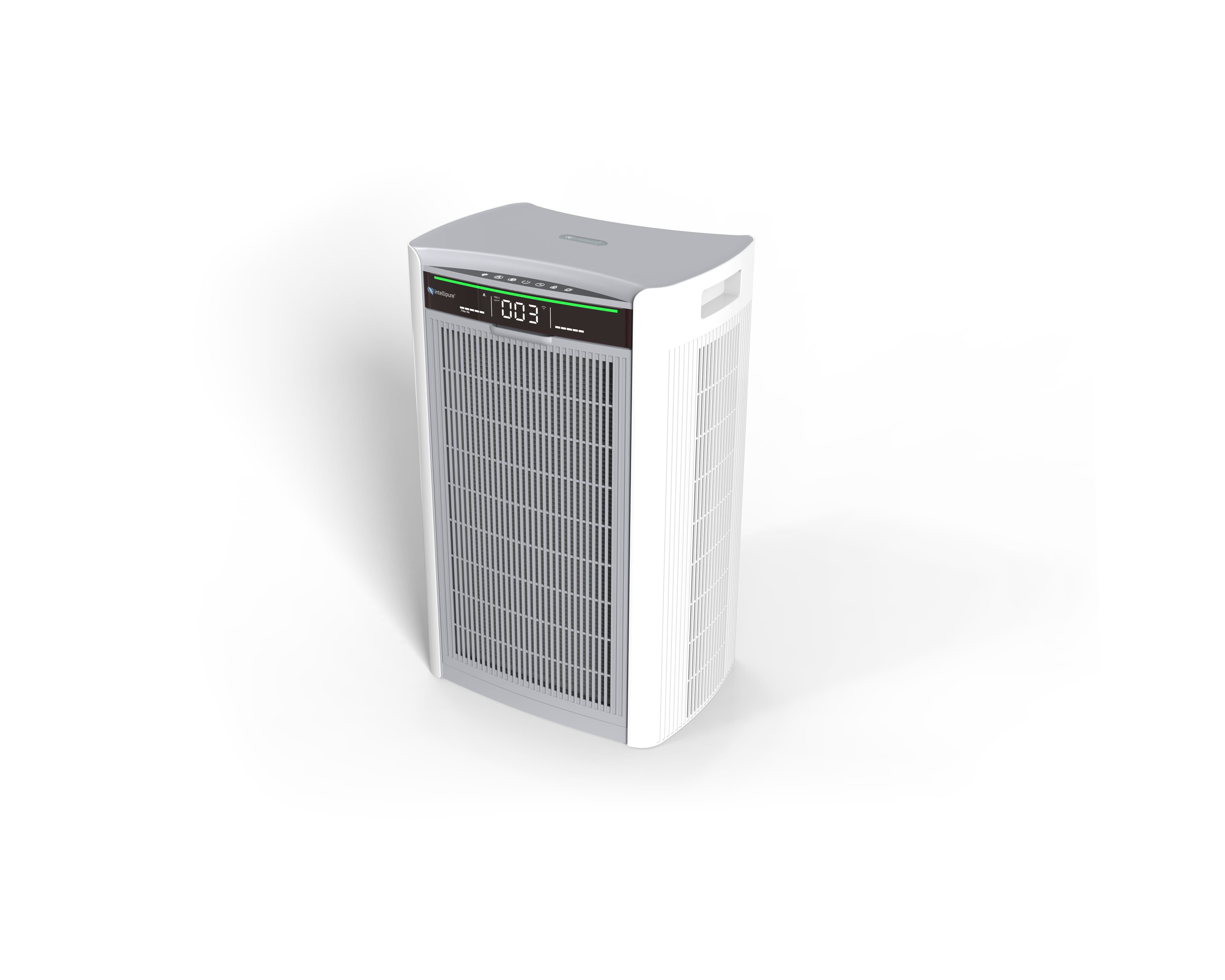
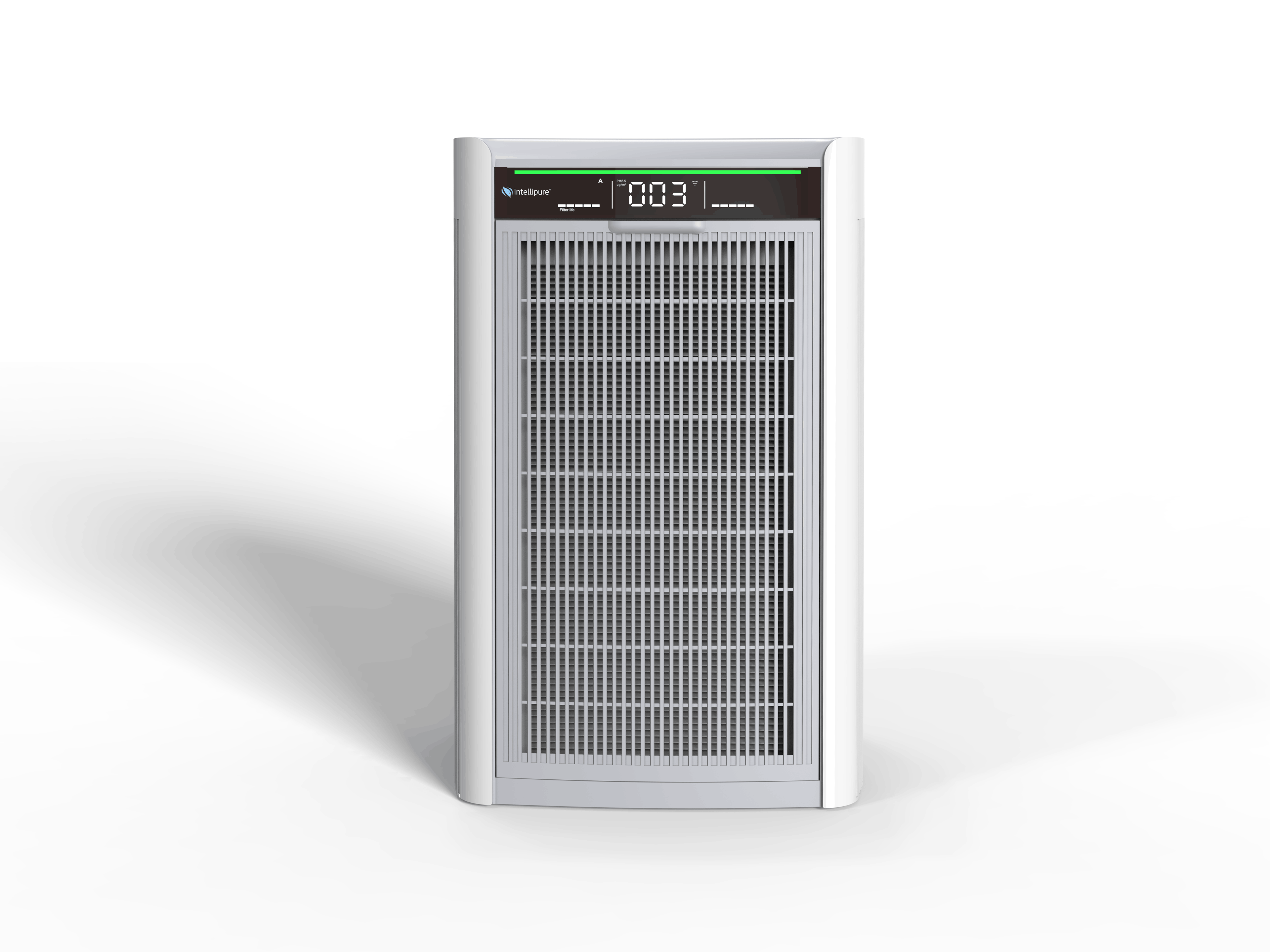
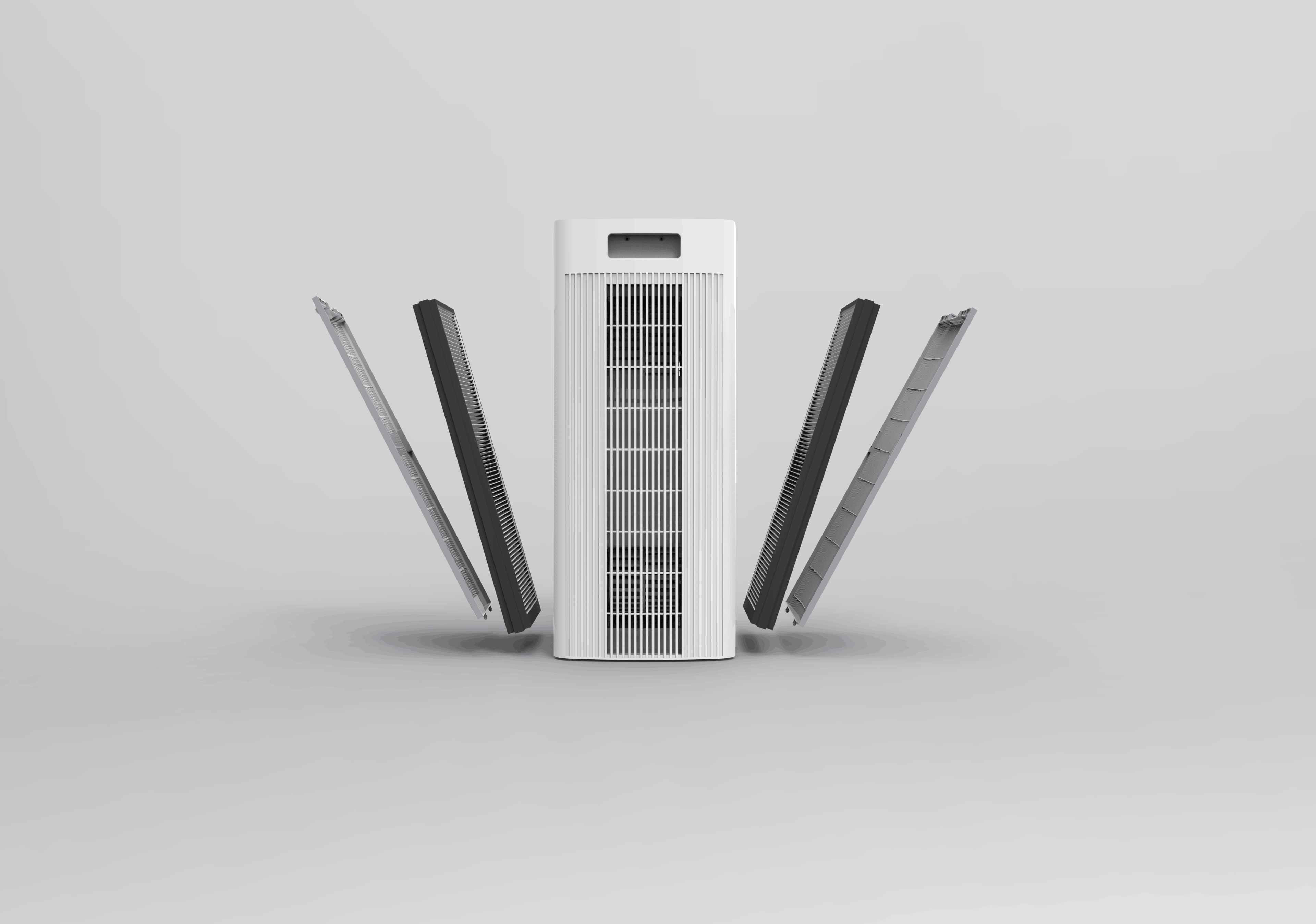
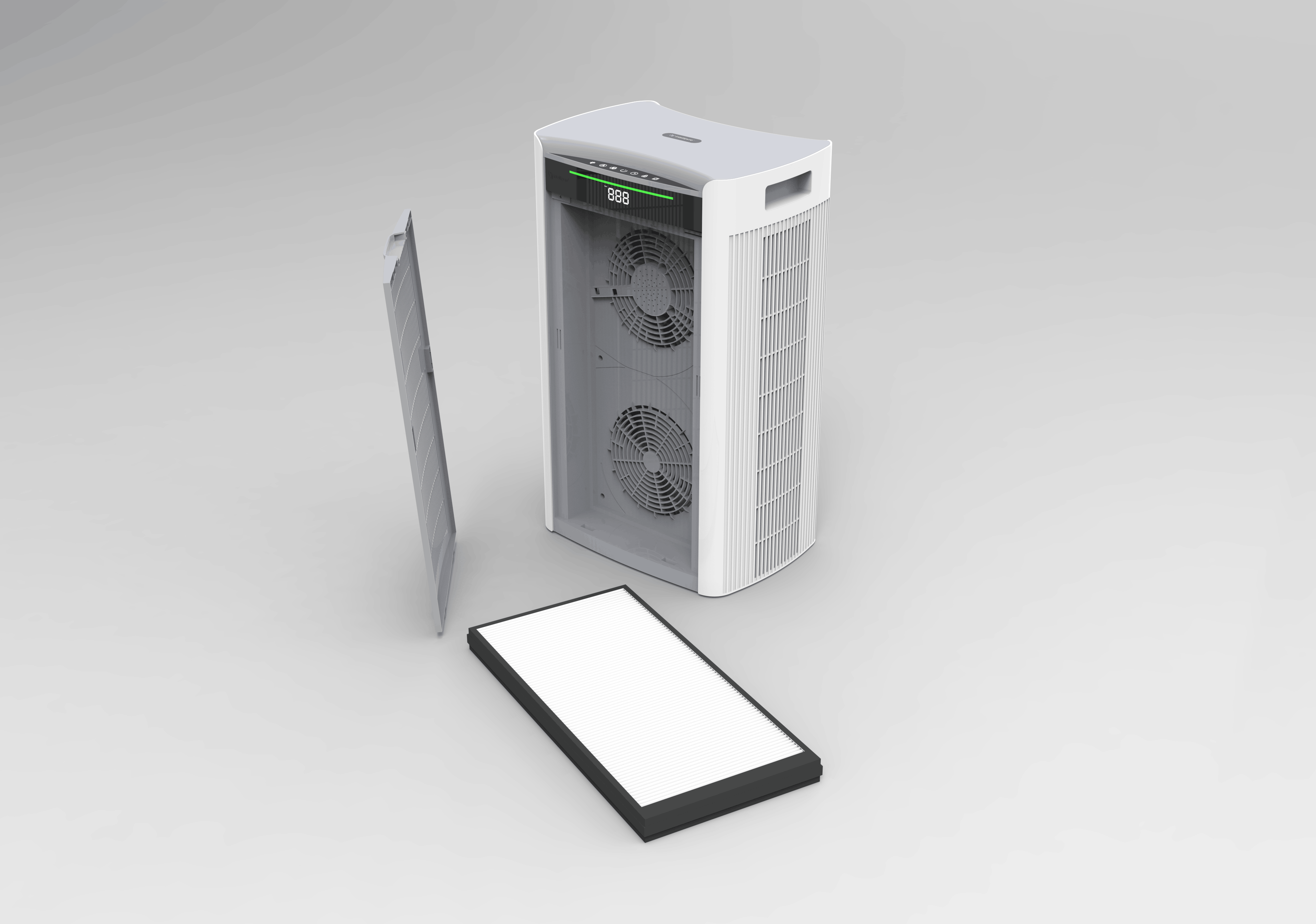
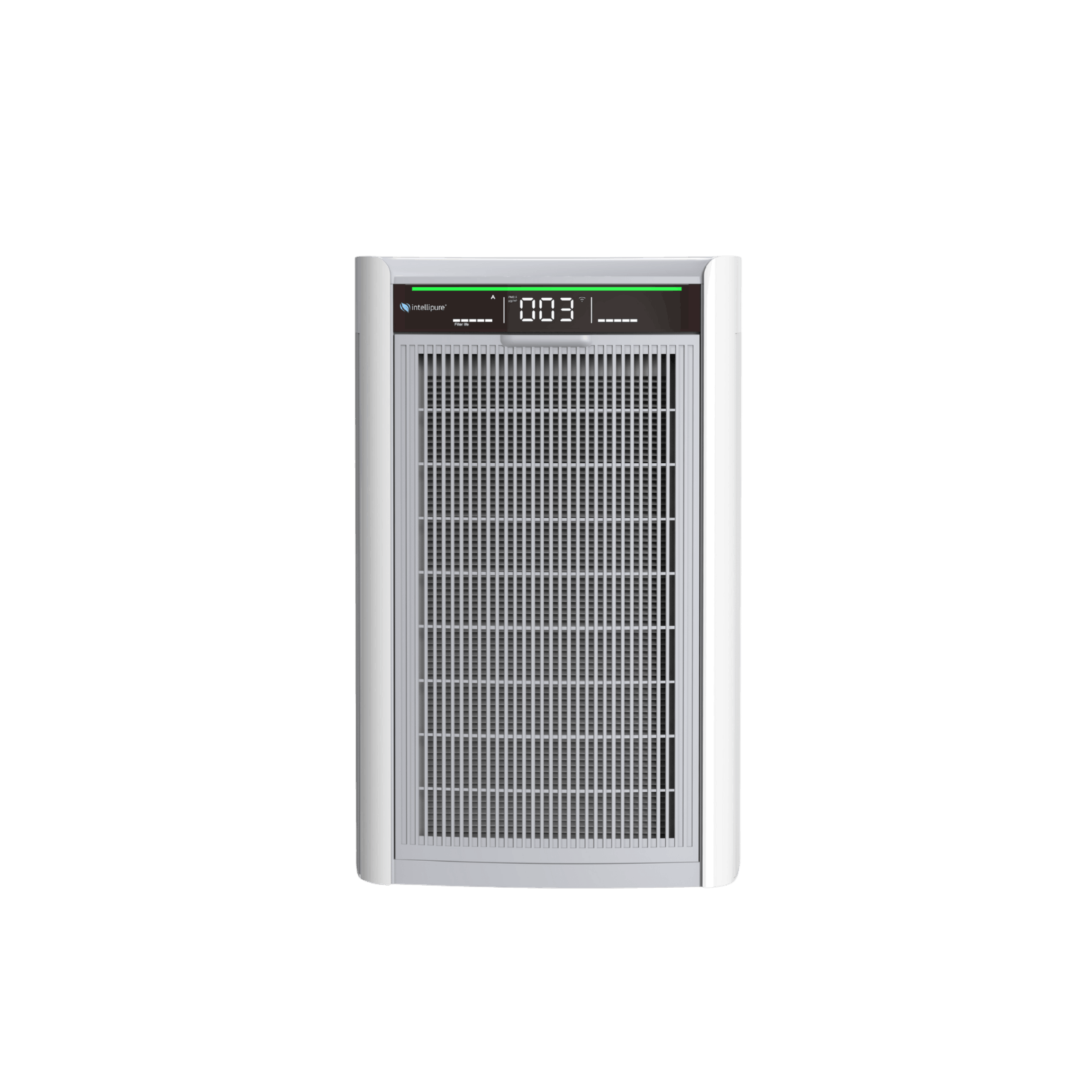
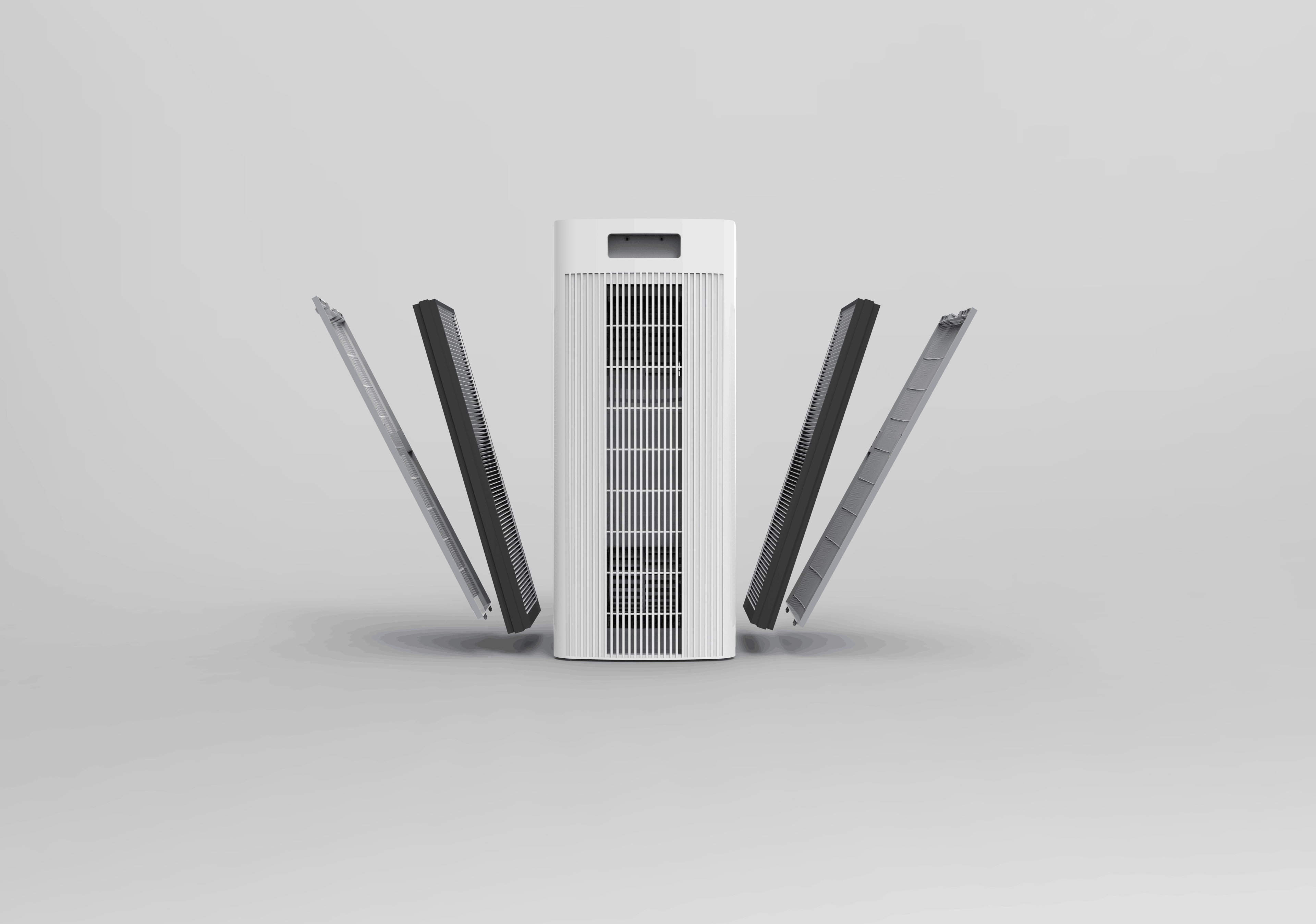
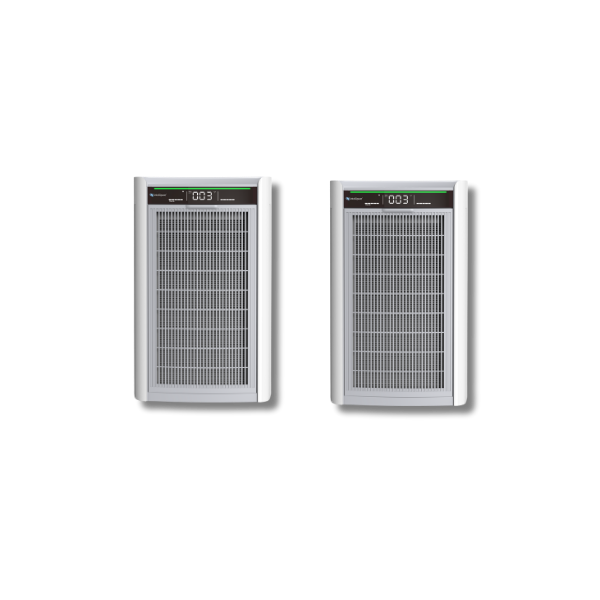
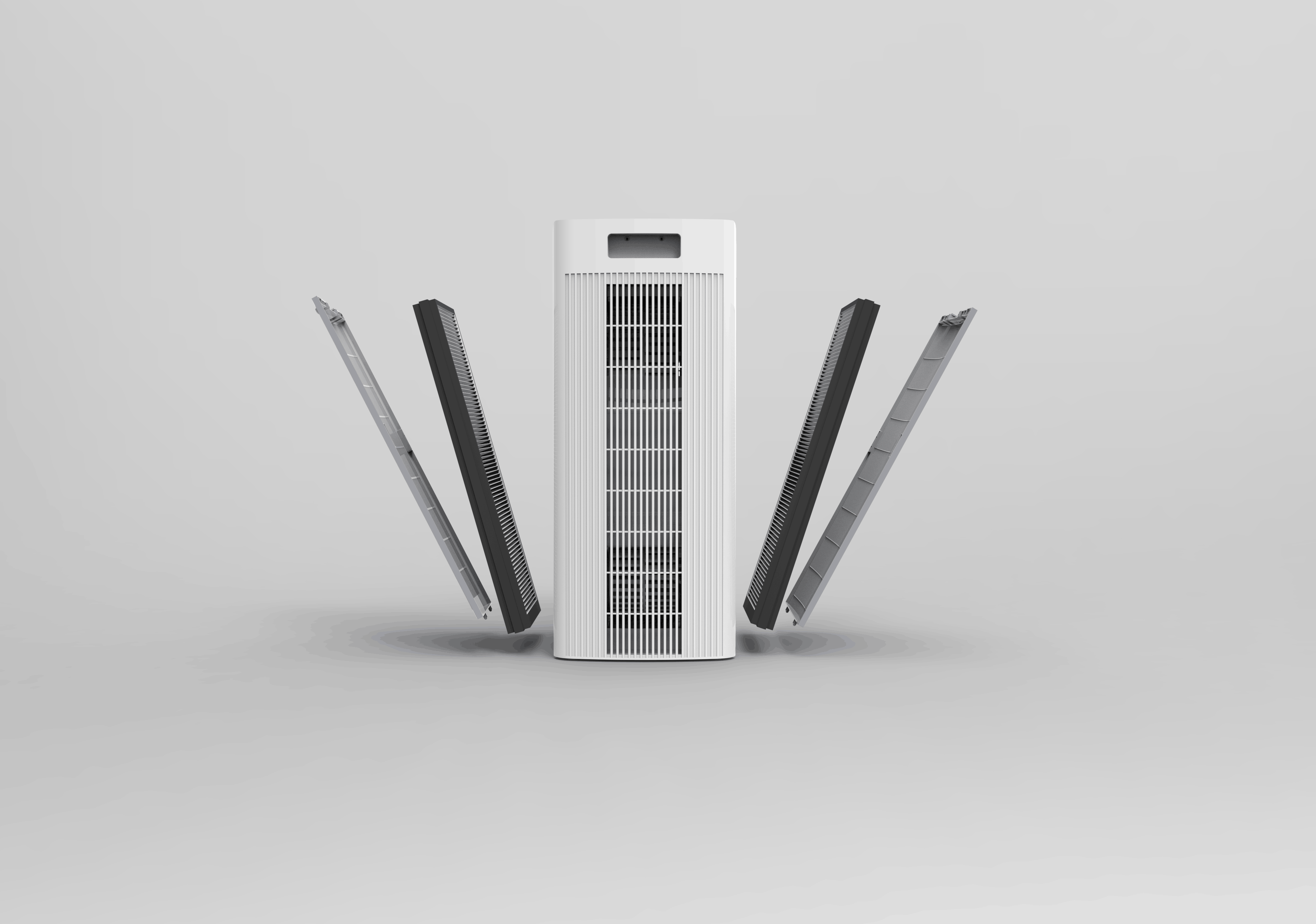
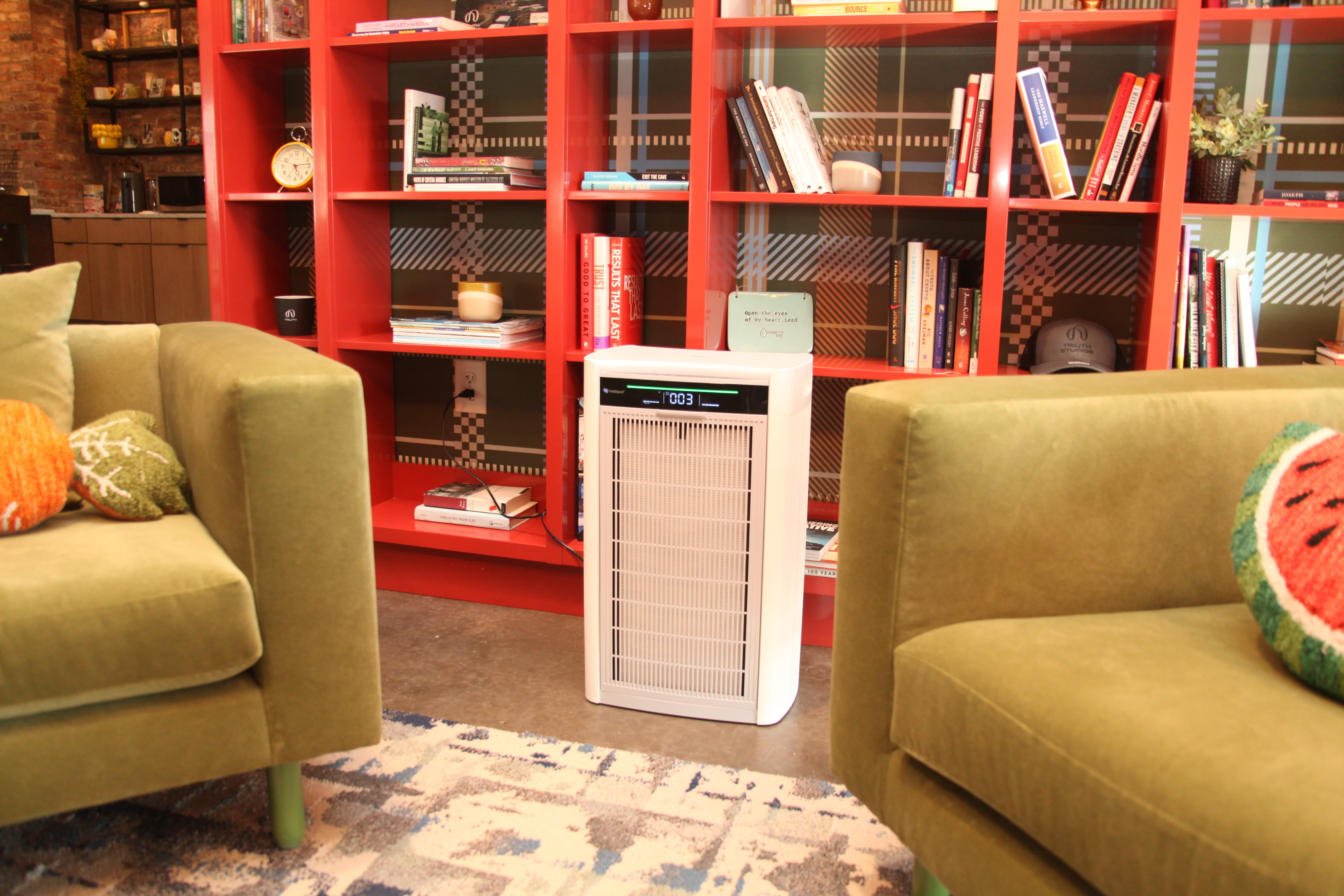
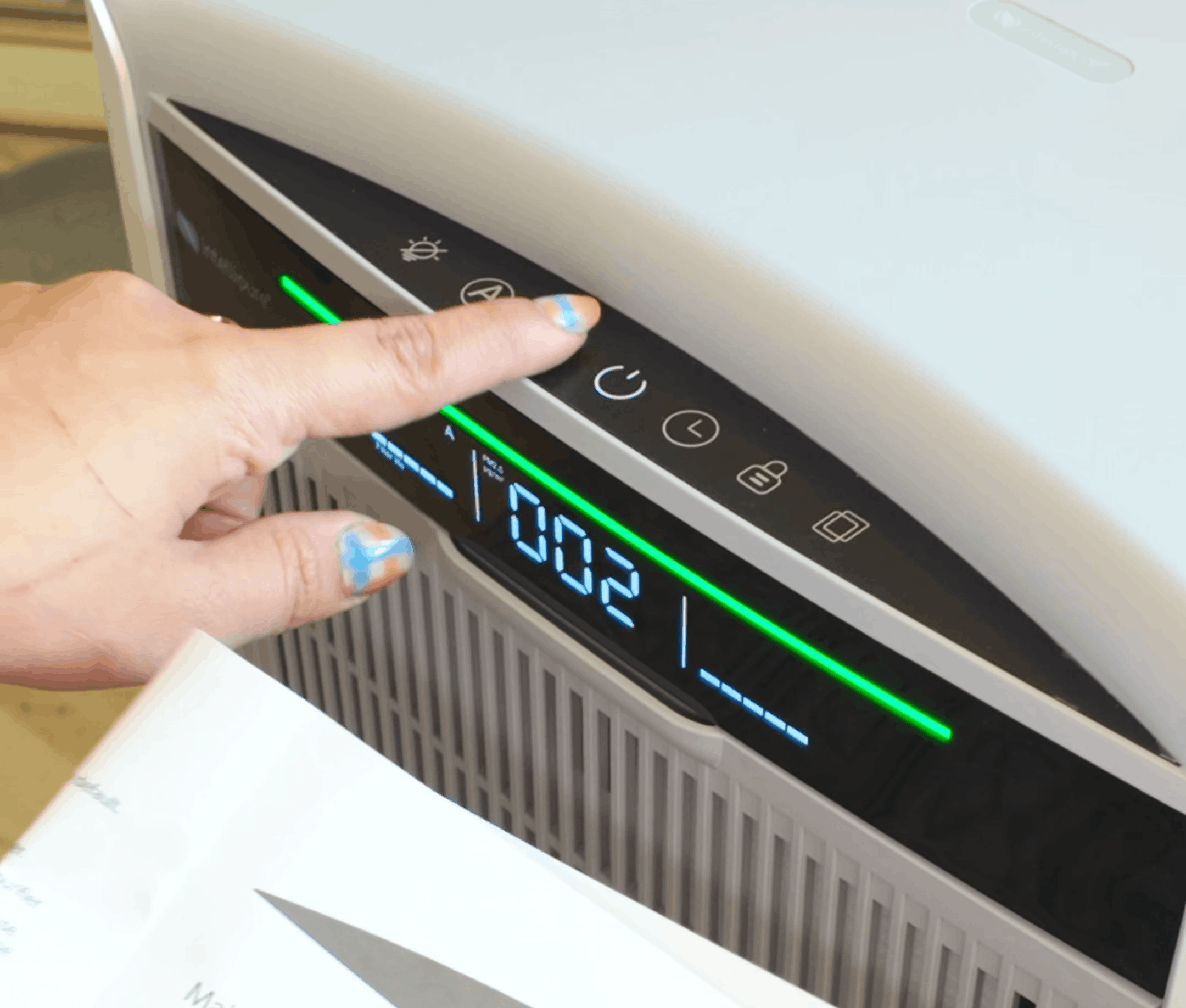
Even with the best prevention practices, mold spores, allergens, and other airborne pollutants will still find a way to circulate through indoor air. That's where an extra layer of protection can make a big difference. A high-quality air purifier doesn't replace moisture and humidity control or proper, professional mold cleanup, but it can help support a healthier indoor environment year-round by capturing mold spores, filtering particulate matter (PM), and reducing the overall pollutant levels in your home.
More research is emerging on the impact indoor air purification can have on the prevention and treatment of mold growth. One study conducted in Japan evaluated the performance of a HEPA air purifier fan in removing airborne fungi in people's homes. In each house, the number of airborne fungi decreased more quickly—between 1.5 and 6 times faster—when the air purifier fan was on than when it was off, showing its ability to decrease the fungal concentration. [10]
With the right mold prevention habits and a little help from a reliable, tech-forward air purifier, you can breathe in the benefits of a healthy home environment. Staying proactive about mold isn't just about eliminating unpleasant odors or protecting your walls and ceilings. It's about prioritizing your health and keeping your family members and house guests safe through all seasons.
Expert Memo
Owen Carl, MICRO Certified Mold Inspector
As someone who works with both homeowners and business owners, one of the most important lessons I see is that prevention routines are your strongest line of defense. Small, proactive steps can significantly reduce the risk of costly damage.
For example, installing a bathroom fan that automatically turns on with the light helps control moisture without relying on memory. Setting phone reminders to periodically check areas with active water lines, such as water heaters in garages, kitchens, bathrooms, and washing machines, can catch issues early.
Even a minor drip or slow leak creates the conditions for mold growth if left unaddressed. Regular checks and simple automation can prevent problems long before they require remediation.
References
- American Lung Association. Staying Safe from Indoor Air Pollution This Winter [Internet]. Available from: https://www.lung.org/blog/indoor-air-quality-winter.
- Schirn A. ANSI/IICRC S520-2024: Professional Mold Remediation [Internet]. The ANSI Blog; 2024. Available from: https://blog.ansi.org/ansi/ansi-iicrc-s520-2024-professional-mold-remediation/.
- National Institute of Environmental Health Sciences. Mold [Internet]. National Institute of Environmental Health Sciences. Available from: https://www.niehs.nih.gov/health/topics/agents/mold.
- Cleveland Clinic. Black Mold Exposure: Symptoms, Risks & Treatment [Internet]. Cleveland Clinic; 2023. Available from: https://my.clevelandclinic.org/health/diseases/24862-black-mold.
- Levine H. Mold in the home: Identifying and treating the issue to prevent health problems [Internet]. Harvard Health; 2025. Available from: https://www.health.harvard.edu/staying-healthy/mold-in-the-home-identifying-and-treating-the-issue-to-prevent-health-problems.
- Centers for Disease Control and Prevention. Mold [Internet]. Centers for Disease Control and Prevention. Available from: https://www.cdc.gov/mold-health/about/index.html.
- Asthma and Allergy Foundation of America. Mold Allergy [Internet]. Asthma & Allergy Foundation of America; 2022. Available from: https://aafa.org/allergies/types-of-allergies/mold-allergy/.
- Eagles Landing Medical Centre. Winter Mold Alert: Your Guide to Mold and Cold Weather Transition [Internet]. 2025. Available from: https://www.eagleslandingmc.com/post/winter-mold-alert-your-guide-to-mold-and-cold-weather-transition.
- U.S. Environmental Protection Agency. A Brief Guide to Mold, Moisture and Your Home [Internet]. US EPA; 2014. Available from: https://www.epa.gov/mold/brief-guide-mold-moisture-and-your-home.
- Hashimoto K, Kawakami Y. Effectiveness of Airborne Fungi Removal by using a HEPA Air Purifier Fan in Houses. Biocontrol science. 2018;23(4):215-221. doi:10.4265/bio.23.215.


Reduce Dust After the Holidays: IAQ-Friendly De-Decorating Tips
Lessons About Wildfire Smoke, One Year After the Los Angeles Fires