

Summary
The 2025 L.A. wildfires revealed that urban wildfire smoke is a "toxic soup." Researchers found benzene, hexavalent chromium (the "Erin Brockovich" carcinogen), and other dangerous chemicals that lingered indoors for weeks after fires ended, absorbed by furniture and drywall. Wildfire smoke kills ~40,000 Americans annually, projected to rise 70% by 2050. In the 90 days post-fire, L.A. hospitals saw a 47% spike in heart attacks and 24% increase in respiratory issues. Protection tips: monitor AQI via AirNow, keep windows closed during poor air quality, use HEPA air purifiers (properly sized, no ozone), and keep N95 masks handy.
In This Article
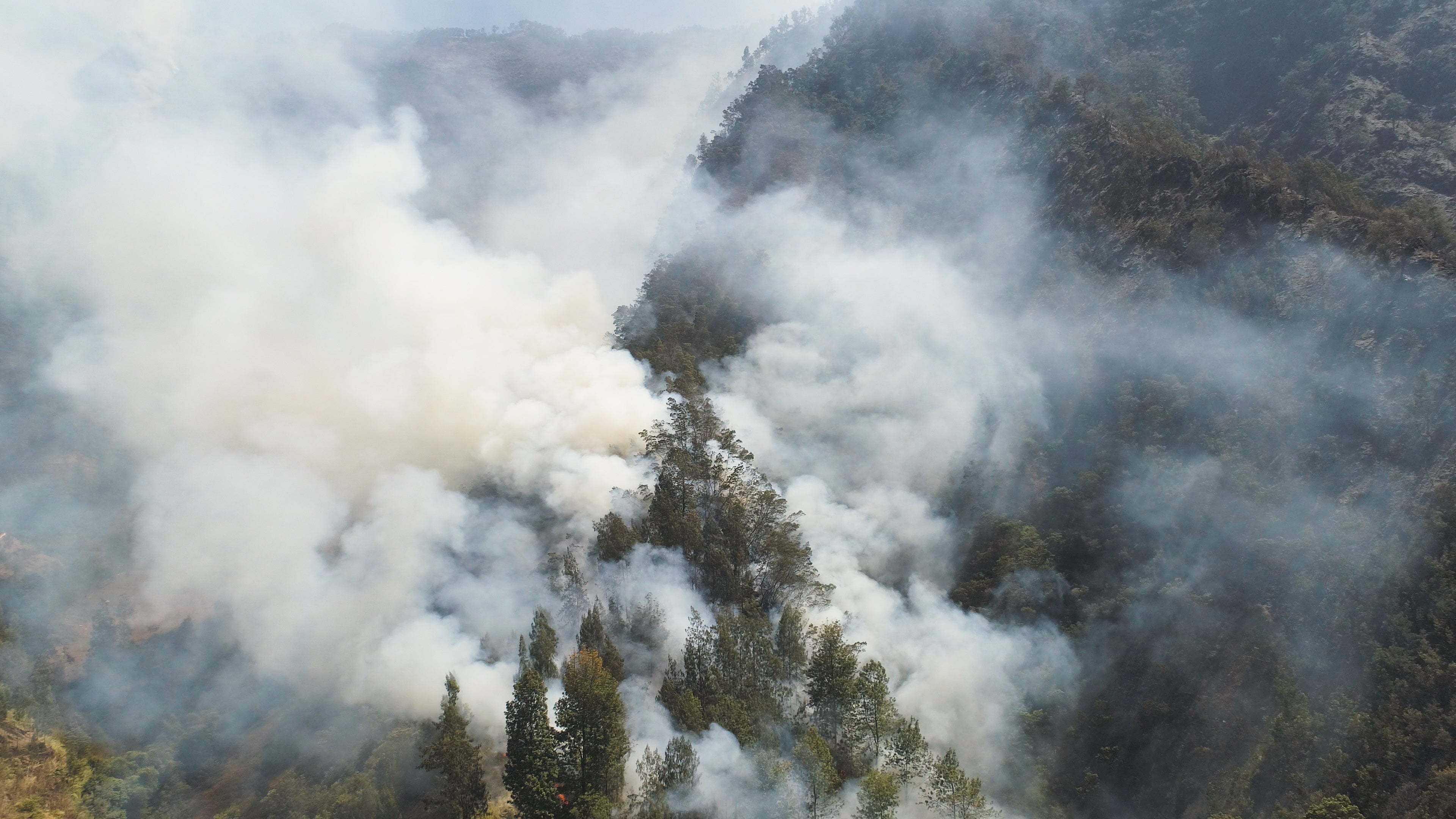
It's been a year since wildfires tore across Los Angeles, blanketing the region in toxic ash and smoke that made the air unbreathable for around 20 million people.
Wildfire smoke is always harmful: Exposure to it is linked to chronic pulmonary obstructive disease (COPD), asthma, cardiovascular issues, and even dementia. Urban wildfires, like the ones that blazed through Altadena and Pacific Palisades in January 2025, are especially dangerous because people's houses, cars, and all the other elements of city life burn along with the usual organic material from trees and plants. UCLA air pollution expert Yifang Zhu calls this mixture of contaminants a "toxic soup."
As the fires raged, scientists from Los Angeles and beyond sprang into action. UCLA physician and disaster researcher David Eisenman says the first priority was short-term safety. But the disaster also created an urgent research opportunity: gathering missing data on wildfire health effects that could aid people actively being impacted and protect future communities from inevitable fires to come.
Official air quality monitors miles from the fires in Altadena and Pacific Palisades detected high levels of lead and arsenic during the fires. Scientists suspected the presence of other toxic particles, gases, and chemicals that the Environmental Protection Agency (EPA) and state monitors didn't test.
Zhu's team of pollution researchers collected air samples inside and outside homes in the Palisades and Eaton fire regions and checked for over 20 different volatile organic compounds (VOCs), which are gases that can cause health problems. They discovered high levels of benzene, a carcinogen, at their outdoor sites as the fires were still burning. Those levels dropped when the fires stopped. But surprisingly, other dangerous gases actually increased as time went on—especially indoors.
Weeks after the fires were put out, toluene, carbon tetrachloride, and other dangerous gases became more concentrated inside people's homes. This is because drywall, furniture, and other soft materials can absorb the gases, and then continuously release them for weeks after the smoke has cleared out.
Unfortunately, scientists continued to discover lingering risks in L.A. A separate research team found hexavalent chromium in the air around cleanup sites well after the fires were gone. A cancer-causing pollutant, hexavalent chromium is sometimes referred to as the "Erin Brockovich" contaminant because that movie brought so much attention to it. Industrial processes, like welding, produce hexavalent chromium. But so can fires that burn through certain types of rock and soil.
In regions affected by the L.A. fires, hexavalent chromium was found in particles so tiny that they would be able to seep into people's lungs, bodies, and even directly to their brains. Joe Allen, an exposure scientist at Harvard University who researches building safety, says, "We've seen hexavalent chromium in soils after fires. I don't think anybody expected to see it in air. I don't think anybody expected to see it exclusively in the nanoparticle size range." [1][1]
Wildfire Rates Are on the Rise
An analysis published in Nature in September 2025—only nine months after the L.A. wildfires—found that wildfire smoke contributes to about 40,000 deaths each year in the United States. That same study projected annual deaths could increase more than 70% by 2050 due to rising temperatures. [2][2]
Wildfires are nothing new if you live in the Western U.S. Warmer, drier conditions, however, are making it possible for fires to blaze bigger, longer, and more often. Smoke from wildfires is spreading farther and sticking around longer, too.
Understandably, when watching the news or reading headlines about a wildfire, people tend to think about the damage and devastation caused by the fire itself.
The smoke? Not so much.
But actually, many wildfire-related deaths result from people inhaling a complex blend of chemicals in the smoke. According to the Nature study, air pollutants from wildfires can contribute to deaths up to three years after an initial exposure. When you consider that information alongside the fact that wildfires can expose swarms of people to toxic particles for weeks at a time—like what happened in Los Angeles—you begin to understand the extreme threat that wildfire smoke poses.
An article published by Stanford's Doerr School of Sustainability notes that drastically decreasing greenhouse gas emissions could prevent tens of thousands of deaths from climate-related smoke waves. "Actions by public health officials and communities can mitigate this growing threat," it says. "For example, investing in better indoor air filtration can help reduce exposure for vulnerable individuals or communities." [3][3]
Health Effects of Breathing in Wildfire Smoke
Smoke causes more than just coughing. In the 90 days following the L.A. wildfires, researchers and cardiologists collected data at Cedars-Sinai, which has one of the busiest emergency rooms in close proximity to the Palisades fire. They saw a 24% increase in respiratory issues and a 47% jump in heart attacks. Abnormal blood tests also spiked by more than 100% over previous levels, indicating that people were experiencing body-wide stresses that could be precursors to various health issues later on. [1][1]
After exposure to wildfire smoke, you may notice a combination of these symptoms:
- Chest pains
- Fast heartbeat
- Asthma attacks
- Shortness of breath or wheezing
- Breathing discomfort
- Coughing
- Scratchy throat
- Runny nose
- Sinus irritation
- Stinging eyes
- Headaches
- Tiredness
Because their respiratory systems are still developing, children are especially vulnerable to environmental pollutants. So are people with preexisting respiratory conditions like asthma, COPD, and bronchitis. [4][4]
Monitor Your Local Air Quality
Awareness is key if you want to keep wildfire smoke out of the house and protect yourself and your family.
When you check the weather forecast in the morning, try to also take a look at the air quality in your area. The U.S. Air Quality Index (AQI) measures air pollution according to the Clean Air Act of the EPA. Staying informed of air quality indexes and advisories can play a huge role in reducing your exposure to dangerous pollutants. [4][4]
The AQI has six color-coded categories to help you know your community's current air quality:
- Green – Good: Air pollution poses little to no risk, and the air quality is satisfactory.
- Yellow – Moderate: Air quality is acceptable, but there may be a risk for people sensitive to air pollution.
- Orange – Unhealthy for Sensitive Groups: People sensitive to air pollution may experience health effects, but the general public is less likely to be affected.
- Red – Unhealthy: Members of the general public may experience health effects, and people in sensitive groups may experience more serious health effects.
- Purple – Very Unhealthy: The risk of health effects is increased for everyone.
- Maroon – Hazardous: Everyone is likely to be affected by the emergency conditions. [5][5]
AirNow is a great resource for real-time updates and guidance on whether your area is affected by smoke and fire. Conditions can change fast, so be sure to carry an N95 respirator mask with you whenever you leave the house—just in case. [4][4]
How Does Smoke Get Inside Your Home?
If smoke is making outdoor air unhealthy to breathe during a wildfire, local officials might recommend that you shut your doors and stay inside. It's important to know that some of the smoke from the outdoors can still get into your home, causing you to breathe in unhealthy VOCs, pollutants, and irritants in your indoor air, too.
Fine particles from wildfire smoke can enter your home in a few ways:
- Natural ventilation: Through open windows and doors
- Mechanical ventilation: Through air conditioning (HVAC) systems or devices like exhaust fans in bathrooms and kitchens
- Infiltration: Through small openings, cracks, joints, and around closed windows and doors [6][6]
Practical Wildfire Smoke Tips – Your IAQ Checklist
So what are you supposed to do when the air is smoky and harmful outdoors, but the air inside your home is also at risk of being infiltrated by the same icky particles, VOCs, and pollutants?
Pull out your handy indoor air quality (IAQ) checklist and get prepared! Be sure to:
- Keep windows and doors closed when outdoor air quality is bad
- Use a portable air cleaner or high-efficiency filter to rid your indoor air of fine particles. Be sure to place your portable air cleaner(s) in rooms where people spend the most time. Run it as often as possible on the highest fan speed.
- Stay on top of air purifier and HVAC filter changes
- Avoid activities that churn up more fine particles indoors. Some examples:
- Avoid strenuous activity when your air is at risk. The goal is to reduce how much smoke you inhale.
- Keep a supply of N95 respirator masks. And make sure you know how to wear them correctly.
- Ventilate when it's safe. If outdoor air quality improves, even for just a bit, open your windows and run the exhaust fans in the kitchen and bathrooms to freshen things up. [6][6]
- Review AirNow's Wildfire Smoke Factsheets
Quality Air Calls for Quality Filtration
Experts agree that indoor air purifiers are a crucial and effective tool to protect your health in the event of a wildfire. In an interview, Marshall Burke, a professor in the Doerr School of Sustainability at Stanford University and senior author of the Nature study on wildfire smoke exposure, highlighted the value of air filtration:
Number one, closing your windows and doors is certainly the place to start, but the key thing is having an ability to filter your air indoors. So these can be portable air filters. They cost, typically, a few hundred dollars. You can build them yourself with fans and a MERV filter for about $50. And these work really well, if they're sized correctly … to keep air quality pretty clean indoors, even if it's bad outdoors. And so that is our main strategy, if you're inside, for improving air. So what we need to make sure, though, is that, number one, people have this technology and know when to use it. And number two, you know, everyone can afford it. Many of us can go out and spend a few hundred dollars on an air filter. Others can't. And so, we need to make sure, using public policy, that everyone has access to this technology. [7][7]
The EPA also recommends buying a portable air cleaner as part of your prep for a potential wildfire. Their "Wildfires and Indoor Air Quality (IAQ)" page emphasizes the importance of choosing a portable air purifier that does not produce ozone and is sized appropriately for the room in which you intend to use it.
The EPA's guidelines caution against building your own "DIY" air purifiers unless that's your only option:
EPA recommends using do-it-yourself (DIY) air cleaners only when products of known performance (such as commercially available portable air cleaners) are not available or affordable. DIY air cleaners are not recommended as a permanent alternative to these products. Several studies indicate that well-built DIY air cleaners can perform similarly to commercial portable air cleaners in reducing airborne particles such as those in wildfire smoke. However, their performance depends on their design and how well they are put together. Each DIY air cleaner may perform differently, even after reassembling the same unit when changing filters. On the other hand, commercial air cleaners are more standardized from unit to unit, so performance testing of these products is more reliable. [6][6]
In other words, the better your air purifier, the better your air quality.
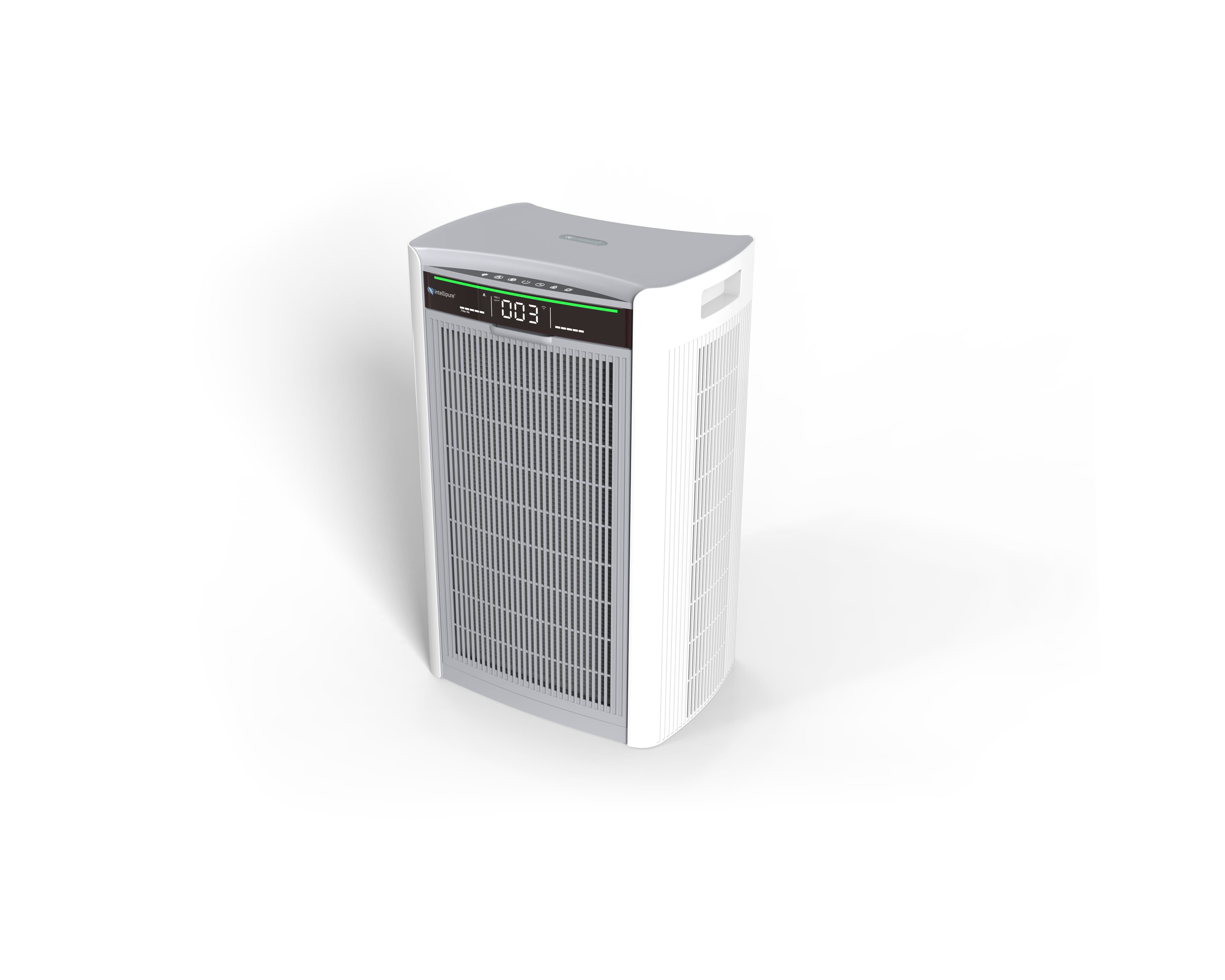
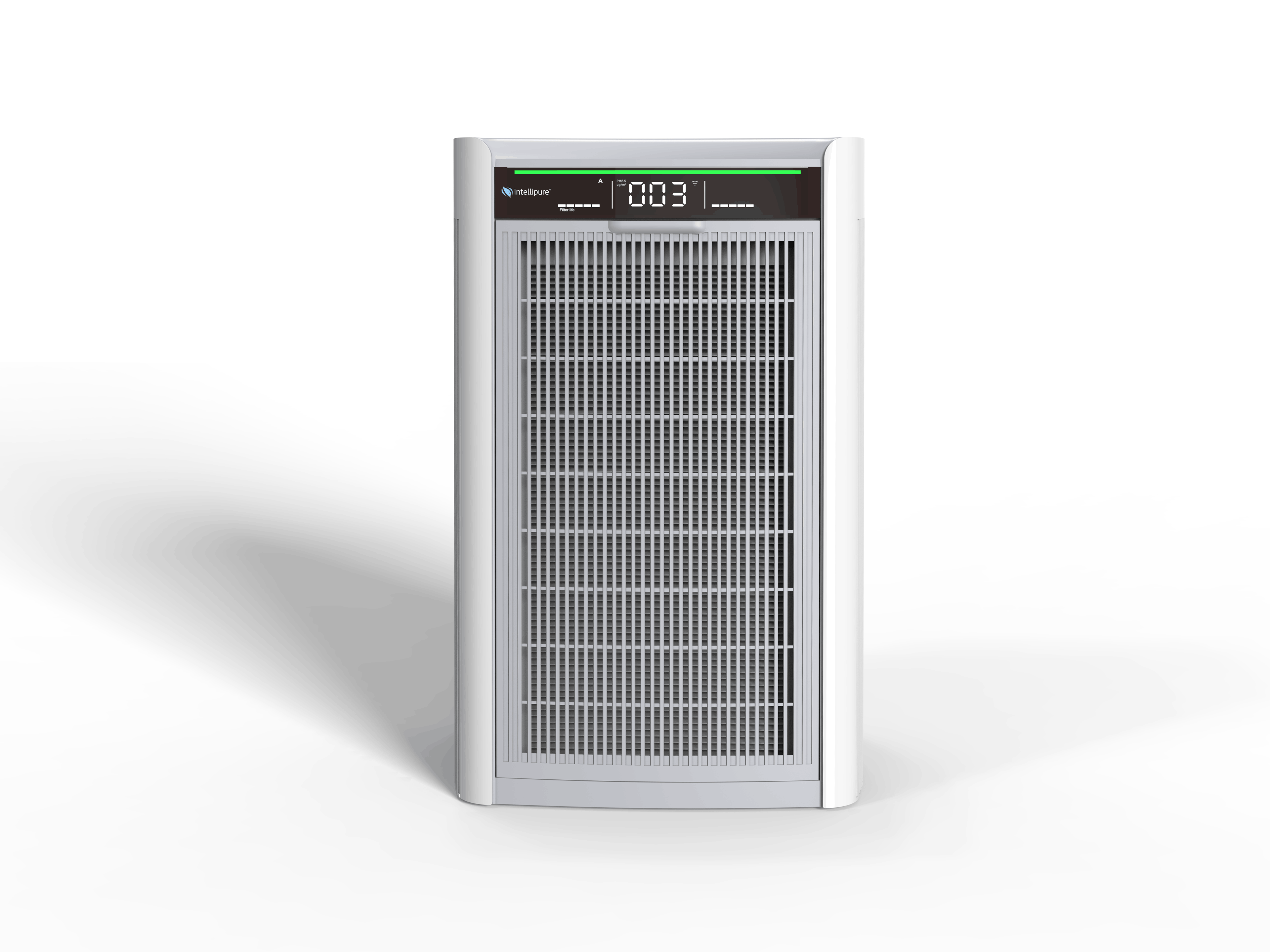
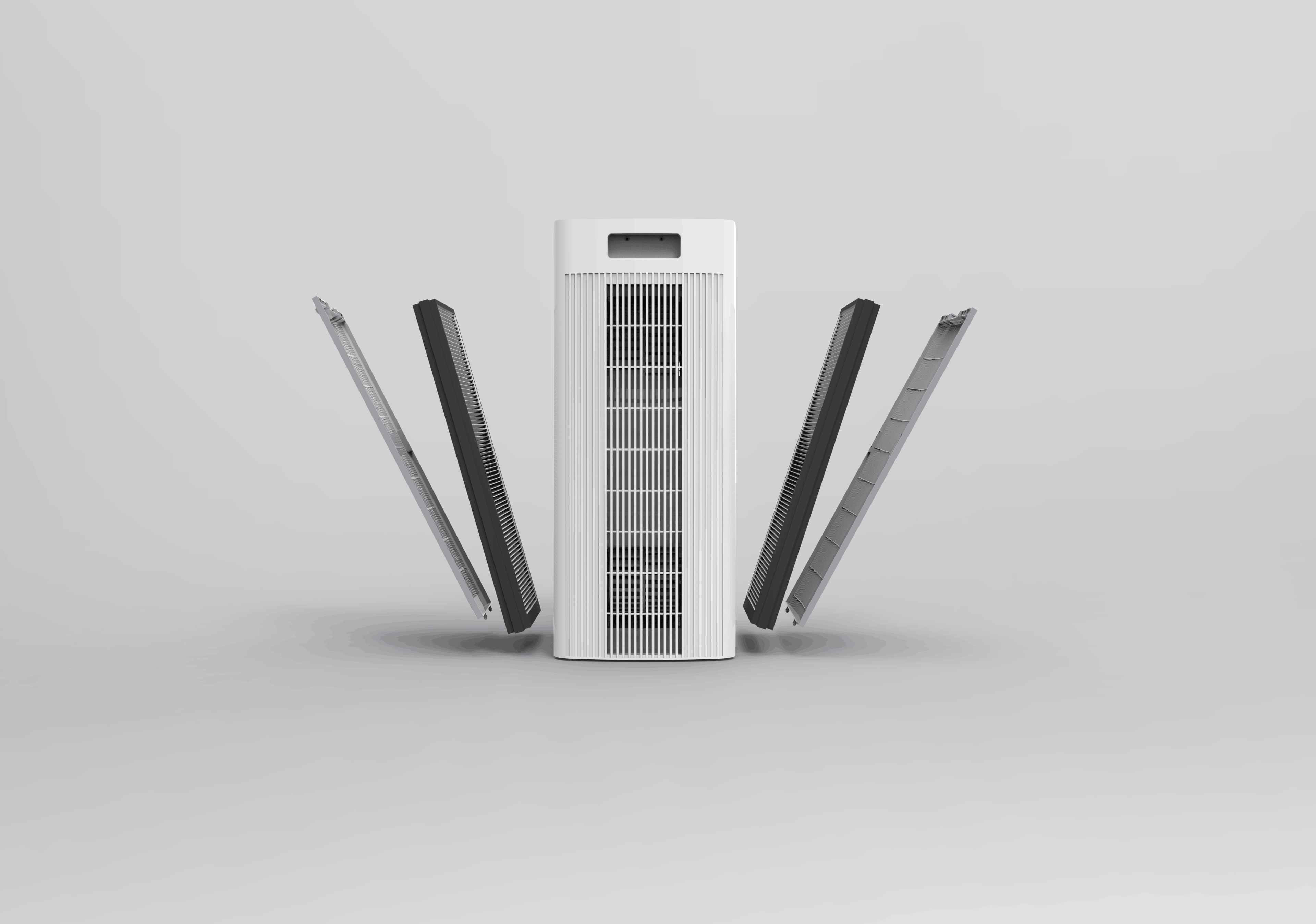
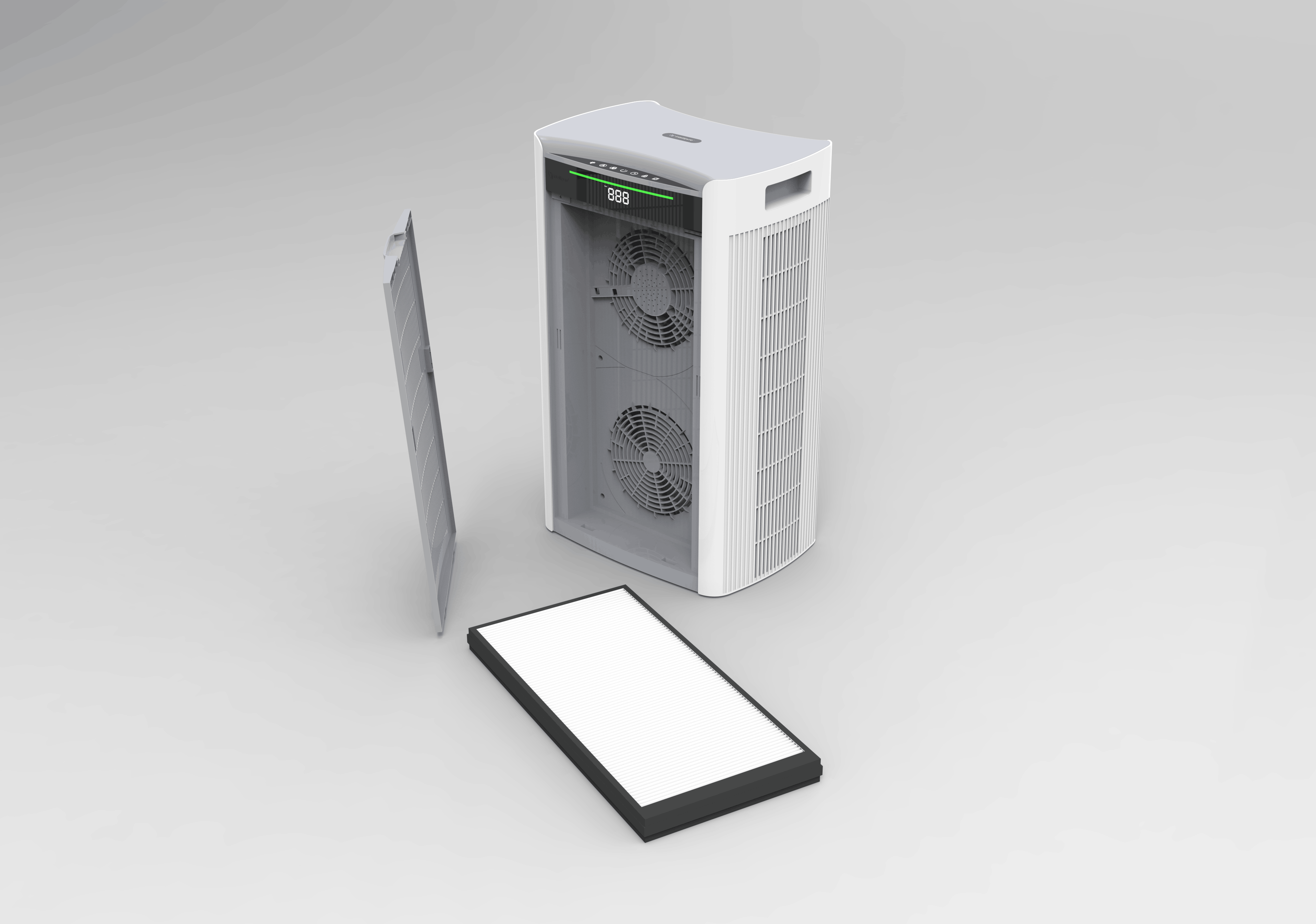
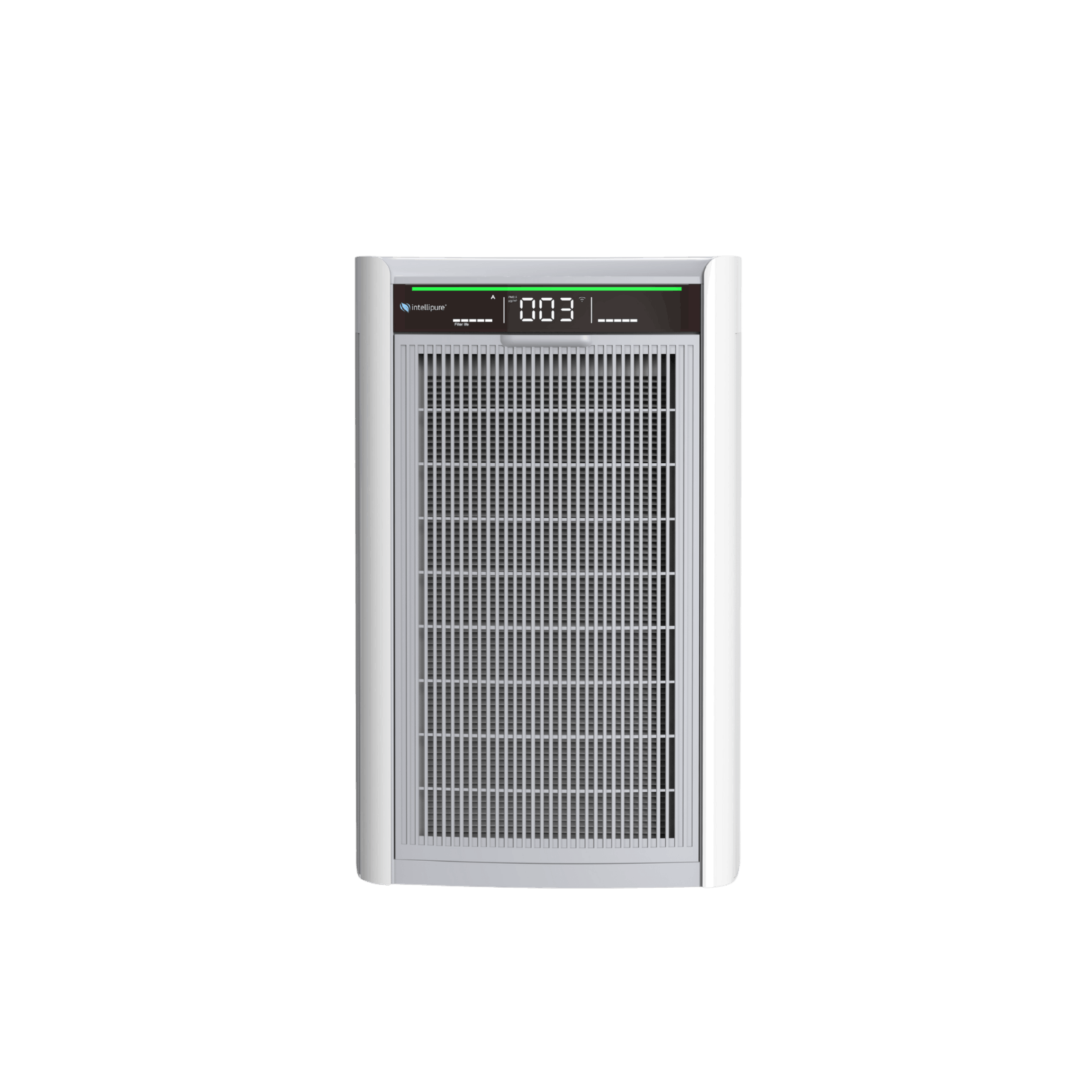
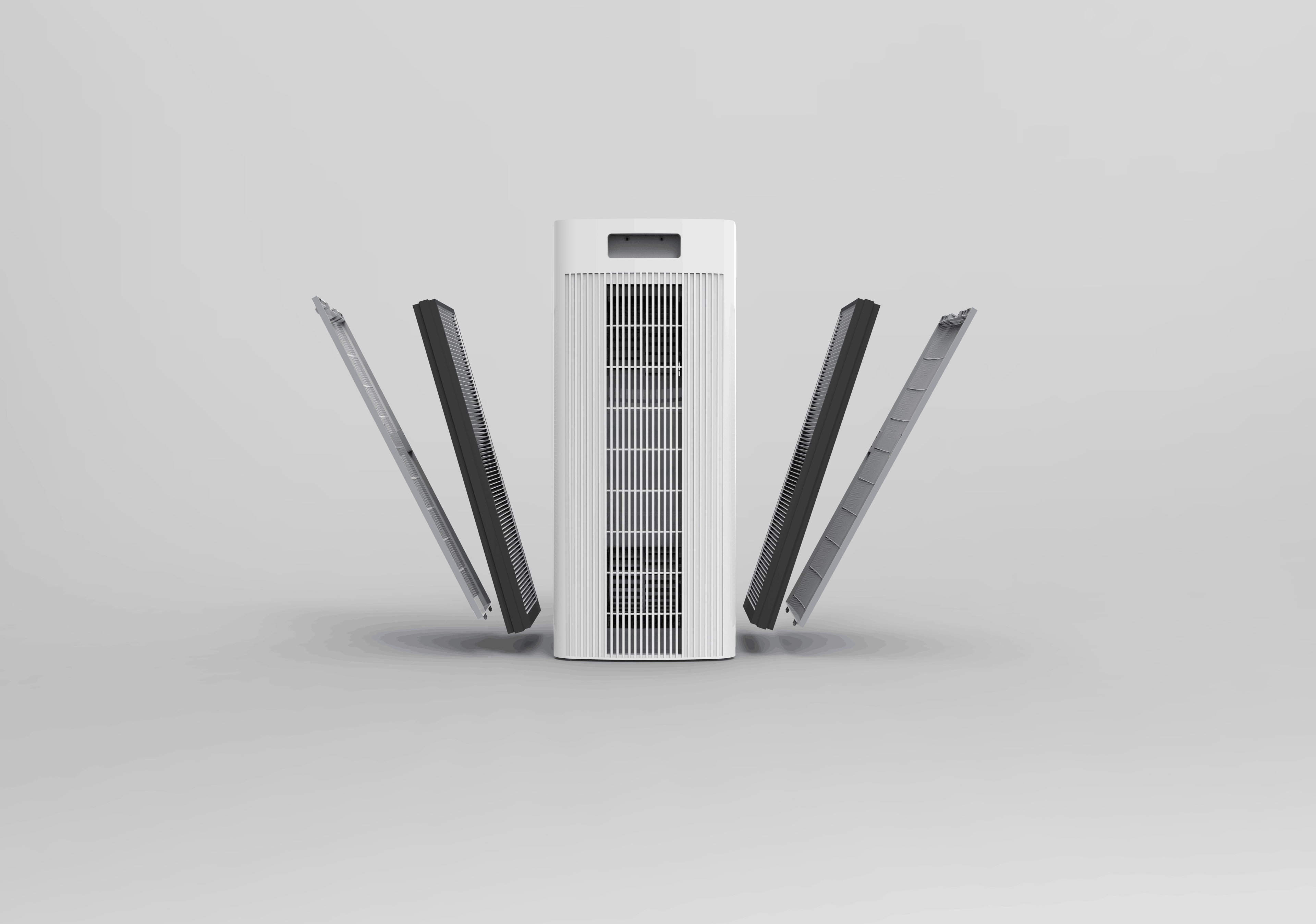
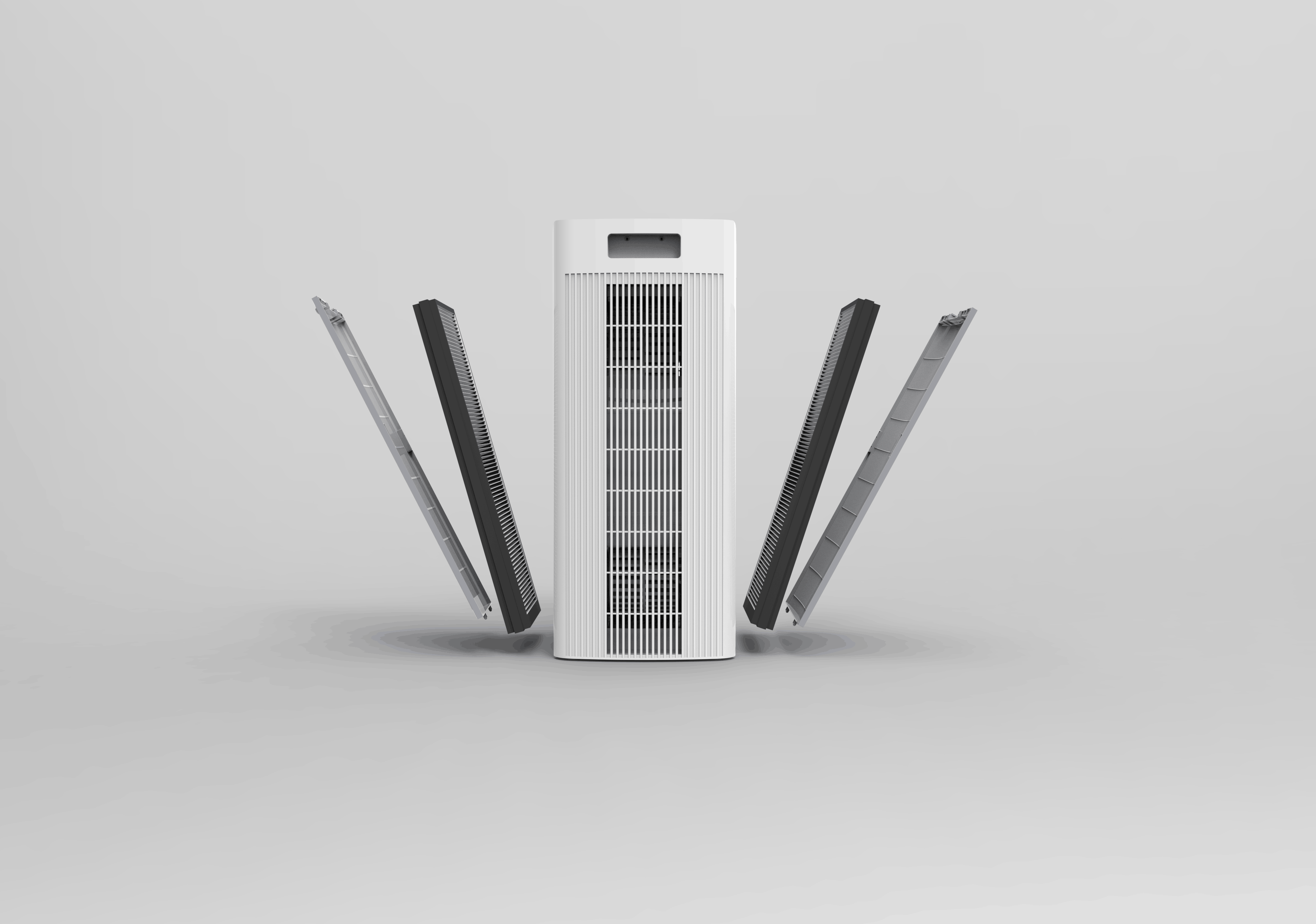
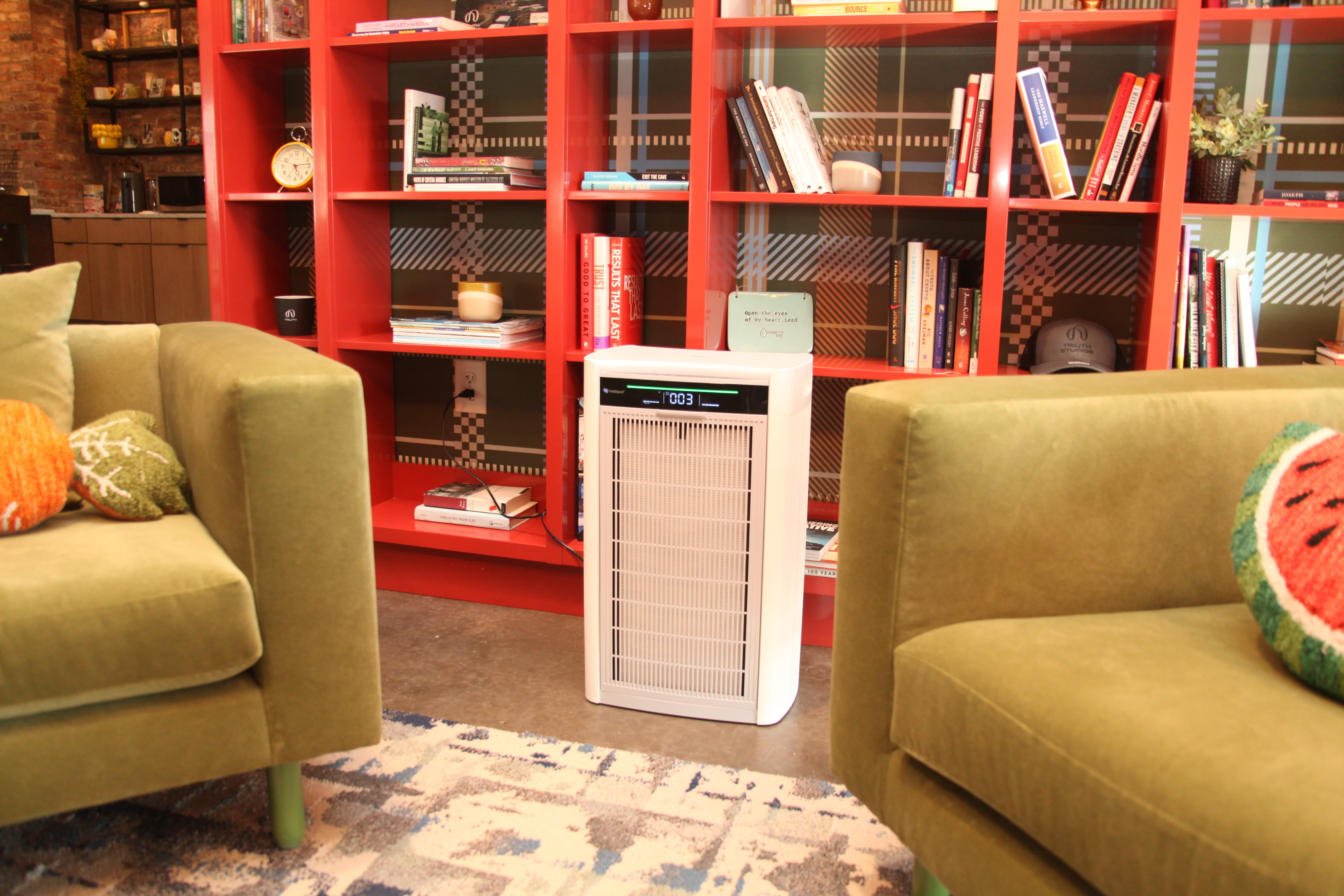
Intellipure air purifiers don't produce ozone. They use advanced HEPA technology to achieve near-perfect particle capture—trapping up to 99.99% of harmful pollutants including viruses, mold, and ultrafine pollutants from wildfire smoke.
Breathing Easier, Even Through Tough Seasons
Everyone deserves to breathe safe, clean air. But in the wake of the L.A. wildfires, many families didn't have access to healthy air. Not outside and not inside their homes, schools, daycares, and workplaces. We donated 70,000 Intellipure Compact air purifiers to Baby2Baby and 1,000 air purifiers to ShelterBox USA to help residents impacted by lingering wildfire smoke.
Wildfires are a fact of life in some regions of the country, and research suggests they're only going to get more common and more destructive. The higher the risks, the harder we'll work to help every affected home prepare for, breathe through, and recover after seasonal wildfires. We're committed to spreading information, resources, and technology to help people breathe better—in the thick of the smoke and long after it clears.
References
- NPR. The long-term health impacts from the LA wildfires are just becoming clear. NPR. 2026.
- Qiu M, Li J, Gould CF, Jing R, Kelp M, Childs ML, Wen J, Xie Y, Lin M, Kiang MV, Heft-Neal S, Diffenbaugh NS, Burke M. Wildfire smoke exposure and mortality burden in the USA under climate change. Nature. 2025;647(8091):935-943. doi:10.1038/s41586-025-09611-w.
- Tucker DT. U.S. faces rising death toll from wildfire smoke, study finds [Internet]. Stanford Doerr School of Sustainability; 2025. Available from: https://sustainability.stanford.edu/news/us-faces-rising-death-toll-wildfire-smoke-study-finds.
- Mayo Clinic Health System. Wildfire smoke: What are the health risks and how to protect yourself [Internet]. Mayo Clinic Health System. Available from: https://www.mayoclinichealthsystem.org/hometown-health/speaking-of-health/wildfire-smoke-complex-health-risks.
- AirNow. Air Quality Index (AQI) Basics [Internet]. U.S. EPA. Available from: https://www.airnow.gov/aqi/aqi-basics/.
- U.S. Environmental Protection Agency. Wildfires and Indoor Air Quality (IAQ) [Internet]. US EPA; 2018. Available from: https://www.epa.gov/emergencies-iaq/wildfires-and-indoor-air-quality-iaq.
- Doering J. Deadly Toll of Wildfire Smoke [Internet]. Living on Earth, World Media Foundation; 2025. Available from: https://www.loe.org/shows/segments.html?programID=25-P13-00048&segmentID=1.





Reduce Dust After the Holidays: IAQ-Friendly De-Decorating Tips
How Healthy Air Supports Healthier Relationships