

We all deserve to breathe clean, safe air no matter the environment we are in. That means we each have to do our part and be aware of the impact we have on the spaces and people around us. While you are sitting outside enjoying the weather, or relaxing in your home's family room, take a moment to think about the air you are breathing. What are you doing to keep it clean? Are there things you could be doing differently for improved air quality for yourself and those around you?
During this year's National Clean Air Month, you can begin to make a positive impact. Read more to learn what this month is all about, the importance of caring about the air we breathe, and how you can improve both your outdoor and indoor air quality to create a safer world!
What is National Clean Air Month?
National Clean Air Month is an annual observance in the United States that takes place during the whole month of May; it originated in 1972 as a week-long event by the American Lung Association (ALA). This month is dedicated as a time to raise awareness about the importance of clean air for public health and our environment. It is also a time to encourage individuals, businesses, and communities to take action to reduce air pollution.
May begins with Air Quality Awareness Week, during which each day focuses on a specific clean air initiative. The week educates communities about the impact of wildfires, climate change and how climate directly affects health and medical conditions. During the rest of the month, communities, activists and organizations hold events and activities to promote clean air, such as educational campaigns, cleanup efforts and initiatives to reduce emissions from vehicles and other sources.
National Clean Air Month highlights how air pollution affects health and well-being and encourages actions that can help protect the air. By raising awareness and encouraging action, everyone can work together to create a cleaner, healthier environment for current and future generations.
Ways to keep our outdoor air clean.
We spend a lot of time outside, especially once the weather becomes nicer. There are some natural irritants, like flowers, weeds and greenery that cause seasonal allergies, that can't always be avoided. However, there are still ways we can keep our outdoor air and surrounding environments safe.
Reduce vehicle usage whenever possible.
Fossil fuel burning vehicles are a major source of air pollution. Reducing vehicle use can help limit emissions of pollutants such as nitrogen oxides, particulate matter and volatile organic compounds, all of which have negative impacts on public health and the environment.
To do your part, you can use alternative modes of transportation, including walking, biking or public transportation. You can also carpool with others going to the same place and combine multiple trips or appointments into one trip to reduce the number of miles driven. Plus, reducing vehicle use will allow you to save money on gas, maintenance and parking costs. If driving is necessary, choose a fuel-efficient vehicle or consider an electric or hybrid vehicle to reduce emissions.
Properly dispose of waste.
Proper waste disposal prevents pollution of soil, water, and air. When waste is not disposed of properly, it can release harmful chemicals and pollutants into the environment, which can have negative impacts on human health and wildlife. Disposing of waste properly also helps to protect public health by preventing the spread of disease and reducing exposure to harmful substances. Waste that is not disposed of properly can attract vermin and insects, which can spread disease.
Separate your waste into recyclables, compostables, and non-recyclables. This helps to reduce the amount of waste that goes to landfills and can also help to conserve resources. You can also sign up for recycling programs offered in your area to ensure recyclables aren't ending up in a landfill. When dealing with hazardous waste, it should never be disposed of in the regular trash. Check with your local municipality for guidance on how to dispose of waste safely. Most importantly, reduce the amount of waste you produce by using reusable products, buying products that come in less packaging, and composting food scraps.
Plant trees and other vegetation.
Planting trees and vegetation can have many benefits for our air quality, as they act as natural air filters by absorbing and removing pollutants from the air. Trees and other plants absorb air pollutants such as nitrogen dioxide, sulfur dioxide, and particulate matter. Without these pollutants, air quality is improved and negative impacts on your health are reduced. Vegetation also releases oxygen into the air through the process of photosynthesis, which creates a more oxygen-rich environment for humans and wildlife. Additionally, plants can help to reduce the amount of energy needed to cool buildings for humans by providing shade, which can reduce the need for air conditioning and other cooling systems.
During these spring and summer months, make planting more plants and flowers in your community a priority. Look into local community gardens, tree-planting events, or craft your own garden sanctuary right at home. The environment, and the wildlife in it, will thank you for making our Earth more green!
Improving your indoor air quality.
Caring about the air you breathe inside is just as important as caring about the air you breathe outside. Whether you have health conditions, young children, frequently host people in your home, or just want to create a safe environment for your loved ones, here are some simple ways you can improve your indoor air quality.
- Keep your space clean! The longer you go in between cleaning surfaces in your home and those hard-to-reach areas, the more harmful particles you allow to accumulate. These particles, including bacteria, dust, and pet dander can't always be seen by the naked eye but still have an impact on your health if not removed. Take the time to refresh linens, dust the tops of your cabinets, and vacuum area rugs for better indoor air quality.
- Know when to open the windows and when to keep them closed. Fresh air isn't just good for your physical health, it improves your mental health as well. That means whenever possible, you should keep your windows open to let in fresh air and allow indoor air to be circulated out. However, in certain seasons and geographic areas, you have to be careful with how much outdoor air you let in. Check your local outdoor air quality to stay up to date on pollen counts, air quality levels, and environmental conditions such as wildfires, contaminant spills, and more.
- Use clean ingredient products whenever possible. A lot of household products contain harsh chemicals and fragrances that can negatively affect your health when trapped in the air you breathe. When cleaning, filling your home with a fresh scent, or making improvements, look for products that don't contain a high amount of chemicals, artificial dyes, and unnatural fragrances.
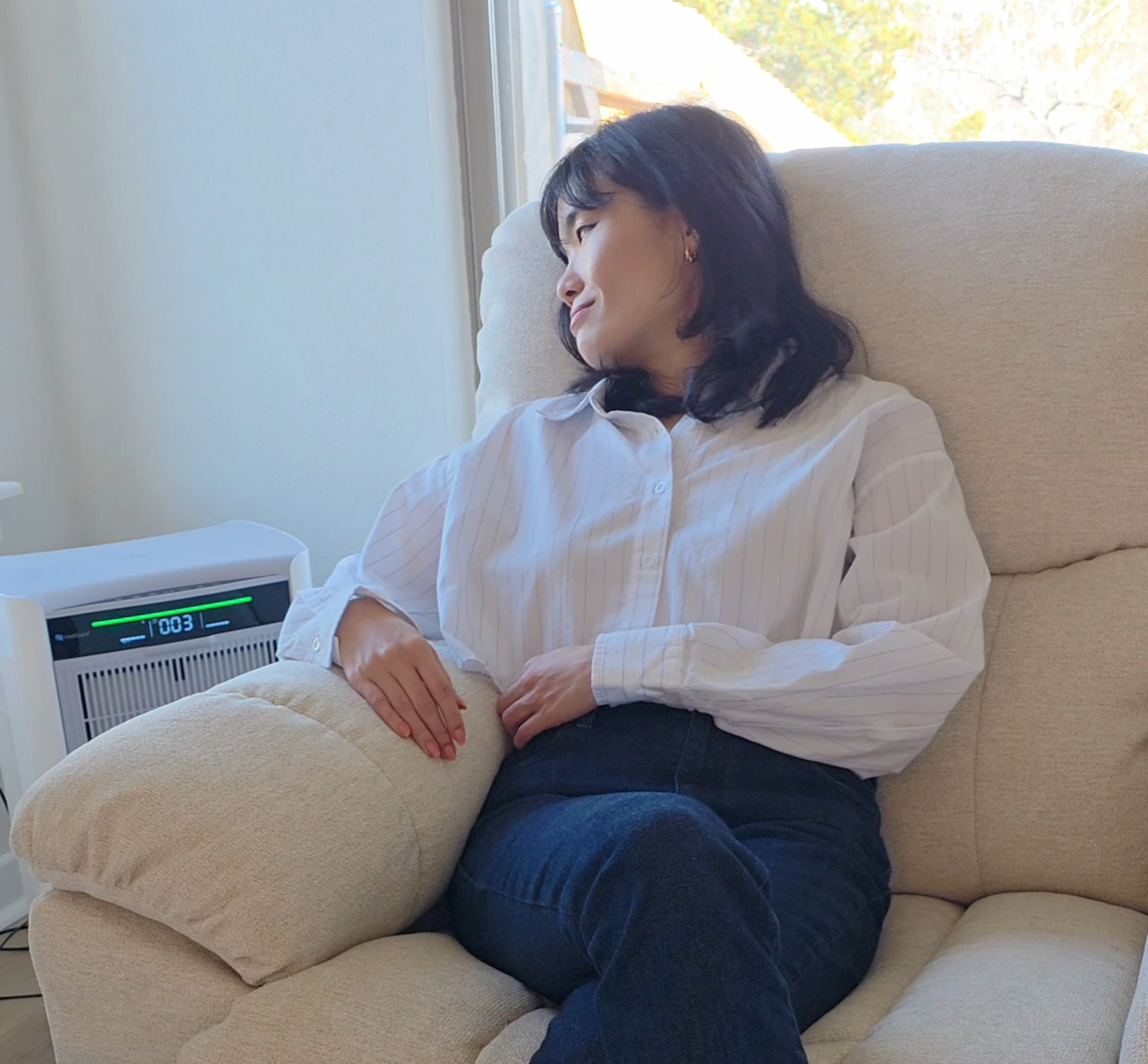
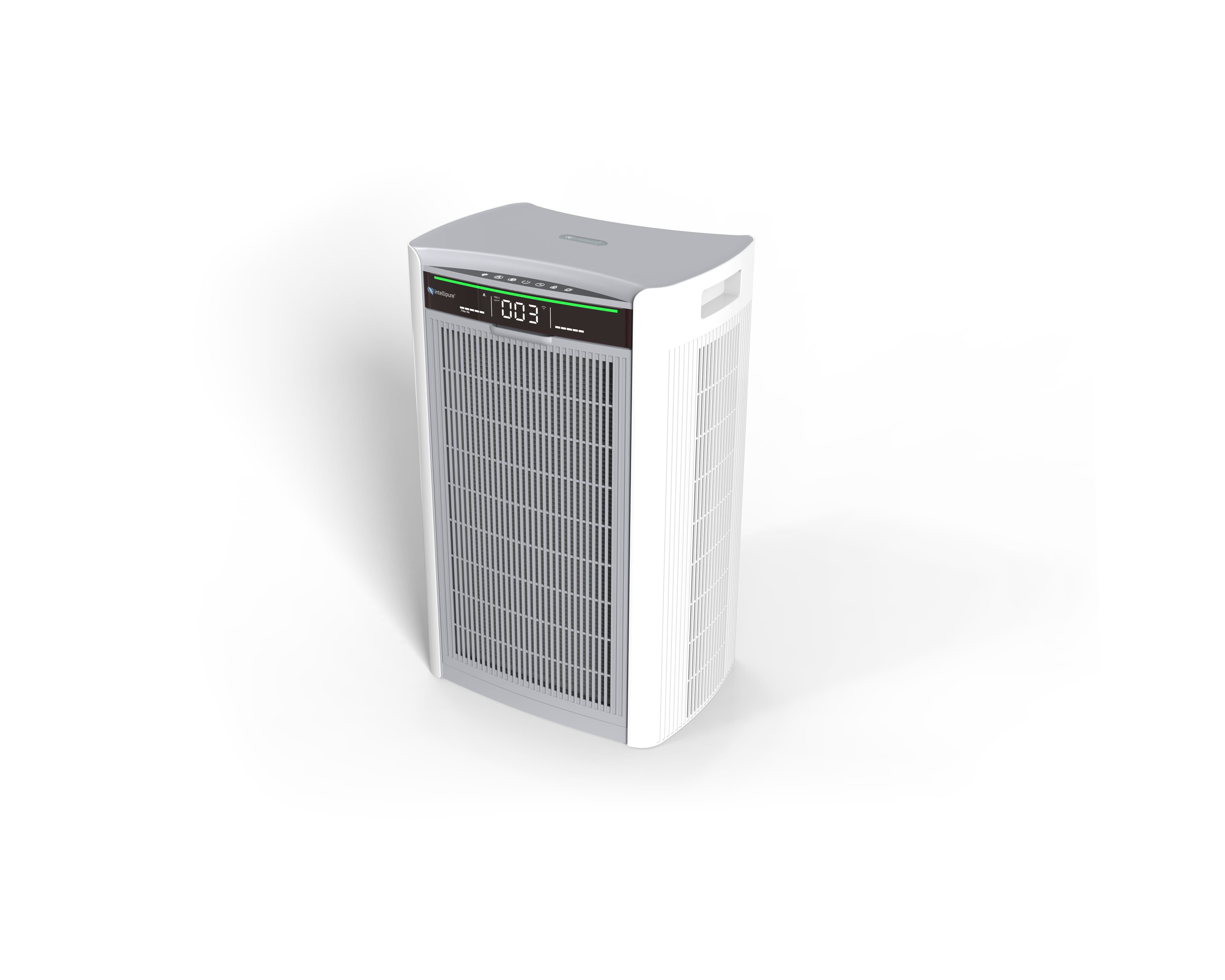
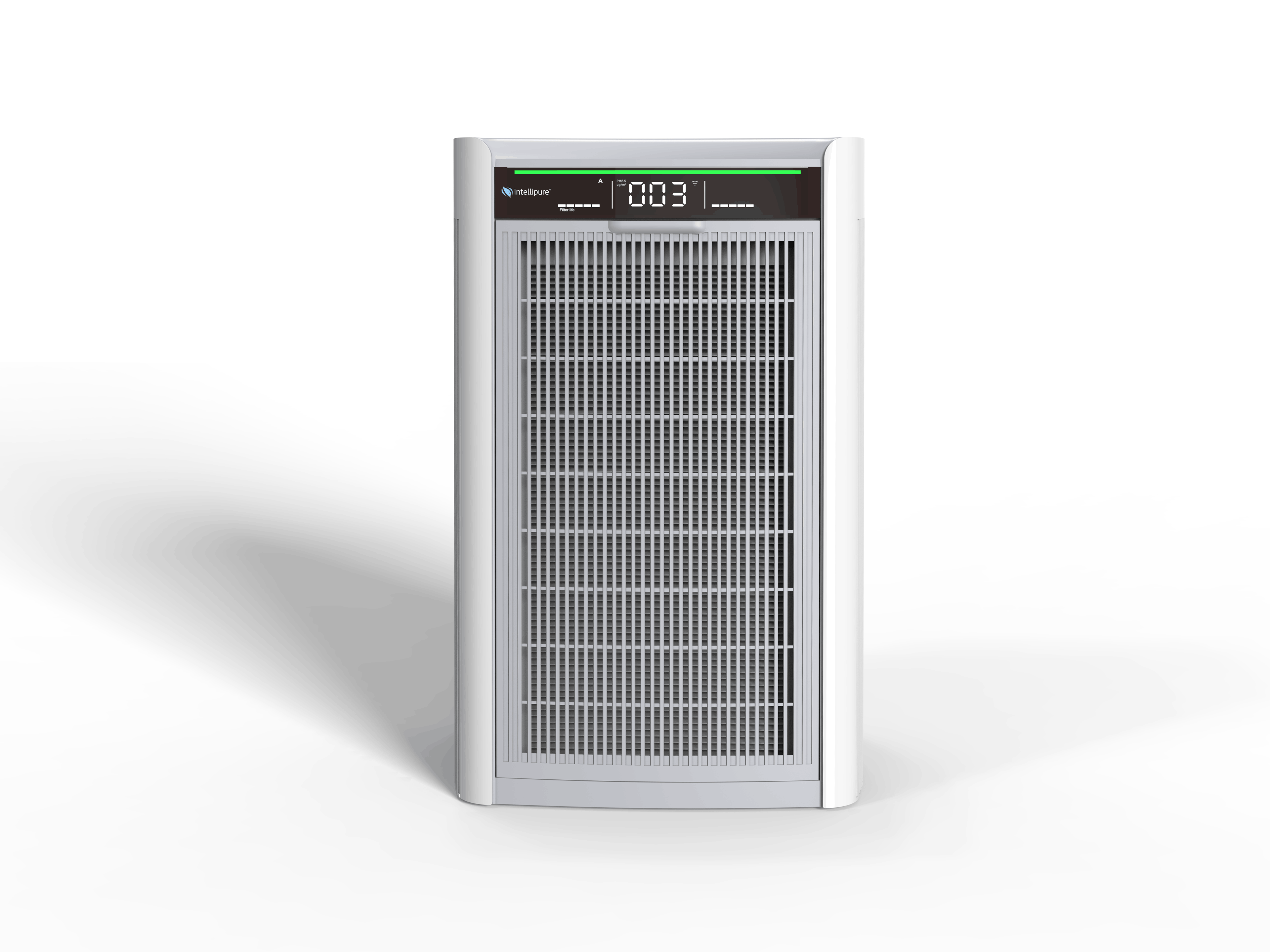
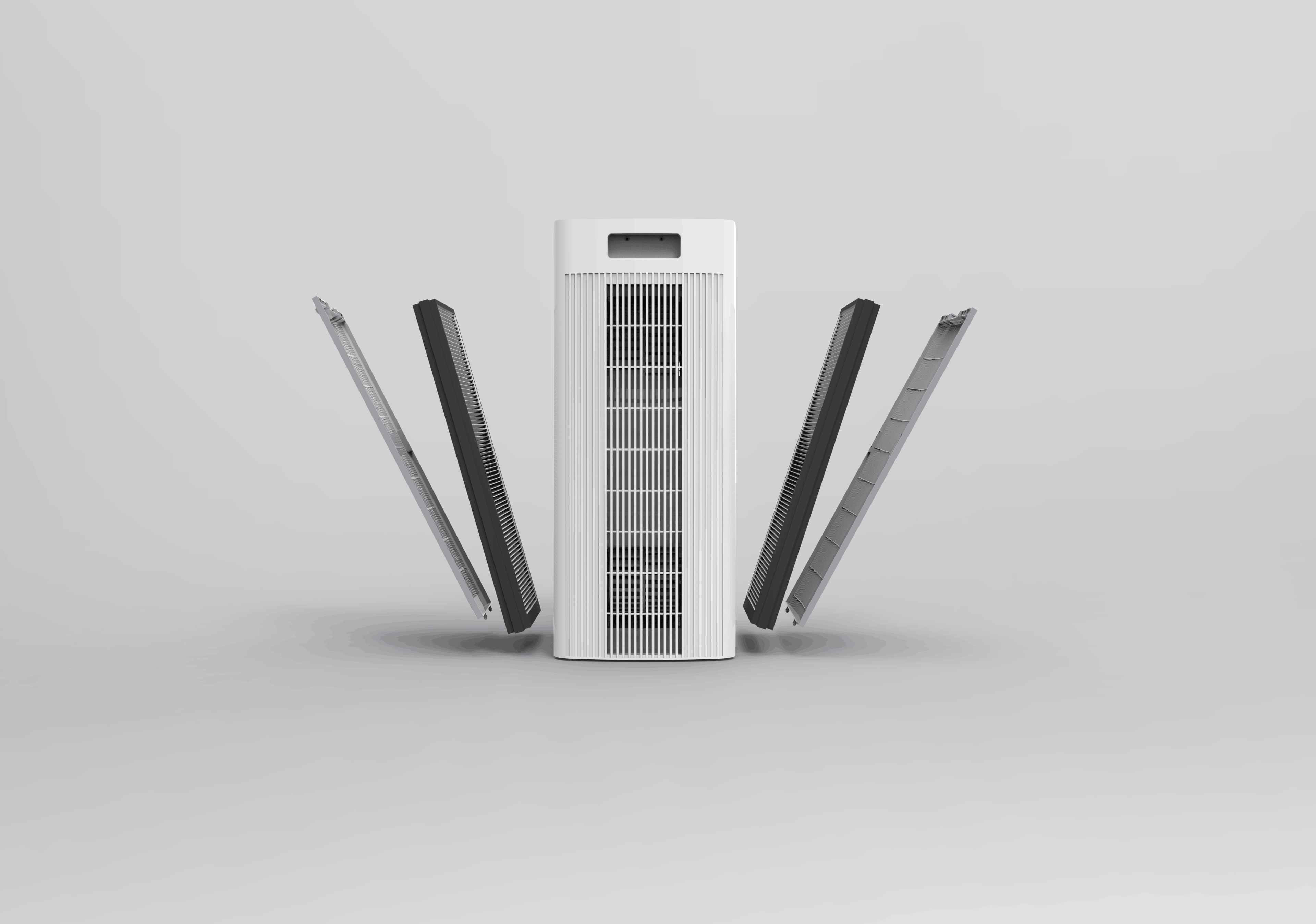
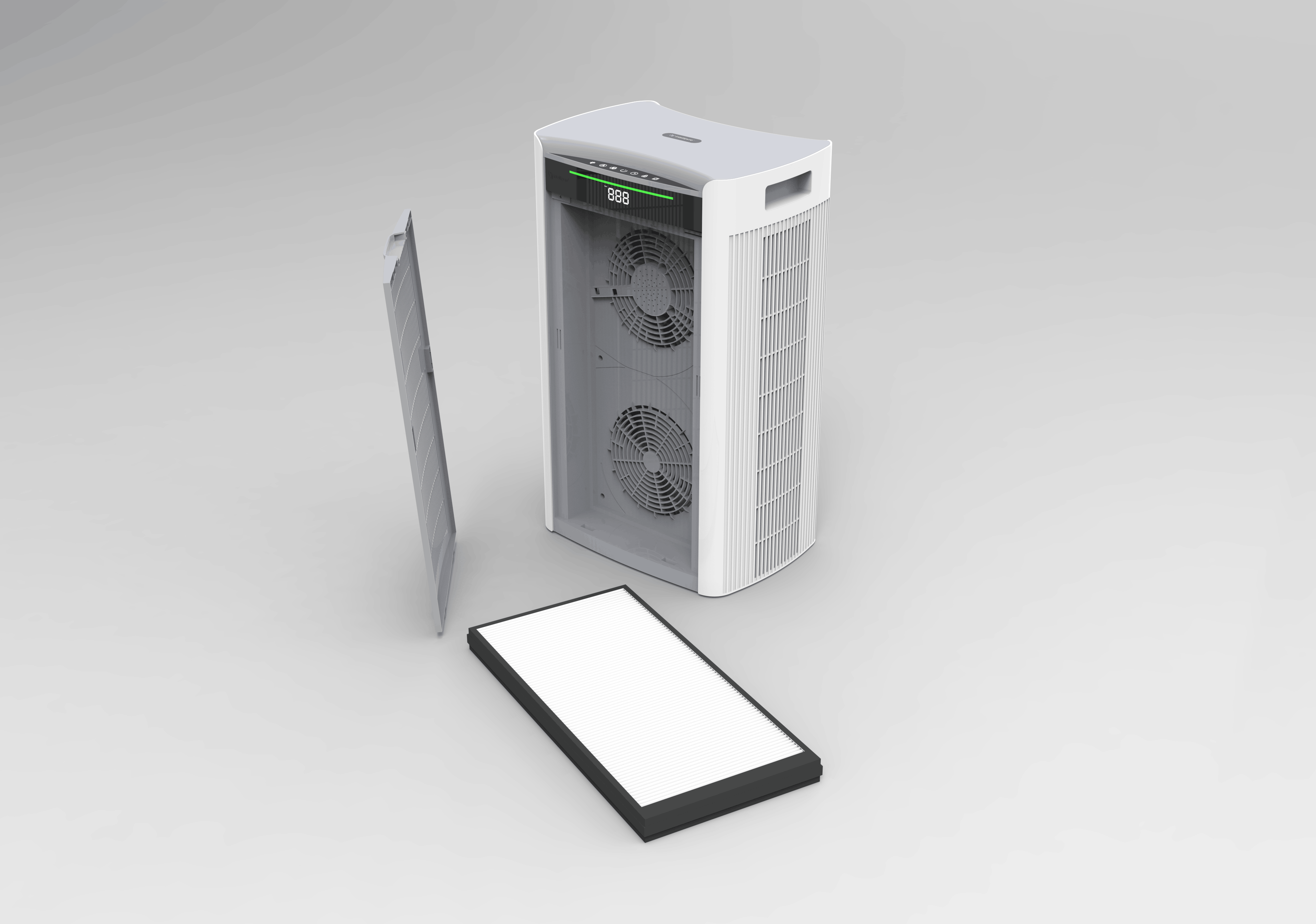
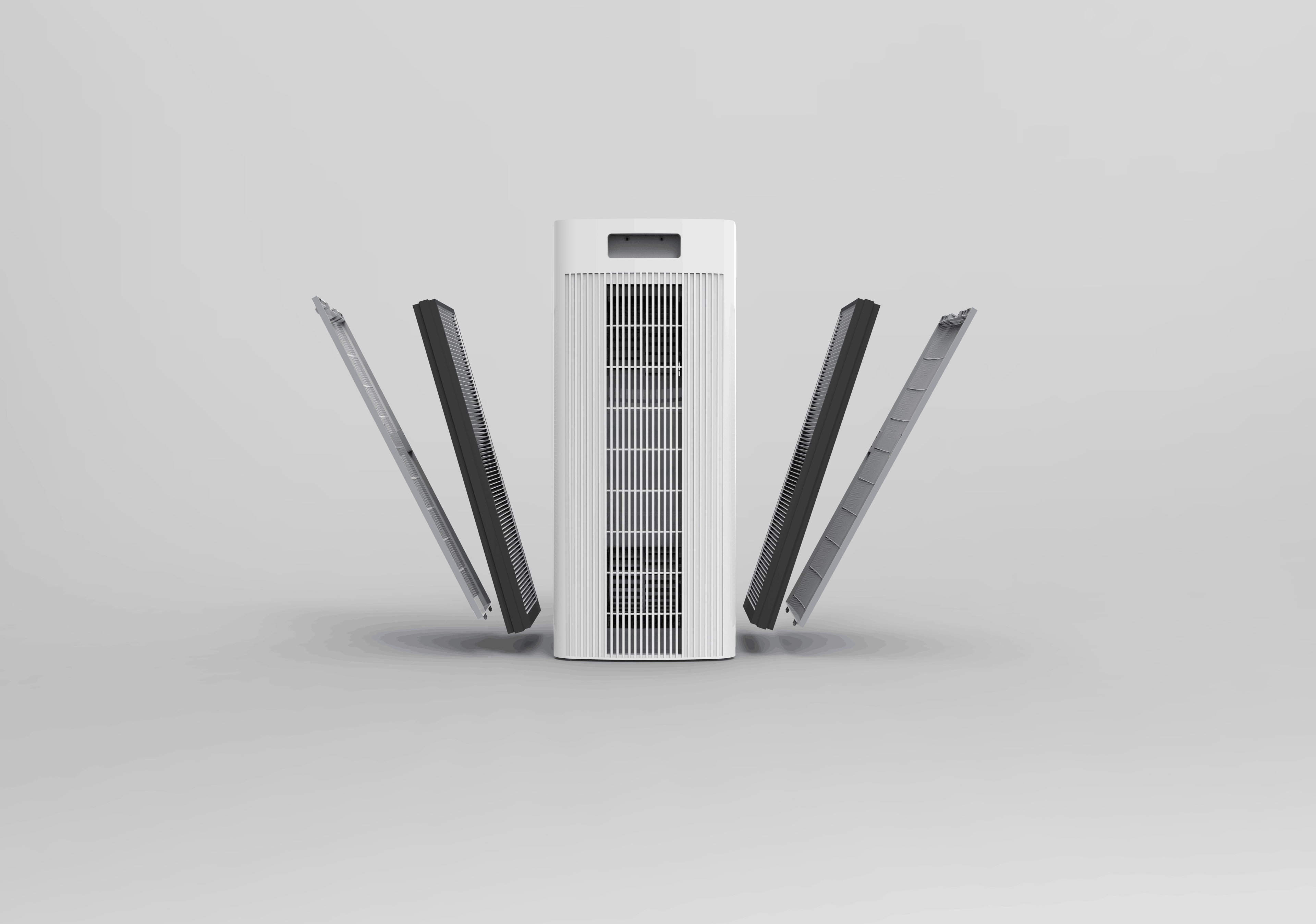
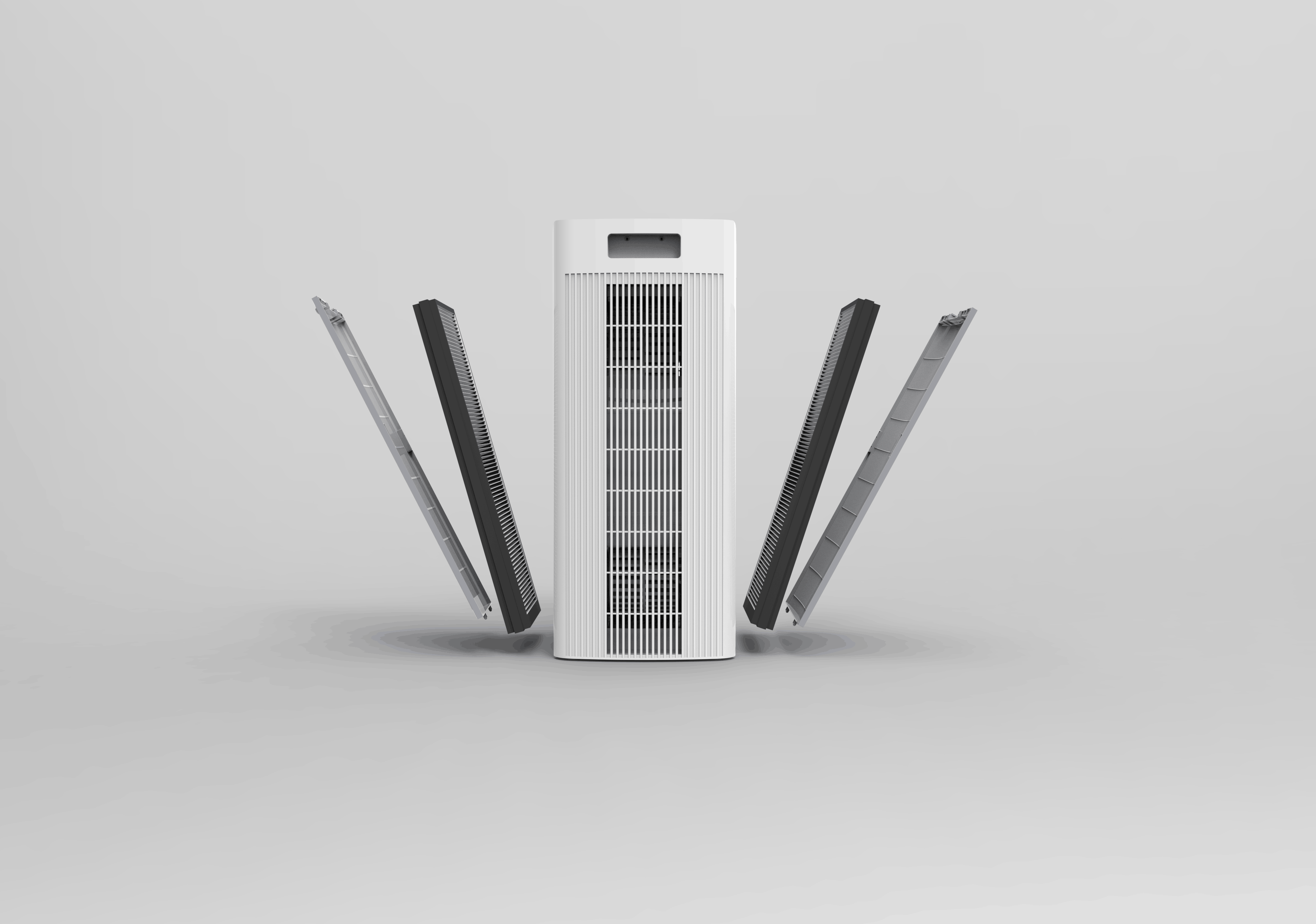
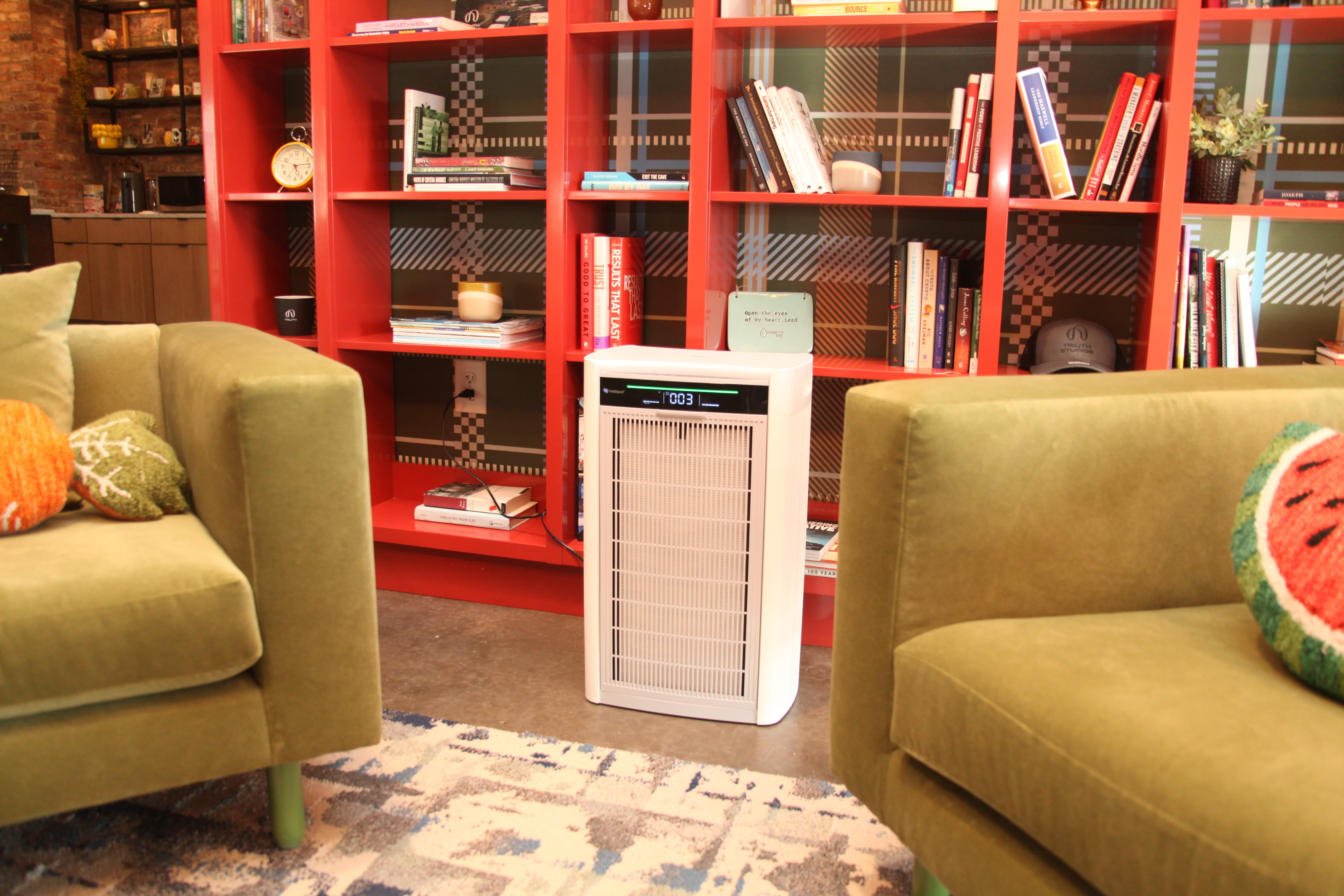
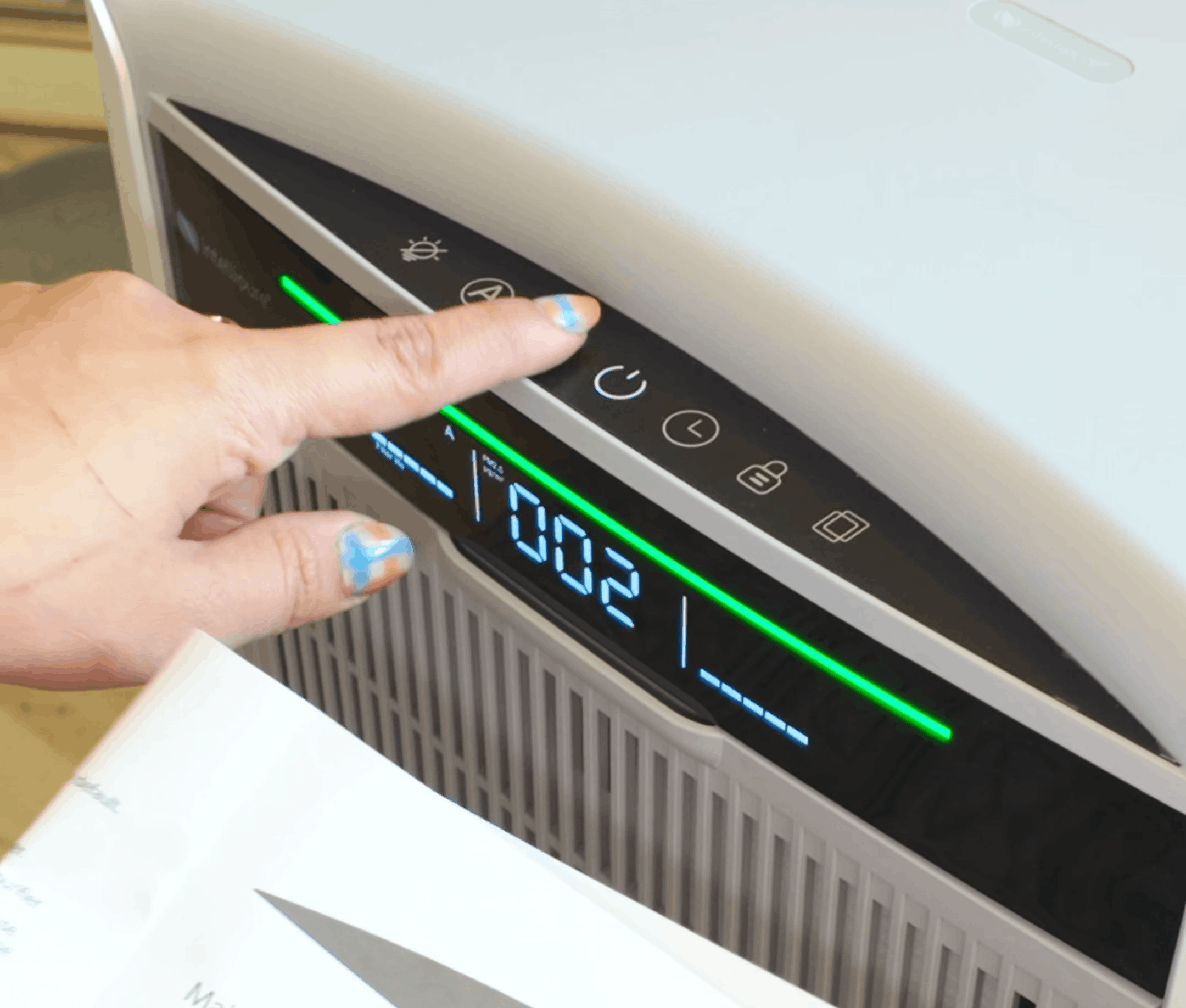
- Invest in a high-quality air purifier like the Intellipure H1000. With the right air purifier, you can keep any space in your home full of the cleanest air possible. You will be able to enjoy time with your loved ones with the peace of mind provided by an air purification system that absorbs harmful air and filters safer air back into your space. It's also important to make sure that the air purifier you choose is compatible with the size of your home and that you change your filters regularly.
Breathe easy with Intellipure.
We understand how important it is to create a safe space for you and your family. Each air purification unit also undergoes rigorous testing to ensure it operates at total system efficiency before being delivered to your door. You have enough things to worry about in your busy life - the air you breathe shouldn't be one of them.
We are committed to ensuring that no matter which room you're in, it is full of clean air that will keep your family happy and healthy. Ready to experience the difference clean air can make for yourself? Contact one of our clean air experts to start your journey to clean air!
Intellipure
We're reimagining the world as a better, safer place with innovative air purification technologies. Intellipure air purifiers are engineered in the USA and trusted in nearly every industry. To find out more about the latest in clean air take a look at the Intellipure lineup and follow us on Instagram at @Intellipure.




Air Purifier vs. Dehumidifier: Which Is Best For You?
Air Purifiers for Classrooms & Schools: How to Choose the Right One