


What is the Common Cold?
The common cold is a mild viral infection that affects the upper respiratory system, including the nose and throat. It is one of the most common illnesses worldwide and can be caused by many different viruses, most often rhinoviruses.
While usually not serious, the common cold can still disrupt daily life and spread easily in shared indoor environments.
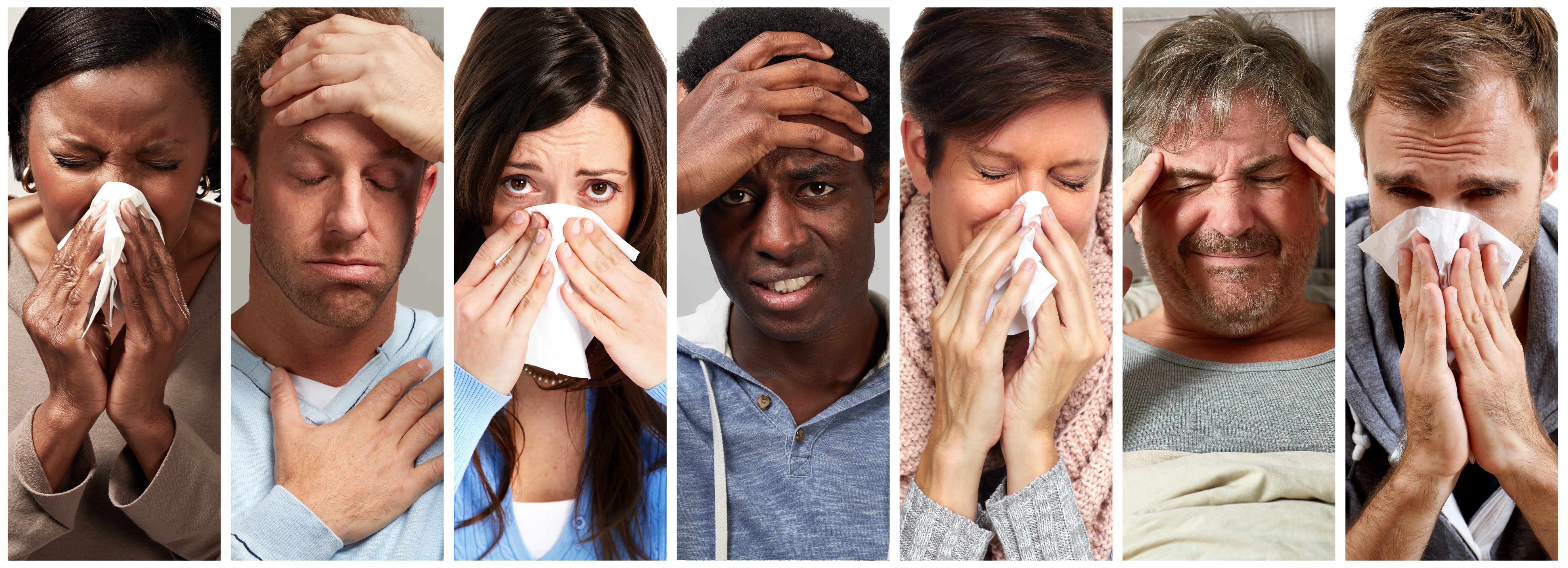
How Does It Spread?
The common cold spreads easily from person to person, especially in indoor settings where people are in close contact. It can spread through:
Respiratory droplets from coughing, sneezing, or talking
Shared indoor air in poorly ventilated spaces
Touching contaminated surfaces and then touching the face
Close contact with infected individuals
Because the virus spreads so efficiently, it is especially common in schools, offices, and households.
What Are the Symptoms?
Common cold symptoms usually develop gradually and are typically mild compared to other respiratory illnesses. Symptoms may include:
Common Symptoms

Runny or Stuffy Nose

Sneezing

Sore Throat

Cough

Mild Fatigue

Mild Headache or Body Aches
Symptoms usually last about 7–10 days, though some congestion or cough may linger longer.

Treatment and recovery
There is no cure for the common cold, but most people recover on their own with rest and supportive care.
Helpful recovery steps include:
- Getting plenty of rest
- Staying hydrated
- Using over-the-counter medications for symptom relief
- Using humidifiers or steam to ease congestion
- Eating light, nourishing foods
Most colds resolve without medical treatment, but symptoms that worsen or last longer than expected may require medical attention.

How to Avoid It and Stay Safe
While it’s not always possible to completely avoid the common cold, certain habits can reduce the risk of infection and spread.
Helpful prevention tips include:
- Washing hands regularly with soap and water
- Avoiding close contact with sick individuals
- Not touching your face with unwashed hands
- Cleaning frequently touched surfaces
- Staying home when feeling sick
- Supporting healthy indoor airflow when possible
These habits are especially important during peak cold and flu season.

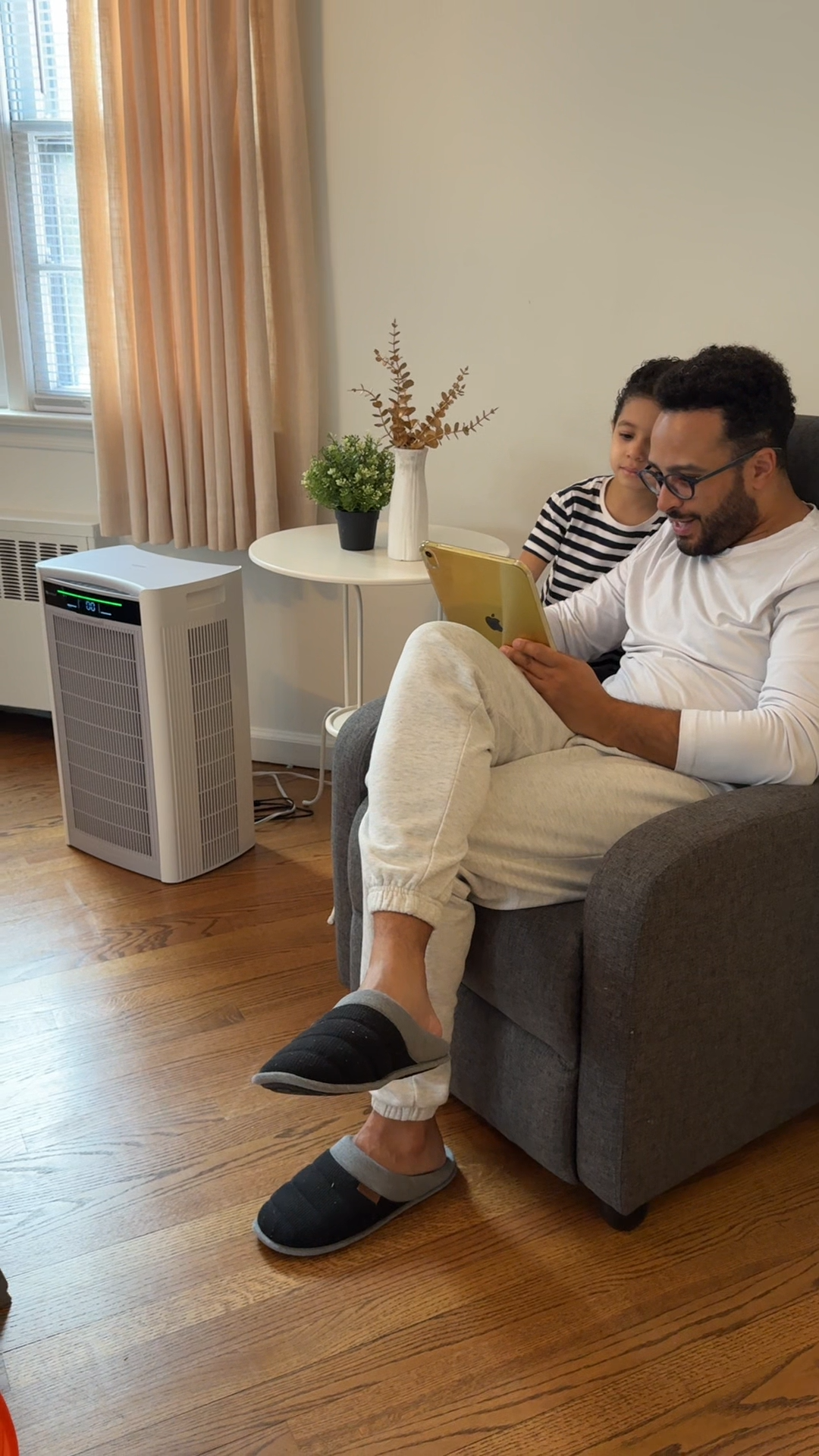
How Clean Air Supports a Healthier Indoor Environment
Because colds spread easily indoors, improving indoor air quality can help create a more comfortable and healthier home environment.
Cleaner indoor air can help:
- Reduce airborne particles in shared spaces
- Support better ventilation and airflow
- Improve overall indoor comfort during illness season
- Limit buildup of dust and irritants that may worsen symptoms
Running a high-efficiency air purifier in commonly used rooms can be one part of a broader approach to maintaining a healthier indoor space.

References
-
[1]
Cleveland Clinic [Internet]. 2023. Common Cold (Rhinovirus): Symptoms, Causes & Treatment. Available from: https://my.clevelandclinic.org/health/diseases/12342-common-cold
-
[2]
CDC. Common Cold. About Common Cold. Available from: https://www.cdc.gov/common-cold/about/index.html
-
[3]
Common cold - Mayo Clinic [Internet]. Available from: https://www.mayoclinic.org/diseases-conditions/common-cold/symptoms-causes/syc-20351605
-
[4]
How Virus Spread Covid 19 Coronavirus [Internet]. Available from: https://scienceexchange.caltech.edu/topics/covid-19-coronavirus-sars-cov-2/how-virus-spread-covid-19-coronavirus
-
[5]
Prevention [Internet]. Doctors Explain the Best Ways to Stop a Cold Before It Even Starts. Available from: https://www.prevention.com/health/a20469206/how-to-prevent-a-cold/
-
[6]
CDC. Common Cold. Manage Common Cold. Available from: https://www.cdc.gov/common-cold/treatment/index.html
-
[7]
Cleveland Clinic [Internet]. Available from: https://health.clevelandclinic.org/indoor-air-quality