


What is Influenza?
Influenza, commonly called the flu, is caused by influenza viruses that infect the nose, throat, and lungs. Seasonal flu activity typically increases during the fall and winter months, though timing varies by year.
Unlike the common cold, influenza often develops suddenly and may cause more intense symptoms.

How Does It Spread?
nfluenza spreads primarily through respiratory droplets and aerosols produced when infected individuals talk, cough, sneeze, or breathe. Transmission can occur through:
Breathing in respiratory particles
Close contact with infected individuals
Contact with contaminated surfaces
Time spent in crowded indoor environments
People may be contagious before they realize they are sick.
What Are the Symptoms
Influenza symptoms often appear suddenly. Symptoms may include:
Common Symptoms

Fever or chills

Cough

Sore Throat

Runny or stuffy nose

Muscle aches

Headache

Fatigue
Some people may also experience nausea, vomiting, or diarrhea. Symptoms generally last several days, though fatigue may persist longer. Click here to learn more about Flu symptoms.

Treatment and recovery
Most individuals recover with rest and supportive care.
Helpful recovery steps include:
- Staying home and resting
- Drinking plenty of fluids
- Managing symptoms with appropriate medications
- Following healthcare provider recommendations
Antiviral medications may be prescribed in some cases, particularly for people at higher risk of complications.

How to Avoid It and Stay Safe
Reducing flu risk often involves a combination of personal habits and seasonal prevention measures.
Helpful prevention strategies include:
- Receiving an annual flu vaccine
- Frequent handwashing
- Avoiding close contact with sick individuals
- Covering coughs and sneezes
- Staying home when sick
- Maintaining healthy indoor airflow
These measures can help reduce transmission during flu season.
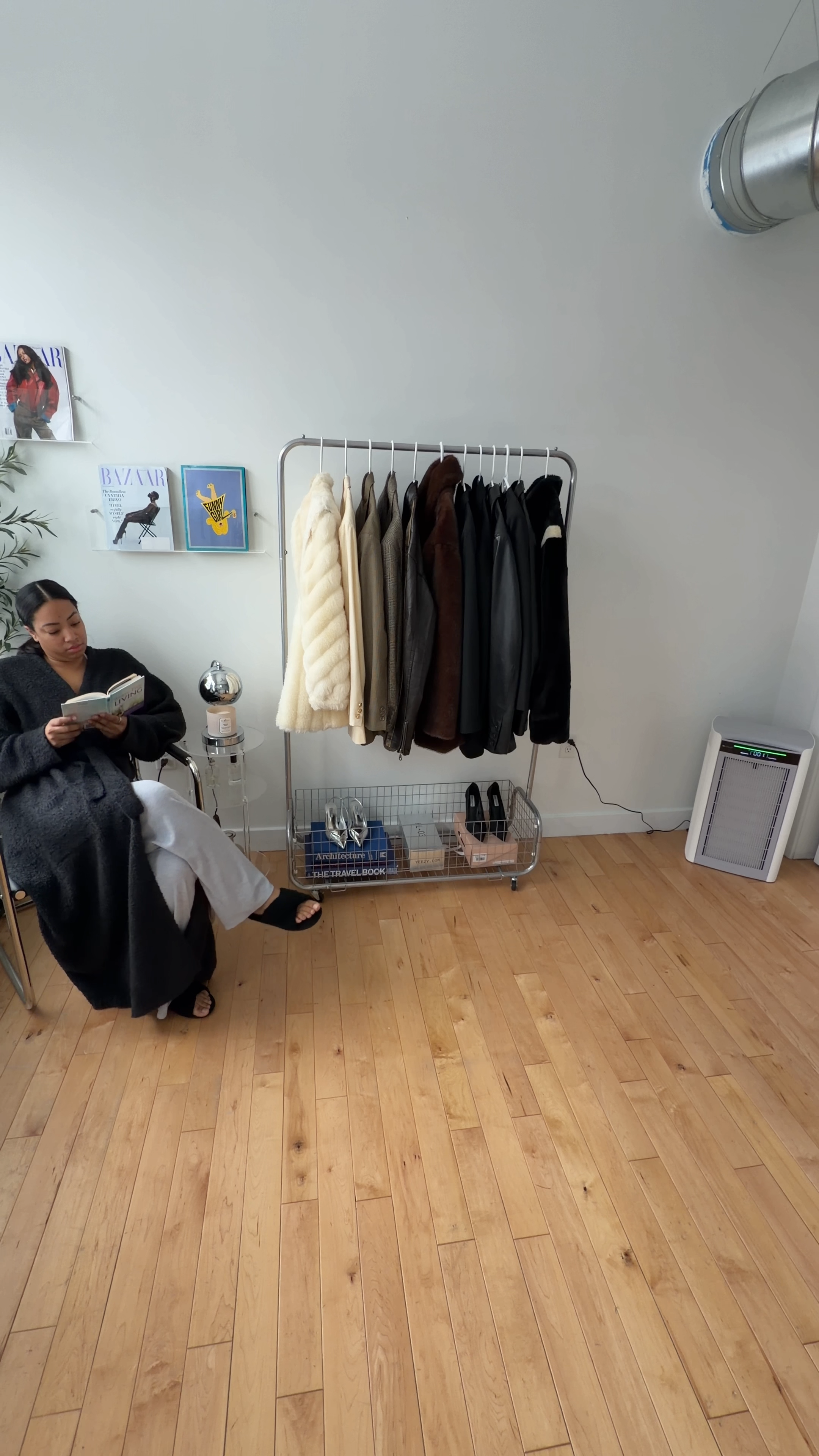

How Clean Air Supports a Healthier Indoor Environment
Because colds spread easily indoors, improving indoor air quality can help create a more comfortable and healthier home environment.
Cleaner indoor air can help:
- Reduce airborne particles in shared spaces
- Support better ventilation and airflow
- Improve overall indoor comfort during illness season
- Limit buildup of dust and irritants that may worsen symptoms
Running a high-efficiency air purifier in commonly used rooms can be one part of a broader approach to maintaining a healthier indoor space.

References
-
[1]
CDC. Influenza (Flu). About Influenza. Available from: https://www.cdc.gov/flu/about/index.html
-
[2]
Mayo Clinic. Influenza (flu). Symptoms and Causes [Internet]. Available from: https://www.mayoclinic.org/diseases-conditions/flu/symptoms-causes/syc-20351719
-
[3]
Mayo Clinic. Influenza (Flu). Diagnosis and Treatment [Internet]. Available from: https://www.mayoclinic.org/diseases-conditions/flu/diagnosis-treatment/drc-20351725
-
[4]
World Health Organization. Influenza (seasonal) [Internet]. Available from: https://www.who.int/news-room/fact-sheets/detail/influenza-(seasonal)
-
[5]
Cleveland Clinic [Internet]. Available from: https://my.clevelandclinic.org/health/diseases/4335-influenza-flu
-
[6]
CDC. Influenza (Flu). Treatment of Flu. Available from: https://www.cdc.gov/flu/treatment/index.html
-
[7]
Jill Seladi-Schulman PhD. Healthline Media. 2024. Influenza Spread: Airborne, Droplet, and Contact Transmission Explained. Available from: https://www.healthline.com/health/influenza/is-influenza-airborne