


What is COVID-19?
COVID-19 is an infectious disease caused by the SARS-CoV-2 virus. Symptoms can range from mild illness to more severe disease, and some individuals may experience ongoing health effects after infection.
Because the virus continues to evolve over time, public health recommendations may change as new information becomes available.

How Does It Spread?
COVID-19 spreads primarily through respiratory particles that can remain suspended in the air, especially in enclosed spaces. Transmission may occur through:
Breathing shared indoor air
Close contact with infected individuals
Coughing, sneezing, or talking
Poorly ventilated indoor environments
The virus can spread even when symptoms are mild or absent.
What Are the Symptoms?
COVID-19 symptoms vary widely from person to person. Symptoms may include:
Common Symptoms

Fever or chills

Cough

Fatigue

Sore throat

Congestion

Headache

Muscle aches
Additional Symptoms

Loss of taste or smell

Shortness of breath

Nausea or digestive symptoms
Symptoms may appear within days after exposure and can range from mild to severe. Click here to learn more about Covid-19 symptoms.

Treatment and Recovery
Many individuals recover at home with supportive care.
Helpful recovery measures include:
- Resting and staying hydrated
- Monitoring symptoms
- Following healthcare provider guidance
- Seeking medical attention for severe symptoms
Treatment recommendations may vary based on age, health status, and risk factors.

How to Avoid It and Stay Safe
Prevention strategies focus on reducing exposure and limiting transmission.
Helpful prevention measures include:
- Staying up to date with recommended vaccinations
- Improving ventilation in indoor spaces
- Practicing good hand hygiene
- Staying home when ill
- Avoiding close contact when experiencing symptoms
- Considering additional protective measures during periods of increased transmission
How Clean Air Supports a Healthier Indoor Environment
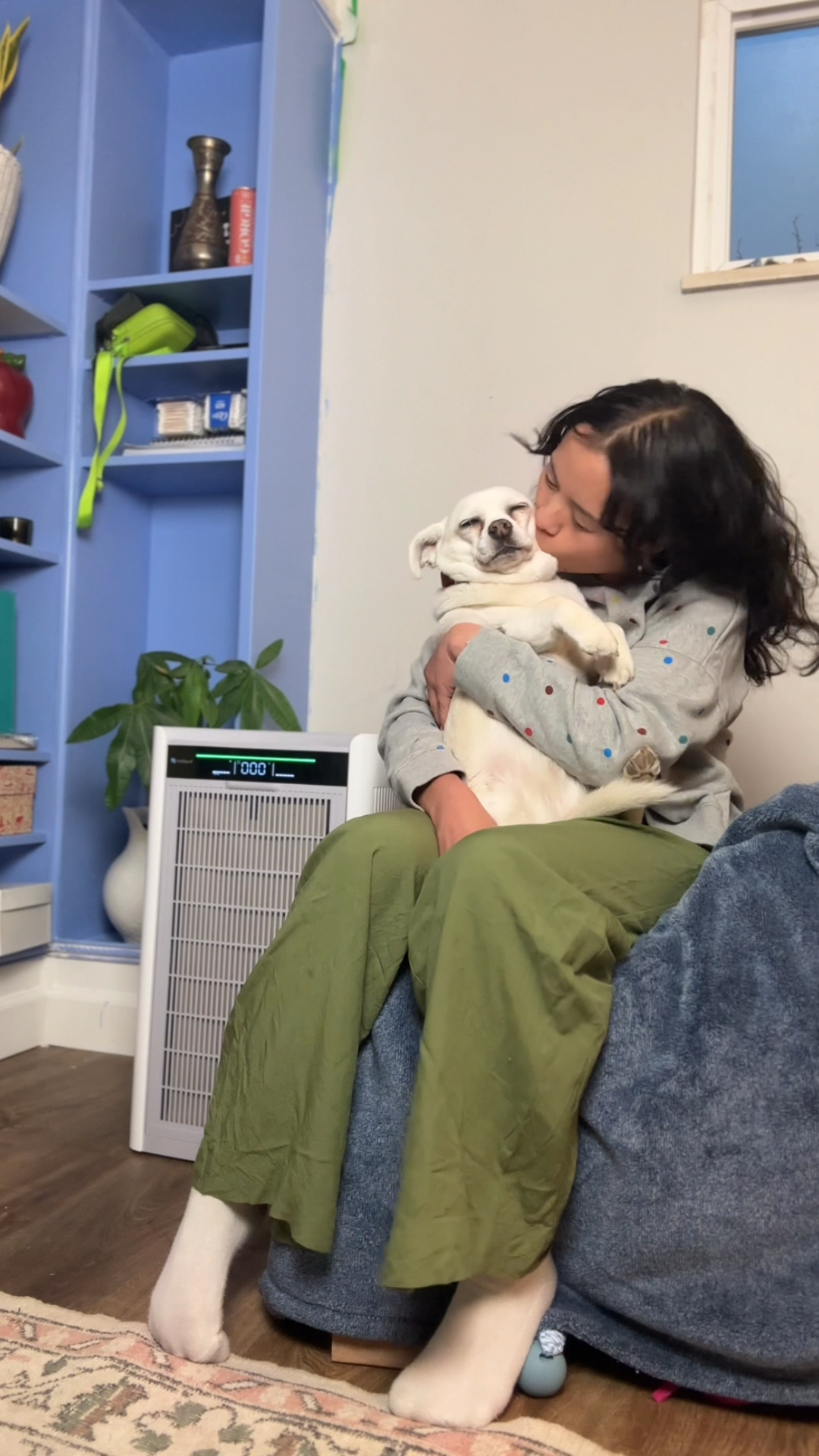
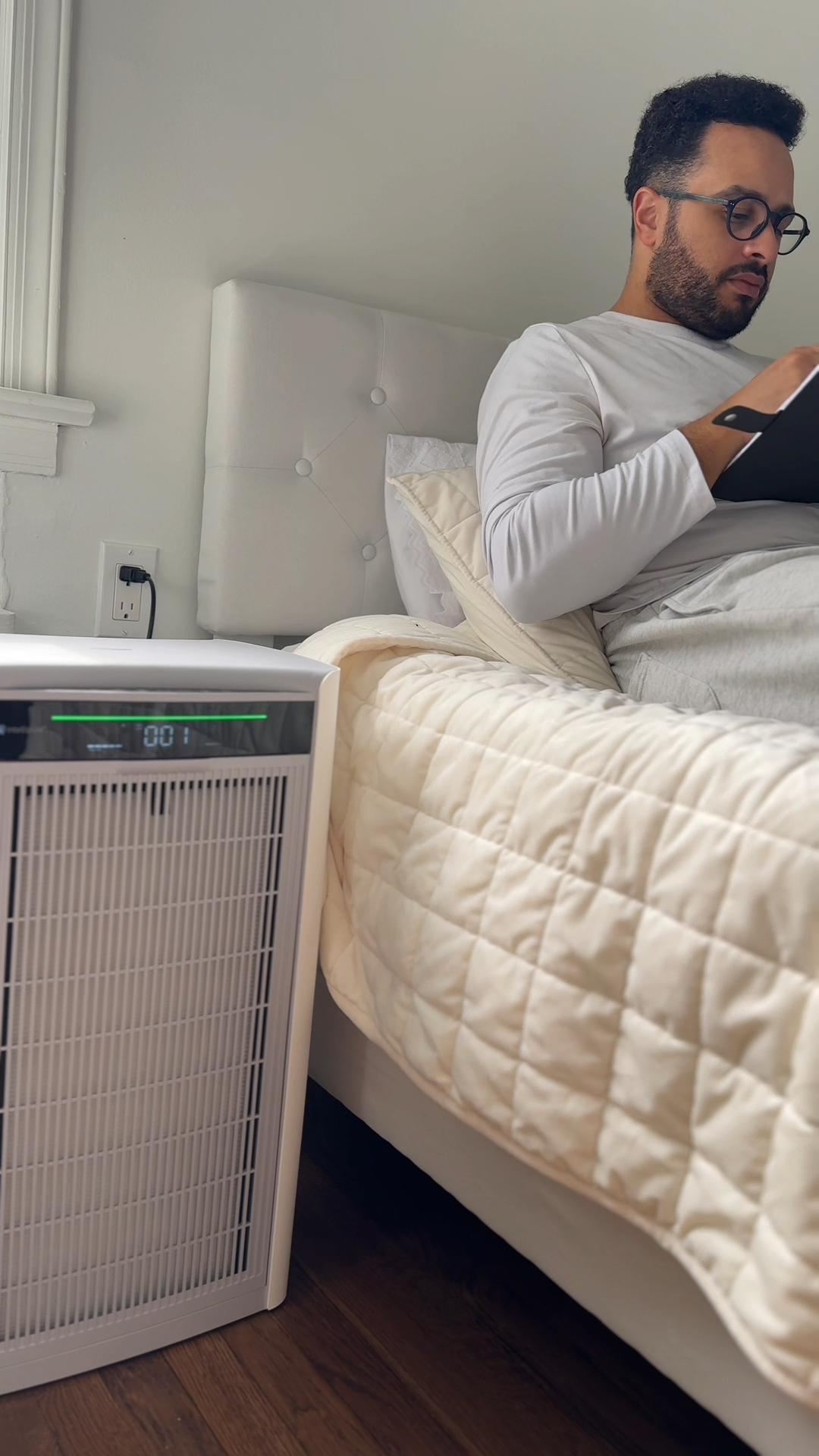
Because colds spread easily indoors, improving indoor air quality can help create a more comfortable and healthier home environment.
Cleaner indoor air can help:
- Reduce airborne particles in shared spaces
- Support better ventilation and airflow
- Improve overall indoor comfort during illness season
- Limit buildup of dust and irritants that may worsen symptoms
Running a high-efficiency air purifier in commonly used rooms can be one part of a broader approach to maintaining a healthier indoor space.
References
-
[1]
CDC. Covid. About COVID-19. Available from: https://www.cdc.gov/covid/about/index.html
-
[2]
CDC. COVID-19. Symptoms of COVID-19. Available from: https://www.cdc.gov/covid/signs-symptoms/index.html
-
[3]
CDC. Covid. Types of COVID-19 Treatment. Available from: https://www.cdc.gov/covid/treatment/index.html
-
[4]
Coronavirus disease (COVID-19) [Internet]. Available from: https://www.who.int/health-topics/coronavirus#tab=tab_1
-
[5]
Mayo Clinic. Coronavirus disease 2019 (COVID-19). Symptoms and Causes [Internet]. Available from: https://www.mayoclinic.org/diseases-conditions/coronavirus/symptoms-causes/syc-20479963
-
[6]
Mayo Clinic. Coronavirus disease 2019 (COVID-19). Diagnosis and Treatment [Internet]. Available from: https://www.mayoclinic.org/diseases-conditions/coronavirus/diagnosis-treatment/drc-20479976
-
[7]
US EPA [Internet]. 2020. Indoor Air and Coronavirus (COVID-19) | US EPA. Available from: https://www.epa.gov/indoor-air-quality-iaq/indoor-air-and-coronavirus-covid-19