


What is RSV?
RSV is a highly contagious respiratory virus that affects people of all ages. Most infections are mild, but RSV is one of the leading causes of lower respiratory tract infections in young children and can also cause severe illness in older adults.
RSV infections occur year-round but often increase during seasonal respiratory virus outbreaks.
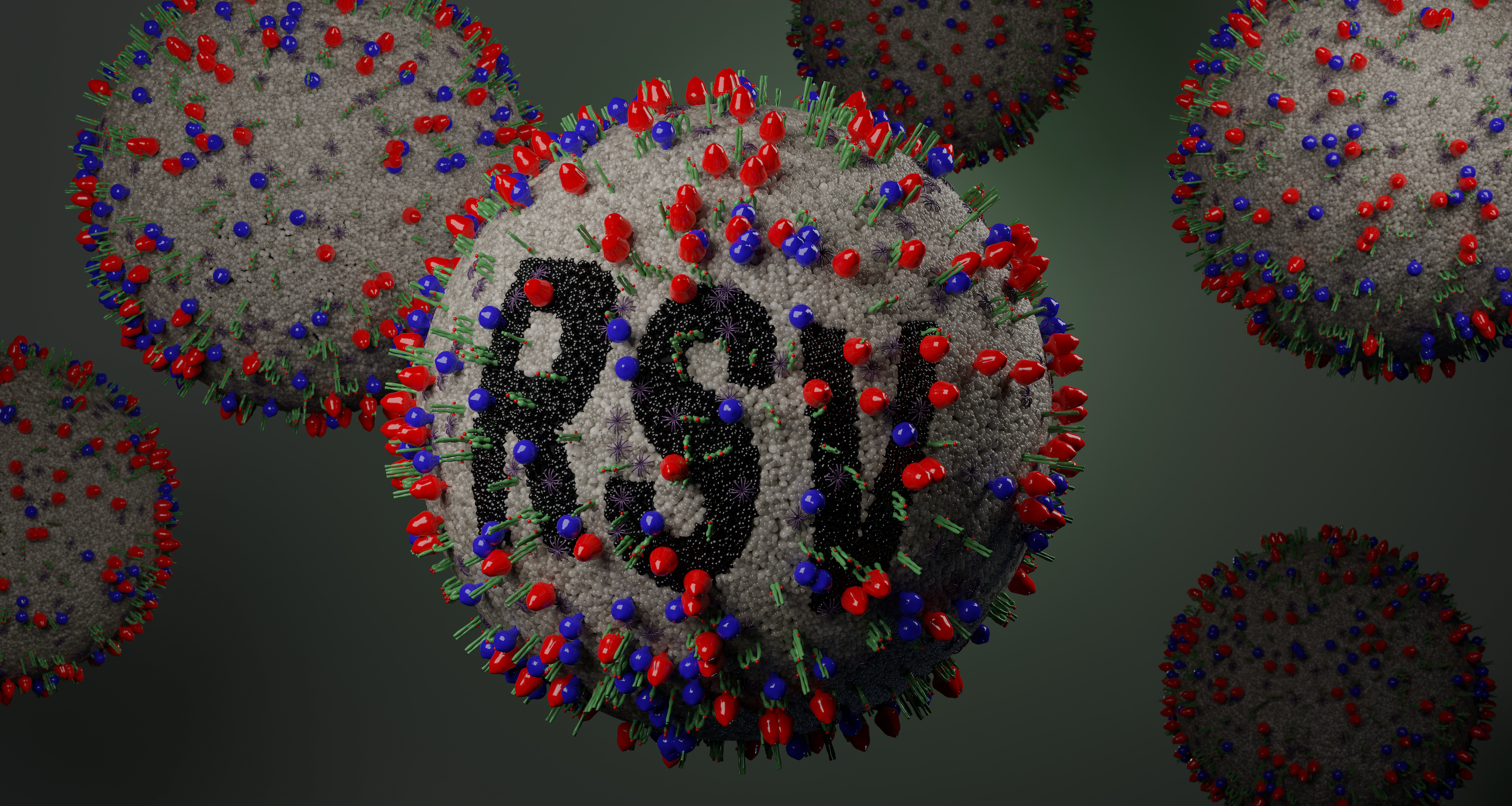
How Does It Spread?
RSV spreads through respiratory droplets and close contact with infected individuals. The virus can also survive on surfaces for several hours. It may spread through:
Coughing and sneezing
Direct contact such as hugging or kissing
Touching contaminated surfaces
Shared indoor air in crowded environments
Young children often spread RSV easily through schools, daycare centers, and family gatherings.
What Are the Symptoms?
RSV symptoms often resemble those of a cold but may vary by age.
Common Symptoms

Runny or Stuffy Nose

Congestion

Cough

Sneezing

Fever

Reduced appetite

Wheezing
More Severe Symptoms

Rapid breathing

Difficulty breathing

Bluish skin coloration (in severe cases)
Symptoms typically develop within a few days of exposure and may last one to two weeks. Click here to learn more about RSV symptoms.
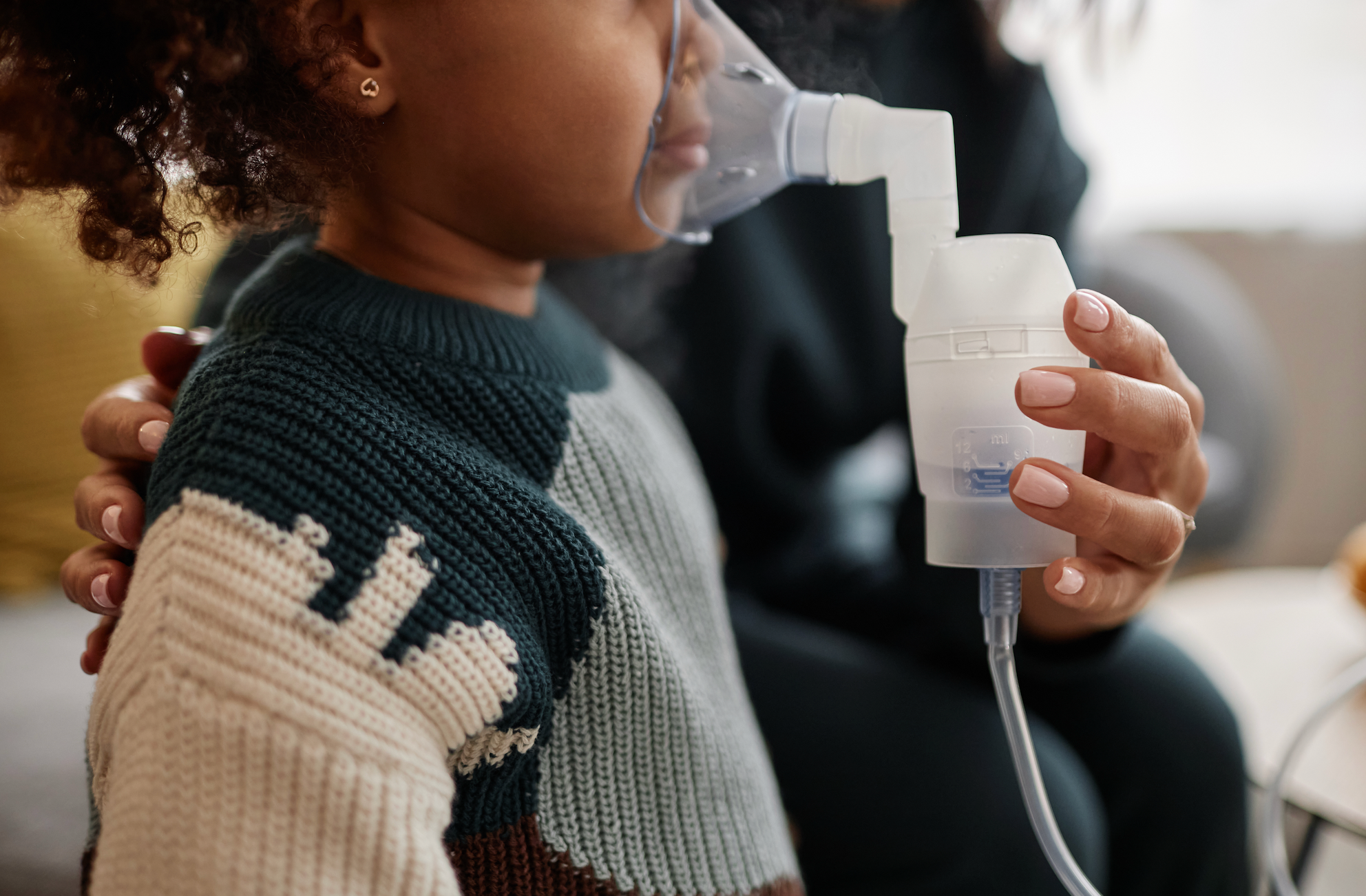
Treatment and Recovery
Most RSV infections improve with supportive care.
Helpful recovery steps include:
- Getting adequate rest
- Staying hydrated
- Managing fever and discomfort as directed by a healthcare provider
- Using a humidifier to help relieve congestion
Infants, older adults, and individuals experiencing breathing difficulties should seek medical attention promptly.

How to Avoid It and Stay Safe
Preventing RSV involves many of the same healthy habits used to reduce the spread of other respiratory viruses.
Helpful prevention measures include:
- Frequent handwashing
- Avoiding close contact with sick individuals
- Cleaning frequently touched surfaces
- Covering coughs and sneezes
- Staying home when sick
- Supporting good indoor ventilation
Certain high-risk groups may also be eligible for preventive immunizations.

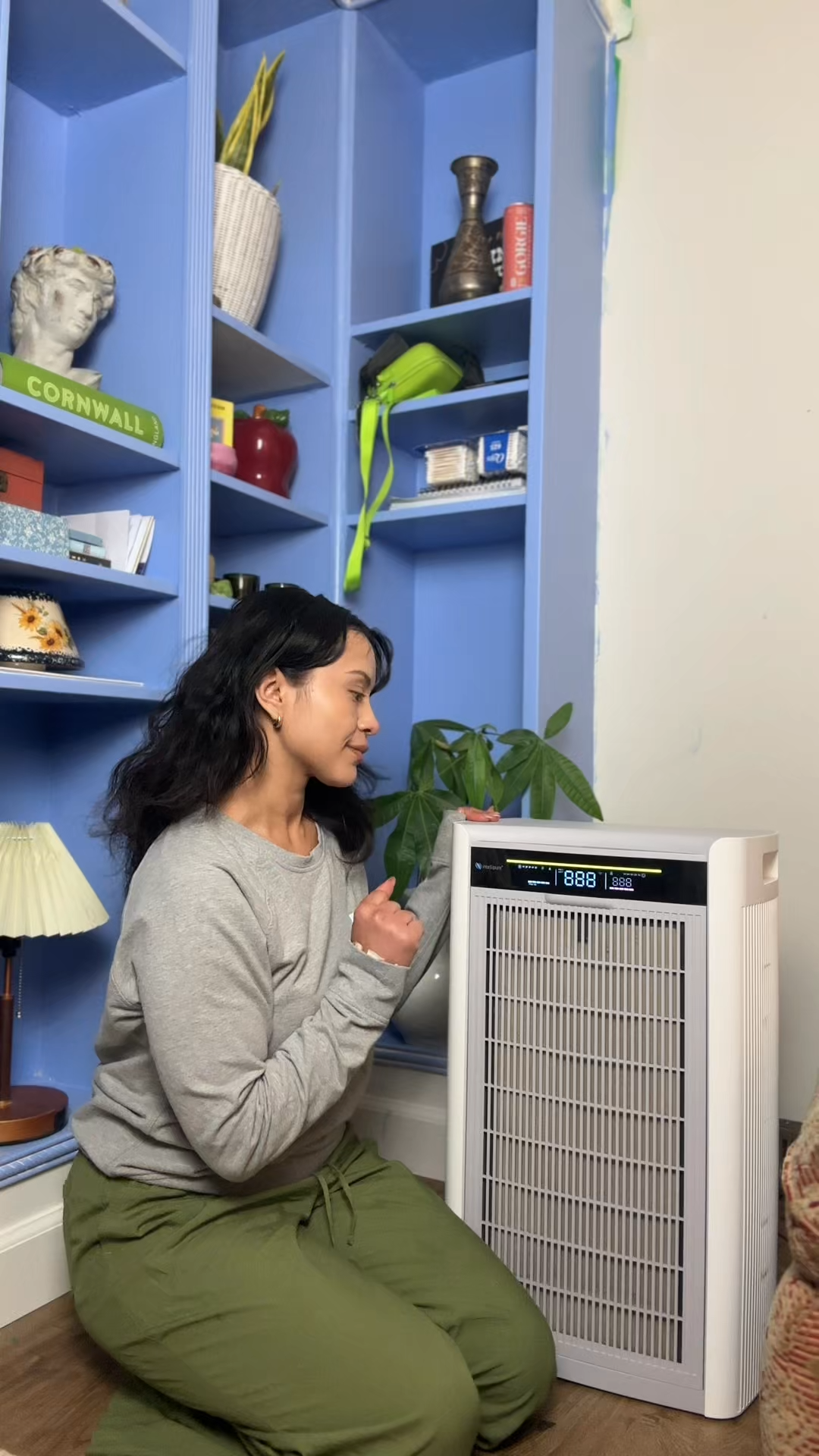
How Clean Air Supports a Healthier Indoor Environment
Because colds spread easily indoors, improving indoor air quality can help create a more comfortable and healthier home environment.
Cleaner indoor air can help:
- Reduce airborne particles in shared spaces
- Support better ventilation and airflow
- Improve overall indoor comfort during illness season
- Limit buildup of dust and irritants that may worsen symptoms
Running a high-efficiency air purifier in commonly used rooms can be one part of a broader approach to maintaining a healthier indoor space.

References
-
[1]
CDC. Respiratory Syncytial Virus Infection (RSV). About RSV. Available from: https://www.cdc.gov/rsv/about/index.html
-
[2]
CDC. Respiratory Syncytial Virus Infection (RSV). Symptoms and Care of RSV. Available from: https://www.cdc.gov/rsv/symptoms/index.html
-
[3]
CDC. Respiratory Syncytial Virus Infection (RSV). How RSV Spreads. Available from: https://www.cdc.gov/rsv/causes/index.html
-
[4]
World Health Organization - Respiratory syncytial virus (RSV) [Internet]. Available from: https://www.who.int/news-room/fact-sheets/detail/respiratory-syncytial-virus-(rsv)
-
[5]
Mayo Clinic. Respiratory syncytial virus (RSV). Symptoms and Causes [Internet]. Available from: https://www.mayoclinic.org/diseases-conditions/respiratory-syncytial-virus/symptoms-causes/syc-20353098
-
[6]
Mayo Clinic. Respiratory syncytial virus (RSV). Diagnosis and Treatment [Internet]. Available from: https://www.mayoclinic.org/diseases-conditions/respiratory-syncytial-virus/diagnosis-treatment/drc-20353104
-
[7]
Cleveland Clinic [Internet]. Available from: https://health.clevelandclinic.org/indoor-air-quality
-
[8]
Cleveland Clinic [Internet]. 2023. RSV Symptoms, Causes & Treatment. Available from: https://my.clevelandclinic.org/health/diseases/rsv-respiratory-syncytial-virus
-
[9]
How To Avoid Spreading Rsv [Internet]. Available from: https://mcpress.mayoclinic.org/rsv/how-to-avoid-spreading-rsv/