

Summary
Cooking fills your home with more than just aromas. Everyday meal prep can release volatile organic compounds, particulate matter, and other pollutants that affect indoor air quality, but practical steps like proper ventilation and air purification can help you breathe easier.
In This Article
What's Really in the Air When You Cook
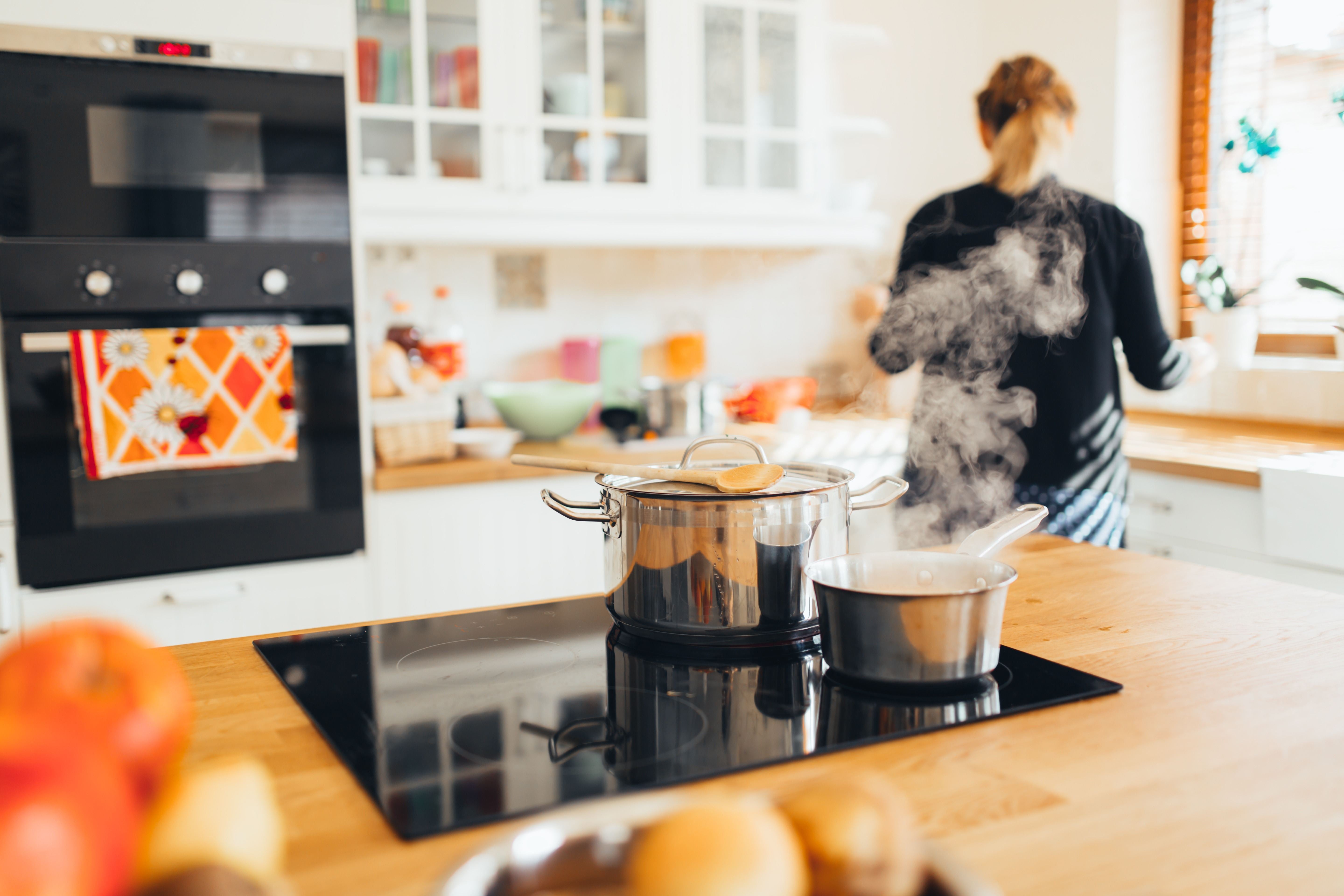
Your kitchen smells amazing. Maybe it's a slow-simmered stew, roasted vegetables, or something ambitious involving a blowtorch. But here's the thing: if you can smell what you're cooking, those aromas are a sign that compounds are floating through your air, and not all of them are harmless.
Cooking is one of the most common sources of indoor air pollution [1]. Every time you fire up the stove, you're potentially releasing volatile organic compounds (VOCs), particulate matter (PM), and other byproducts into your home. The EPA's research has found that indoor levels of common organic pollutants can be two to five times higher than outdoor levels [2], and cooking is a significant contributor.
The good news? Once you know what's happening, you can take simple, practical steps to keep your kitchen air as clean as your countertops.
Common Pollutants from Cooking
The specific pollutants your kitchen produces depend on several factors: what you're cooking, how you're cooking it, what type of stove you use, and how well your space is ventilated. Here are the key ones to know about:
- Carbon monoxide (CO): This colorless, odorless gas is produced by the incomplete burning of fuels, including natural gas [3]. At elevated indoor levels, it can cause headaches, dizziness, nausea, and confusion [4]. Poorly adjusted gas stoves can produce CO levels of 30 ppm or higher, compared to 5 to 15 ppm from properly adjusted ones [4].
- Nitrogen dioxide (NO2): Produced when gas burns, NO2 is a respiratory irritant. The CDC notes that exposure can cause shortness of breath, coughing, and increased susceptibility to respiratory infections [5]. Children are particularly vulnerable because of their smaller airways [5].
- Particulate matter (PM): Tiny particles released during cooking, especially frying, can travel deep into your lungs. According to the California Air Resources Board, PM2.5 deposits on the surface of the deeper parts of the lung, where it can induce tissue damage and inflammation [6].
- Formaldehyde: Classified as a known human carcinogen by the National Toxicology Program [7], formaldehyde can be released during high-temperature cooking methods like frying and broiling [1]. The American Lung Association notes that being careful not to overcook or burn food can help reduce these emissions [1].
- Polycyclic aromatic hydrocarbons (PAHs): These compounds, including benzo(a)pyrene (classified as carcinogenic to humans by IARC) [8], form when fat and juices from meat drip onto heated surfaces or open flames, creating smoke that adheres to food [9]. Grilling, charring, and smoking meats at high temperatures are the primary culprits.
The Gas Stove Factor
About 35% of U.S. households cook with gas stoves, according to data from the American Housing Survey [10]. While gas cooking is a staple in many kitchens, research has linked it to respiratory concerns.
A 2013 meta-analysis published in the International Journal of Epidemiology found that children exposed to gas cooking had a 32% higher odds of developing asthma compared to children in homes without gas stoves (OR 1.32, 95% CI 1.18-1.48) [11]. Building on this, a 2022 study estimated that 12.7% of childhood asthma cases in the United States could be attributable to gas stove use [10].
It's worth noting that this research reflects population-level associations, not individual certainty. But if you have a gas stove, these findings are a good reason to prioritize ventilation (more on that below).
Practical Tips for Cleaner Kitchen Air
You don't need to overhaul your kitchen to make a difference. Here are straightforward habits that can help reduce pollutant levels while you cook:
- Turn on your range hood every time you cook. A ducted range hood that vents air outside is significantly more effective than a recirculating model at removing cooking emissions [12]. Make it a habit, not an afterthought.
- Use the back burners first. Cooking on back burners improves airflow to the hood and can help reduce how much particulate matter escapes into your kitchen [12].
- Open a window. Even cracking a window near the kitchen helps bring in fresh outdoor air and improve ventilation, especially if you don't have a ducted range hood.
- Lower the heat when you can. High-temperature cooking methods like deep-frying and broiling release more pollutants than gentler approaches. Choosing oils with high smoke points, like peanut oil or canola oil, can also help minimize smoke during high-heat cooking [13].
- Keep your burners properly adjusted. On a gas stove, a properly burning flame should appear blue. A yellow or orange flame can indicate incomplete combustion, which may produce more carbon monoxide [3].
- Don't intentionally char food indoors. Charring and burning food produces PAHs and additional particulate matter [9]. Save the char for the outdoor grill, and even then, limit direct flame exposure.
- Keep cooking surfaces clean. Burnt crumbs and grease residue on stovetops and in ovens can generate extra particulate matter when heated.
- Skip the scented cover-ups. Candles, sprays, and plug-in air fresheners might mask cooking odors, but they actually add more VOCs to your air. Research has shown that fragranced consumer products can emit dozens of VOCs, including some classified as toxic or hazardous [14].
Ventilation Plus Purification: A Cleaner Approach
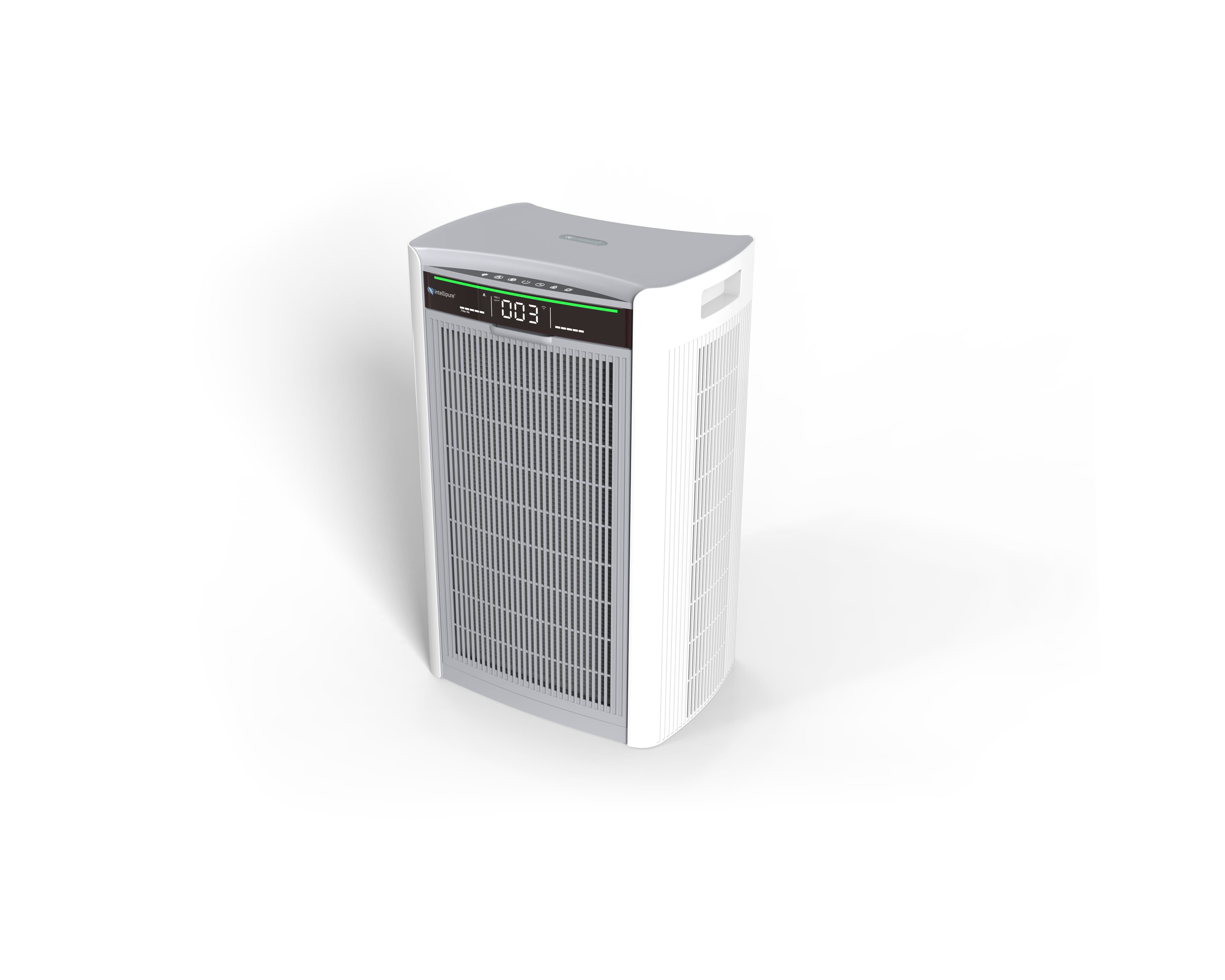
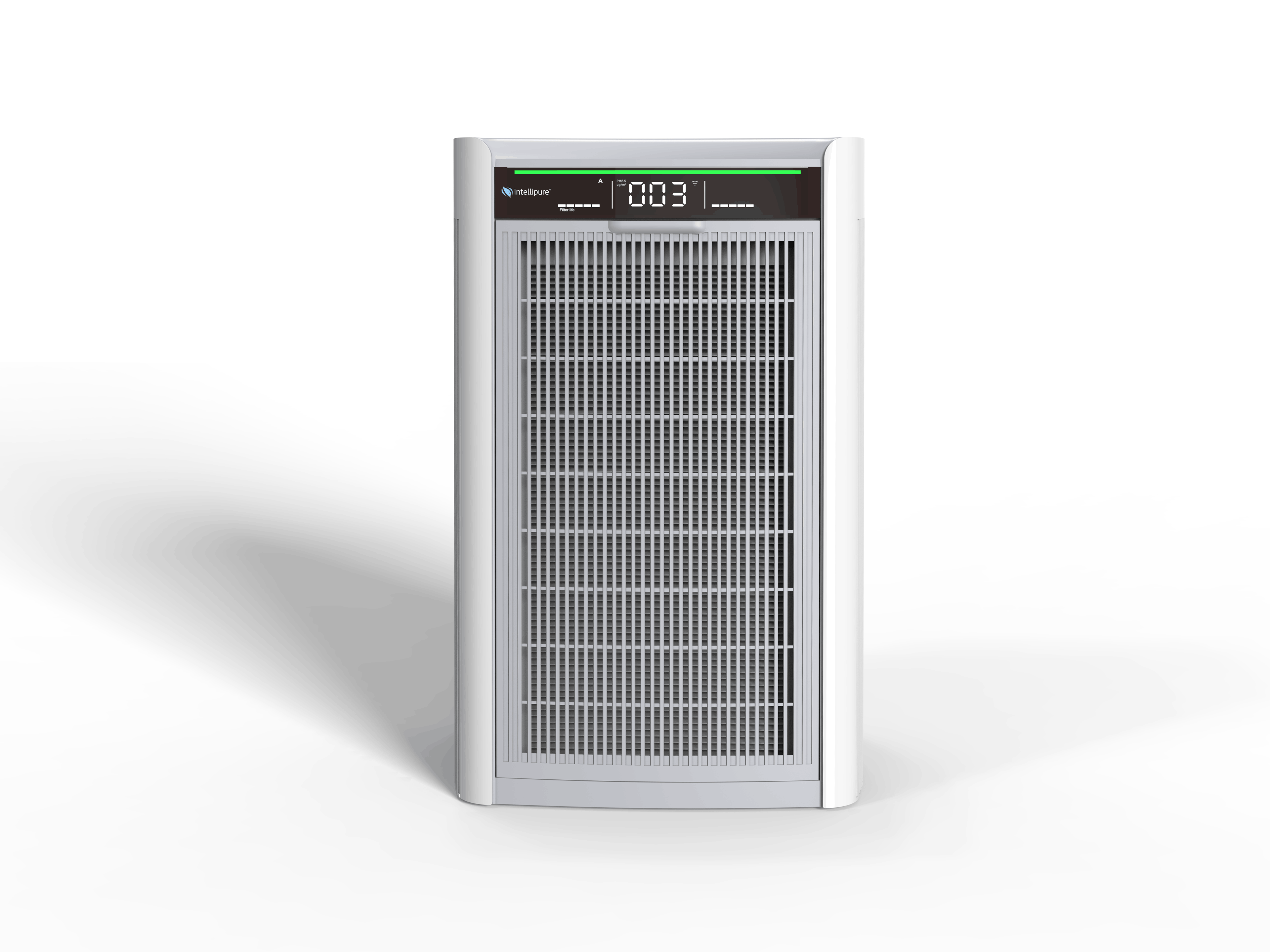
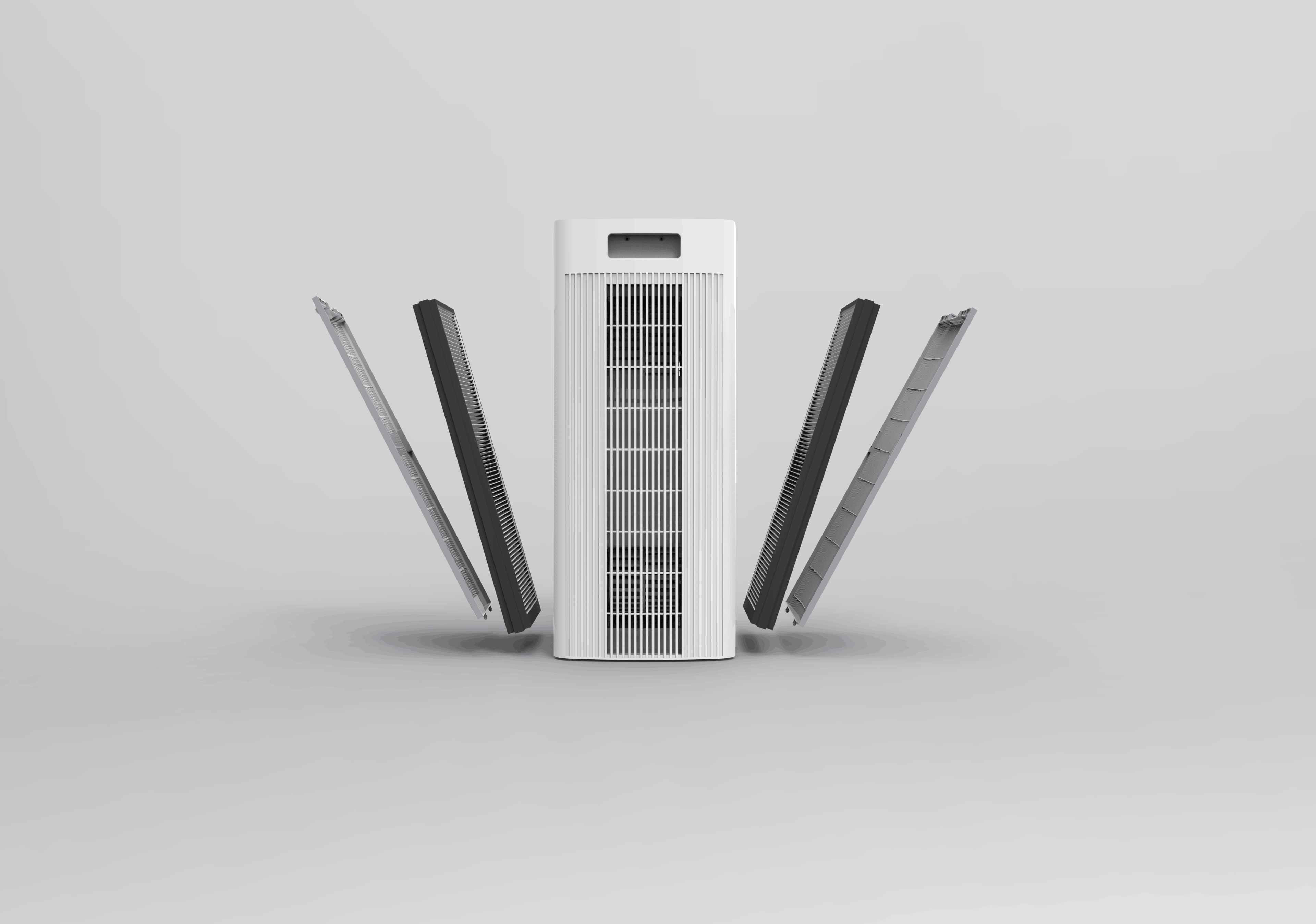
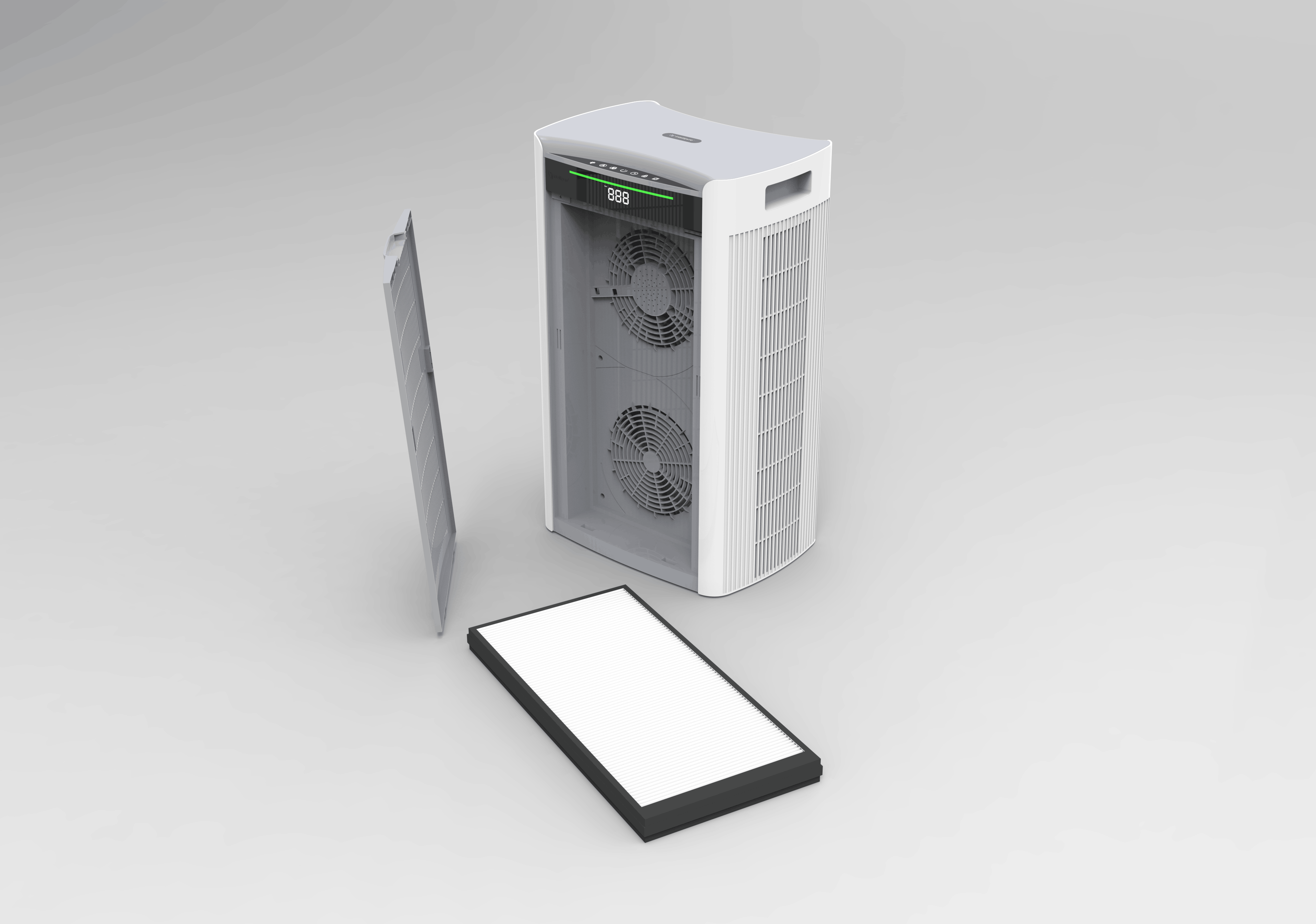
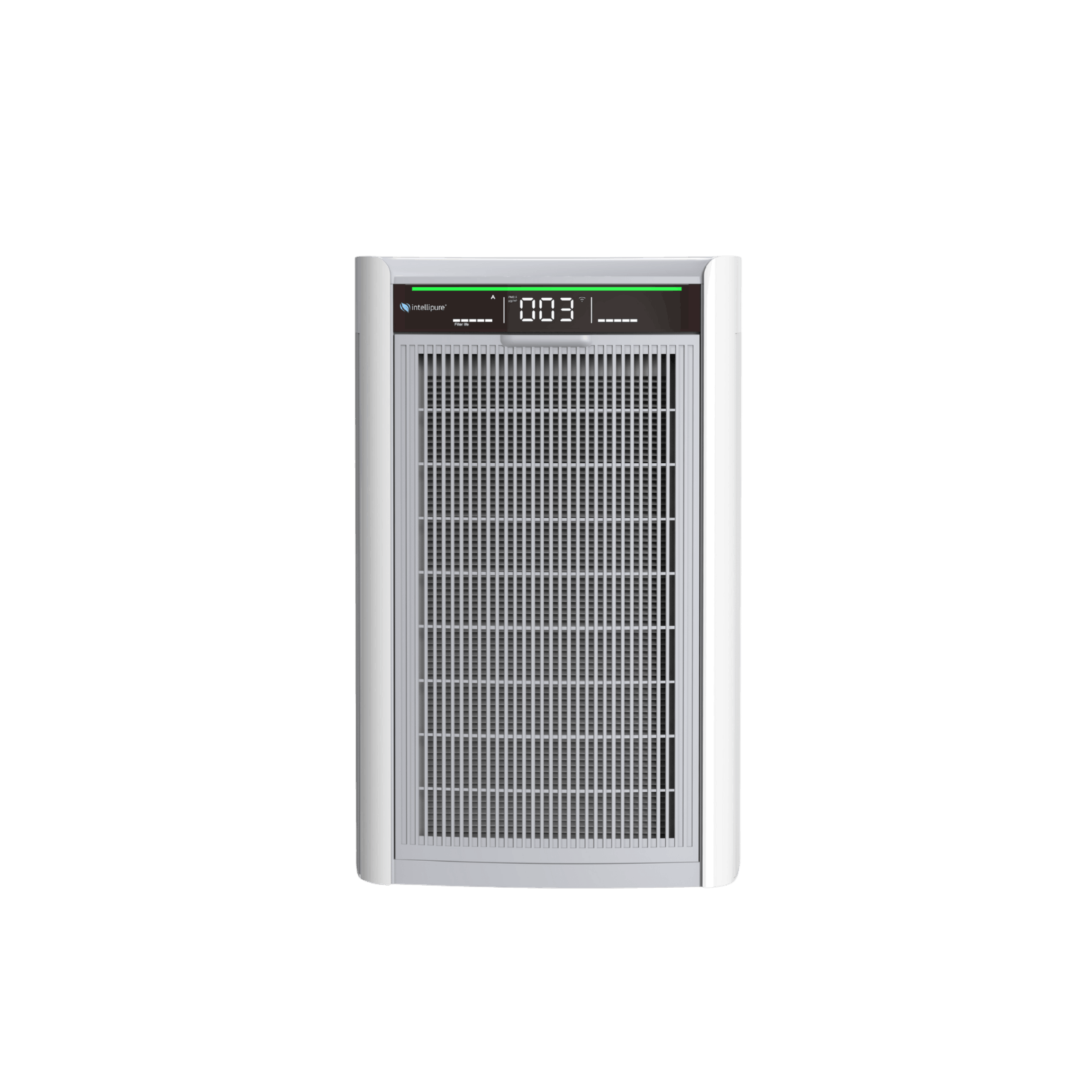
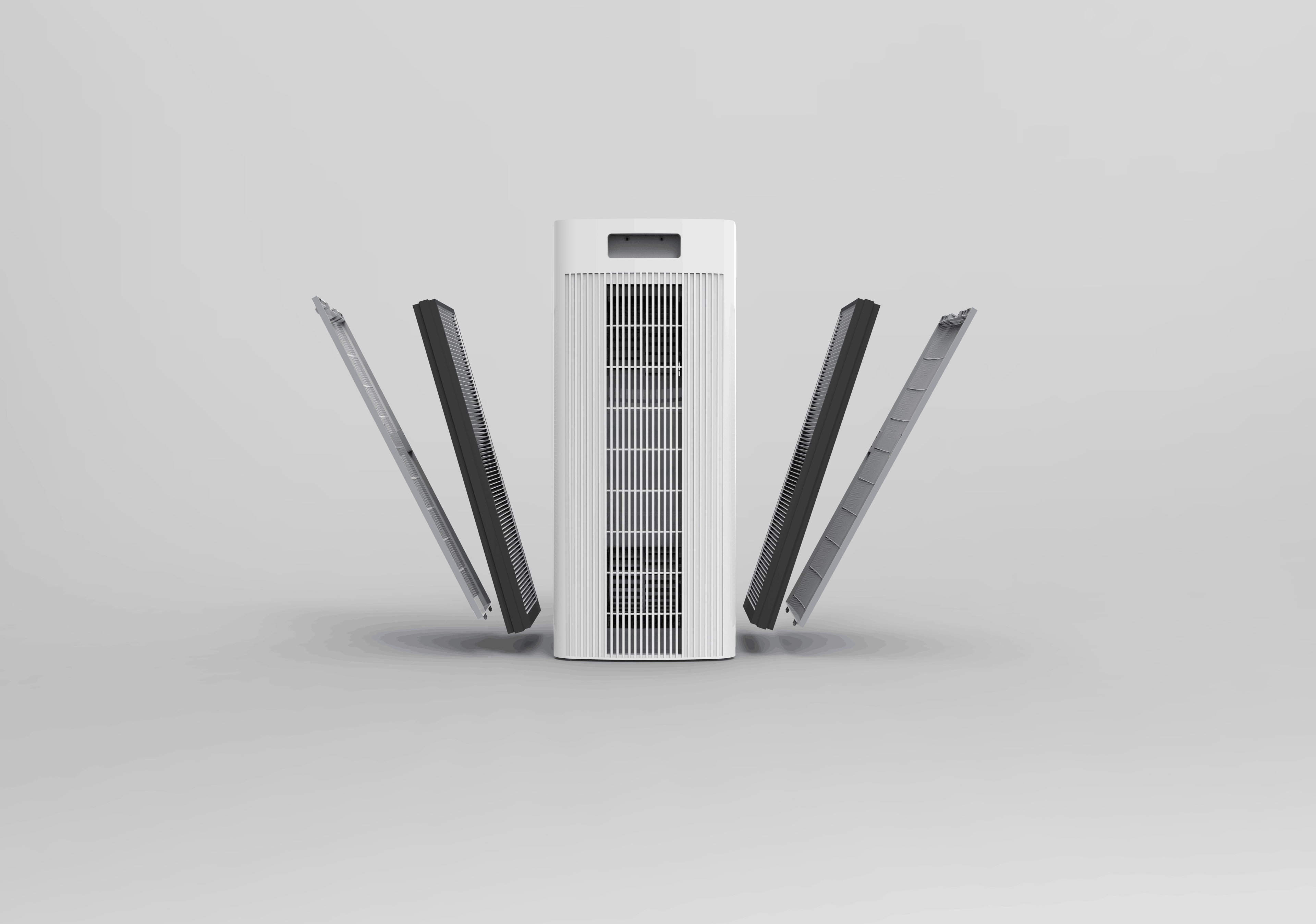
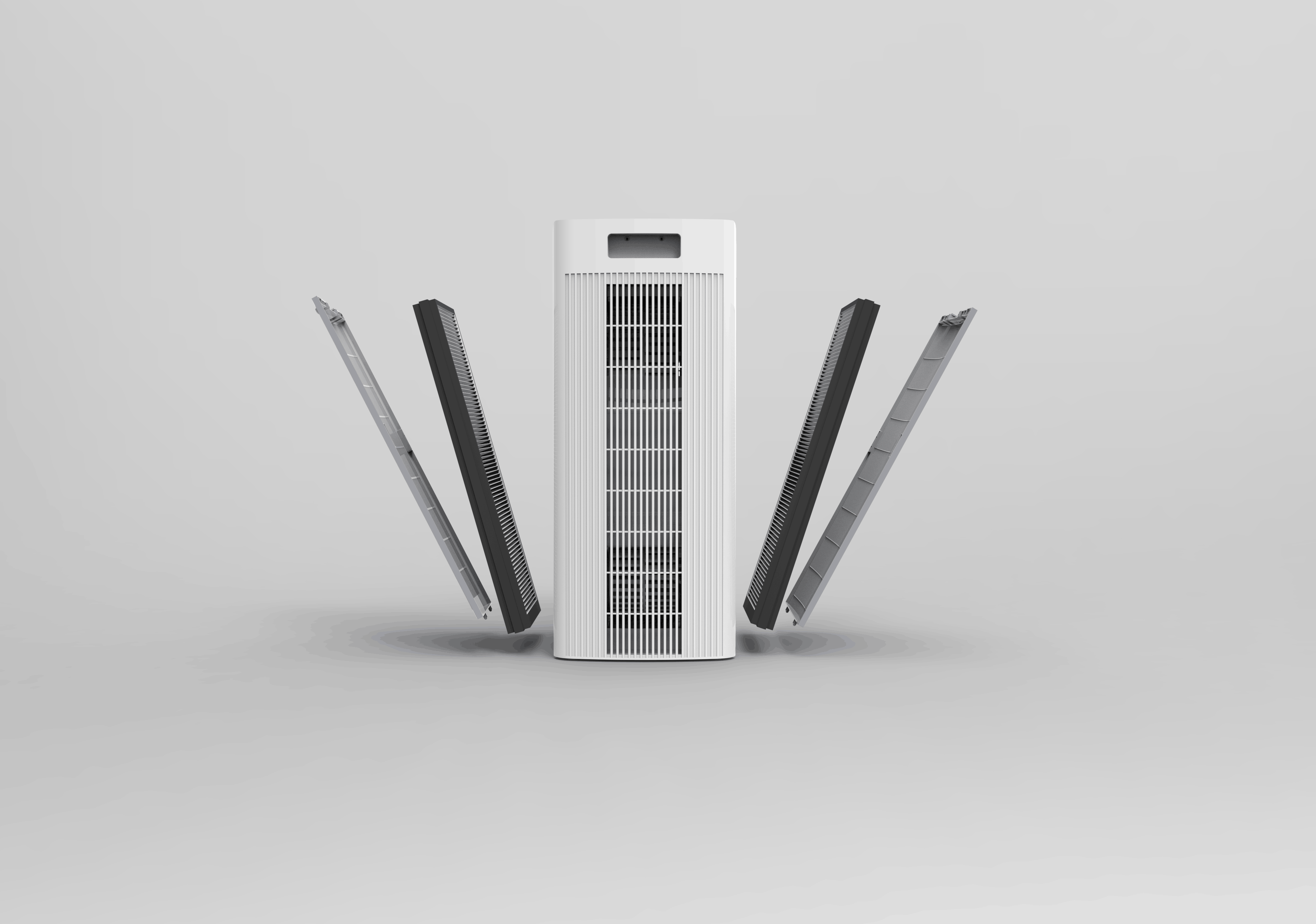
Even with the best ventilation habits, some pollutants are inevitable when you cook. That's where air purification comes in as a helpful complement.
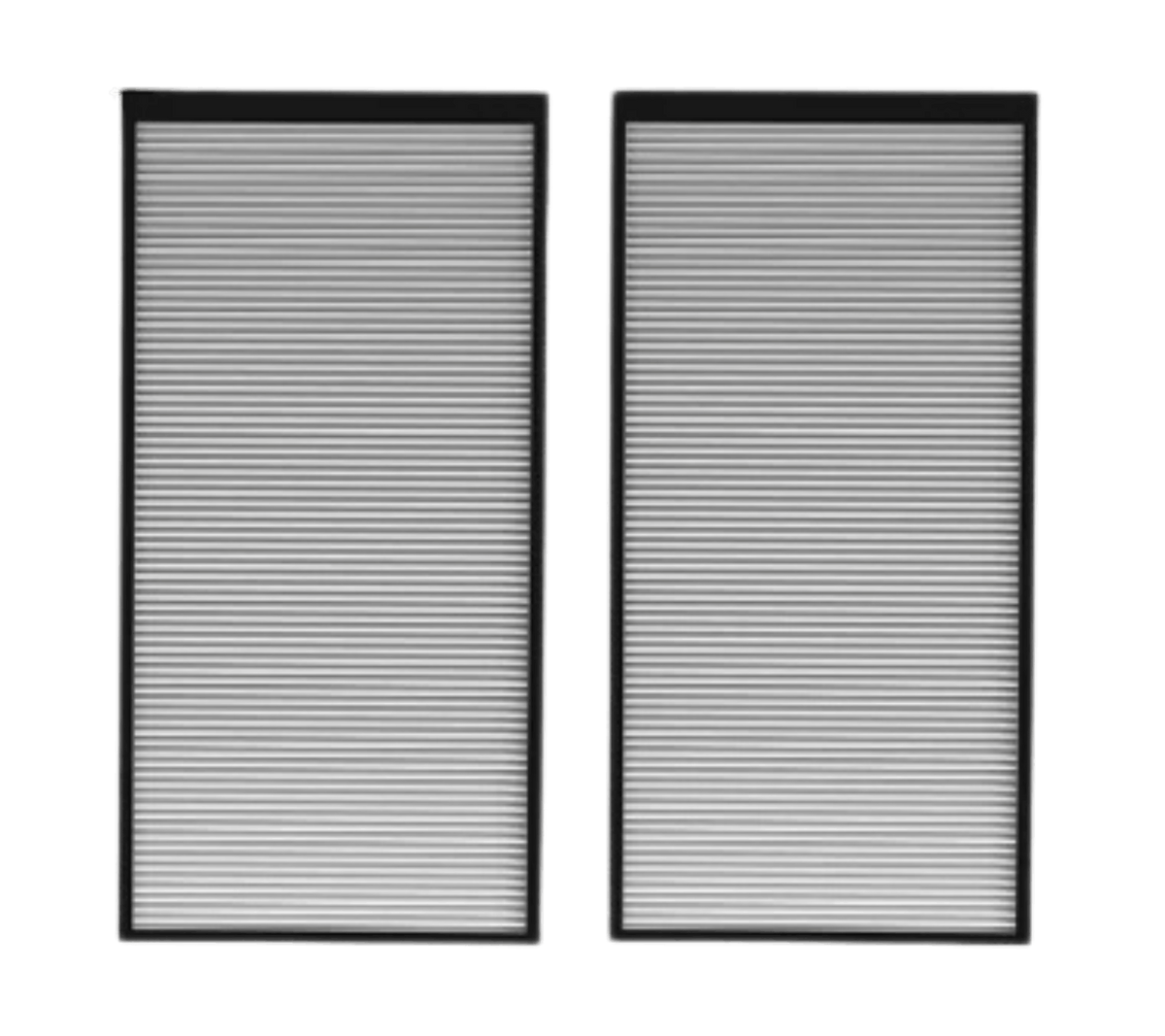
The clean air trifecta is simple: source control (reducing pollutants at the source), ventilation (moving contaminated air out), and purification (capturing what's left). When all three work together, your indoor air quality improves significantly.
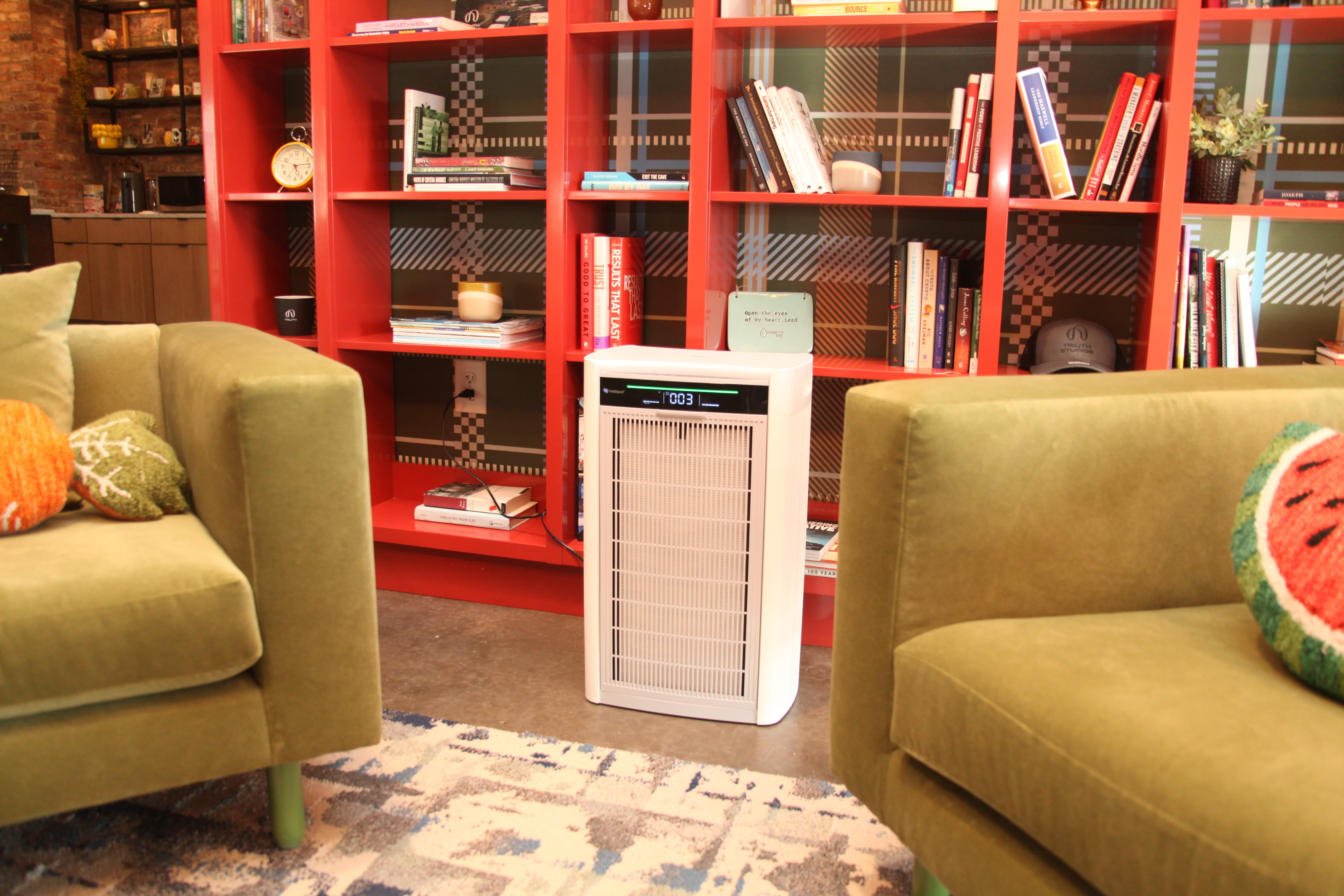
Whether you place a purifier in the kitchen or in the adjacent living space where cooking fumes tend to drift, it's a practical step toward better indoor air quality for you and your family.
The Bottom Line
Cooking at home is one of life's great pleasures, and we're not here to take that away. But as air nerds, we think it's worth knowing what's actually floating around your kitchen so you can make simple adjustments that protect your health.
Ventilate well, cook smart, and let a quality air purifier handle the rest. Your lungs (and your dinner guests) will thank you.
References
- American Lung Association. Is cooking making your indoor air unsafe? [Internet]. Chicago (IL): ALA; [cited 2026 Feb 12].
- United States Environmental Protection Agency. The inside story: a guide to indoor air quality [Internet]. Washington (DC): EPA; [cited 2026 Feb 12].
- United States Consumer Product Safety Commission. Carbon monoxide fact sheet [Internet]. Bethesda (MD): CPSC; [cited 2026 Feb 12].
- United States Environmental Protection Agency. Carbon monoxide's impact on indoor air quality [Internet]. Washington (DC): EPA; [cited 2026 Feb 12].
- Agency for Toxic Substances and Disease Registry. Medical management guidelines for nitrogen oxides [Internet]. Atlanta (GA): CDC/ATSDR; [cited 2026 Feb 12].
- California Air Resources Board. Inhalable particulate matter and health (PM2.5 and PM10) [Internet]. Sacramento (CA): CARB; [cited 2026 Feb 12].
- National Toxicology Program. Formaldehyde. In: Report on carcinogens. 15th ed. Research Triangle Park (NC): U.S. Department of Health and Human Services; 2021.
- International Agency for Research on Cancer. Benzo[a]pyrene. In: Chemical agents and related occupations. IARC Monogr Eval Carcinog Risks Hum. 2012;100F:111-44.
- National Cancer Institute. Chemicals in meat cooked at high temperatures and cancer risk [Internet]. Bethesda (MD): NCI; [cited 2026 Feb 12].
- GruenwaldT, SealsBA, KnibbesMR, et al. Population attributable fraction of gas stoves and childhood asthma in the United States. Int J Environ Res Public Health. 2022;20(1):75. doi:10.3390/ijerph20010075.
- LinW, BrunekreefB, GehringU. Meta-analysis of the effects of indoor nitrogen dioxide and gas cooking on asthma and wheeze in children. Int J Epidemiol. 2013;42(6):1724-37. doi:10.1093/ije/dyt150.
- Washington State Department of Health. Ventilation while cooking [Internet]. Olympia (WA): DOH; [cited 2026 Feb 12].
- United States Department of Agriculture Food Safety and Inspection Service. Deep fat frying and food safety [Internet]. Washington (DC): USDA FSIS; [cited 2026 Feb 12].
- SteinemannAC, MacGregorIC, GordonSM, et al. Fragranced consumer products: chemicals emitted, ingredients unlisted. Environ Impact Assess Rev. 2011;31(3):328-33. doi:10.1016/j.eiar.2010.08.002.



Is Your Cozy Home Hiding Dirty Air?
Do Ionizer Air Purifiers Work and Are They Safe?