

Summary
The air inside your home can be two to five times more polluted than outdoor air, thanks to everyday sources like cleaning products, candles, and cooking. Here's how to spot the invisible culprits and take practical steps toward cleaner indoor air.
In This Article
That First Breath Home Might Not Be So Fresh
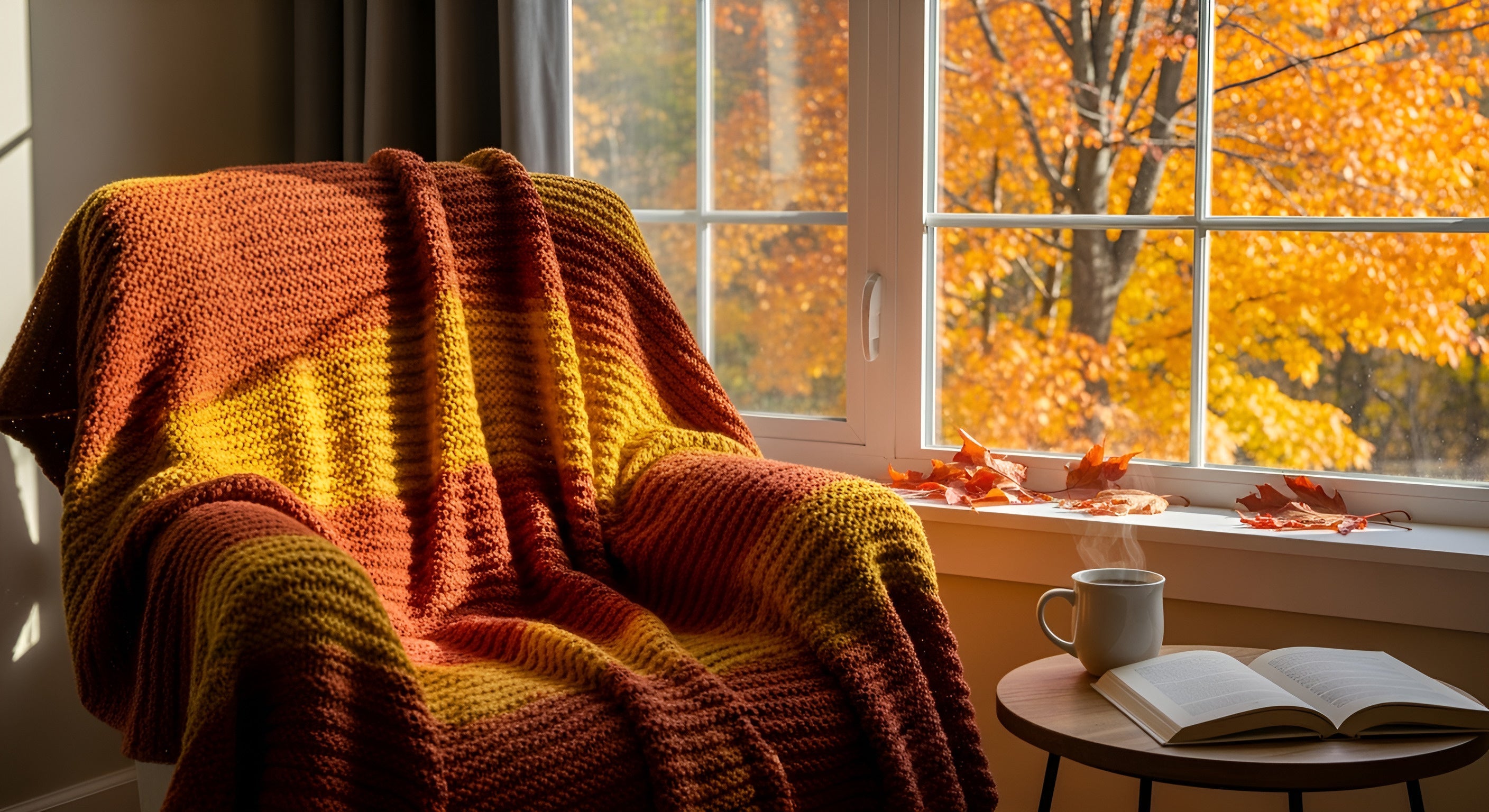
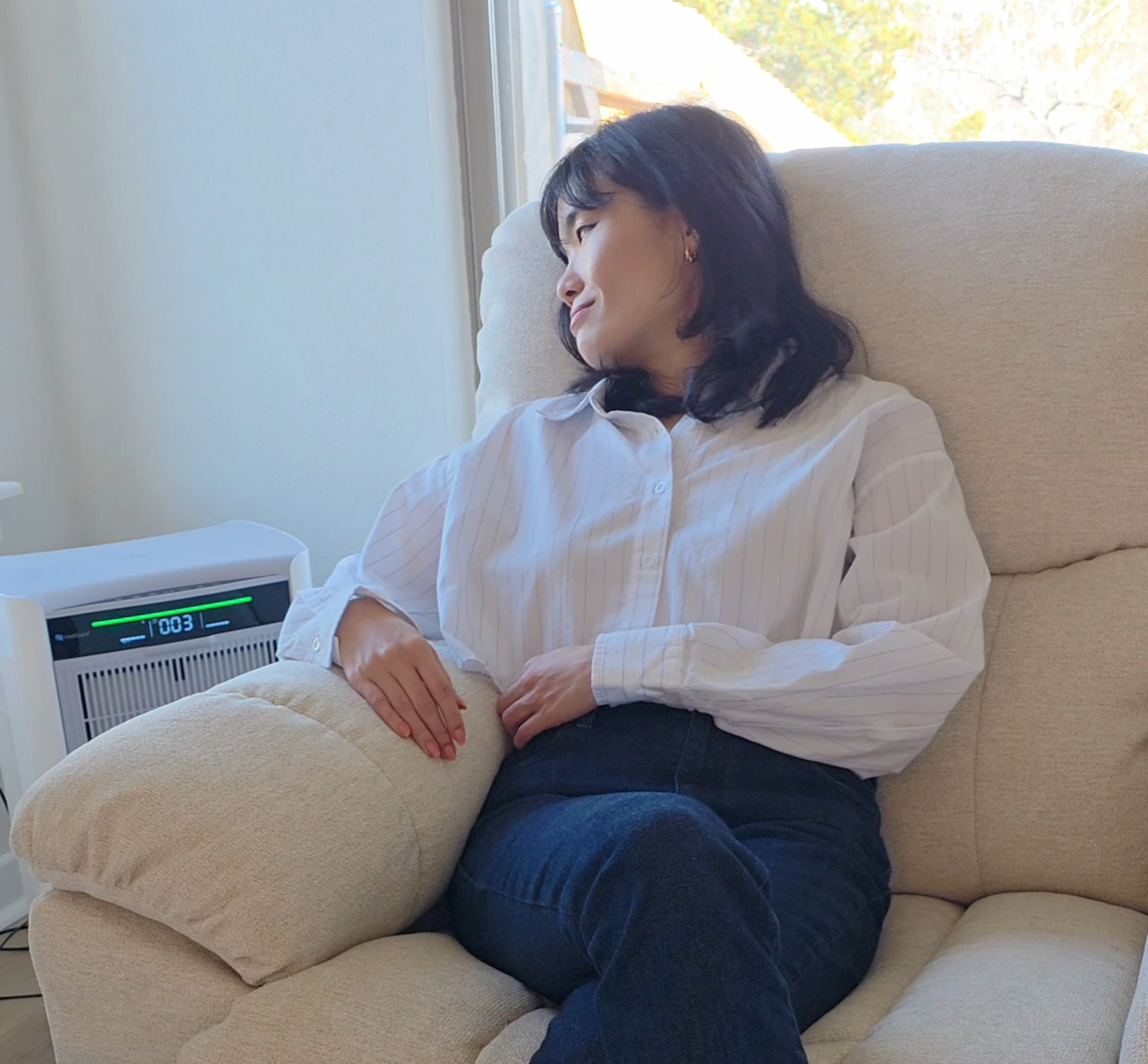
You walk in, kick off your shoes, and take a deep, full breath. Home. This space feels instantly safe, familiar, comfortable. You start breathing easier the moment you step inside.
But here's the thing: what you're breathing might not be quite as comforting as you think.
According to the U.S. Environmental Protection Agency (EPA), the air inside our homes can be two to five times more polluted than the air outside [1]. Yes, outside, where the cars, smokestacks, and pollen are. Turns out the air indoors has its own set of invisible culprits, and they're often more concentrated than anything blowing in from the street.
The air inside your home has its own report card. We call it indoor air quality, or IAQ. And it's one of those things you don't really think about until it starts affecting how you feel.
The Invisible Problem
Unlike the pile of laundry on your chair, poor IAQ doesn't announce itself. The pollutants are microscopic, and they come from just about everywhere:
- Volatile organic compounds (VOCs) from candles, sprays, paints, and cleaners
- Allergens like pet dander, pollen, and dust mites
- Ultrafine particles from cooking, smoking, or even burning toast
- Biological pollutants like mold spores or bacteria
Individually, they're small. Together, they can make your lungs work overtime. The EPA notes that common indoor pollutants like these are linked to immediate effects such as headaches, dizziness, and fatigue, as well as long-term respiratory conditions [1]. Children, older adults, and people with conditions like asthma face heightened sensitivity to these pollutants [1].
Which means even when your home looks spotless, your air could still be a mess.
Why It Gets Worse at Certain Times
Here's the kicker: IAQ isn't steady. It shifts with the seasons and your habits.
- Winter: Windows stay shut, heaters stay on, and pollutants get sealed in tight.
- Spring: Pollen barges in like it owns the place.
- Summer: Extra humidity fuels mold growth, while mold-fighting cleaning sprays add to the VOC cocktail.
- Fall: Back-to-school germs, holiday cooking marathons, and scented candles (sorry, pumpkin spice fans) all pile on.
And because modern homes are built to be more energy-efficient, they're also sealed tighter than ever. The EPA notes that weatherizing a home without maintaining proper ventilation can allow contaminants to build up to unhealthy levels [2]. You're not just living with your pollutants; you're making it harder for them to leave.
How Poor IAQ Can Affect Your Health
Your body notices poor indoor air even when you don't. The EPA describes a range of short-term symptoms tied to poor IAQ, including headaches, dizziness, fatigue, and irritation of the eyes, nose, and throat [1]. Over time, these can escalate. Research has linked exposure to fine and ultrafine particles with cardiovascular effects and reduced lung function, particularly in children [3, 4].
A review published in Experimental & Molecular Medicine highlights that ultrafine particles (those smaller than 0.1 microns) can translocate beyond the lungs to essentially all organs, and compared to larger fine particles, they cause more pulmonary inflammation and are retained longer in the lung [5]. A Dutch cohort study found that long-term exposure to ultrafine particles was associated with an increased risk of cardiovascular disease [6].
Here's the hopeful side: research shows that when air quality improves, health outcomes follow. A landmark Children's Health Study found that reductions in air pollution in southern California were associated with measurable improvements in lung development in children [7]. Cleaner air can make a real difference.
Common Misconceptions
Let's bust a few myths:
- "If it smells fresh, it is." Not quite. Fragranced products like sprays and plug-ins can emit dozens of VOCs, including some classified as toxic or hazardous under federal law. Research has found that these products emit terpenes such as limonene, which can generate secondary pollutants like formaldehyde indoors [8].
- "Essential oils are safer." Even "natural" oils release terpenes like limonene. When these compounds react with indoor ozone, they can form submicron particles [9].
- "Opening a window fixes everything." Sometimes it helps. But if outdoor air has high pollen counts or vehicle exhaust, you're just trading one set of pollutants for another.
The Better Approach
The EPA outlines three strategies for healthier indoor air: source control, ventilation, and air cleaning [10]. That means:
- Reducing pollutants at the source by switching to low-VOC products, fixing leaks that can cause mold, and cutting back on heavy fragrances.
- Ventilating when possible, especially during cooking or cleaning, to dilute indoor pollutants with fresh outdoor air.
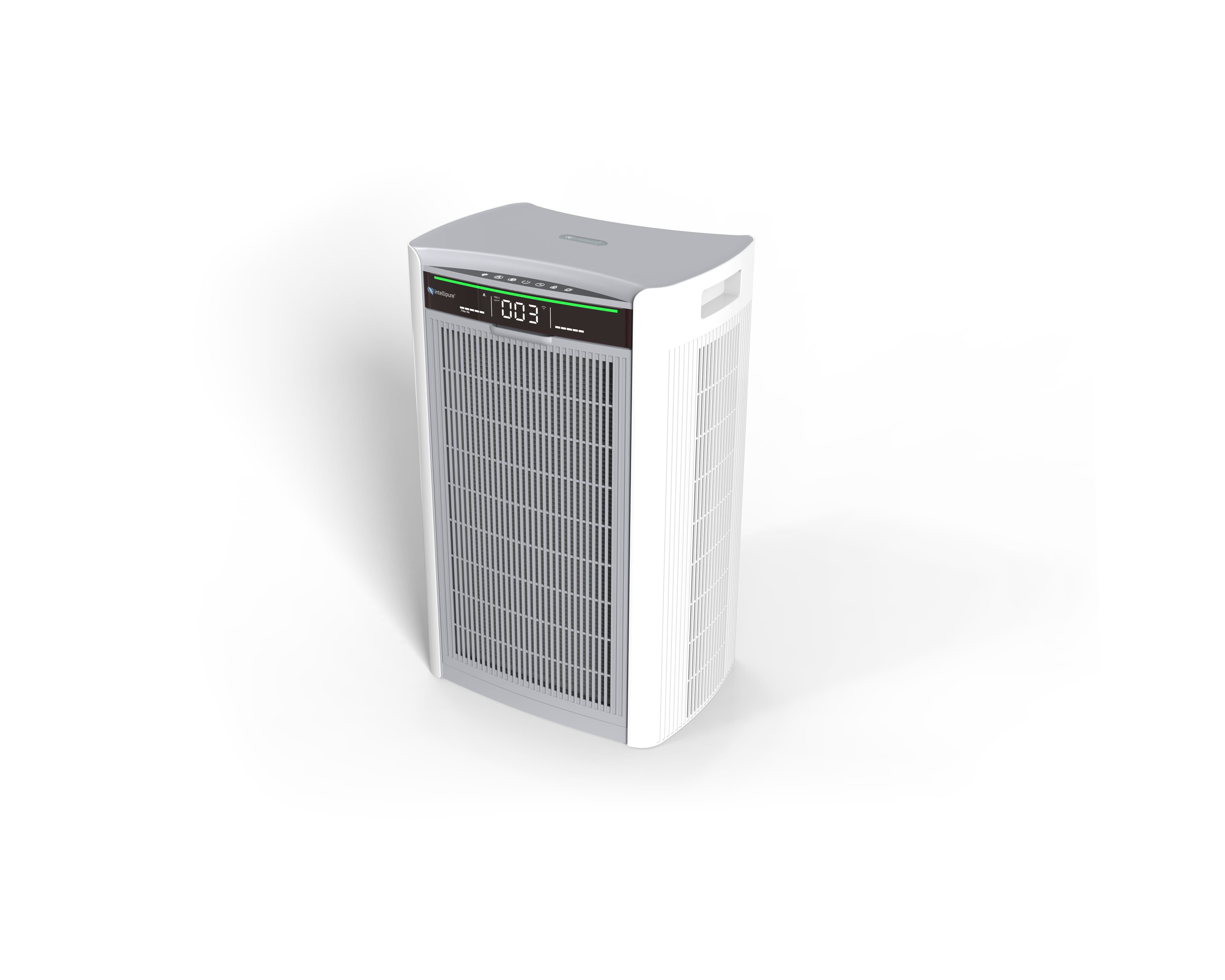
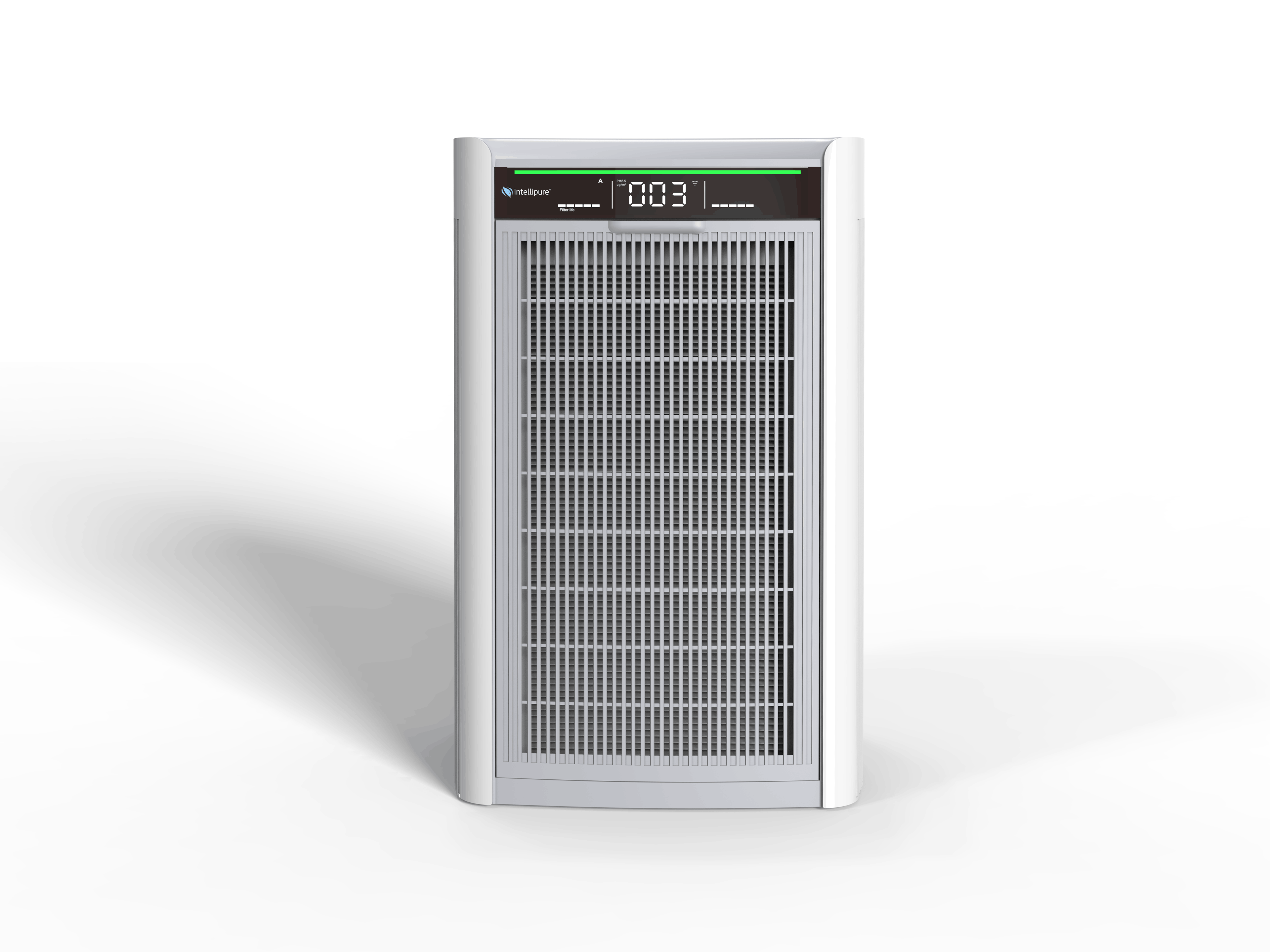
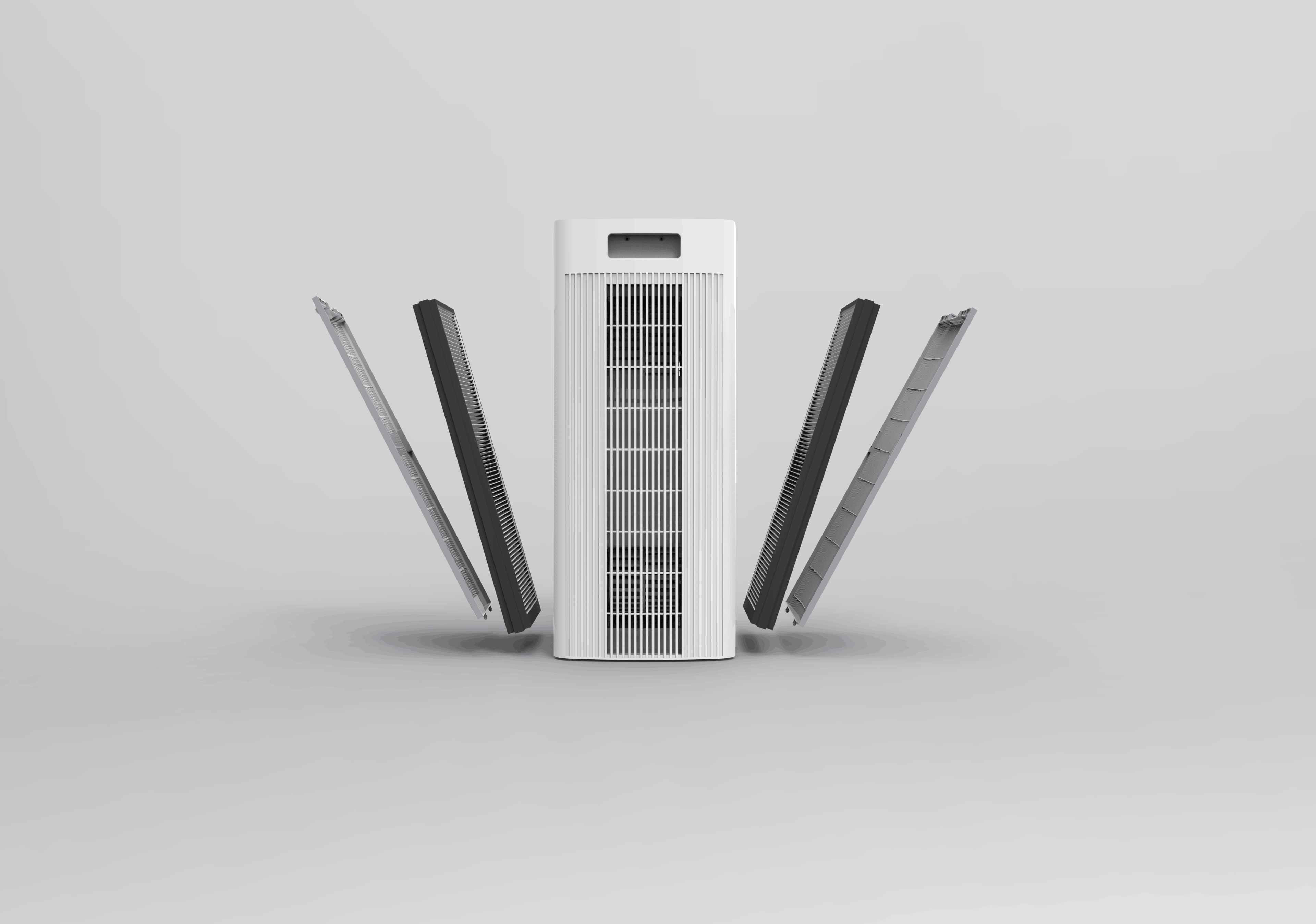
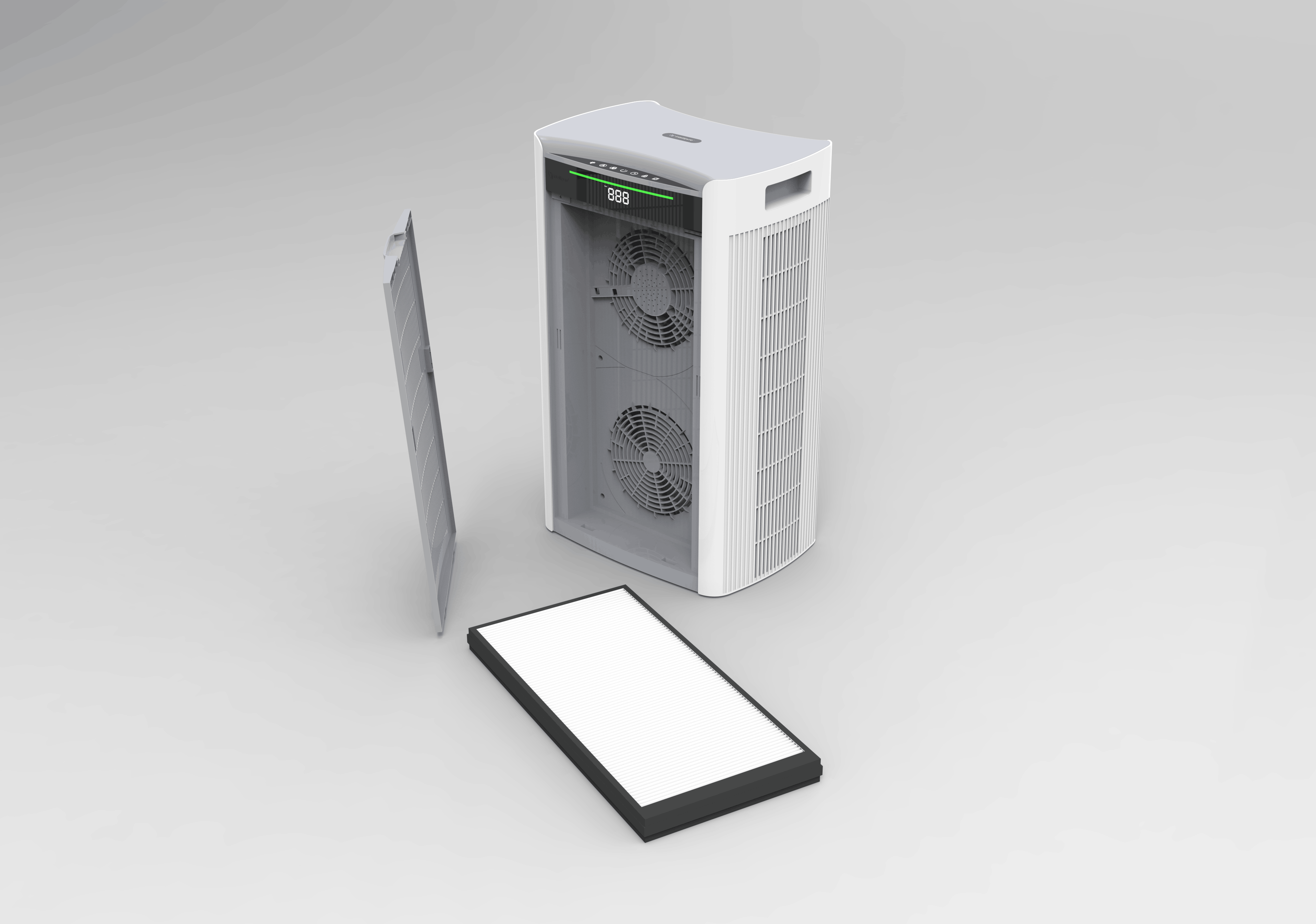
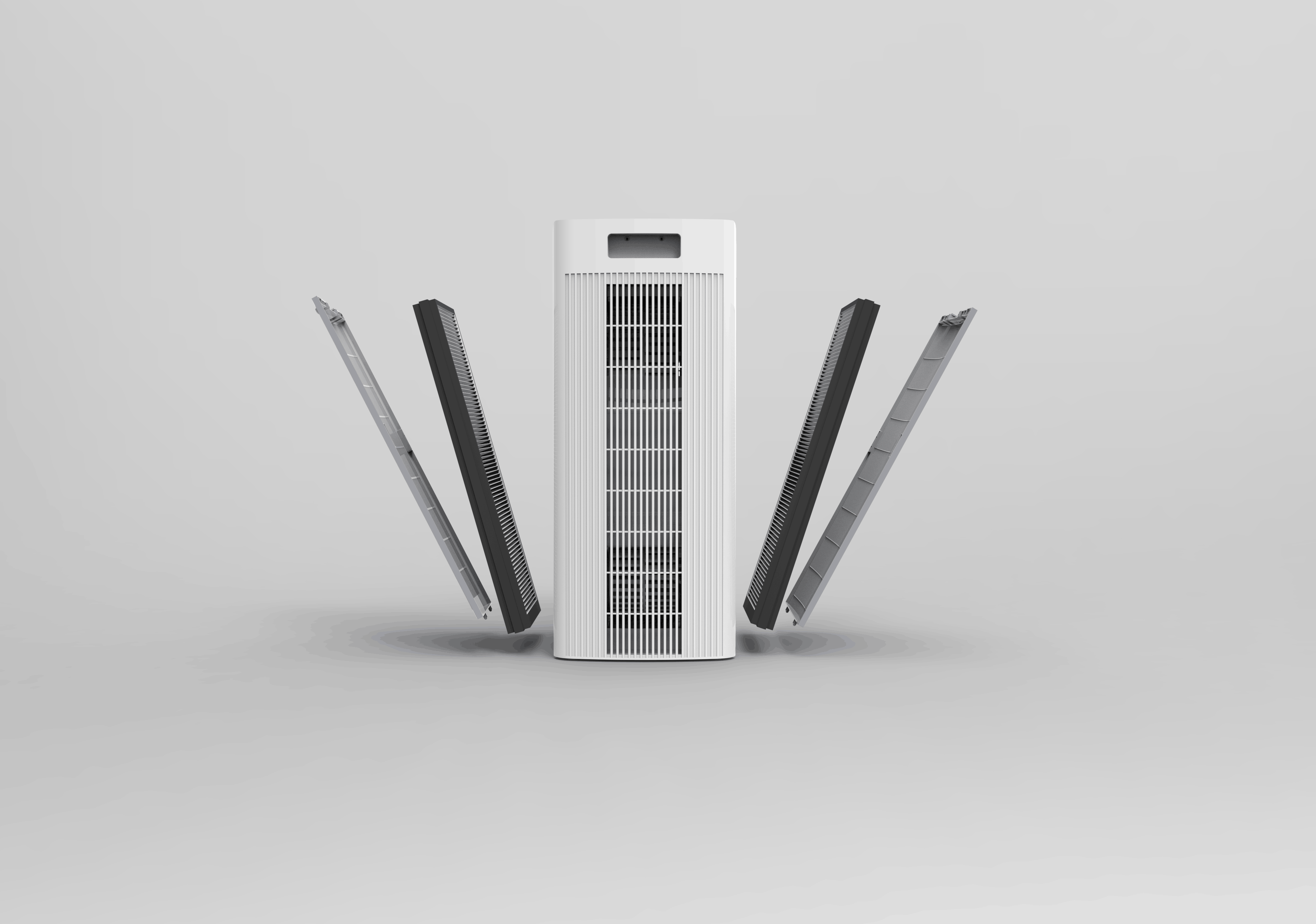
- Using proven air filtration to capture what's left.
This three-part approach is what we like to call the clean air trifecta: source control + ventilation + purification. The first two steps lay the groundwork, and a high-quality air purifier fills in the gaps.
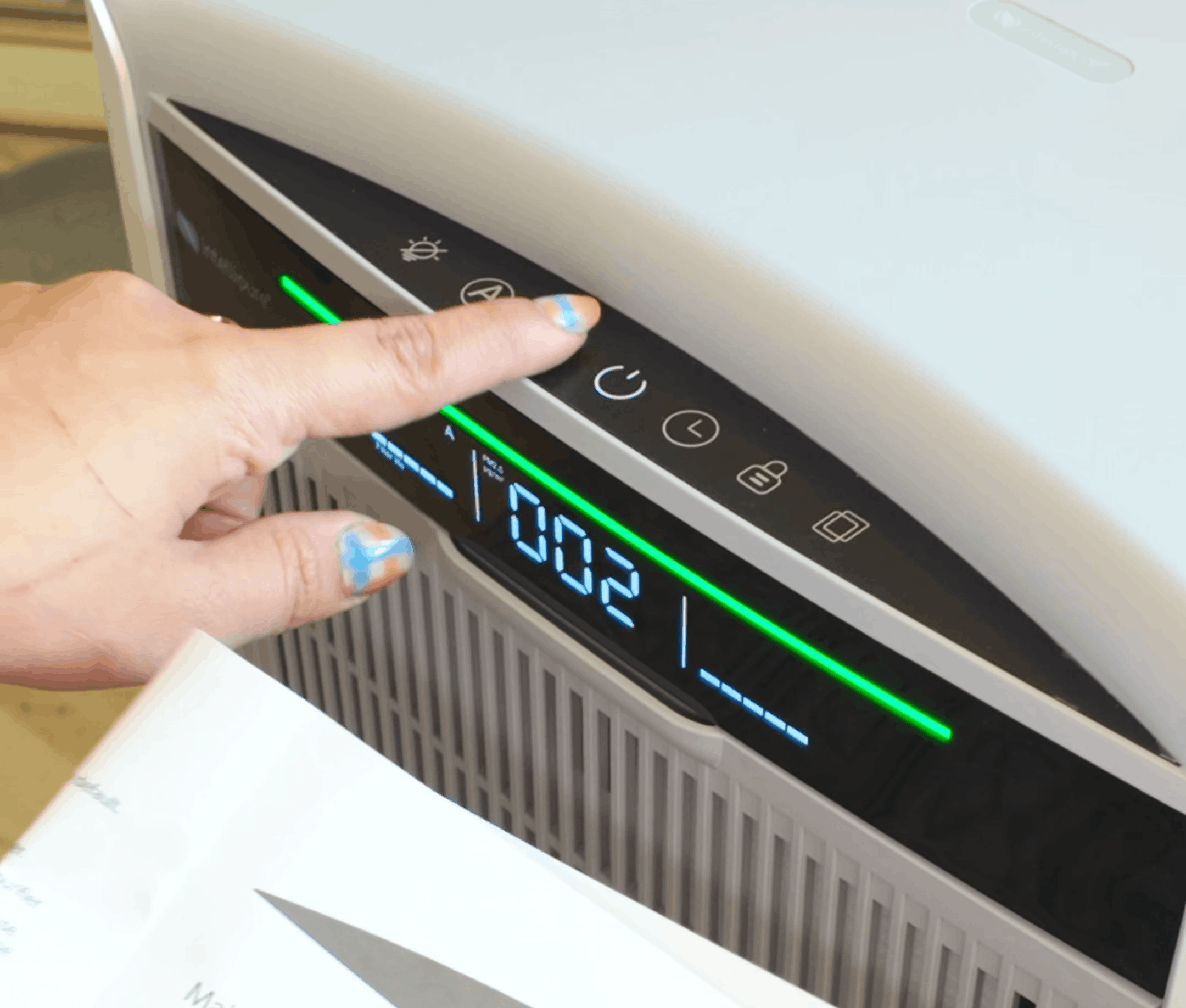
This is where technology makes the invisible visible.
Your IAQ Checklist
Here are 15 practical steps for breathing better at home:
- Vent while cooking. Use the range hood or crack a window. Cooking generates particulate matter and other pollutants [11].
- Run exhaust fans in bathrooms to cut humidity and discourage mold growth.
- Position purifier intakes and outlets away from walls or furniture for proper airflow.
- Replace HVAC filters regularly. Look for higher MERV ratings for better particle capture.
- Vacuum regularly with a HEPA-filter vacuum to trap allergens and fine dust.
- Leave shoes and coats at the door to keep outdoor pollutants outside.
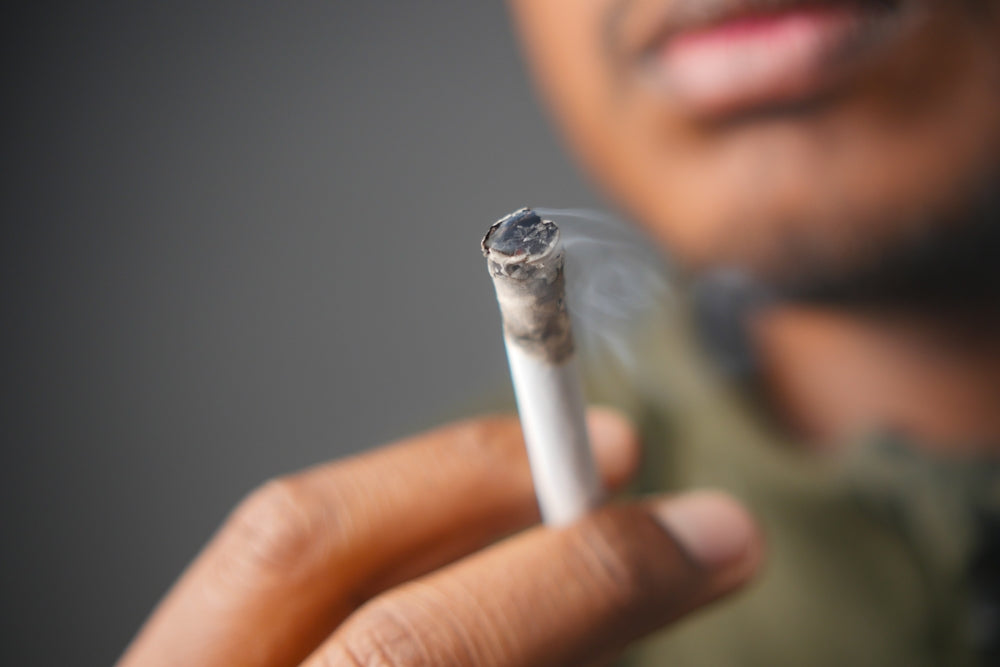
- Don't smoke or vape indoors. Secondhand smoke particles can persist in indoor environments long after a cigarette is extinguished [12].
- Choose low-VOC paints, adhesives, and cleaning products.
- Skip plug-in air fresheners and fragrance sprays. They add VOCs, not freshness [8].
- Fix leaks quickly to prevent mold colonies from forming and spreading.
- Wash bedding weekly in hot water to help reduce dust mites [13].
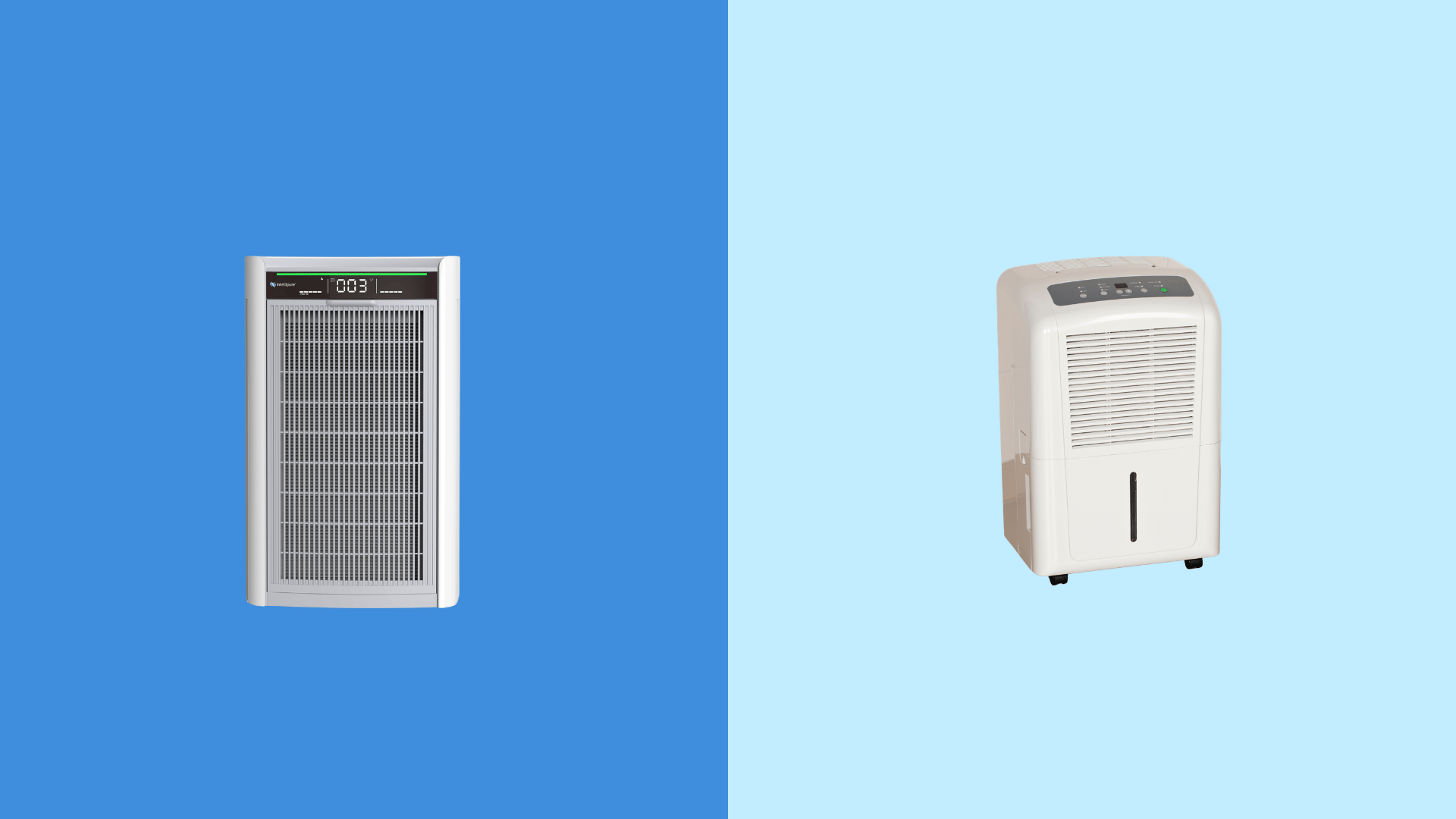
- Keep indoor humidity between 30% and 50%. Use a dehumidifier if needed [14].
- Limit strong essential oils in diffusers, especially in enclosed spaces.
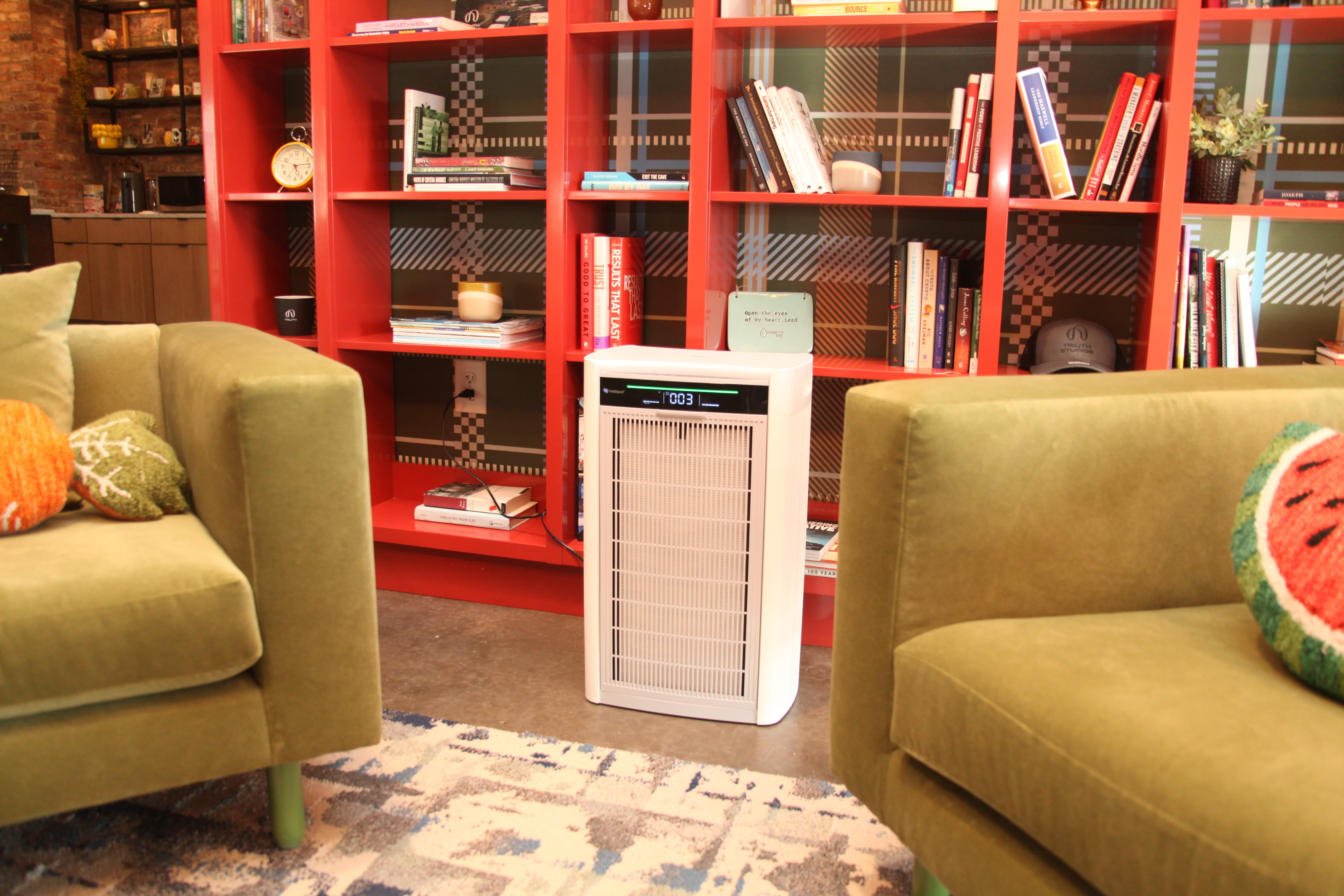
- Place purifiers in rooms where you spend the most time, especially bedrooms.
Take a Breath (a Cleaner One)
Indoor air quality isn't just about comfort. It's about your health. Cleaner air means fewer sniffles, steadier focus, better sleep, and everyday peace of mind.
The good news? Cleaning up your indoor air doesn't require a science degree. With a few smarter habits and a purifier that captures pollutants instead of masking them, your home's air can be as comforting as it feels. Scientifically speaking.
References
- United States Environmental Protection Agency. The inside story: a guide to indoor air quality [Internet]. Washington (DC): EPA; [cited 2026 Feb 13].
- United States Environmental Protection Agency. Energy, weatherization and indoor air quality [Internet]. Washington (DC): EPA; [cited 2026 Feb 13].
- Delfino RJ, Sioutas C, Malik S. Potential role of ultrafine particles in associations between airborne particle mass and cardiovascular health. Environ Health Perspect. 2005;113(8):934-946. doi:10.1289/ehp.7938.
- Gauderman WJ, Avol E, Gilliland F, Vora H, Thomas D, Berhane K, et al. The effect of air pollution on lung development from 10 to 18 years of age. N Engl J Med. 2004;351(11):1057-1067. doi:10.1056/NEJMoa040610.
- Schraufnagel DE. The health effects of ultrafine particles. Exp Mol Med. 2020;52(3):311-317. doi:10.1038/s12276-020-0403-3.
- Downward GS, van Nunen EJHM, Kerckhoffs J, Vineis P, Brunekreef B, Boer JMA, et al. Long-term exposure to ultrafine particles and incidence of cardiovascular and cerebrovascular disease in a prospective study of a Dutch cohort. Environ Health Perspect. 2018;126(12):127007. doi:10.1289/EHP3047.
- Gauderman WJ, Urman R, Avol E, Berhane K, McConnell R, Rappaport E, et al. Association of improved air quality with lung development in children. N Engl J Med. 2015;372(10):905-913. doi:10.1056/NEJMoa1414123.
- Steinemann A. Fragranced consumer products: exposures and effects from emissions. Air Qual Atmos Health. 2016;9(8):861-866. doi:10.1007/s11869-016-0442-z.
- Wainman T, Zhang J, Weschler CJ, Lioy PJ. Ozone and limonene in indoor air: a source of submicron particle exposure. Environ Health Perspect. 2000;108(12):1139-1145. doi:10.1289/ehp.001081139.
- United States Environmental Protection Agency. Improving indoor air quality [Internet]. Washington (DC): EPA; [cited 2026 Feb 13].
- Seltenrich N. Take care in the kitchen: avoiding cooking-related pollutants. Environ Health Perspect. 2014;122(6):A154-A159. doi:10.1289/ehp.122-A154.
- Centers for Disease Control and Prevention. Secondhand smoke (SHS) facts [Internet]. Atlanta (GA): CDC; 2024 [cited 2026 Feb 13].
- United States Environmental Protection Agency. Asthma triggers: gain control [Internet]. Washington (DC): EPA; [cited 2026 Feb 13].
- United States Environmental Protection Agency. A brief guide to mold, moisture and your home [Internet]. Washington (DC): EPA; [cited 2026 Feb 13].



Can Air Purifiers & Humidifiers Coexist?
Are Cooking Odors and Smoke Dangerous?