


Summary
Fresh holiday greenery brings beauty and tradition indoors—but it can also introduce VOCs, mold spores, and pollen that impact indoor air quality, especially in winter. This article explains how real trees, wreaths, and garlands affect the air you breathe, and why issues like “Christmas tree syndrome” are more common than you think. With smart prep, maintenance, and filtration, you can enjoy natural décor while keeping your air clean and your lungs happy.
In This Article
O Christmas tree, O Christmas tree! How lung-friendly are thy branches? We may have taken some liberties with the lyrics here, but certainly not the air science behind them. Indeed, some of the loveliest, most song-worthy symbols of the holiday season—those all-natural, evergreen garlands, wreaths, and trees—can have some less-than-festive side effects when it comes to your indoor air quality (IAQ). We're talking volatile organic compounds (VOCs) produced and released by the plants themselves, along with a (dirty) laundry list of mold spores, pollen spores, microscopic soil particles, and other totally natural—and totally unwanted—inhalables.
Fortunately for the real-tree sticklers and greenery-gatherers among us, there's no need to retire the trusty clippers. Or—gasp!—go artificial. Armed with the facts and some tried-and-tested tips on prep, maintenance, filtration, ventilation, and the (eventual) de-decorating, you can enjoy fresh greenery and fresh, clean-breathing air alike.
Ancient Roots
Across ages and cultures, evergreen plants—those that keep their vibrant, verdant hues year-round—symbolize the enduring strength, beauty, and resilience of nature; as well as more distinctly human and, often, spiritual concepts of renewal, hope, and life (eternal and otherwise).
Ceremonially collecting and decorating with fresh evergreens—from laurel and mistletoe to holly, ivy, and even entire trees—can be traced at least as far back as the early Roman Saturnalia festival (c. 500 BCE) and to the ancient Druids, as documented by Pliny the Elder in the 1st century CE. [1, 2] By the Middle Ages, greenery's role in winter holiday traditions was well established in the UK and growing in popularity. Today, they're as synonymous with the season as the string lights, sparkling ornaments, and glitter "snow" we gleefully heap atop them.
Bringing the Outdoors In
And it's no wonder! What better way to brighten the colder, darker, drearier months of each year than by bringing these lively, pleasingly scented, richly layered symbols home with us? And then sprucing them up even further with baubles, bulbs, and bows? As fellow holiday lovers, we're here for it. As air filtration experts and IAQ obsessives, we're also here to help you understand and manage the very real potential impacts of fresh greenery on indoor air quality.
The essential fact is: Any and all all-natural decor—every spirit-lifting, festive-smelling bough, sprig, and berry that grows outdoors that you then bring indoors—can negatively impact your air and contribute to indoor pollution during holidays. Not knowing the potential risks or how to reduce them means the more greenery you bring in, the more likely you are to feel those unwanted effects.
But we're not about to rain on your holiday parade. Read on to learn what you need to know and what you can do to keep the cheer while keeping your air clear, your allergies and asthma under control, and your whole household breathing, sleeping, and feeling their best all winter long.
Fresh Greenery: Fresh Challenges for Your Air
Whether your greenery of choice is more Christmas classic (jolly holly, poinsettia, and mistletoe), tree-trimming traditional (simple pine and spruce boughs), or proudly regional (tropical palm, southern magnolia), all present fresh challenges for your respiratory system and winter indoor air quality.
VOCs
If it smells like the holidays, it's likely emitting VOCs. That iconic whiff of fresh-cut pine? It might be from the presence of terpenes, a range of VOCs naturally present in tree sap and seasonal herbs and spices (including rosemary, ginger, and clove) that's known to irritate the very sinuses it tantalizes. [3] VOCs are released when liquids or solids (including naturally occurring, wonderful-smelling essential oils from plants) vaporize at room temperature, releasing into the air in the form of a now-breathable gas. [4] The more VOC-containing materials in your home—including cleaning and household products, those containing perfumes or fragrances, off-gassing furniture and appliances, and, yes, those naturally scented diffuser oils and armfuls of fresh-cut foliage—the more likely those compounds are to reach levels that can impact your health. If there's also poor airflow, ventilation, and filtration (fresh, filtered air replacing stale, particulate-heavy air), VOC levels can soar, climbing to as much as ten times higher inside than out. [4]
Mold
What makes your home cozy to you also creates excellent conditions for mold growth. Between the balmier temperatures, humidity hot spots (bathrooms, kitchens, basements), and smorgasbord of materials to tuck into (wallpaper, drywall backing paper, insulation, and carpet glue are a few favorite food sources), many mold species thrive indoors. [5] Which means once they get in—by hitching a ride on your fresh-cut Christmas tree, say—they are more than happy to stay. And spread. One study identified more than 50 unique types of mold (including those known to cause allergic reactions) across 23 Christmas tree samples. [3] Another study of an apartment environment showed that the concentration of total mold spores per cubic meter jumped more than sixfold in 14 days after bringing in a "live conifer" (a.k.a. a real Christmas tree).
Pollen
It's not just a spring and summer problem. Conifers—cone-producing pines, spruces, and other evergreens—also produce pollen that can trigger allergies. But a common pollen culprit plaguing Christmas trees, wreaths, and garlands might surprise you… It's ragweed, a super common allergen that's estimated to affect a whopping 15.5% of the US population. Ragweed can (and will) grow almost everywhere crops grow. Tree farms are no exception. Farmers—including those who raise and sell millions of "America's favorite Christmas tree," the Fraser Fir, each year—often struggle to control the ragweed blooming alongside your future holiday focal point. [6, 7] Considering how easily pollen moves and how tenaciously it clings, that's grounds for concern for anyone dealing with winter allergies.
What's the Pitch?
Decorate without ditching the real tree or your beloved greenery by balancing fresh with best practices. Here's how to improve indoor air quality in winter while enjoying the leaves, flowers, and fruits of the season:
- Pick just one or two fresh focal points indoors. If you're a real-tree devotee, that's an obvious one. Balance these with decor that's less likely to bring pollen, mold spores, and allergens in with it. Particularly low-VOC, low-allergen options can include (clean, regularly dusted) glass, ceramic, powder-coated and plated metal, and untreated wood accents without added glues, sealants, or varnishes.
- Go nuts outdoors. Be creative and generous with fresh decor outdoors. Think door and railing garlands, wreaths on the windows, even potted, living shrubs and seasonal flowers dotted around porches and patios.
- Give it a good scrub. Before bringing the outdoors in, make sure it's as clean as possible. Thoroughly shake off your tree—or wreath, or garland—outside, a good distance from your entryway. (We like to wear a mask, work gloves, and a top layer of protective clothing we can peel off as we step back inside.) You can even use a blower to blast off pollen, loose needles, and other hangers-on. Rinse or soak your greenery in clean, cool water, then let it dry thoroughly—ideally in a covered area with good airflow where it won't collect too many more pollutants. BONUS: This step also helps keep your greenery looking fresher, longer.
- And Keep it Clean. Sweep up dropped needles daily and ensure your live tree stays well-watered to help avoid excessive shedding and reduce allergens and dust. Some greenery can even be gently vacuumed, or wiped down with a dusting cloth or damp towel.
- Ensure Good Ventilation. Baby, it's cold outside, but regular air exchange—letting stale air out and fresh air in—is good for your IAQ and essential for winter home humidity control. Fans, exhaust hoods, and a cracked window every now and then can do the trick.
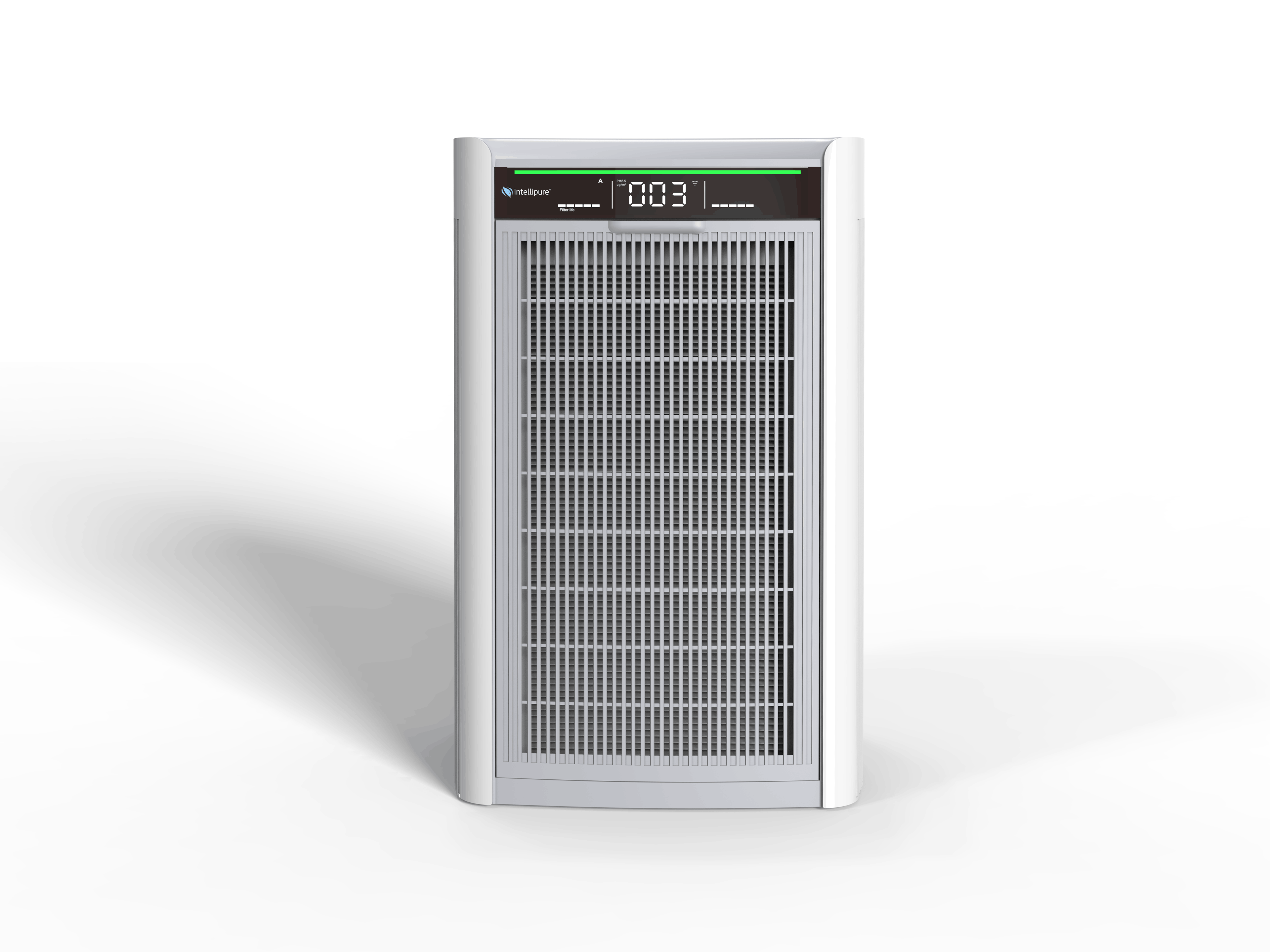
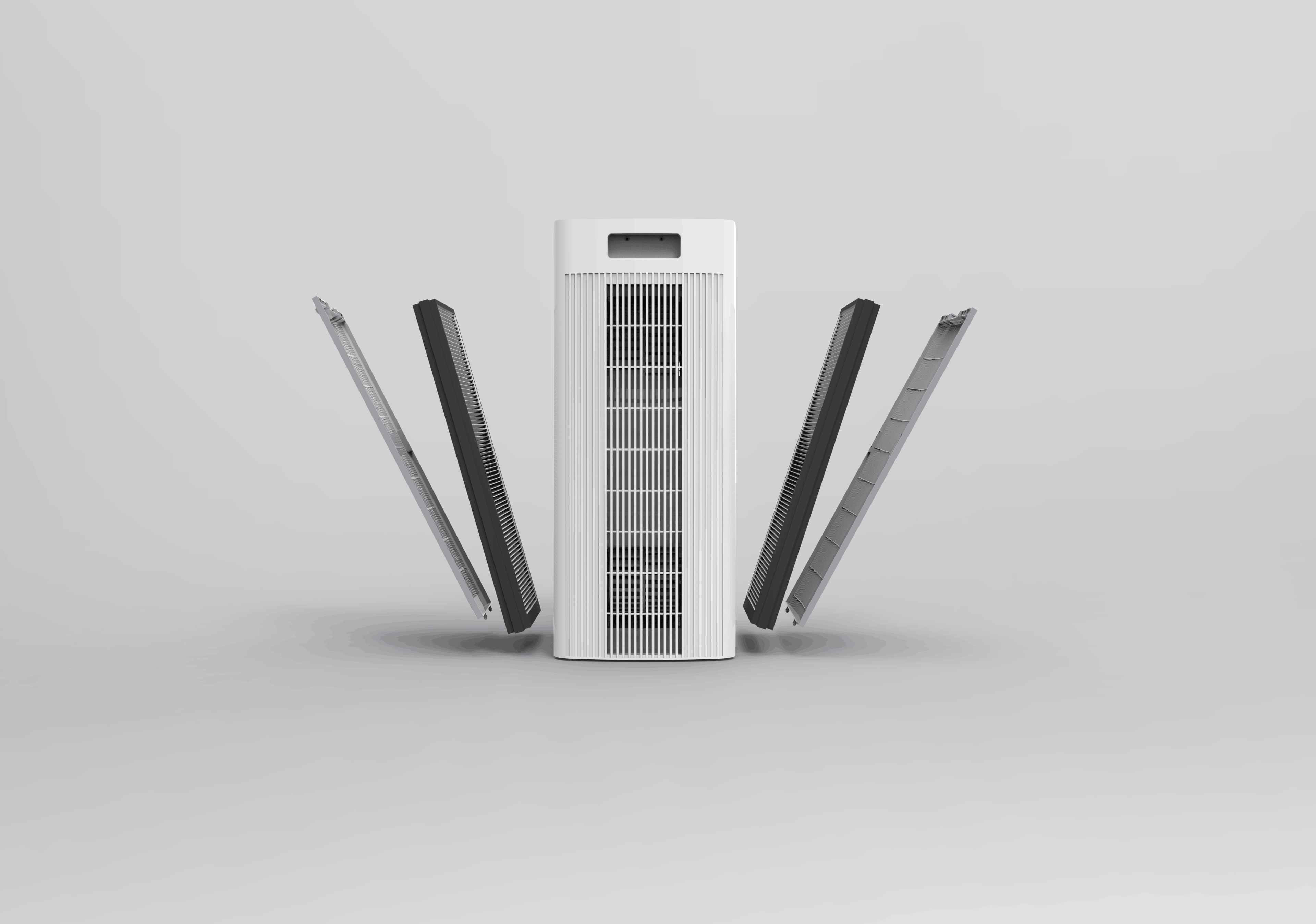
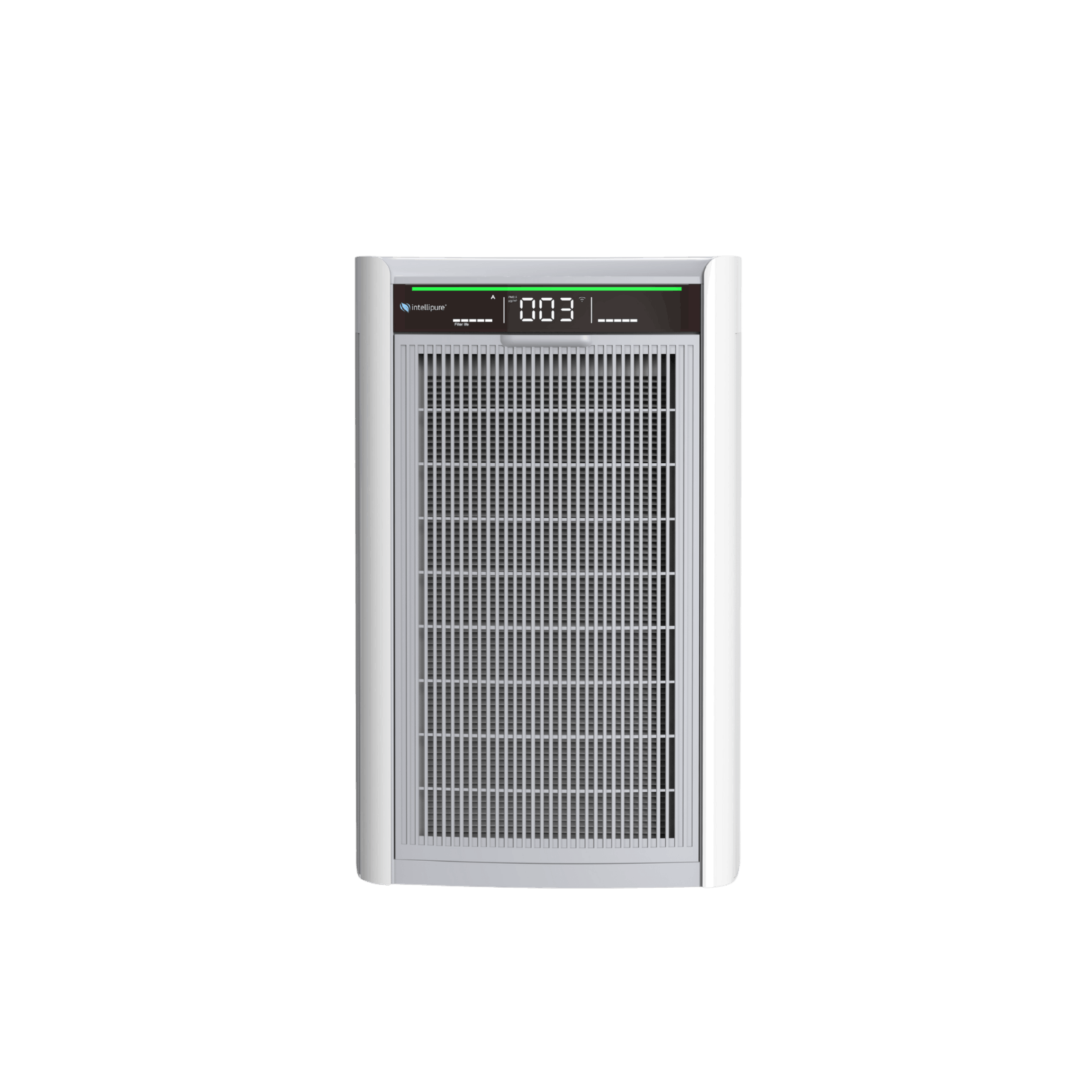
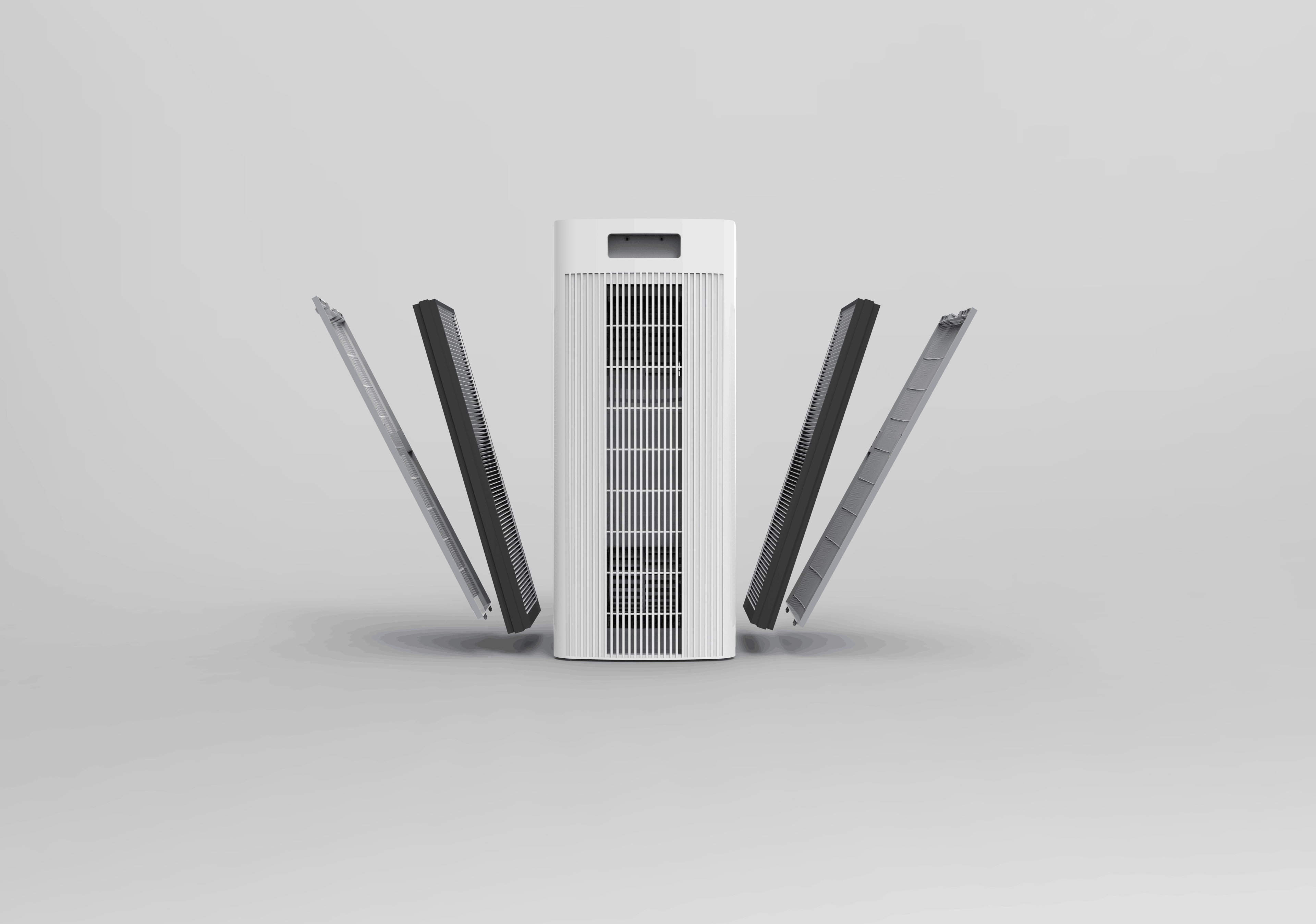
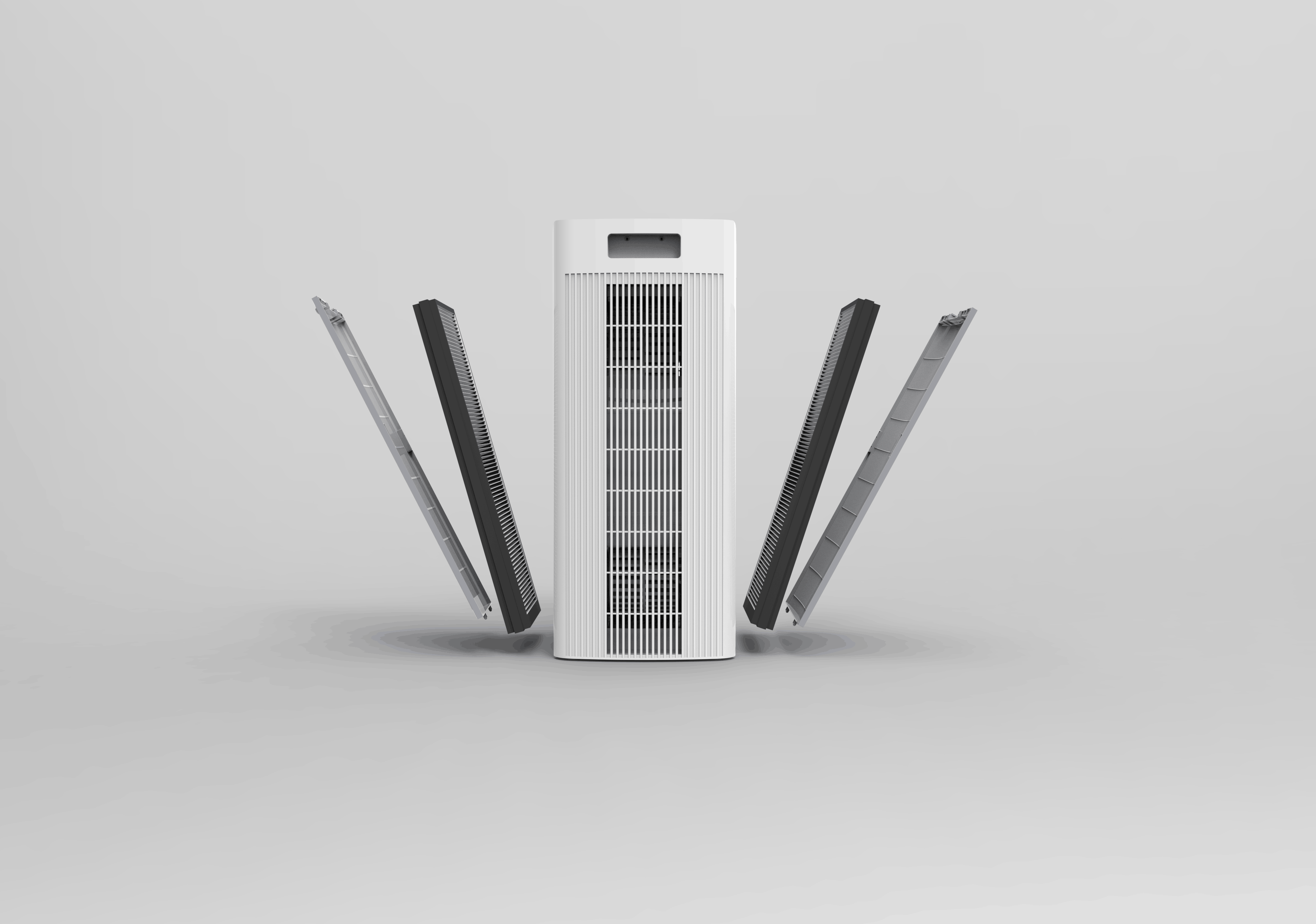
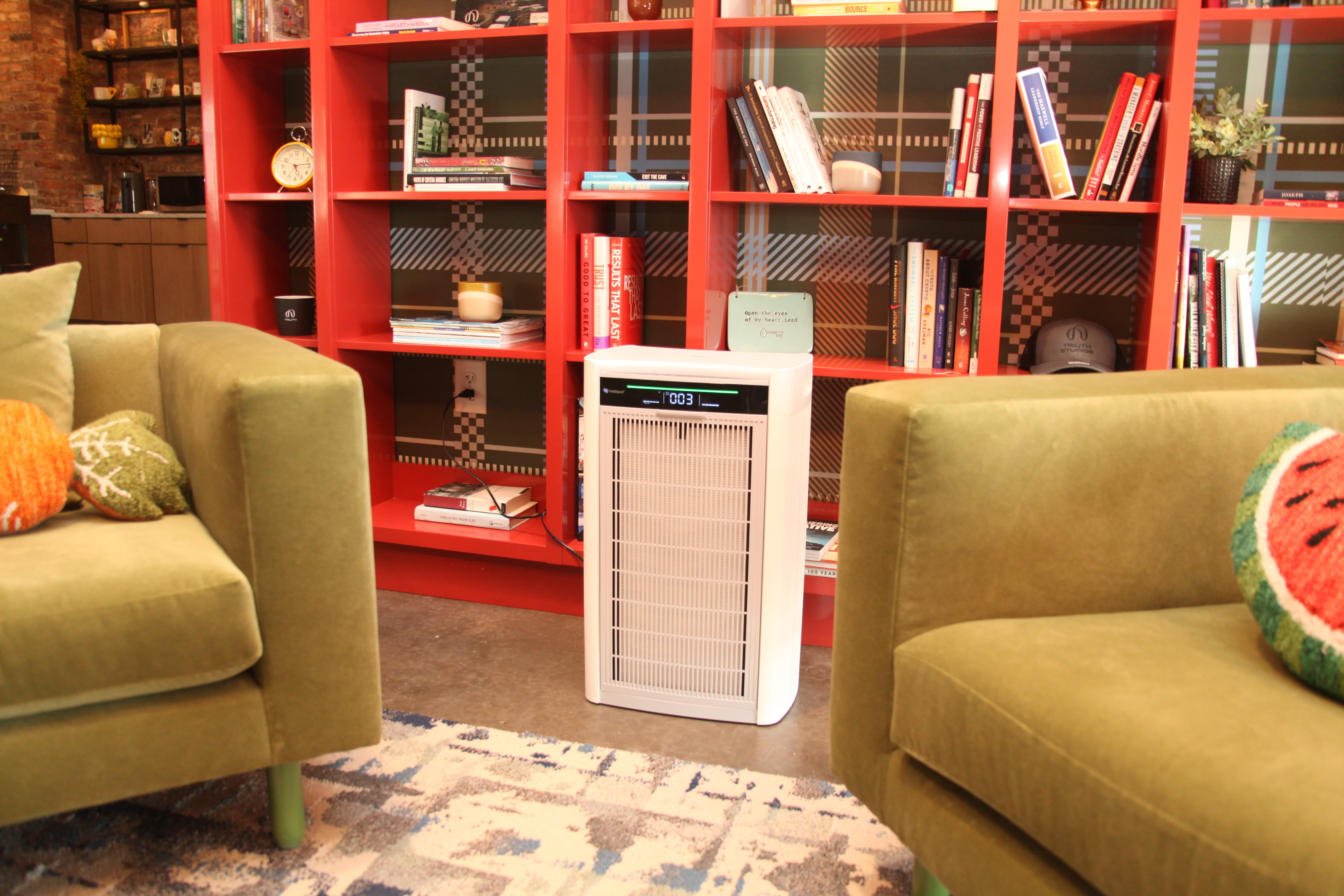
- And Filtration. Consider placing an air purifier for mold and dust in the same room as your tree, or wherever greenery is most concentrated. The best air purifiers for the holiday season, and every season, will likely employ HEPA filtration to capture mold spores, pollen, and other particulates. (Like ours do.) Carbon/charcoal filters can also be added to your purification system to help filter VOCs. You can run your compact, portable purifiers at night and tuck them away during the day, so they can help clean the atmosphere without detracting from it. Check and change all of your air filters regularly, remembering that they may need replacing more often in months when you spend more time indoors, and whenever your HVAC system is working harder. An air filter subscription helps make regular filter replacement a breeze.
- Know the Signs. Watch your family members for symptoms of "Christmas-tree syndrome." It sounds like we made it up, but it's actually a term for the very real symptoms caused by some or all of the aforementioned air-quality issues that can follow your tree and greenery inside: Sneezing, runny nose, scratchy throat, itchy eyes, and the like. [3] If you suspect your tree is the cause, or your once-fresh decor starts giving off a musty, sour, or otherwise unpleasant smell, develops a dusty or powdery cast, or becomes crispy, faded, and brittle, it's time to let it go. Gently bag it up in place to prevent spreading particles and pollutants on its way out. A large trash bag or Christmas-tree disposal bag made for this purpose is especially handy for larger items. Then thoroughly vacuum, dust, and wipe down the decorated areas, being sure to filter and ventilate as you go.
Now that you know the real deal when it comes to winter indoor air quality and all-natural decor, and how to care for your air without cutting out that fresh-cut touch, you can get back to decking the halls—and mantels, banisters, tablescapes, and chandeliers—in style and in good health.
References
- Saturnalia: The Jolliest of Roman Festivals - World History Encyclopedia.
- Pliny the Elder, The Natural History, BOOK XVI. THE NATURAL HISTORY OF THE FOREST TREES., CHAP. 95.—HISTORICAL FACTS CONNECTED WITH THE MISTLETOE.
- Christmas Tree Syndrome Is a Real Allergy.
- What are volatile organic compounds (VOCs)? | US EPA.
- Mold | NCHH.
- The Race to Save America’s Favorite Christmas Tree.
- Common Ragweed: A Problem Weed in NC Fraser Fir Production | NC State Extension Publications.














Why Clean Air Matters More in the Colder Months
Why Clean Air Matters More in the Colder Months