


Summary
Winter's sealed-up homes trap pollutants like dust, VOCs, and allergens while low humidity helps viruses survive longer. Here's the science behind why your indoor air quality dips in cold weather, plus practical steps to breathe easier all season.
In This Article
When the Heat Kicks On, Your Air Quality Takes a Hit
As temperatures drop outside, we naturally want our homes to be extra warm and cozy inside. But what if that same sealed-up sanctuary is quietly becoming a hotspot for dirty air?
We're talking about indoor air quality (IAQ), and in the colder months, it deserves far more attention than it gets. According to the EPA, levels of common organic pollutants can be two to five times higher inside homes than outside, regardless of whether the home is in a rural or industrial area [1]. In winter, that gap tends to widen because we're trapping allergens, volatile organic compounds (VOCs), particulate matter (PM2.5 for short, meaning particles that are 2.5 micrometers or less in diameter), and other irritants inside with limited fresh air exchange.
If you've been looking for winter indoor air quality tips, you're in the right place. We'll break down the why, the how, and the simple habits that can turn things around.
The Invisible Culprits: Why Indoor Air Gets Worse in Winter
Winter doesn't just bring snowflakes and hot cocoa. It creates a perfect storm for poor IAQ.
Ventilation takes a hit. In the quest to stay warm, we seal our homes up tight: caulking cracks, adding weatherstripping, keeping doors and windows locked down. That's great for your energy bill, but it means far less fresh air circulating through your home. The EPA notes that inadequate ventilation can increase indoor pollutant levels by failing to bring in enough outdoor air to dilute emissions from indoor sources [2].
Without that fresh air exchange, allergens (like dust, pet dander, and mold spores) and pollutants (including particulate matter, nitrogen dioxide (NO2), ozone, cooking fumes, and smoke) get recirculated every time your furnace kicks on.
Heating systems stir up trouble. When your furnace fires up, it's not just pumping out warmth. Contaminated central air handling systems can become breeding grounds for mold, mildew, and other biological contaminants, then distribute those contaminants throughout the home [2]. If your filter hasn't been swapped in a while, your HVAC system may be spreading more particles than it's catching.
Humidity plummets. Cold air holds less moisture, so when we heat it indoors, relative humidity often dips below 30%. That dry air can irritate your respiratory passages, dry out your skin and eyes, and make you more susceptible to infections [3]. Research shows that low humidity can also increase the survival and transmission of respiratory viruses, including influenza [4]. Plus, the EPA recommends maintaining indoor humidity between 30% and 50% for optimal comfort and health [2].
VOCs build up faster. Those sneaky chemicals from everyday items like cleaning products, paints, and yes, your cozy scented candles, accumulate more quickly with less ventilation. The American Lung Association warns that breathing VOCs can cause eye, nose, and throat irritation, headaches, and difficulty breathing, and that long-term exposure may damage the liver, kidneys, and central nervous system [5]. Add in seasonal factors like holiday baking (hello, cooking fumes) or burning wood in the fireplace, and you've got a recipe for stuffy, unhealthy air.
Research has found that Americans spend roughly 87% of their time in enclosed buildings and about 6% in enclosed vehicles [6]. In winter, that percentage likely climbs even higher, amplifying exposure to all these indoor pollutants.
How Poor IAQ Hits Harder in the Colder Months
Your body might not send up flares right away, but poor indoor air quality in winter can pack a punch. Short-term effects include itchy eyes, dry throats, headaches, and that nagging fatigue that makes you want to hibernate even more. Over time, the effects can escalate.
The Cleveland Clinic notes that dry winter air can aggravate conditions like asthma, bronchitis, and sinusitis by irritating mucous membranes [3]. Low humidity dries out your sinuses, making the mucus lining less effective at trapping germs, which may leave you more vulnerable to respiratory infections [4].
VOCs and furnace-distributed particles can inflame airways, making seasonal colds and the flu hit harder. For sensitive groups, including children, older adults, and anyone with preexisting respiratory conditions, the risks are especially pronounced.
The good news? Research suggests that improving ventilation rates can reduce sick building syndrome symptoms by 20% to 30% [7]. That's in office settings, so just imagine the potential benefits at home.
Cleaner air means better sleep, sharper focus, and fewer trips to the tissue box.
Busting Winter IAQ Myths
Before we dive into our favorite winter IAQ fixes, let's clear the air on some common misconceptions:
- "My home is clean, so my air must be, too." Not necessarily. Pollutants are microscopic. Dust mites, VOCs, PM2.5, and allergens don't care how spotless your counters are.
- "Cranking the heat fixes dry air." It actually makes things worse by lowering relative humidity even further. A humidifier is your friend here, not a higher thermostat setting.
- "Air fresheners make things fresher." Sorry, seasonal scent lovers. Research has found that scented products can emit dozens of VOCs, some of which react with indoor ozone to create secondary pollutants like formaldehyde [8].
- "Furnace filters last forever." Not even close. The EPA recommends changing filters on central heating and cooling systems according to manufacturer's directions [2]. For most homes, that means every one to three months, especially during peak heating season.
The Clean Air Trifecta for Winter
The EPA outlines three pillars for strong IAQ: source control, ventilation, and air cleaning [2]. In winter, we like to expand this framework to include humidity management, since it's such a game-changer for comfort and health.
Source control: cut pollutants at the root. Use low-VOC cleaning products, keep combustion sources well-maintained, and vacuum with a HEPA-equipped model to trap allergens. Fix any leaks promptly to prevent mold, which thrives when moisture goes unchecked. And don't use woodstoves or tobacco products indoors.
Ventilation: even in cold weather, smart airflow matters. Run exhaust fans during cooking and showers, and crack a window briefly on milder days when outdoor air quality is good. For a more energy-efficient approach, the Department of Energy notes that energy recovery ventilators (ERVs) can bring in fresh outdoor air while recovering 70% to 80% of the energy in the exhaust air [9].
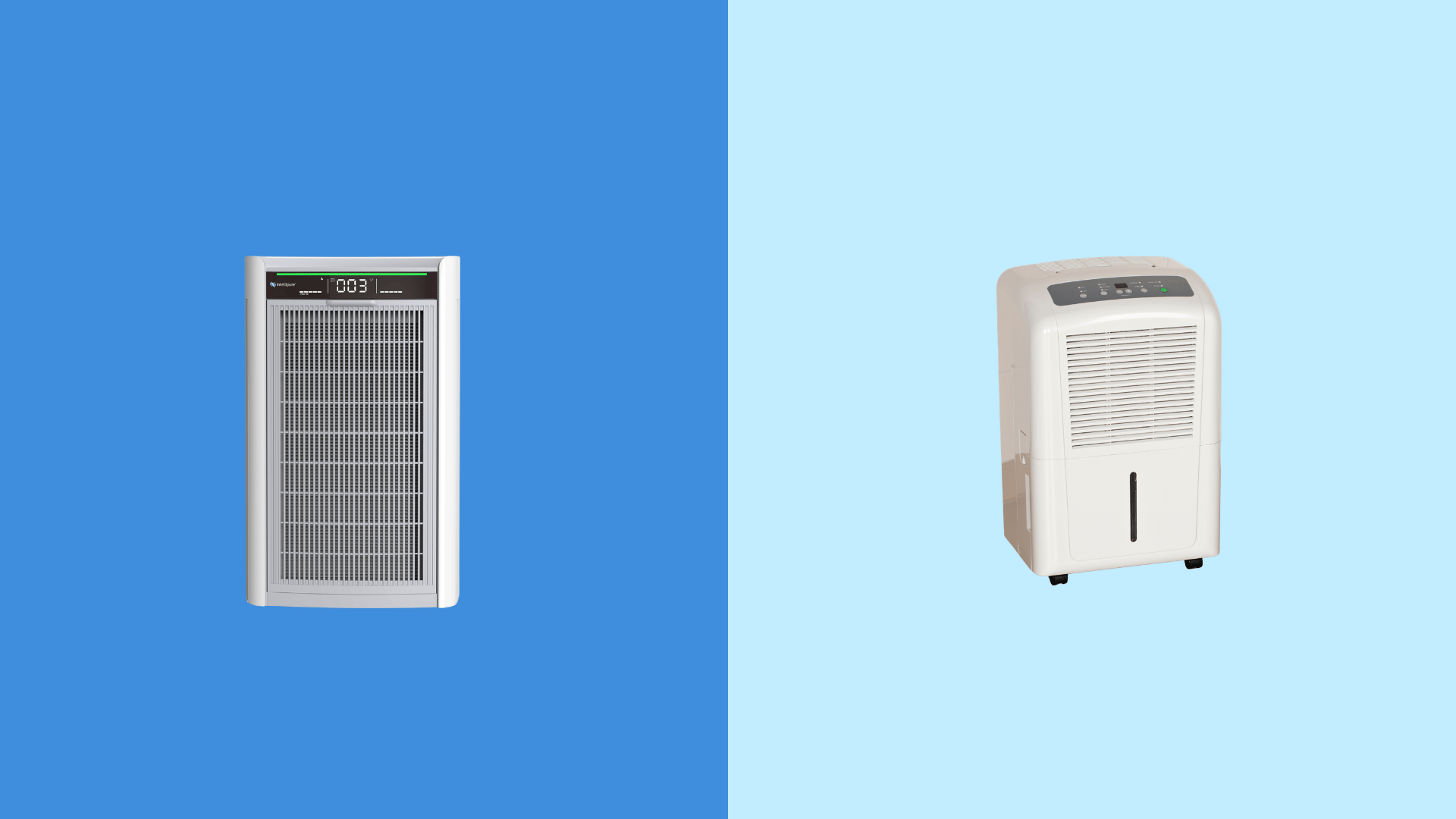
Purification and humidity management: this is where technology shines. A high-quality air purifier captures particles that slip through other defenses. HEPA filtration can remove at least 99.97% of airborne particles 0.3 microns in size, including dust, pollen, mold spores, and other common allergens [10]. Pair that with a humidifier to maintain the 30% to 50% sweet spot, and you're building a solid defense against winter's air quality challenges.
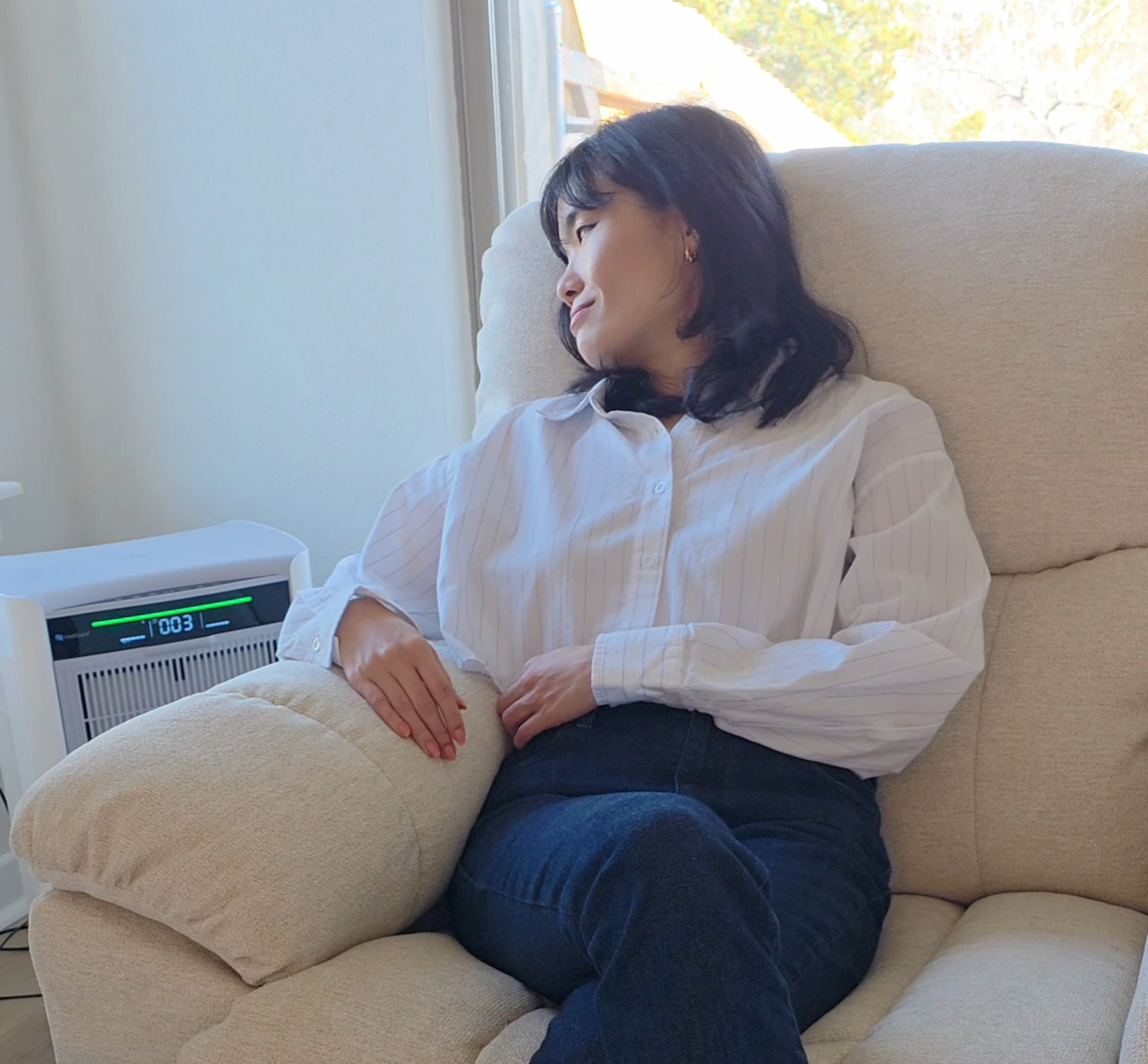
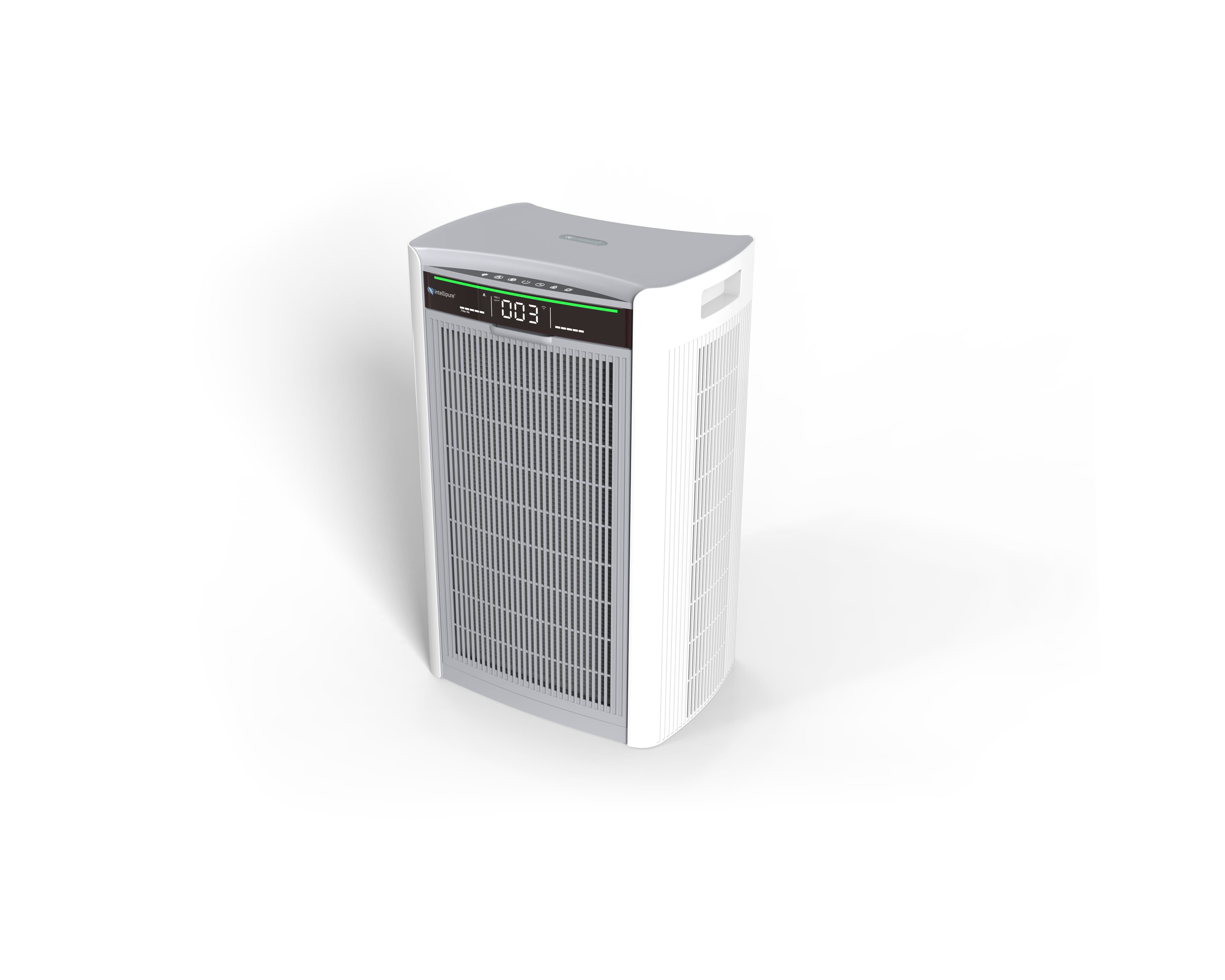
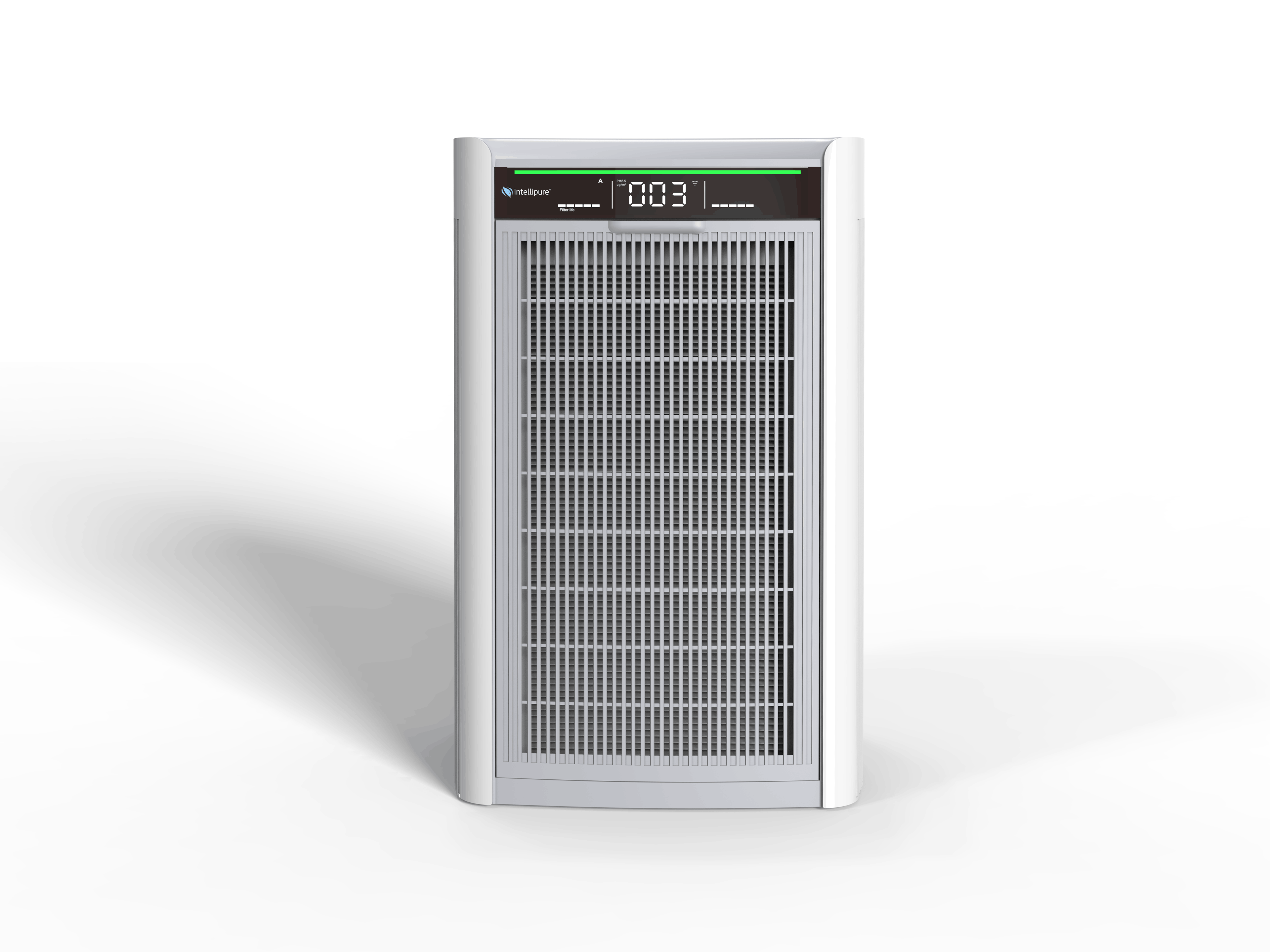
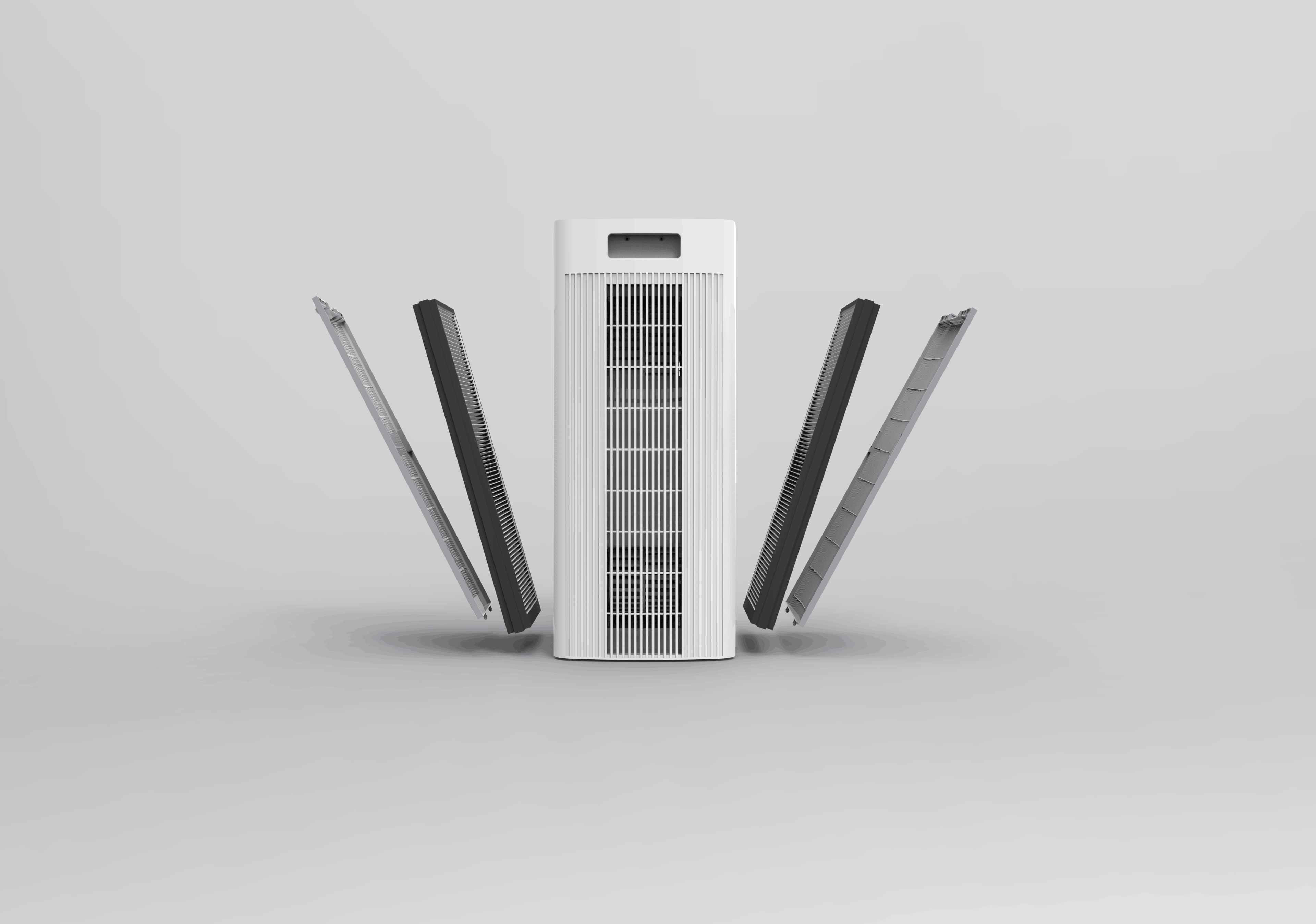
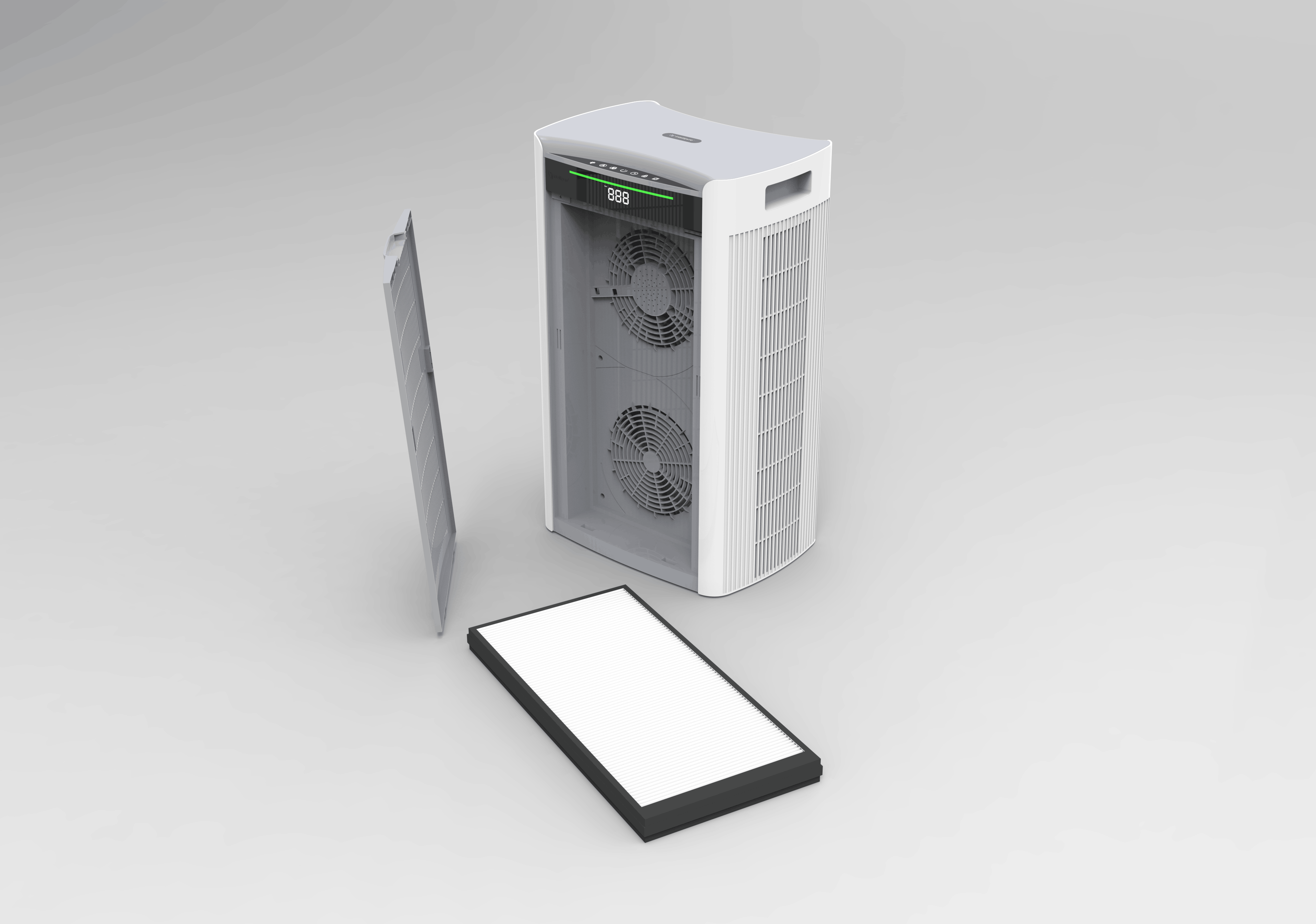
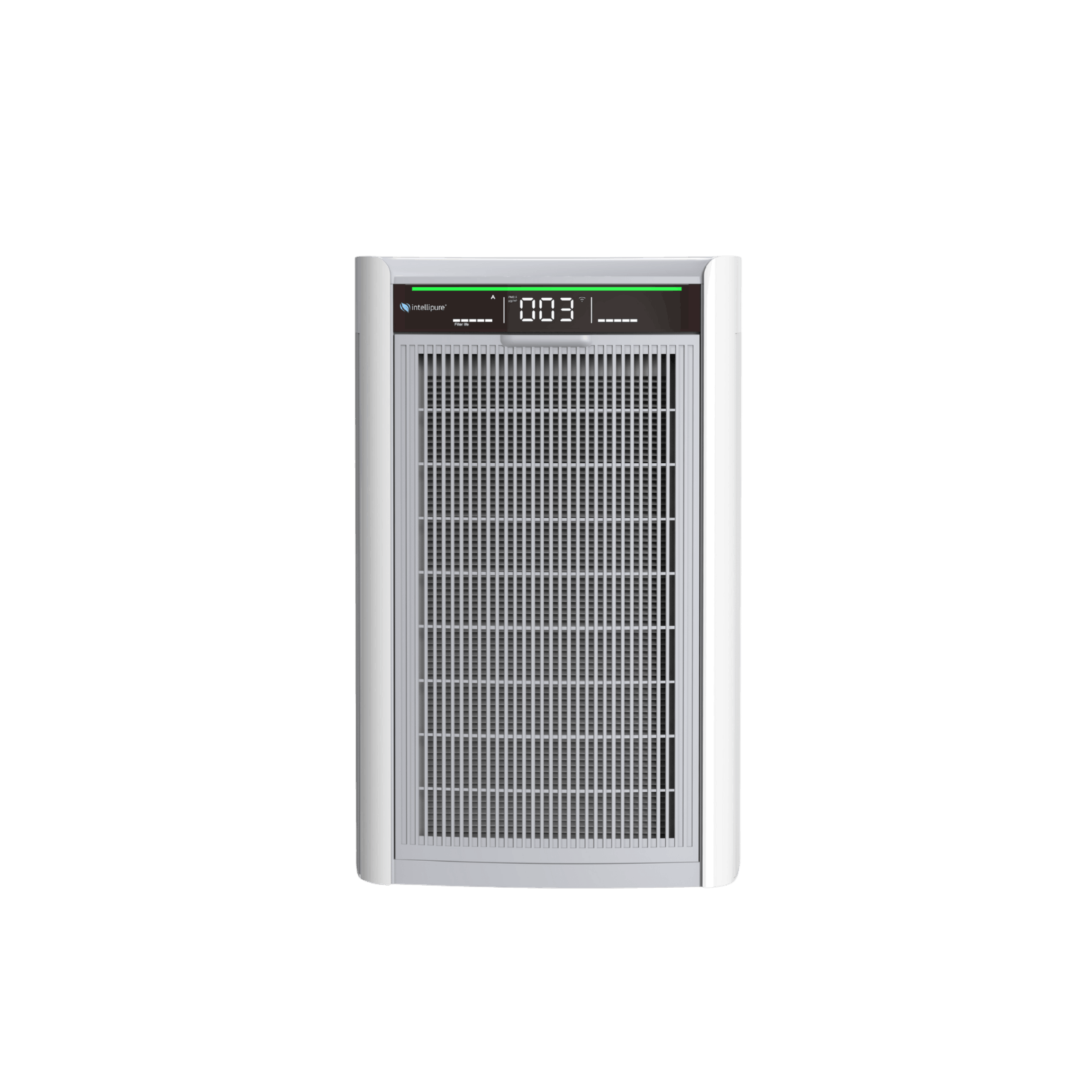
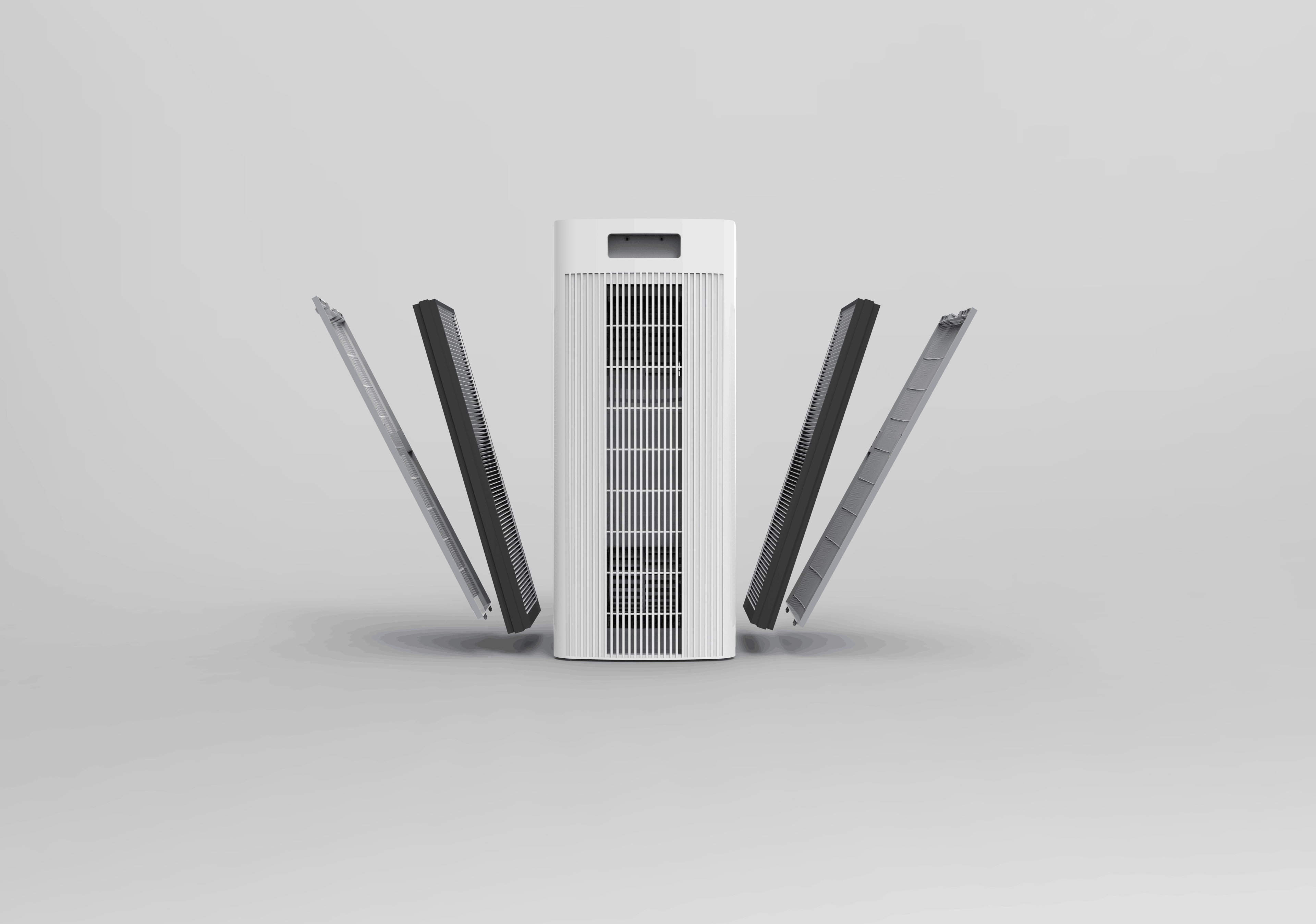
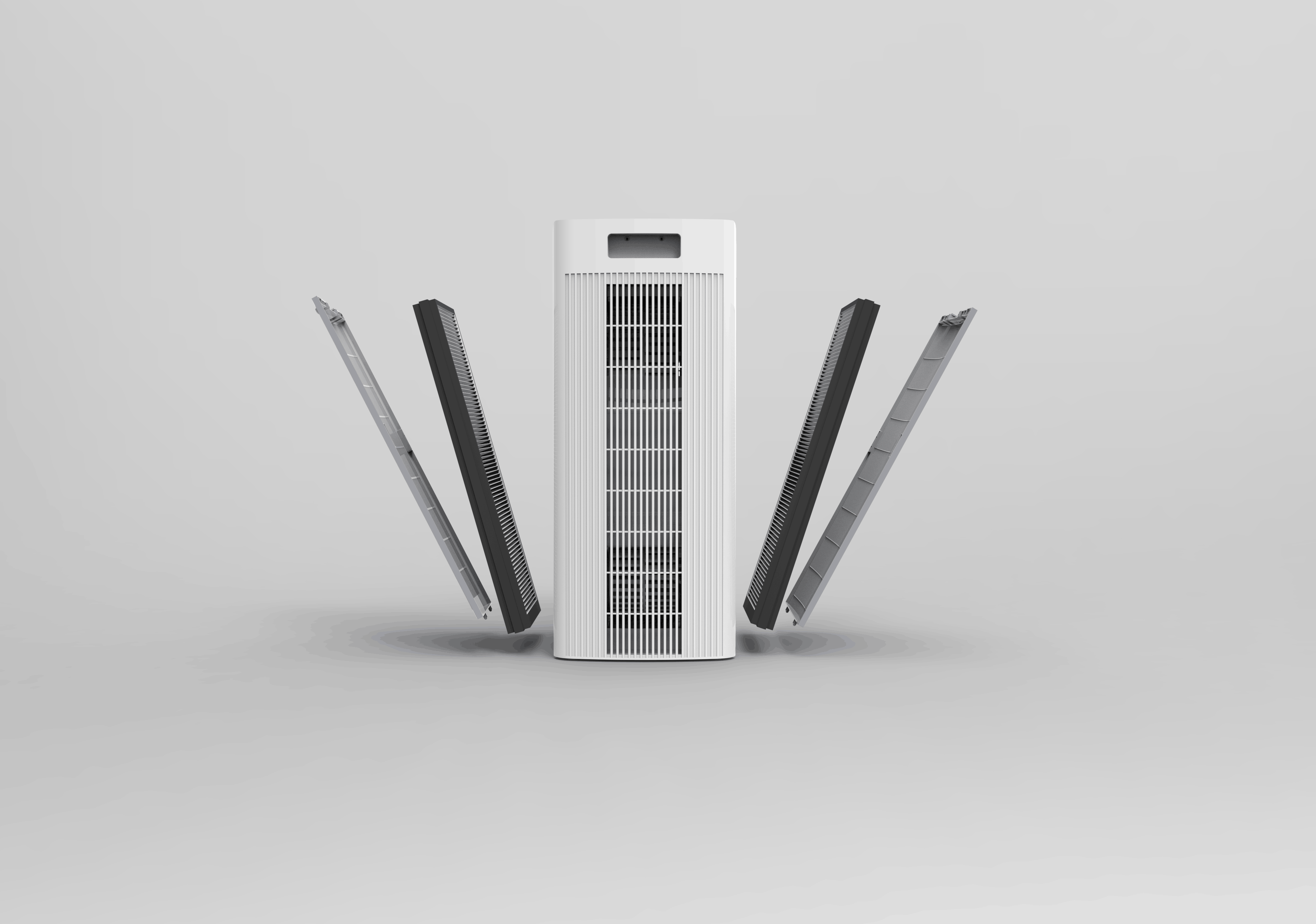
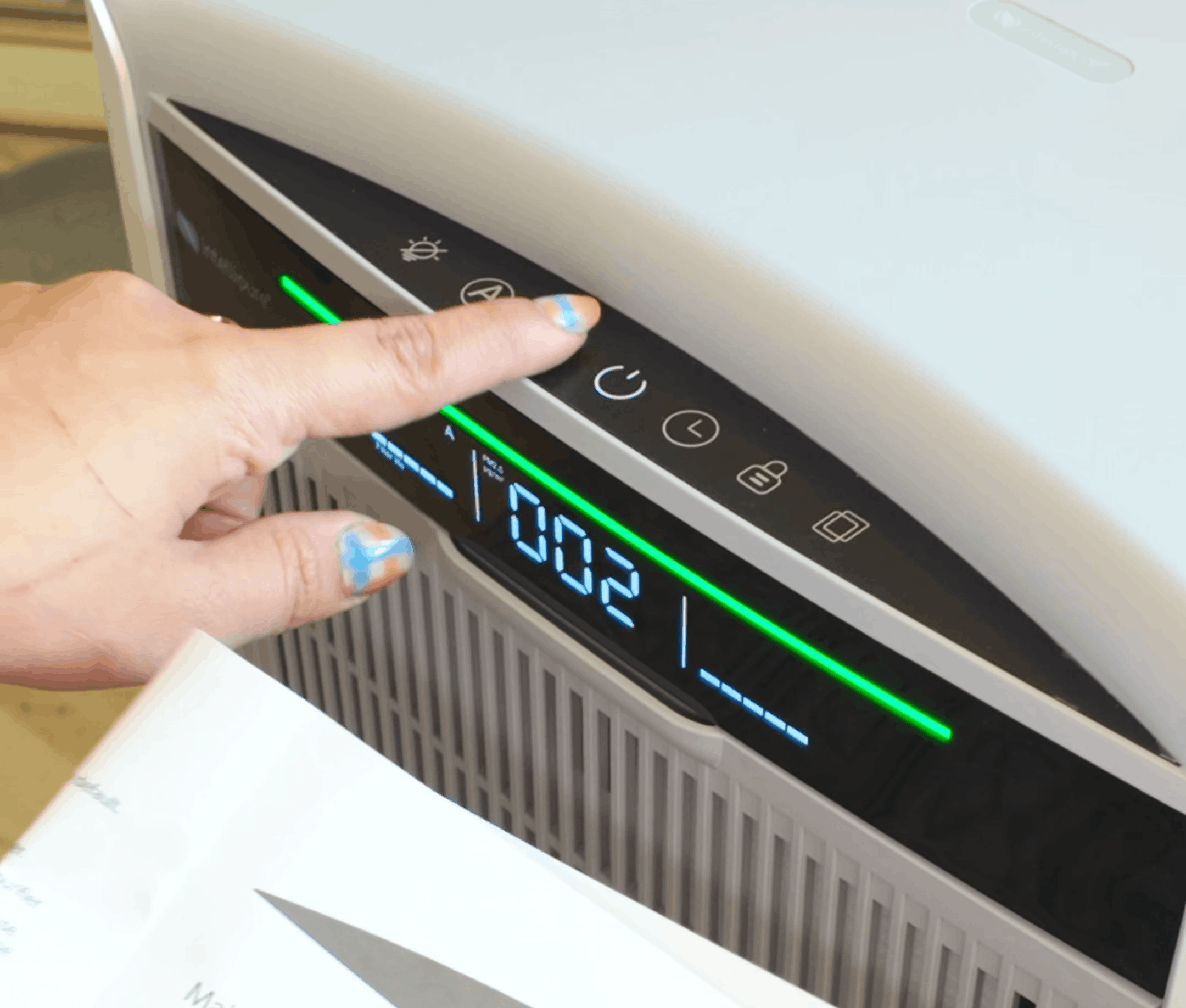
The Intellipure H1000 is designed for exactly this scenario. With multi-stage filtration that captures up to 99.97% of airborne particles, activated carbon for VOCs and odors, and smart sensors that automatically adjust performance based on real-time air quality, it's built to handle winter's toughest IAQ challenges without the noise.
Winter IAQ Checklist: Simple Habits for Cleaner Air
Ready to level up your indoor air quality this winter? Here's your practical guide:
- Swap your furnace filter regularly. Every one to three months during heating season, and look for a higher MERV rating to catch smaller particles [11].
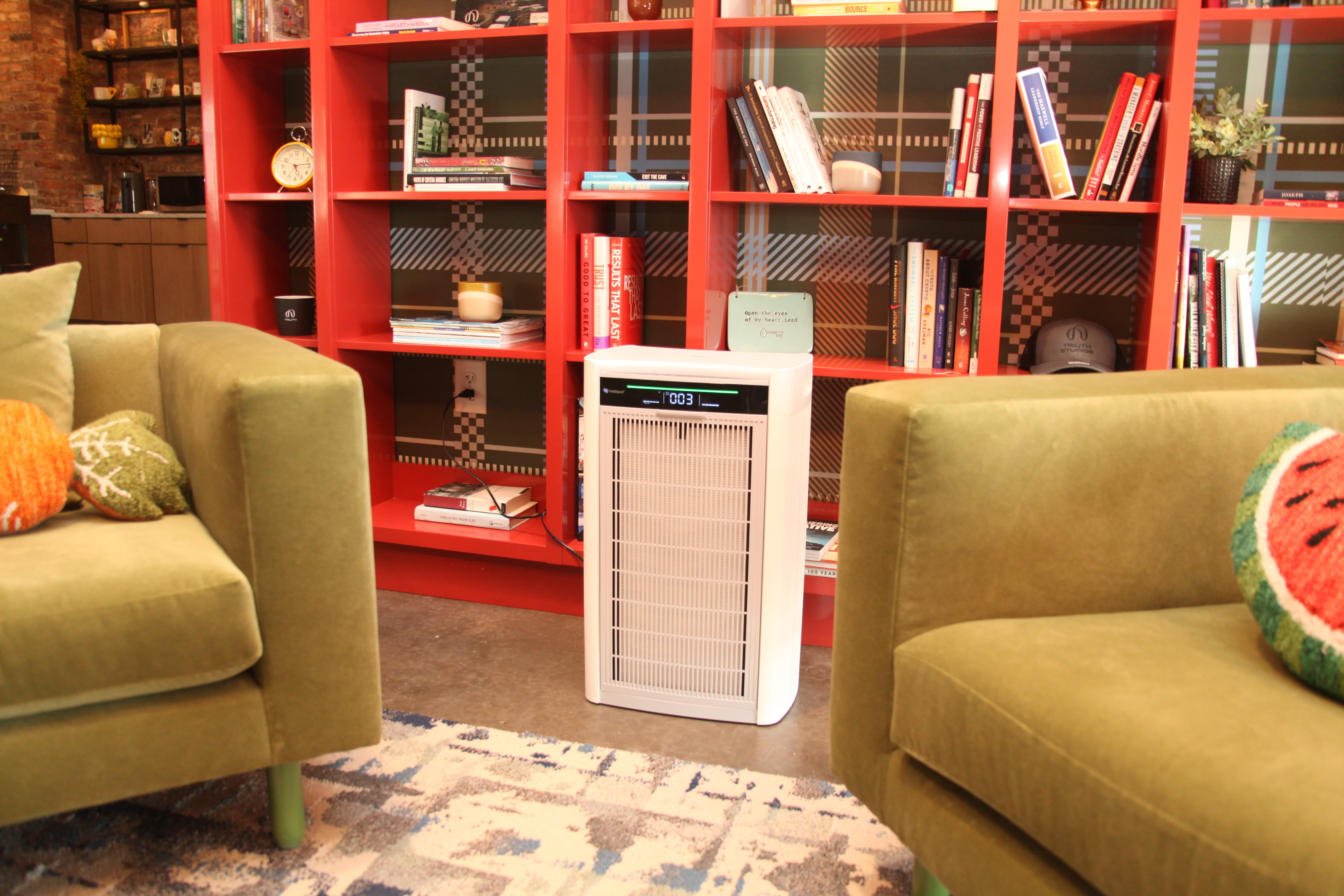
- Place air purifiers strategically. Living rooms for daytime, bedrooms for sleep. Keep them away from walls for maximum airflow.
- Add a humidifier to combat dry air. Aim for 30% to 50% humidity and use a hygrometer to monitor levels [2].
- Ventilate smarter. Use range hoods and bathroom fans to whisk away cooking fumes and shower steam, which can create excess moisture in enclosed spaces.
- Seal drafts, but allow for air exchange. Weatherstrip windows and doors to prevent constant leaks, but make it a point to let fresh air circulate regularly to reduce VOC buildup.
- Vacuum weekly with a HEPA-equipped model to capture dust mites and pet dander before they become airborne.
- Wash bedding in hot water weekly. The Asthma and Allergy Foundation of America recommends washing sheets, pillowcases, and blankets in water at least 130 degrees Fahrenheit to remove allergens [12].
- Don't make the problem worse. When outdoor air quality is poor, that can affect the level of pollutants like NO2 and PM2.5 indoors. Limit the use of gas stoves, frying foods, tobacco use, and hobbies that might add to VOCs. Skip scented candles and plug-ins while you're at it. Natural alternatives, like unscented beeswax candles are a better choice, especially when used sparingly.
- Clean furnace ducts before the season starts to prevent distributing accumulated dust and debris.
- Test for radon. Winter's sealed homes can trap this naturally occurring gas, which the EPA identifies as the second leading cause of lung cancer [13].
- Run your purifier around the clock on a low setting during peak heating times for consistently clean air. The H1000 runs as quietly as 23 dB on its lowest setting, making it a set-it-and-forget-it solution even for bedrooms.
Breathing Easier This Winter
You can't control the snow or the wind chill, but you can take charge of your indoor air quality. Clean air in cold weather isn't a luxury; it's essential for staying healthy and comfortable when the world outside is frosty.
By understanding why indoor air tends to worsen in winter and following these practical IAQ tips, you can stay cozy and breathe easy all season long.
Ready to make your home a true clean-air haven? Shop Intellipure air purifiers and find the right fit for your space.
References
- United States Environmental Protection Agency. Volatile organic compounds' impact on indoor air quality [Internet]. Washington (DC): EPA; 2025 [cited 2026 Feb 11].
- United States Environmental Protection Agency, United States Consumer Product Safety Commission. The inside story: a guide to indoor air quality [Internet]. Washington (DC): EPA; 2025 [cited 2026 Feb 11].
- Cleveland Clinic. How dry air impacts your health [Internet]. Cleveland (OH): Cleveland Clinic; 2025 [cited 2026 Feb 11].
- GuarnieriG, OlivieriB, SennaG, VianelloA. Relative humidity and its impact on the immune system and infections. Int J Mol Sci. 2023;24(11):9456. doi:10.3390/ijms24119456.
- American Lung Association. Volatile organic compounds [Internet]. Chicago (IL): American Lung Association; 2026 [cited 2026 Feb 11].
- KlepeisNE, NelsonWC, OttWR, RobinsonJP, TsangAM, SwitzerP, et al. The National Human Activity Pattern Survey (NHAPS): a resource for assessing exposure to environmental pollutants. J Expo Anal Environ Epidemiol. 2001;11(3):231-52. doi:10.1038/sj.jea.7500165.
- FiskWJ, MirerAG, MendellMJ. Quantitative relationship of sick building syndrome symptoms with ventilation rates. Indoor Air. 2009;19(2):159-65. doi:10.1111/j.1600-0668.2008.00575.x.
- PoteraC. Indoor air quality: scented products emit a bouquet of VOCs. Environ Health Perspect. 2011;119(1):A16. doi:10.1289/ehp.119-a16.
- United States Department of Energy. Whole-house ventilation [Internet]. Washington (DC): DOE; 2025 [cited 2026 Feb 11].
- United States Environmental Protection Agency. What is a HEPA filter? [Internet]. Washington (DC): EPA; 2025 [cited 2026 Feb 11].
- American Lung Association. Let the air in: low-cost ways to improve your indoor air quality [Internet]. Chicago (IL): American Lung Association; 2025 [cited 2026 Feb 11].
- Asthma and Allergy Foundation of America. Are you controlling allergens in your bedroom? [Internet]. Arlington (VA): AAFA; 2025 [cited 2026 Feb 11].
- United States Environmental Protection Agency. Radon [Internet]. Washington (DC): EPA; 2025 [cited 2026 Feb 11].








O Christmas Tree, O VOCs: How Greenery Affects Air Quality
O Christmas Tree, O VOCs: How Greenery Affects Air Quality