


Summary
Allergy season affects roughly one in four U.S. adults, but a few targeted steps at home can help you breathe easier. Here's how to reduce indoor allergens through smarter cleaning, humidity control, and air purification.
In This Article
Why Allergy Season Starts Indoors
Spring brings blooming trees, buzzing bees, and (for a lot of us) sneezing fits, itchy eyes, and stubborn congestion. If you're among the roughly one in four U.S. adults who reported a seasonal allergy in 2021, you already know the drill [1].
Here's the thing most people miss: the air inside your home may actually matter more than the air outside during allergy season. According to the EPA, Americans spend approximately 90% of their time indoors [2]. That means the allergens floating around your living room, bedroom, and home office get far more face time with your lungs than anything you encounter on a walk around the block.
The good news? You have real control over your indoor air. A combination of regular cleaning, smart humidity management, and effective air purification can make a noticeable difference. Let's walk through how to get your home allergy-ready.
Know Your Enemy: Common Indoor Allergens
Allergy season timing depends on where you live. Tree pollen tends to peak in spring, grass pollen in summer, and weed pollen (including ragweed) in fall [3]. But seasonal allergens don't stay outdoors. They hitch a ride on your clothes, shoes, and pets, settling onto furniture and recirculating through your home.
The EPA identifies several common indoor biological pollutants that can trigger allergic reactions: pollen, dust mites, mold spores, pet dander, and cockroach debris [4]. Dust mites are singled out as one of the most potent biological allergens found indoors [4]. These microscopic creatures thrive in warm, humid environments, which is why your bedding, upholstered furniture, and carpeting are their favorite hangouts.
Understanding which allergens affect you most (your allergist can help with testing) lets you target your efforts where they'll have the biggest impact.
Clean Strategically, Not Just Frequently
Regular cleaning matters, but how you clean makes all the difference for allergy sufferers.
Vacuum carpets, rugs, and upholstered furniture at least once a week, the ACAAI recommends using a central vacuum or a vacuum with a HEPA filter [5]. One important note: vacuuming temporarily stirs up dust that takes a couple of hours to settle back down, so consider timing your vacuuming accordingly [6].
For hard surfaces, skip the dry duster. Use a damp mop or cloth instead, which captures particles rather than scattering them back into the air. Wash bedding weekly in hot water to help reduce dust mite populations, wipe the surface of the mattress cover with a damp cloth when you change the bedding, and consider allergen-proof covers for mattresses and pillows.
Get Humidity Right
Humidity is a balancing act, and getting it wrong can make allergy symptoms worse in either direction.
The EPA recommends keeping indoor relative humidity below 60 percent, with a target range of 30 to 50 percent [7]. When humidity climbs above that threshold, mold and dust mites thrive. And once mold gets established, its spores become yet another airborne allergen circulating through your home.
On the flip side, air that's too dry can irritate your nasal passages and airways, making you more vulnerable to allergens you do encounter. A simple humidity meter (available at most hardware stores for under $20) helps you monitor conditions and adjust as needed.
Practical steps to manage humidity:
- Run exhaust fans in kitchens and bathrooms during and after cooking or showering
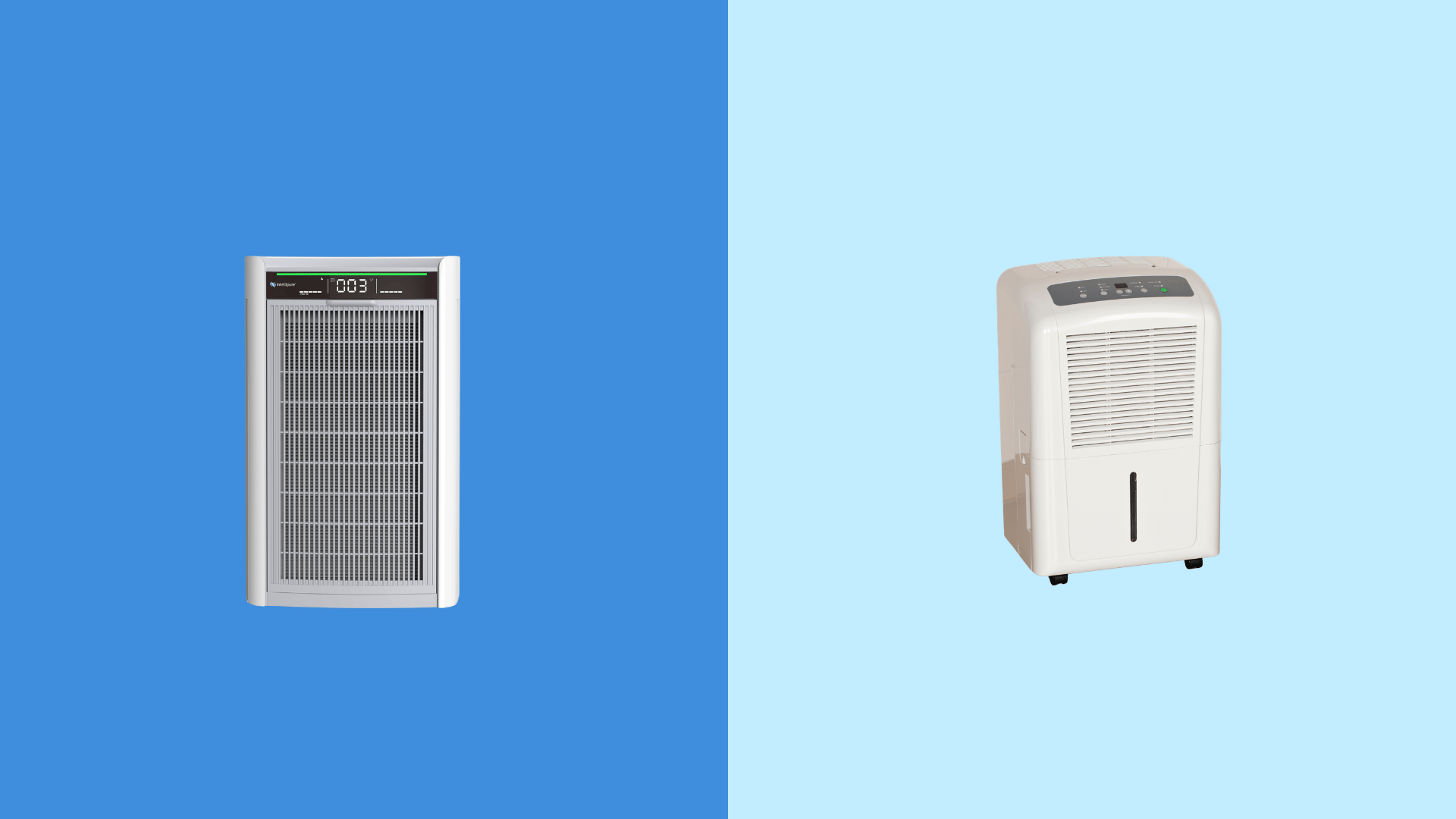
- Use a dehumidifier in damp areas like basements
- Add a humidifier during dry winter months if indoor air drops below 30 percent
- Fix leaks promptly to prevent moisture buildup in walls and ceilings
Use Air Purification as Your Safety Net
Cleaning and humidity control handle a lot, but an air purifier adds an important layer of protection by continuously filtering particles you can't see or reach.
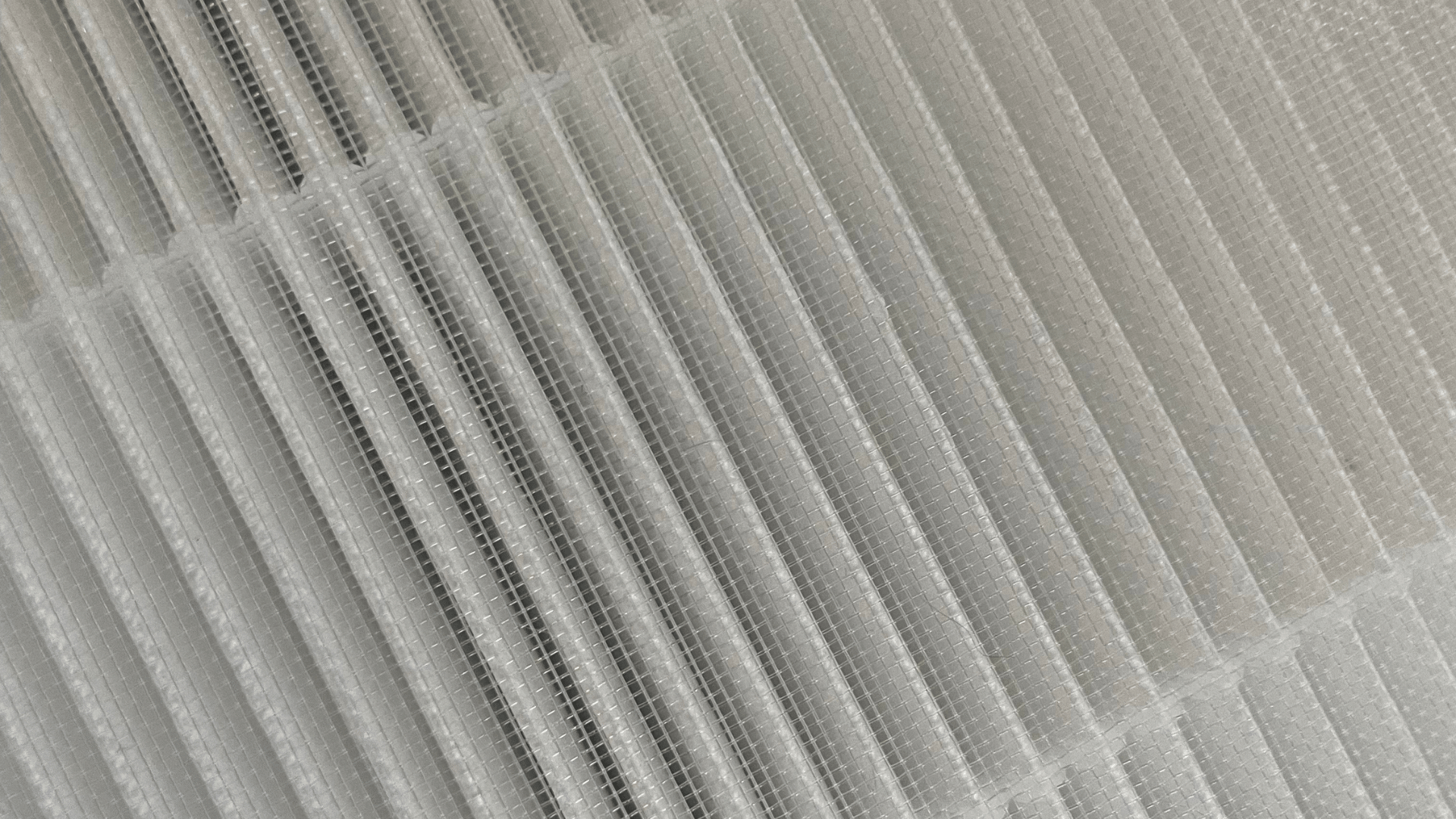
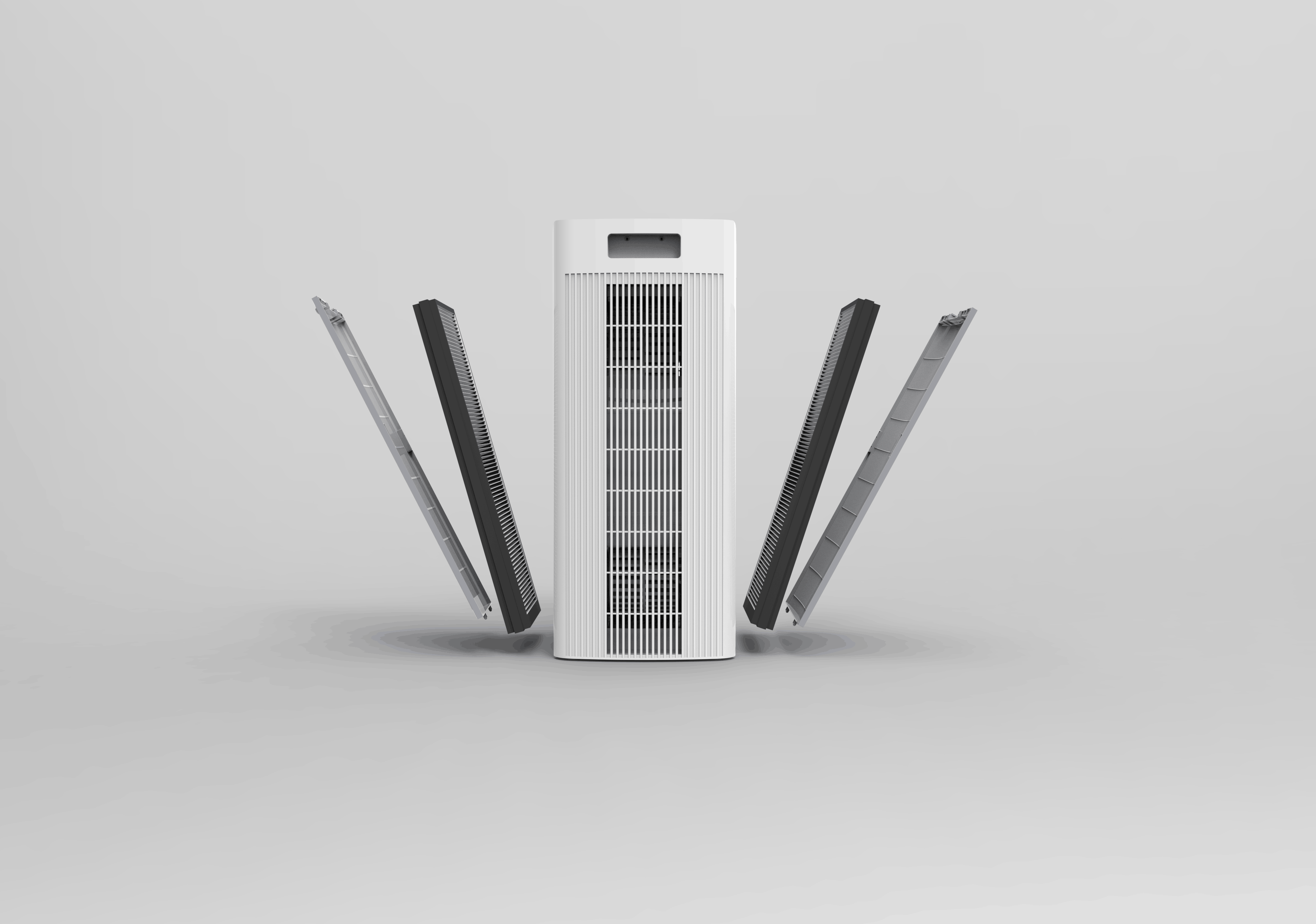
Look for models with true HEPA filters. HEPA stands for "high efficiency particulate air," and the standard requires these filters to capture at least 99.97 percent of airborne particles at 0.3 microns in size [8]. That 0.3-micron threshold is actually the hardest particle size to capture (called the most penetrating particle size), so particles both larger and smaller are trapped at even higher rates [8].
To put those numbers in perspective, the EPA notes that the average human hair is about 70 micrometers in diameter [9]. A 0.3-micron particle is roughly 230 times smaller than that. So when we say HEPA filters capture fine particles, we mean genuinely tiny ones: pollen, mold spores, dust mite debris, and pet dander fragments.
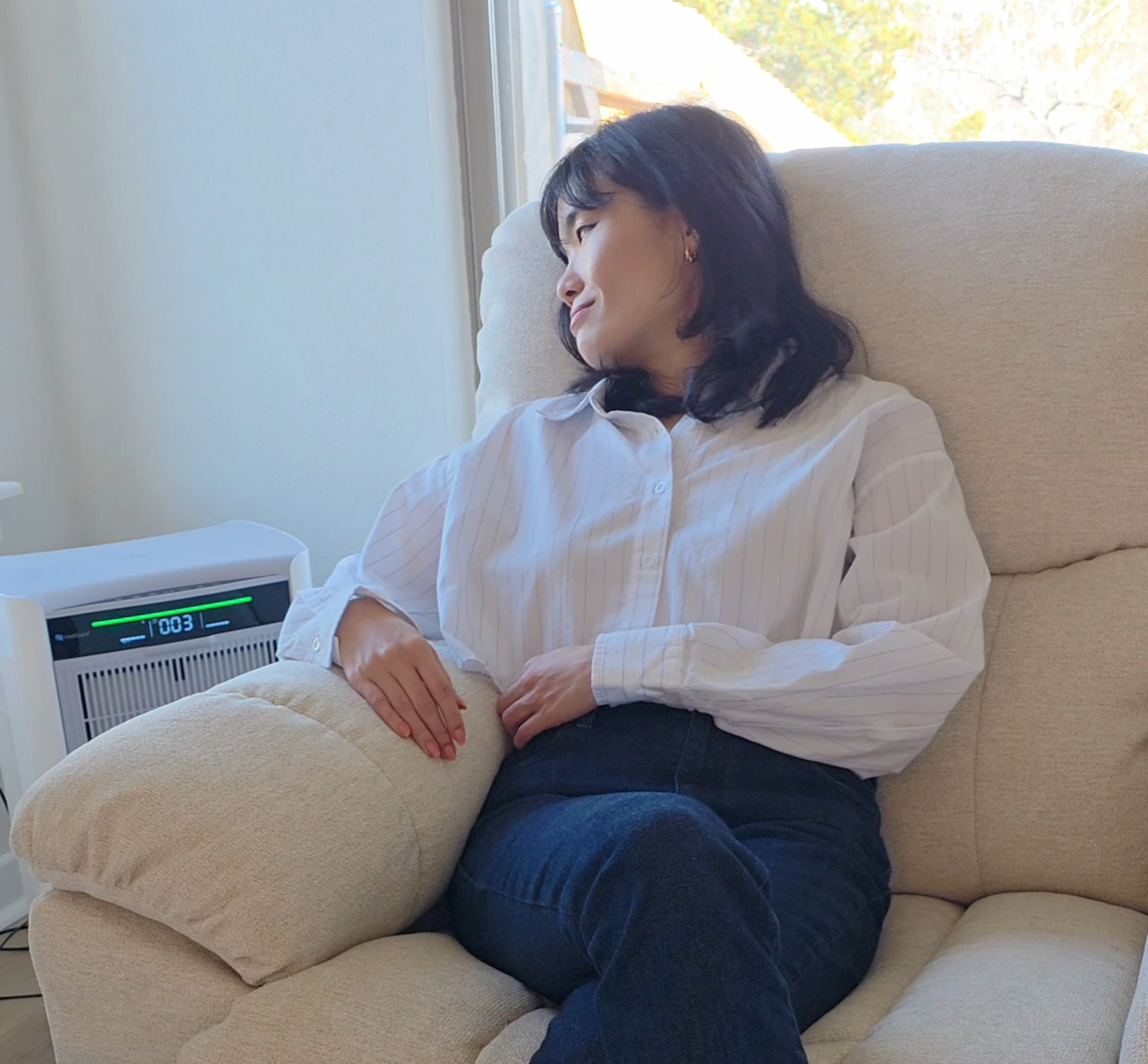
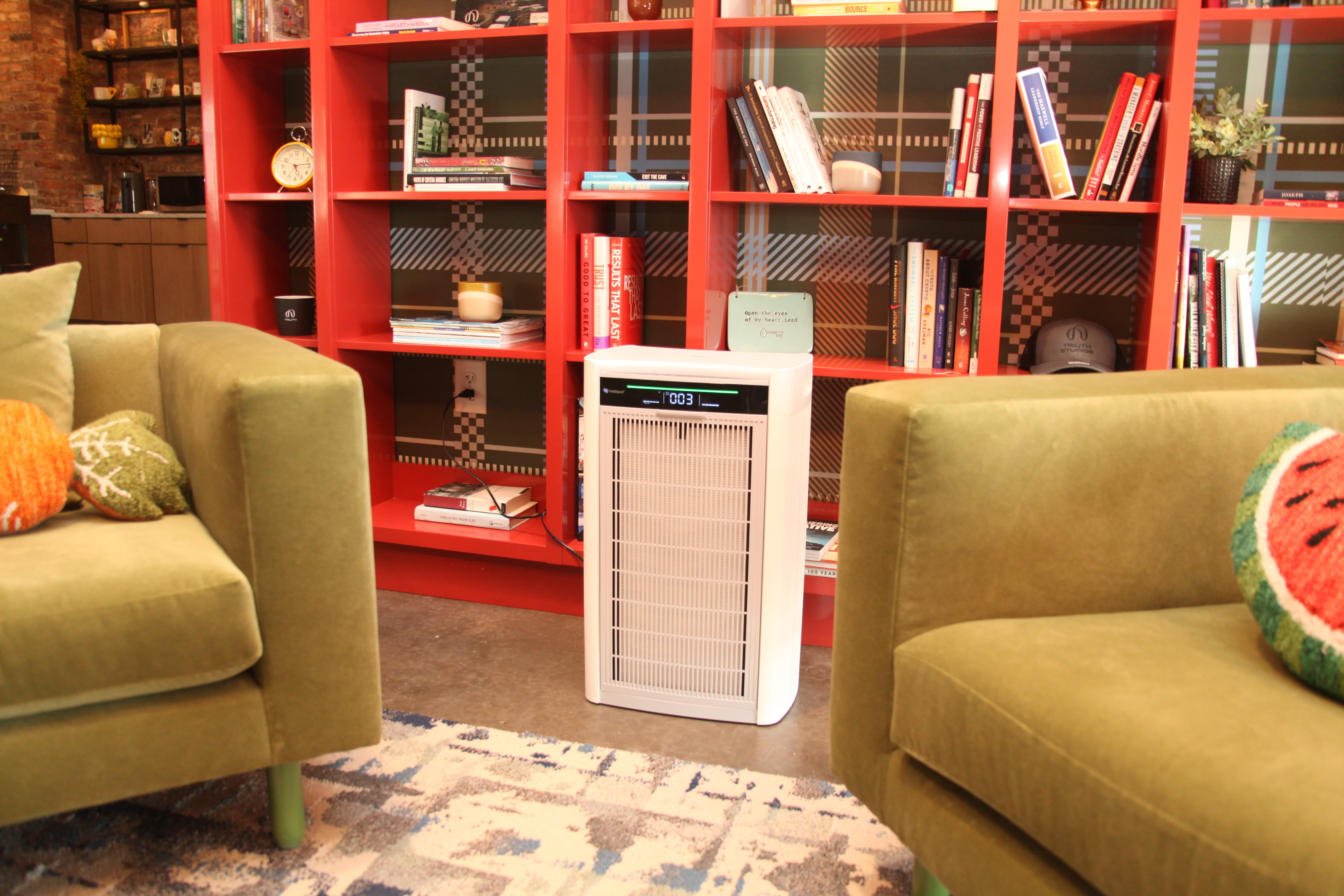
For maximum benefit, place your air purifier in the room where you spend the most time, whether that's a bedroom, living room, or home office. Running it consistently (not just when symptoms flare) helps keep baseline allergen levels low. Research suggests that HEPA room air cleaners can meaningfully reduce particulate matter exposure, with studies showing symptom improvements in people with allergic rhinitis [10].
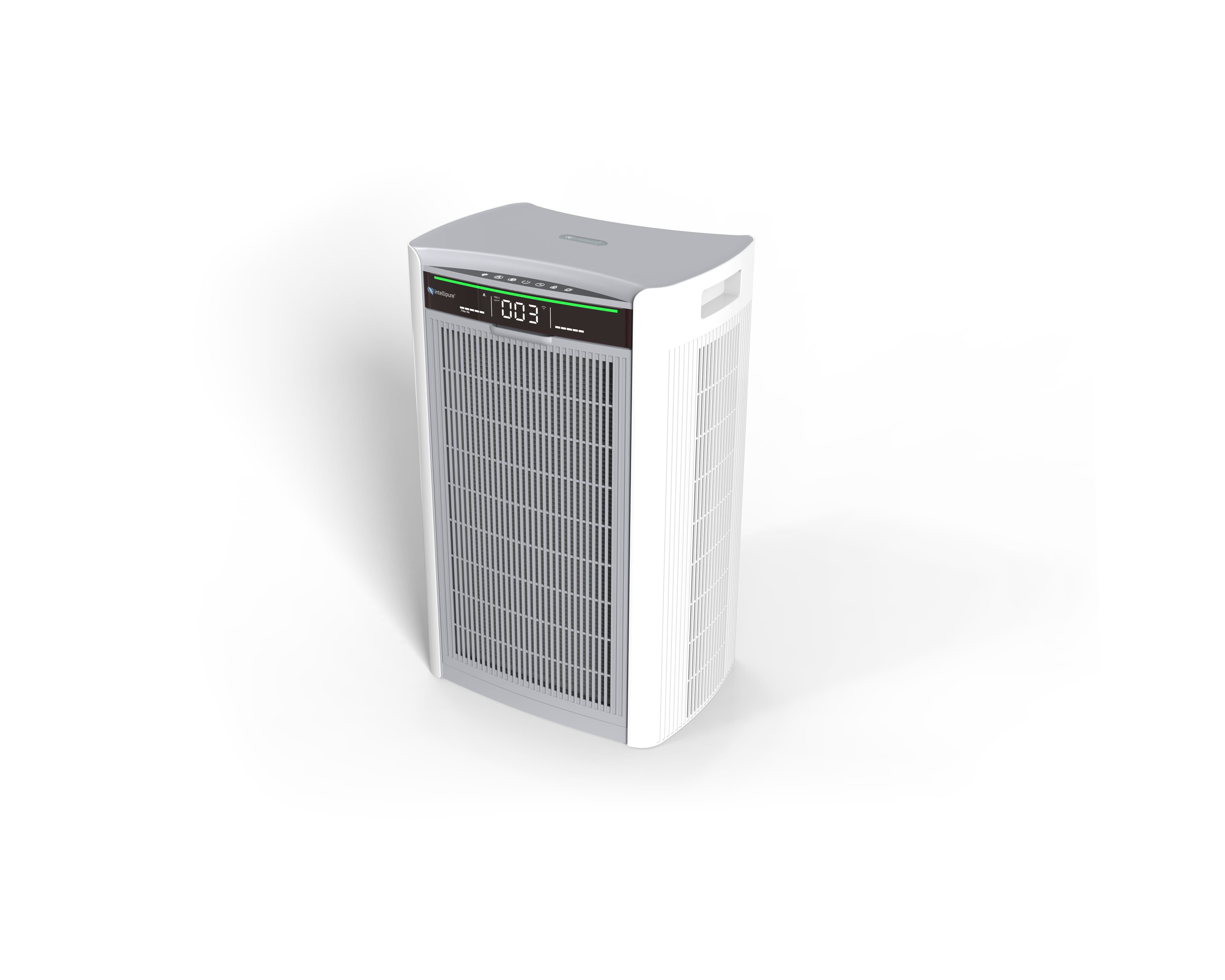
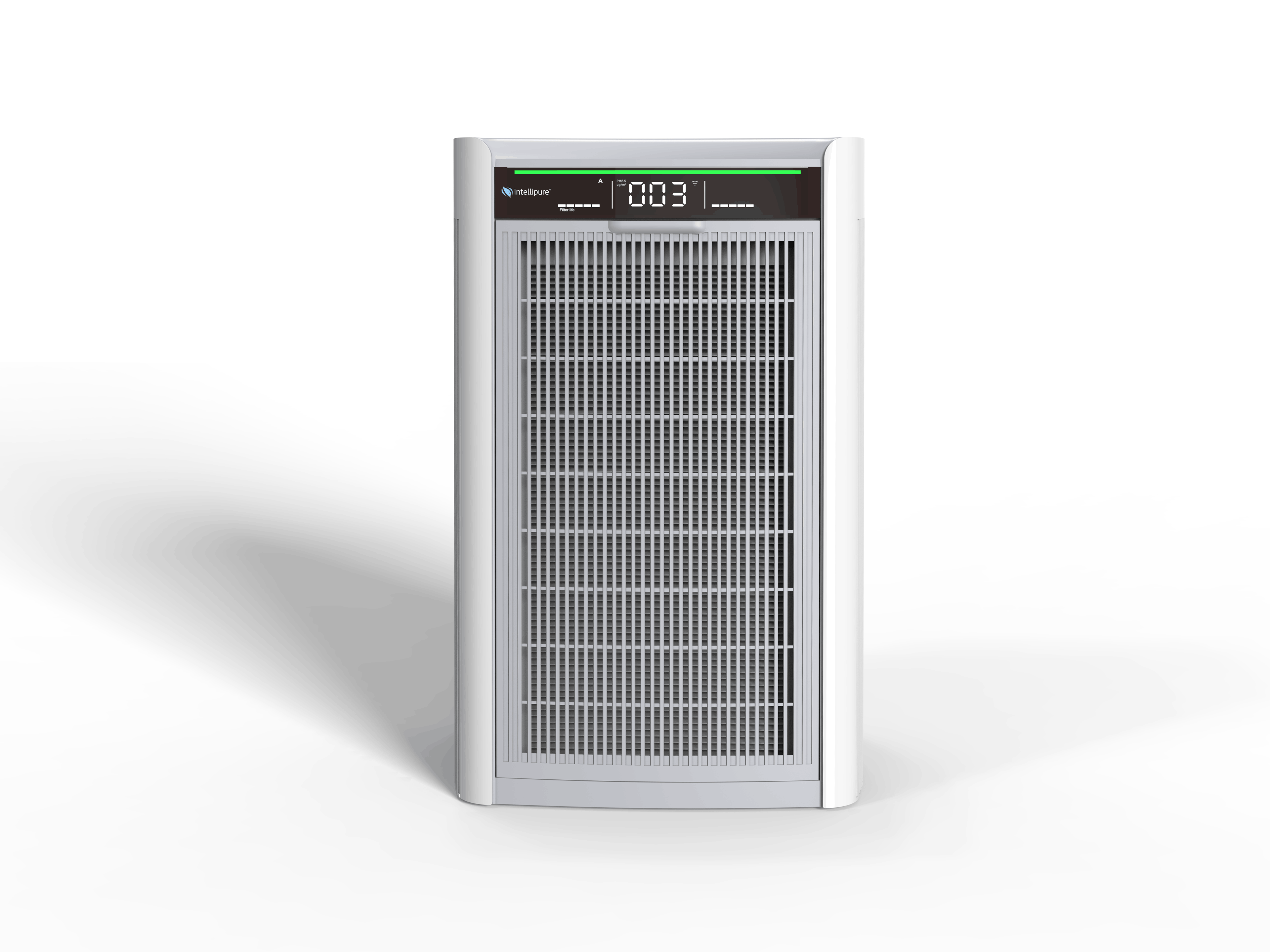
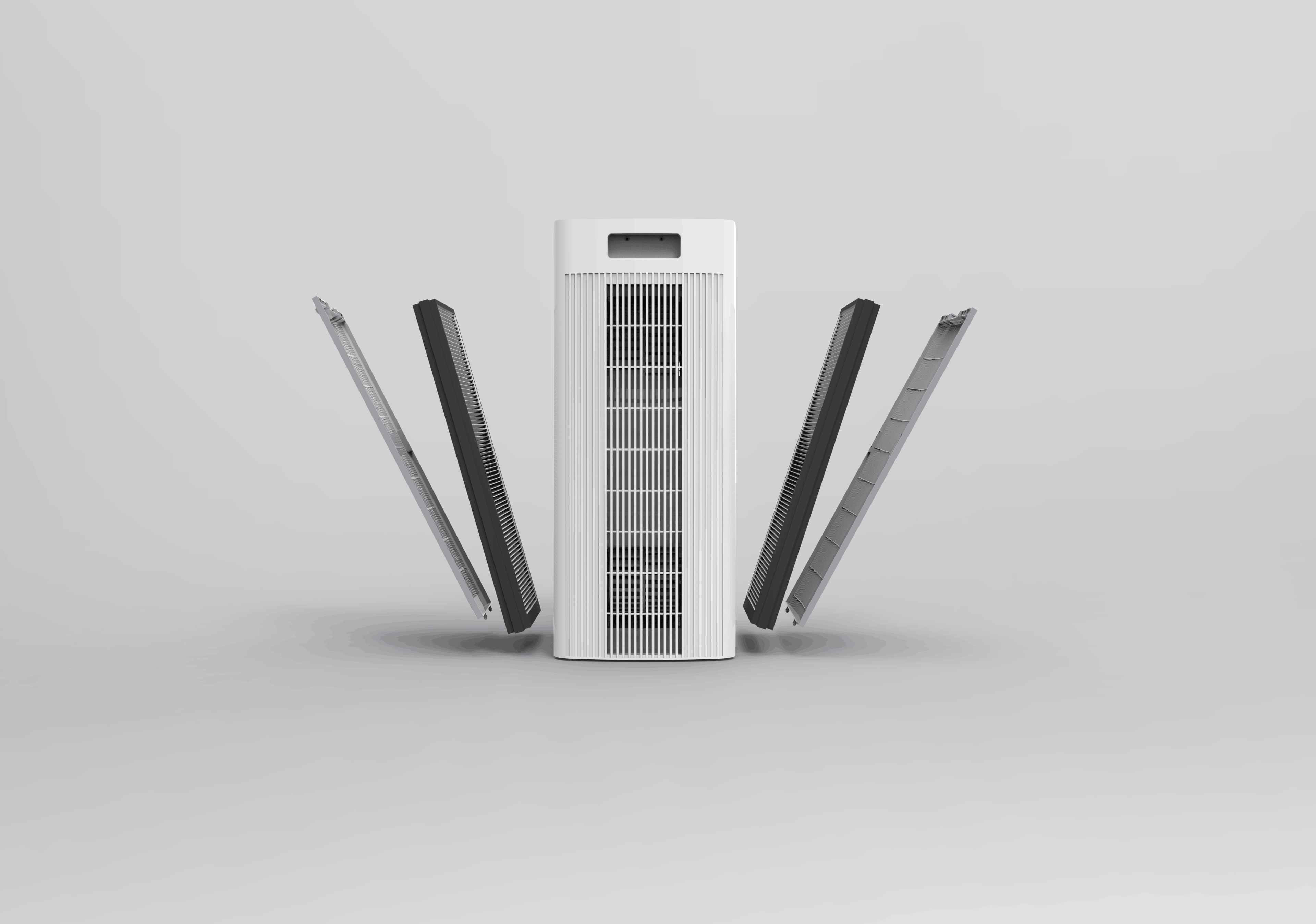
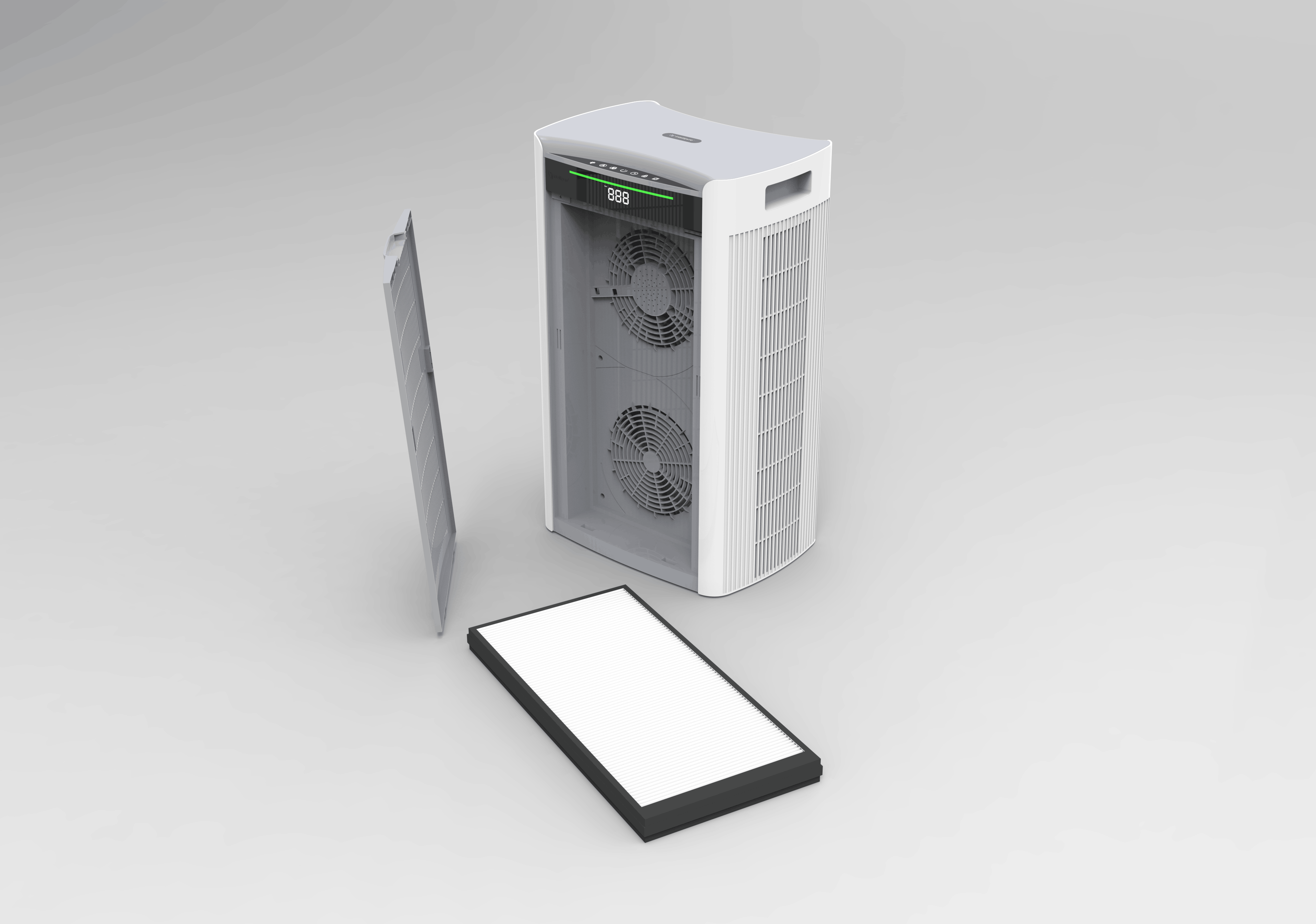
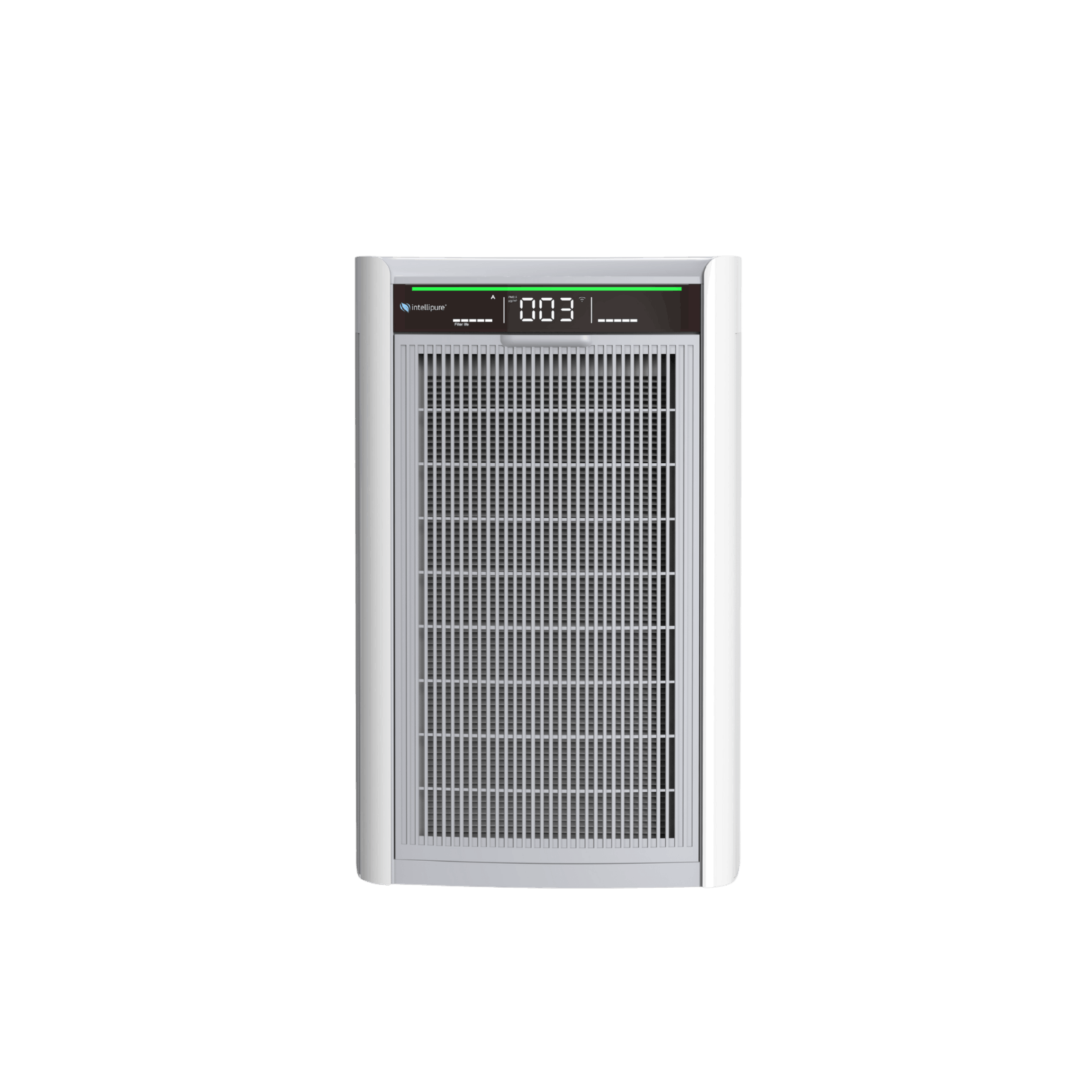
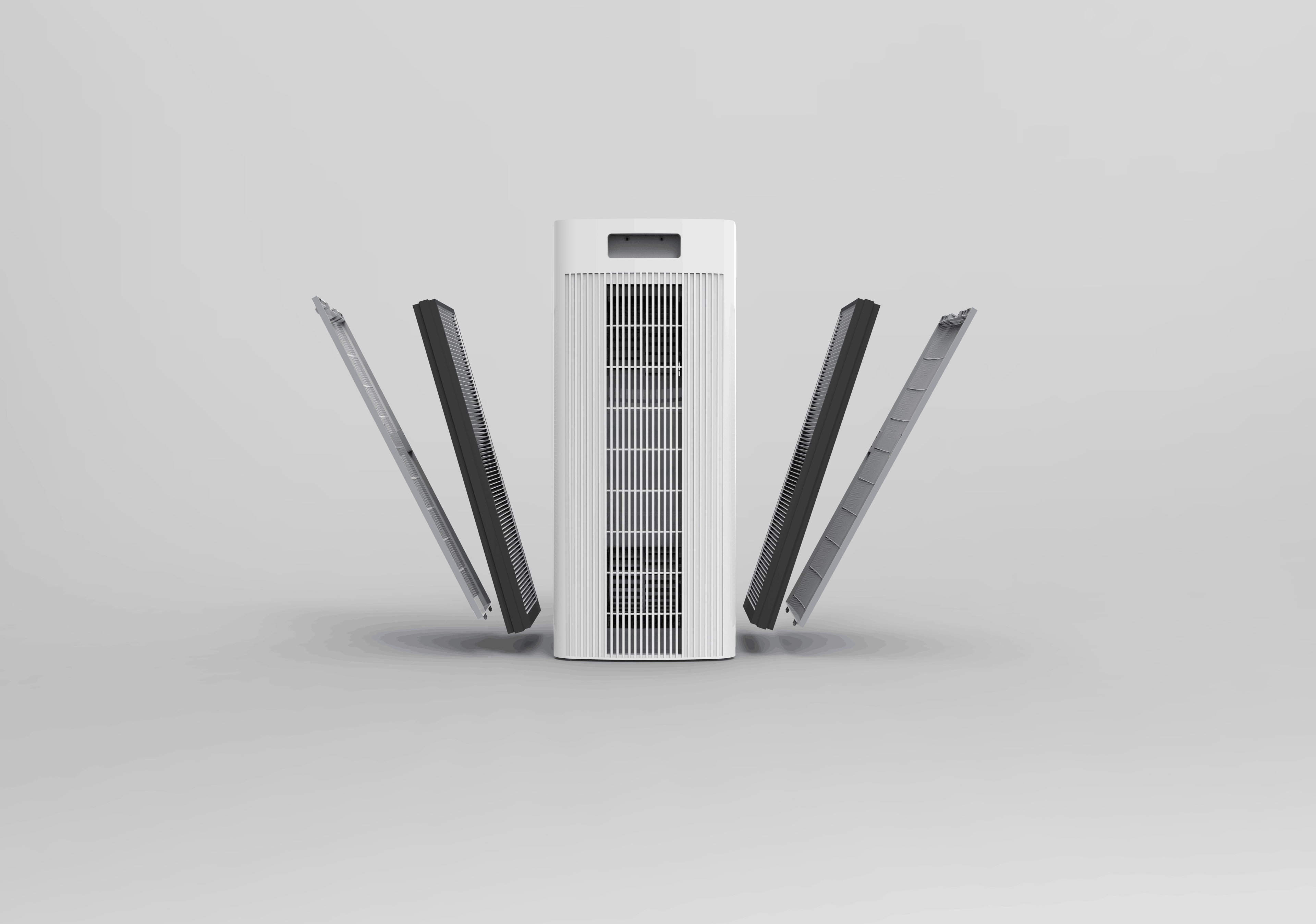
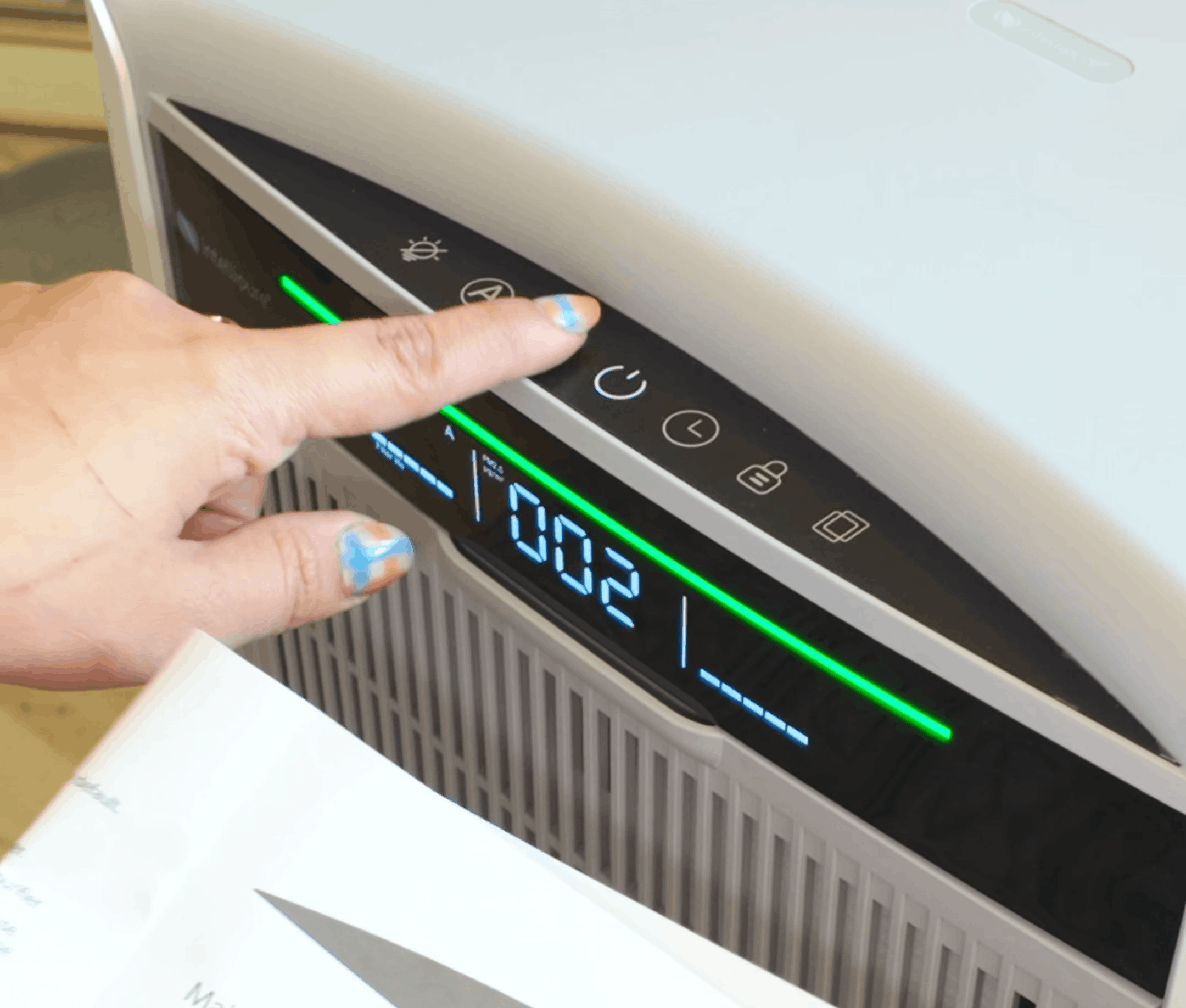
The Intellipure H1000 covers up to 2,200 square feet and captures up to 99.97% of airborne particles, including the pollen, dust, and dander that make allergy season miserable. Its smart sensors automatically adjust fan speed based on real-time air quality, so it works harder when allergen levels spike and quiets down when the air is clean.
Create Low-Allergen Zones
You don't have to allergy-proof every square foot of your home (though that would be nice). Start with the room where you spend the most continuous time: your bedroom.
The EPA notes that children, elderly people, and individuals with breathing problems, allergies, and lung diseases are particularly susceptible to indoor biological pollutants [4]. If anyone in your household falls into those groups, creating a dedicated low-allergen sleep space is especially worthwhile.
Here's how to set up a low-allergen bedroom:
- Keep pets out. Pet dander is a potent and persistent allergen. Designating the bedroom as a pet-free zone meaningfully reduces your overnight exposure.
- Use allergen-proof bedding covers. Zippered encasements on mattresses and pillows create a barrier against dust mites.
- Run an air purifier continuously. Overnight filtration helps ensure you're breathing cleaner air during the 7-9 hours you spend sleeping.
- Keep windows closed during high-pollen days. Check local pollen forecasts and plan accordingly.
- Shower before bed during peak allergy season to rinse pollen from your hair and skin.
Your Allergy Season Checklist
Pulling it all together, here's a quick-reference plan for allergy season prep:
- Monitor pollen counts. Weather apps and sites like pollen.com provide daily forecasts for your area
- Vacuum weekly with a HEPA-filter vacuum
- Dust with damp cloths instead of dry dusters
- Wash bedding weekly in hot water
- Check humidity levels and keep them between 30 and 50 percent [7]
- Run an air purifier in your most-used rooms
- Create a pet-free bedroom if pet dander is one of your triggers
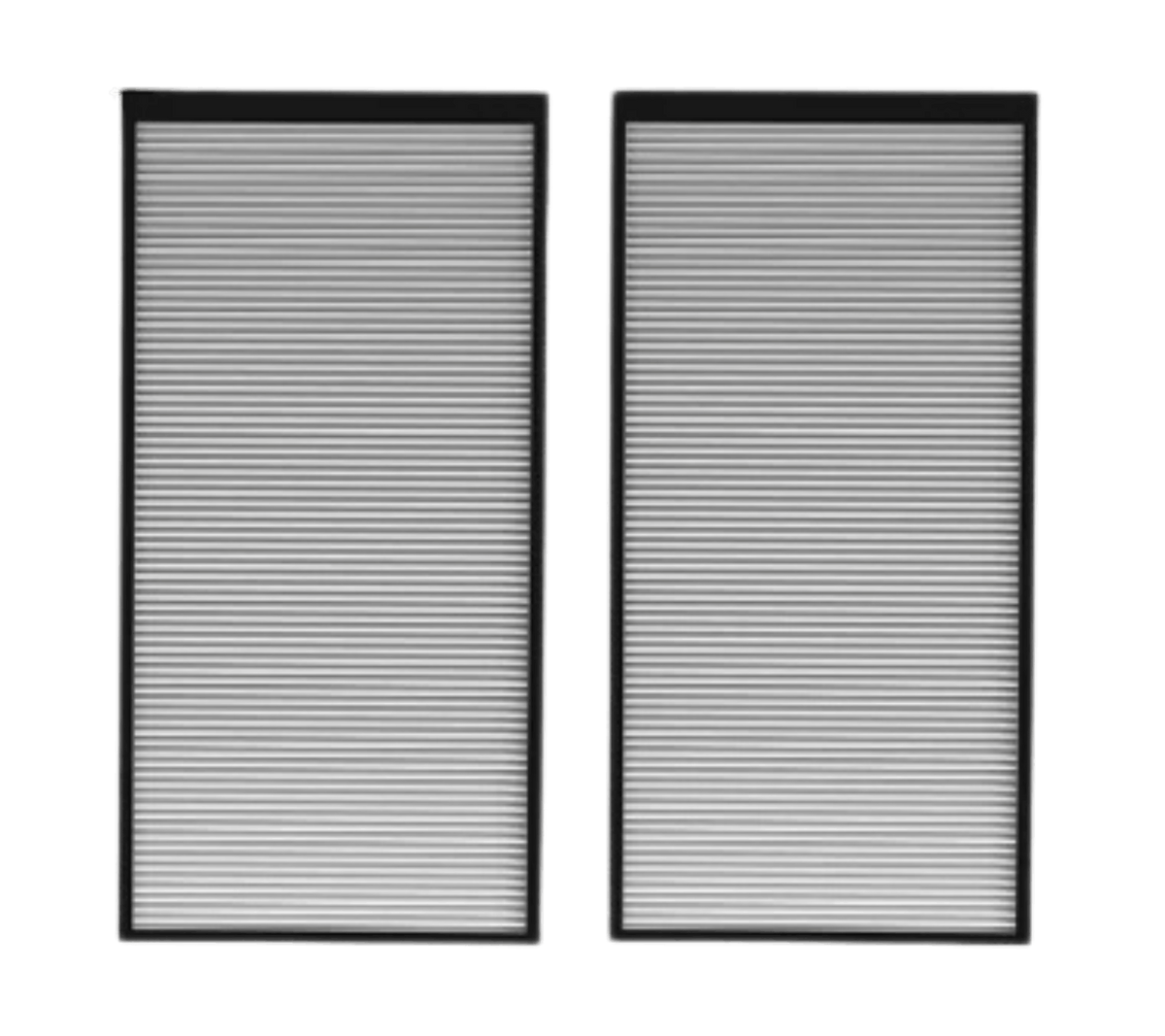
- Replace air purifier filters on schedule to maintain performance. A filter subscription takes the guesswork out of timing.
Breathe Easier This Season
Allergy season is unavoidable, but suffering through it isn't. The strategies here all follow the EPA's three basic strategies to improve indoor air quality: control the source, improve ventilation, and clean the air [11]. Think of it as your clean air trifecta.
You don't need to overhaul your entire home in a weekend. Start with the step that's easiest for you, whether that's picking up a humidity meter, swapping to a HEPA vacuum, or placing an air purifier in your bedroom. Each change stacks, and the cumulative effect on how you feel during allergy season can be significant.
For more ways to improve the air you breathe at home, explore our Breathe Easy Blog or browse Intellipure air purifiers to find the right fit for your space.
References
- Ng AE, Boersma P. Diagnosed allergic conditions in adults: United States, 2021. NCHS Data Brief, no 460. Hyattsville (MD): National Center for Health Statistics; 2023.
- United States Environmental Protection Agency. Indoor air quality [Internet]. Washington (DC): EPA; 2025 [cited 2026 Feb 11].
- American College of Allergy, Asthma & Immunology. Seasonal allergies [Internet]. Arlington Heights (IL): ACAAI; 2024 [cited 2026 Feb 11].
- United States Environmental Protection Agency. Biological pollutants' impact on indoor air quality [Internet]. Washington (DC): EPA; 2025 [cited 2026 Feb 11].
- American College of Allergy, Asthma & Immunology. Dust allergy: causes, symptoms & treatment [Internet]. Arlington Heights (IL): ACAAI; 2022 [cited 2026 Feb 11].
- American College of Allergy, Asthma & Immunology. Air filters [Internet]. Arlington Heights (IL): ACAAI; 2022 [cited 2026 Feb 11].
- United States Environmental Protection Agency. A brief guide to mold, moisture, and your home [Internet]. Washington (DC): EPA; 2025 [cited 2026 Feb 11].
- United States Environmental Protection Agency. What is a HEPA filter? [Internet]. Washington (DC): EPA; 2024 [cited 2026 Feb 11].
- United States Environmental Protection Agency. Particulate matter (PM) basics [Internet]. Washington (DC): EPA; 2024 [cited 2026 Feb 11].
- Sublett JL. Effectiveness of air filters and air cleaners in allergic respiratory diseases: a review of the recent literature. Curr Allergy Asthma Rep. 2011;11(5):395-402.
- United States Environmental Protection Agency. Improving indoor air quality [Internet]. Washington (DC): EPA; 2025 [cited 2026 Feb 11].






Fact And Fiction: Everything You Need To Know About Air Purifiers
11 Nontoxic Ways to Clean Your Indoor Air