


There are so many different air purifier styles and brands, and each one has its own technology, design, and capabilities. With all of these styles and abilities, there is a lot of information out there about what air purifiers are and what they can actually do.
The most important step in your journey to cleaner air is learning more about air purifiers and educating yourself on the technology. Do you know the facts from the fiction? Keep reading to learn everything you need to know about air purifiers before experiencing their benefits for yourself.
Common Misconceptions About Air Purifiers
Let's clear the air on some of the common misconceptions people have about air purifiers to make sure you have the right information!
False: Air Purifiers Are Expensive To Operate
Most modern air purifiers are designed to be energy-efficient and consume a relatively low amount of electricity compared to other household appliances. Overall, while air purifiers do have some operating costs associated with them based on room size and usage time, they are generally not considered expensive to run.
Their benefits in improving indoor air quality and creating a healthier living environment make them a worthwhile investment for many people. It's essential to research different air purifier models, consider their energy efficiency and maintenance requirements, and choose one that best fits your needs and budget.
False: Air Purifiers Disrupt Home Life
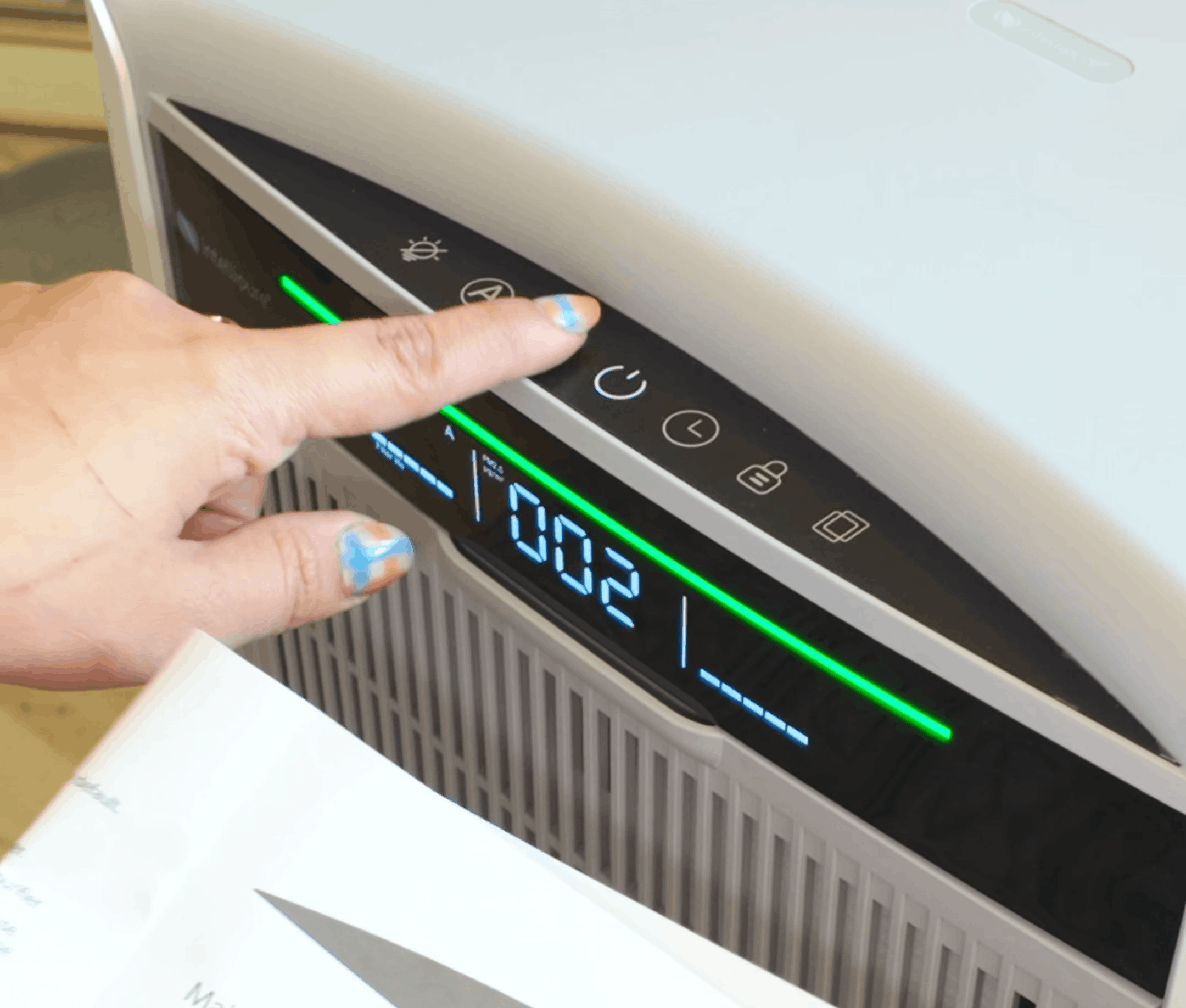
Many air purifiers made today are designed to operate quietly, especially at lower fan speeds. The noise level of an air purifier is often directly related to the fan speed setting. Running the purifier on higher fan speeds typically produces more noise than lower settings. Usually, air purifiers come with adjustable fan speed options, allowing users to choose a quieter setting when needed. However, high-quality units are generally not disruptive to daily activities.
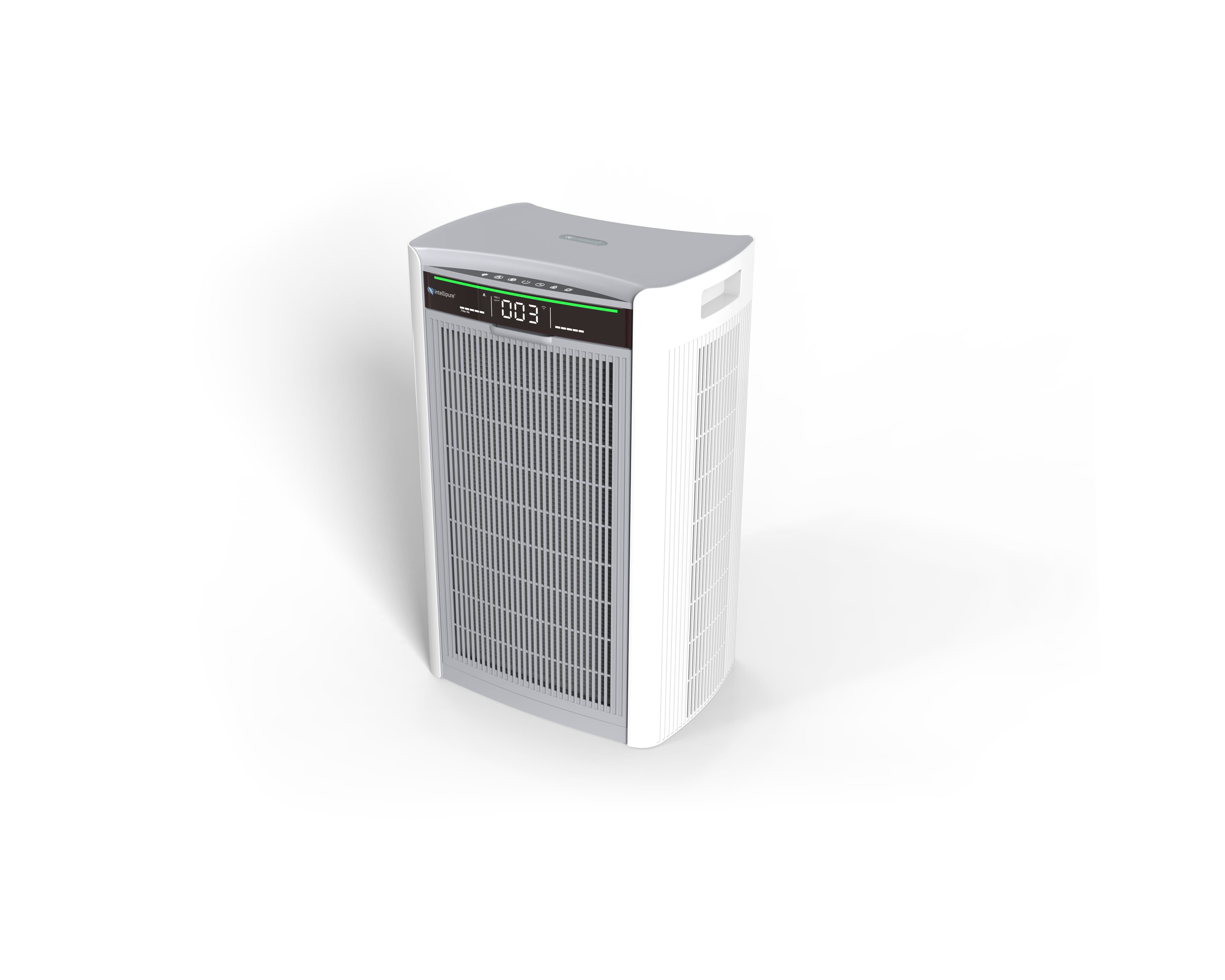
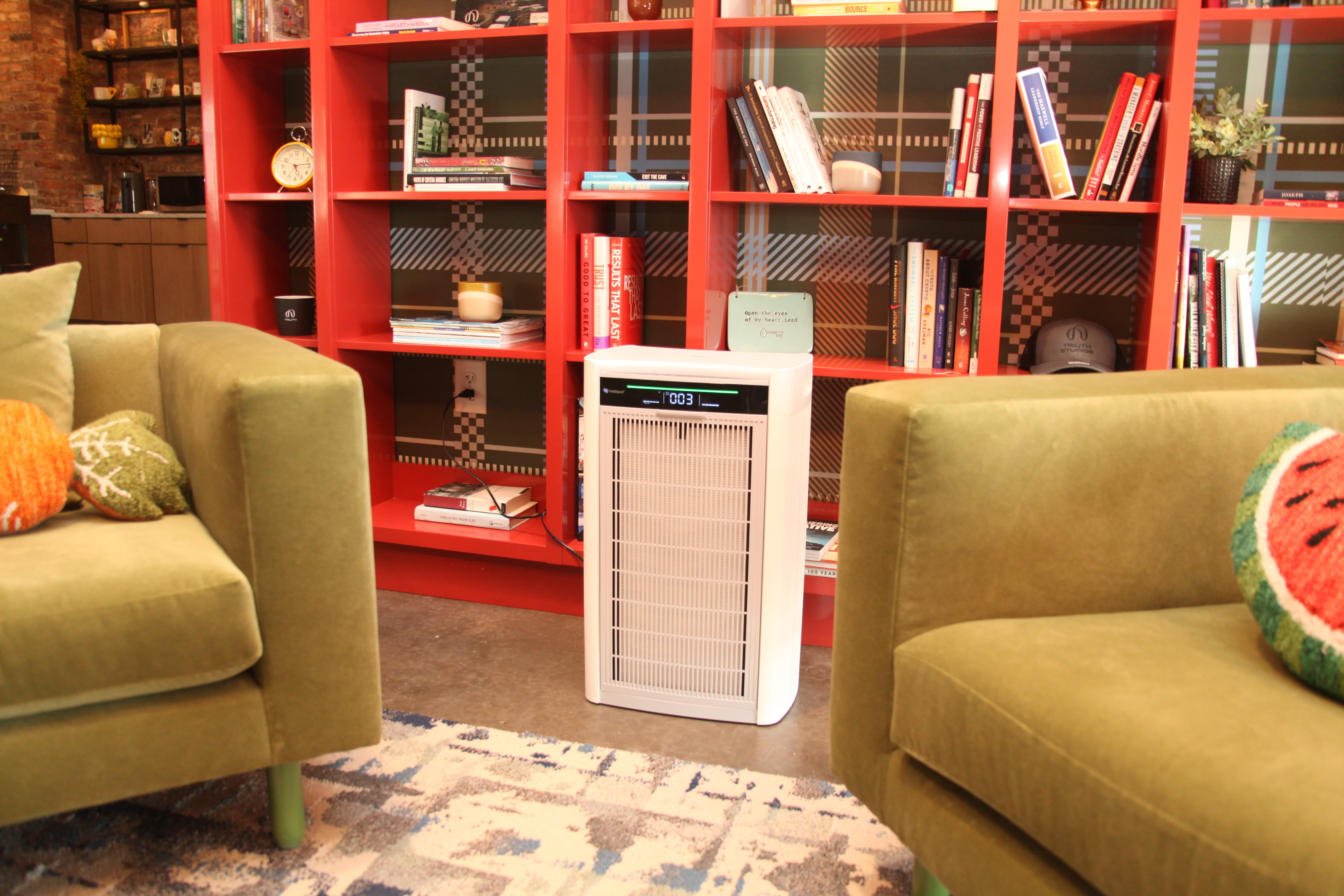
Most air purifiers are designed to be small and portable, meaning that they take up little room and you can decide where to plug them in that will be the most out of the way for your family's lifestyle. Once set up and running, these air cleaning units are out of sight and out of mind while they work to keep your family safe.
False: Air Purifiers Are Only For People With Health Conditions
Air purifiers are not just for people with health conditions! While air purifiers can be particularly beneficial for individuals with allergies, asthma, or other respiratory issues, they can also provide advantages to a broader range of people and living situations.
People with allergies or respiratory conditions may notice a more significant improvement in their symptoms with the use of air purifiers, but healthy individuals can also benefit from cleaner air and reduced exposure to pollutants. In general, adding an air purifier to your space will improve living quality, help you keep your space clean, and eliminate the harmful ultrafine particles that enter your home.
Air purifiers are a proactive measure to maintain a healthier indoor environment and can be particularly beneficial in areas with poor outdoor air quality or during specific seasons when allergens are prevalent.
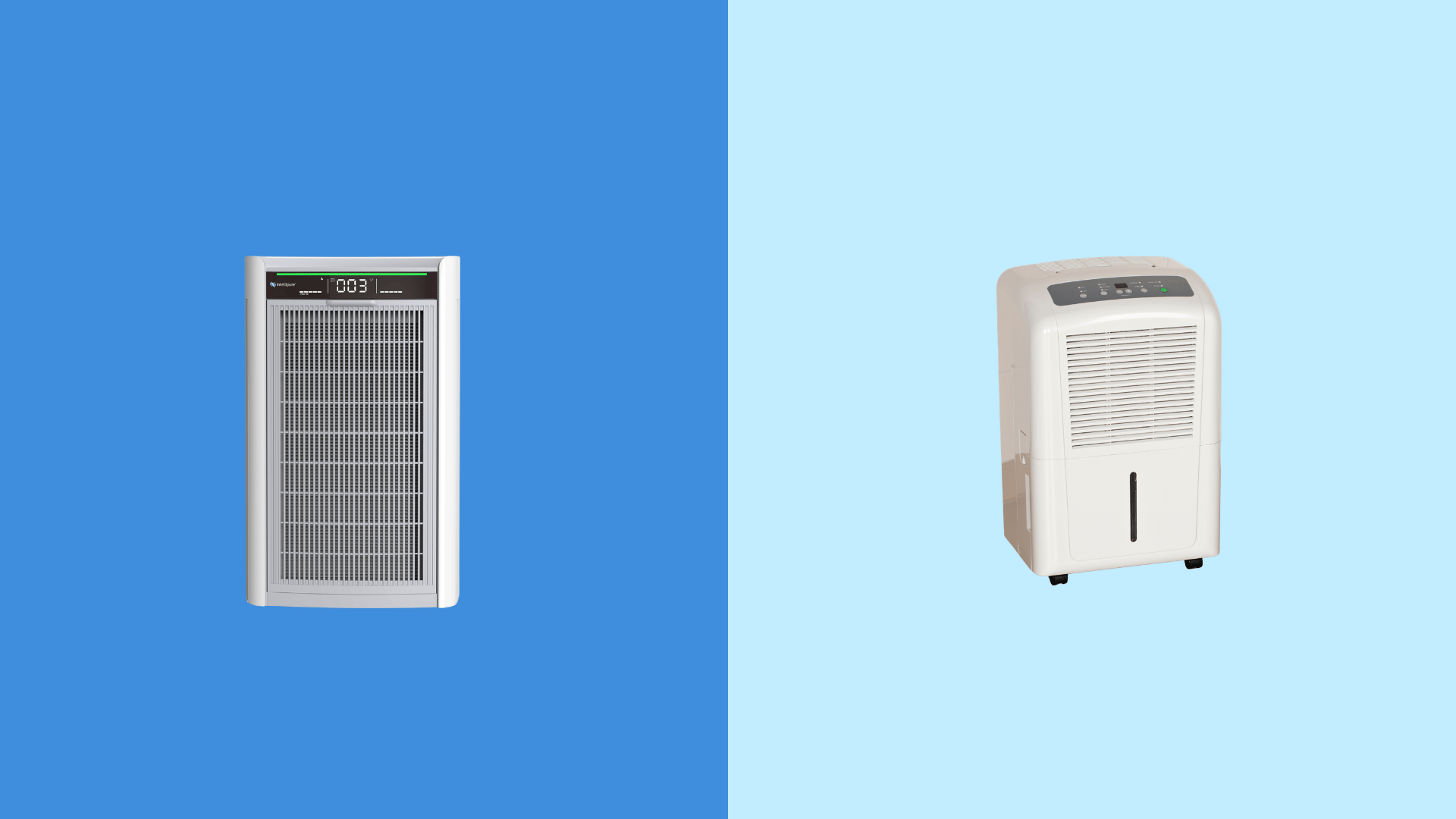
False: All Air Purifiers Are The Same
All air purifiers are not the same. Air purifiers come in various types and sizes, and with different technologies, making them suitable for addressing specific air quality issues and environments. Here are some of the key differences between air purifiers:
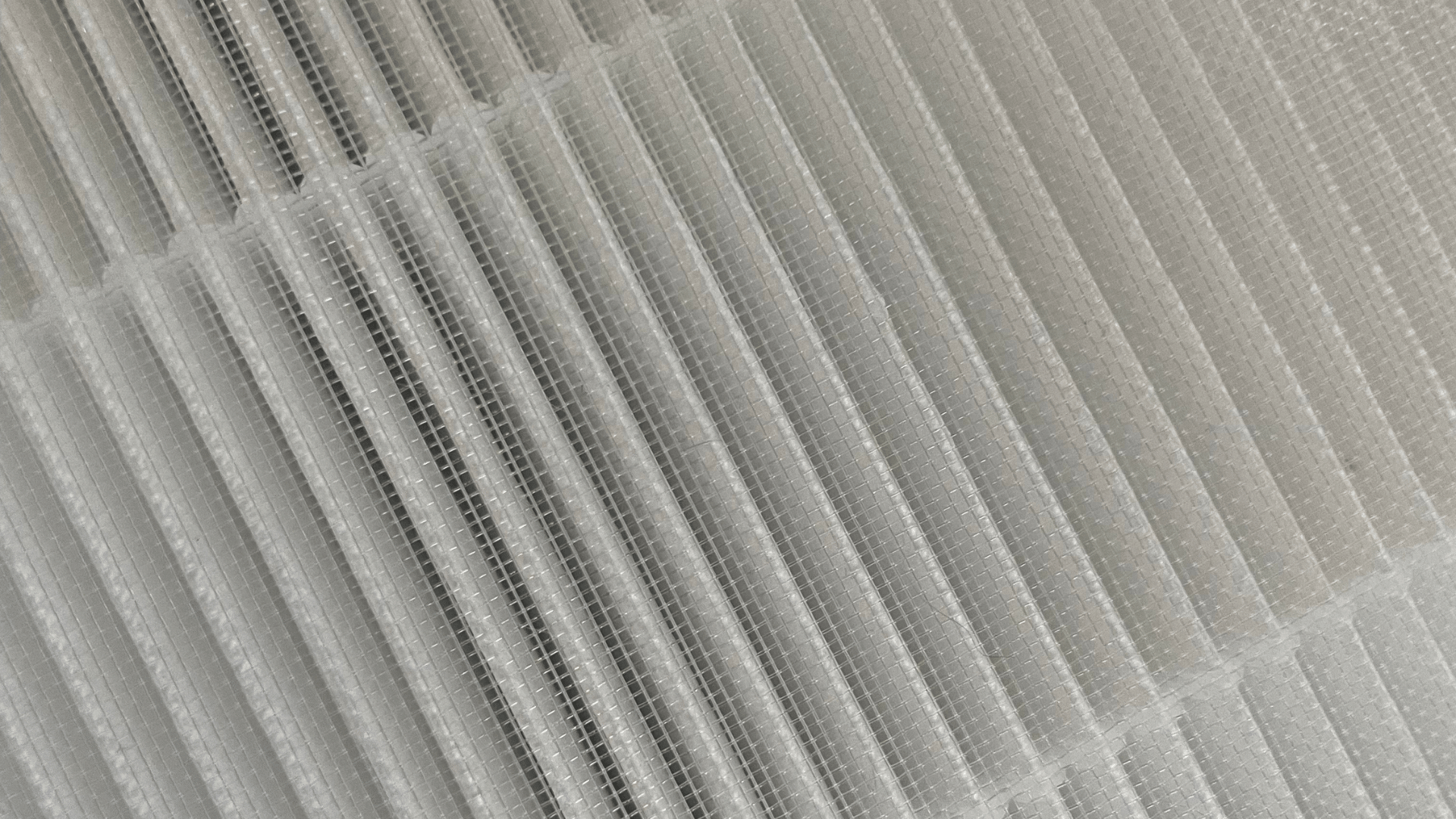
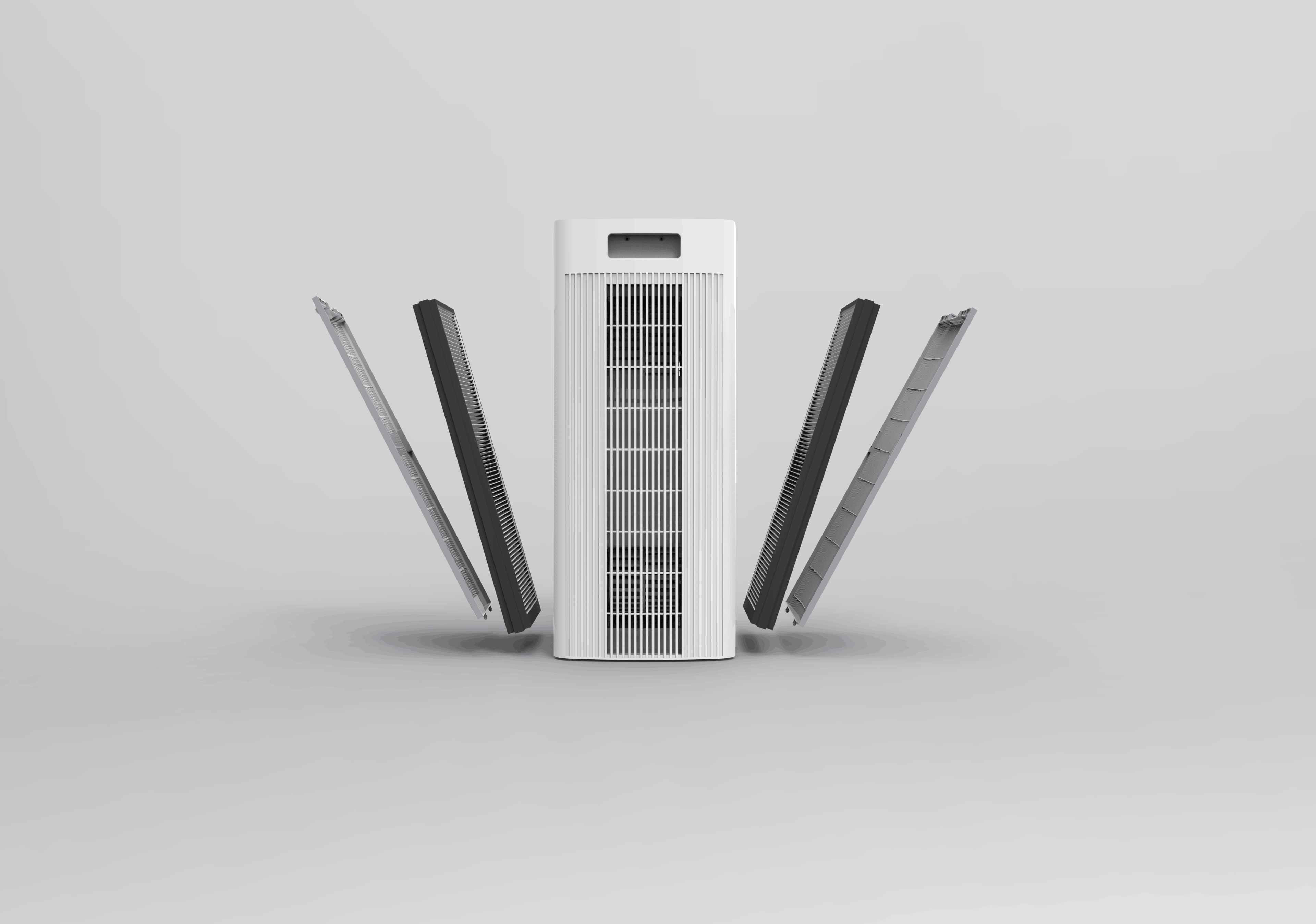
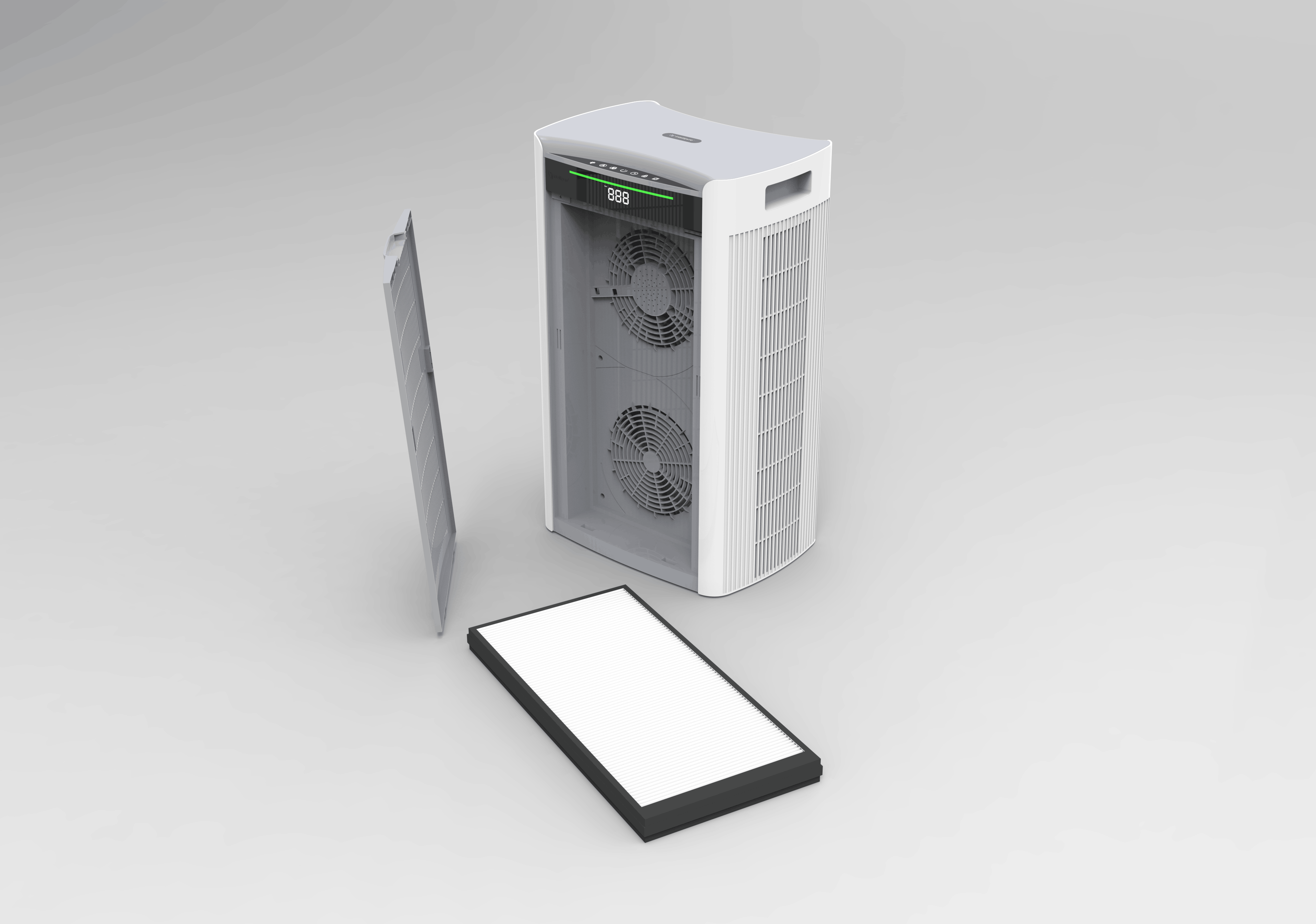
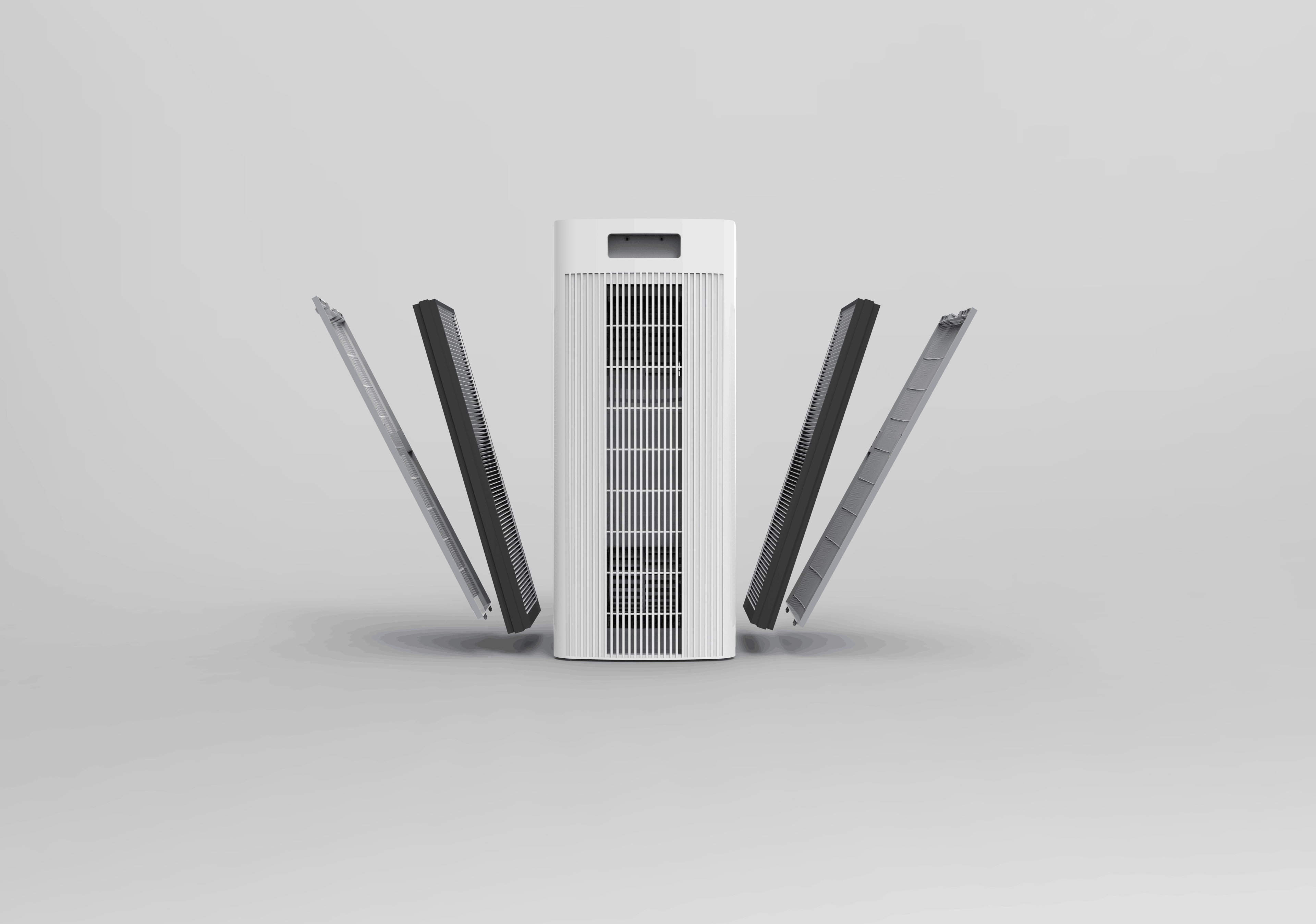
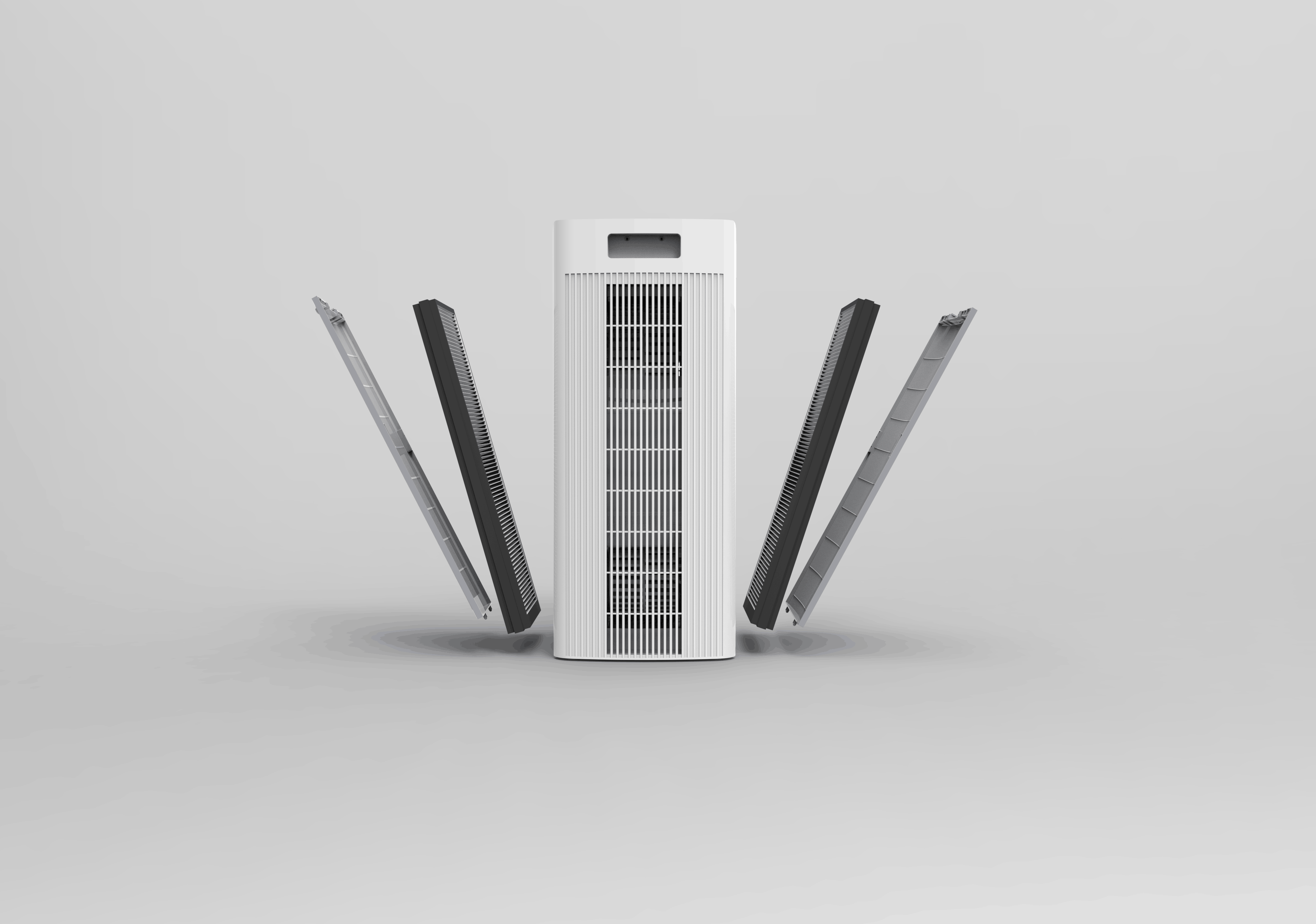
- Filtration Technology: Air purifiers use different filtration technologies to capture and remove airborne pollutants. Some common types include HEPA filters, activated carbon filters, UV-C lights, ionizers, and electrostatic precipitators. Each technology targets specific pollutants, and some air purifiers may use a combination of these technologies for comprehensive purification.
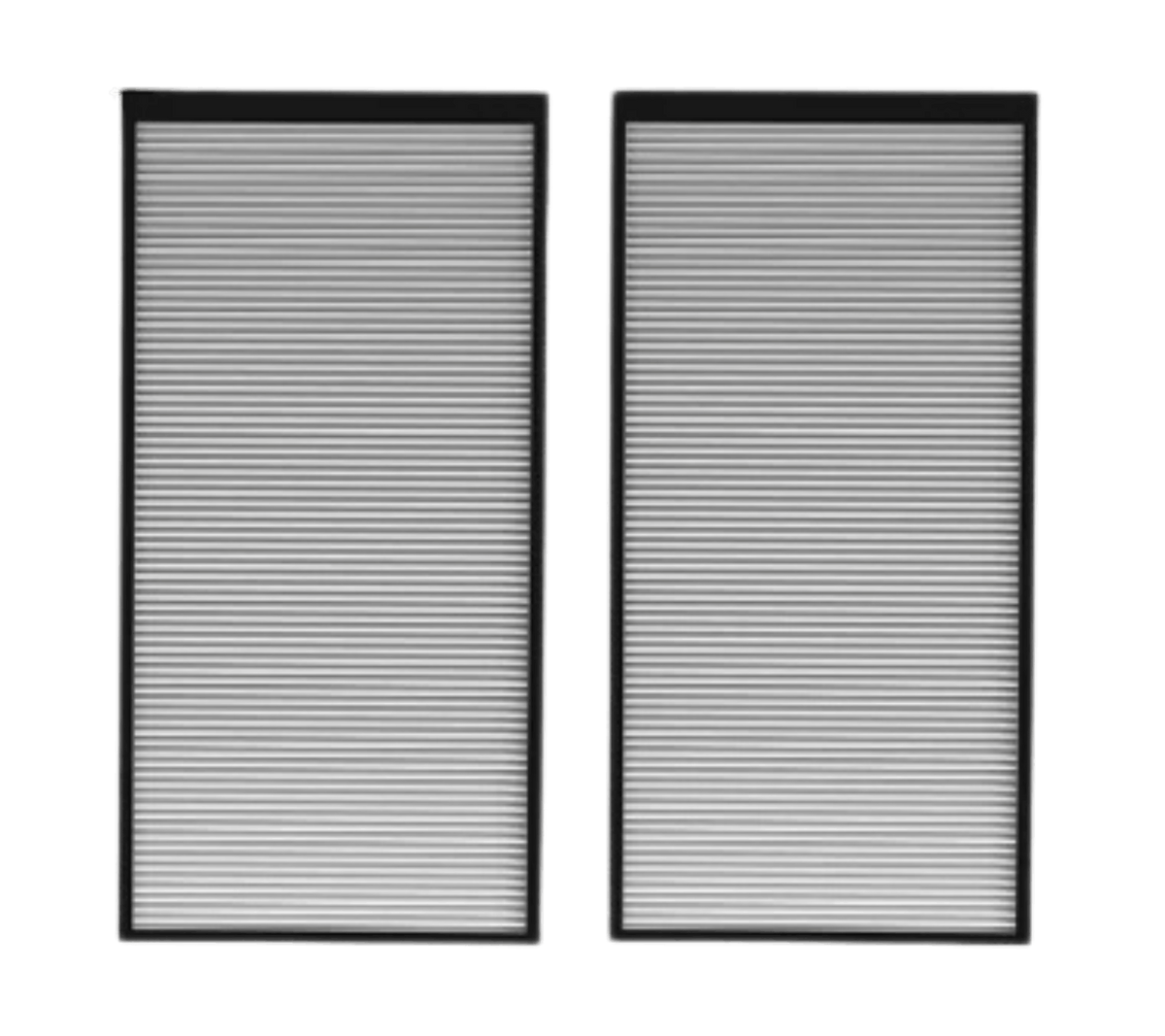
- Particle Removal Efficiency: The efficiency of an air purifier in removing airborne particles varies depending on the type and quality of the filter used. High-Efficiency Particulate Air (HEPA) filters are known for their ability to capture up to 99.97% of particles as small as 0.3 microns, making them highly effective in removing dust, pollen, pet dander, and other allergens.
- Coverage Area: Air purifiers come in different sizes, and their coverage area varies accordingly. Larger air purifiers are designed for bigger rooms or open spaces, while smaller ones are suitable for bedrooms or small offices. It's essential to choose an air purifier that can handle the size of the room you intend to use it in.
- Brand and Quality: Like any other product, the quality and reliability of air purifiers can vary between different brands and manufacturers. Choosing a reputable brand can ensure a higher level of performance and durability.
The Truth About Air Purifiers
Before adding an air purifier to your space, make sure you know the truth about air purifiers and the benefits they can have on your family's life and your indoor air quality!
True: Air Purifiers Remove Harmful Allergens And Viruses From The Air
Yes, it's true - air purifiers can effectively remove harmful allergens and viruses from the air you breathe indoors!

Air purifiers equipped with High-Efficiency Particulate Air (HEPA) filters are highly effective at capturing and removing allergens from the air. HEPA filtration standards are rated to remove particles as small as 0.3 microns with an efficiency of up to 99.97%. This includes common allergens such as dust mites, pollen, pet dander, mold spores, and other airborne particles.
These air purifiers can also help reduce the concentration of viruses and bacteria in the air. HEPA filters can capture particles containing viruses so you can worry less about illnesses and spend more time enjoying your space with your loved ones.
True: Air Purifiers Can Improve Health And Allergy Symptoms
One of the largest reasons people decide to add an air purifier to their space is to help them find relief from ailments such as seasonal allergies, mold symptoms, weather-related irritants, and more.
By reducing the concentration of allergens in the air, air purifiers can help alleviate allergy symptoms. Air purifiers can also help reduce other irritants in the air, including smoke and bacteria. This can lead to fewer respiratory irritations and a more comfortable breathing environment, especially for people with pre-existing respiratory conditions.
It's important to note that while air purifiers can be beneficial in improving well-being and reducing health condition-related symptoms, they are not a cure for allergies or respiratory conditions.
True: Air Purifiers Can Help Reduce Odors In Your Home
Some air purifiers are equipped with activated carbon filters, also known as charcoal filters, which are particularly effective at adsorbing and neutralizing odors. Activated carbon filters are made from porous carbon materials that have a large surface area. As air passes through these filters, the activated carbon captures and traps odor-causing molecules, effectively removing unpleasant smells from the air.
Additionally, activated carbon is known for its ability to adsorb a wide range of gaseous pollutants, including volatile organic compounds (VOCs), which are responsible for many household odors. By adsorbing these chemicals, air purifiers can help improve indoor air quality and create a more pleasant living environment.
True: Air Purifiers Improve Indoor Air Quality
Air purifiers can significantly improve indoor air quality (IAQ) by reducing airborne pollutants and allergens. They are designed to capture and remove various particles and contaminants from the air, which leads to a cleaner and healthier indoor environment.
With the right air purification unit, you can remove particulate matter, VOCs, smoke, odor, mold, and other harmful contaminants from the air you breathe. No matter what season it is or the health of the members of your household, adding an air purifier to your space has benefits everyone can feel!
Enjoy a happy and healthy space with Intellipure
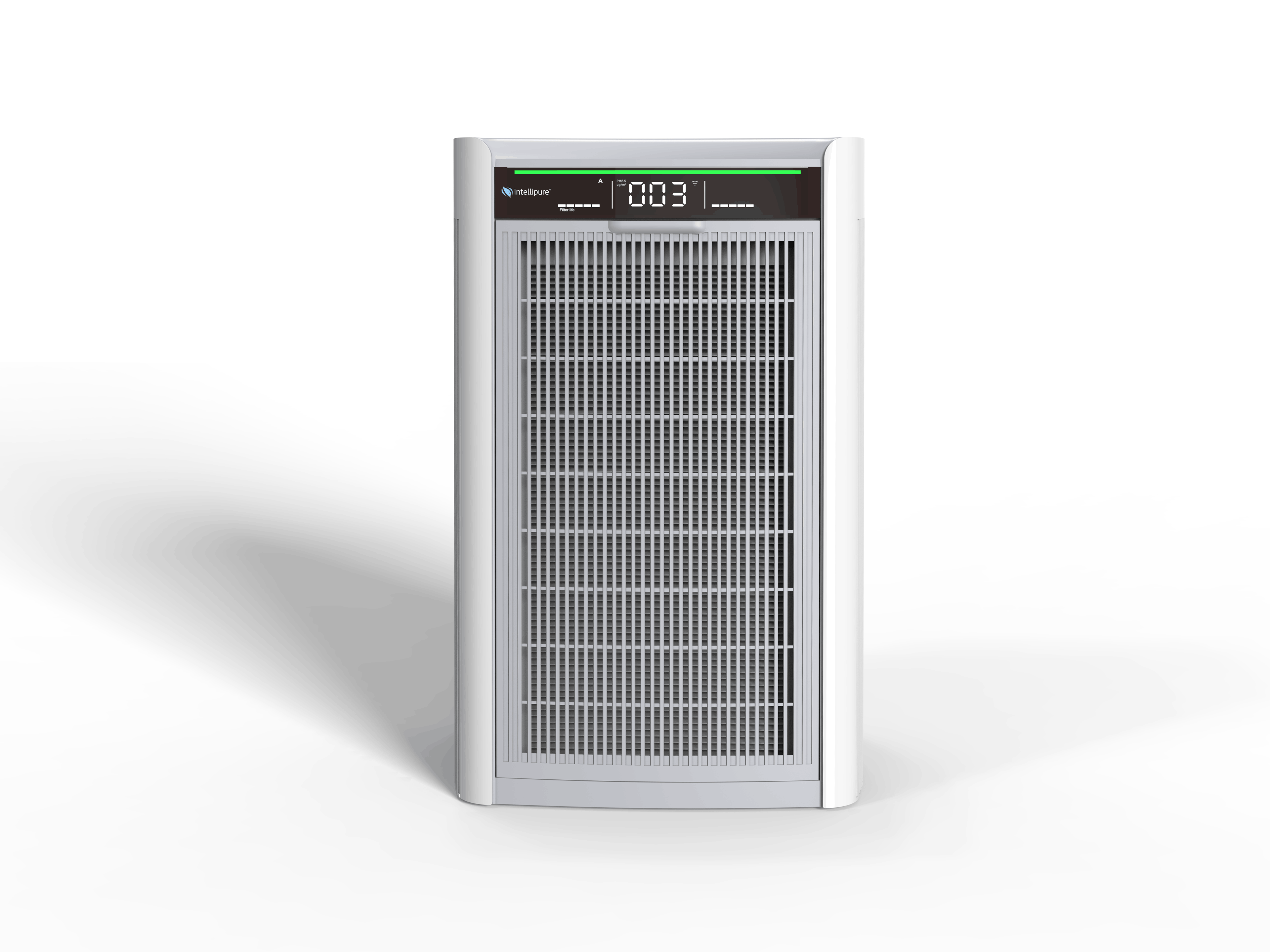
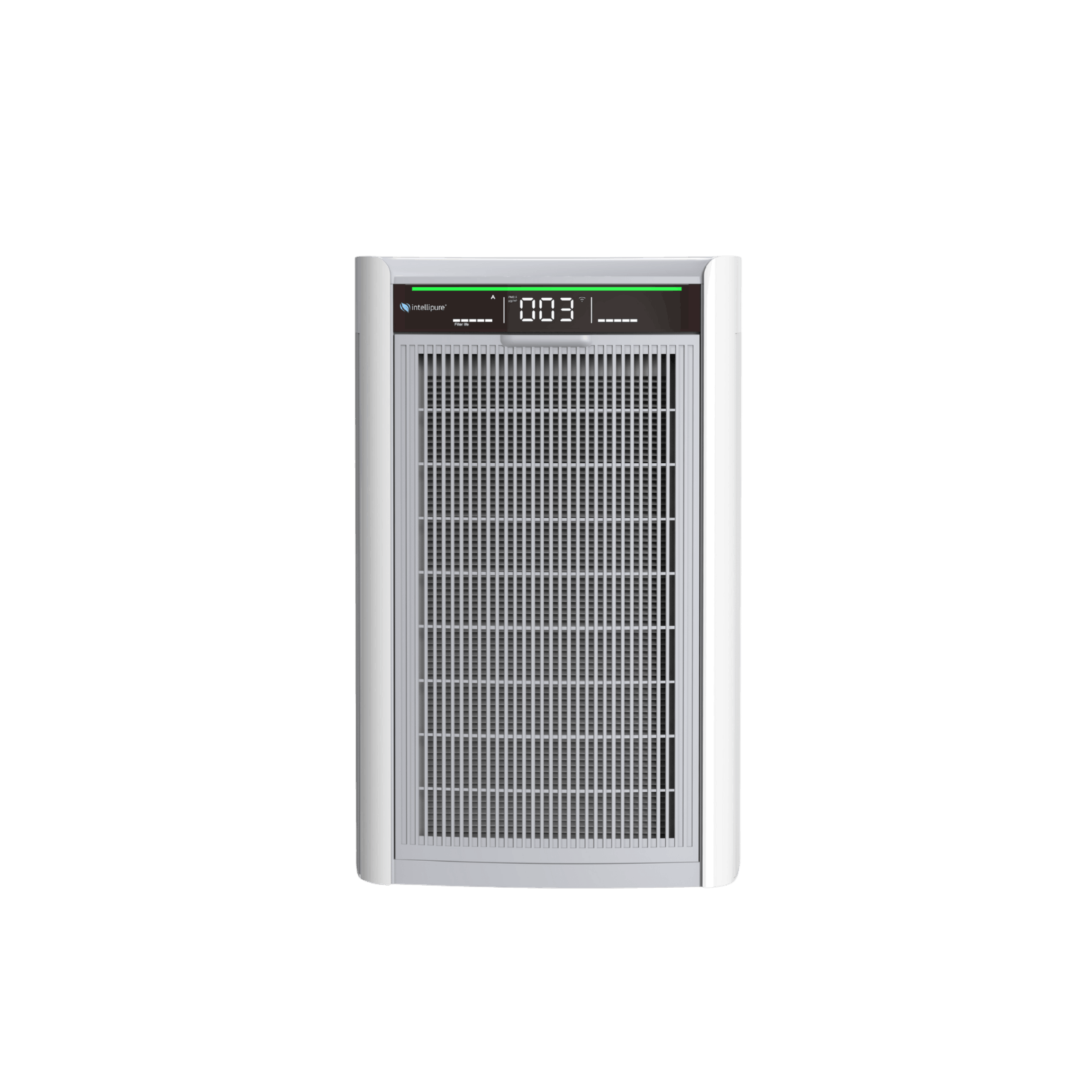
Whether you need an air purifier for a bedroom or for your kitchen, Intellipure can guide you to make the best buying decision for your indoor air.
When you add one of our air purifiers to your space, you're not just getting cleaner air - you're getting it from a company made up of clean air experts who care about your family and well-being as much as you do. Don't wait to experience the difference clean air can make; contact us today to start your journey!






How Smoke Affects Indoor Air Quality
Preparing for Allergy Season with Clean Air in Your Home