

Summary
Forgotten micro-tasks—overdue filter changes, missed bills, last-minute errands—quietly add up. This guide covers five everyday tasks you can automate in under five minutes, including a filter subscription that keeps your indoor air quality on track year-round.
In This Article
Set It & Forget It: 5 Everyday Tasks That’ll Practically Run Themselves in 2026
Filter Replacement & Automation: 5 Easy Tasks for 2026
If there’s one trend worth carrying into the new year, it’s less busywork and more breathing room. Not in the metaphorical sense—though we’re fans of that, too—but in the literal, practical, my-life-runs-smoother-now sense.
The truth is, most of us don’t need more productivity hacks. We need fewer micro-tasks quietly eating up our spare time. A forgotten bill here, a last-minute grocery run there, an overdue air filter we meant to replace weeks ago.
Individually? Small. Collectively? Exhausting.
Not to worry, there’s an easy fix for many tasks that take minutes to set up and run themselves all year. Below are some everyday tasks you can automate in under five minutes—including one that makes your home healthier with zero added work.
1. Automate Your Essentials (Yes, Including Air Filters)
Let’s start with the most impactful time-saver: an item in your home that should run on autopilot but rarely does. Air filters.
Most people forget to replace their HVAC or air purifier filters on time. It’s not because they don’t care about clean air; it’s because life is full, and filters don’t replace themselves. Meanwhile, your indoor air quality quietly worsens—especially when windows are shut, leaving VOCs, dust, and allergens with nowhere to go. [1]
A filter subscription service removes that risk entirely.
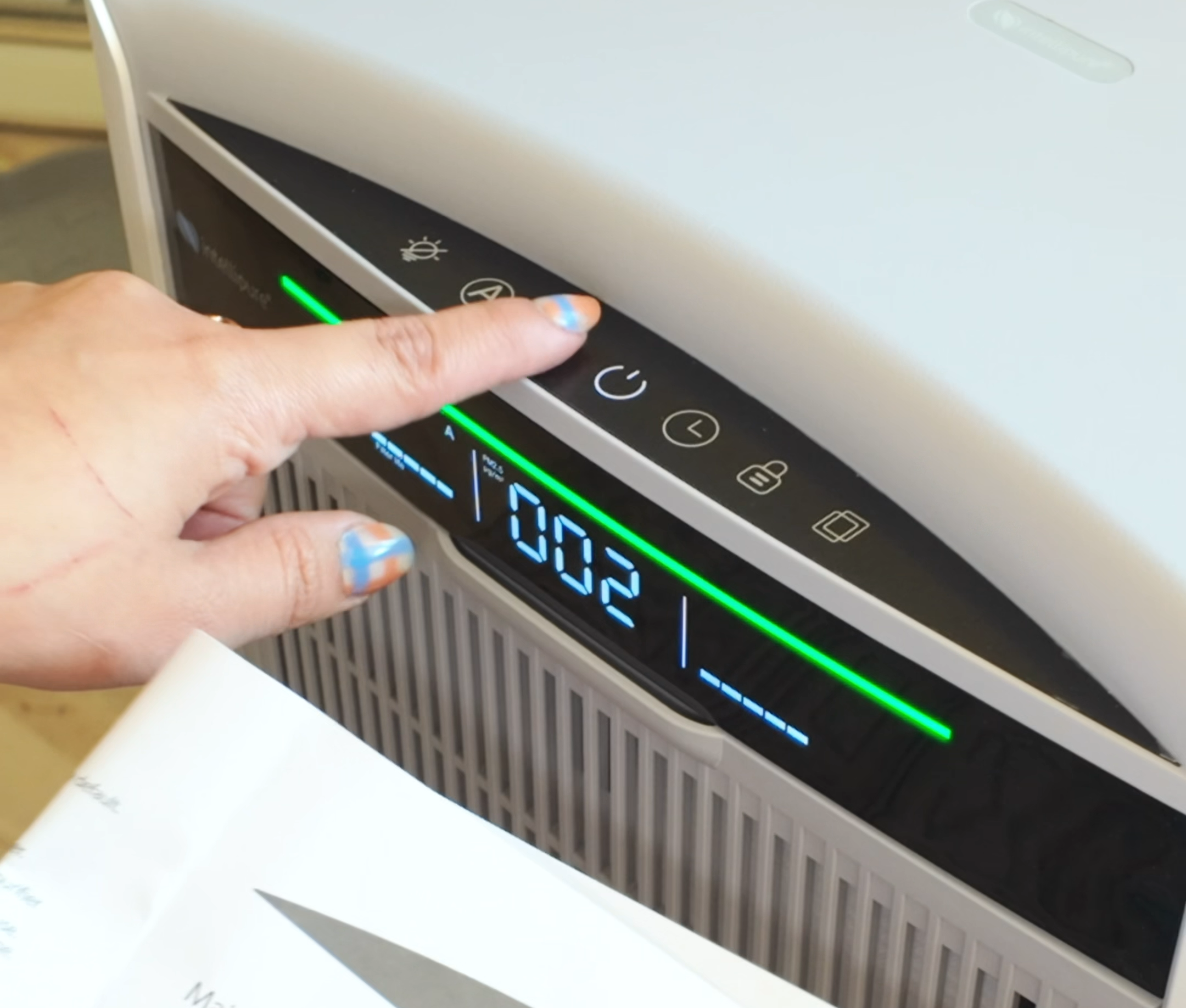
With Intellipure’s filter subscription service, your replacement arrives right when you need it. It’s the easiest way to keep yourself from falling behind on the one household upgrade that directly impacts your breathing.
Try automating:
- Air purifier filter replenishment
- HVAC filter replacement
- Cleaning basics for unit maintenance
Why it matters:
Automation keeps filtration on schedule (and your lungs protected) without adding anything to your to-do list. It’s the easiest wellness upgrade you’ll make all year.
2. Turn On Automatic Bill Pay & Smart Budget Alerts
The average household has dozens of recurring bills—utilities, internet, subscriptions—and yet every month, we act surprised when they’re due.
Five minutes of setup eliminates:
- Late fees
- Credit score dips
- “Did I pay that already?” spirals
- The eternal shuffle of remembering due dates
Most banks allow autopay for routine bills and even offer customizable alerts for low balance, weekly spending summaries, or upcoming charges. Once set, you don’t have to touch them again.
Automate in 5 minutes:
- Autopay for recurring monthly bills
- Weekly or monthly spending summaries
- Low-balance alerts
- Savings transfers (the easiest way to build consistency)
Why it matters: Automating finances frees up mental energy, reduces the administrative noise that distracts from bigger priorities.
3. Put Your Grocery Basics on Repeat
Decision fatigue hits hardest in the kitchen. It’s a delicate balance, too. Grocery runs, meal plans, and last-minute takeout can fortify or throw off routines faster than anything else.
A recurring order for your household’s staples means you always have the basics. Yep, even during those inevitable weeks of chaos. Most delivery services let you set weekly or biweekly restocks (that you can adjust as needed, of course).
Worth automating:
- Produce you go through quickly
- Milk, eggs, bread—the usual suspects
- Snacks and lunchbox staples
- Coffee (an absolute must have for many of us)
- Ready-to-go ingredients that make weeknight cooking easier
You can also set up a recurring order in your grocery app.
Retailers and service providers have made it easy. Instacart, Walmart, Amazon Fresh, and Shipt all let you:
- Schedule weekly or biweekly deliveries
- Save a “Basics” list of items
And you can always review or edit the order before it processes.
It’s the simplest way to eliminate those painful “What are we missing?” or “What can I make for dinner?” questions that pop up nearly every time you open the fridge.
4. Automate Your Digital Housekeeping
Your digital life needs routine maintenance, too, but unlike your phone’s storage alerts, you probably don’t think about it until something goes wrong.
A few built-in automation toggles fix that:
- Automatic cloud backups for photos, documents, and settings
- Auto-updates for devices and apps
- Email filters that route bills, receipts, and newsletters into their own folders
- Password manager backups
These are invisible routines that run in the background—protecting your files, keeping devices secure, and giving you a cleaner digital environment without lifting a finger. Think of it as decluttering your devices the same way you clean up your air: quietly, continuously, and with long-term benefits.
5. Automate Your Home (Lighting, Comfort & Cleaner Air)
Smart home settings take just minutes to configure but shape your comfort all day. And once you build the “set it and forget it” habit, it becomes obvious how much mental space you were using to manage lights, temperature and airflow.
Easy wins:
- Program lights to dim or turn on automatically
- Set a thermostat schedule that matches your routine
- Use motion sensors for frequently used spaces
- Run air purifiers on a consistent schedule or via built-in sensors
- Pair devices with routines (like setting your air purifier to turn on when you start cooking)
For air purification, consistency is key. The best results come from letting your purifier work continuously—pulling air across its filters all day so pollutants don’t build up. Automated runtimes mean you don’t have to remember when to turn it on, adjust settings, or check airflow. It just works.
The Bottom Line: Automate the Little Things
Small changes add up quickly. They cut clutter, reduce stress, and free up energy mentally and physically. Not to mention, they also support healthier habits without relying on willpower or memory.
If you only start with one? Make it the one that impacts your daily well-being most. Your air.
Cleaner air supports clearer thinking, better sleep, fewer irritants, and a healthier home overall—and it takes less than five minutes to set up a subscription that keeps it all running smoothly.
In 2026, let your routines take care of you. Not the other way around.
Expert Memo
Neisha Garcia, RN
As a practicing clinical nurse I see daily how automating everyday tasks can be a powerful way to support independence for people living with memory or cognitive impairment. By reducing the need to remember, plan, and sequence routine activities, automation helps lower cognitive load and preserves mental energy. Even without cognitive concerns, automating everyday tasks can give you back time and mental space to focus on what matters most.



How Better Breathing Supports 100% of Your New Year’s Resolutions
Reduce Dust After the Holidays: IAQ-Friendly De-Decorating Tips