


Summary
Clean air is a quiet but powerful ally behind nearly every New Year’s resolution—from better sleep and stronger workouts to improved focus, mood, and motivation. This article shows how indoor and outdoor air quality influences your body and brain, affecting everything from mental health to weight loss and social energy. By improving the air you breathe, you create an environment that helps every goal feel more achievable, all year long.
In This Article
How Better Breathing Supports 100% of Your New Year's Resolutions
Every January, we set goals to better ourselves. We aim to be happier, healthier, more social, more productive, more generous, more focused, and more present. The list goes on and on.
There's one factor that quietly shapes our success across these resolutions. It may not be the primary driver, but it's always there in the background—quite literally.
It's the quality of the air you breathe.
Air continuously circulates through our surroundings, making its quality an important factor in overall health. Air affects every system in the body—our energy levels, lung and heart health, cognitive performance, mood, recovery, and even our motivation.
So this year, as you chase your dreams big and small, consider whether the air around you is holding you back, or helping you become the best version of yourself.
In case you're still thinking on your top priorities for 2026, we've pulled together this list of popular New Year's resolutions and highlighted the ways fresh, clean air can support your body, brain, and mood as you crush your goals.
1. Get better sleep.
You already know this, but sleep is so important. Unfortunately, about one-third of the general population reports sleep-related problems, making lousy sleep a serious public health issue. When your sleep duration is too short, you're more susceptible to illnesses and chronic diseases. This can damage your physiological and cognitive functions. But it's not just about how long you sleep. How well you sleep matters just as much. Poor sleep can make it harder for your brain to consolidate new information, remove information you don't need, and maintain healthy brain function. Lack of sleep also increases your risk of cardiovascular diseases, diabetes, obesity, mood changes, and cognitive decline—including challenges with your memory, attention span, and processing speeds. [1]Recent publications highlight a link between exposure to indoor air pollutants and multiple indicators of poor sleep health, like short sleep duration, poor sleep quality, and breathing disruptions while sleeping. The air quality in your bedroom affects your sleep, but so can the air you breathe in throughout the day at work, in your kitchen while you cook, and everywhere else inside your home. [2]
The good news? Air purifiers can remove the volatile organic compounds (VOCs) and particulate matter (PM) that might be polluting your air and disrupting your sleep—so you can get a good night's rest and wake up feeling refreshed every morning.
2. Find your fitness groove.
January is a popular month for people to start a good exercise routine. Whether you've joined a new gym or plan to do your workouts at home in your basement or garage, you should be aware of the air around you.
Gyms and fitness studios can host all sorts of air pollutants, from dust and PM to bacterial and fungal growth. Think about it. So many VOCs get released into the gym's air from cleaning and disinfectant products. Carpeting, building materials, furniture, and the equipment itself can all release VOCs too.
During your workout, there might be dozens of people exhaling carbon dioxide (CO2) at an increased breathing rate into the air of a small room. In an overcrowded gym, CO2 levels can rise to five times the levels outside. The locker room is just as bad, if not worse. It's a breeding ground for mold with steamy showers and saunas running nonstop; damp towels collecting in the hampers; and sweaty, heavy-breathing bodies piling into the tightly sealed space. [3]
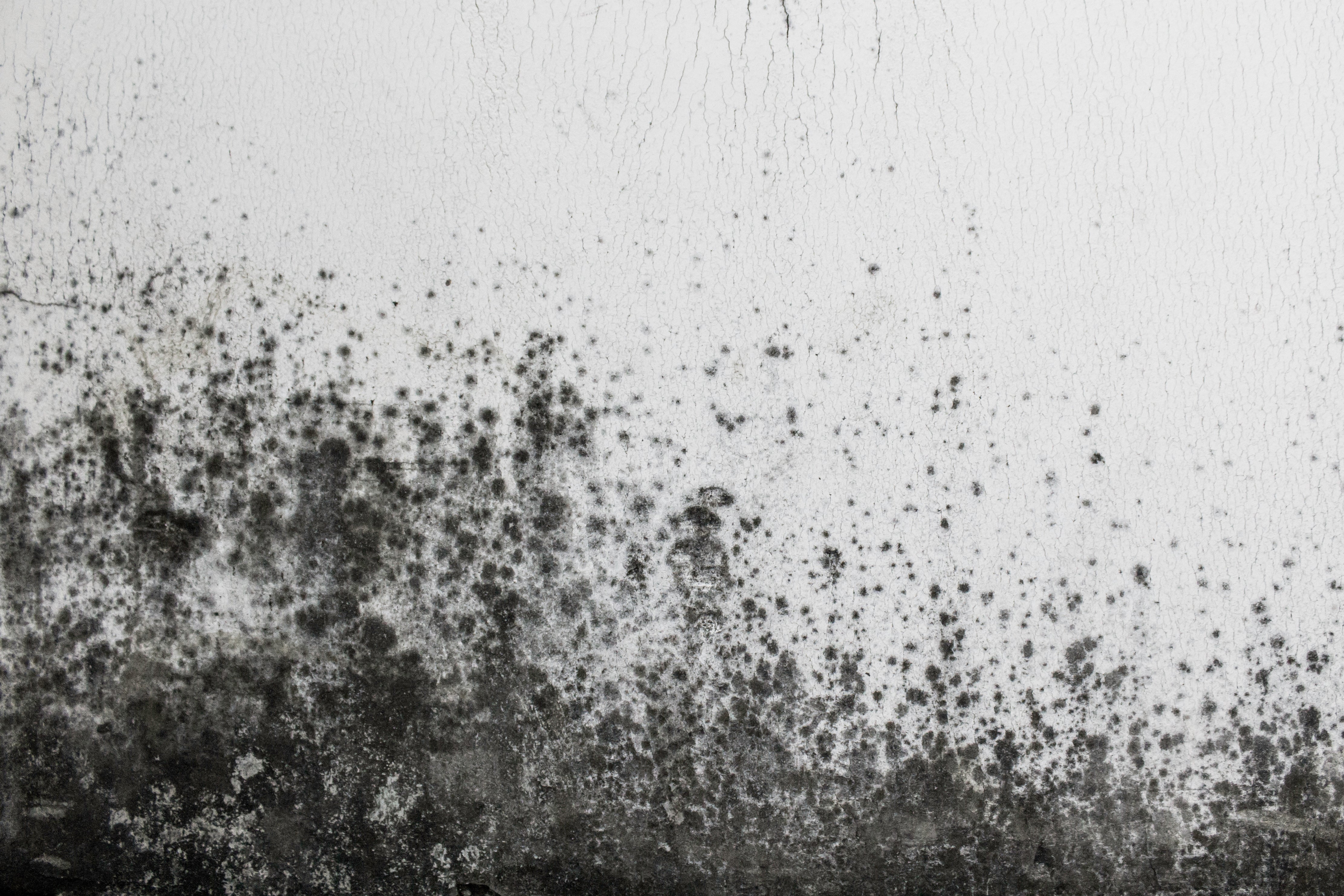
The indoor air quality (IAQ) in your home gym is probably not much better, depending on where you've set one up. Basements have a tendency to be damp, and mold grows in damp places. In your garage, you might be inhaling car exhaust, dust, pollen, ragweed, and other pollutants while you work up a sweat.
Prefer outdoor runs and workouts? The American Lung Association recommends that you check the air quality index (AQI) to make sure that your local air quality is safe before exercising outside. An AQI value of 50 or under is considered a good air quality day; a value of 101 or more, shown on the AQI chart as a code orange, means you should venture out in the morning or choose a less strenuous activity, like a casual bike ride or walk; and an AQI forecast of 151 or higher, a code red, means you should move your workout indoors. [4]
A 2021 study published in the European Heart Journal found that while physical activity can help prevent cardiovascular diseases, in highly polluted air, it can actually increase your risk. [5]
So if your cardio routine already has you breathing hard, don't make things even harder by exercising in damp or dusty air.
3. Prioritize your mental health.
Leading into 2025, 33% of Americans made a New Year's resolution that had to do with their mental health, which was a 5% increase from the year prior and the highest result the American Psychiatric Association had recorded since it began polling on the question in 2021. Younger people were the most likely to set a mental health goal, with nearly half of people aged 18–34 having one.
Popular resolutions rooted in mental health included meditation, spending more time in nature, seeing a therapist or psychiatrist, focusing on spirituality, journaling, and taking a social media break. [6]
If you've got a mental health goal for 2026, being more mindful of indoor and outdoor air quality can help support you. Many people know that air pollution affects heart and lung health. But you don't hear as much about how the air we breathe impacts mental health and cognitive function. Breathing unhealthy air has a significant impact on mental health, increasing the risk of anxiety and depression. Growing evidence links exposure to air pollution with an increased risk of cognitive decline and neurodegenerative conditions such as Parkinson's, Alzheimer's, and other dementias. Air pollution is also known to increase the risk of neurodevelopmental disorders, specifically autism spectrum disorder (ASD) and attention deficit hyperactivity disorder (ADHD). Research even connects exposure to high levels of air pollution with increased risk of bipolar disorders, schizophrenia, personality disorder, and suicide ideation. Children and adolescents are particularly vulnerable to mental health changes from poor air quality, as their brains are still growing and developing.Recent studies have also found an association between poor indoor air quality and lower cognitive test performance. Children exposed to indoor air pollutants in schools perform worse on math and reading comprehension tests. [7] So, even if your New Year's resolutions are less about mental health directly and more about improving your attention span, processing speeds, and ability to concentrate and focus, making a few small changes to improve your IAQ can make a meaningful difference.
4. Shed a few pounds.
After a holiday season spent feasting and indulging in sweet treats with family and friends, it's not shocking that some people make plans to drop a little weight in the new year. But it might come as a surprise that air quality can play a role in weight loss success. A 2018 study called "Air Pollution Has a Significant Negative Impact on Intentional Efforts to Lose Weight: A Global Scale Analysis" used global data collected from a smartphone application, Noom, to analyze how environmental factors like air quality affect weight loss efforts. Researchers found that exposure to high values of PM makes intentional weight loss more difficult. [8]
Some people find that cooking more often, versus going to a restaurant or ordering takeout, gives them more awareness and control of what they eat and how many calories they consume. As you build healthy habits in the kitchen, consider that your meal planning decisions and recipe selections affect your home's air quality. As a rule of thumb, if you can smell what you're cooking, it's probably impacting your air quality.
You'll find some amount of VOCs and air pollution in every home kitchen, so there's no need to aim for perfection. Nevertheless, following a few practical tips about your preparation methods, recipe ingredients, ventilation strategies, and the type of stove you use can minimize the damage to the air in your home.
5. Spend more time with the people you love.
The American Psychological Association highlights that "research from around the world shows that having social connections is one of the most reliable predictors of a long, healthy, and satisfying life." Their review of 38 different studies found that high-quality adult friendships not only provide social support and companionship, but also significantly predict well-being. They can even offer some protection against mental health issues like depression and anxiety. The benefits can last a lifetime—scientifically speaking. [9]
Needless to say, spending quality time with quality friends and family members is worthy of a spot on your resolutions list for 2026. Whether you have plans to start a book club, mahjong group, Monday-night-football-viewing crew, or you simply want to try to invite your best buddies over a bit more often, you should know that hosting can spike VOCs and other air pollution in your home. Fortunately, The Clean Air Trifecta for IAQ (as we like to call it) is both effective and easy to remember. When it comes to indoor air and hosting in your home, it's all about:
- source control;
- ventilation and circulation; and
- purification.
If you're going to start hosting the gang more often, you might as well have the house that's known for super fresh, breathable air.
As you step into the New Year with grand intentions, try to remind yourself that dramatic changes don't always mean progress. Sometimes tiny tweaks to your everyday routines can make all the difference in terms of your mindset, mood, and ultimately, your behaviors.
Polluted air might not be the only factor currently getting in the way of your perfect workout or sleep performance, but surrounding yourself with clean, healthy air will certainly help you show up fully for every resolution you set.
If you're ready to adjust the environment you move through every day by improving your home's IAQ, take our Air Match Quiz. It'll help you figure out the best indoor air purifier for your unique needs and space.
Expert Memo
Neisha Garcia
The people I care for often ask whether there is anything they can do to prevent cognitive decline or slow its progression. I focus these conversations on lifestyle factors they can control, particularly those shown to have a positive impact on brain health. Air purification is a simple, accessible intervention that can support both cognitive function and overall health.
References
- The Effect of Air Pollution and Climate Change on Sleep.
- Air pollution exposure and adverse sleep health across the life course: A systematic review - ScienceDirect.
- Indoor Air Quality in Fitness Centres | Allergy Standards.
- Four Things to Know about Air Quality and Exercising Outdoors | American Lung Association.
- Exercising in bad air quality can lead to negative health effects. Here's what to know. - CBS News.
- Psychiatry.org - More Americans Making New Year’s Mental Health Resolutions Leading Into 2025.
- The Surprising Link between (Indoor) Air Quality and Mental Health - Healthy Buildings.
- Air Pollution Has a Significant Negative Impact on Intentional Efforts to Lose Weight: A Global Scale Analysis.
- Abrams, Z. (2023, June 1). The science of why friendships keep us healthy. Monitor on Psychology, 54(4). American Psychological Association..


Natural Gas and Indoor Air Quality: Winter Safety Tips
Set It & Forget It: 5 Everyday Tasks That’ll Practically Run Themselves in 2026