

Summary
The Air Quality Index (AQI) measures pollution levels on a color-coded scale so you can gauge health risk at a glance. Understanding what drives those numbers higher can help you take practical steps to protect your household, from sealing gaps and running a HEPA air purifier to supporting cleaner energy in your community.
In This Article
What That AQI Number on Your Phone Really Means
You may have noticed a number labeled "Air Quality Index" (or simply "AQI") tucked into your weather app. It has nothing to do with temperature or humidity, but it can absolutely shape how you spend your day. In recent years, AQI has moved from a niche data point to front-page news, and for good reason: the air we breathe affects everything from how well we sleep to how our kids develop. So what does that number actually mean, and what can you do when it climbs into the red?
Understanding the Air Quality Index
The AQI is a standardized, color-coded scale that translates complex pollution data into a single, easy-to-read number [1]. The EPA calculates AQI values for five major pollutant categories: ground-level ozone, particulate matter (PM2.5 and PM10), carbon monoxide, sulfur dioxide, and nitrogen dioxide [1]. Each pollutant gets its own sub-index, and the highest value becomes the reported AQI for that location. Here is how those color-coded categories break down:
- Green (0-50): Good. Minimal health concern. Think of a crisp morning after a rainstorm.
- Yellow (51-100): Moderate. Acceptable for most people, though sensitive individuals may notice effects.
- Orange (101-150): Unhealthy for sensitive groups. People with asthma, heart disease, or other conditions should limit prolonged outdoor exertion.
- Red (151-200): Unhealthy. Everyone who is active outdoors may experience effects [2].
- Purple (201-300): Very unhealthy. Widespread effects among the general population, with more serious effects in sensitive groups [2].
- Maroon (301+): Hazardous. Emergency-level conditions for everyone.
What Counts as "Poor" AQI?
Anything above 100 is considered unhealthy for sensitive groups, including people with heart and lung disease, older adults, children, and people with diabetes [2]. Once AQI crosses 150, the risk expands to the general population. Even a moderate reading around 70 can trigger symptoms in someone with specific sensitivities, so the scale is not one-size-fits-all.
AQI also varies widely by location and time of day. Cities near industrial corridors or busy highways may regularly hover around 80, while a small coastal town might enjoy an average in the low 20s. Bad air quality is not strictly an urban problem, either: wildfires, agricultural activity, and geographic features can push rural AQI readings well into unhealthy territory.
Major Causes of Poor Air Quality
Outdoor Pollution Sources
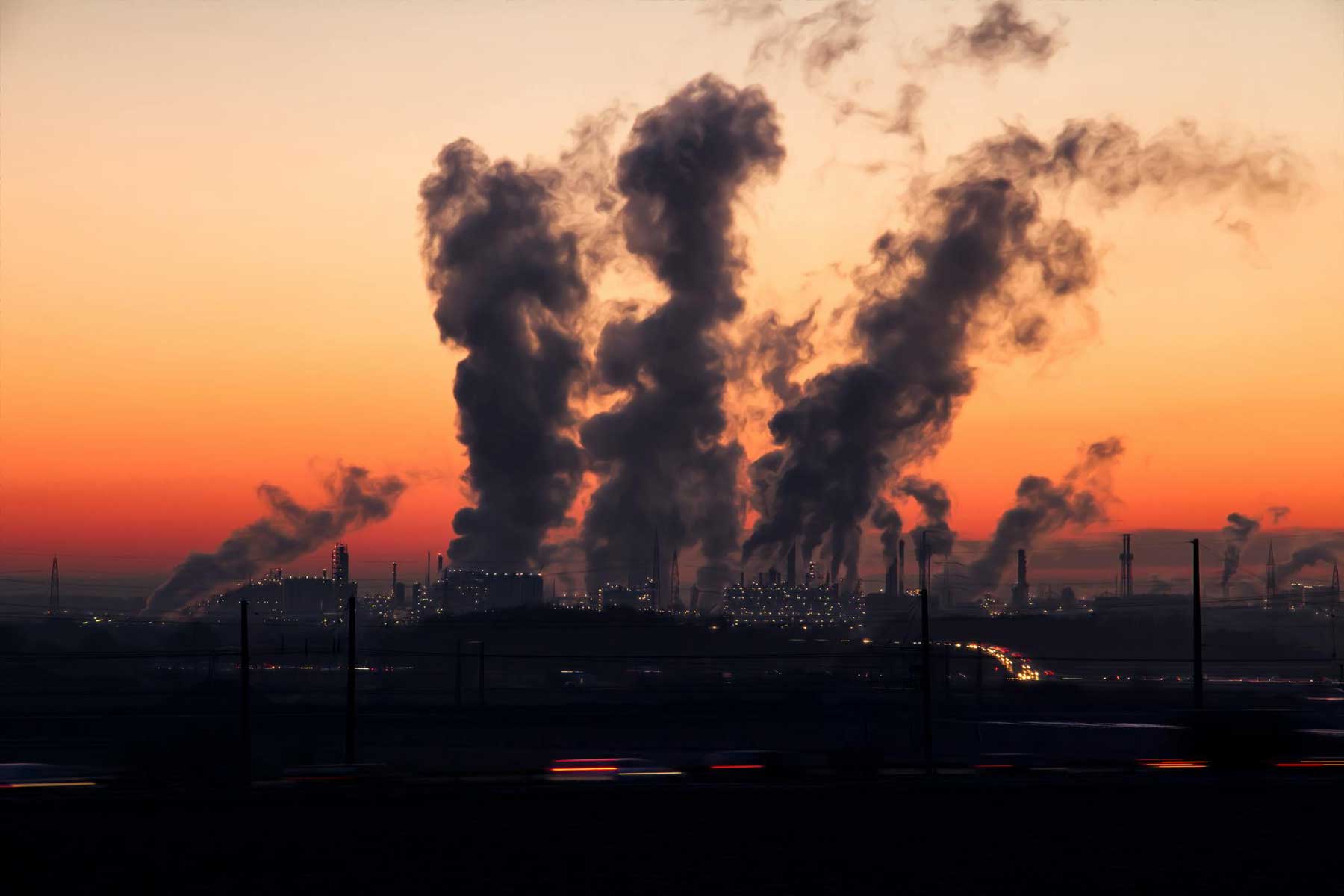
Much of outdoor air pollution comes from burning fossil fuels [3]. The major contributing sectors include:
- Energy generation: Power plants burning fossil fuels release sulfur dioxide and particulate matter [4].
- Transportation: Fuel combustion in the transportation sector is a common source of nitrogen dioxide [4].
- Industrial activity: Manufacturing and other industrial processes release a mix of particulate and gaseous pollutants [3].
- Agriculture: Farming activities contribute to air quality problems in some regions [3].
Natural Factors That Make It Worse
Not every spike in AQI comes from human activity. Nature has a few tricks of its own:
- Wildfires: The area burned by wildfires each year has increased since the 1980s, with nine of the ten largest-acreage years occurring since 2000 [5]. Climate change has contributed to longer wildfire seasons and greater burned area [5].
- Temperature inversions: When a layer of warm air sits above cooler air near the ground, pollutants get trapped close to the surface. This is especially common in mountain basins and valleys like those around Los Angeles and Denver [6].
- Seasonal pollen: Pollen surges can compound existing pollution, adding biological particles that aggravate respiratory conditions.
- Wind and terrain: Mountain valleys and geographic basins can create stagnant air pockets that prevent pollutants from dispersing [6].
How Outdoor Air Becomes Indoor Air
Outdoor pollution does not politely stop at your doorstep. Air infiltrates through gaps around windows, doors, and ductwork, and you would not want a completely sealed home anyway: some air exchange is necessary to replenish oxygen and manage moisture.
The problem compounds when you add indoor pollution sources: combustion appliances (including gas stoves), cleaning products, and building materials like pressed-wood furniture or new flooring that can release volatile organic compounds (VOCs) [7]. If outdoor AQI is worse than your indoor air, opening windows for ventilation is counterproductive. That is why many households are turning to air purification as a complement to ventilation rather than a replacement for it [8].
Health Effects of Poor Air Quality
Immediate Symptoms
When air quality dips, you may notice it quickly. Common short-term effects of elevated pollution include [9, 7]:
- Coughing and sore or scratchy throat
- Difficulty breathing deeply
- Irritation of the eyes, nose, and throat
- Headaches, dizziness, and fatigue
- Flare-ups of existing allergies or asthma
These are signals to move to cleaner air as soon as possible.
Long-term Health Risks
Chronic exposure to air pollution is associated with serious health conditions across multiple body systems:
- Cardiovascular: Fine particle pollution exposure is linked to heart attacks, stroke, elevated blood pressure, and accelerated atherosclerosis [10]. Studies indicate that both acute and chronic exposure can increase hospitalizations for serious cardiovascular events [10].
- Respiratory: Long-term exposure is associated with the development and worsening of COPD, asthma, and increased risk of lung cancer [11]. The constant inflammatory burden from pollutant exposure can also stress the immune system [11].
- Sleep quality: Research suggests air pollutants may disrupt sleep through effects on the respiratory system and central nervous system. A systematic review found that increased exposure to air pollution, particularly PM2.5, is associated with reduced sleep duration and poorer sleep quality across age groups [12].
- Children's development: Children's airways are smaller and still developing, which makes them particularly vulnerable. Exposure during childhood can affect lung development, potentially increasing the risk of lung disease later in life [13]. Ultrafine pollution particles can also damage the blood-brain barrier and cause neuroinflammation, potentially affecting brain development in young children [14].
Who Is Most at Risk?
Certain groups face heightened vulnerability when AQI climbs [2, 13]:
- Children: Their airways are smaller and still developing, they breathe more rapidly relative to their size, and their immune defenses are not fully mature [13].
- Older adults: The aging process gradually reduces breathing capacity, and older immune systems are less effective at protecting lungs from inhaled contaminants [13].
- People with respiratory conditions: Those with asthma, COPD, or other breathing issues experience added stress on already compromised airways [13].
- People with cardiovascular disease: Air pollution triggers inflammation that puts additional stress on the heart and blood vessels [10].
- Pregnant individuals: Emerging research suggests that exposure to particulate pollution during pregnancy may contribute to adverse birth outcomes [13]. Pregnant individuals should monitor AQI and take protective action on poor air quality days.
What to Do When AQI Is Poor
Immediate Steps
- Skip or reschedule outdoor activities. Shift exercise and outdoor time to periods when AQI improves.
- Close windows and doors. Reduce the amount of outdoor pollution entering your home.
- Run your HVAC fan. The system's filter can capture larger airborne particles. If you have a HEPA air purifier, run it continuously to stay ahead of incoming pollutants [8].
- Check AQI frequently. Conditions can change throughout the day, so monitor your local readings and plan accordingly.
Ongoing Protection for Your Household
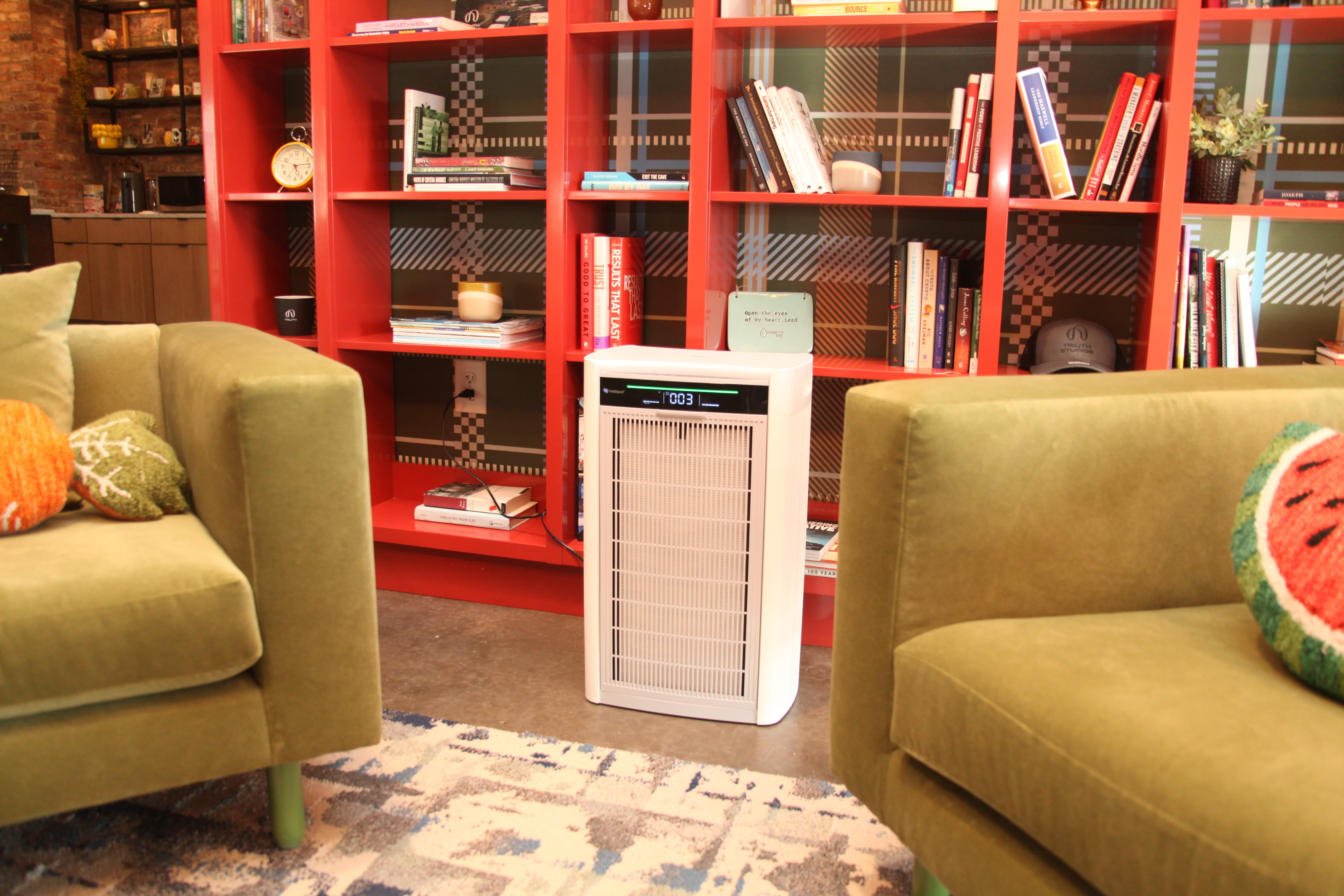
- Create a clean air room. Designate one room with a HEPA air purifier running on high, and retreat there when outdoor conditions are worst.
- Wear an N95 mask outdoors when necessary. N95 respirators are designed to filter fine particles, including PM2.5 from wildfire smoke. Note that N95s filter particles only; they do not protect against gases or vapors.
- Talk to your doctor. If you or a family member has asthma, COPD, or cardiovascular disease, discuss whether your treatment plan needs adjustment during poor air quality events.
- Stay hydrated and eat well. Supporting your body's basic functions helps it manage environmental stress.
How to Protect Your Home
Quick Fixes for Bad Air Days
- Seal visible gaps around windows and doors with weatherstripping or even blue painter's tape as a temporary fix.
- Minimize use of gas stoves, candles, and aerosol cleaning products, all of which add to your indoor pollution load.
- Use bathroom and kitchen exhaust fans when cooking or showering to remove pollutants at the source, but turn them off once the air clears so you are not pulling in outdoor pollution.
- Run a HEPA air purifier continuously on the highest setting your comfort allows.
Long-term Upgrades
If poor AQI is a recurring issue in your area, a more permanent clean air strategy pays off:
- Seal air leaks. A thorough inspection of weatherstripping, caulking, and ductwork can significantly reduce outdoor air infiltration.
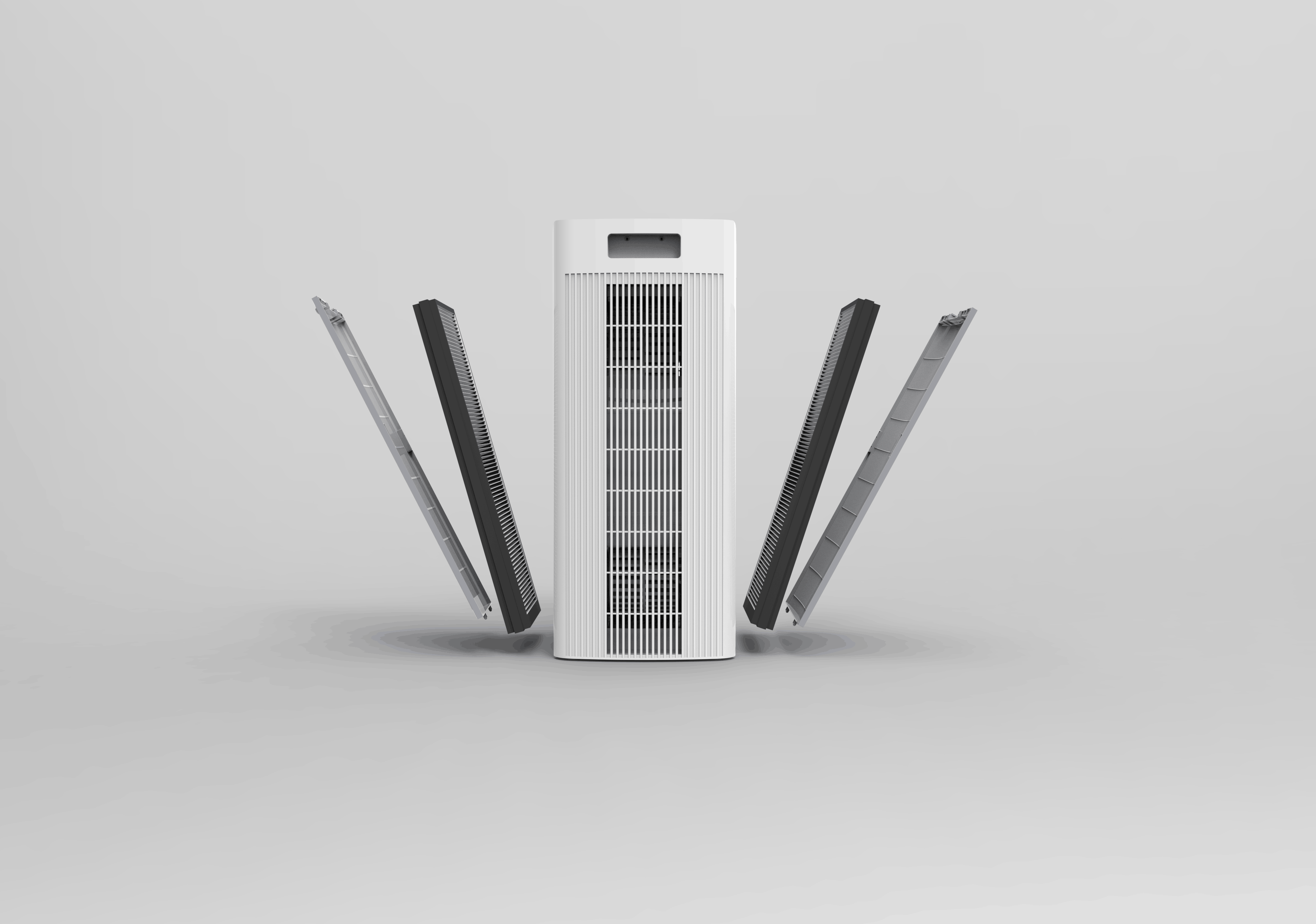
- Upgrade your HVAC filter. The EPA recommends using a filter with a minimum efficiency reporting value (MERV) of 13 for improved removal of fine particles [15]. Keep in mind that higher-rated filters may restrict airflow, so monitor system performance and step down if you notice uneven temperatures.
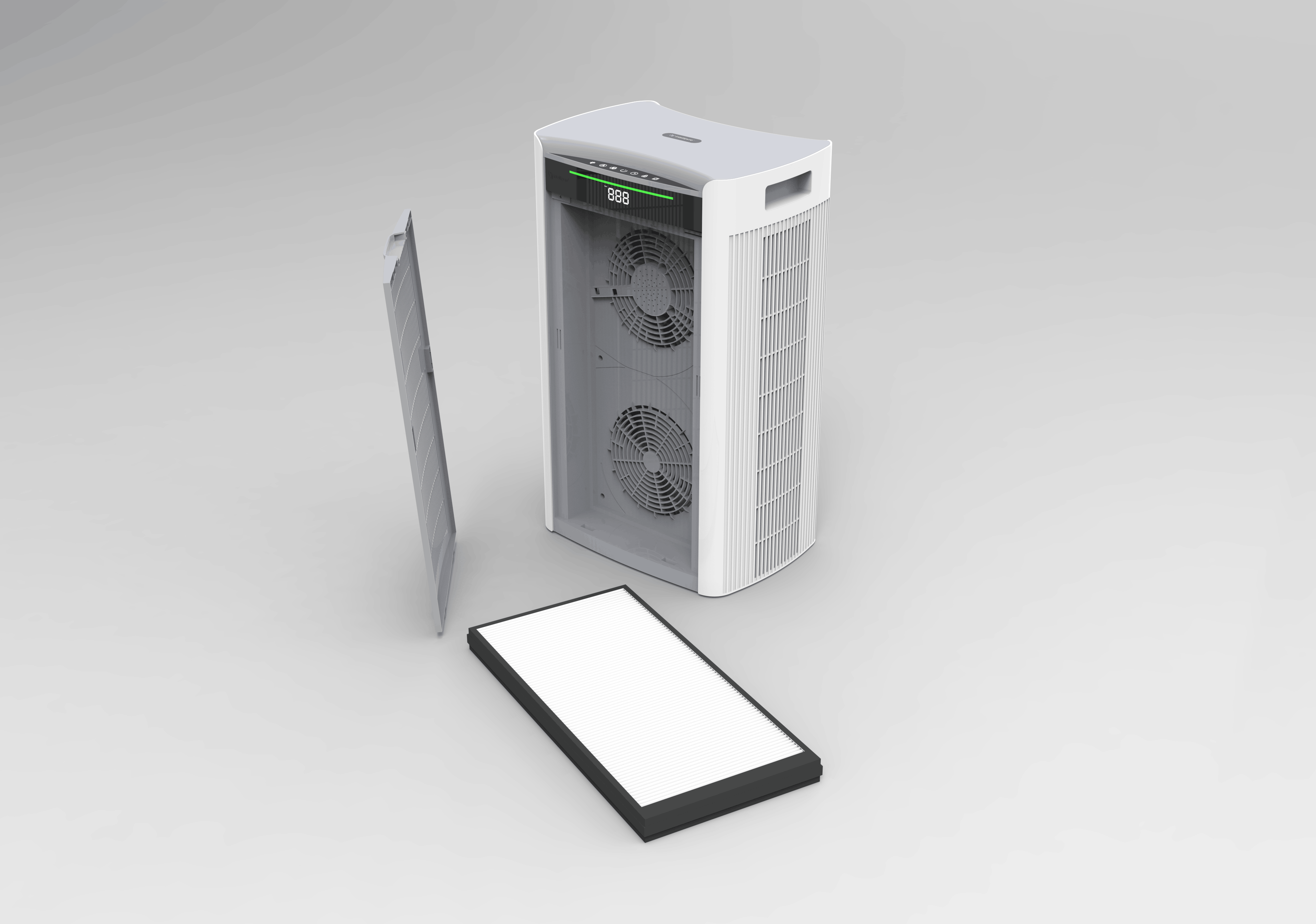
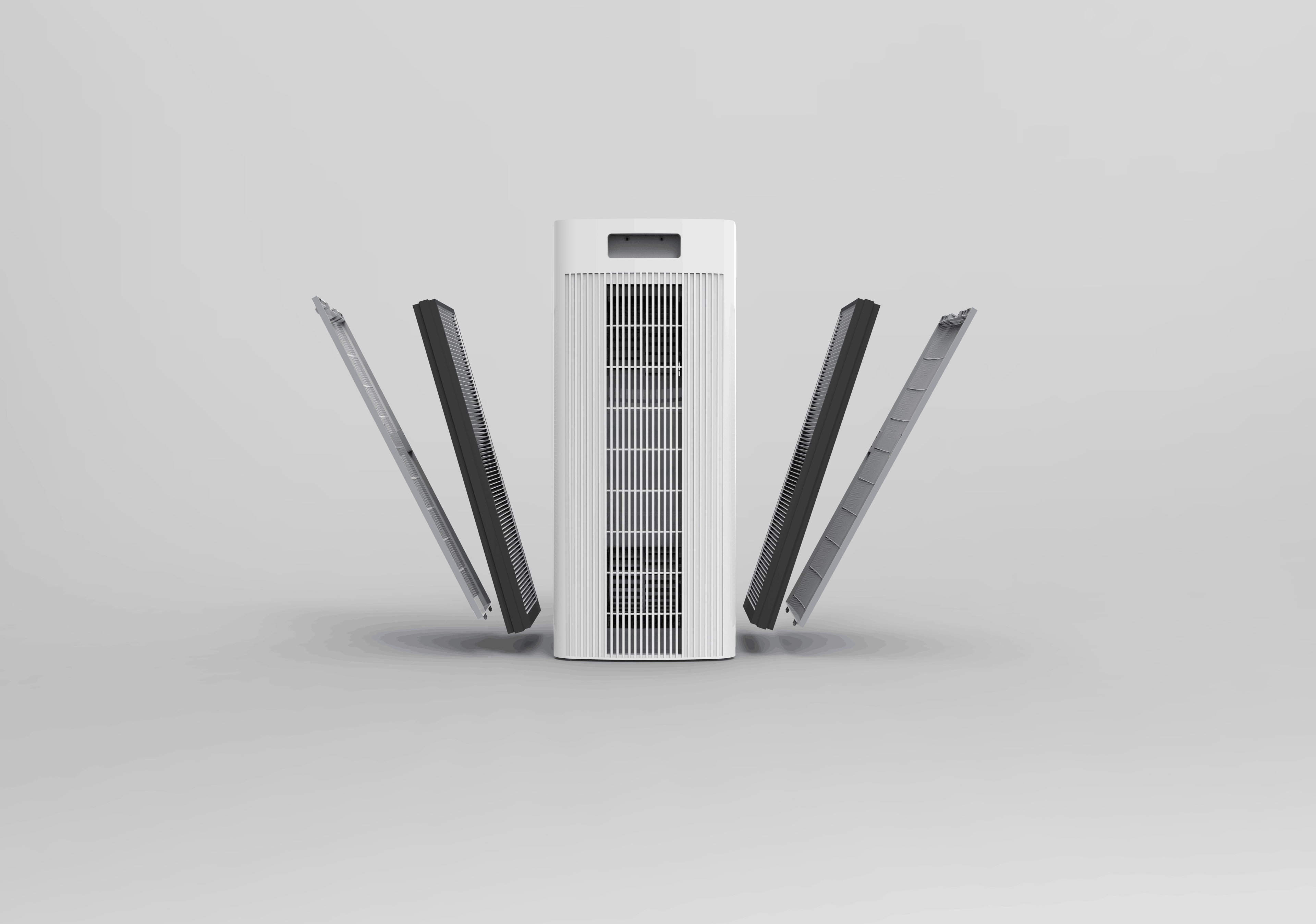
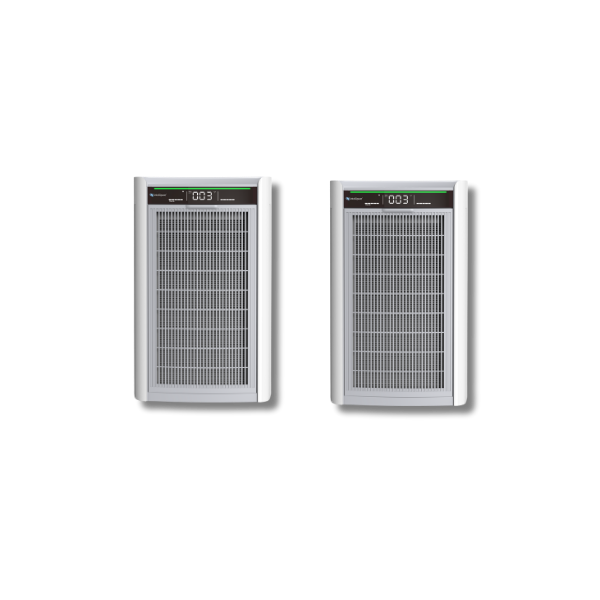
- Invest in air purification. Portable HEPA air purifiers can help reduce indoor particulate levels. Several studies using portable HEPA air cleaners have demonstrated small improvements in cardiovascular and respiratory health markers [8]. For whole-home coverage, consider enough units to cover your home's square footage.
- Maintain filters on schedule. Even the best filter loses effectiveness when clogged.
What You Can Do to Reduce Air Pollution
Protecting your own household is step one. Here is how to help improve air quality for your whole community:
Everyday Choices That Add Up
- Conserve energy. Switch to LED lighting, use a smart thermostat, choose ENERGY STAR certified appliances, and wash clothes in cold water when possible.
- Rethink transportation. Public transit, carpooling, walking, and biking all reduce vehicle emissions. When you do drive, keeping your car well-maintained helps it run cleaner.
- Support clean energy. Back renewable energy initiatives that make sense for your community.
- Avoid open burning. Burning leaves or trash directly adds particulate matter to local air.
Yard and Home Practices
- Try electric yard tools; modern models keep up well with their gas-powered counterparts.
- Choose native plants that require less water and maintenance (less mowing means fewer emissions).
- Compost or mulch leaves instead of burning them.
- Dispose of chemicals and household waste properly so they do not become airborne pollutants later.
Taking Control of Your Air Quality
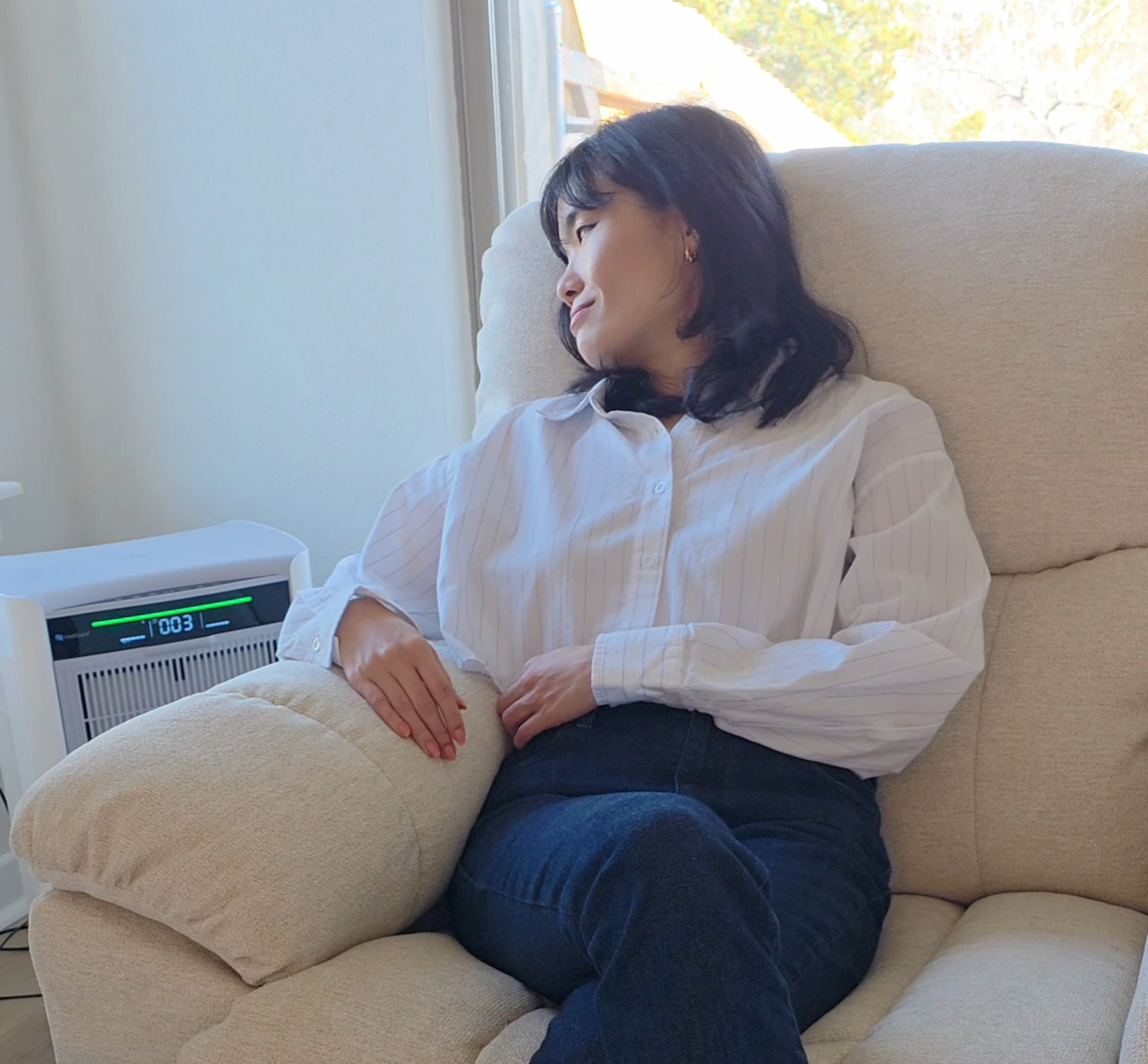
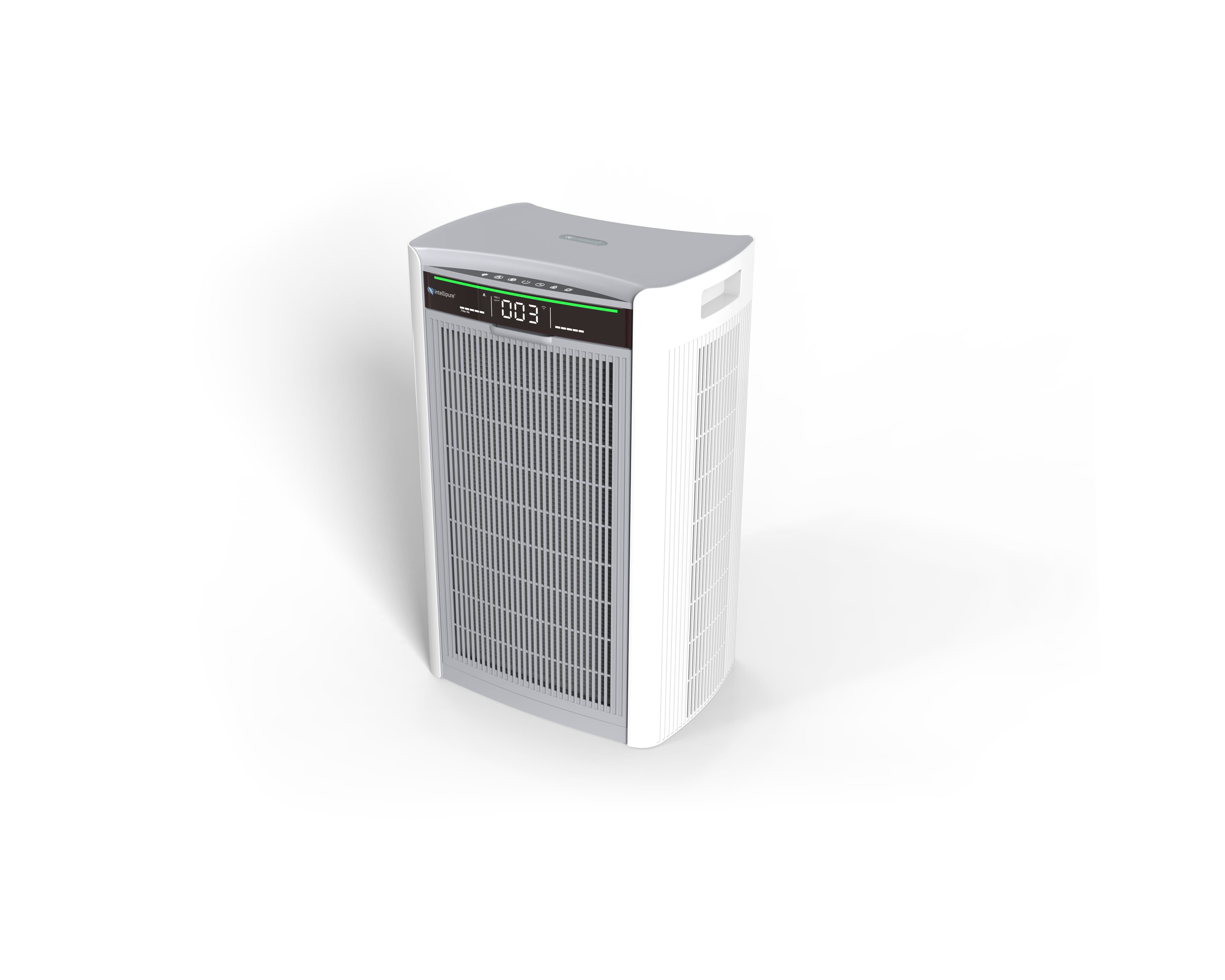
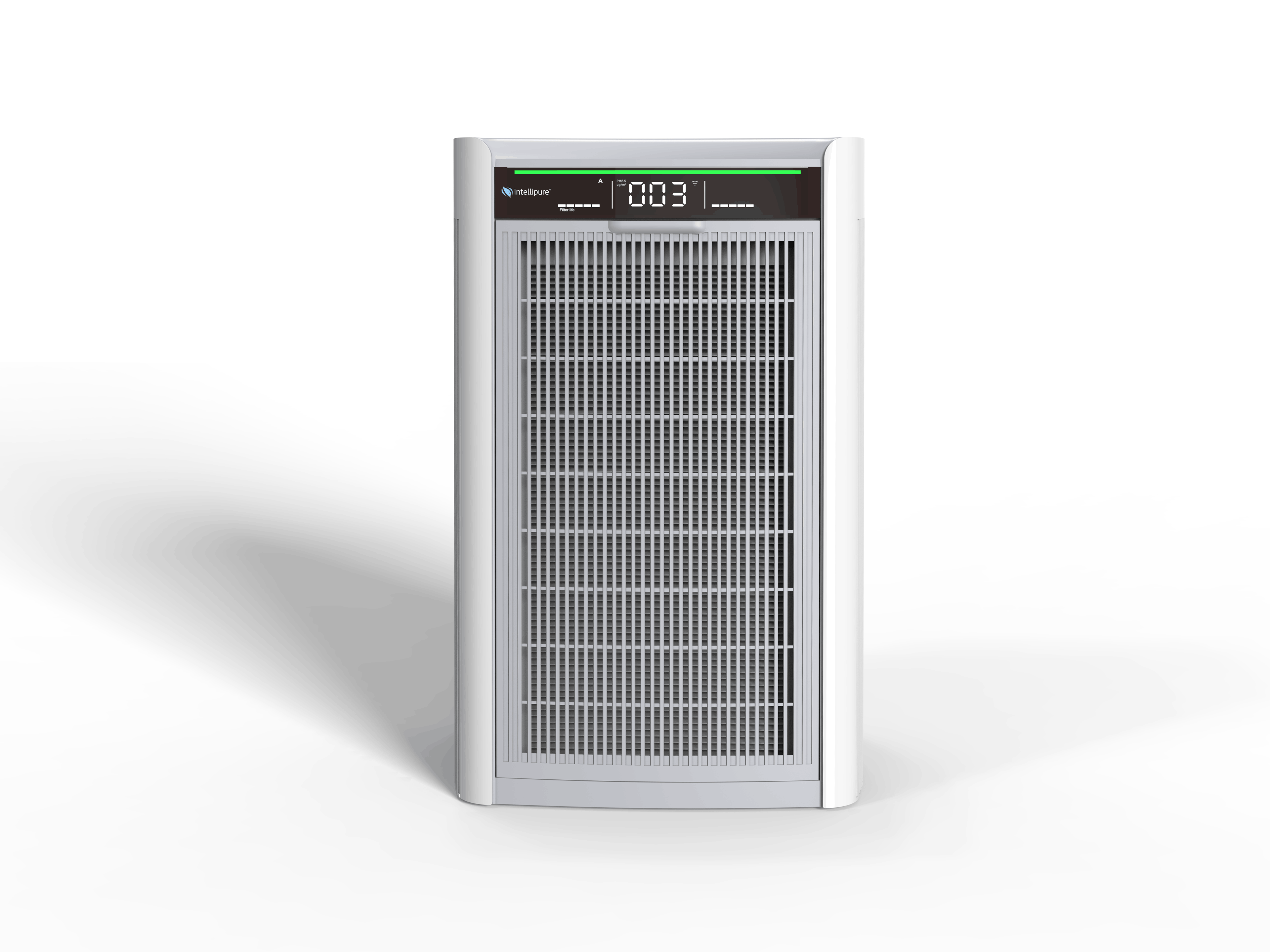
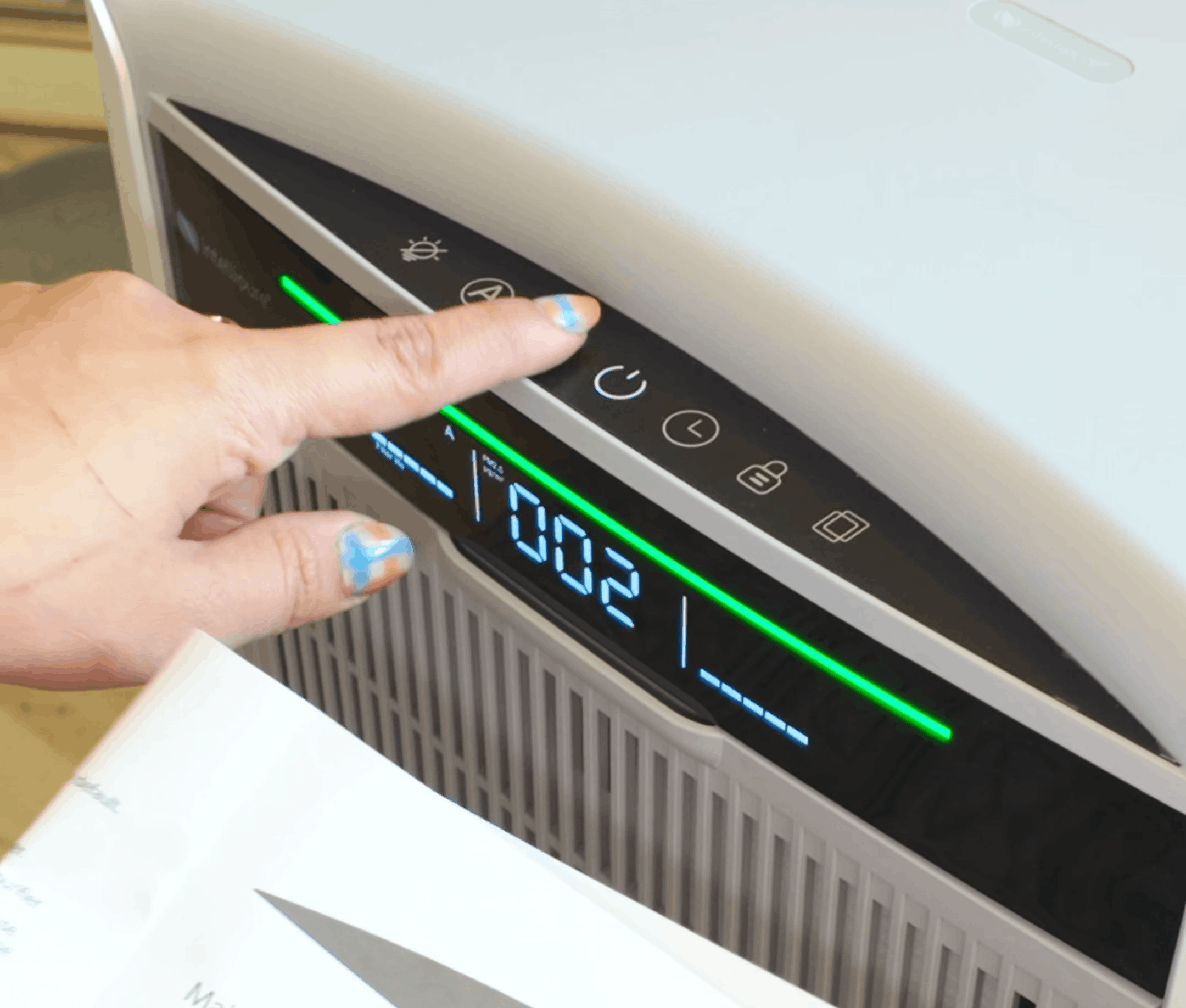
Now that you know what drives AQI and how it affects your health, you can prepare for the days when your local reading spikes. Stay informed by checking outdoor air quality daily. And do not forget about what is happening inside your home: an IAQ-aware air purifier can help you keep tabs on your indoor environment and respond automatically.
The air we breathe is easy to take for granted when it is good, and impossible to ignore when it is not. A few smart habits and the right tools can give you and your family real breathing room, no matter what the forecast says.
References
- United States Environmental Protection Agency. AQI basics [Internet]. Washington (DC): AirNow.gov; 2024 [cited 2026 Feb 13]..
- United States Environmental Protection Agency. Patient exposure and the Air Quality Index [Internet]. Washington (DC): EPA; 2024 [cited 2026 Feb 13]..
- Health Effects Institute. Pollution and its sources [Internet]. Boston (MA): State of Global Air; 2024 [cited 2026 Feb 13]..
- World Health Organization. Ambient (outdoor) air pollution [Internet]. Geneva: WHO; 2024 [cited 2026 Feb 13]..
- United States Environmental Protection Agency. Climate change indicators: wildfires [Internet]. Washington (DC): EPA; 2021 [cited 2026 Feb 13]..
- University Corporation for Atmospheric Research. How weather affects air quality [Internet]. Boulder (CO): UCAR Center for Science Education; 2024 [cited 2026 Feb 13]..
- United States Environmental Protection Agency. Introduction to indoor air quality [Internet]. Washington (DC): EPA; 2024 [cited 2026 Feb 13]..
- United States Environmental Protection Agency. Guide to air cleaners in the home [Internet]. Washington (DC): EPA; 2024 [cited 2026 Feb 13]..
- United States Environmental Protection Agency. Health effects of ozone pollution [Internet]. Washington (DC): EPA; 2024 [cited 2026 Feb 13]..
- United States Environmental Protection Agency. Particle pollution and cardiovascular effects [Internet]. Washington (DC): EPA; 2024 [cited 2026 Feb 13]..
- Manisalidis I, Stavropoulou E, Stavropoulos A, Bezirtzoglou E. Environmental and health impacts of air pollution: a review. Front Public Health. 2020;8:14. doi:10.3389/fpubh.2020.00014..
- Liu J, Wu T, Liu Q, Wu S, Chen JC. Air pollution exposure and adverse sleep health across the life course: a systematic review. Environ Pollut. 2020;262:114263. doi:10.1016/j.envpol.2020.114263..
- American Lung Association. Who is most affected by outdoor air pollution? [Internet]. Chicago (IL): ALA; 2024 [cited 2026 Feb 13]..
- Brockmeyer S, D'Angiulli A. How air pollution alters brain development: the role of neuroinflammation. Transl Neurosci. 2016;7(1):24-30. doi:10.1515/tnsci-2016-0005..
- United States Environmental Protection Agency. What is a MERV rating? [Internet]. Washington (DC): EPA; 2024 [cited 2026 Feb 13]..


Do Ionizer Air Purifiers Work and Are They Safe?
How to Make Your Room Smell Fresh Naturally and Safely