


Summary
Stale indoor air doesn't require chemical-laden air fresheners to fix. From baking soda and essential oils to houseplants and proper ventilation, here are science-backed ways to keep your home smelling clean without compromising your air quality.
In This Article
Why Your Room Stops Smelling Fresh
Have you ever walked into a room that just felt stuffy and stale? Maybe you opened the guest room door for the first time in months, and the air hit you like a wall. Having a fresh, clean-smelling home doesn't require a chemistry set of synthetic products. In fact, some commercial air fresheners can release volatile organic compounds (VOCs) that may contribute to respiratory issues [1]. One review of 37 common fragranced products found they collectively emitted more than 150 different volatile organic compounds, with 42 of those classified as toxic or hazardous under U.S. federal law [2].
The good news? It's easy to create a pleasant home atmosphere with truly long-lasting freshness using natural methods. Here's what you need to know.
There are plenty of reasons a room can start to smell a bit off. In damp areas, mold and mildew can take hold, leaving a musty odor. The EPA notes that controlling moisture is the key to controlling mold growth indoors [3]. Pets bring a whole host of smells, from dogs rolling in the yard to the ubiquitous cat litter box. Trash cans, dirty laundry baskets, and that mysterious funk wafting from your teen's bedroom all contribute to the mix.
Add stale air from poorly ventilated spaces that let odors stew, and things can get unpleasant fast. Even worse, these odors can soak into furniture fabric, carpet, curtains, and even the walls themselves. Everyday activities like cooking can generate fine particulate matter and other airborne pollutants that affect both smell and air quality [4]. Hidden sources like sink or bathroom drains may also harbor smelly bacteria. The odds seem stacked against you, but there's plenty of hope.
How to Make Your Bedroom Smell Fresh
Your bedroom is your sanctuary for rest, so it should be refreshing to breathe in, too.
Daily Habits That Keep Bedrooms Smelling Clean
When you get up in the morning, go ahead and make the bed properly. This helps the bed air out and lets any trapped moisture evaporate. Don't let dirty laundry sit too long in the hamper, and give the hamper itself a good cleaning every few months to clear out any lingering smells.
Make sure your clothes are completely dry before storing them so mildew can't grow. Leave your closet door open for ventilation. When outdoor air quality is good, open a few windows for some natural deodorizing. Opening windows and doors when weather and outdoor air quality permit is one of the simplest ways to improve ventilation. Vacuum often and wipe down surfaces to remove odor-causing particles. If you have pets, you may want to limit their access to the bedroom. Wash pet bedding at least once a month and dry it completely before putting it back.
Deep Cleaning Strategies for Persistent Bedroom Odors
Sometimes bedroom odors simply refuse to leave. Start by using an upholstery attachment to vacuum your entire mattress, getting into all of the crevices and seams. Next, sprinkle the mattress with baking soda and let it sit for at least an hour before vacuuming it up. Baking soda (sodium bicarbonate) works as an odor neutralizer because it can react with both acidic and basic odor molecules, effectively neutralizing them rather than just masking the smell [5].
For stubborn odors, mix equal parts white vinegar and distilled water in a spray bottle. Give the mattress a light misting and let it dry thoroughly before putting the sheets back on. For pillows, check the care tag and wash accordingly, or simply replace them.
Carpets and rugs respond well to the same baking soda treatment: sprinkle a generous amount evenly, let it sit for at least an hour, and vacuum thoroughly. If smells persist, try the vinegar-water mist and let it dry completely. Just be sure to test the spray in a hidden area first to make sure it doesn't affect the color.
If your closet is the culprit, make sure it gets plenty of ventilation. There's a reason many closets use louvered doors: they keep the air from going stale. Only store fully dry clothes, and consider odor-absorbing inserts for shoes. Use breathable storage bins that won't trap moisture, and avoid cramming clothes together so air can circulate. Vacuum the closet floor to remove dust or lint that might be holding odors.
Finally, wipe down walls and the ceiling with a damp microfiber towel to remove cobwebs and dust. Clean the ceiling fan if you have one. For upholstered furniture, use the baking soda treatment, and wipe down wood surfaces with a microfiber cloth.
Natural Ways to Deodorize Your Air
You don't need store-bought chemicals to have a fresh-smelling room.
Simple Ingredients That Neutralize Odors
- Baking soda: Pour some in a shallow bowl and leave it out to absorb odors passively. Sprinkle it on carpet or upholstery and vacuum it up. A little inside your shoes at night works wonders, too.
- White vinegar: A mixture of equal parts vinegar and distilled water works as a surface cleaner and deodorizer, though you should avoid using it on natural stone surfaces like marble or granite, since the acetic acid can etch calcium carbonate-based materials [6].
- Activated charcoal: This is a great way to adsorb odors. Activated carbon works through a process called adsorption, where gas molecules bind to the surface of the carbon, effectively trapping odor-causing compounds. The EPA notes that activated carbon filters can be effective for removing gases, provided there is a large amount of material used in the filter [7].
- Coffee grounds: Dry coffee grounds in a cloth bag make a portable odor absorber.
- Citrus peels: A few lemon or orange peels placed strategically can give a naturally fresh scent to a room.
DIY Methods to Keep Your Room Smelling Fresh
You can make your own air freshener with just a few household items. Grab an empty spray bottle and mix one cup of distilled water with two tablespoons of rubbing alcohol and 10 to 20 drops of lavender or lemon essential oil. Give it a good shake before each use and lightly mist the air whenever things get stale.
For classic potpourri, combine dried rose petals, dried orange peel, cinnamon sticks, cloves, and rosemary in a decorative bowl. For homemade scent sachets, fill an old sock (no holes!) or a small fabric bag with cedar chips, dried lavender, or plain baking soda, and tuck it wherever things need a pick-me-up.
Got carpets? Mix one cup of baking soda with 20 drops of your favorite essential oil, sprinkle it on the carpet, let it sit for an hour, and vacuum thoroughly. You neutralize odors while leaving a pleasant fragrance behind.
Best Essential Oils for a Fresh-Smelling Room
Essential oils are a simple way to add the right scent to a room. One important note: if you have pets, consult your veterinarian before using any essential oils around the home, as some can be toxic to certain animals [8].
Popular Essential Oils and Their Uses
These are some of the most popular essential oils for home use:
- Lavender: Long associated with relaxation. Research suggests lavender aroma may help promote calmness and support restful sleep [9].
- Eucalyptus: An invigorating scent traditionally used for respiratory support [10].
- Lemon and citrus: Energizing scents that refresh a space.
- Peppermint: Freshens any room. Some research suggests peppermint aroma may help support alertness and mental focus [11].
- Tea tree: A sharp, clean scent with well-documented antimicrobial properties [12].
Safe Ways to Use Essential Oils
Essential oils are powerful, concentrated plant extracts and should be used with care [13].
- Ultrasonic diffusers: A gentle way to add fragrance and a bit of humidity.
- Reed diffusers: Provide a continuous, subtle scent with no electricity needed.
- Electric diffusers: Best for large rooms or when a stronger scent is desired.
- DIY spray: The room freshener recipe above is a simple option.
- Cotton ball method: Place two or three drops of essential oil on a cotton ball in a small dish in an area with good airflow.
When diluting essential oils for any topical use, aromatherapy guidelines recommend keeping concentrations between 1% and 5% [13]. Start with fewer drops in diffusers and increase if you want a stronger scent. Avoid getting undiluted essential oil on your skin; if contact occurs, wash thoroughly with soap and water. And as mentioned, always check with your vet before using essential oils around pets.
Best Plants to Keep in a Room for Fresh Scent
Houseplants are a great natural way to brighten a room and add a touch of freshness.
Plants That May Help Freshen Indoor Spaces
Not only do houseplants look wonderful, some have been studied for their potential to support a more pleasant indoor environment. A 1989 NASA study examined certain houseplants for their ability to remove pollutants like benzene and formaldehyde in sealed laboratory chambers [14]. While more recent research suggests you would need a very large number of plants to meaningfully purify a typical room [15], these plants still bring life, beauty, and a sense of freshness to any space:
- Snake plants: Great for busy or beginner plant owners thanks to their drought-resistant nature and ability to thrive in low-light conditions. Snake plants use a specialized form of photosynthesis (called CAM) that allows them to take in carbon dioxide at night, making them a popular bedroom choice [14].
- Spider plants: Easy to grow, tolerant of a wide range of temperatures, and happy with indirect light. The NASA study included spider plants among those that showed an ability to absorb certain pollutants in controlled settings [14].
- Peace lilies: Not just a pretty white flower. Peace lilies were among the top performers in the NASA study for removing indoor pollutants [14].
- Rubber trees: Got a big space with lots of light? Share your living area with a rubber tree. You get a big, leafy plant that's sure to draw compliments while adding some greenery to your breathing space.
These are just a few popular options. Check with your local garden center for advice on what plants might do well in your area.
Fragrant Plants for Natural Room Scenting
Want to add a nice fragrance naturally? Try a few plants that look good and smell good, too. Herbs like mint, basil, rosemary, and thyme give off a pleasing scent while doubling as cooking ingredients. Flowering plants like lavender, jasmine, gardenia, and honeysuckle make lovely natural air fresheners. Succulents remain popular for their unique appearance, and some varieties are known for their pleasant scents.
For best results, place plants in multiple rooms instead of clustering them in a single spot. Position them near airflow sources, elevate them off the floor when possible, and leave enough space between them for growth and air circulation. Make sure each plant gets the light it needs.
How to Make Your Whole House Smell Good Naturally
Here are some ways to improve your home's scent without harsh chemicals.
Whole-House Strategies That Start in Your Room
Keep doors between rooms open so air flows freely and nothing goes stagnant. Consider louvered doors where privacy matters but airflow is still needed (like closets). Place a natural scent source in a central area so the fragrance can spread.
Make sure your HVAC filter is changed regularly and that intakes or returns aren't blocked. When cooking, use the exhaust fan. Research shows that kitchen exhaust hoods can capture a significant portion of cooking-generated pollutants, though capture efficiency varies widely depending on hood design and fan speed [4]. Opening a nearby window slightly can help create cross-flow ventilation.
In spring and fall, when temperatures are mild and outdoor air quality is good, open the windows whenever possible for some natural freshness. In summer, keep indoor humidity under control to prevent musty mold and mildew smells. The EPA recommends keeping indoor relative humidity below 60%, ideally between 30% and 50%, to help control mold [3]. When winter comes around, try warming scents like vanilla and pine to make things cozy.
Room-by-Room Fresh Air Techniques
We covered the bedroom earlier, but here's how to keep other rooms smelling great:
- Bathroom: It's all about managing humidity so mold and mildew can't grow. Use the exhaust fan while bathing and let it run long enough to clear moist air. A simple essential oil reed diffuser can create a pleasant atmosphere.
- Kitchen: Always run the exhaust fan when cooking so smoke and food odors are quickly removed. Keep trash can areas clean. If you have a garbage disposal, run a few ice cubes through it with running water to flush away food debris.
- Living room: Vacuum carpets and rugs regularly. Give furniture a good cleaning with an upholstery attachment, including the crevices where odors linger. Apply baking soda to soak up stubborn smells.
- Guest room: Wash all linens and dry them thoroughly before guests arrive. Open doors and windows to air the room out for a few hours if weather permits. Wipe down surfaces to remove odor-causing particles.
- Basement: Ventilation is key here since basements are typically outside the main HVAC airflow pattern. Install fans or vents to keep air moving. Use a dehumidifier and repair any water leaks to keep moisture under control.
Tips for Keeping a Room Smelling Fresh All Day
Your home can feel fresh from morning to night with just a few simple habits.
Morning Routines That Set the Stage
Cooler morning temperatures during spring and fall are ideal for cracking windows for a few minutes to bring in fresh air. When you get out of bed, pull back the sheets and blankets to let residual body heat and moisture escape while you get ready. After about 30 minutes, remake the bed.
Empty kitchen and bathroom trash daily so odors can't build. Tidy up areas like closets and under furniture where dust and clutter can trap smells. Wipe down surfaces as you move through the house so odor-causing particles don't linger.
Evening Maintenance for Overnight Freshness
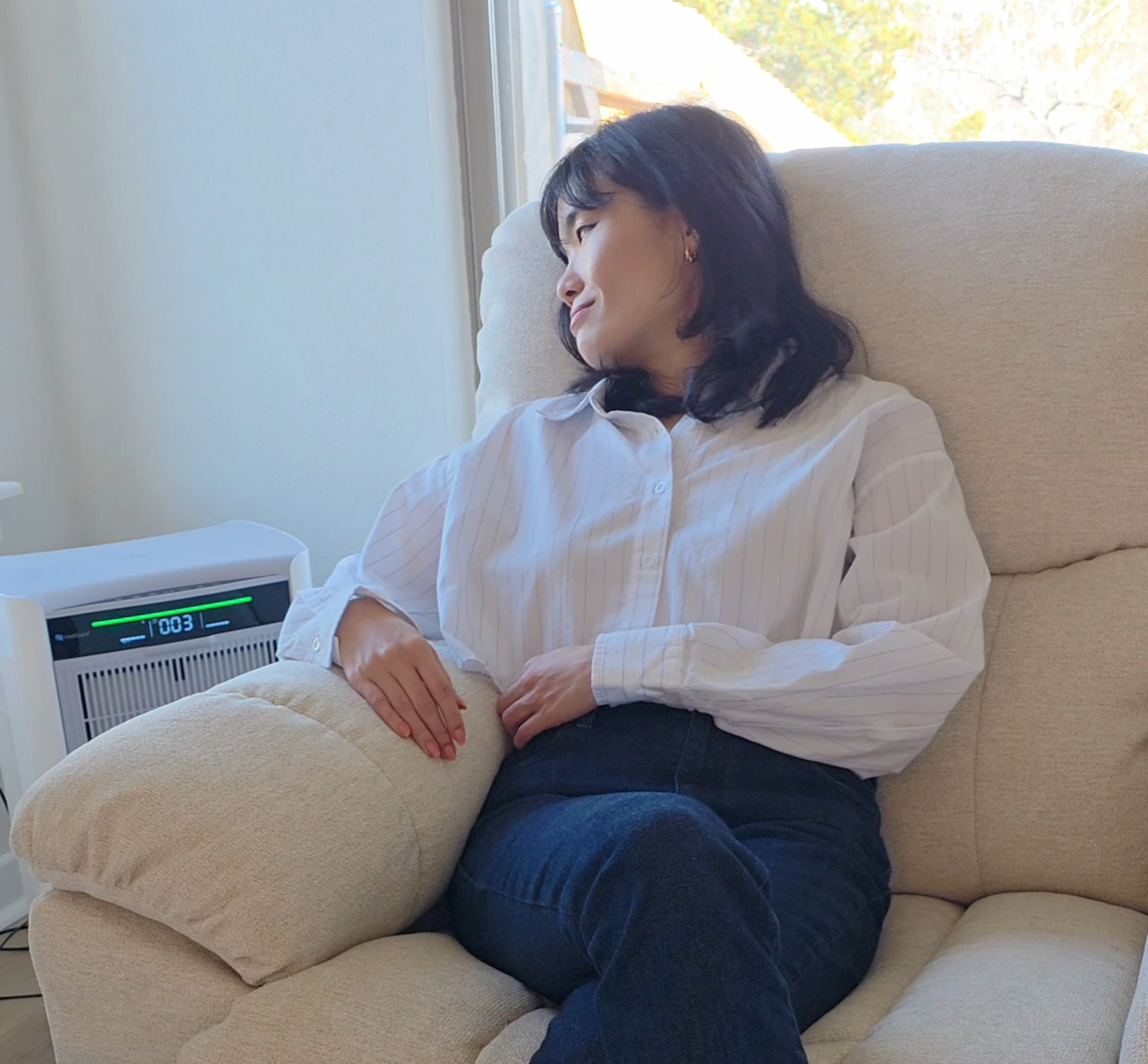
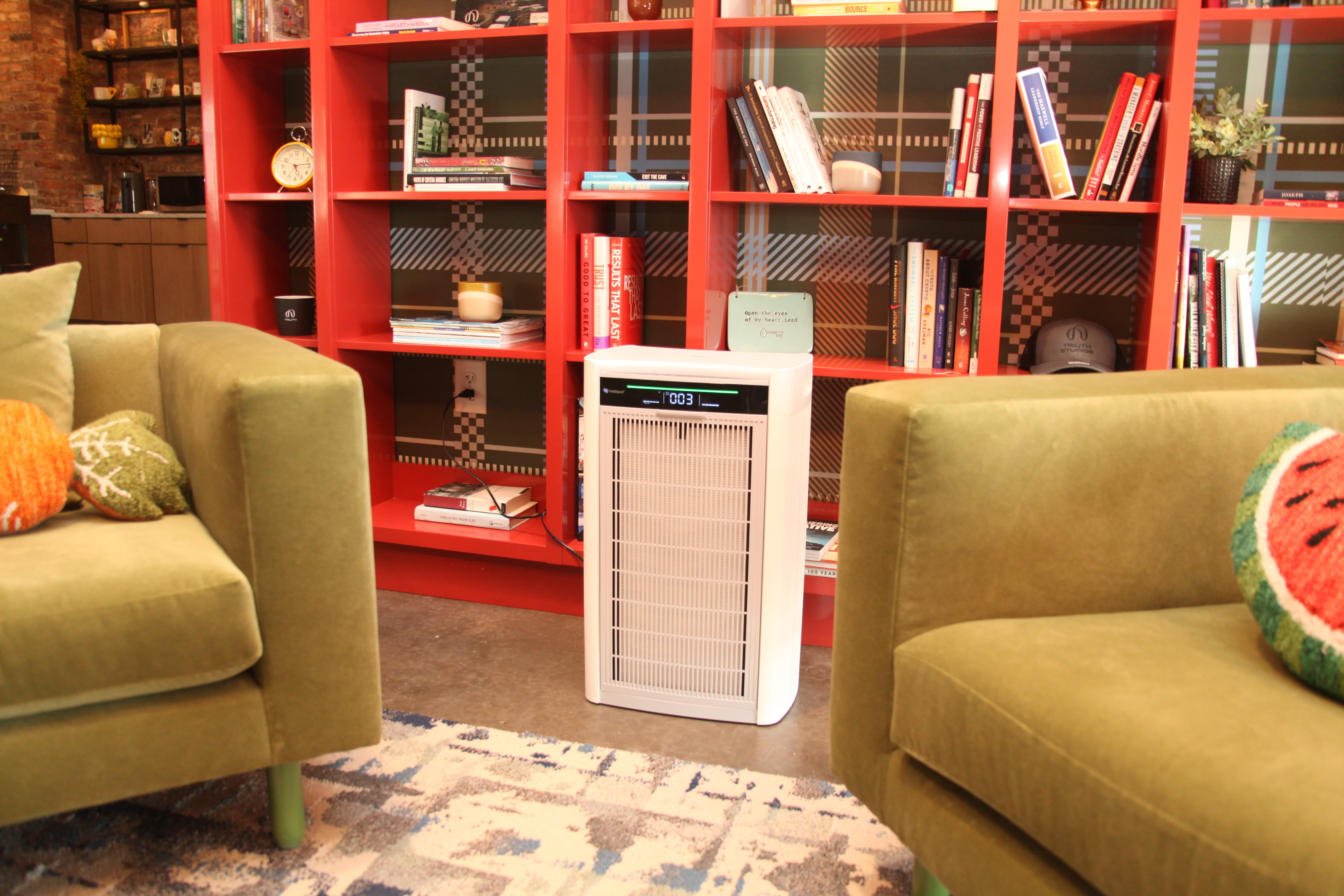
Before bed, turn on a fan or crack a window to get air circulating. Keep the bedroom door open slightly to allow airflow. Place an air purifier near the head of the bed so it can supply clean air while you sleep. Remove dirty laundry from the room so smells can't soak in overnight.
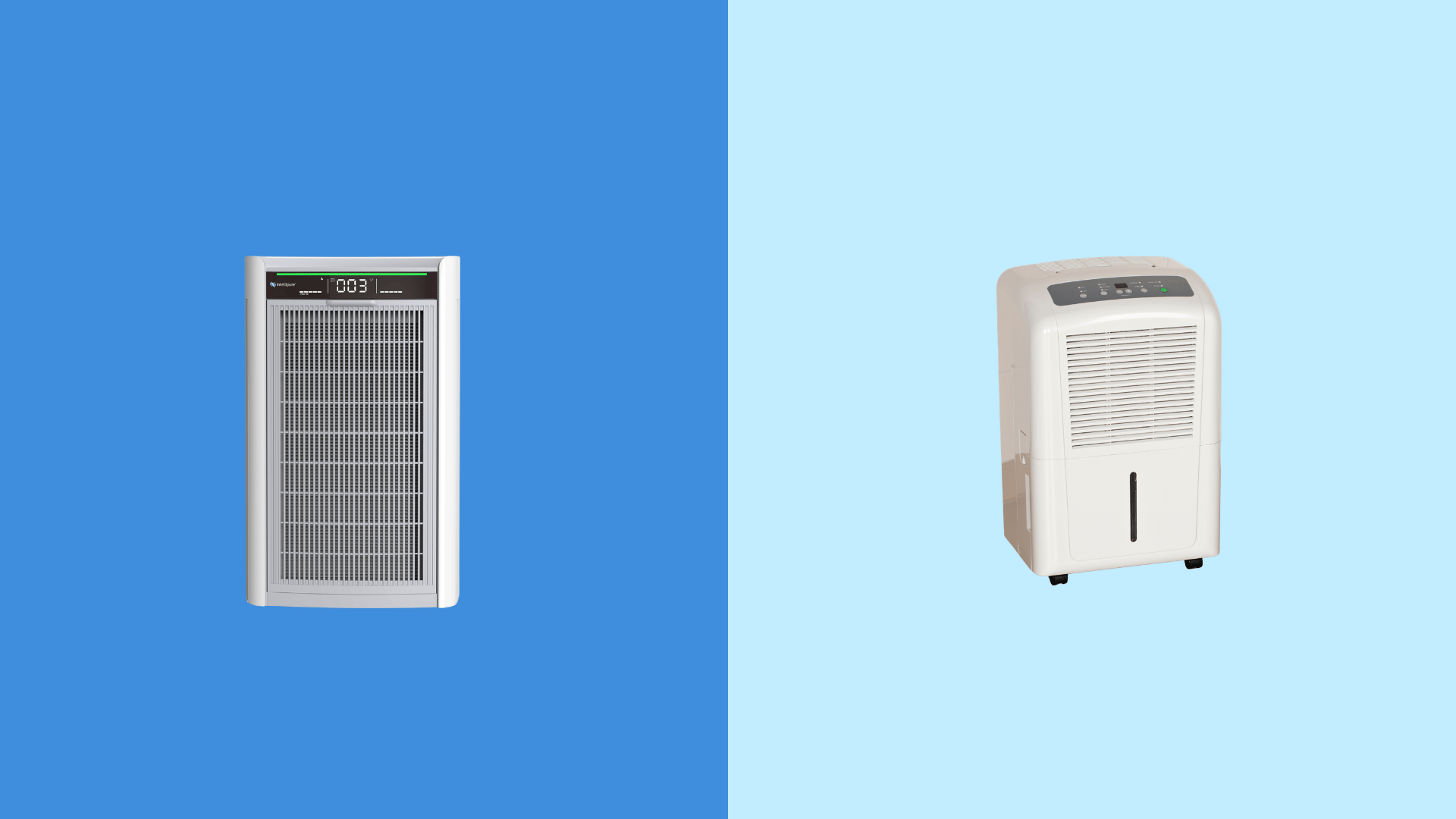
Place a shallow bowl filled with baking soda, coffee grounds, or activated charcoal near the bed to capture lingering odors. The EPA recommends keeping indoor humidity below 60%, ideally between 30% and 50% [3], so you may need a humidifier or dehumidifier depending on your climate.
How Air Purifiers Help Make Rooms Smell Better
The right air purifier can remove not just harmful particles, but bad smells too.
Technology That Removes Odor Sources
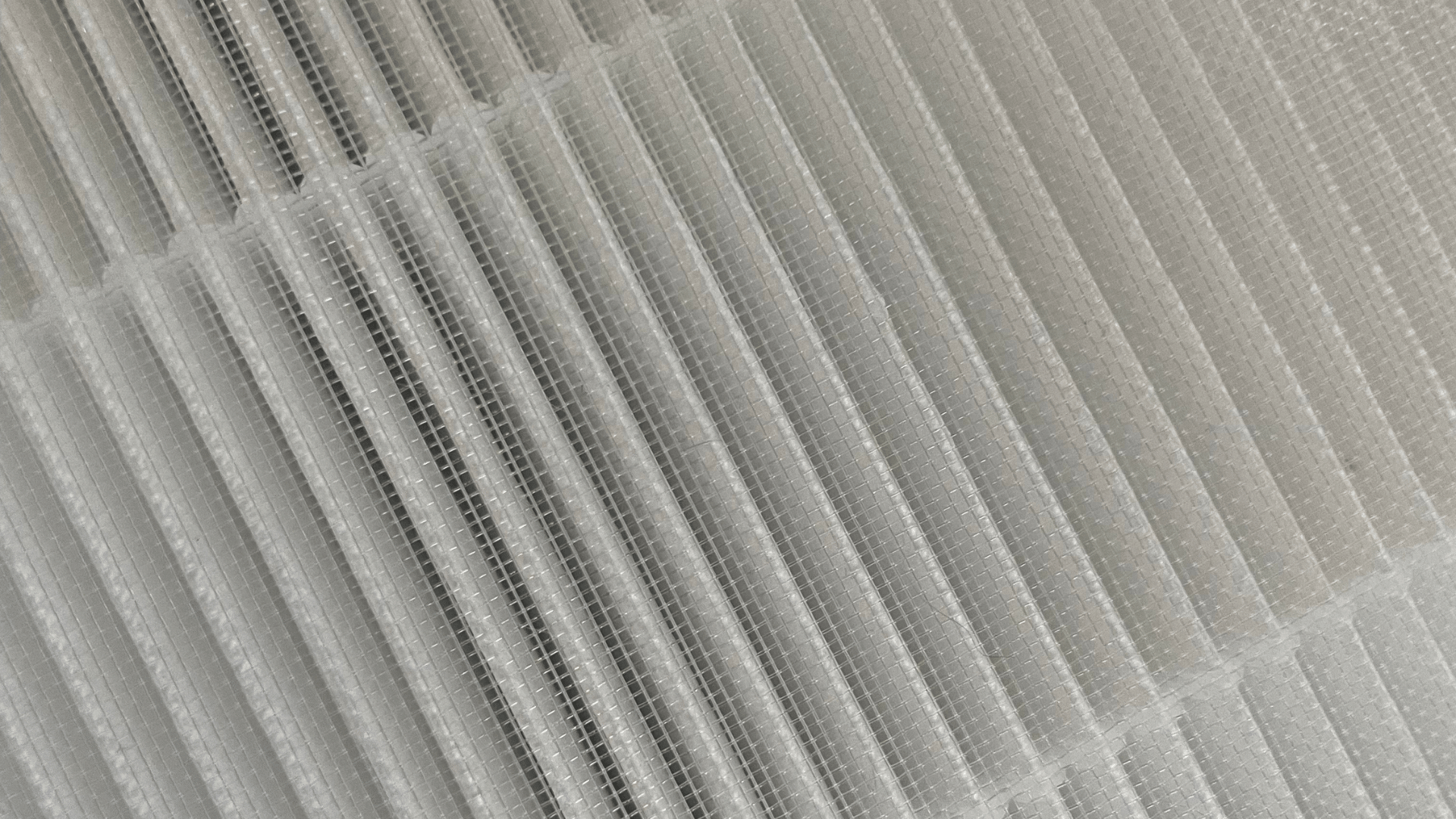
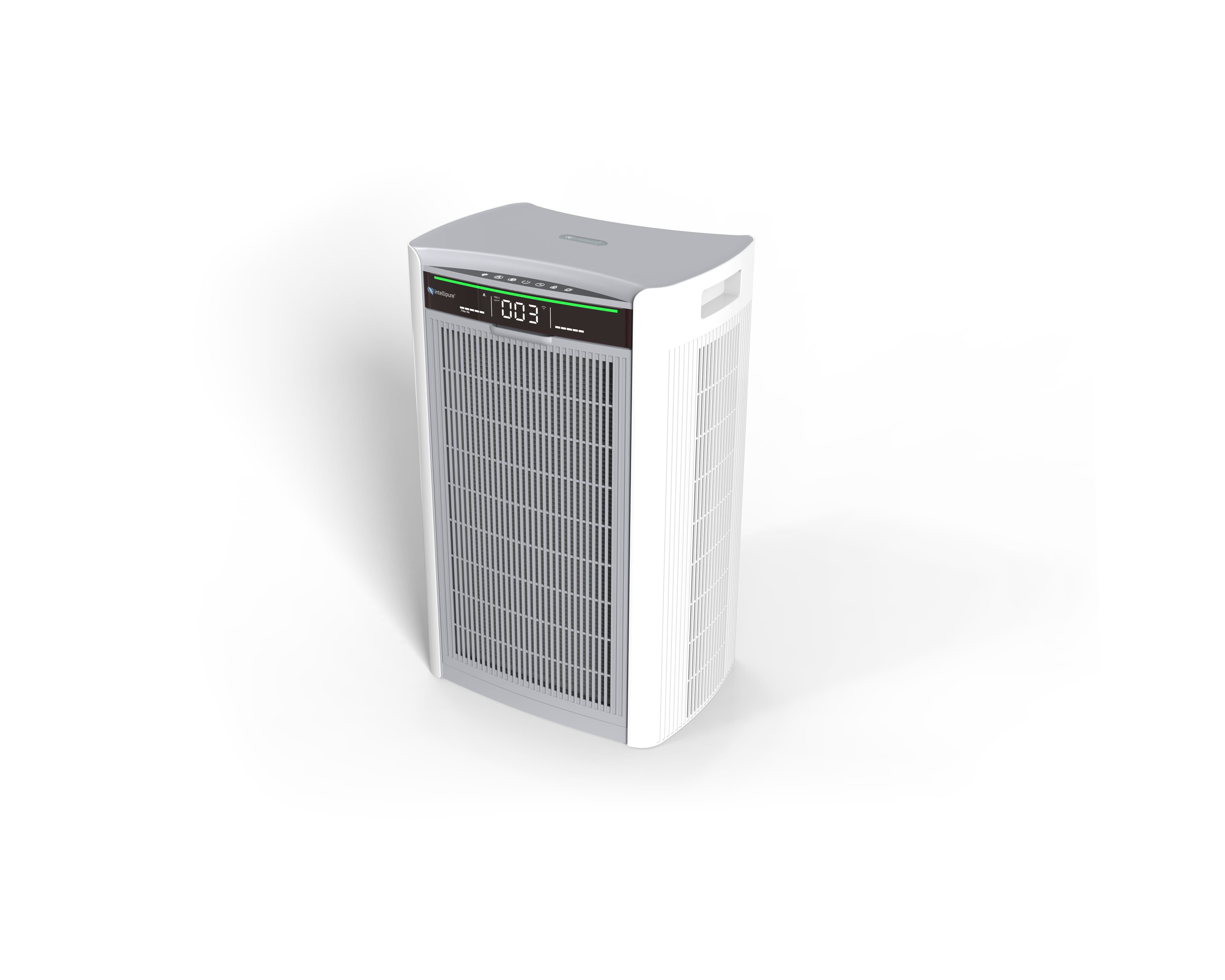
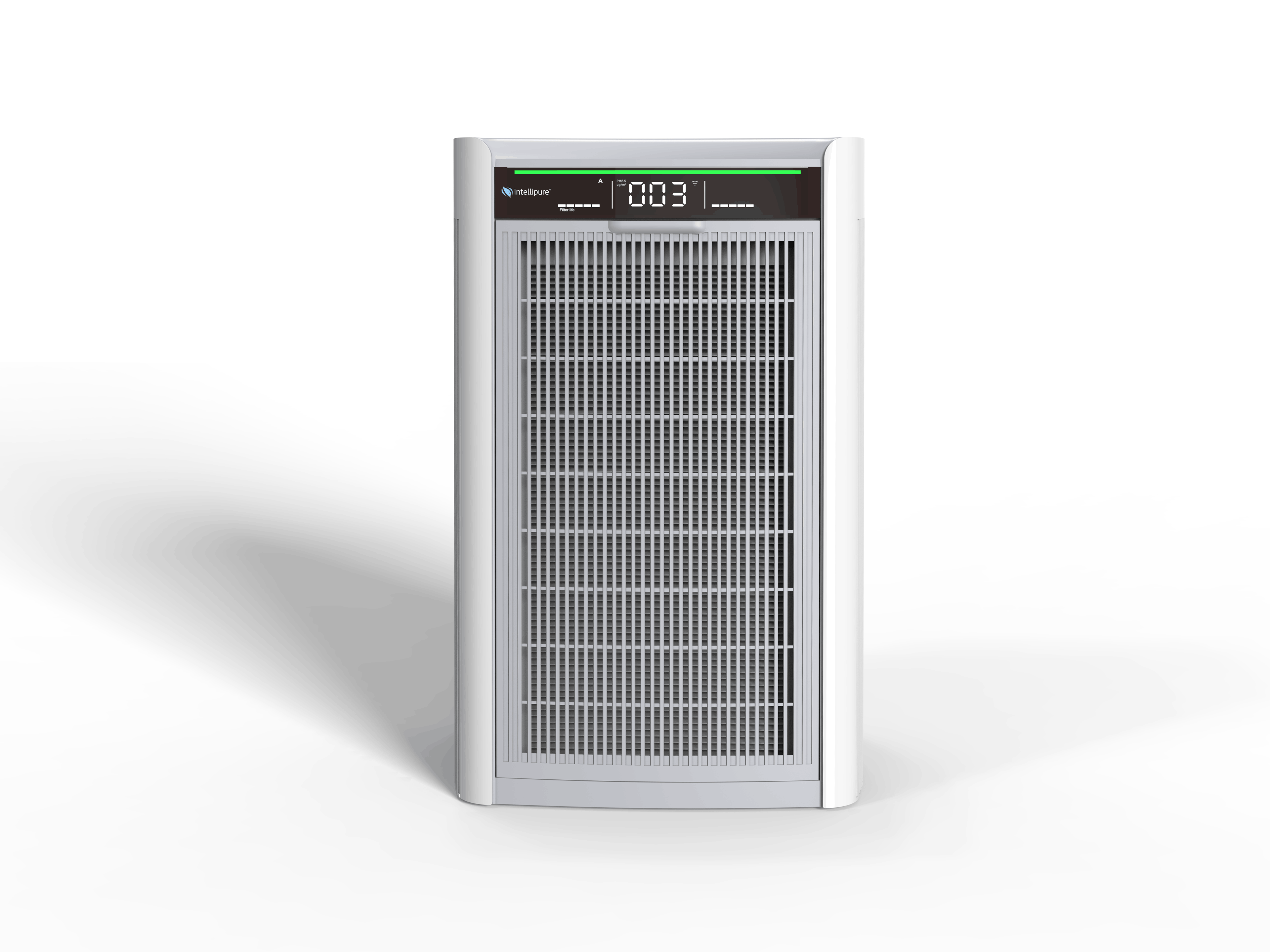
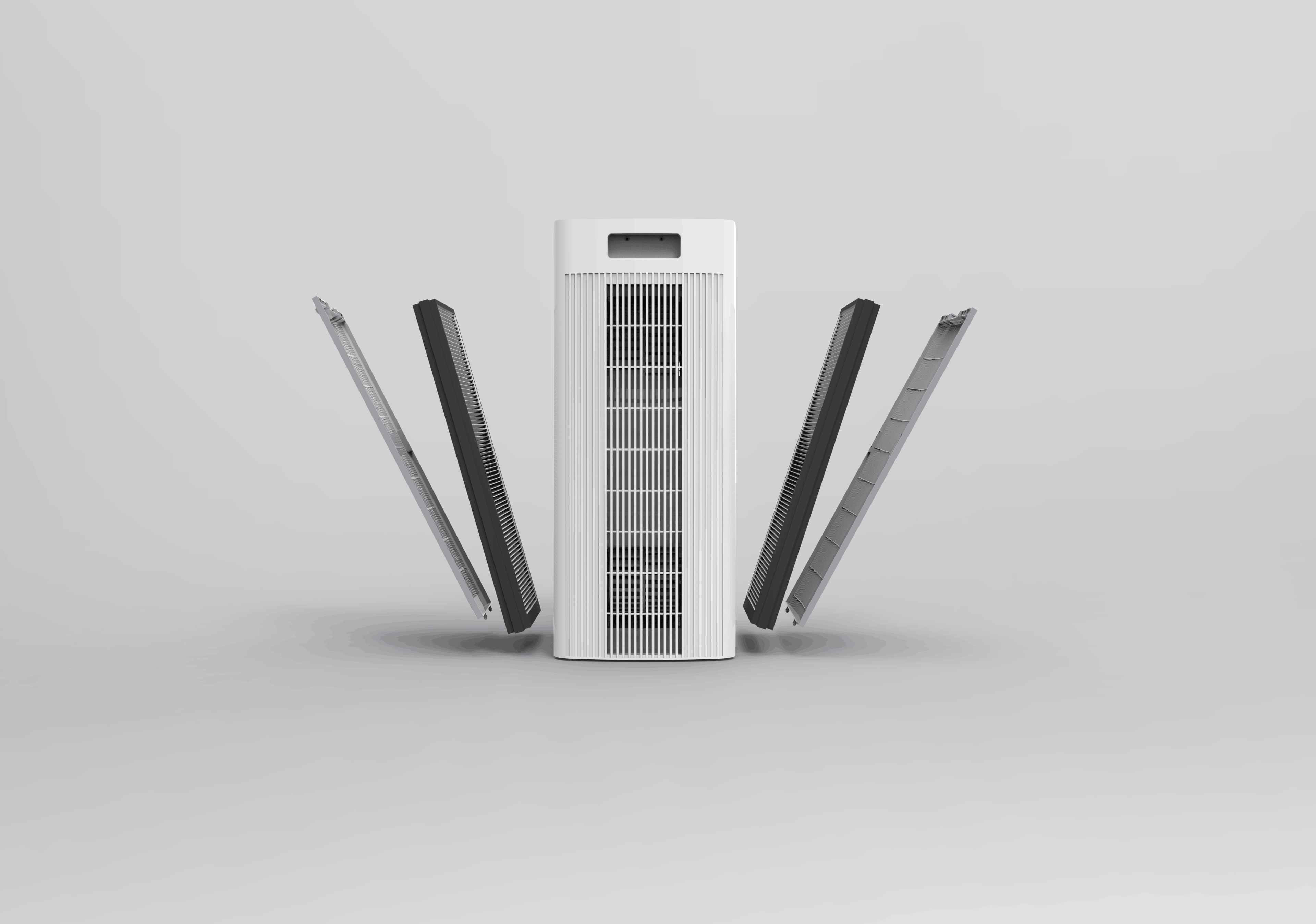
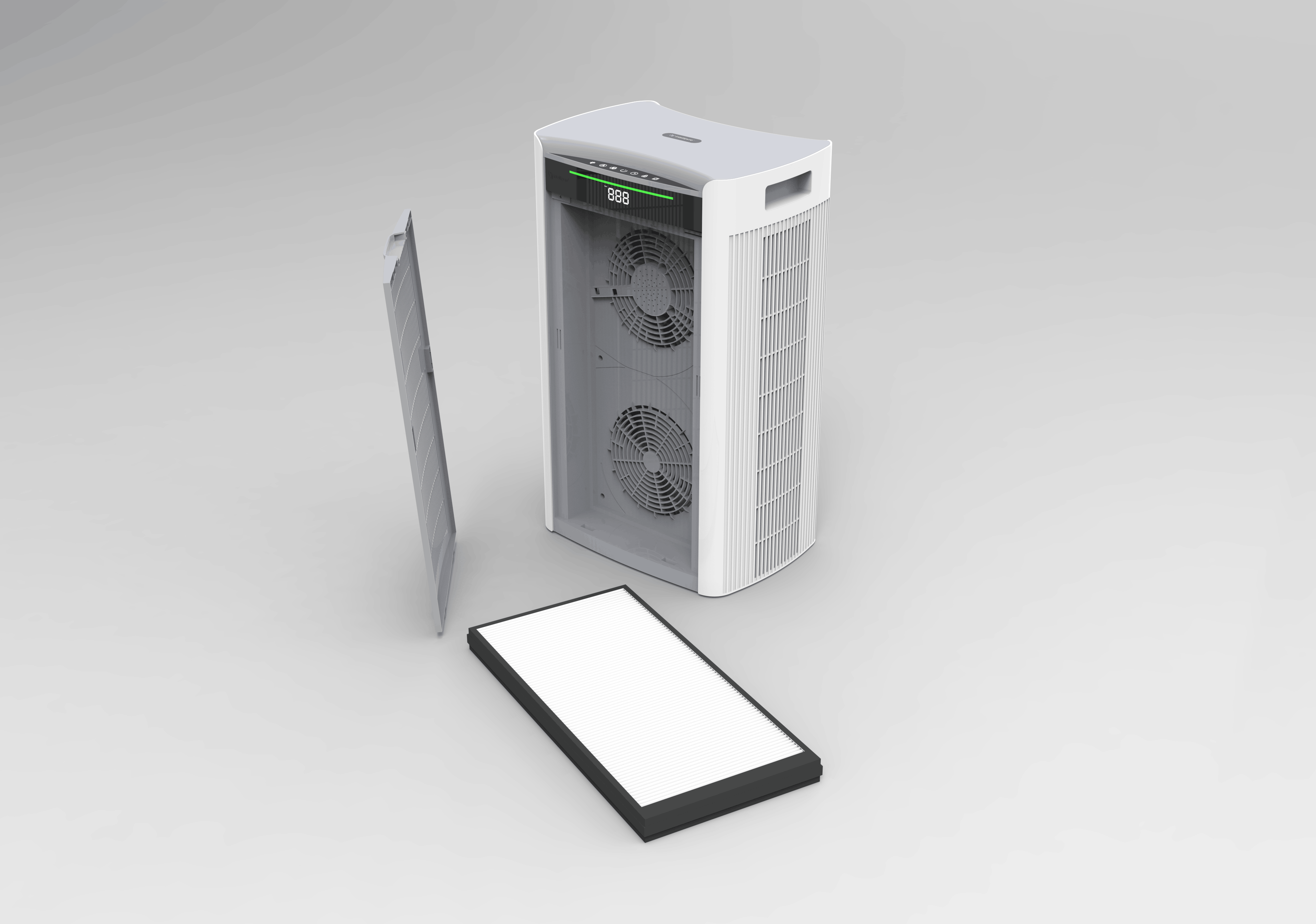
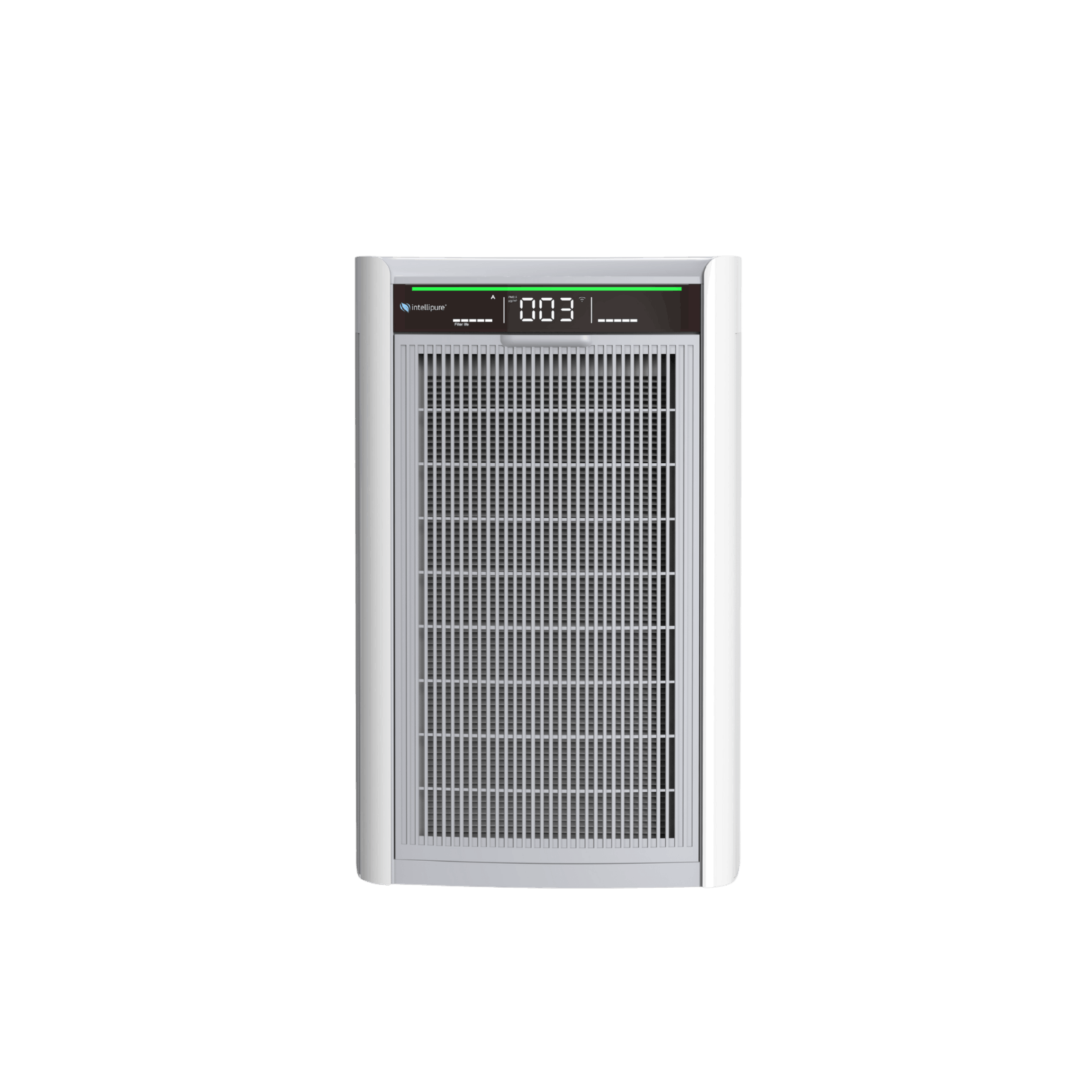
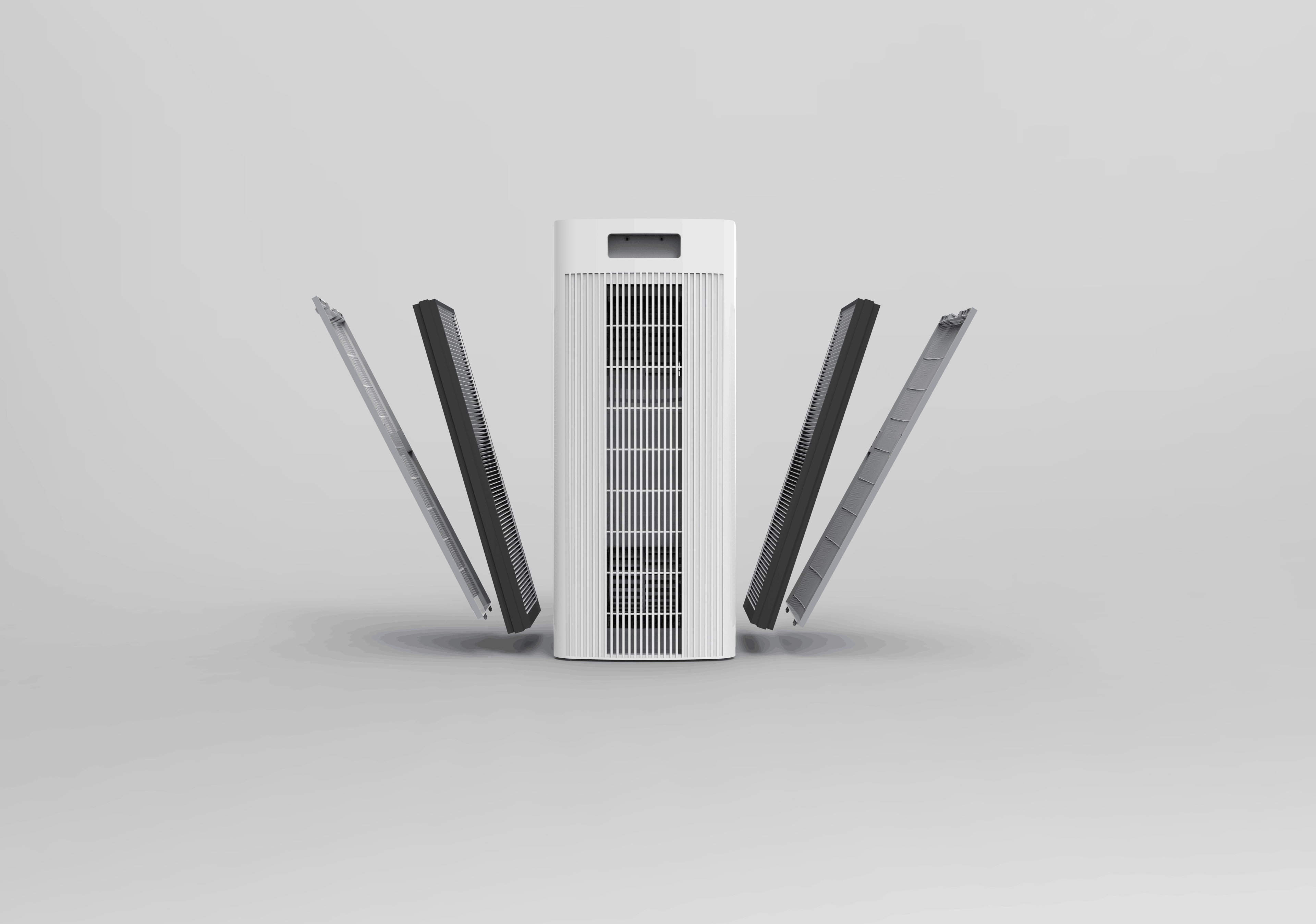
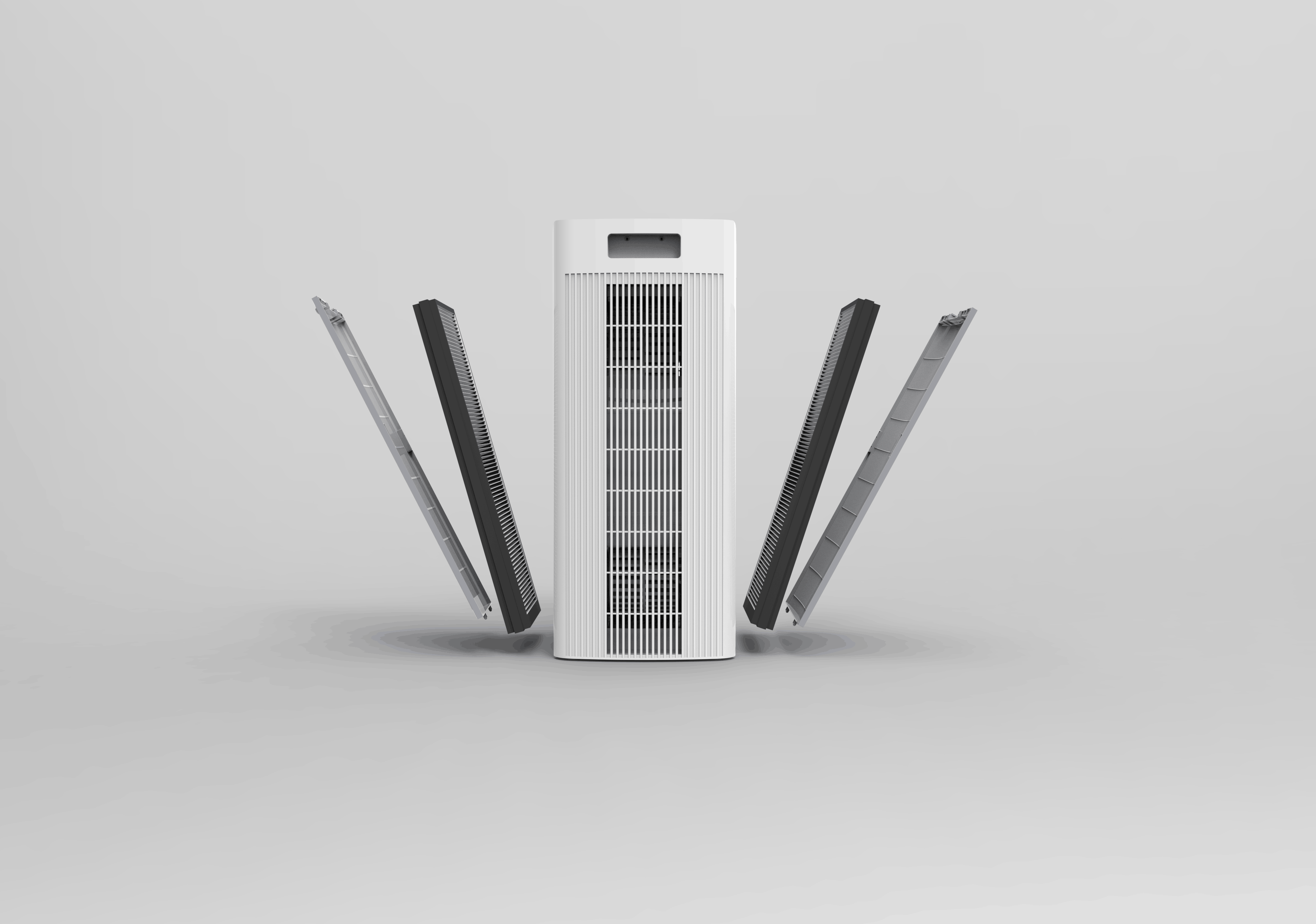
Bad smells can be carried by tiny particles as well as volatile organic compounds (VOCs) and other chemicals. An air purifier with a HEPA filter can capture 99.97% of airborne particles 0.3 microns in size, including those that carry odors [16]. But for truly tackling bad smells, you want an air purifier with an activated carbon filter. Activated carbon filters are designed to remove gases and can be effective when the filter contains a sufficient amount of material [7]. The odors aren't just covered up; they're removed from the environment and locked in the filter.
The best placement for an air purifier is in an area where air can flow freely around it. If you've identified a specific odor source (like a cat litter box), placing an air purifier with activated carbon nearby can help stop odors before they spread.
Natural Ventilation vs. Mechanical Air Cleaning
When outdoor air quality and humidity levels cooperate, opening a few windows for natural ventilation is a wonderful way to freshen things up. You can even run your HVAC fan to help circulate outside air through the house.
But weather and outdoor conditions don't always play nice. Running an air purifier means you don't lose the heated or cooled air your HVAC system has already conditioned. It's the best of both worlds: fresh, clean air without sacrificing comfort. Keep an eye on outdoor conditions so you can take advantage of naturally free fresh air whenever possible.
Breathing Fresh Air in Your Personal Space
When it comes to freshening up your home, it's amazing what you can do with just a few household ingredients, a spray bottle, and a vacuum. There's no reason to sit in a stuffy, smelly space when it's so easy to clear the air. Once you start a fresh air routine, keeping it going becomes just part of your daily life. That's the path to truly long-lasting freshness.
Your nose (and your lungs) will thank you.
References
- Elliott L, Longnecker MP, Kissling GE, London SJ. Volatile organic compounds and pulmonary function in the Third National Health and Nutrition Examination Survey, 1988-1994. Environmental health perspectives. 2006;114(8):1210-4. doi:10.1289/ehp.9019.
- Steinemann A. Fragranced consumer products: exposures and effects from emissions. Air quality, atmosphere, & health. 2016;9(8):861-866. doi:10.1007/s11869-016-0442-z.
- U.S. Environmental Protection Agency. A Brief Guide to Mold, Moisture and Your Home [Internet]. US EPA; 2014. Available from: https://www.epa.gov/mold/brief-guide-mold-moisture-and-your-home.
- Delp WW, Singer BC. Performance assessment of U.S. residential cooking exhaust hoods. Environmental science & technology. 2012;46(11):6167-73. doi:10.1021/es3001079.
- American Chemical Society. Baking soda [Internet]. Available from: https://www.acs.org/education/resources/highschool/chemmatters/past-issues/2015-2016/december-2015/baking-soda.html.
- Care and cleaning for natural stone surfaces [Internet]. Natural Stone Institute; 2024. Available from: https://usenaturalstone.org/tag/cleaning/.
- U.S. Environmental Protection Agency. Guide to Air Cleaners in the Home [Internet]. US EPA; 2022. Available from: https://www.epa.gov/indoor-air-quality-iaq/guide-air-cleaners-home.
- The essentials of essential oils around pets [Internet]. American Society for the Prevention of Cruelty to Animals (ASPCA); 2022. Available from: https://www.aspca.org/news/essentials-essential-oils-around-pets.
- Koulivand PH, Khaleghi Ghadiri M, Gorji A. Lavender and the nervous system. Evidence-based complementary and alternative medicine : eCAM. 2013;2013:681304. doi:10.1155/2013/681304.
- Sadlon AE, Lamson DW. Immune-modifying and antimicrobial effects of Eucalyptus oil and simple inhalation devices. Alternative medicine review : a journal of clinical therapeutic. 2010;15(1):33-47.
- Moss M, Hewitt S, Moss L, Wesnes K. Modulation of cognitive performance and mood by aromas of peppermint and ylang-ylang. The International journal of neuroscience. 2008;118(1):59-77. doi:10.1080/00207450601042094.
- Carson CF, Hammer KA, Riley TV. Melaleuca alternifolia (Tea Tree) oil: a review of antimicrobial and other medicinal properties. Clinical microbiology reviews. 2006;19(1):50-62. doi:10.1128/CMR.19.1.50-62.2006.
- Exploring aromatherapy: safety [Internet]. National Association for Holistic Aromatherapy; 2024. Available from: https://naha.org/explore-aromatherapy/safety/.
- Wolverton BC, Johnson A, Bounds K. Interior landscape plants for indoor air pollution abatement. 1989.
- Cummings BE, Waring MS. Potted plants do not improve indoor air quality: a review and analysis of reported VOC removal efficiencies. Journal of exposure science & environmental epidemiology. 2020;30(2):253-261. doi:10.1038/s41370-019-0175-9.
- U.S. Environmental Protection Agency. What is a HEPA filter? [Internet]. US EPA; 2019. Available from: https://www.epa.gov/indoor-air-quality-iaq/what-hepa-filter.









What Causes Poor AQI and How to Protect Your Family
What Does Indoor Air Quality Have to Do with Lung Health?