

Summary
Mold is one of the most common yet overlooked indoor air quality hazards, linked to respiratory symptoms, allergic reactions, and even mood changes. Here's what the science says and the practical steps you can take to protect your family.
In This Article
What You Can't See May Be Affecting Your Family's Health
When we talk about keeping your family healthy, food and water quality tend to get all the attention. And they deserve it. But there's one factor that often flies under the radar: the air inside your home.
Think about it this way: you can go weeks without food and days without water, but only minutes without air. And according to the EPA, indoor air can contain two to five times more pollutants than outdoor air [1]. That's a lot of invisible stuff entering your lungs, especially when you consider that most of us spend the majority of our time indoors.
One of the most common, and least discussed, culprits behind poor indoor air quality (IAQ) is mold. It's not always dramatic. You might picture black splotches creeping across a basement wall, but mold can quietly affect your air without any visible signs at all.
What Is Mold, Exactly?
Mold is a type of fungus that thrives wherever moisture and oxygen are present [2]. It reproduces by releasing tiny cells called spores that float through the air, and these spores are remarkably small, typically ranging from 2 to 10 micrometers [2]. For perspective, that's far too small to see with the naked eye.
Mold spores float through both outdoor and indoor air [2]. They can land on damp spots and start growing before you even know they're there. Bathrooms, basements, kitchens, areas around leaky pipes, and even carpet or insulation that's gotten wet can all become breeding grounds [3].
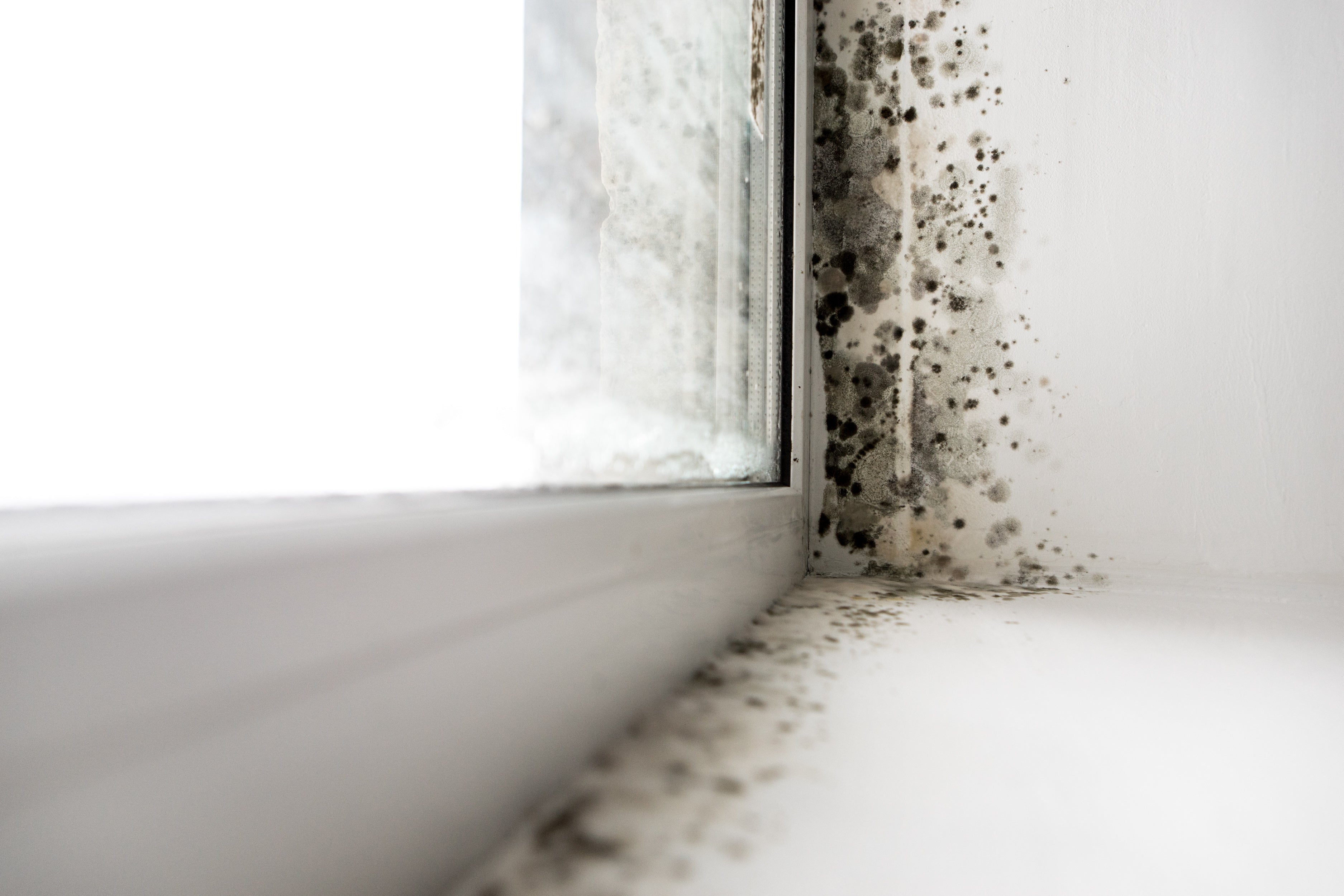
You might recognize mold by those telltale dark green or black splotches on walls and ceilings. But mold also announces itself through a musty odor. The EPA notes that this "moldy smell" comes from microbial volatile organic compounds (mVOCs), and if you can smell it, mold is likely growing somewhere nearby [4].
How Mold Can Affect Your Health
Here's where things get serious, so let's look at what the research tells us.
Respiratory symptoms and allergic reactions. In 2004, the Institute of Medicine (IOM) published a comprehensive report examining the health effects of damp indoor environments. The committee found sufficient evidence linking indoor dampness and mold to upper respiratory tract symptoms, coughing, wheezing, and asthma symptoms in sensitized individuals [5].
The EPA confirms that mold produces allergens and irritants that can trigger allergic reactions, including sneezing, runny nose, red eyes, and skin rash [6]. For people with asthma, mold exposure can trigger episodes [6]. And even if you're not allergic, mold can still irritate your eyes, skin, nose, throat, and lungs [6].
Children may face higher risks. A 2006 study from the University of Cincinnati, published in Pediatric Allergy and Immunology, examined associations between specific airborne fungal spore types and health outcomes in infants. Researchers found that exposure to Penicillium/Aspergillus spores was associated with positive allergen skin tests, while Basidiospore exposure was linked to rhinitis [7].
Mood and mental health. A 2007 study led by Brown University epidemiologist Edmond Shenassa analyzed data from 5,882 adults across eight European cities to examine the association between household mold and depression. The team found that residents of damp, moldy homes had elevated odds of depression symptoms. Two contributing pathways were identified: mold-related physical health problems and a perceived lack of control over one's living environment [8].
Neurological effects. Some research has explored the relationship between mold exposure and neurological symptoms like headaches, cognitive difficulty, and mood changes. A 2009 review in Toxicology and Industrial Health documented neurologic and neuropsychiatric features associated with mold and mycotoxin exposure [9], and a 2020 study in Brain, Behavior, and Immunity found that mold inhalation triggered innate immune activation in the brain, leading to cognitive and emotional dysfunction in animal models [10]. While these findings are still being explored, they suggest that mold's effects may extend beyond the respiratory system.
What You Can Do About It
The good news? Mold is a problem you can manage. Here's a practical game plan.
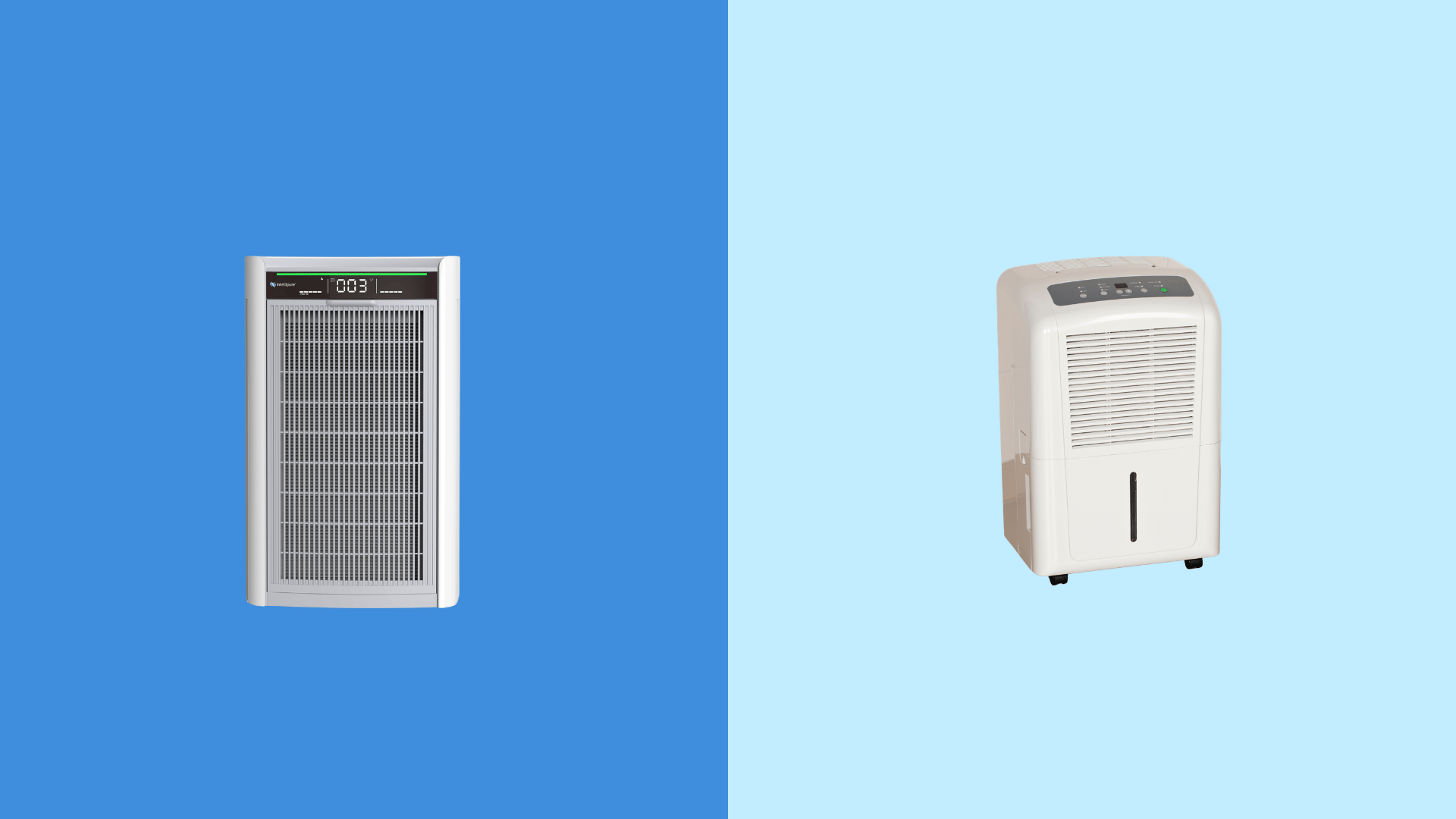
1. Control moisture first. The EPA's number-one recommendation is straightforward: control moisture, and you control mold [3]. Fix leaks promptly, keep indoor humidity below 60%, and dry any water-damaged areas within 24 to 48 hours.
2. Improve ventilation. Run exhaust fans in bathrooms and kitchens. Open windows when weather allows. Make sure your dryer vents to the outside. Good airflow makes it harder for moisture to accumulate in the spots mold loves.
3. Clean up visible mold. Small areas of mold (less than about 10 square feet) can often be cleaned with detergent and water [3]. For larger problems, or if mold keeps returning, it may be time to consult a professional mold remediation company to identify and address the source.
4. Talk to your doctor if you're concerned. If you suspect mold may be affecting your health, your physician can help evaluate your symptoms and may refer you to a specialist for allergy testing.
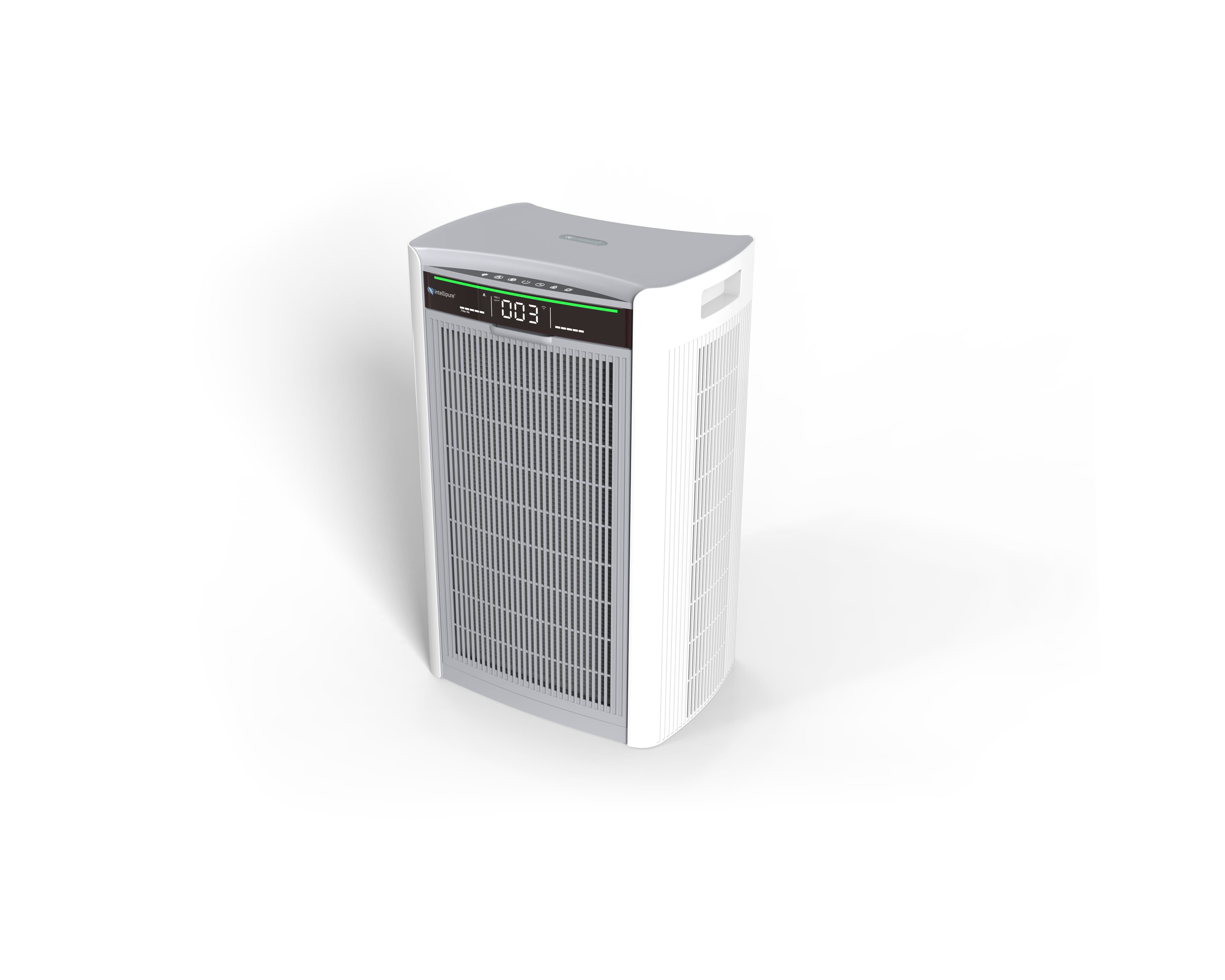
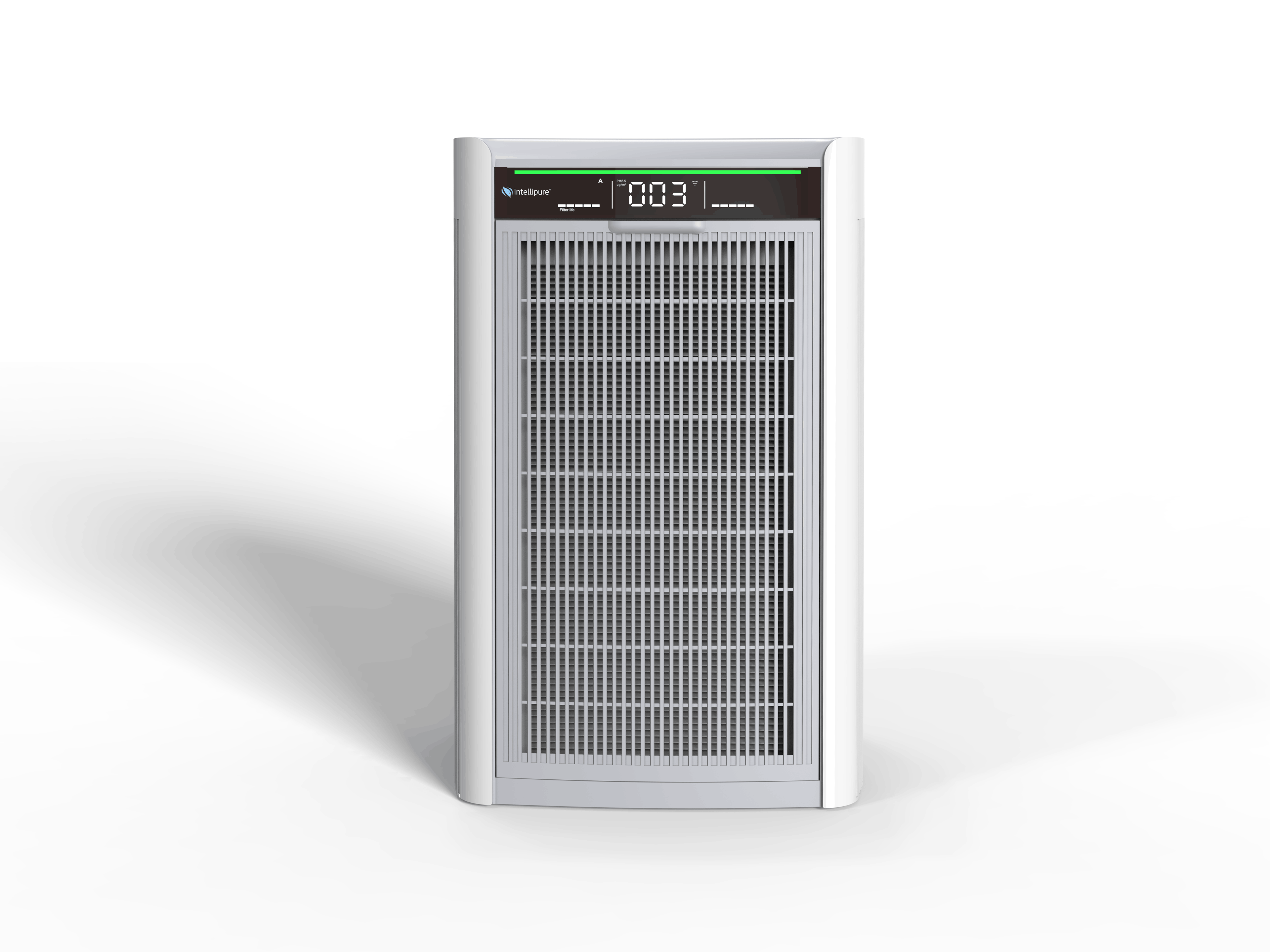
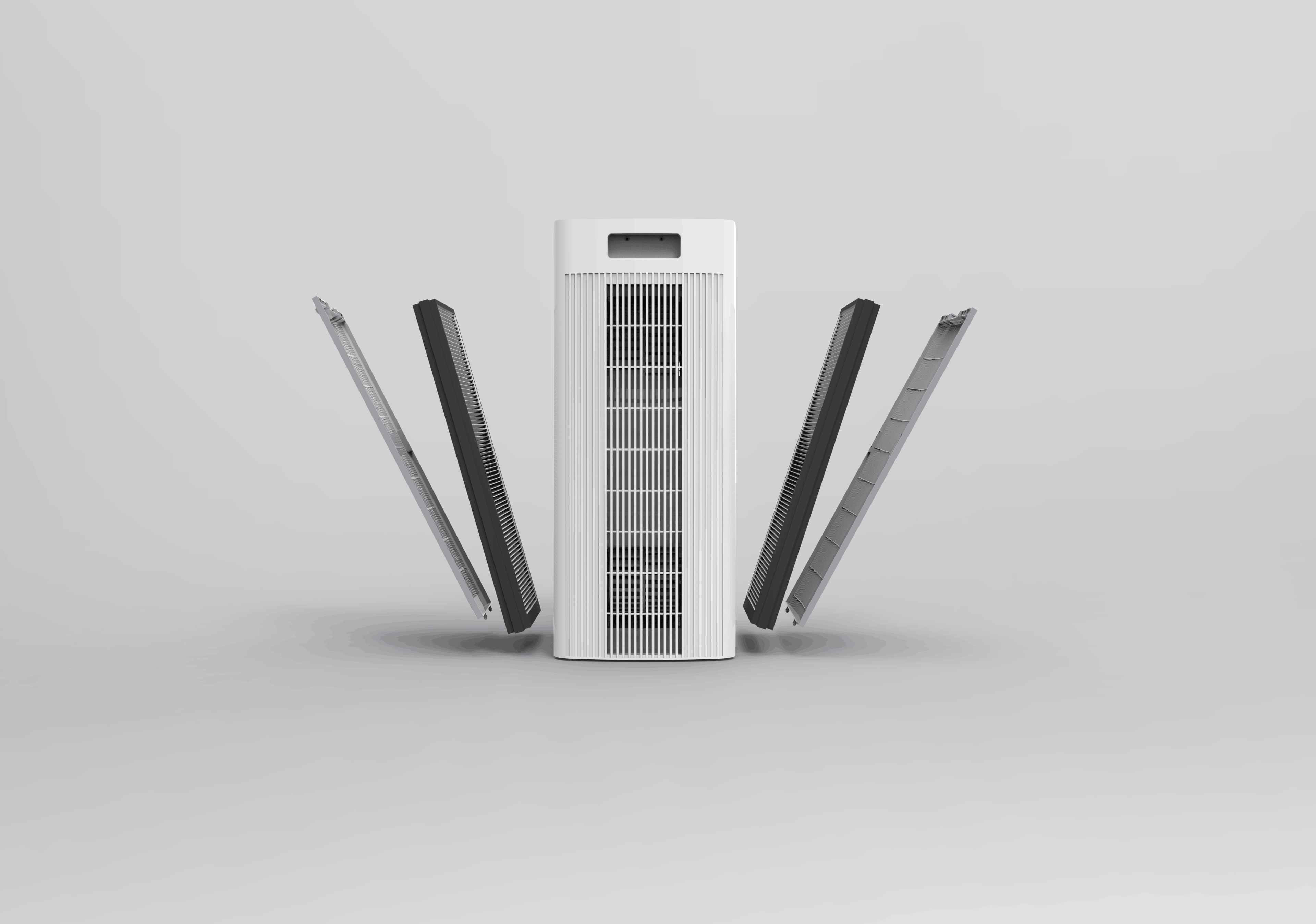
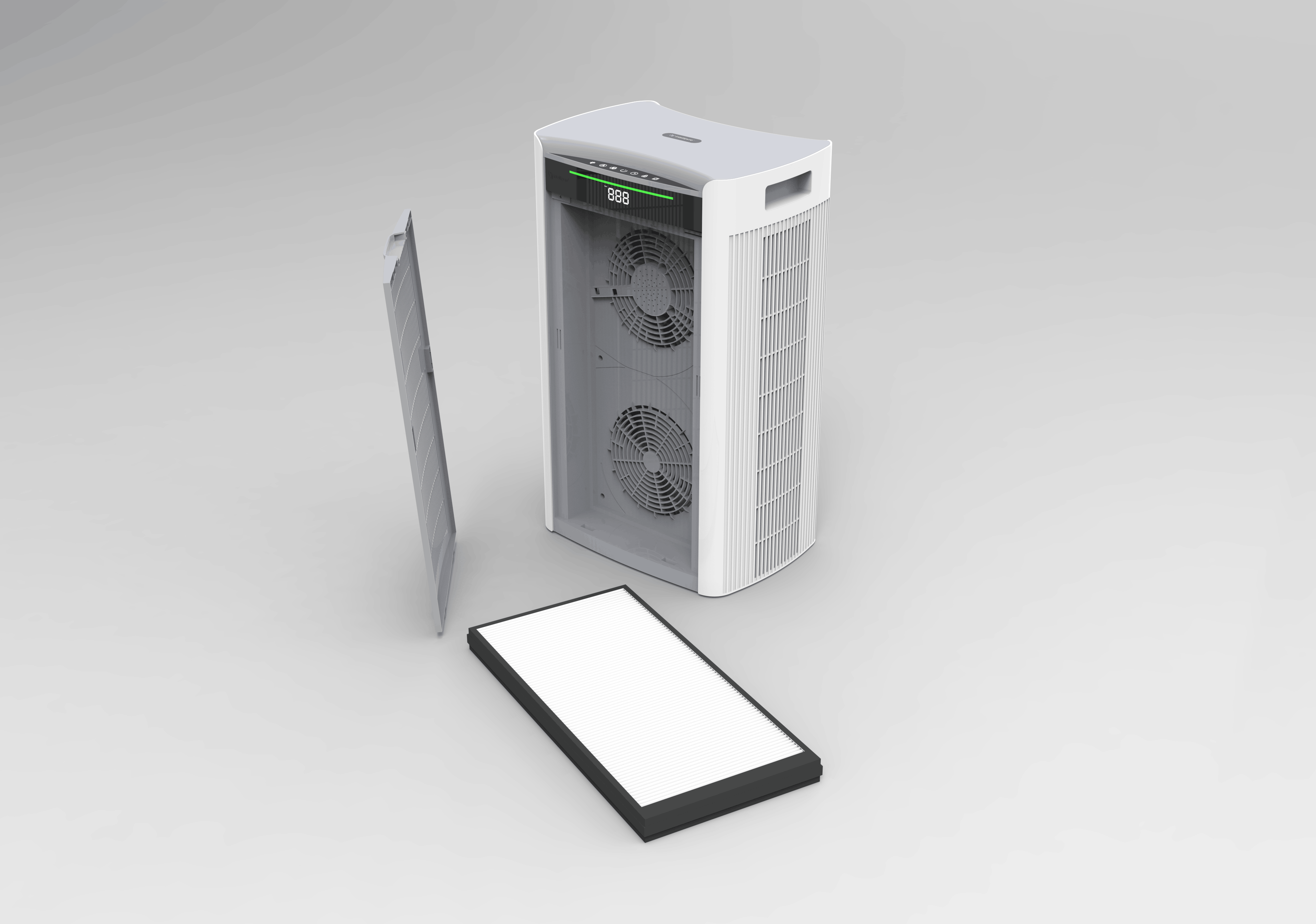
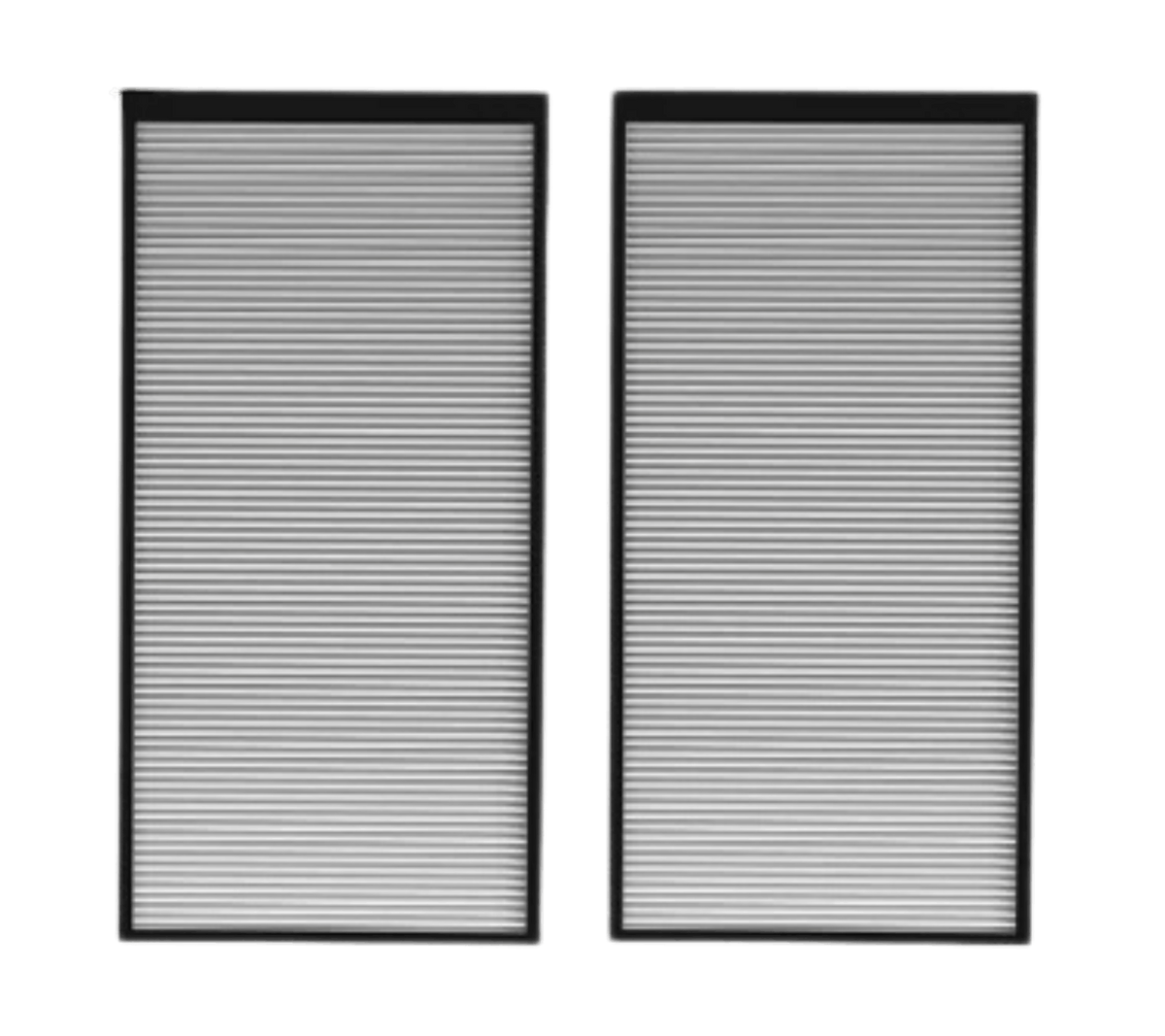
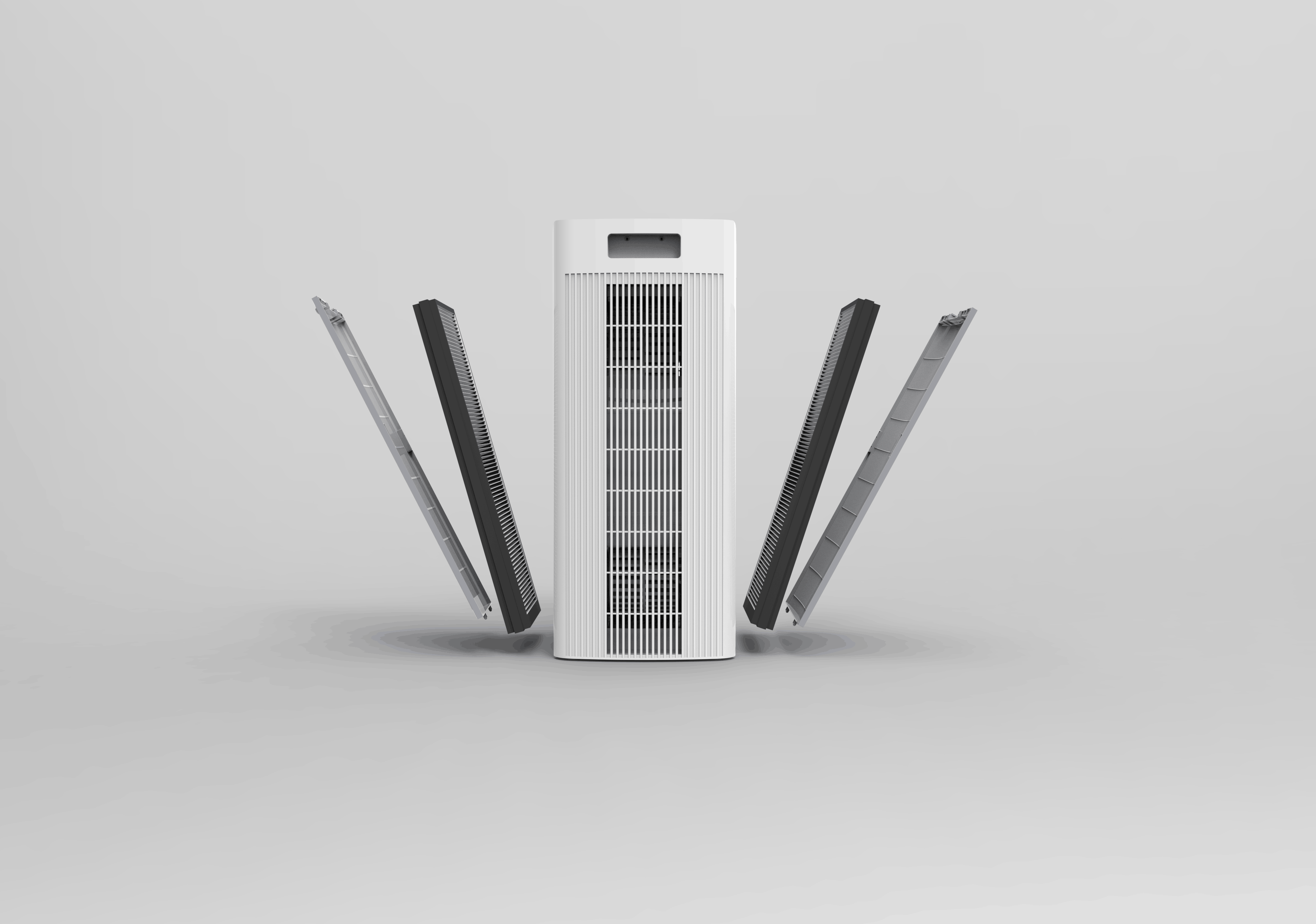
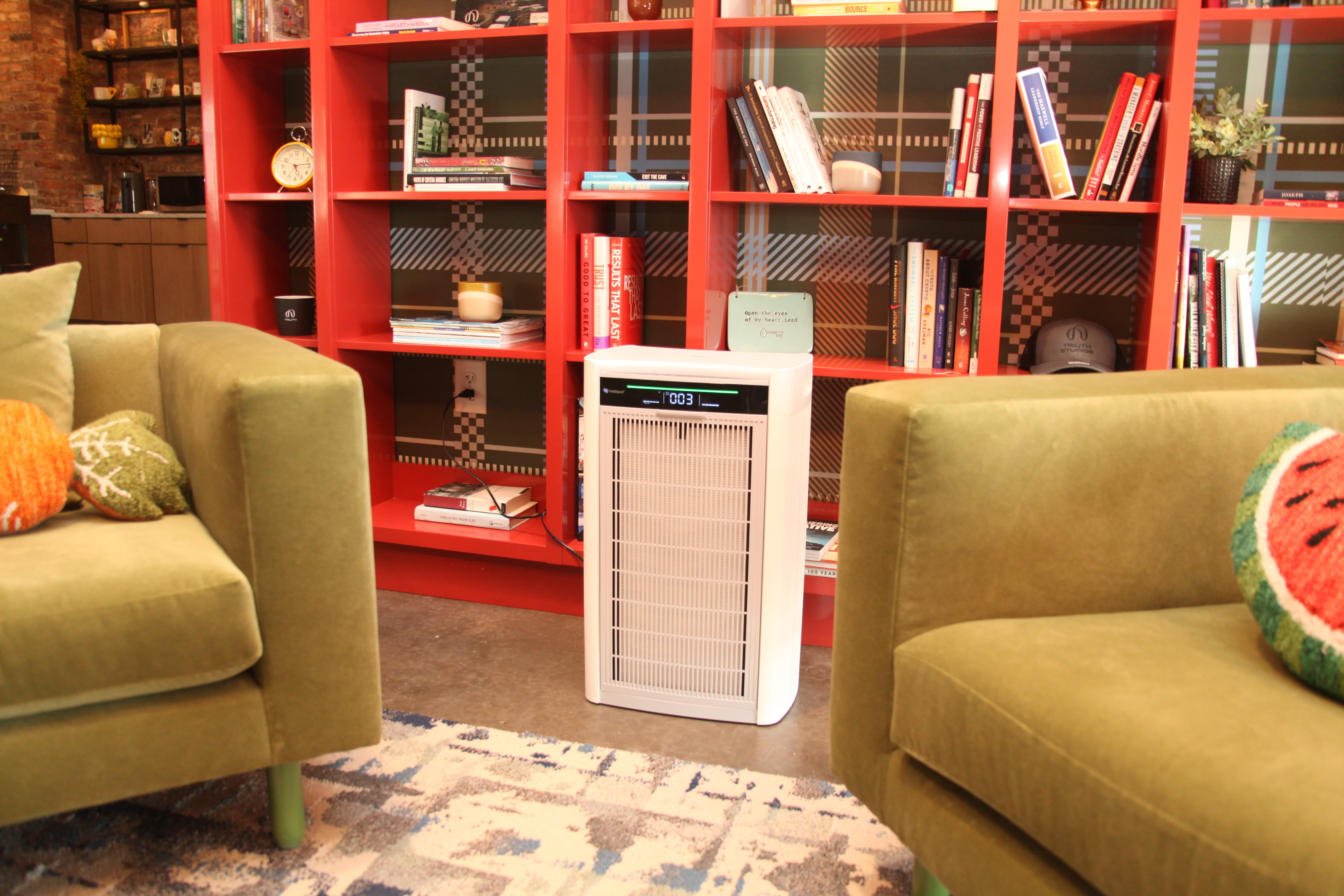
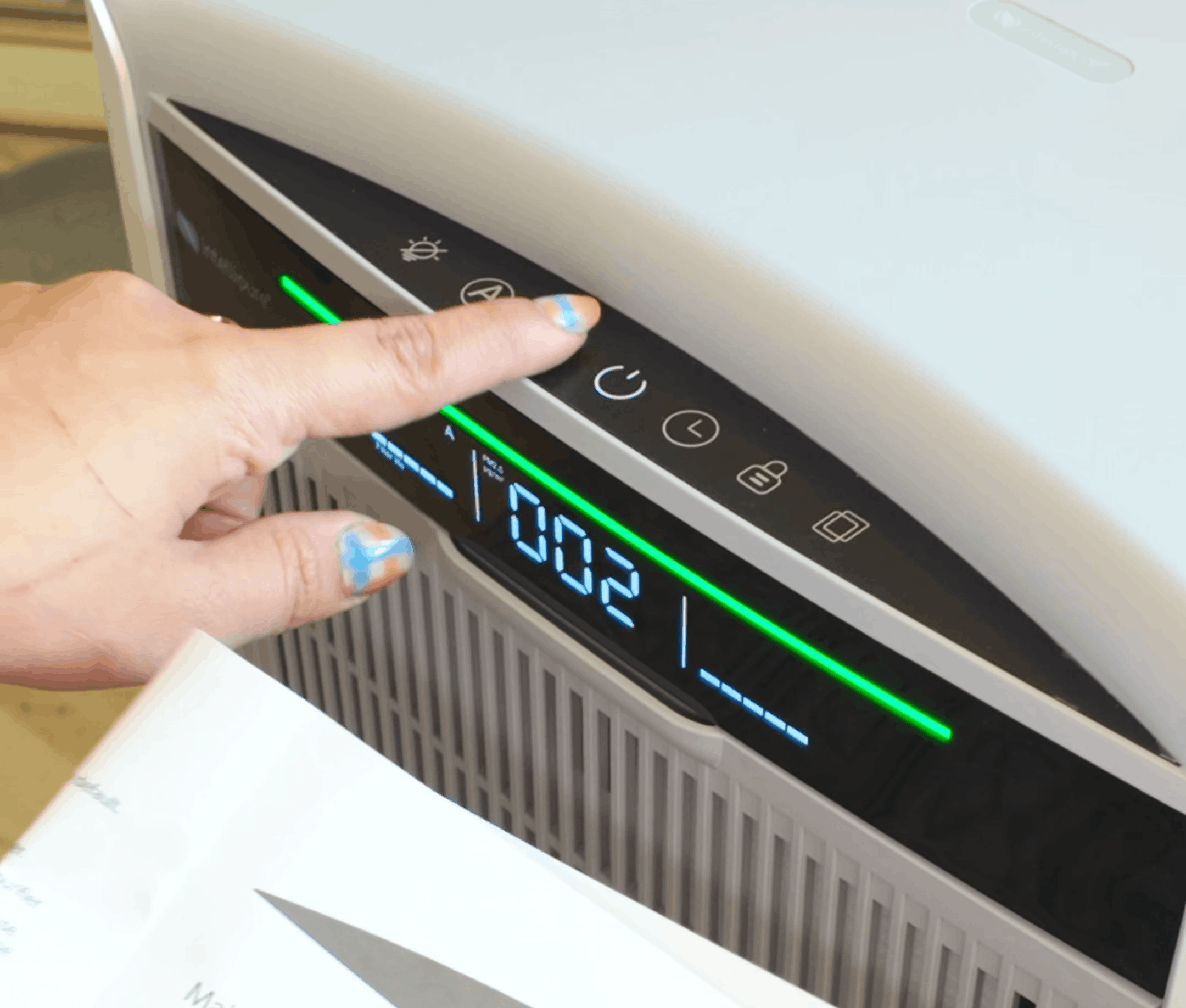
5. Run an air purifier around the clock. While source control and ventilation are the foundation of any clean air plan, a high-quality air purifier adds an important layer of protection. Its multi-stage filtration system with advanced HEPA filters and activated carbon also helps reduce volatile organic compounds (VOCs) and odors.
Each piece reinforces the others, and together they give you the best shot at keeping your indoor air clean.
The Bottom Line
Mold is one of those invisible culprits that can quietly undermine your indoor air quality and, over time, your health. The respiratory symptoms are well-documented. The connections to childhood allergies, mood, and neurological effects are still being studied, but they're worth paying attention to.
The most important step? Don't ignore dampness. Whether it's a small leak under the kitchen sink or condensation on your bedroom windows, moisture is the invitation mold needs. Control it, clean the air, and you'll be breathing easier in no time.
References
- United States Environmental Protection Agency. Indoor air quality [Internet]. Washington (DC): EPA; 2024 [cited 2026 Feb 13]..
- United States Environmental Protection Agency. What are molds? [Internet]. Washington (DC): EPA; 2024 [cited 2026 Feb 13]..
- United States Environmental Protection Agency. A brief guide to mold, moisture and your home [Internet]. Washington (DC): EPA; 2024 [cited 2026 Feb 13]..
- United States Environmental Protection Agency. What does mold smell like? [Internet]. Washington (DC): EPA; 2024 [cited 2026 Feb 13]..
- Institute of Medicine (US) Committee on Damp Indoor Spaces and Health. Damp indoor spaces and health. Washington (DC): National Academies Press (US); 2004..
- United States Environmental Protection Agency. Mold and health [Internet]. Washington (DC): EPA; 2024 [cited 2026 Feb 13]..
- Osborne M, Reponen T, Adhikari A, Cho SH, Grinshpun SA, Levin L, et al. Specific fungal exposures, allergic sensitization, and rhinitis in infants. Pediatr Allergy Immunol. 2006;17(6):450-7. doi:10.1111/j.1399-3038.2006.00414.x..
- Shenassa ED, Daskalakis C, Liebhaber A, Braubach M, Brown MJ. Dampness and mold in the home and depression: an examination of mold-related illness and perceived control of one's home as possible depression pathways. Am J Public Health. 2007;97(10):1893-9. doi:10.2105/AJPH.2006.093773..
- Empting LD. Neurologic and neuropsychiatric syndrome features of mold and mycotoxin exposure. Toxicol Ind Health. 2009;25(9-10):577-81. doi:10.1177/0748233709348393..
- Harding CF, Pytte CL, Page KG, Ryberg KJ, Normand E, Remigio GJ, et al. Mold inhalation causes innate immune activation, neural, cognitive and emotional dysfunction. Brain Behav Immun. 2020;87:218-28. doi:10.1016/j.bbi.2019.11.006..





Air Pollution and Your Brain: What the Research Says About Cognitive Aging
How to Get Rid of Musty Smells in Your Home and Clothes