

In This Article
Spring has sprung a leak. When rainy weather moves in, most of us think about blooming flowers, greener lawns, and maybe a little extra mud by the front door. What we don't always think about is what all that moisture is doing inside the home.
A few wet umbrellas by the entryway. Damp shoes on the floor. A basement that suddenly smells a little off. A crawlspace that stays humid for days after a storm. A small roof leak that seems harmless until the drywall starts to discolor.
Spring rain has a way of finding every weak spot in your home's moisture defenses. And once excess moisture lingers indoors, mold and mildew are often not far behind.
The good news? This is one of the most preventable indoor air quality issues. The key is understanding where moisture builds up, what those early warning signs look like, and what humidity level helps prevent mold in the first place.
Why Rainy Season Moisture Creates the Perfect Conditions for Mold
Mold needs one thing above all else: moisture. (Spoiler alert, this comes up pretty frequently in the article.) That's why rainy seasons can quietly create ideal indoor conditions for growth, especially in areas where airflow is limited or water tends to collect. The U.S. Environmental Protection Agency puts it simply: the key to mold control is moisture control [1].
Rain-related moisture tends to show up in a few common ways:
- Tracked-in water from shoes, coats, umbrellas, and pets
- Roof leaks or small window seal failures
- Basement seepage after heavy rain
- Crawlspace dampness
- Condensation on cool walls, pipes, or windows
- Flooding in lower levels
What makes this especially tricky is that mold does not require standing water. Elevated humidity alone can be enough. According to the EPA, indoor relative humidity should be kept below 60%, ideally between 30% and 50% to discourage mold growth [2]. That means if your home starts feeling damp, stuffy, or noticeably more humid after rain, it's worth paying attention (and acting fast).
That Musty Smell in the House? Don't Ignore It
Let's talk about one of the biggest early warning signs. If you've ever walked into your basement, laundry room, or hallway after a storm and caught a stale, earthy, damp smell, your nose may be alerting you before your eyes can. Odor is a red flag when it comes to mold-susceptible areas.
That classic mildew smell or musty smell in the house is often one of the first signs that moisture has overstayed its welcome. Sometimes it's mildew. Sometimes it's hidden mold growth behind drywall, under carpeting, around baseboards, or inside a crawlspace. The important thing is this: a musty smell usually means moisture is lingering somewhere it shouldn't be. This is especially common after prolonged rainy periods because previously dormant moisture issues can resurface.
Common places that develop odor first include:
- Basements
- Under sinks
- Closets along exterior walls
- Attics with minor roof leaks
- HVAC-adjacent spaces
- Laundry areas
If the smell mysteriously seems to return every time it rains, that's a strong indication that the issue is ongoing, not incidental.
Basement Mold: The Rainy Season Problem Spot
If there's one room that tends to struggle most during wet weather, it's the basement.
Top-Google-search-result-wise and reality-wise, basement mold is one of the most common springtime issues. Which shouldn't come as much of a surprise. Basements naturally sit at a disadvantage because they're below ground, cooler than the rest of the home, and often less ventilated.
That means they're especially vulnerable to:
- Groundwater seepage
- Poor drainage around the foundation
- Sump pump failure
- Condensation on concrete walls
- High humidity from poor airflow
- Wet cardboard boxes, rugs, and stored fabrics
Even a small amount of moisture intrusion can quickly turn into a mold issue if surfaces stay damp for more than 24 to 48 hours [3]. The EPA specifically notes that water-damaged materials should be dried within that window to help prevent mold growth [3]. So if your basement ever floods, even slightly, quick drying is critical.
Don't Forget the Nooks and Crannies
Basements get most of the attention, but crawlspaces and rooflines are just as important.
Crawlspaces often trap moisture from:
- Damp soil
- Poor vapor barriers
- Inadequate ventilation
- High water tables after heavy rain
The EPA specifically calls crawlspaces a common site for hidden mold growth, especially when humidity remains high [4]. Meanwhile, a leaky roof can create slow-moving moisture problems that stay hidden for weeks.
A small drip in the attic may go undetected until you notice things like:
- Staining on the ceilings
- Bubbling paint
- Warped drywall
- Mildew smell upstairs
Rainy season is often when these vulnerabilities finally make themselves known.
Why Indoor Mold Matters for Air Quality
This is where the air quality piece becomes especially important, because mold doesn't just stay on surfaces. It can release spores and fragments into the air, affecting the way your home feels and mucking up the air your family breathes.
Exposure to indoor dampness and mold has been associated with symptoms like sneezing, coughing, eye irritation, congestion, worsened allergies, and even asthma flare-ups. These effects are especially relevant for children, older adults, and anyone with respiratory sensitivities [5].
In other words, what starts as "just a little damp smell" can become a much larger indoor air quality issue pretty quickly.
What Humidity Level Helps Prevent Mold?
This is one of the biggest search questions for a reason. So, what humidity level helps prevent mold?
The sweet spot is 30% to 50% indoor relative humidity. Once humidity consistently rises above 60%, mold risk increases significantly [2]. Luckily, a simple hygrometer (a device that measures humidity) can help you monitor this without extra effort, the same way a thermometer measures temperature.
However, if you notice your basement, bedroom, or lower levels of the home regularly climbing above 50% to 55% after storms, it may be time for a dehumidifier or moisture-control assessment. It's worth the investment and one of the easiest ways to stay ahead of a bigger problem down the line.
How to Stay Ahead of Rainy-Season Mold
Mold moves quick, but with the proper precautions in place, you can be much quicker. A few proactive steps go a long way.
- Keep humidity between 30% to 50%
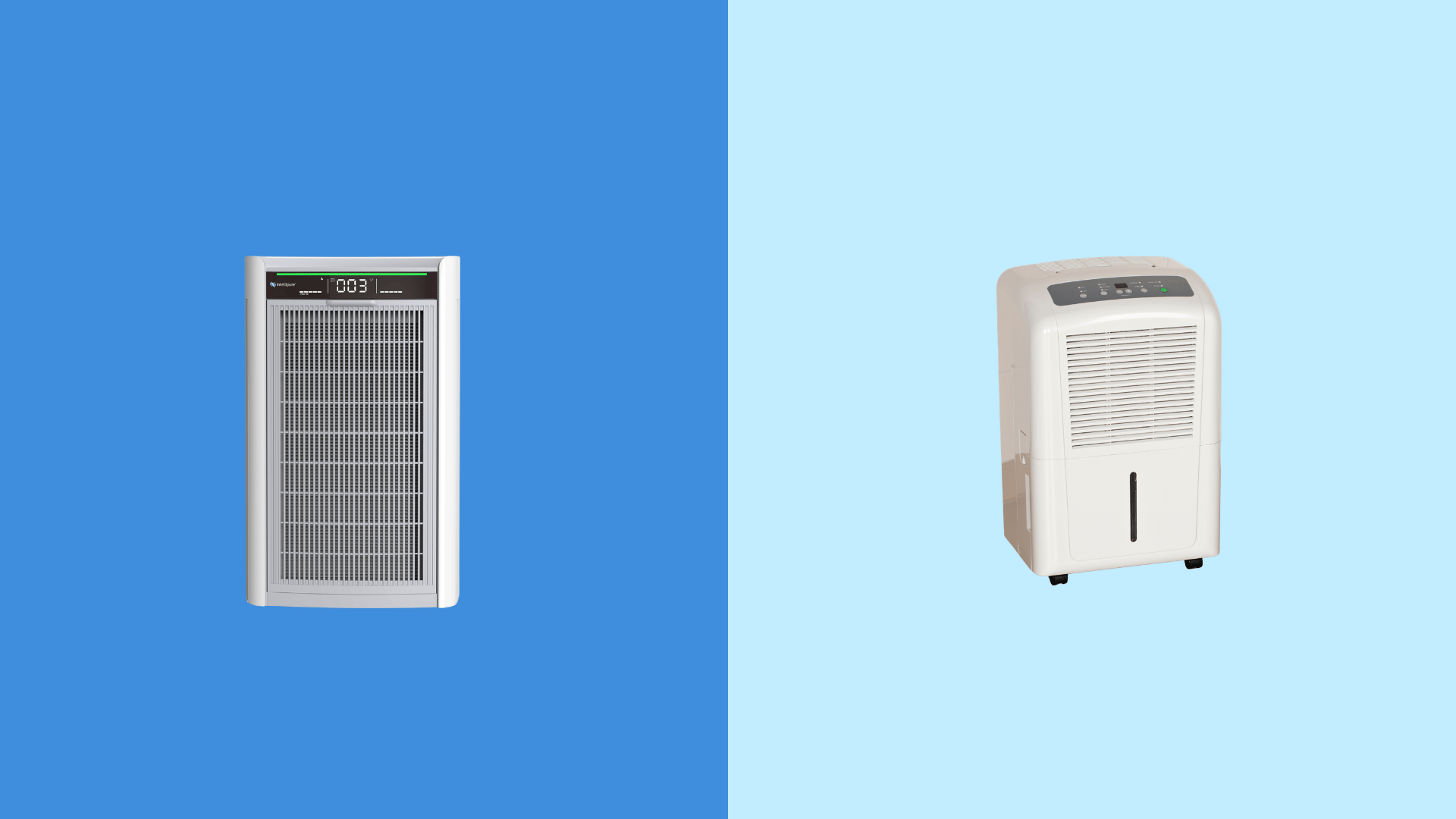
- Use a dehumidifier in lower levels (especially basements and crawlspaces)
- Dry wet areas fast. Don't let moisture linger
- Mats, rugs, towels, and entry floors should not stay damp
- Check roofing and windows for leaks
- Even minor leaks can cause long-term problems
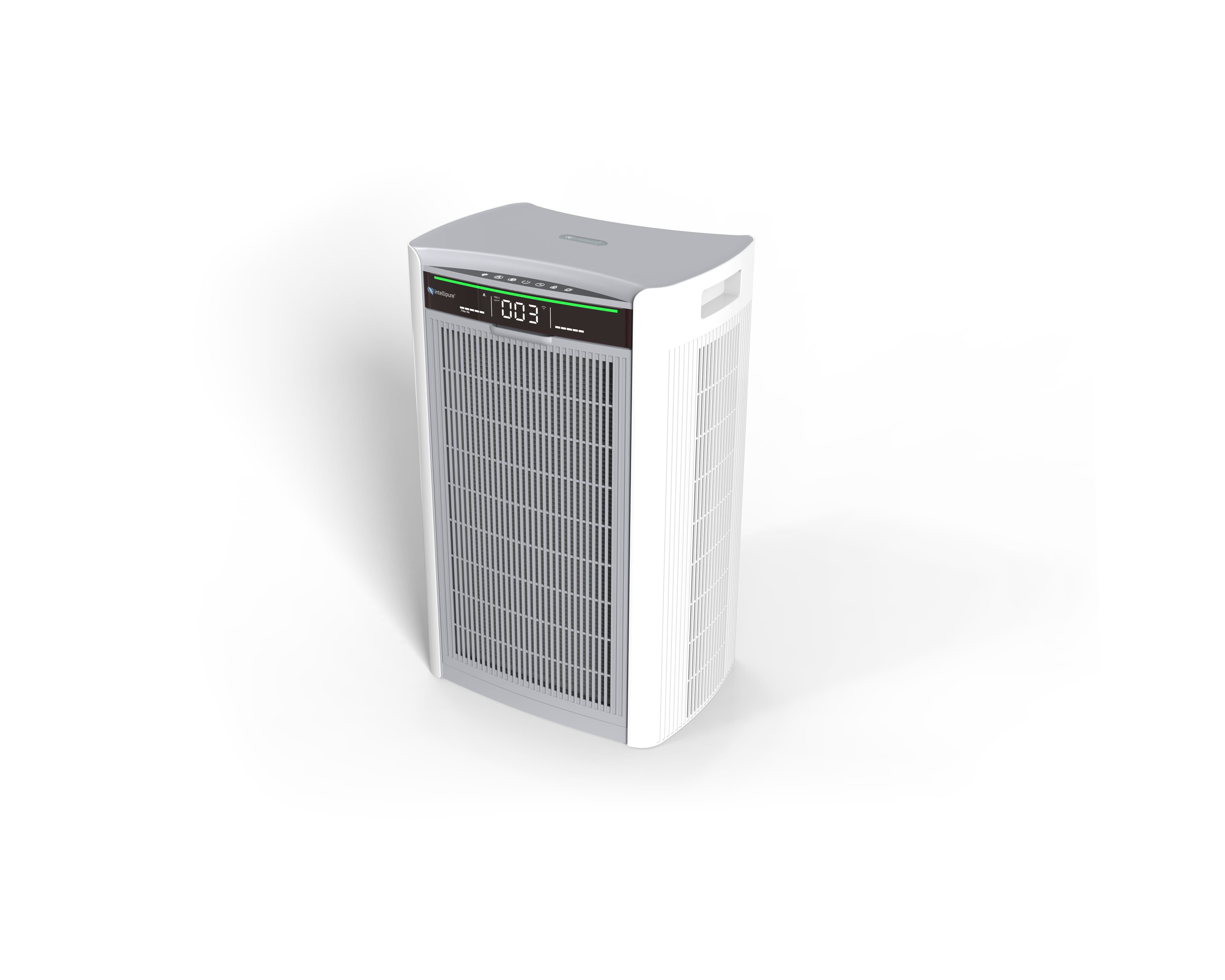
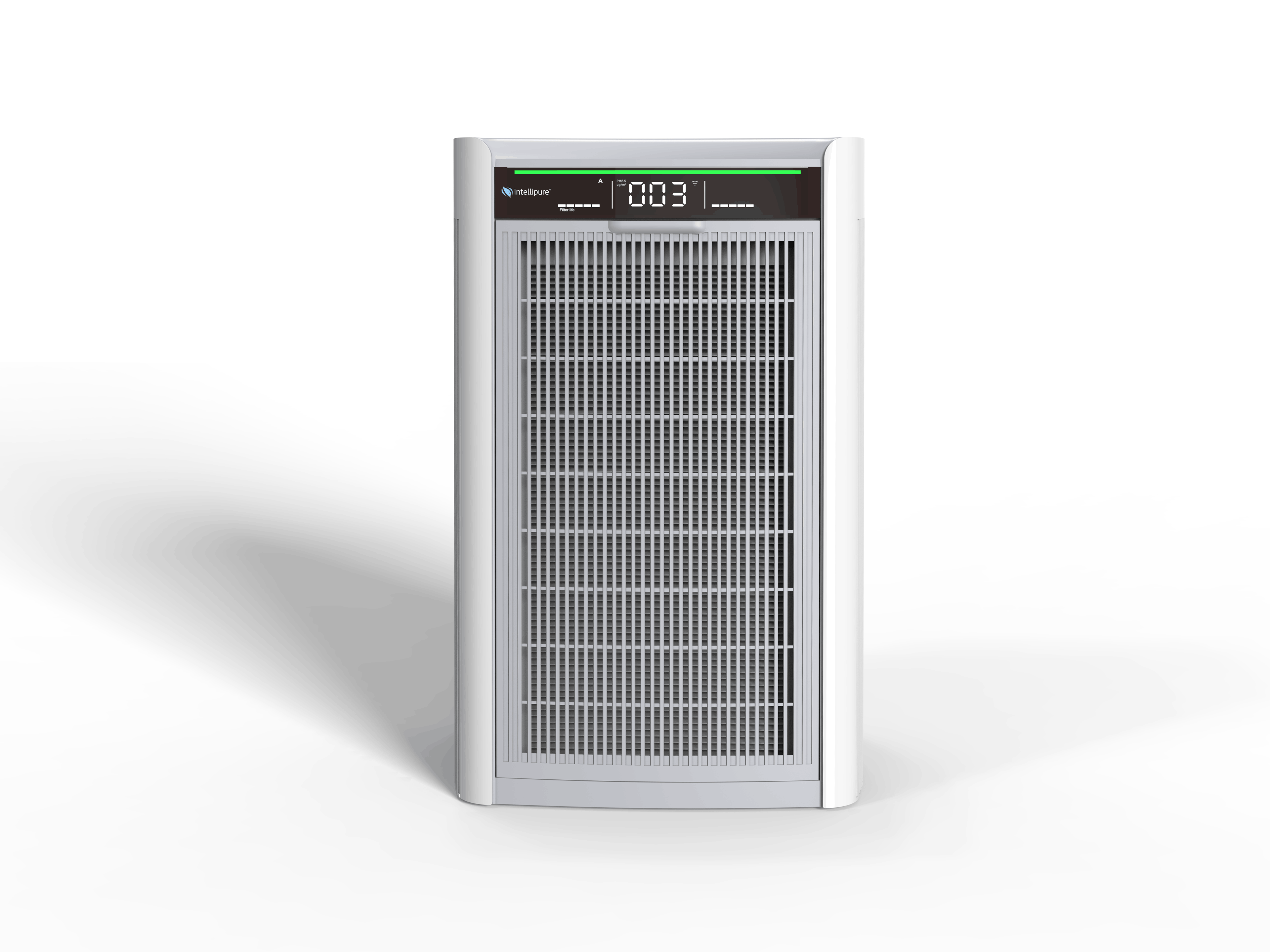
- Improve airflow in the home (use air purifiers, exhaust fans, and maintain HVAC circulation)
- Pay attention to smells, damp walls, and condensation
Where Clean-Air Support Fits In
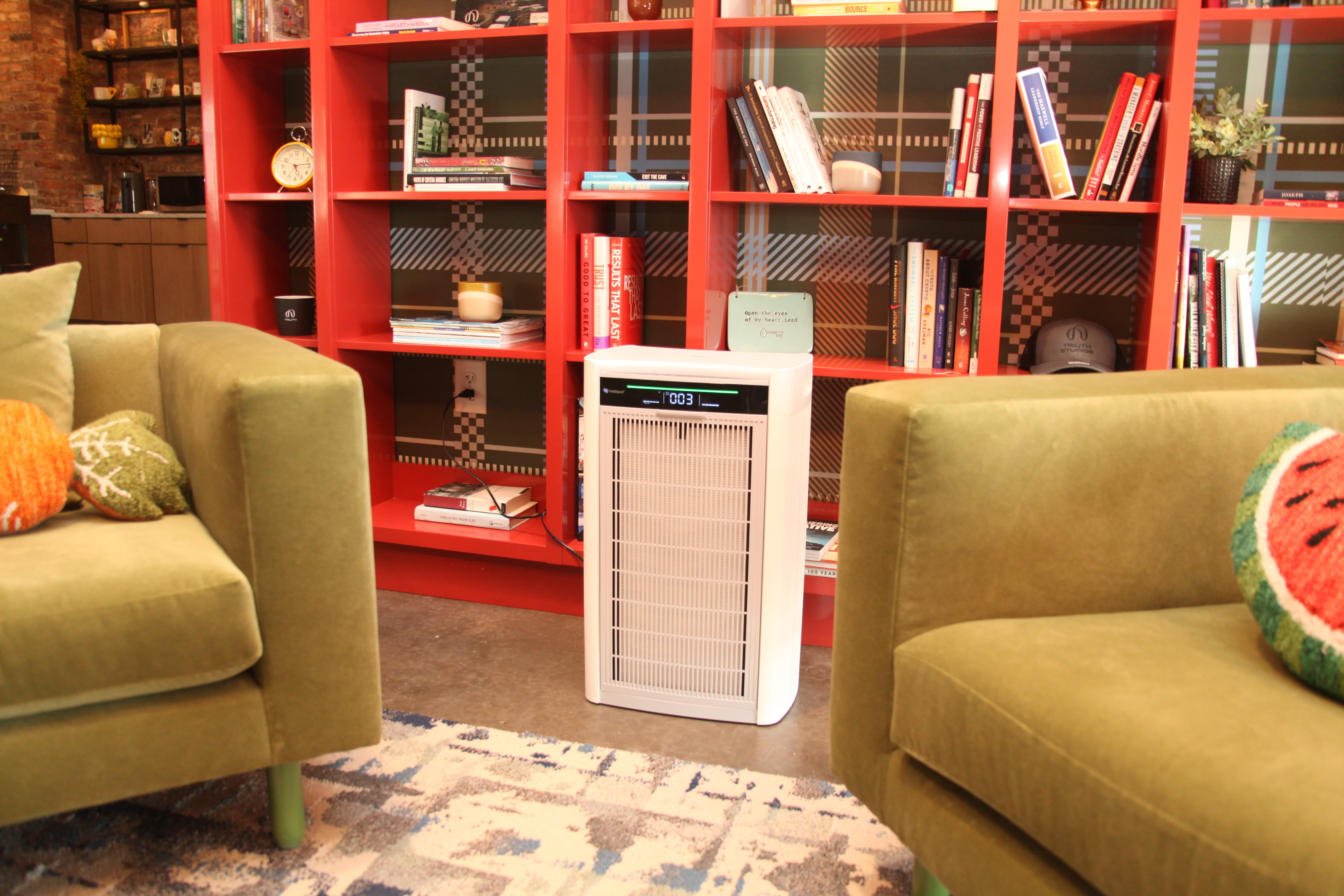
Moisture control should always come first. An air purifier is a strong ally, but should never be positioned as a substitute for fixing leaks, drying wet materials, or controlling humidity. Help your purifier help you.
That said, once the moisture source has been addressed, air purification can help support healthier indoor air by reducing airborne particles, including mold spores that may remain in circulation. Think of it as part of a broader indoor air quality strategy, not the entire solution (because when it comes to mold, the real fix starts with the moisture).
Final Thoughts
April showers may bring flowers outside, but indoors, they can also bring hidden moisture issues that lead to mold and mildew. Stay ahead of moisture, keep humidity in the ideal range, and address leaks quickly. Your home should smell like a fresh spring day, not icky mildew. The good news is that musty smells, basement dampness, and rising humidity are all early signals you can act on.
References
- U.S. Environmental Protection Agency. Mold [Internet]. US EPA; 2013. Available from: https://www.epa.gov/mold.
- U.S. Environmental Protection Agency. Mold Course Chapter 2: [Internet]. US EPA; 2014. Available from: https://www.epa.gov/mold/mold-course-chapter-2.
- U.S. Environmental Protection Agency. A Brief Guide to Mold, Moisture and Your Home [Internet]. US EPA; 2014. Available from: https://www.epa.gov/mold/brief-guide-mold-moisture-and-your-home.
- U.S. Environmental Protection Agency. Mold Course Chapter 2: [Internet]. US EPA; 2014. Available from: https://www.epa.gov/mold/mold-course-chapter-2.
- Cox-Ganser JM. Indoor dampness and mould health effects - ongoing questions on microbial exposures and allergic versus nonallergic mechanisms. Clinical and experimental allergy : journal of the British Society for Allergy and Clinical Immunology. 2015;45(10):1478-82. doi:10.1111/cea.12601.





“The Pollening”: Yellow Air, Here, There, and Everywhere
HealthWay Unveils Fresh Perspective in Air Purification