

Summary
September means peak ragweed season across nearly every U.S. state, with leaf mold and wildfire smoke adding to the airborne mix. Here's your region-by-region pollen breakdown and practical tips for breathing easier this fall.
In This Article
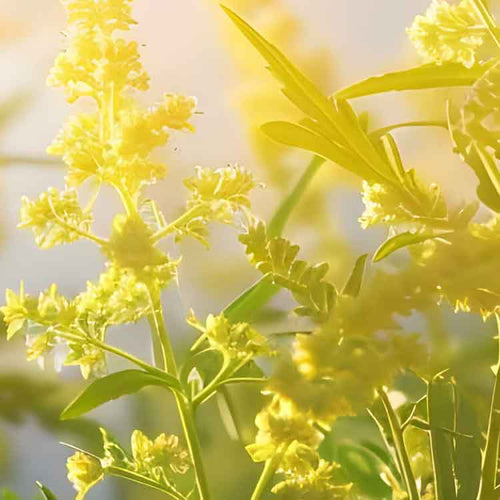
Ragweed Season Is in Full Swing
If you've been reaching for tissues and allergy medicine lately, you're not alone. September is peak ragweed season, and unless you're lucky enough to live in Alaska (the only U.S. state where ragweed doesn't grow), there's a good chance this persistent weed is affecting your air [1]. What makes ragweed so relentless? A single plant can produce up to one billion pollen grains in a season, and those grains can travel more than 100 miles on the wind [2].
Ragweed typically blooms from late summer through early fall, ending a couple of weeks after the first frost [2]. So if frost hasn't hit your area yet, hang in there.
The silver lining: tree and grass pollen are winding down for the year, with just a few stragglers finishing their seasons. The not-so-silver lining: active wildfires may still be sending smoke across state lines, affecting air quality in communities far from the source fires [3]. There may also be an uptick in airborne fine particulate matter (PM2.5) as schools, businesses, and other industries resume normal operations after summer.
September Pollen by Region
Here's a snapshot of the typical pollens found across the United States this September [4, 5]:
Northeast
- Tree pollen: Cedar, Juniper
- Grass pollen: Bermuda
- Weeds: Cocklebur, Dogfennel, Ragweed, Sagebrush
Southeast
- Tree pollen: Cedar, Elm, Juniper
- Grass pollen: Bermuda
- Weeds: Cocklebur, Dogfennel, Ragweed, Sagebrush
Midwest
- Tree pollen: Typically none in measurable quantity
- Grass pollen: Bermuda, Johnsongrass
- Weeds: Cocklebur, Marsh Elder, Nettle, Plantain, Ragweed, Russian Thistle, Sagebrush
South Central
- Tree pollen: Elm
- Grass pollen: Bermuda
- Weeds: Cocklebur, Marsh Elder, Nettle, Plantain, Ragweed, Russian Thistle
Southwest
- Tree pollen: Cedar, Elm, Juniper
- Grass pollen: Typically none in measurable quantity
- Weeds: Cocklebur, Ragweed, Sagebrush
Northwest
- Tree pollen: Typically none in measurable quantity
- Grass pollen: Typically none in measurable quantity
- Weeds: Cocklebur, Ragweed, Sagebrush
Opening the Windows? Check Your Air First
With fall just around the corner, it's tempting to throw open the windows and enjoy the cooler air. We're all for it, but keep an eye on your local outdoor air quality before you do. You don't want to invite pollen, wildfire smoke, or other uninvited airborne guests inside.
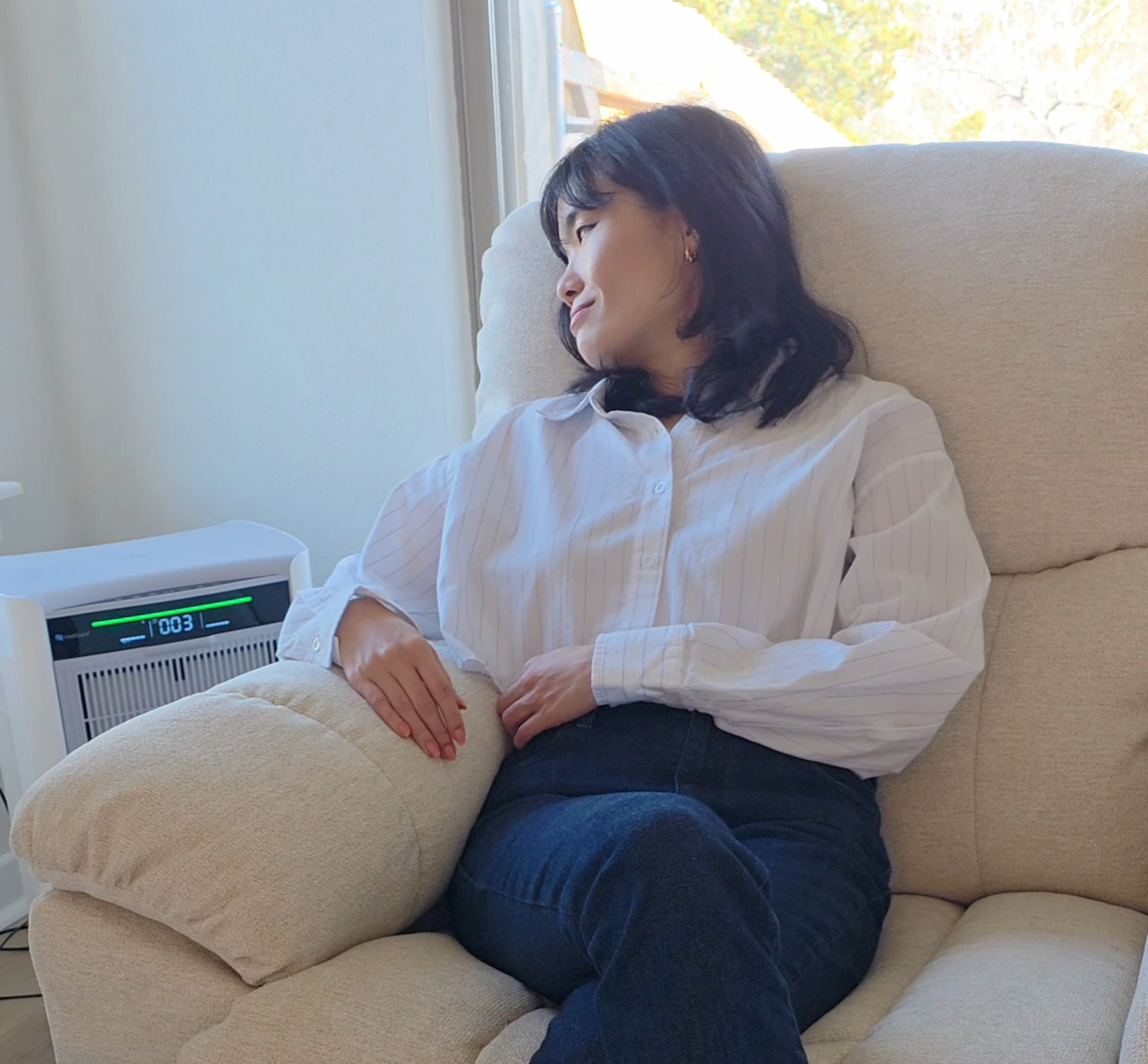
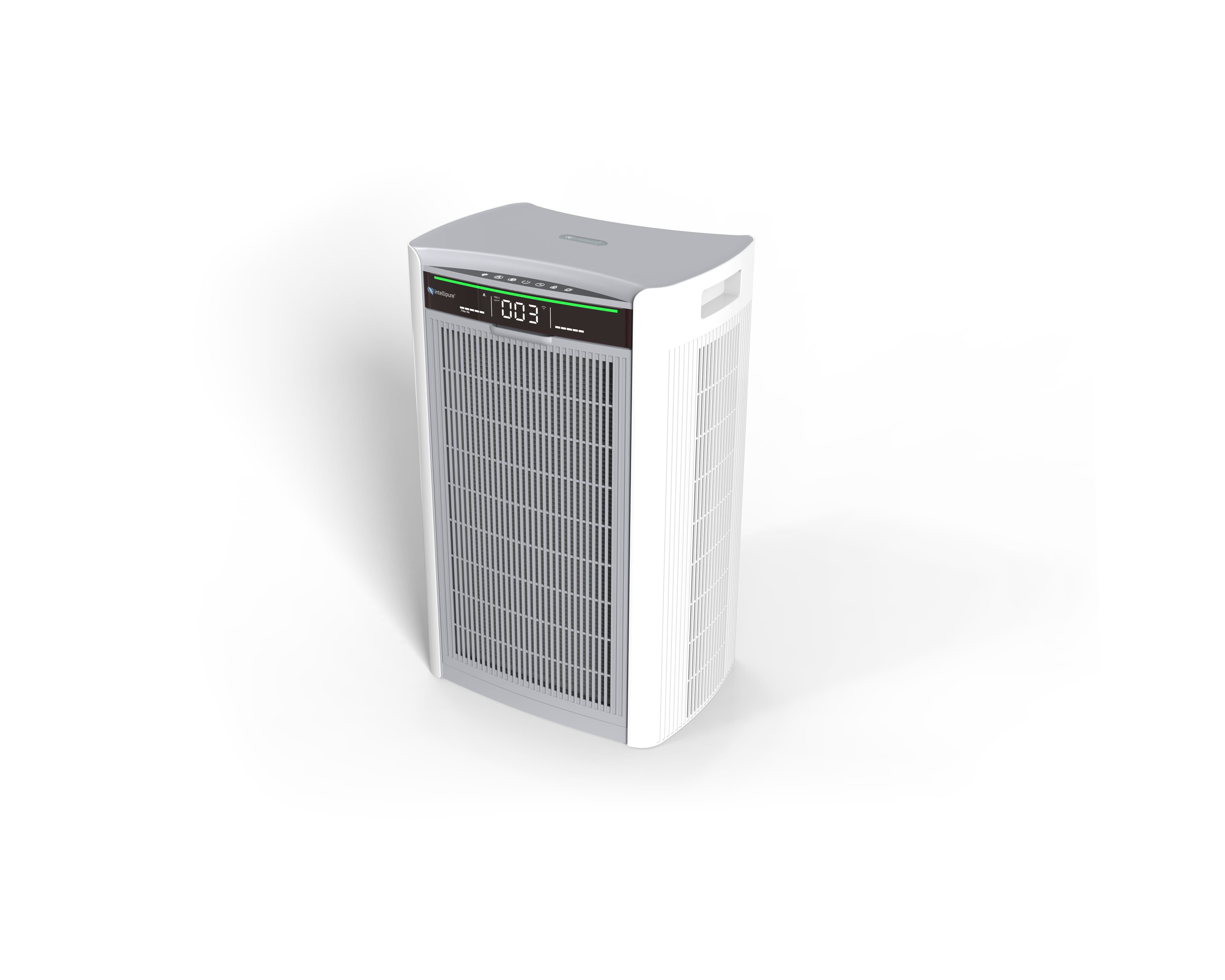
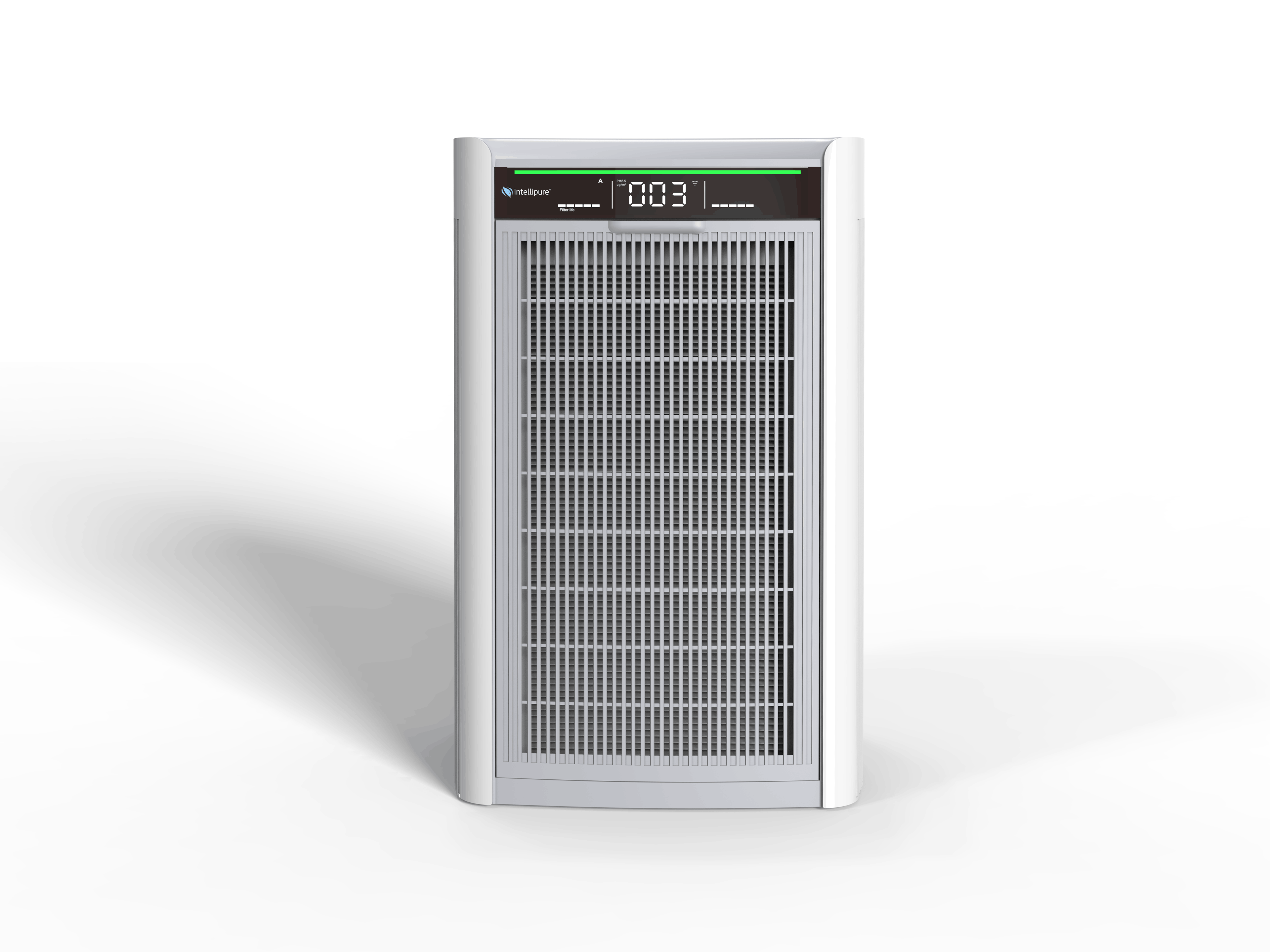
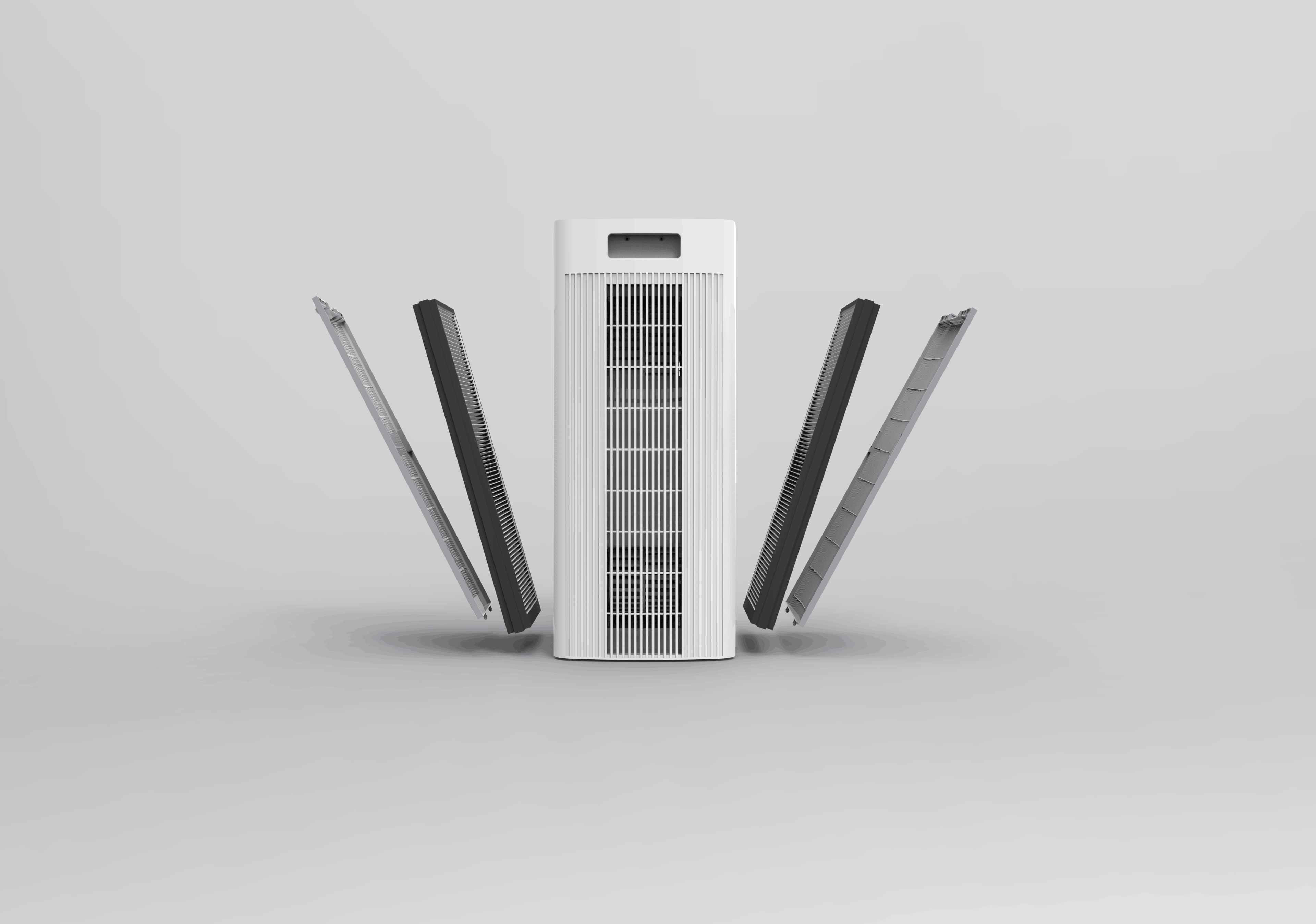
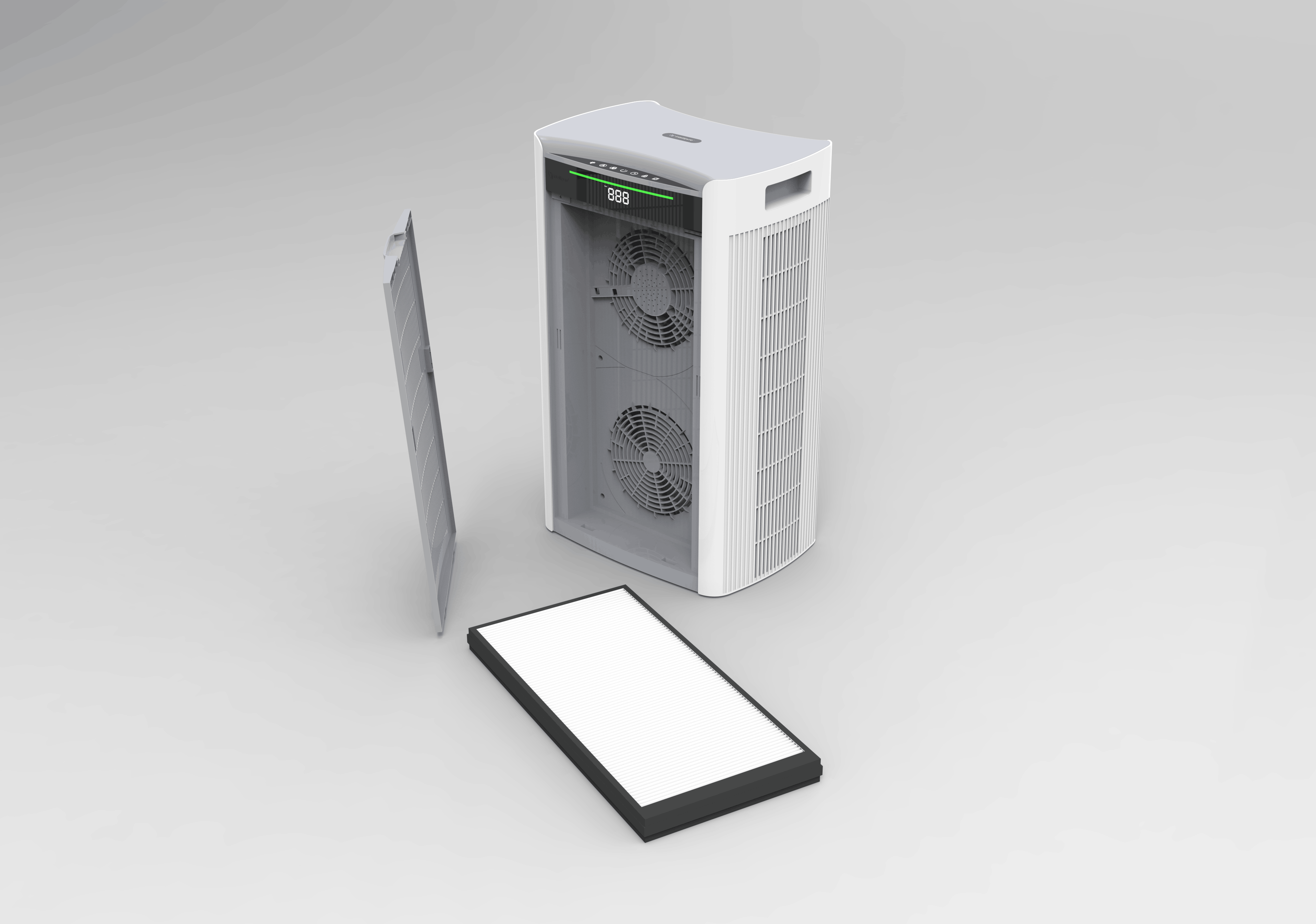
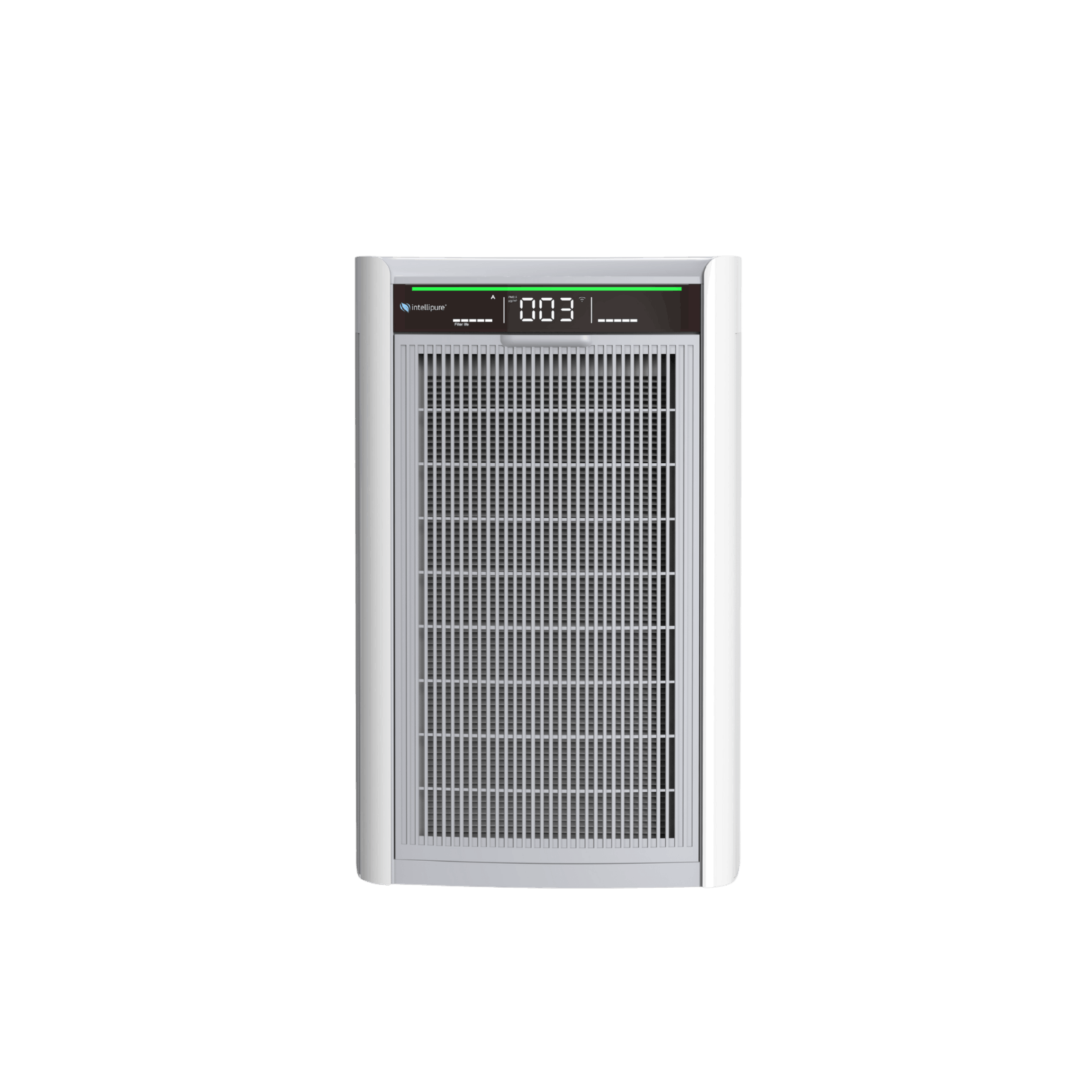
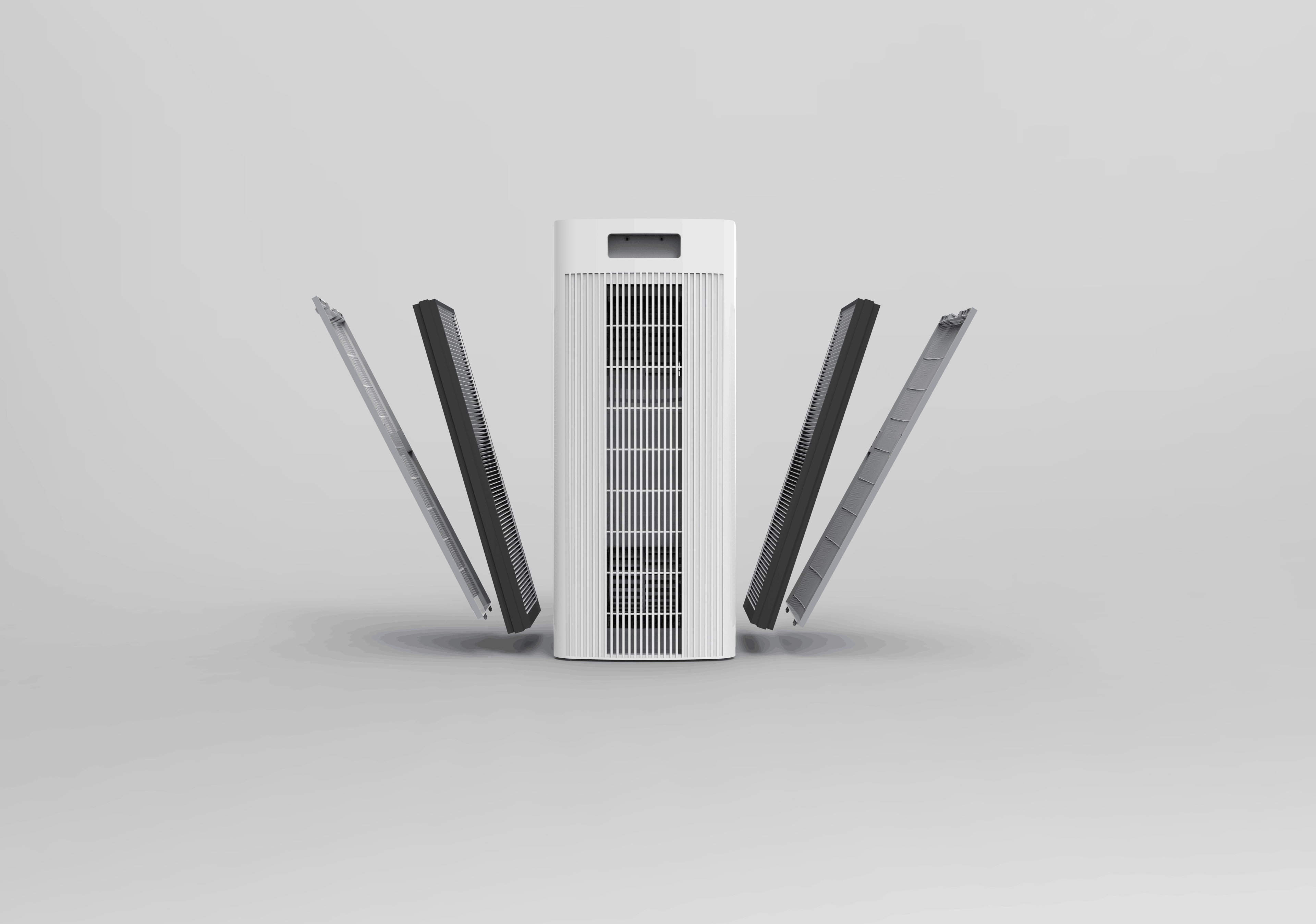
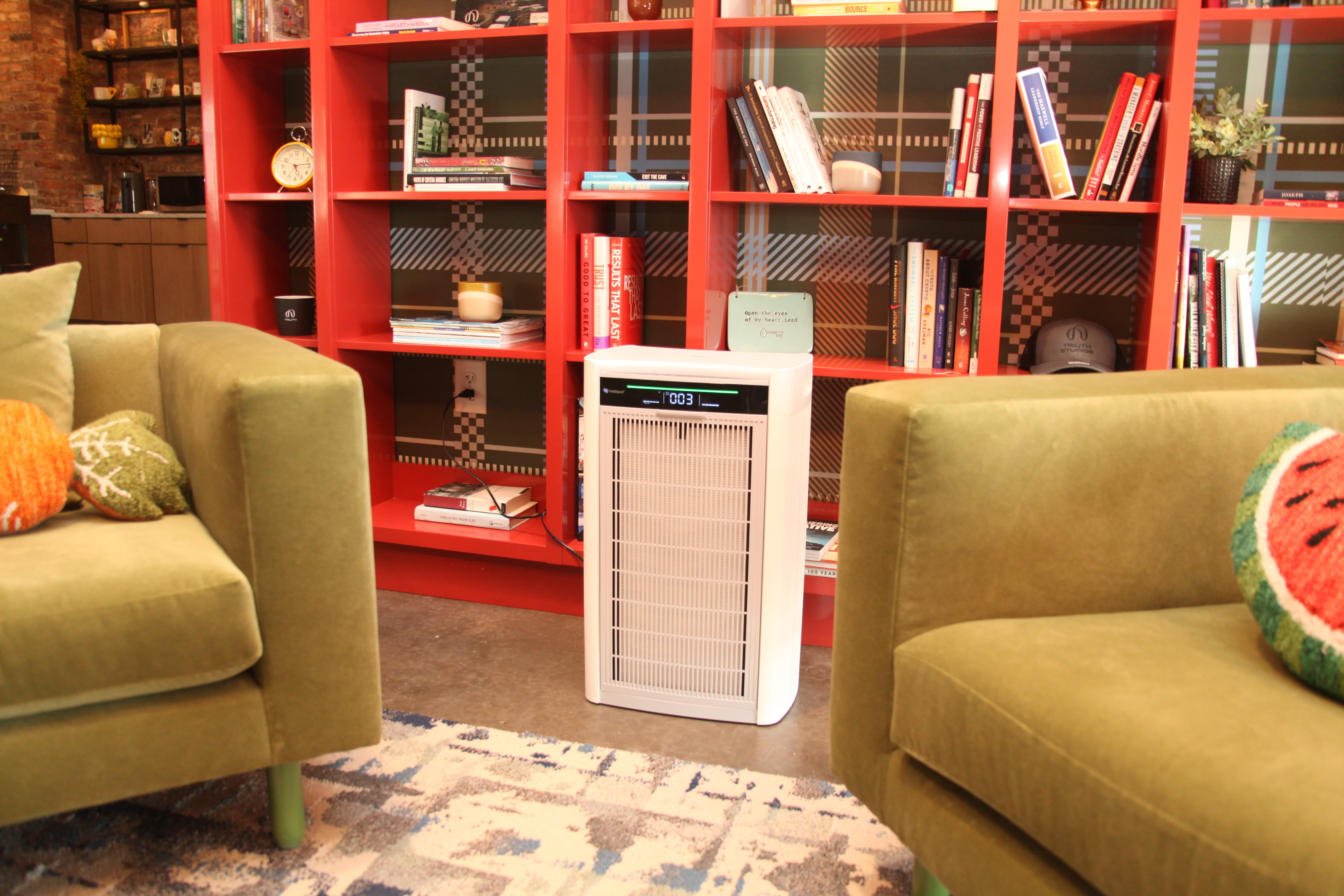
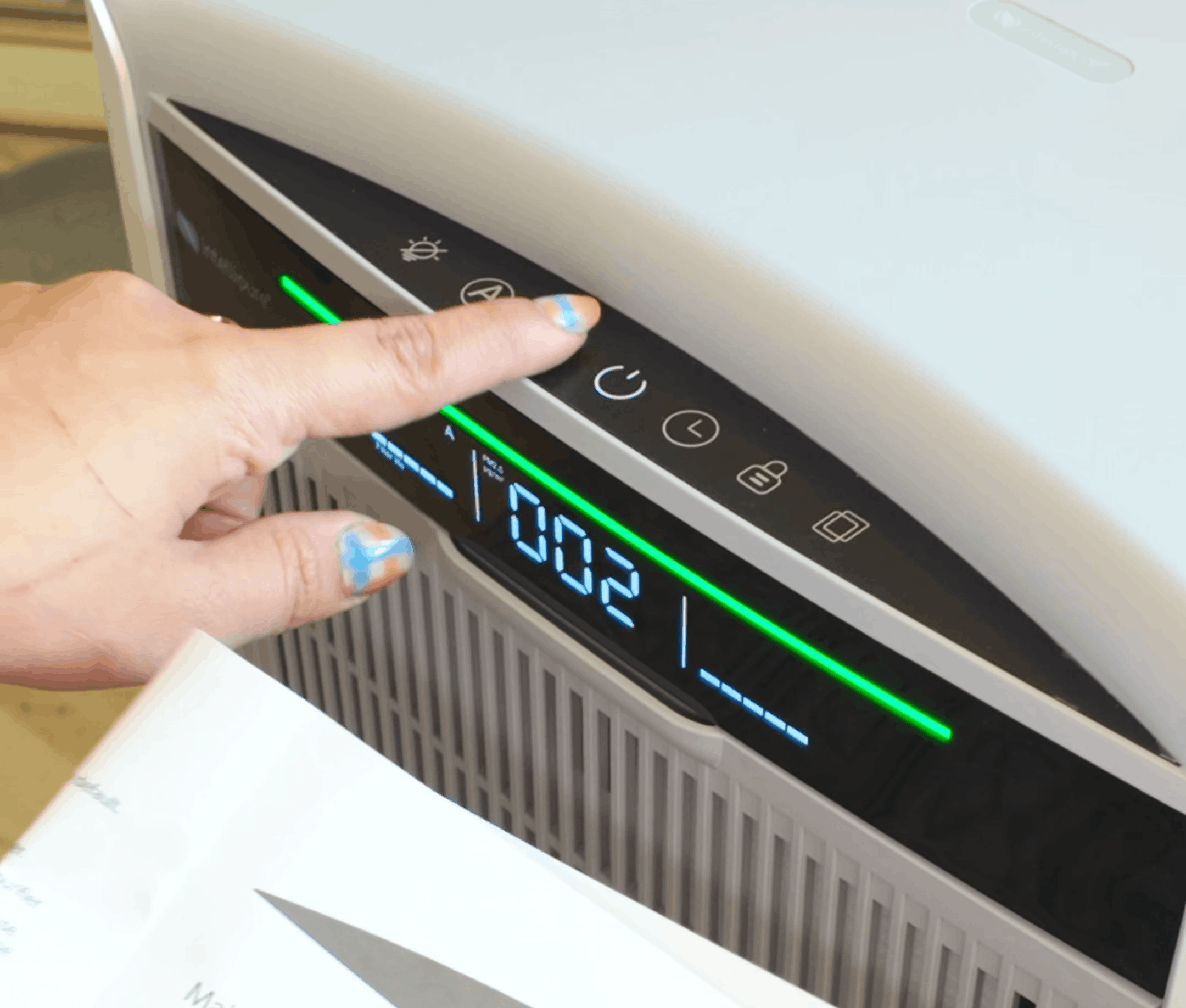
If the air outside isn't exactly fresh, a high-quality air purifier can help.
Leaf Mold: Fall's Sneaky Allergen
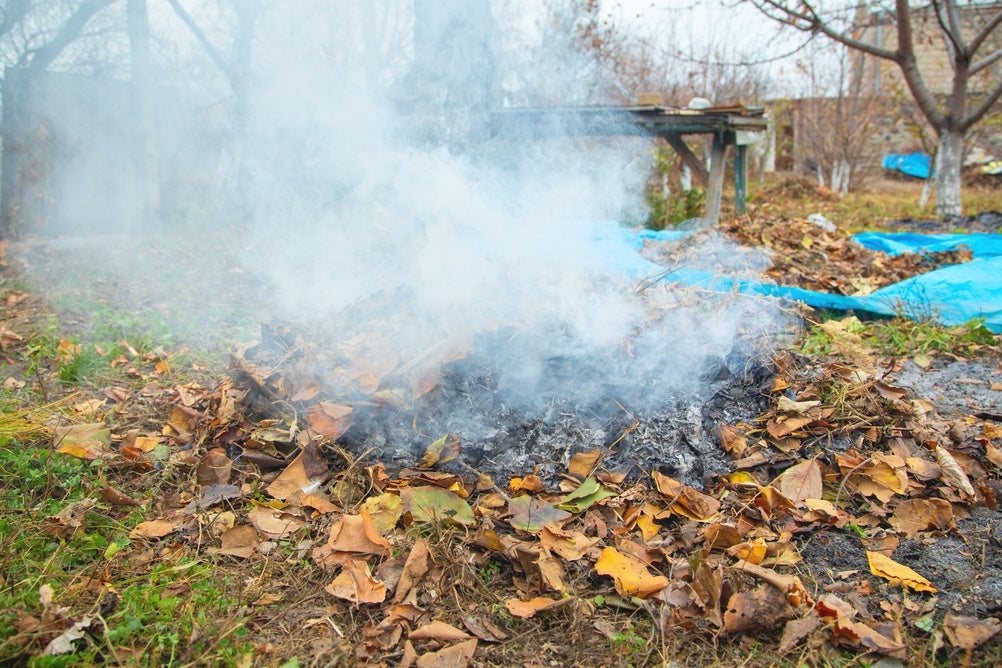
Soon the ground will be covered in fall leaves. They may be beautiful on the trees, but once they're down and hit by a few rain showers, mold starts to grow. Mold thrives in warm, damp environments, and a pile of wet leaves is the perfect breeding ground [6].
For the many people sensitive to mold, this time of year can bring a familiar set of symptoms: sneezing, runny nose, itchy or watery eyes, coughing, and wheezing [6]. Mold exposure can also trigger asthma attacks in people who are sensitive [7, 8].
The good news? There are practical ways to protect yourself:
- Wear a mask, gloves, and long sleeves when raking or working around fallen leaves to reduce exposure [9]
- Don't let leaves pile up. Rake, bag, and dispose of them before they have a chance to decompose and become mold factories
- Watch your local air quality reports for mentions of high mold spore counts
- Talk to your doctor about antihistamines to help manage symptoms during peak mold season [6]
International Day of Clean Air for Blue Skies
September 7 marks the International Day of Clean Air for Blue Skies, designated by the United Nations General Assembly in 2019 to emphasize the need for cleaner air worldwide [10].
The day highlights a sobering reality: according to the World Health Organization, air pollution is the leading environmental health risk globally [11]. The combined effects of outdoor and household air pollution are associated with an estimated 6.7 million premature deaths each year [12]. A major driver? The burning of fossil fuels, which releases harmful pollutants like fine particulate matter into the atmosphere [13].
These effects aren't distributed equally. Women, children, and older adults in lower-income communities bear a disproportionate share of the health burden [14, 15]. And the economic toll is staggering: a World Bank report estimated the global health cost of PM2.5 air pollution at $8.1 trillion, equivalent to 6.1% of global GDP [16].
While an air purifier can help you manage your indoor air quality, September 7 is a great reminder to think about what you can do to improve outdoor air quality in your own community, too. Small steps add up.
References
- Asthma and Allergy Foundation of America. Ragweed pollen allergy [Internet]. Landover (MD): AAFA; 2025 [cited 2026 Feb 10]..
- American College of Allergy, Asthma & Immunology. Late summer is the time to start preparing for fall ragweed season [Internet]. Arlington Heights (IL): ACAAI; 2023 [cited 2026 Feb 10]..
- National Environmental Satellite, Data, and Information Service. NOAA satellites tracked historic levels of harmful smoke, impacting millions in the Eastern U.S. [Internet]. Washington (DC): NOAA; 2023 [cited 2026 Feb 10]..
- American College of Allergy, Asthma & Immunology. Ragweed allergy: causes, symptoms & treatment [Internet]. Arlington Heights (IL): ACAAI; 2024 [cited 2026 Feb 10]..
- Lo F, Bitz CM, Battisti DS, Hess JJ. Pollen calendars and maps of allergenic pollen in North America. Aerobiologia. 2019;35(4):613-633. doi:10.1007/s10453-019-09601-2..
- American College of Allergy, Asthma & Immunology. Mold allergy: causes, symptoms & treatment [Internet]. Arlington Heights (IL): ACAAI; [cited 2026 Feb 10]..
- U.S. Environmental Protection Agency. How does mold affect people with asthma? [Internet]. Washington (DC): EPA; [cited 2026 Feb 10]..
- Centers for Disease Control and Prevention. Mold [Internet]. Atlanta (GA): CDC; [cited 2026 Feb 10]..
- Mayo Clinic. Mold allergy - diagnosis and treatment [Internet]. Rochester (MN): Mayo Foundation for Medical Education and Research; [cited 2026 Feb 10]..
- United Nations General Assembly. International Day of Clean Air for blue skies: Resolution 74/212 [Internet]. New York: UN; 2019 Dec 19 [cited 2026 Feb 10]..
- World Health Organization. Health impacts [Internet]. Geneva: WHO; [cited 2026 Feb 10]..
- World Health Organization. Ambient (outdoor) air pollution [Internet]. Geneva: WHO; [cited 2026 Feb 10]..
- World Health Organization. Types of pollutants [Internet]. Geneva: WHO; [cited 2026 Feb 10]..
- World Health Organization. Equity impacts of air pollution [Internet]. Geneva: WHO; [cited 2026 Feb 10]..
- World Health Organization. Household air pollution and health [Internet]. Geneva: WHO; [cited 2026 Feb 10]..
- World Bank. The global health cost of PM2.5 air pollution: a case for action beyond 2021. Washington (DC): World Bank; 2022. doi:10.1596/978-1-4648-1816-5..

Why You Need An Air Purifer For Baby Nursery Room Health
Get Ready For The 2026 Cold And Flu Season