

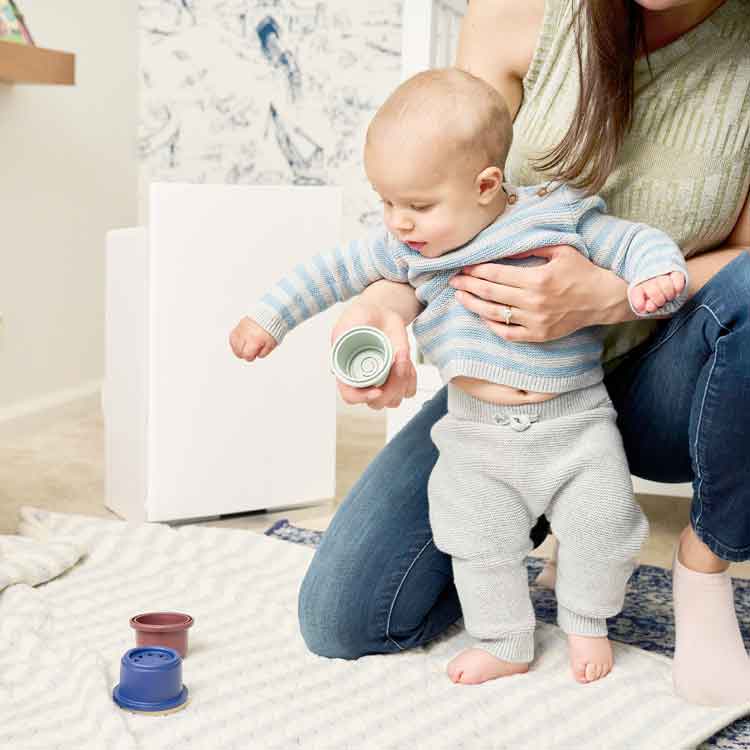
As a new parent, your world revolves around your baby's health and well-being. You meticulously clean and sanitize every surface, but have you considered the air your baby breathes? Indoor air can be surprisingly polluted, carrying dust, allergens, pet dander, mold spores and even harmful chemicals. That is why an air purifier is an essential addition to your baby's nursery. Here are a few things to consider when thinking about what you want in your baby nursery…and what you definitely don't want in the air!
Protecting Tiny Lungs
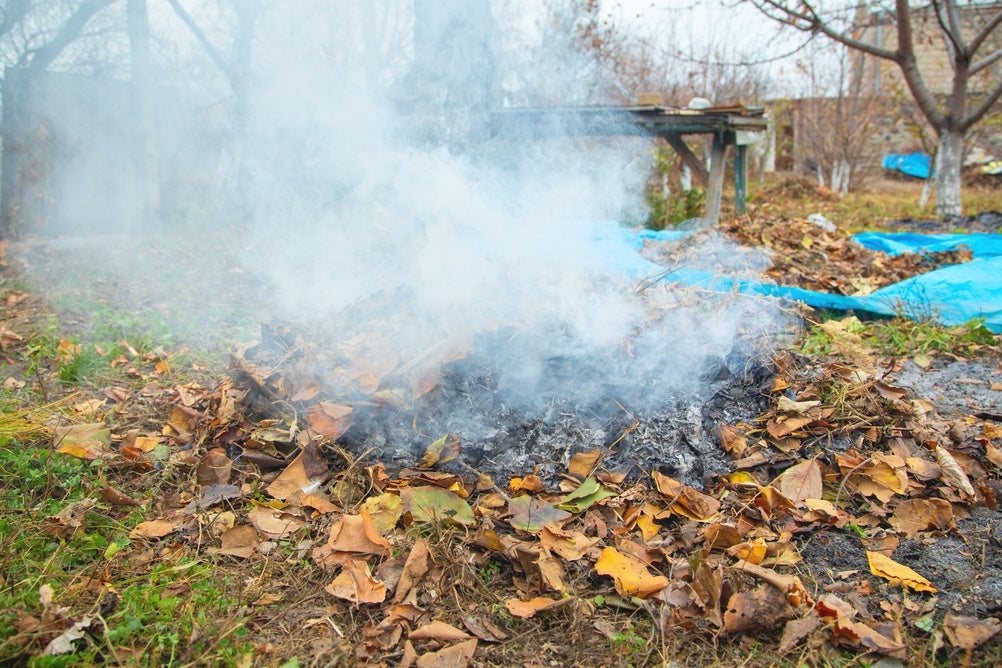
Babies have delicate respiratory systems that are still developing. An air purifier helps remove airborne particles that can irritate their lungs and lead to respiratory issues. We are only now starting to learn how things like ultra tiny airborne microplastics enter the lungs where they can become trapped, even possibly passing into the bloodstream. In areas prone to wildfires an air purifier is a must as home HVAC filters are not typically meant to filter particulates as small as smoke particles.
Reducing Illness-Causing Pathogens
Airborne germs and viruses can easily spread in a confined space like a nursery. Visiting relatives, older siblings coming home from school, even parents can be unknown carriers of airborne diseases. An air purifier with high filtration efficiency can capture these pathogens, reducing the risk of your baby getting sick.
Better Sleep for Everyone
Cleaner air can lead to better sleep for both you and your baby. By removing allergens and irritants, an air purifier creates a more comfortable and restful environment. Since a baby can't tell you that their throat itches or why they are coughing, doing the best to remove any potential airborne irritants helps create a good sleep foundation.
Quiet Operation
Choose an air purifier designed for nurseries with quiet operation. This helps make sure that the air purifier won't disturb your baby's sleep. Engineers spend hours designing systems that move air effectively with a minimal amount of fan blade noise. Make sure to choose an air purifier that lists the operating decibel (dB) noise range so you can pick a quiet unit. Experts recommend keeping it under 60 dB so as to not damage young ears over time.
Investing in an air purifier for your baby's nursery is a proactive step towards safeguarding their health. It's a simple yet effective way to create a cleaner and healthier environment where your baby can thrive. Beyond the immediate benefits listed above, clean air is a firm foundation for a lifetime of good health.



True Story: Mold Destruction on a Family
Allergen Report: September 2024