

Get Ready For The 2026 Cold And Flu Season

There's no escaping the changing of the seasons. Summer will give way to fall whether you're ready or not. Unfortunately, there's another season lurking just around the corner: cold and flu.


Truthfully, cold and flu viruses are around us the entire year. But when temperatures cool, humidity drops and people stay inside more, the chance of getting sick goes up. It doesn't have to be that way, though! Here are a few tips for how you and your home can get ready for the 2026 cold and flu season.


Get Your Home Ready

The best time to prepare for being sick is when you're not sick! Shopping while miserable, coughing and achy just makes things worse. So now is the time to hit the drugstore and grocery store for a few supplies that will ease cold and flu symptoms.


Over-The-Counter Medicines

When the first wave of cold/flu hits, there will be a rush at the stores for treatments. Go ahead and pick up your preferred cough, fever, decongestant or combination medicine now. Don't forget to get children's versions as well if you have kids. It might also be a good idea to buy a little more than you think you'll need, especially if you have a few people in your household. Once one person gets sick, having medicine on hand for the next person will pay off. Stock up on cough drops as well; maybe even try a few new flavors. And don't short-change the old-fashioned menthol rub remedy.


Supplies

Why does it seem like the thermometer disappears as soon as you set it down? Considering that most people haven't laid hands on their thermometer since last year, there's a good chance it's lost somewhere at the bottom of a drawer or fell behind a dresser. Digital thermometers are cheap (less than $10 typically), so have two on hand. Having two is also a good idea if the battery on one runs out (and keeps you from eyeing the kitchen meat thermometer as a poor substitute). Contactless thermometers are more expensive, but they're great for kids. Parents have a third option for taking infant temperatures; just make sure to dedicate or mark that thermometer as banned from other uses.


Depending on where you live, the dry winter air can make breathing feel impossible. There are several humidifier options on the market now that can add humidity to a space in different ways. Each has its benefits and drawbacks, and all require occasional cleaning. Just don't get carried away, as too much humidity can cause issues like mold or water stains on the walls. In a pinch, a good steamy shower works just as well as a humidifier to get you breathing again.


Pantry

Don't overlook stocking your pantry as part of cold and flu preparation. Hot drinks such as tea and coffee soothe a sore throat while helping clear up clogged sinuses. The same can be said for soups and even broth. Instant broth comes in a variety of flavors, plus it gives you a little bit of nutrients while you sip. Even if you prefer to home-cook all your meals, having a few things prepped and frozen will pay dividends later when you're sick.


Get Yourself Ready

The best way to fight off cold and flu season is to not get sick in the first place. Get into the habit of washing your hands often and be aware of the surfaces you touch when out in public. Hand sanitizer is easy to carry in a small bottle, or some public spaces have dispensers; take a few seconds to clean your hands. This is especially true for kids, who love to touch everything. Depending on your personal preference, wearing a face mask is also a good idea, especially in crowded areas. Experts recommend getting a flu shot, but consult with your personal physician to find out what's best for you. Unfortunately, there's no cold virus shot (yet).


Get plenty of rest and eat healthy to help ward off getting sick in the first place. Fall and winter are busy times, with holidays, back to school, sports and other activities all vying for your attention. Don't forget to schedule a good night's sleep as well, or even the occasional cat nap. When you get up, don't skip breakfast, even if it's just a quick bowl of oatmeal (ideally with fruit). Your body needs fuel to fight off sickness, so make sure the nutritional fire is stoked. Finally, as dry air takes over, make sure to drink plenty of water to stay hydrated.


While it isn't a foregone conclusion that you will get sick this fall or winter, being prepared if it happens makes a world of difference in your recovery time. If you do get sick you'll be glad you spent a little time and effort into preparation. Now all there is to do is rest and maybe binge a season or two of your favorite show.

 

Explore the Breathe Easy Blog

View all

How to Improve Ventilation in a Room

How to Improve Ventilation in a Room

The exchange of indoor and outdoor air in residential and commercial buildings is known as ventilation. Without good ventilation, harmful pollutants and moisture can get trapped inside your insulated, airtight house [1][1].

Whether you're here because you're experiencing an air quality, air comfort, or mold growth problem in one or more of your rooms, or because you simply want to learn more about the topic, you've come to the right place to get an overview of all things ventilation. (Well, almost all things. There's always more to discover when it comes to the air we breathe.)

Read more

How Do Airborne Viruses Spread? A Guide to Sharing Air, Not Germs

How Do Airborne Viruses Spread? A Guide to Sharing Air, Not Germs

There's nothing quite like an unexpected houseguest, especially one you can't see. And during cold and flu season (which feels like it gets longer every year) airborne viruses have a habit of showing up uninvited.

In the modern, post-pandemic world, most of us know the basics: Cover your coughs, wash your hands, and steer clear of anyone who's sick. But what about the germs we can't see, like the ones floating around in the air we breathe?

Read more

Wait, So What Is MERV?

Wait, So What Is MERV?

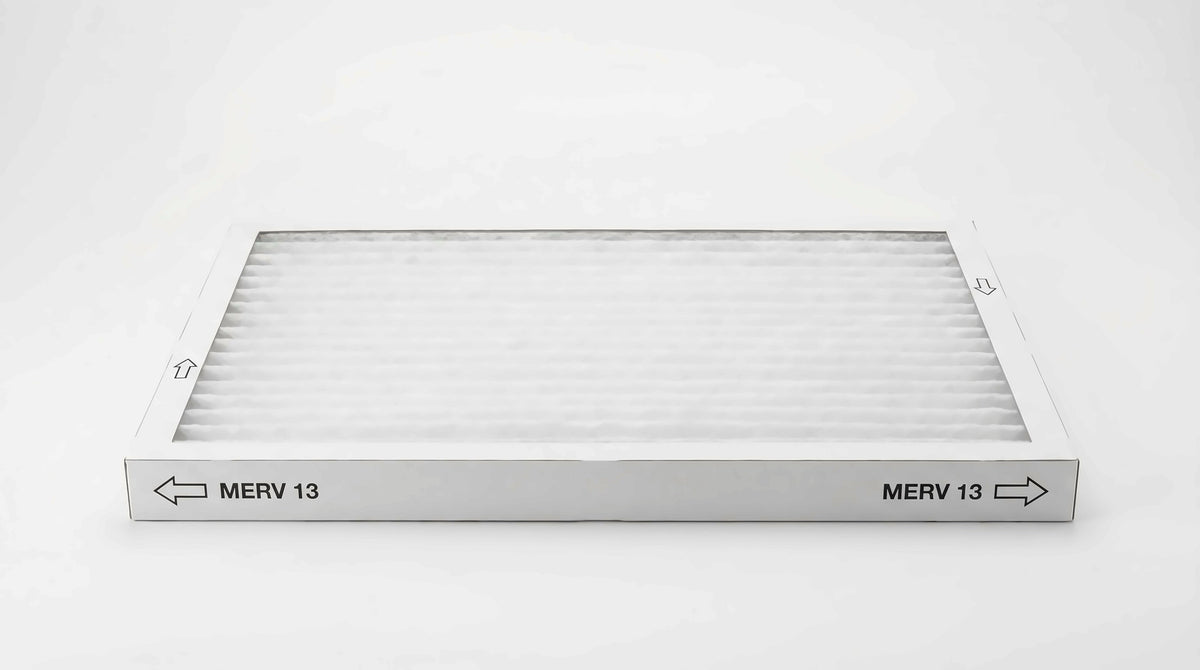
On average, people spend about 90% of their time indoors, mostly in their houses [1][1]. We reference this stat quite a bit in our articles because it highlights that most of your exposure to airborne pollutants is likely happening inside your own home.

Particles, gases, volatile organic compounds (VOCs), mold, pollen, and other common indoor air pollutants can be harmful to your health. Some let themselves into your home from outside, through open windows and doors and tiny cracks and crevices. Others come from indoor activities and sources, including building materials, home furnishings, cleaning and consumer products, smoking, and cooking.

Read more

When Outdoor Air Pollution Becomes an Indoor Problem

When Outdoor Air Pollution Becomes an Indoor Problem

When the weather cools down, closing the windows to secure some cozy warmth just feels like common sense. You keep the cold air out, turn up the heat, and settle in for the season. Maybe throw on some comfy socks, too. 

But closing up your home changes more than the temperature. It also changes how air moves through your space. (Or doesn't.) With less ventilation, pollutants generated indoors can stick around longer, while outdoor pollution that has already made its way inside doesn't simply disappear.

Read more

Can You Use FSA or HSA Funds for an Air Purifier?

Can You Use FSA or HSA Funds for an Air Purifier?

Cleaner air at home may be even more affordable than you think. If you have a Flexible Spending Account (FSA) or Health Savings Account (HSA), you may be able to use those funds to help cover the cost of an air purifier and, in some cases, its replacement filters. It's one of the lesser-known ways these healthcare accounts can work for you. A health hack, if you will.

Read more

Breathe Better, Learn Better

Breathe Better, Learn Better

Most schools in our country are old enough to have a mid-life crisis. According to the U.S. Department of Education, the average school building is 42 years old, which is significant because after about 40 years, buildings start to deteriorate quickly unless they're maintained well [1][1]. And, spoiler alert, many aren't. Up to one-fourth of the nation's schools have at least one building in need of extensive repair or replacement. 

Read more

What a Super El Niño Could Mean for the Air You Breathe

What a Super El Niño Could Mean for the Air You Breathe

When El Niño makes headlines, the conversation usually centers on rain, drought, storms, and temperature swings. This year, there's good reason for the extra attention: El Niño is strengthening, and the National Oceanic and Atmospheric Administration (NOAA) now says there's a greater than 90% chance it will become a very strong event during fall and winter 2026–2027 [1][1].  But weather and air quality don't exactly live separate lives.

Read more

Fall Leaf Burning and Air Quality

Fall Leaf Burning and Air Quality

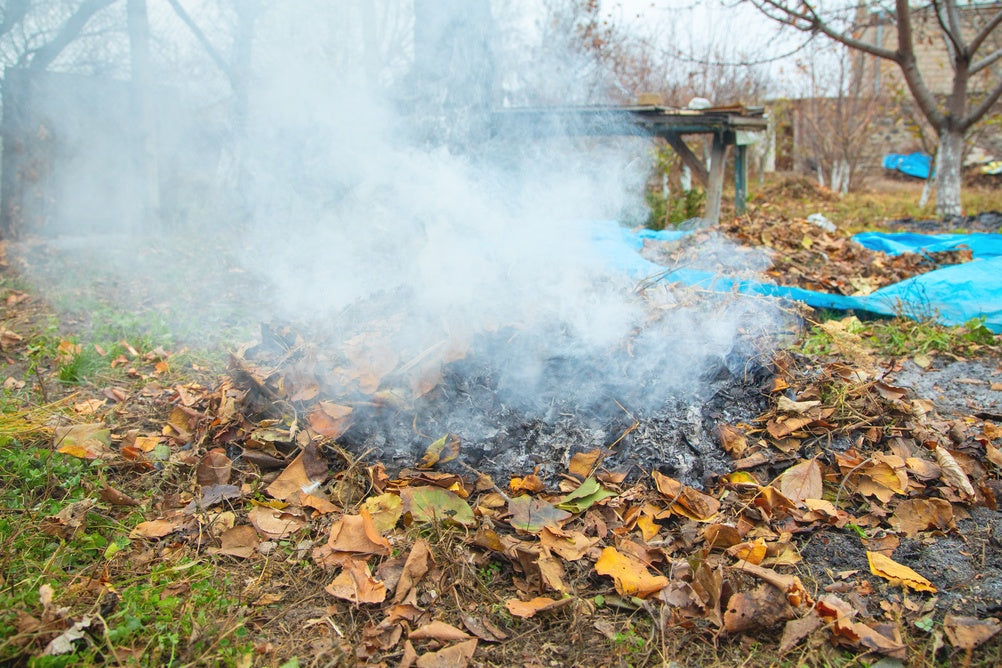
Backyard burning is pretty much exactly what it sounds like. On their own properties, people burn vegetative waste or household trash that would typically be recycled or sent to a landfill. Burning can happen in a barrel, homemade burn box, wood stove, outdoor boiler, or an open pit [1][1].

Some people think of backyard burning as a nostalgic autumn tradition and convenient, affordable way to get rid of leaves and waste. Others don't think about it at all … until the smoke from their neighbor's burn pile shows up in the air around and inside their home. 

Read more

Smoking Is Making a Comeback. What Does That Mean for Your Air?

Smoking Is Making a Comeback. What Does That Mean for Your Air?

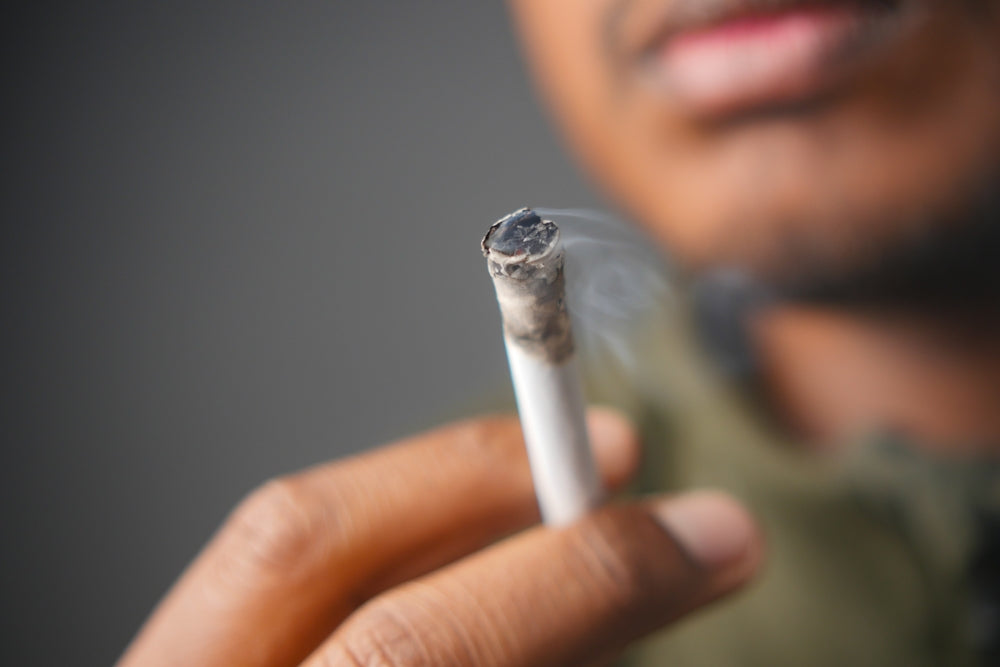
Cigarettes are having a cultural moment again. For a while, they seemed destined to become a relic of another era. Then came vaping, sleek electronic devices, flavored nicotine, a way to smoke almost anywhere, and a whole new aesthetic. 

Now, the pendulum appears to be swinging again.

Recent cultural coverage has pointed renewed interest in something trendsetters are calling analog smoking, especially among younger consumers. Cigarettes are showing up in fashion, celebrity imagery, nightlife culture, and social media feeds, alongside terms like cigfluencers, Gen Z smoking, and even vape fatigue.

Read more