

Summary
Natural gas appliances—from stoves and fireplaces to space heaters—can quietly impact indoor air quality in winter by releasing pollutants like nitrogen oxides, carbon monoxide, and VOCs, especially in tightly sealed homes. This article explains where the biggest IAQ risks come from, why winter use amplifies them, and how proper ventilation, filtration, and monitoring can reduce exposure. With a few smart safety habits, you can stay warm, cozy, and breathe easier all season long.
In This Article
Natural Gas & Indoor Air Quality: Winter Health & Safety Tips
As temperatures drop outside, we, naturally, want our homes to be extra warm and cozy inside. Many of us—around 47% of U.S. households—turn to natural gas to bring the heat. [NEW SOURCE: https://www.eia.gov/todayinenergy/detail.php?id=66324] Some inherited their gas appliances when they bought their homes. Others sought them out, fueled by the desire to cook over an open flame, snuggle up to a roaring fire sans woodsmoke, or simply save on electric bills.
Whatever your reason for going with gas, it's important to understand how using it throughout your home can affect your indoor air quality (IAQ). Especially in winter, when environmental and lifestyle factors combine to make breathing your best a bigger-than-usual challenge.
Here, we break down the most common sources of natural gas in the home, the unique IAQ considerations for each, and a few essential safety tips for keeping your family not just warm and cozy, but safe and healthy, all winter long.
What is Natural Gas & How Does It Work?
Natural gas, along oil and coal, is a fossil fuel. It contains numerous components, mainly methane (about 90%) and other alkane compounds, as well as inert and noble gases. [1]
When natural gas is burned, whether it's to fuel the flames for a stove burner or power a water heater, this combustion process often creates emissions from combustion byproducts. Nitrogen oxides (NOx) and carbon monoxide (CO) are among the most common, along with greenhouse gases (carbon dioxide (CO2) and nitrous oxide (N2O), volatile organic compounds (VOCs), and microscopic particles. [2] At high enough concentrations, all the above are harmful to humans, pets, and the environment.
Appliances with internal combustion sources, including water heaters and dryers, vent potential emissions outside through exhaust pipes. The flickering flames of gas burners and fireplaces are designed to be used in combination with outdoor-venting systems (like a stove hood or chimney flue) or as "ventless" or "duct-free" systems. The latter relies on complete combustion that allows minimal emissions to escape during the burning process—and often, but not always, built-in safety sensors that monitor surrounding oxygen levels and automatically shut off the gas supply if levels dip too low. But even the best ventless fireplace can't guarantee 100% emission-free flames. [3]
With all natural gas appliances, safe design and operation are paramount. Because they all rely on combustion (a high-temperature chemical reaction between a fuel and an oxidant, like the oxygen in the air) to generate energy that may produce emission byproducts, they all pose potential health and safety risks. So it's absolutely vital to know what types of natural gas appliances you have in your home, and how to safely use and maintain them over their lifetime.
Gas Stoves
There's a reason home chefs love them. Cooking with a natural gas stove means cooking over a burner with a live, open flame. Not only is this a dazzlingly satisfying way to get dinner on the table, it's also fast, efficient (in performance and energy savings), and versatile. As the holiday feasting season heats up, so do our stoves and ovens. More frequent use means more potential emissions. And tightly sealed and poorly ventilated homes ("Close the door—it's freezing outside!") mean more of those emissions lingering around our lungs.
Impact on Air Quality:
When it comes to natural gas appliances, stoves and ovens are the number-one air-quality offenders. Gas-fueled cooking and baking techniques often generate nitrogen oxides that irritate nasal passages, sinuses, and lungs, especially among sensitive groups like young children and people with asthma or other breathing challenges. [4] It also increases carbon monoxide levels in the air. These emissions are highly regulated for health and safety reasons, and some states, including California, New York, and Washington, have even moved to ban or heavily restrict the long-term use of natural gas stoves in home and commercial kitchens alike. [5, 6, 7]
Safety & Maintenance Tips:
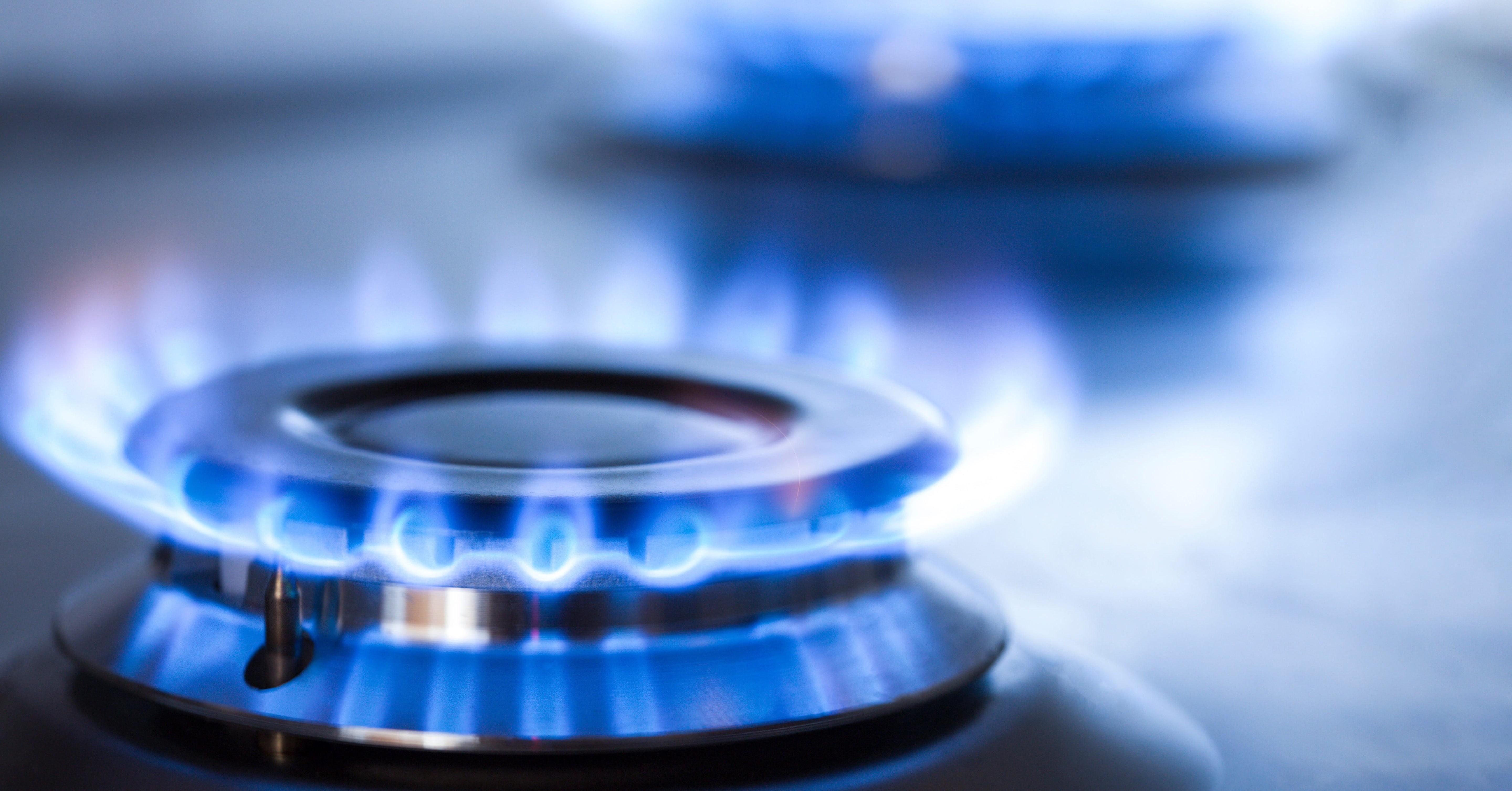
- Check your burners routinely for proper operation and cleanliness. They should light quickly and easily, and the flames should burn in a complete circle and maintain their bright blue color from base to tip. Yellow-tipped flames indicate the gas isn't burning as cleanly as it should, which means it's releasing undesirable emissions. [8] If you notice slow or sporadic ignition, or frequently yellow-tipped flames, have your stove serviced by a trained technician.
- Always ensure proper ventilation when cooking and baking. Turn on the hood fan and/or crack a window, especially when making particularly sizzly or smoky meals.
- Filter the air during and after. Ensure your home's HVAC is tuned up and your fan system is on. Run a portable air purifier in the kitchen to help filter out emissions, VOCs, particles, and even cooking smells on the spot.
Gas Fireplaces
Home is where the hearth is. From hanging stockings and roasting chestnuts to radiating cheery warmth and light on even the coldest of nights, a cozy fireplace is at the heart of so many holiday traditions. It's also a source of winter indoor air pollution. Burning any kind of fire indoors creates unwanted breathable byproducts, including VOCs and microscopic particles. [2] With natural gas fireplaces in particular, whether vented or ventless, there are specific air quality concerns to consider.
Impact on Air Quality:
Vented gas fireplaces can be wood-free, using fireproof, faux logs and ashes instead, or they can be wood-burning with a gas start—meaning they use gas-powered flames to set real logs alight and keep them crackling. Both are more convenient and less labor-intensive than traditional woodburning fireplaces. Vented versions help draft much—but not all—of a fire's emissions outside via an exhaust pipe or chimney flue. As the name implies, ventless fireplaces don't have a venting system. So any emissions they produce are released directly into the surrounding air. [3] Chief among them is carbon monoxide (CO), an odorless, colorless gas that, in higher concentrations, causes headaches, dizziness, nausea, confusion, fatigue. [8] In milder cases, carbon monoxide poisoning feels like having the flu or a bad cold. But extreme exposure can be deadly. [8]
Ventless fireplaces also come with an added, unsuspected air-quality challenge: Because there's no drafting, they actually leave behind more water vapor as they burn. This can create excess moisture in the home which, combined with the fire's cozy warmth, creates an inviting breeding ground for mold. [3]
The breadth and depth of air quality concerns surrounding ventless gas fireplaces have led to outright bans, not only in several US municipalities, but entire countries—including Canada. [3]
Safety & Maintenance Tips:
- Use a carbon monoxide alert system. The link between gas fireplaces and carbon monoxide poisoning has been well documented. For this reason, some gas fireplace units come with built-in oxygen-detection sensors (ODS) designed to alarm and alert occupants if too much carbon monoxide (CO) builds up in the room. [3] Check to see if your heating device has an ODS, but don't rely on this sensor alone. Because it monitors the air nearest the sensor, typically at or close to floor level, it's not as accurate at detecting CO concentrations higher up—like at breathing level or near the ceiling, where warm gases tend to rise and collect. [9] Consider installing combination smoke and carbon monoxide detectors, with at least one unit hardwired into the home's electrical system, and/or using a standalone carbon monoxide detector. Then test regularly and replace all batteries promptly.
- Ventilate and filter with every fire. If your gas fireplace has a working flue or exhaust pipe, ensure it's drafting properly and ensure it's open before starting your fire. With ventless models, the drafting is all on you. Open a nearby window just a crack whenever possible when your fire's roaring, use your HVAC fans to draw stale indoor air outside, and run an in-room air purifier with appropriate filtration mechanisms to help trap the pollutants left behind.
- Clean your fireplace regularly. Keeping your natural gas fireplace free of dust, dirt, and debris is essential for safe operation, as is making sure the space around it is cleared of anything flammable or heat-sensitive. Use a fireplace screen. It won't prevent emissions from entering your air, but it can help keep kids and pets away from the flames. It can also help keep objects from getting near enough to ignite and create fire (and added IAQ) hazards.
Gas Heaters
Portable, natural gas space heaters are popular winter additions in garages, sheds, and outbuildings, mobile and tiny homes, and many places where central heating isn't an option. Models powered by natural gas alone can also keep you warm in places without electricity, or in the event of an electrical outage. (At least until the fuel runs out.) So they're especially useful in remote areas and those prone to storms and heavy snowfall. They also come in vented or ventless versions, and either heat the air itself (known as blue flame heating) or provide infrared or radiant heating to warm objects directly.
Impact on Air Quality:
Ever heard of cabin fever? The worse the weather is outside, the more likely we are to stay inside. And when "inside" is just a few hundred square feet (or less) of real estate, sealed against the wintry elements, things can get stuffy, stale, and seriously uncomfortable pretty fast. Add in a gas space heater, and this "fever" factor rises… In more ways than one.
Space heaters are designed to warm small areas quickly and keep them warm. To help them do their job, we avoid opening the doors and keep the windows sealed tight, keeping the cold out and the cozy in. Heating-wise, this is super efficient, but there's a big tradeoff: These small, enclosed spaces naturally contain less atmospheric oxygen. Firing up a heater here uses a greater percentage of the readily available oxygen more quickly than it would in a larger or better-ventilated space. Lower levels of oxygen in the air mean our lungs have to work harder.
Small spaces plus a lack of ventilation means bigger risk. Cabins, yes, but also worksheds, mobile homes, and apartments are especially vulnerable. The US Department of Housing and Urban Development (HUD) has banned or restricted gas-powered space heaters in HUD housing—the majority of which are apartments or similar multi-family units—for safety reasons. [10]
Like gas fireplaces, gas space heaters also release carbon monoxide, nitrogen oxides, VOCs, and other emissions, and can cause moisture levels to spike when unvented. So the same concerns apply here, too.
Safety & Maintenance Tips:
- Choose your heater wisely. Research the type and size of heater that's the safest fit for your space and lifestyle. Plan for safe placement as well. Keep natural gas space heaters out of nurseries, kids' rooms, pet areas, and away from sources of water or excessive dust (like bathrooms and woodworking areas).
- Treat it like a fireplace. That means using a carbon monoxide detection system to alert you if the air becomes unsafe to breathe. Give your heater space, just as you would a fire. Keep any flammable or meltable objects clear, and consider using fireplace screens or specially designed heater screens as an added safety barrier.
- Make ventilation a priority, especially in small spaces. It may seem counterintuitive, but it's important to ensure good air exchange—fresh air coming in, old air going out. So crack that window, or open an exterior door regularly to invite fresh oxygen in.
Staying Cozy, Healthy & Safe
Most importantly, as the temperatures drop and your stove, fireplace, and heater use rises, monitor your air and your family members for signs that natural gas consumption may be hurting your IAQ.
Headaches, dizziness, nausea, confusion, and fatigue can be signs of carbon monoxide poisoning. [8]If you experience any of these symptoms while using natural gas appliances, get out of the area immediately and into fresh air. Once safely evacuated, call 911 and let them know you suspect carbon monoxide exposure.
Breathing combustion byproduct emissions from natural gas appliances can cause sneezing, coughing, scratchy throats, headaches, and other symptoms of respiratory irritation. These symptoms are well worth taking seriously and investigating promptly, especially if you or your family members suffer from allergies, asthma, or have sensitive respiratory systems.
Mercaptan is a harmless, strong-smelling chemical added to harmful, odorless gases to help alert us that gas is present. [11] This is what you're actually smelling when you "smell gas." If you suspect or detect a gas leak, follow the National Fire Protection Association (NFPA) guidelines. [12]
- Extinguish any flames or smoking materials, if safe to do so
- Refrain from turning on any lights or appliances, or using your phone near the potential leak source
- Get everyone out of the area and into fresh air
- If you know how to safely do so, turn the gas off at the supply (main valve or tank)
- Once clear of the area, call your natural gas provider and report the leak. Or call 911.
As with so many of the modern comforts we welcome into our homes, knowledge is power. Get to know your appliances, the risks and rewards they offer, how to safely operate and maintain them, and what to look (or sniff) for to ensure they're doing more good than harm. With this in mind, and with good indoor air quality practices in place, you can look forward to many winters full of cozy moments and warm memories.
References
- Armand W, MD. Have a gas stove? How to reduce pollution that may harm health [Internet]. Harvard Health; 2022. Available from: https://www.health.harvard.edu/blog/have-a-gas-stove-how-to-reduce-pollution-that-may-harm-health-202209072811.
- Fact sheet: Natural Gas Greenhouse Gas Emissions [Internet]. U.S. Department of Energy; 2014. Available from: https://www.energy.gov/sites/prod/files/2014/07/f18/20140729%20DOE%20Fact%20sheet_Natural%20Gas%20GHG%20Emissions.pdf.
- Ventless Fireplace Inspection [Internet]. NACHI; 2022. Available from: https://www.nachi.org/ventless-fireplace-inspection.htm.
- U.S. Environmental Protection Agency. Nitrogen Dioxide's Impact on Indoor Air Quality [Internet]. US EPA; 2014. Available from: https://www.epa.gov/indoor-air-quality-iaq/nitrogen-dioxides-impact-indoor-air-quality.
- Lawsuit to block New York's ban on gas stoves is filed by gas and construction groups [Internet]. 2023. Available from: https://apnews.com/article/gas-stove-ban-new-york-lawsuit-climate-1cdb46211813bd0275b1d4a162817f3e.
- CRA v. City of Berkeley [Internet]. Justia; 2023. Available from: https://law.justia.com/cases/federal/appellate-courts/ca9/21-16278/21-16278-2023-04-17.html.
- Stang J. Does Washington need a ban to prevent natural gas bans? [Internet]. Cascade PBS; 2024. Available from: https://www.cascadepbs.org/politics/2024/09/does-washington-need-ban-prevent-natural-gas-bans/.
- U.S. Environmental Protection Agency. Sources of Combustion Products [Internet]. US EPA; 2014. Available from: https://www.epa.gov/indoor-air-quality-iaq/sources-combustion-products.
- U.S. Environmental Protection Agency. Where should I place a carbon monoxide detector? [Internet]. US EPA; 2019. Available from: https://www.epa.gov/indoor-air-quality-iaq/where-should-i-place-carbon-monoxide-detector.
- CFR 2024 title24 vol1 sec5 703 [Internet]. U.S. Environmental Protection Agency; 2024. Available from: https://www.govinfo.gov/content/pkg/CFR-2024-title24-vol1/pdf/CFR-2024-title24-vol1-sec5-703.pdf.
- Natural gas explained - U.S. Energy Information Administration (EIA) [Internet]. U.S. Energy Information Administration (EIA); 2024. Available from: https://www.eia.gov/energyexplained/natural-gas/.
- Staying Safer from Natural Gas and Propane Leaks and Explosions [Internet]. National Fire Protection Association (NFPA); 2025. Available from: https://www.nfpa.org/news-blogs-and-articles/blogs/2025/02/13/residential-fuel-gas-alarms-and-nfpa-715.







Top Holiday Gifts That Lower Air Quality: Our 2025 Naughty List
How Better Breathing Supports 100% of Your New Year’s Resolutions