

Summary
From the air you breathe to the surfaces you clean, small changes around the house can add up to a healthier indoor environment. Here's a practical, room-by-room guide to turning your home into a true wellness retreat.
In This Article
Why Your Home Environment Matters
You probably put a lot of thought into what you eat, how you move, and when you sleep. But how often do you think about the air you're breathing while you do all of that?
According to the EPA, the concentrations of some pollutants are often two to five times higher indoors than typical outdoor concentrations [1]. Considering Americans spend roughly 90 percent of their time indoors [1], that statistic deserves more attention than it usually gets. The good news: you have more control over your indoor environment than you might think. A few intentional changes to your kitchen, bedroom, living spaces, and cleaning routine can turn your home into a genuine health sanctuary.
Set the Scene: Light, Plants, and a Little Less Stuff
Before we get into specifics, let's talk about the overall vibe of your space. Three simple shifts can make a surprisingly big difference.
Let the daylight in. Natural light does more than save on your electric bill. A study in the Journal of Clinical Sleep Medicine found that office workers with window exposure reported better vitality scores and longer sleep duration compared to those in windowless environments [2]. If your home gets good natural light, lean into it. Open the curtains, rearrange furniture away from window paths, and let the sun do its thing.
Add some greenery. Houseplants bring warmth, color, and a sense of calm to any room. While a 1989 NASA study found that certain plants could reduce indoor air pollutants like organic solvents in controlled environments [3], more recent research tells a more nuanced story. A 2020 review in the Journal of Exposure Science & Environmental Epidemiology concluded that in real-world settings, you would need an impractical number of plants to meaningfully reduce volatile organic compound (VOC) levels, since normal ventilation already dilutes pollutants faster than plants can absorb them [4]. So enjoy your spider plants and snake plants for the mood boost, but don't rely on them as your sole air-cleaning strategy.
Declutter with intention. Research has found that women who described their homes as cluttered or full of unfinished projects showed flatter cortisol slopes throughout the day, a pattern associated with poorer health outcomes [5]. You don't need to go full minimalist, but adopting a simple habit of asking "do we really need this?" before bringing something new home can keep your space feeling open and calm. Less clutter also means fewer surfaces collecting dust, which is a win for your air quality too.
Breathe Easier: Tackle Your Indoor Air Quality
Here's where things get real. Indoor air quality (IAQ) is one of the most impactful, yet overlooked, aspects of a healthy home. The EPA has linked poor IAQ to headaches, dizziness, fatigue, and irritation of the eyes, nose, and throat [1].
So what's actually floating around in there? Common indoor pollutants include dust, pet dander, mold spores, pollen, and VOCs released from furniture, paint, and household products [6]. A few practical steps can help:
- Ventilate regularly. Open windows when weather permits, and use exhaust fans in kitchens and bathrooms to move stale air out.
- Change your HVAC filters on schedule. A dirty filter can't do its job. Check your system's recommendations and stick to them.
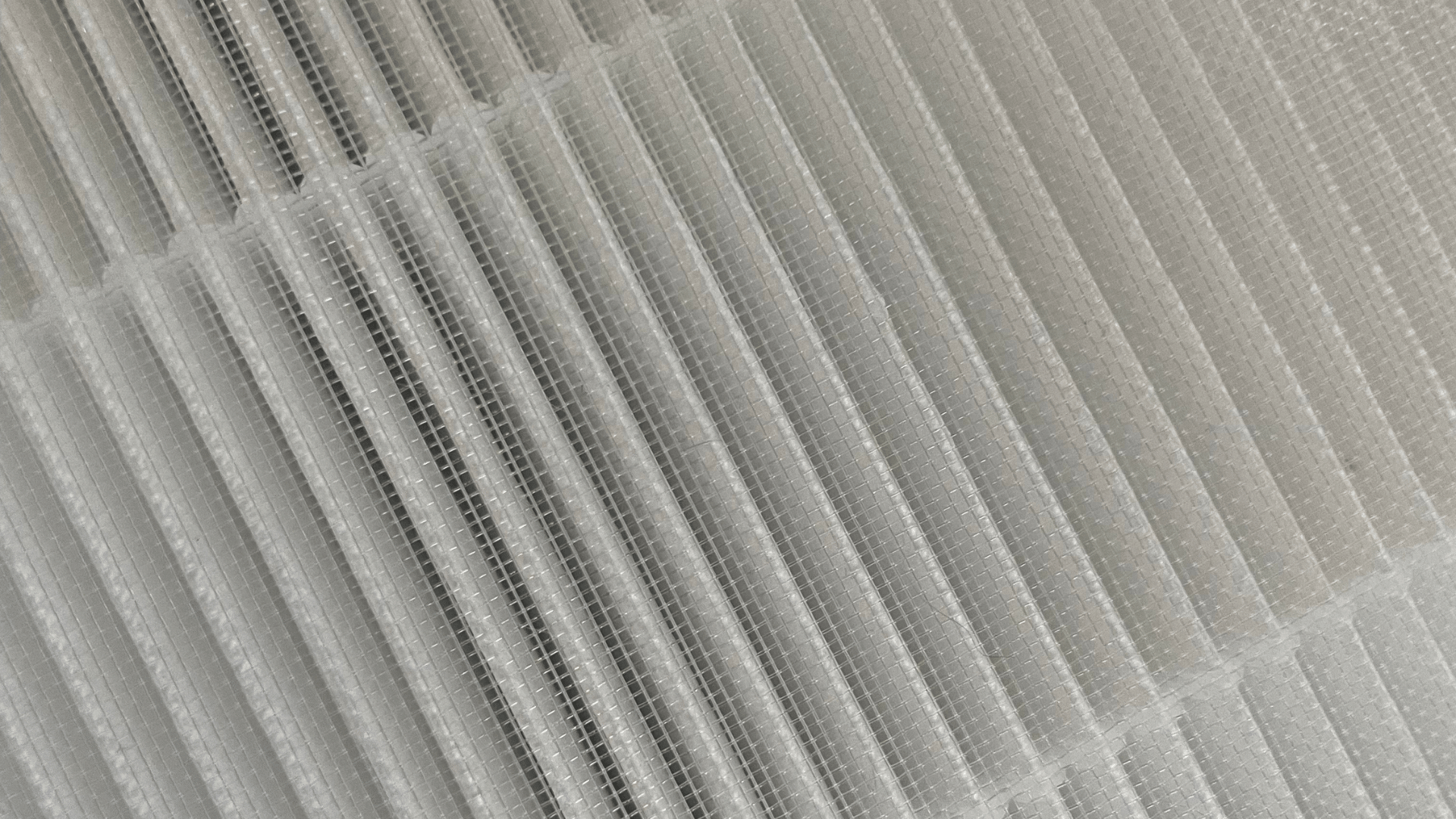
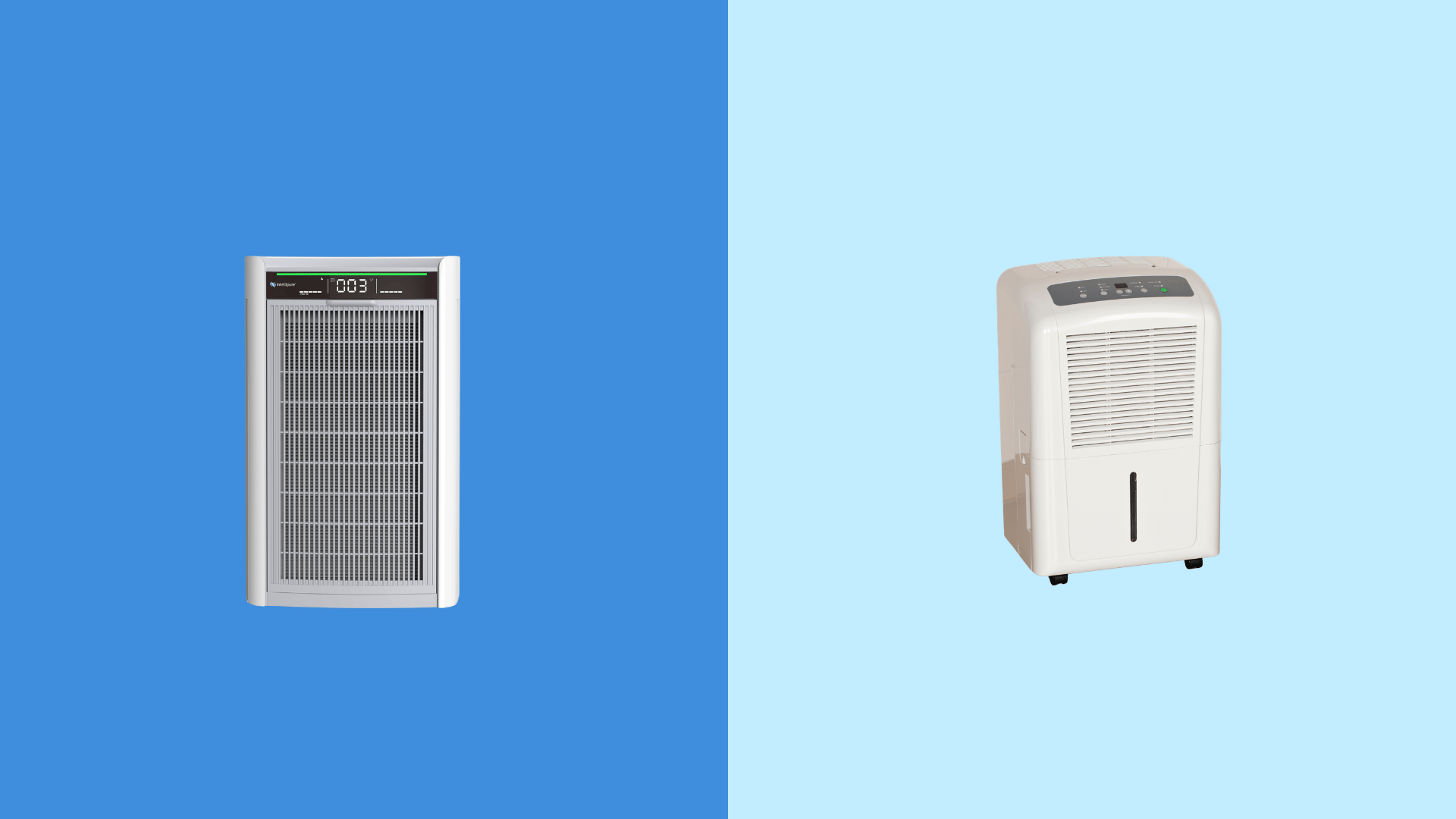
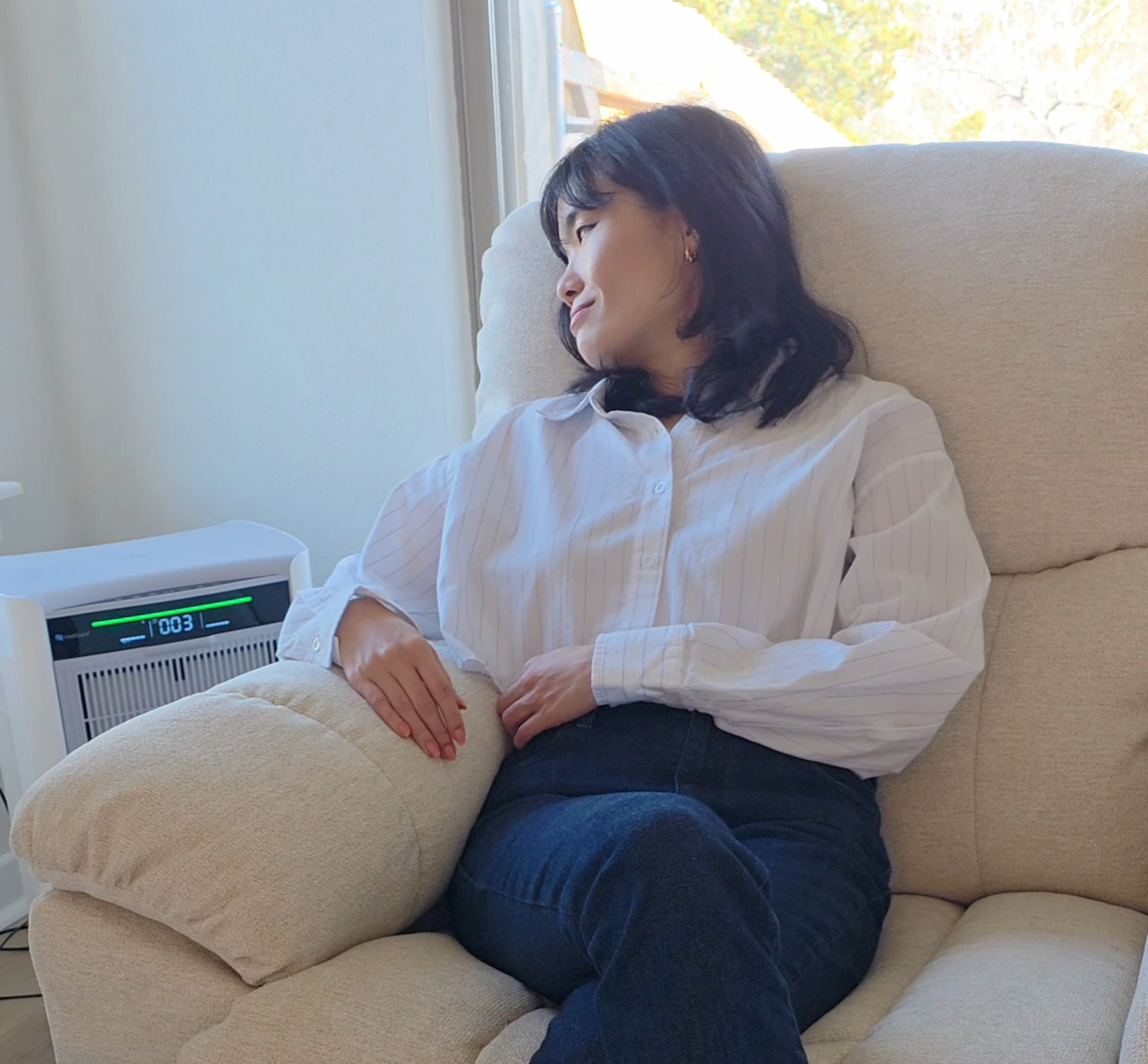
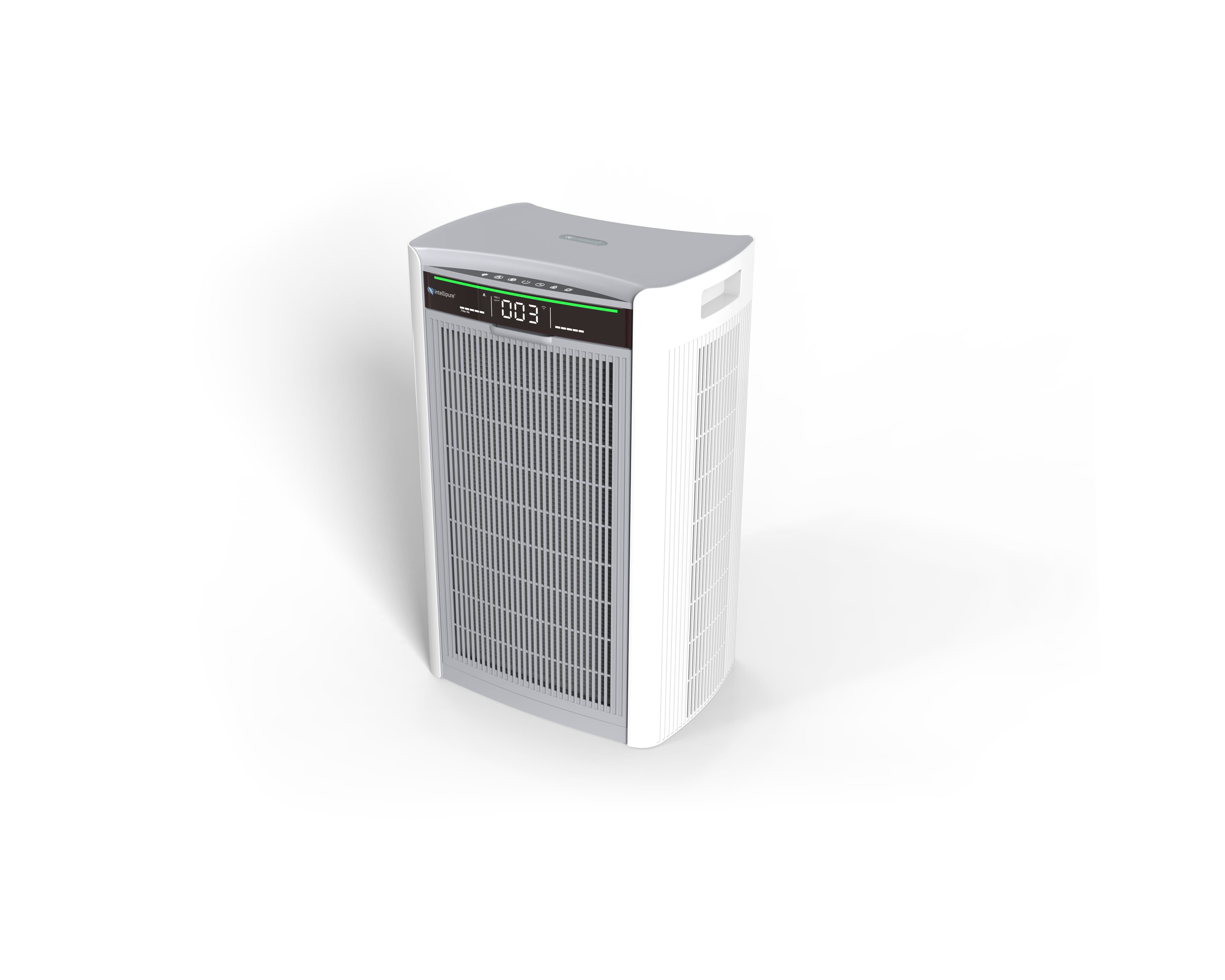
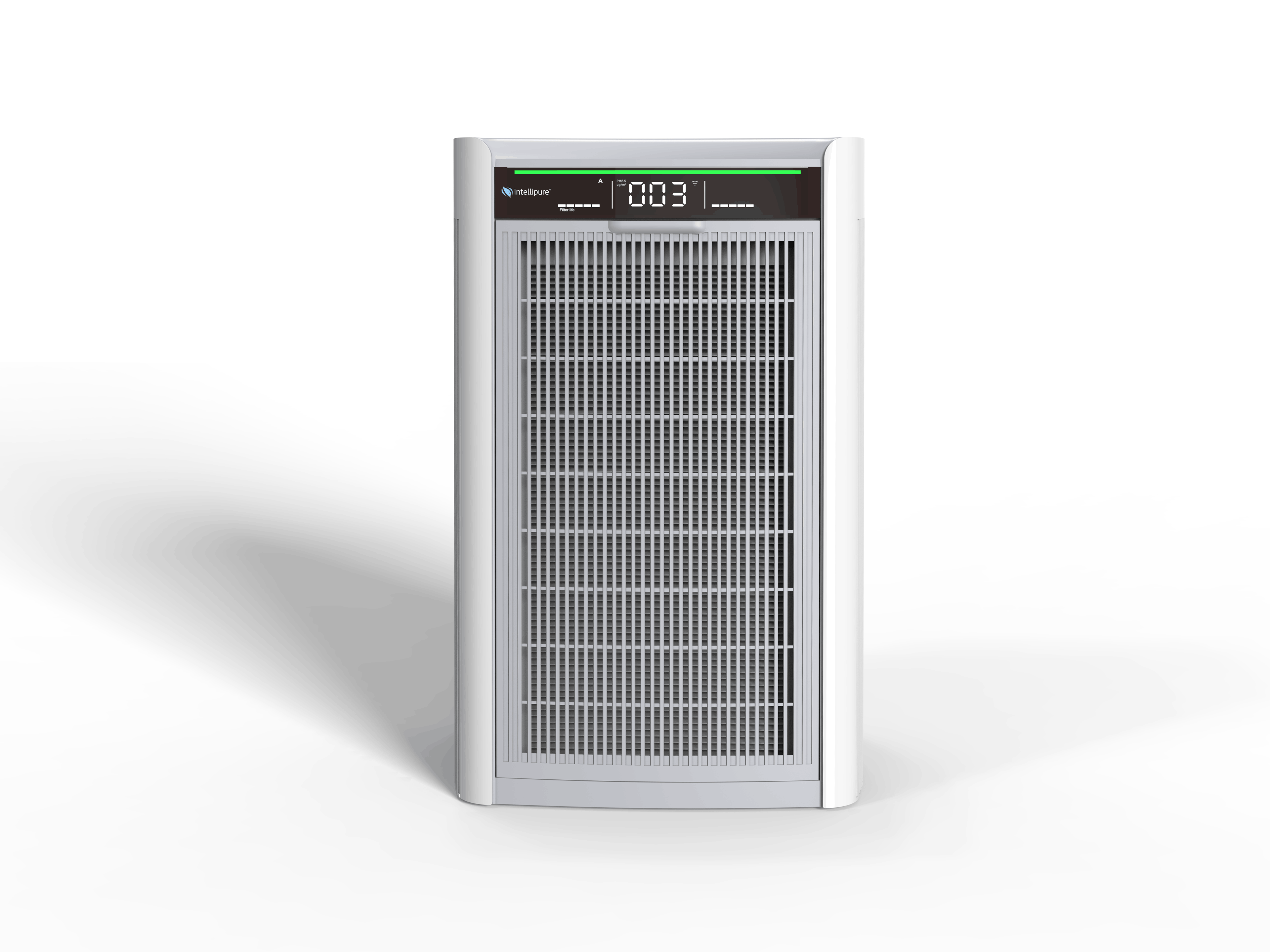
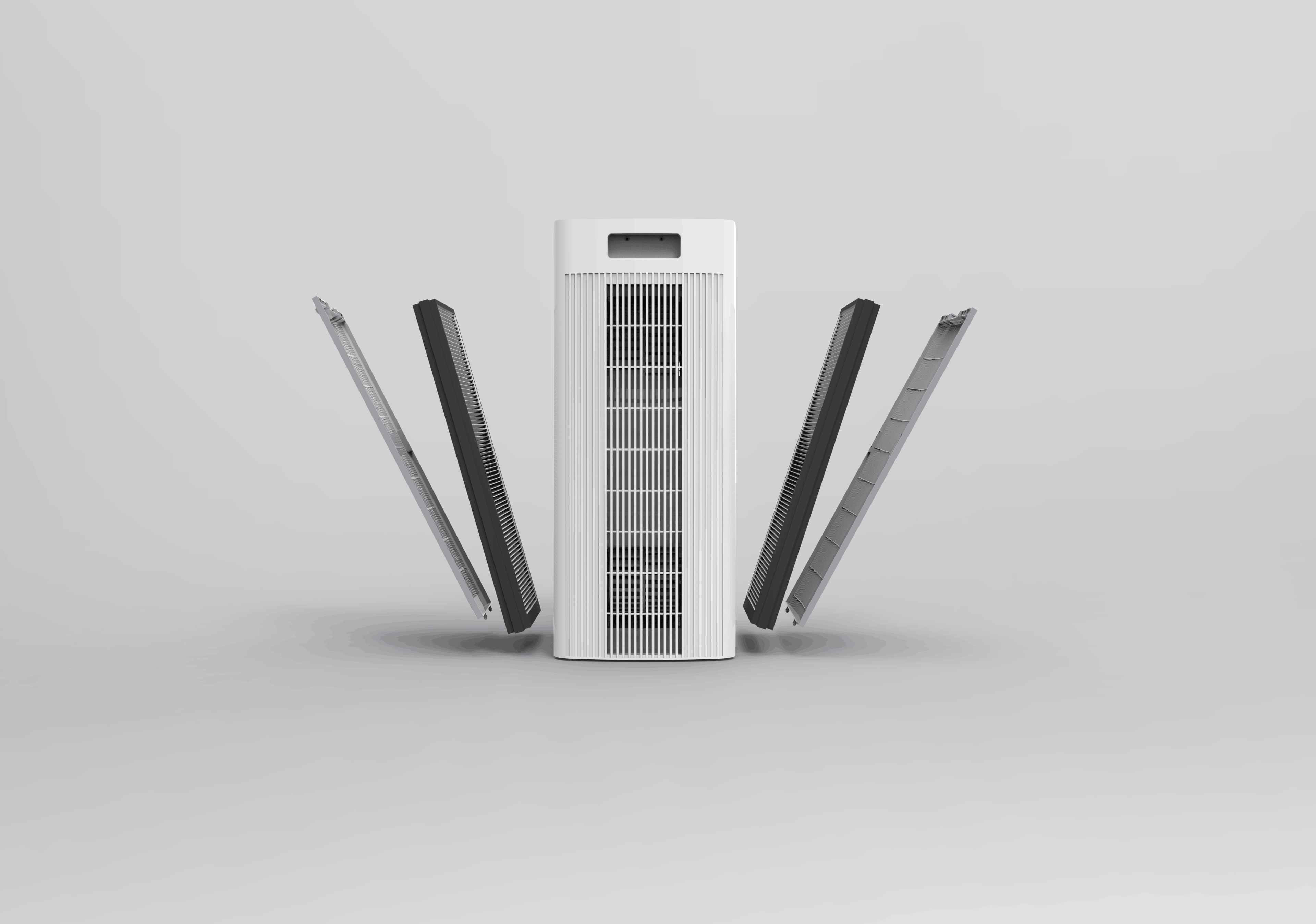
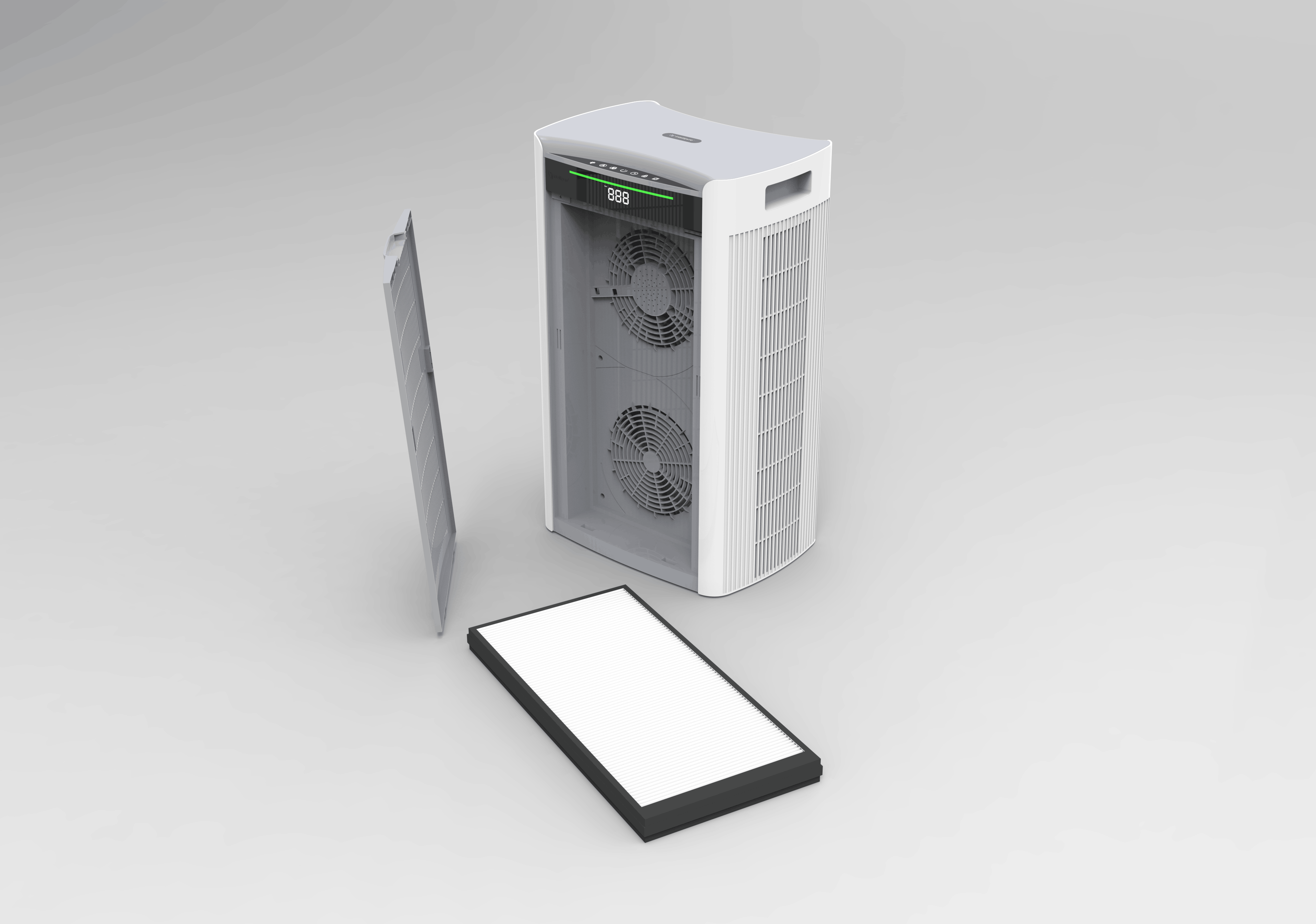
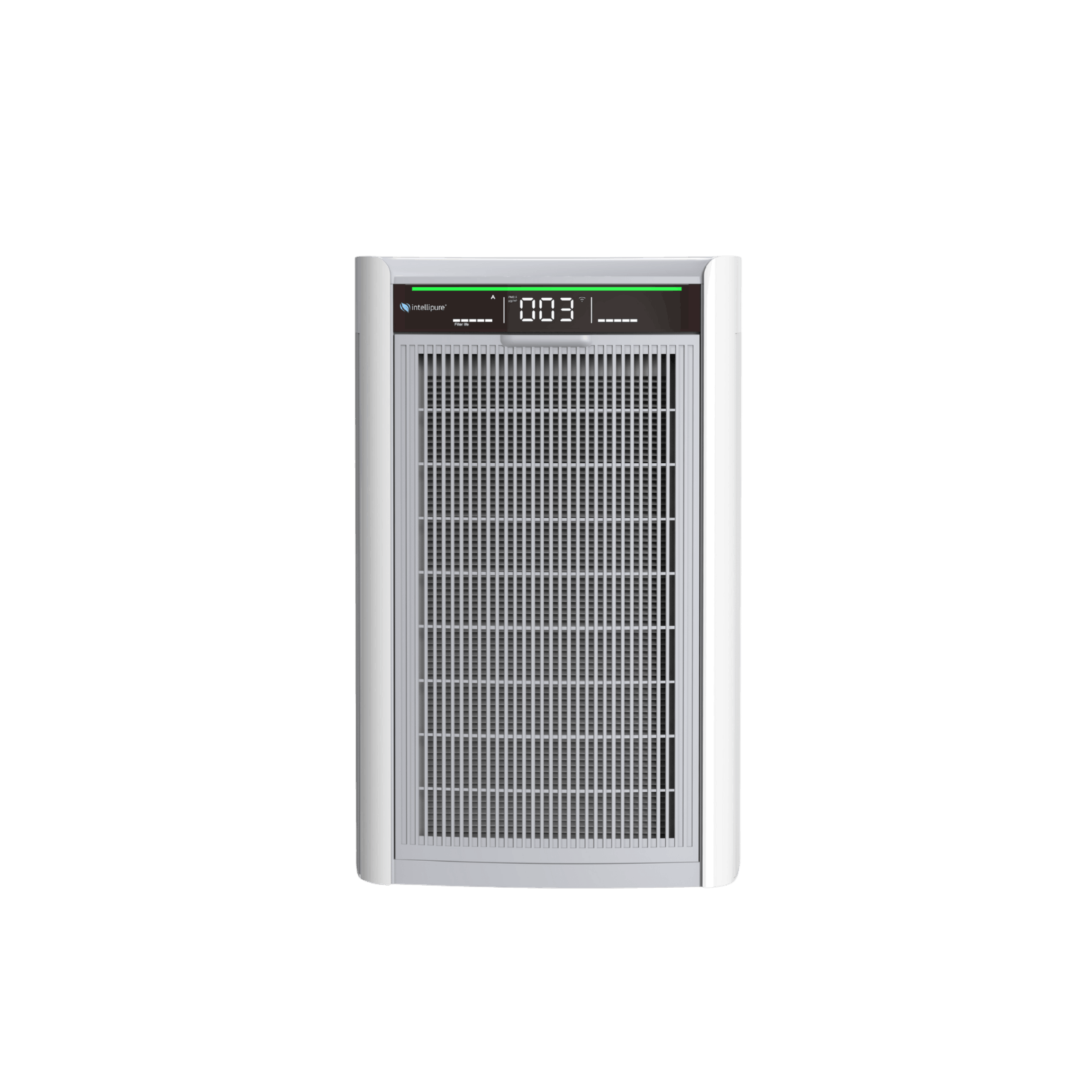
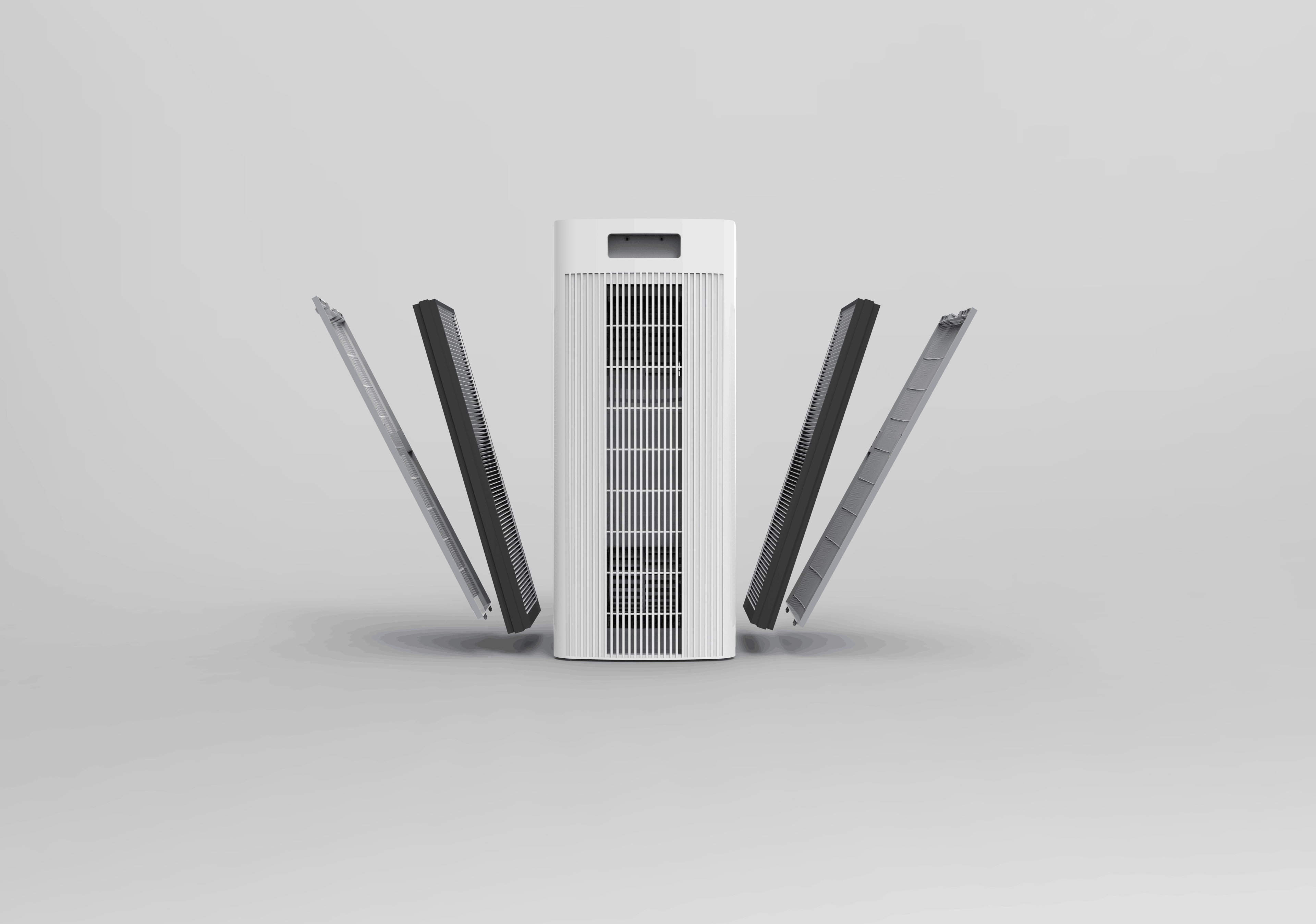
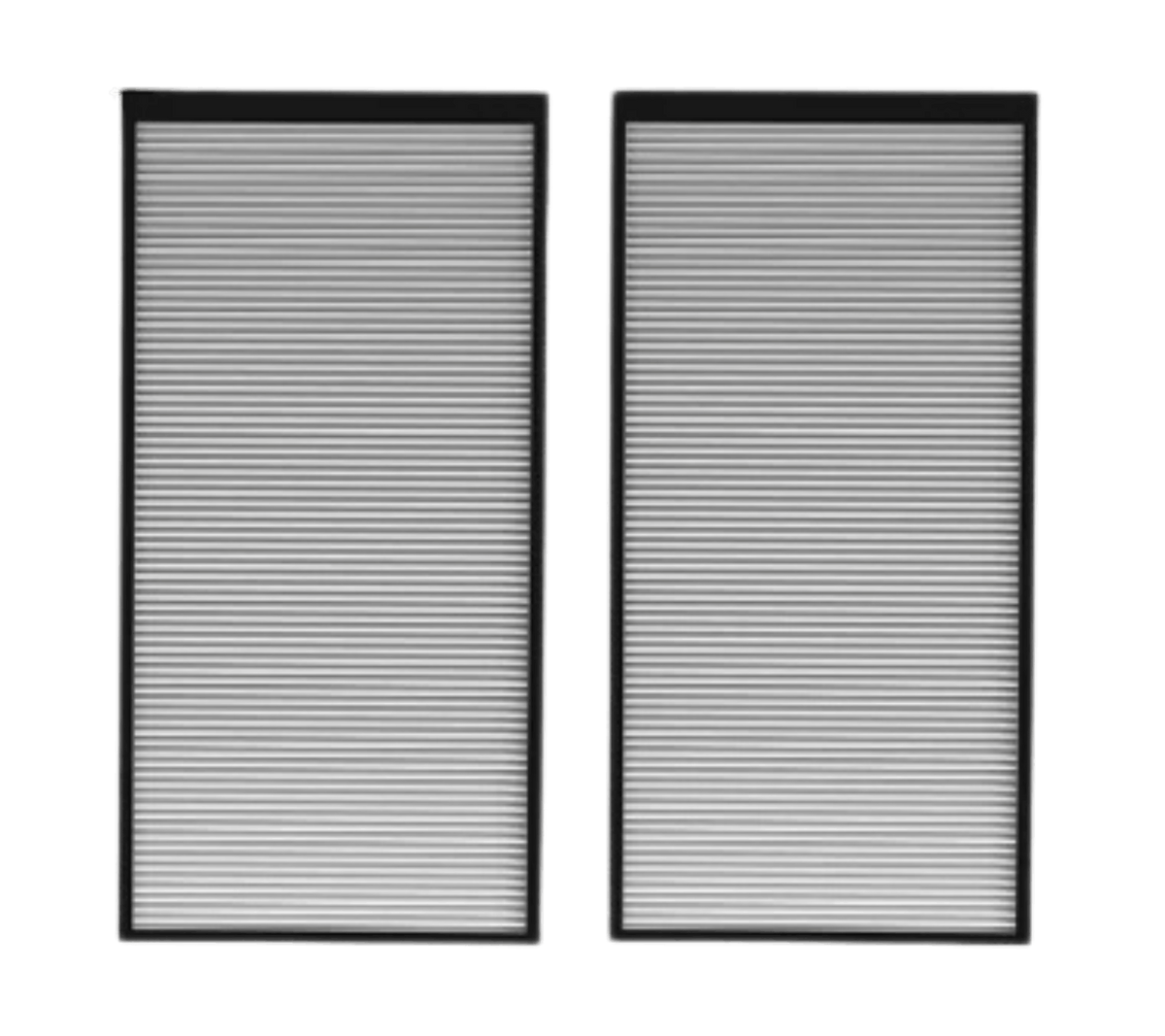
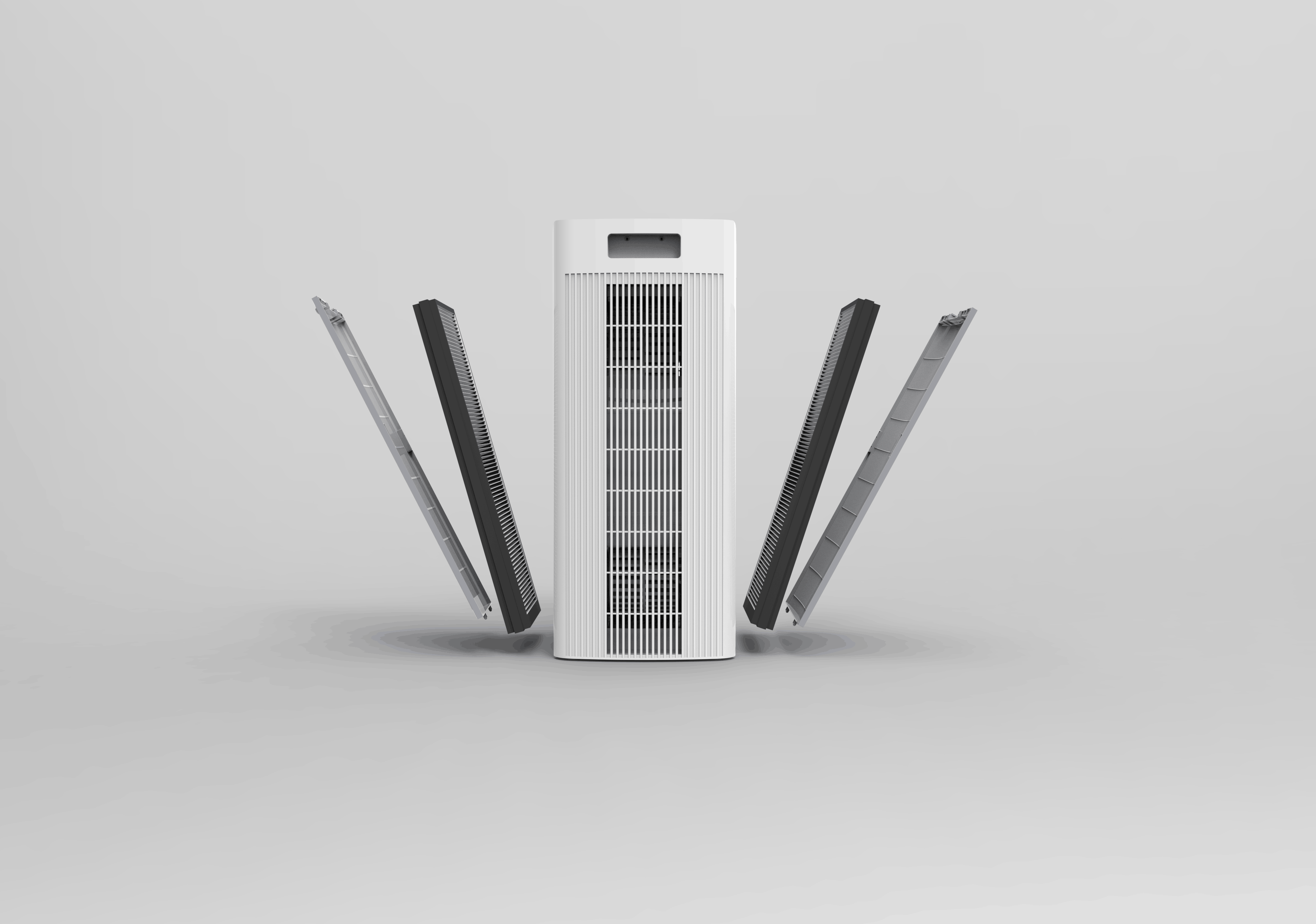
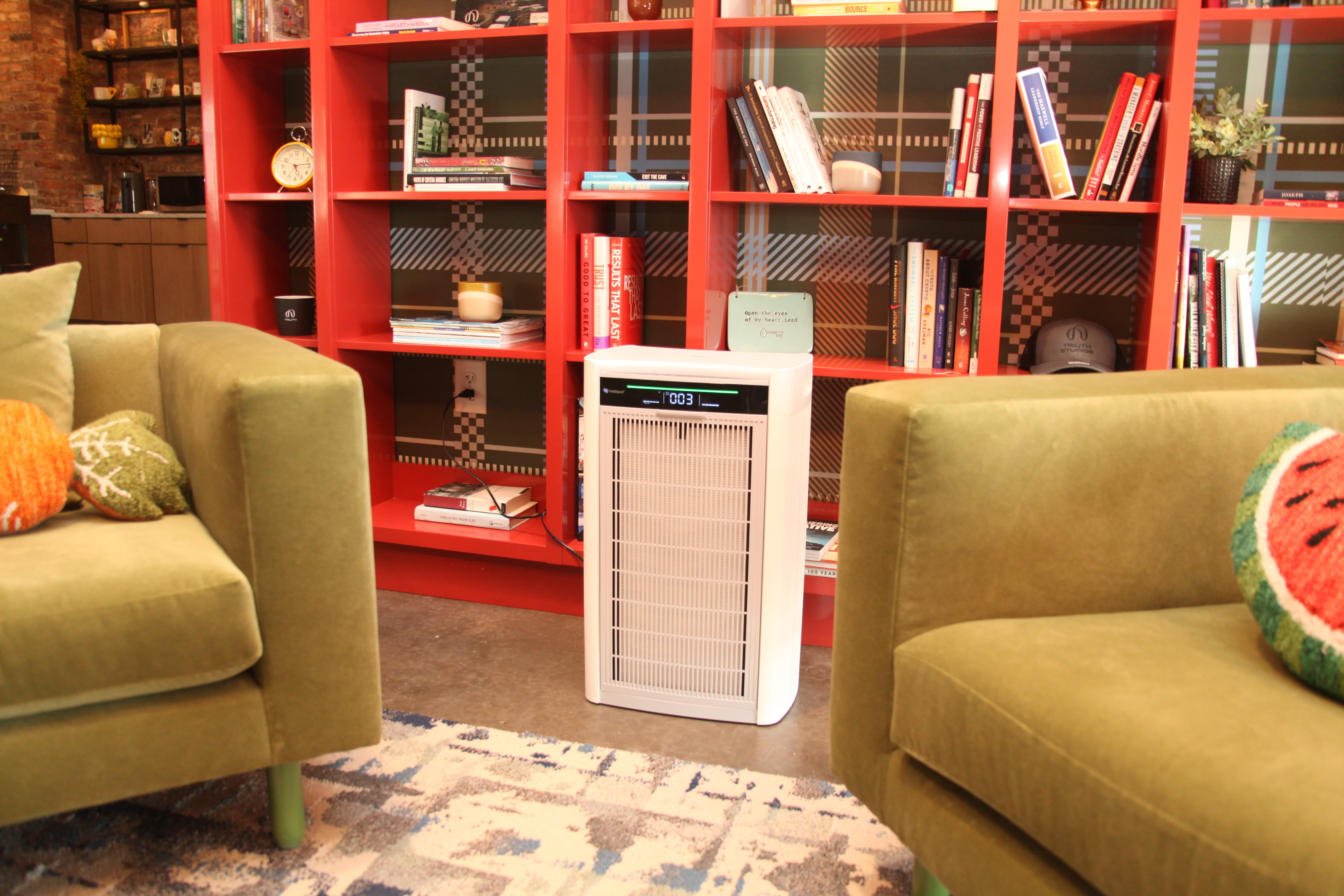
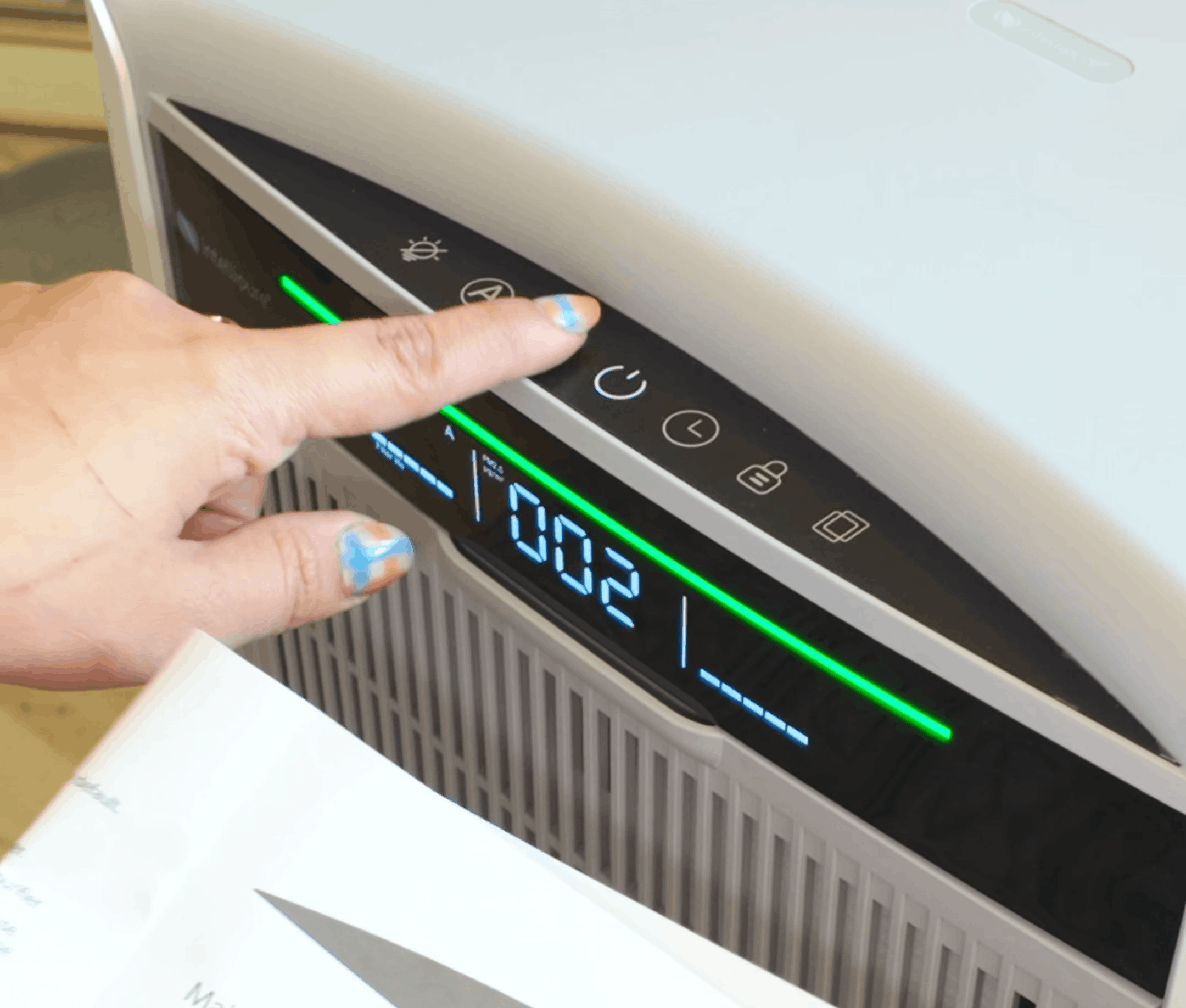
- Use an air purifier in high-traffic rooms. A quality air purifier with HEPA filtration can theoretically remove at least 99.97% of airborne particles with a size of 0.3 microns, including dust, pollen, mold, and bacteria [7].
- Be mindful of scented products. We'll cover this more below, but many air fresheners and scented candles release VOCs that can degrade your air quality [6].
Watch What You Burn: Candles, Fragrances, and VOCs
We get it: candles set a mood. But the EPA notes that VOCs are emitted by a wide array of household products, and concentrations of many VOCs are consistently higher indoors (up to ten times higher) than outdoors [6].
For people who are sensitive to strong scents, this matters even more. Research published in Cephalalgia found that 70% of migraine patients experienced odor-triggered headaches, with perfumes being the most common trigger at 75.7% [8]. That's not a small number.
If you love a scented home (and who doesn't?), here are some swaps:
- Essential oil diffusers give you scent control without combustion byproducts.
- Beeswax candles are a cleaner-burning alternative that many people find produce less soot.
- Better ventilation helps dilute any airborne irritants when you do burn candles.
No need to ditch your cozy candle routine entirely. Just be thoughtful about how often, and how well-ventilated the room is.
Sleep Smarter: Your Bedroom as a Wellness Zone
You spend about a third of your life in bed, so your sleep environment deserves some attention. One thing worth knowing: many conventional mattresses and bedding materials can off-gas VOCs, including formaldehyde, particularly when new. The EPA identifies pressed wood products, adhesives, and certain textiles as common sources of formaldehyde in homes, and notes that homes with significant amounts of new pressed wood products can have formaldehyde levels over three times higher than older homes [9].
Here's how to make your bedroom work harder for your health:
- Choose bedding made from organic or natural fibers like cotton or linen when possible.
- Air out new mattresses and furniture. Most off-gassing diminishes significantly within the first few weeks, and formaldehyde emissions from new products tend to decrease substantially over time [9].
- Keep your bedroom air clean. This is a great spot for an air purifier, especially since you're breathing the same air for eight or more hours straight.
- Limit evening blue light exposure. Research has shown that light-emitting devices used in the evening can suppress melatonin secretion and delay your circadian clock, leading to poorer sleep [10]. Switching to warm-toned lighting or putting screens away before bed may help.
Clean Green: Safer Alternatives for a Healthier Home
Conventional cleaning products can introduce a surprising number of chemicals into your indoor air. The EPA notes that many household cleaners contain VOCs that contribute to indoor air pollution [6]. Switching to simpler ingredients can reduce your exposure without sacrificing a clean home.
A few go-to natural cleaners that actually work:
- Castile soap makes an effective multi-purpose cleaner. Dilute it with water for countertops, floors, and even hand washing.
- Baking soda neutralizes odors and works as a gentle abrasive for scrubbing sinks and tubs.
- White vinegar cuts through grease and grime thanks to its acidic nature. Add a few drops of lemon or orange essential oil if the smell bothers you.
- Microfiber cloths have been shown to be effective at picking up bacteria from surfaces when used new, outperforming other common cleaning cloths in hospital studies [11]. Plus, they're washable and reusable.
One important note: natural cleaners are great for everyday tidying, but some may not effectively disinfect against harmful bacteria and viruses. For situations that call for true disinfection (like after handling raw meat), use a product that's EPA-registered as a disinfectant.
And don't forget your vacuum. Using a vacuum with a built-in HEPA filter can help trap fine particles that would otherwise get kicked back into the air [7]. Clean or replace those vacuum filters regularly for the best results.
Make It Yours
A health sanctuary doesn't require a complete home renovation or an unlimited budget. It starts with awareness, choosing a few changes that matter most to you, and building from there. Maybe it's swapping out your cleaning products this week. Maybe it's finally setting up that air purifier you've been eyeing. Or maybe it's just opening a window more often.
The point is this: your home should be the one place where you truly breathe easy. Every small step toward cleaner air, fewer chemicals, and a more intentional space adds up.
References
- U.S. Environmental Protection Agency. Indoor Air Quality [Internet]. US EPA; 2017. Available from: https://www.epa.gov/report-environment/indoor-air-quality.
- Boubekri M, Cheung IN, Reid KJ, Wang CH, Zee PC. Impact of windows and daylight exposure on overall health and sleep quality of office workers: a case-control pilot study. Journal of clinical sleep medicine : JCSM : official publication of the American Academy of Sleep Medicine. 2014;10(6):603-11. doi:10.5664/jcsm.3780.
- Wolverton BC, Johnson A, Bounds K. Interior landscape plants for indoor air pollution abatement. 1989.
- Cummings BE, Waring MS. Potted plants do not improve indoor air quality: a review and analysis of reported VOC removal efficiencies. Journal of Exposure Science & Environmental Epidemiology. 2020;30(2):253–261. doi:10.1038/s41370-019-0175-9.
- Saxbe DE, Repetti R. No place like home: home tours correlate with daily patterns of mood and cortisol. Personality & social psychology bulletin. 2010;36(1):71-81. doi:10.1177/0146167209352864.
- U.S. Environmental Protection Agency. What are volatile organic compounds (VOCs)? [Internet]. US EPA; 2019. Available from: https://www.epa.gov/indoor-air-quality-iaq/what-are-volatile-organic-compounds-vocs.
- U.S. Environmental Protection Agency. What is a HEPA filter? [Internet]. US EPA; 2019. Available from: https://www.epa.gov/indoor-air-quality-iaq/what-hepa-filter.
- Silva-Néto RP, Peres MF, Valença MM. Odorant substances that trigger headaches in migraine patients. Cephalalgia : an international journal of headache. 2014;34(1):14-21. doi:10.1177/0333102413495969.
- U.S. Environmental Protection Agency. What should I know about formaldehyde and indoor air quality? [Internet]. US EPA; 2019. Available from: https://www.epa.gov/indoor-air-quality-iaq/what-should-i-know-about-formaldehyde-and-indoor-air-quality.
- Chang AM, Aeschbach D, Duffy JF, Czeisler CA. Evening use of light-emitting eReaders negatively affects sleep, circadian timing, and next-morning alertness. Proceedings of the National Academy of Sciences of the United States of America. 2015;112(4):1232-7. doi:10.1073/pnas.1418490112.
- Diab-Elschahawi M, Assadian O, Blacky A, Stadler M, Pernicka E, Berger J, Resch H, Koller W. Evaluation of the decontamination efficacy of new and reprocessed microfiber cleaning cloth compared with other commonly used cleaning cloths in the hospital. American journal of infection control. 2010;38(4):289-92. doi:10.1016/j.ajic.2009.09.006.







Where Do I Place My Air Purifier?
5 Ways To Keep Pet Odors At Bay