
5 Ways To Keep Pet Odors At Bay

You love your pet, but pet odors? Not so much. If a home's smell announces the pets before they enter the room, it's time for some pet odor mitigation. While some methods simply cover up pet odors, the best course of action is to remove them completely. Here are five simple tips to keep your home smelling fresh for you and your furry friend.


1. Put Bath Time On The Calendar

How often you need to bathe your dog depends on the breed. Most dogs need a bath once a month to keep their coat healthy. Give your dog a good brushing before bath time and use shampoo made specifically for dogs. Talk to your vet if you aren't sure what shampoo is best for your dog. Making a regular appointment at the groomer can also make the process easier.


Cat owners are largely exempt from this suggestion, as cats tend to do a good job of grooming themselves. However, if your kitty has rolled in something smelly, address the issue before they head for a nap in your bed. Waterless foaming cat shampoo works great without the hassle of managing an angry, wet cat.


2. Pet Beds Need Attention Too

If you have a fluffy pet bed or favorite blanket where your pet loves to sleep, it needs to be washed regularly. Don't wait until your pet's favorite sleeping spot is looking dingy; give it a wash on a regular schedule. Follow the care instructions on the item, then, if possible, leave it outside for a few hours in the sun. The sunlight will help break down any lingering odor-causing bacteria, and the fresh air will help it dry.


3. Give Carpets A Good Vacuum

Most dogs and cats agree that the vacuum cleaner is not their friend. While your furry companion will likely flee when the vacuum is switched on, it is also what can help banish pet odors in your house. Removing shed fur also removes another way that pet smells tend to linger. Pet hair tends to stick to fabric surfaces, so a good vacuum with a powered brush can make quick work of loose fur. Modern bagless vacuums are especially great as they can be quickly emptied and put back to work, especially in multi-animal households. Choosing a robot vacuum and putting it on a schedule is an easy way to keep pet fur at bay.


If you have hard floors such as linoleum, tile, or wood, a good cleaning with the appropriate method is a good idea. Make sure to choose a pet-safe floor cleaner that is also safe for your particular flooring type. If your dog or cat loves to lay on the floors, then their smell also clings to that same spot. Regular floor cleaning can reduce lingering pet odor and is often overlooked.


4. Get An Automated Litter Box

This tip is for cat owners. Nobody likes cleaning a litter box, but modern technology has come to the rescue with automation. Sometimes dubbed a litter "robot," several different designs of automatic litter boxes are on the market. These machines quickly separate the pet waste from the litter and stow it away for collection later, keeping the waste from sitting long enough to cause a stink. The downside is the initial cost of the machine, but for the convenience factor, they are hard to beat.


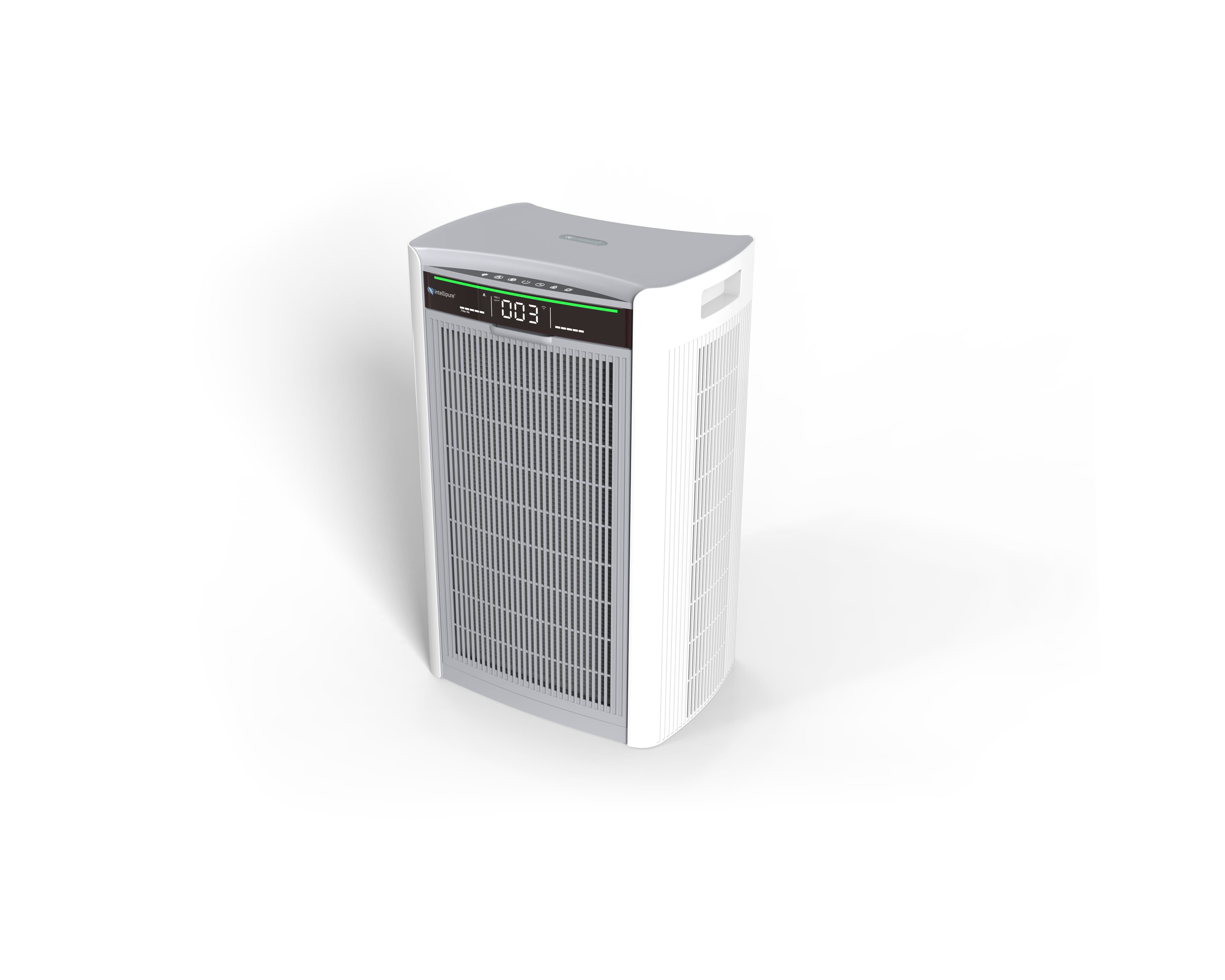
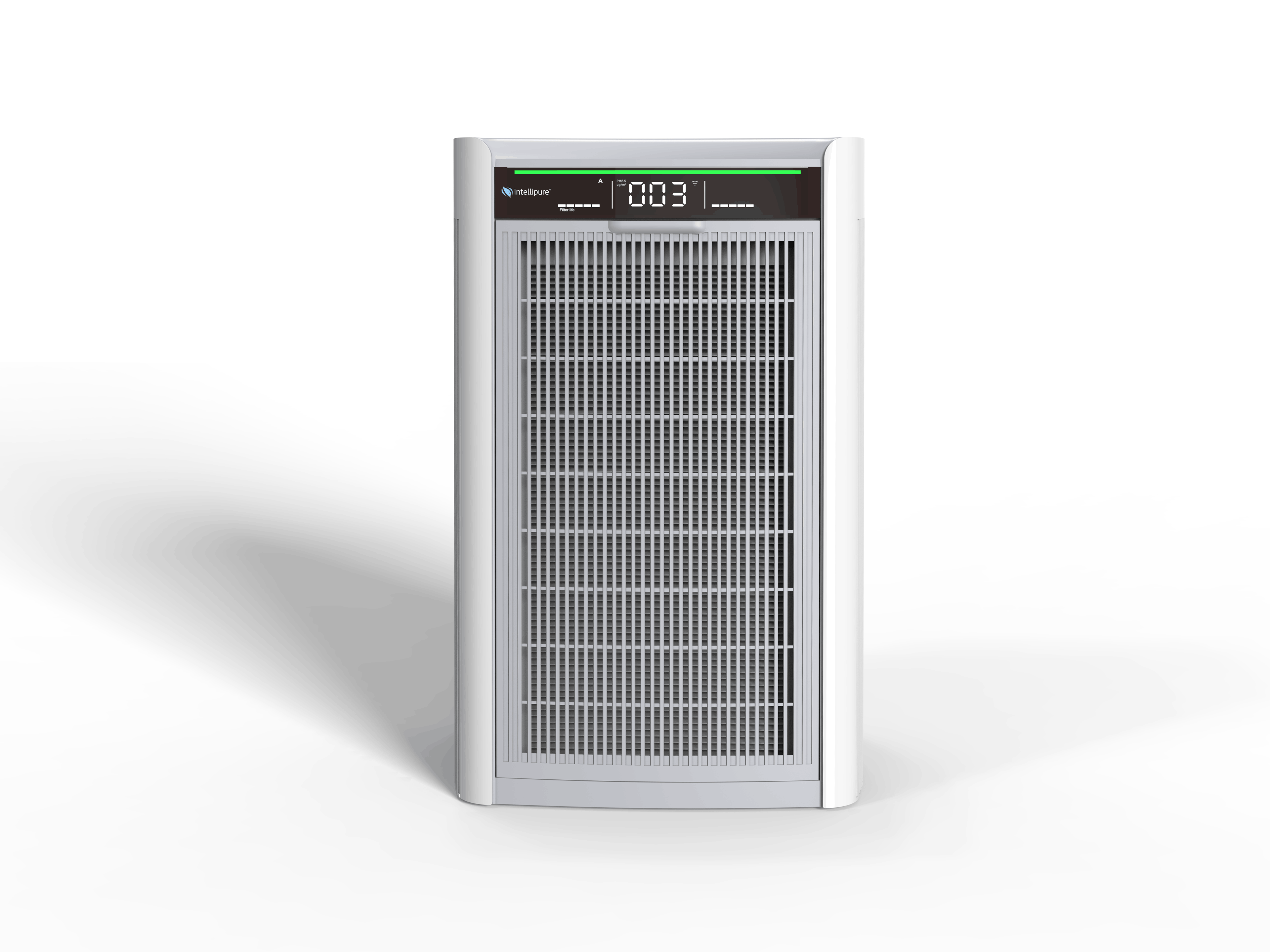
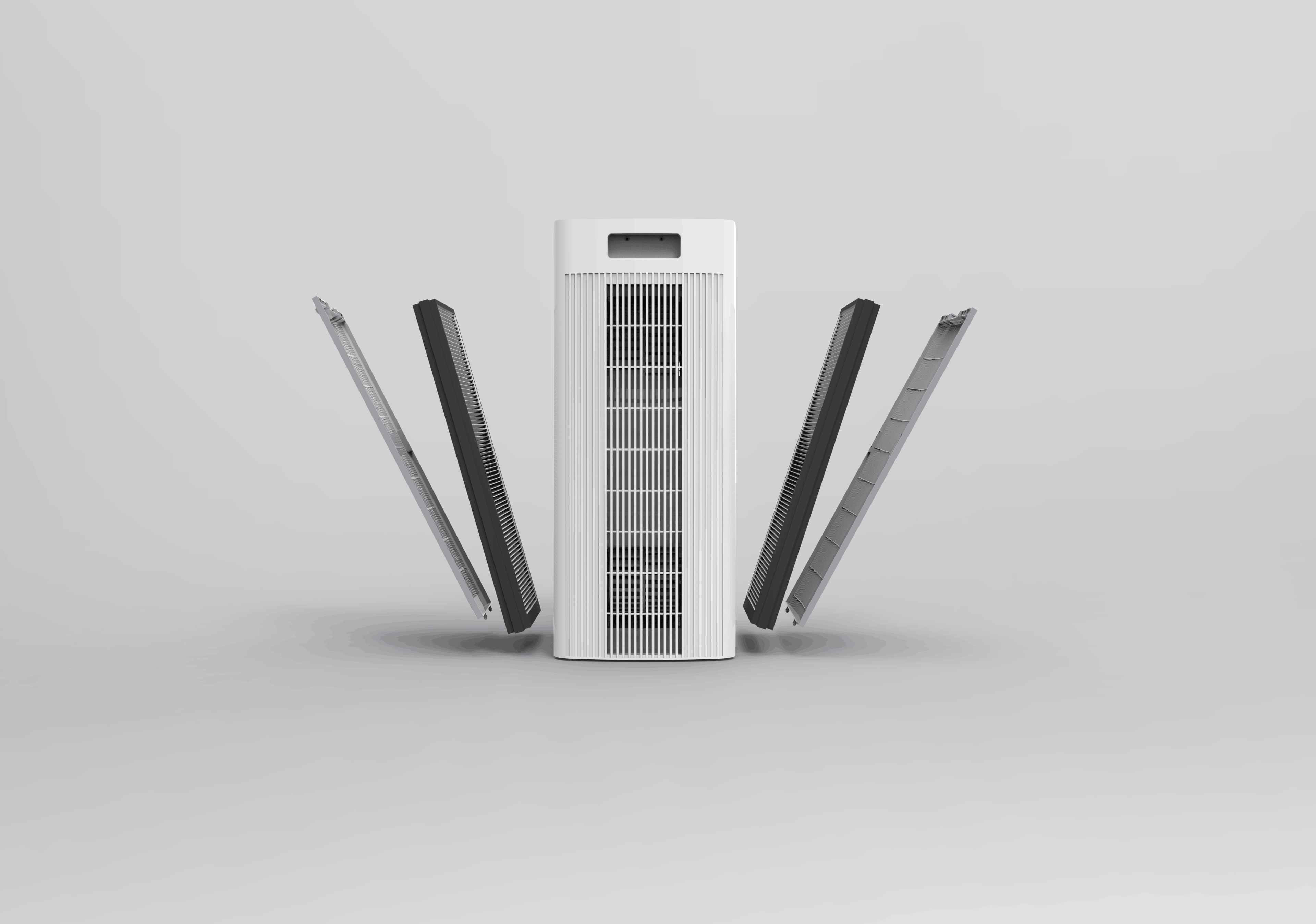
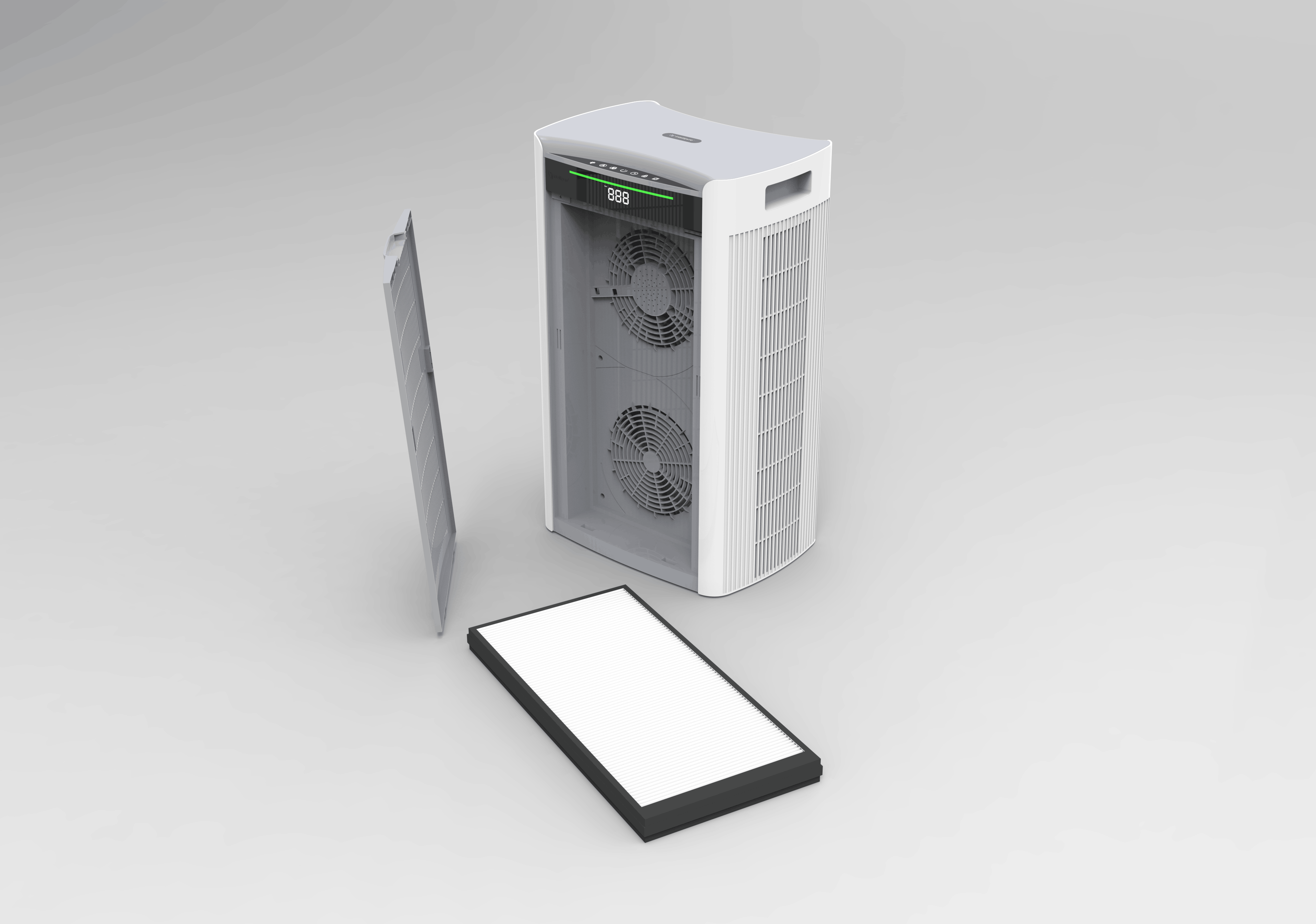
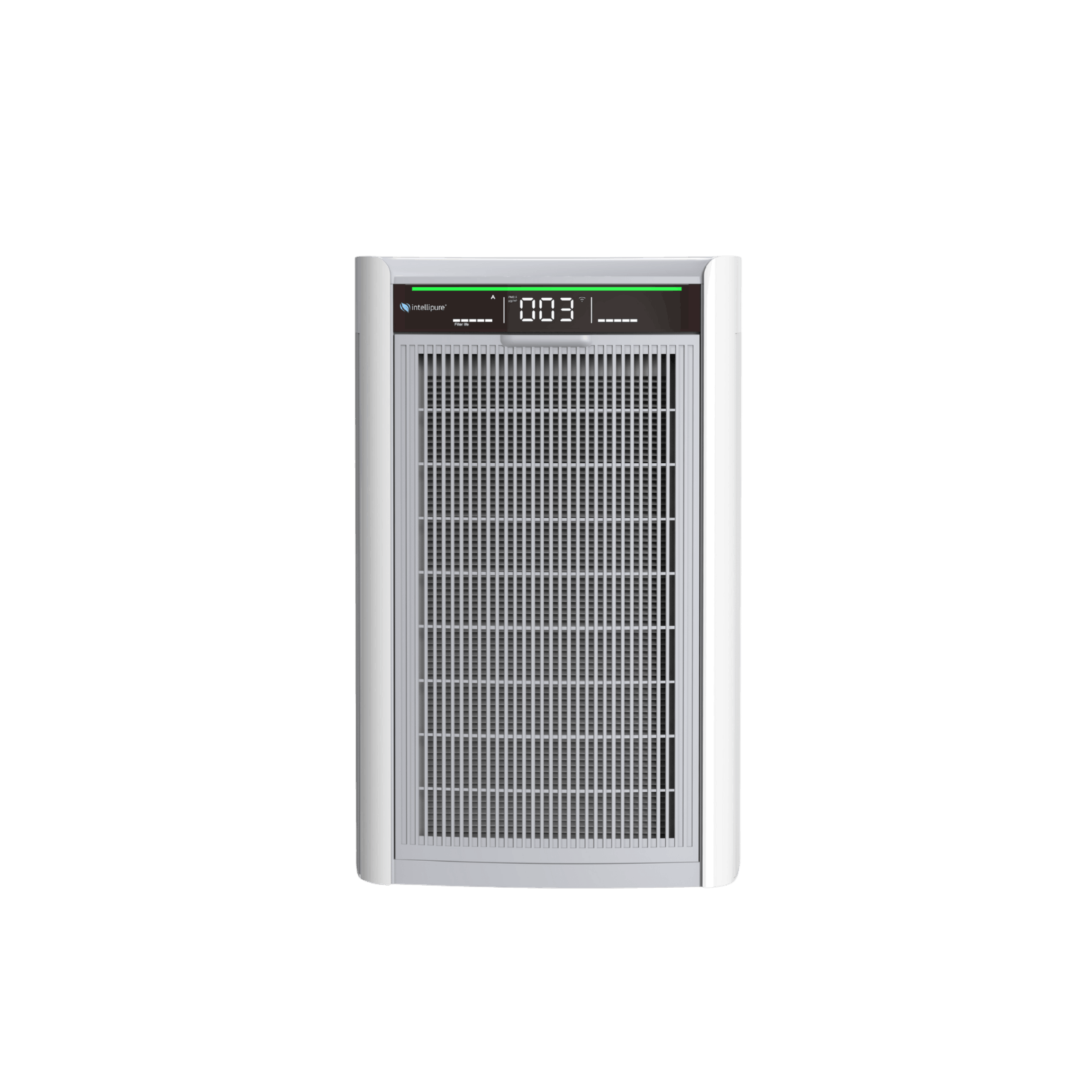
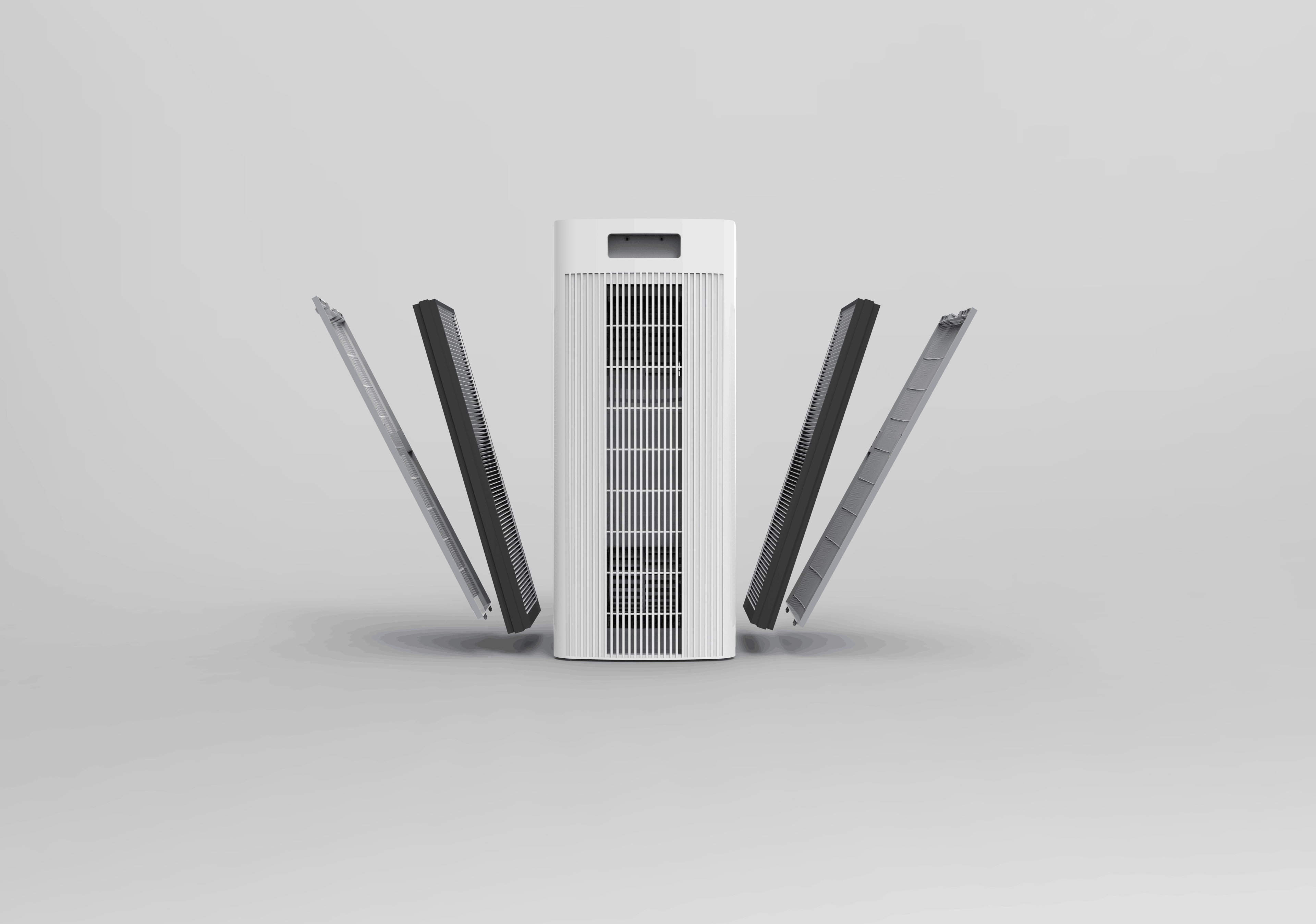
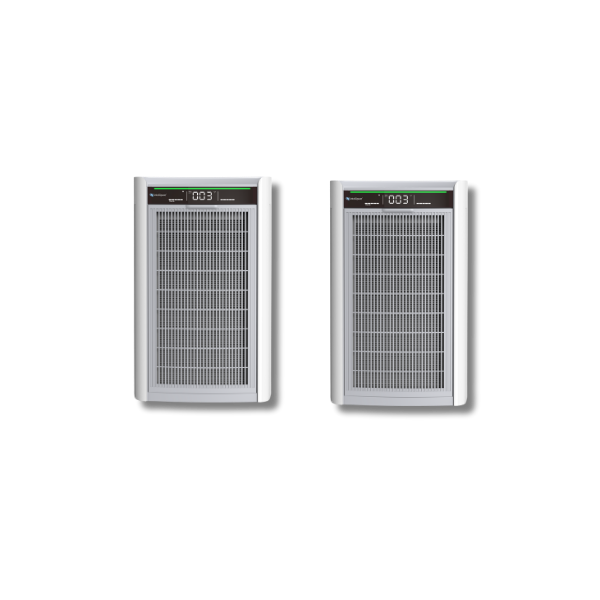
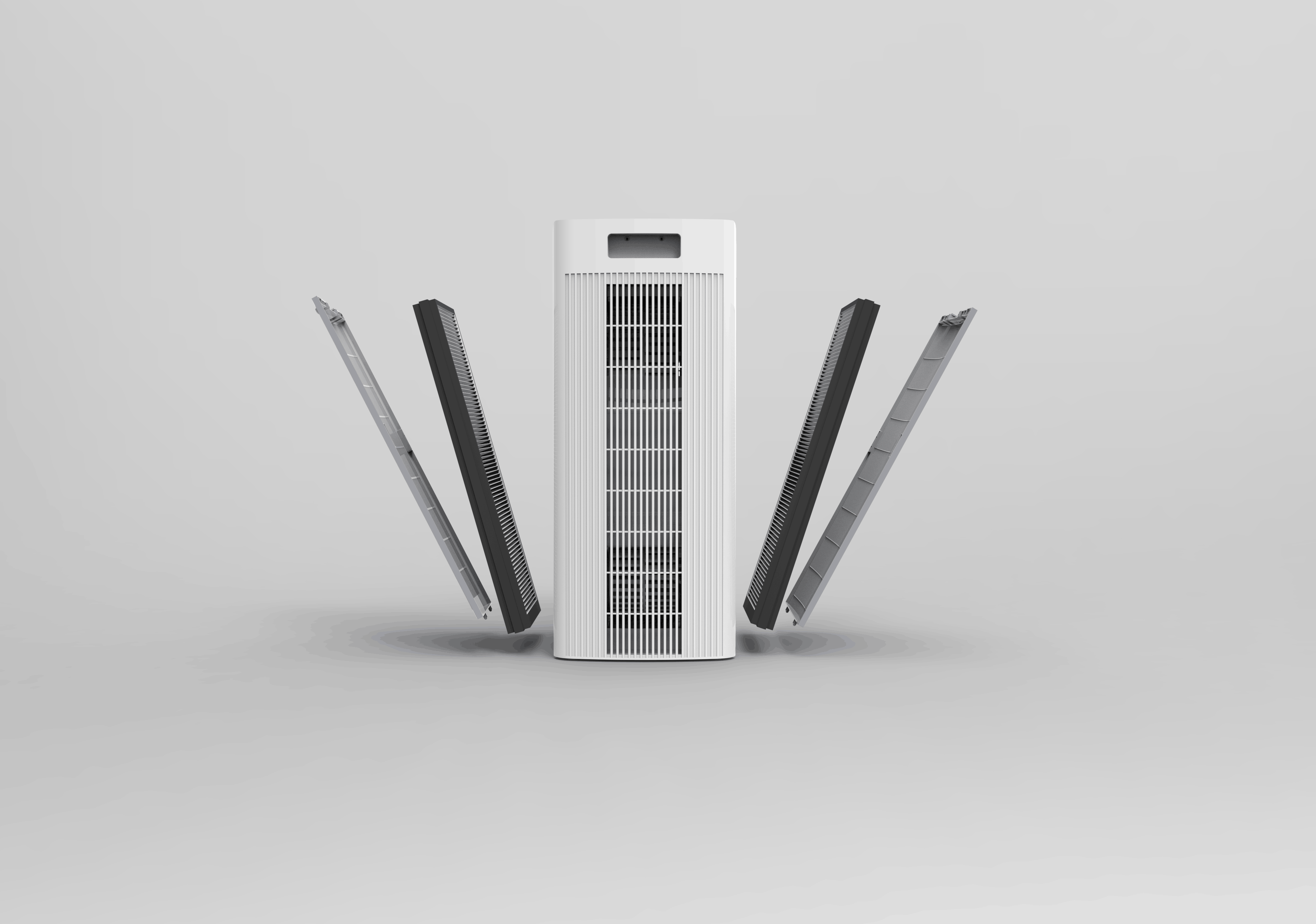
5. Use A VOC Filter Equipped Air Purifier

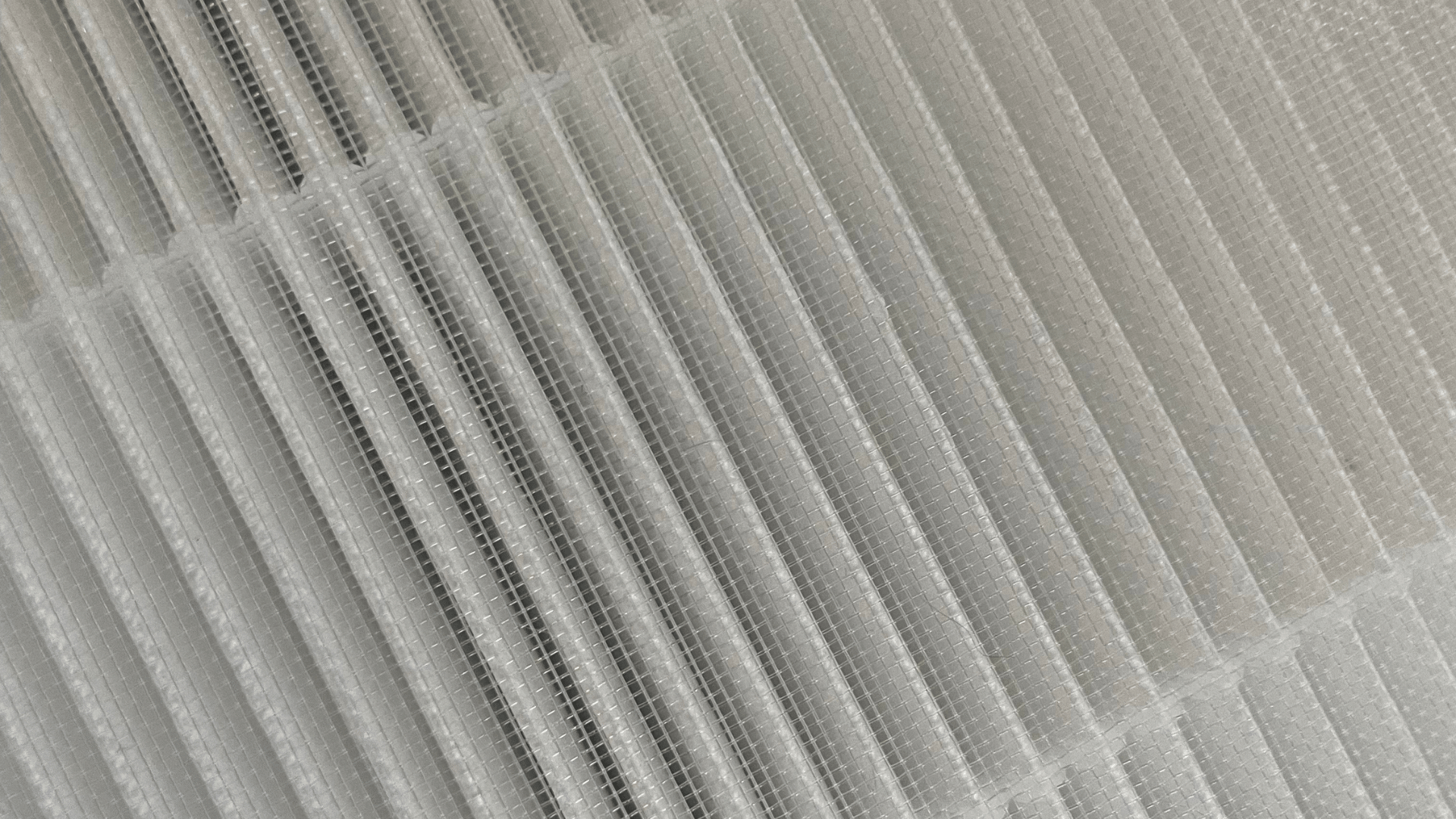
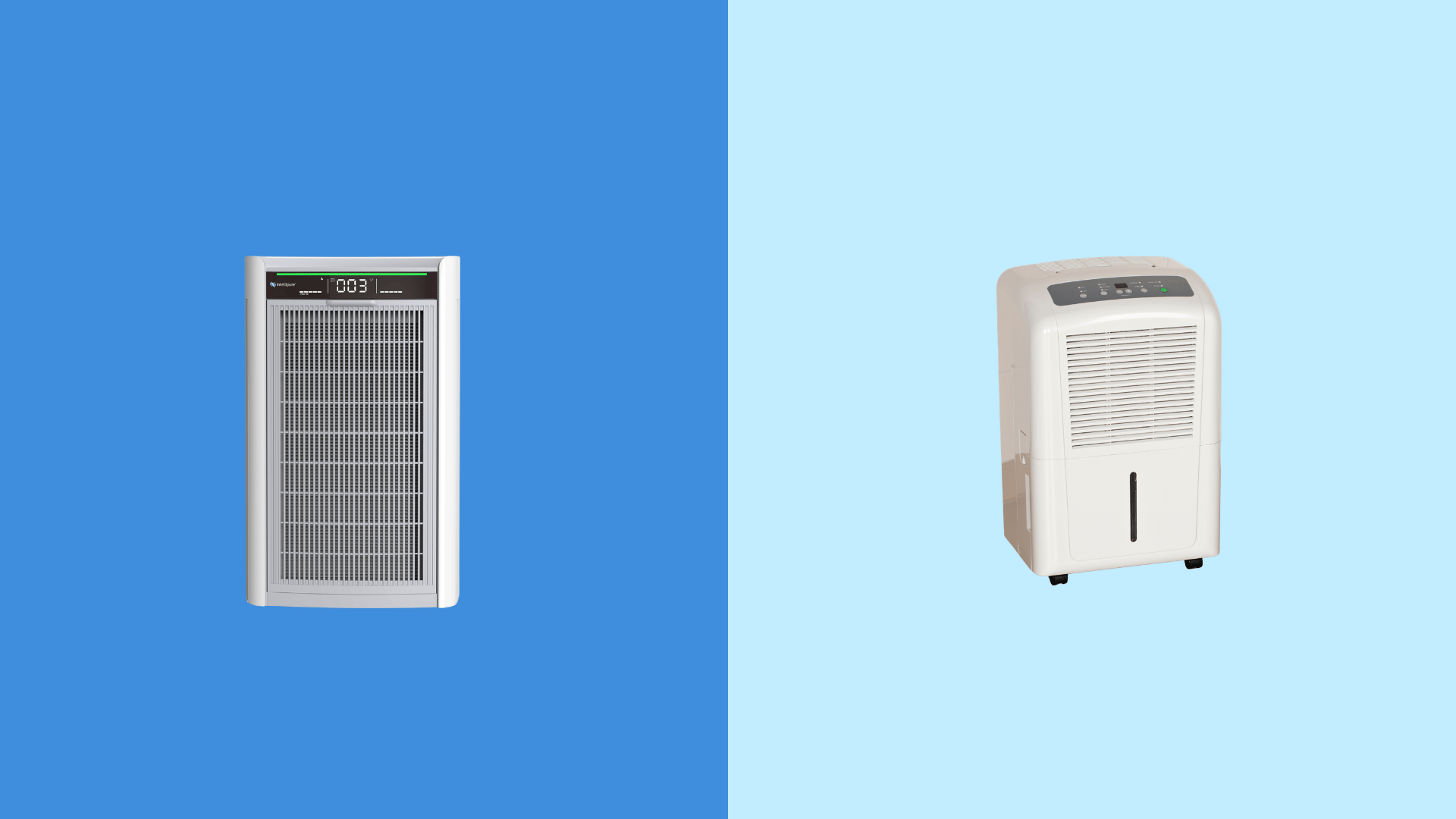
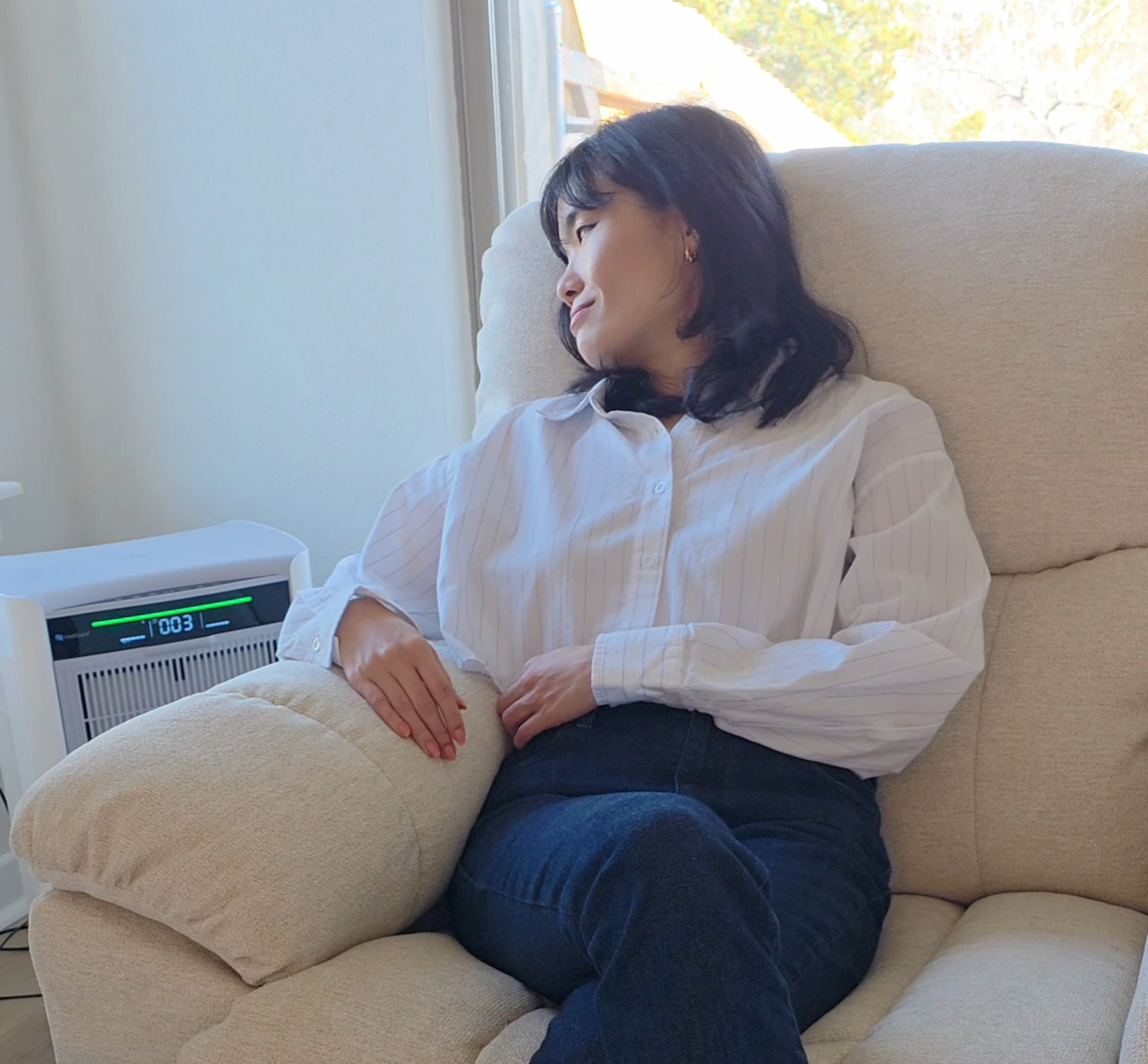
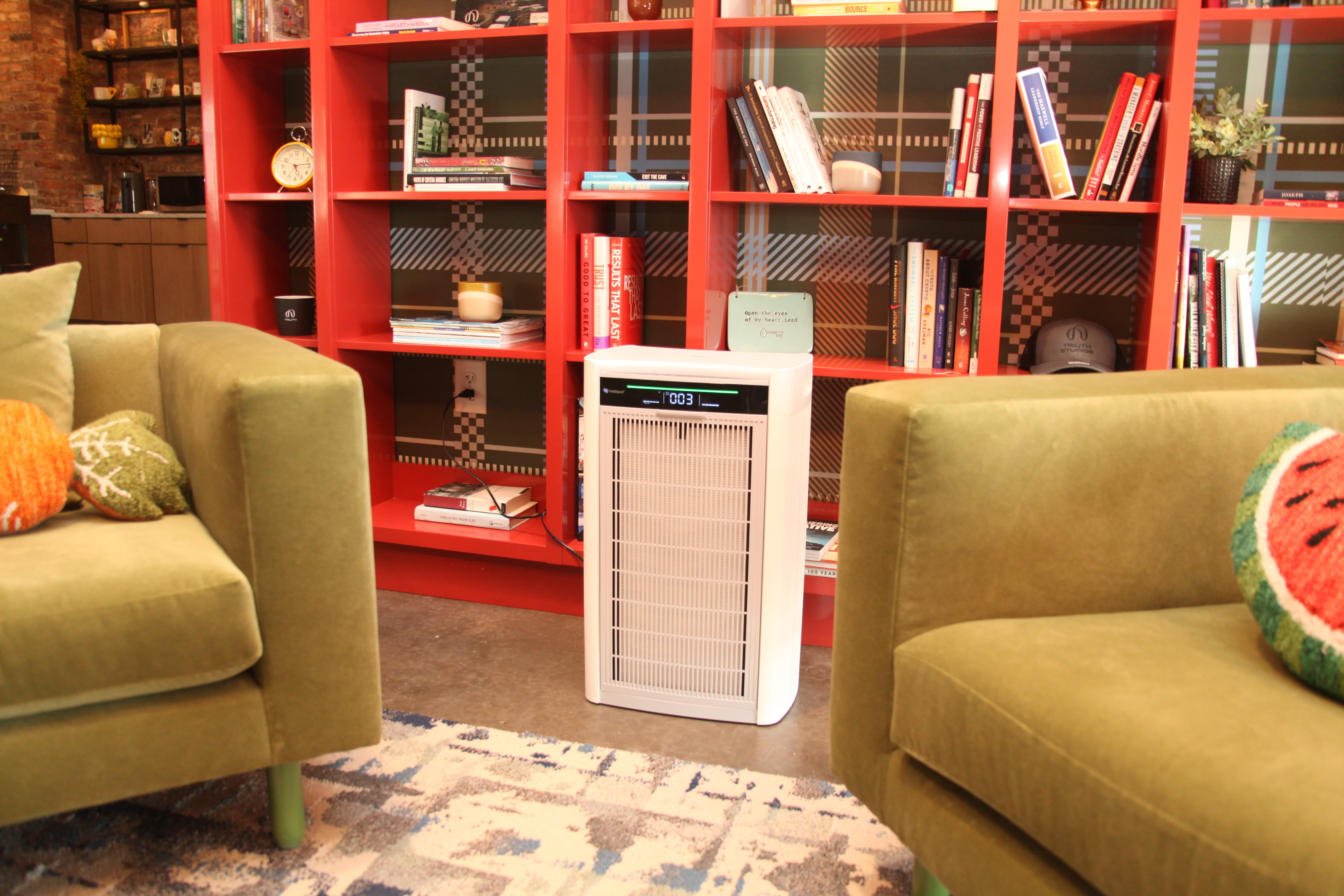
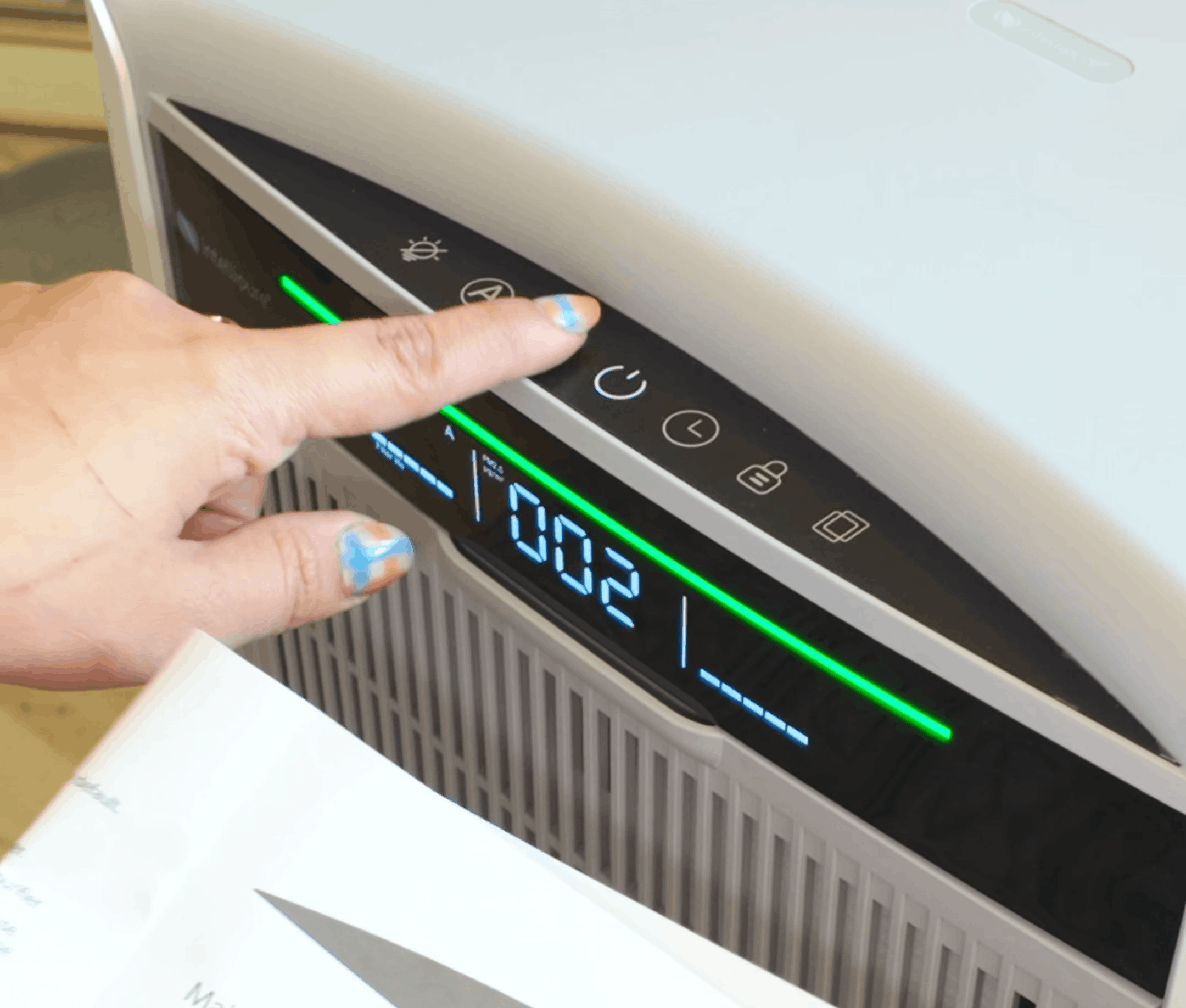
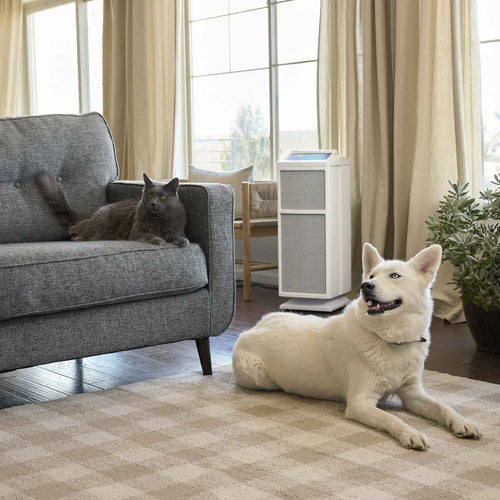
Pet hair isn't the only thing your furry friend leaves behind. Pet dander and pet smells linger in the air long after your companion has left the room. A high-quality air purifier with a VOC (volatile organic compound) filter will remove not only pet dander but also pet smells, including litter box odors. Plus, healthier air is better for you and your pet.
Explore the Breathe Easy Blog

View all

Hurricane Season Starts Outside. The Air Prep Starts at Home.

Hurricane Season Starts Outside. The Air Prep Starts at Home.

Hurricane prep usually starts with the obvious: batteries, bottled water, flashlights, medications, and a plan for where to go if conditions turn dangerous. But hurricane season home preparation should also include the air inside your home.

I've lived in Florida my whole life, so hurricane prep feels almost like a seasonal ritual. Still, indoor air can be easy to overlook when there are shutters to hang and supplies to track down.

Read more

Clean Air Self-Care: Small Ways to Breathe and Feel Better at Home

Clean Air Self-Care: Small Ways to Breathe and Feel Better at Home

As I live and breathe, National Wellness Month is finally here! And what better time to talk about personal wellness tips and tricks than this? Self-care can take many forms. For some, it's a better bedtime routine. Morning people might tell you it's a few quiet minutes before the day begins.

Read more

Outside In: How Your Yard Affects Your Indoor Air Quality

Outside In: How Your Yard Affects Your Indoor Air Quality

Counterintuitively, a big part of maintaining good indoor air quality (IAQ) is being more mindful of the air outside your home. That's because half of what's in the air outside can make its way inside [1][1].

From pollen and mold spores to pesticides and other lawn treatments, lots of different outdoor contaminants find their way into the air you breathe when you're chilling on the couch, eating lunch at the kitchen table, or even tucked under the covers in bed. 

Read more

The Skin-Deep Side of Summer IAQ

The Skin-Deep Side of Summer IAQ

As a lifelong resident of the Sunshine State, I consider myself an authority on all things sunny. So, I speak from experience when I say: Summer has a way of making skincare routines and hair maintenance schedules feel like full-time jobs. 

Read more

Summer Staples That Threaten Clean Indoor Air

Summer Staples That Threaten Clean Indoor Air

Summer is all about getting outside and having fun, but for many families, it also means a rush of indoor air pollutants that go largely unnoticed.

From sunscreen sprays to insect repellents to beachy scented candles, the products we use to help us enjoy summer can measurably degrade our indoor air quality (IAQ). Volatile organic compounds (VOCs) from these everyday items can accumulate to concentrations much higher indoors than outdoors, triggering everything from mild irritation to more serious long-term health consequences [1][1]

Read more

The Smoky Side of Summer

The Smoky Side of Summer

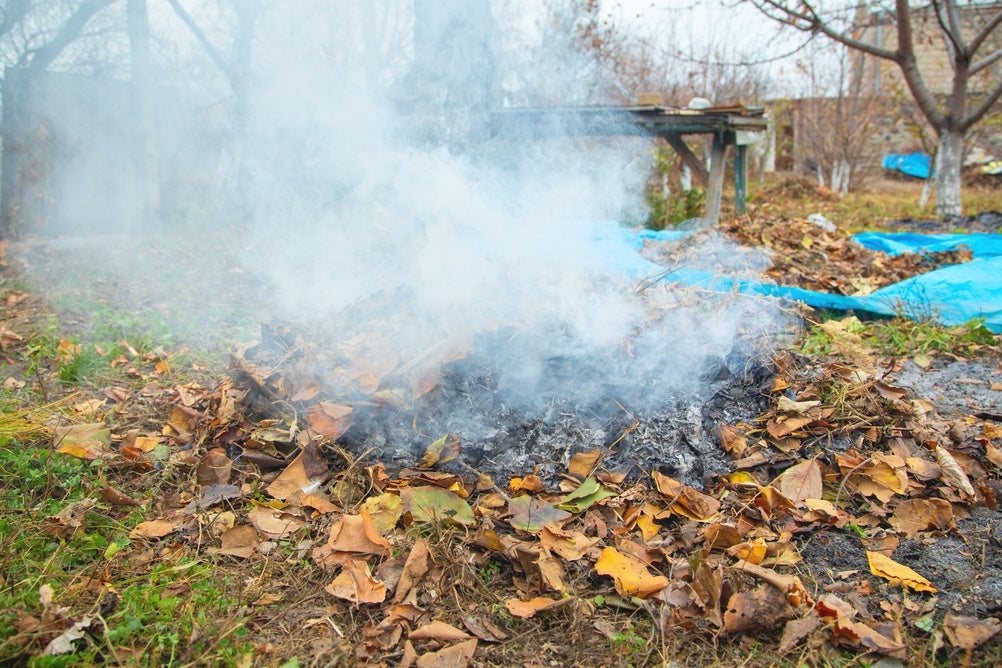
Grills firing up. Fireworks cracking overhead. Citronella candles glowing on the patio. Personally, I'm excited for the festivities. But some of summer's most familiar moments come with a little smoke.

We usually think of these as outdoor activities, which makes them feel separate from the air inside our homes. But your indoor air doesn't exist in a hermetically-sealed bubble. Smoke can drift through open doors, screened porches, cracked windows, attached garages, and nearby air intakes. And once those tiny particles make their way inside, they can linger longer than the fun.

Read more

Breathing Activities to Help Kids Keep Their Cool

Breathing Activities to Help Kids Keep Their Cool

Big emotions are a regular part of childhood, but kids don't always know how to manage them without support. One of the simplest and most effective emotional regulation tools they can learn also happens to be completely free: mindful breathing. For kids and adults, deep breathing helps calm the body's stress response, making it easier to control emotions, refocus, and navigate challenging situations. 

Read more

Shedding Light on Pet Allergens: How Pets Affect Indoor Air Quality

Shedding Light on Pet Allergens: How Pets Affect Indoor Air Quality

We love our pets. We love their little routines, their tiny dramatic sighs, their oddly specific favorite spots around the house. What we don't love quite as much? We love our pets. We love their little routines, their tiny dramatic sighs, their oddly specific favorite spots around the house. What we don't love quite as much? The fur tumbleweeds, the mystery smells, and the microscopic particles they leave behind.

Read more

Summer Air Myths

Summer Air Myths

Summer is often portrayed as the season of fresh air, when you're supposed to get out of the house and enjoy the great outdoors, or at least crack open a window or two. But well-meaning advice about "getting fresh air" isn't always supported by science. This article debunks five common myths about summer air quality, so you can make more informed decisions about your home environment. 

Read more