

Ask the Right Questions
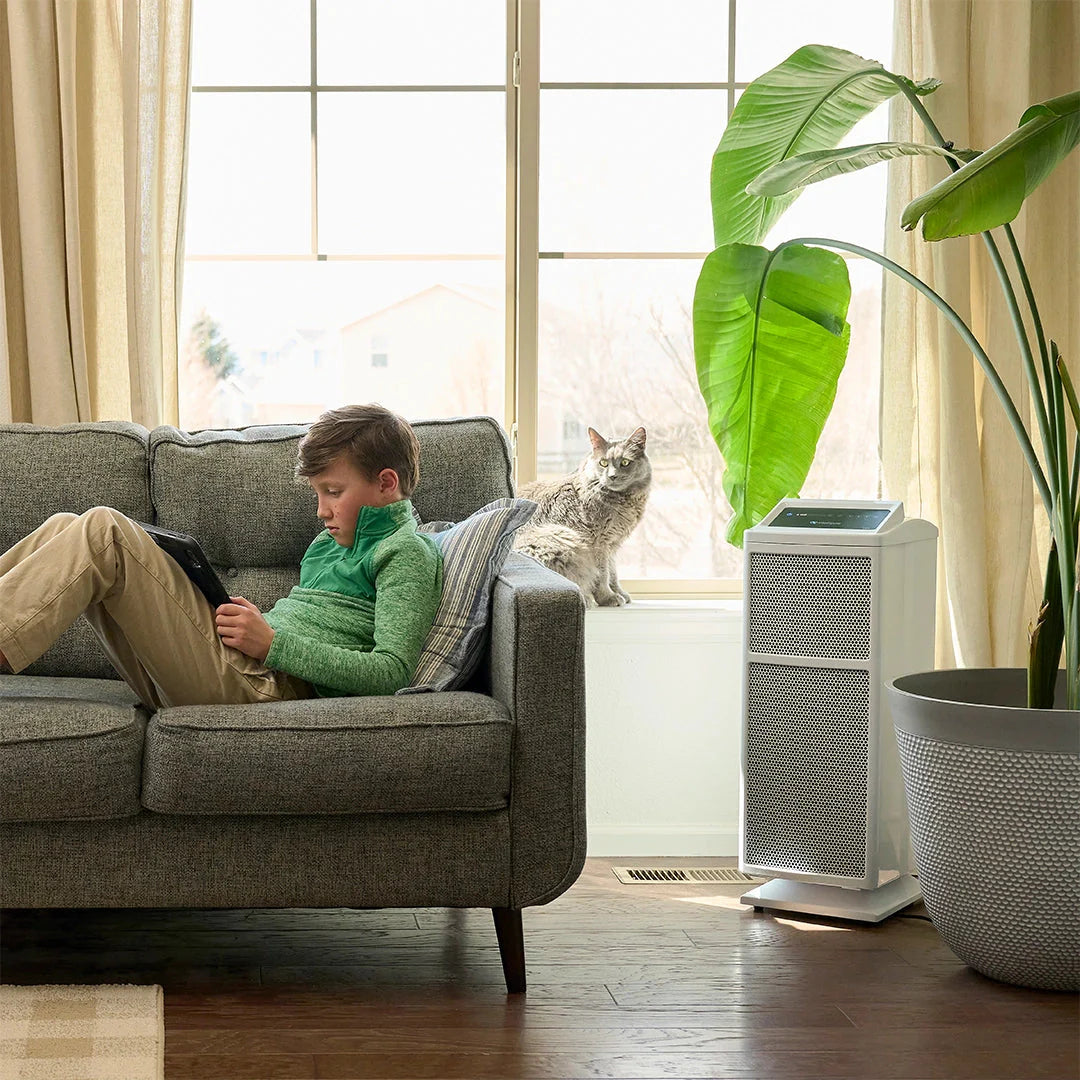
The hard part is over - you did your research and found an air purifier that fits your lifestyle and indoor air quality needs. Now you're asking, "Where do I place my air purifier for maximum efficiency?"
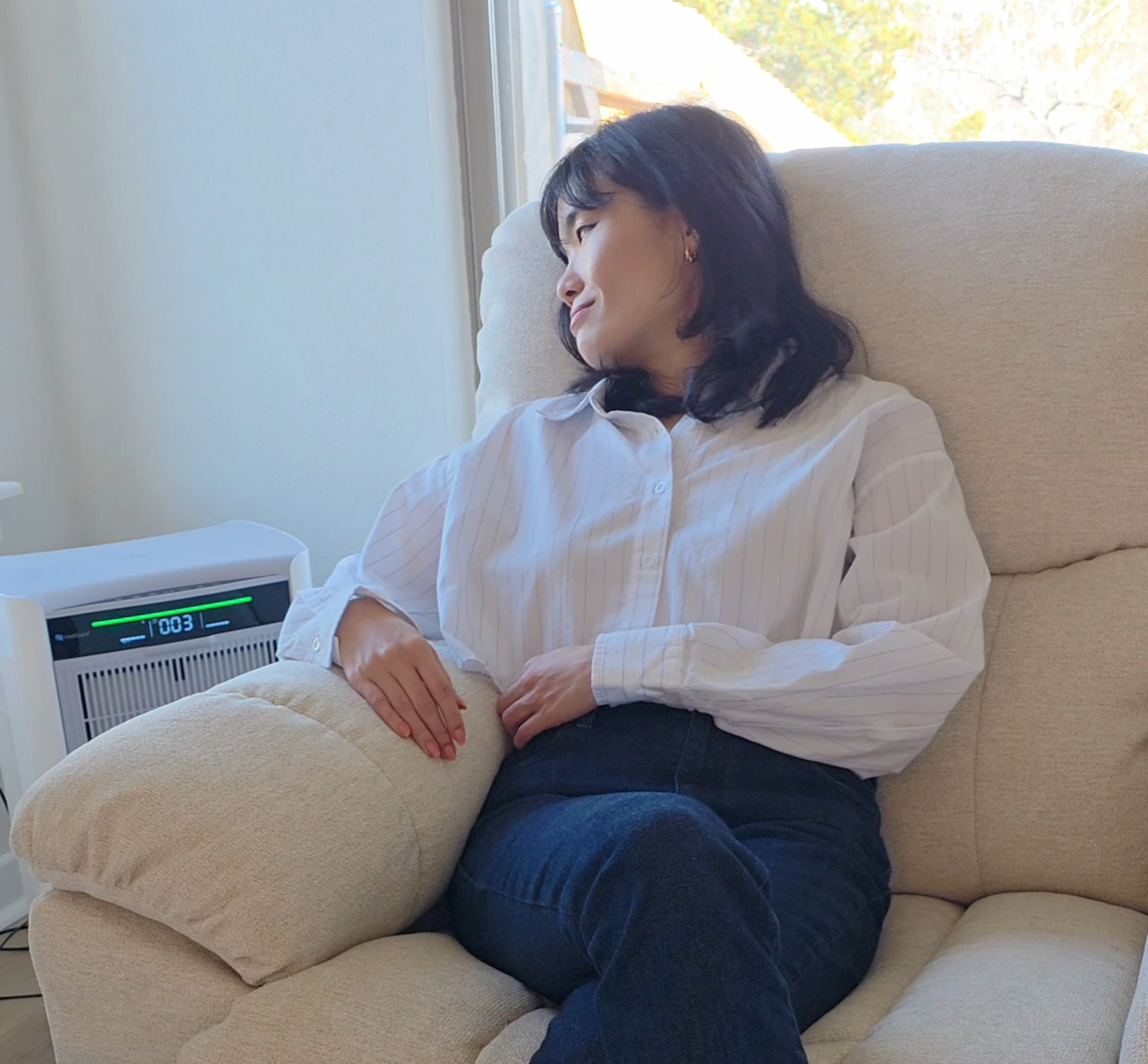
When considering the ideal location, think of a high-traffic area or an area where your air quality matters most to you. The target location should fall within the square footage of the coverage area stated by the manufacturer for maximum air exchanges. Should it be your living room, where your children and pets like to play and relax regularly? Or your home office, where you spend most of your day?
Can I place my air purifier in the foyer?
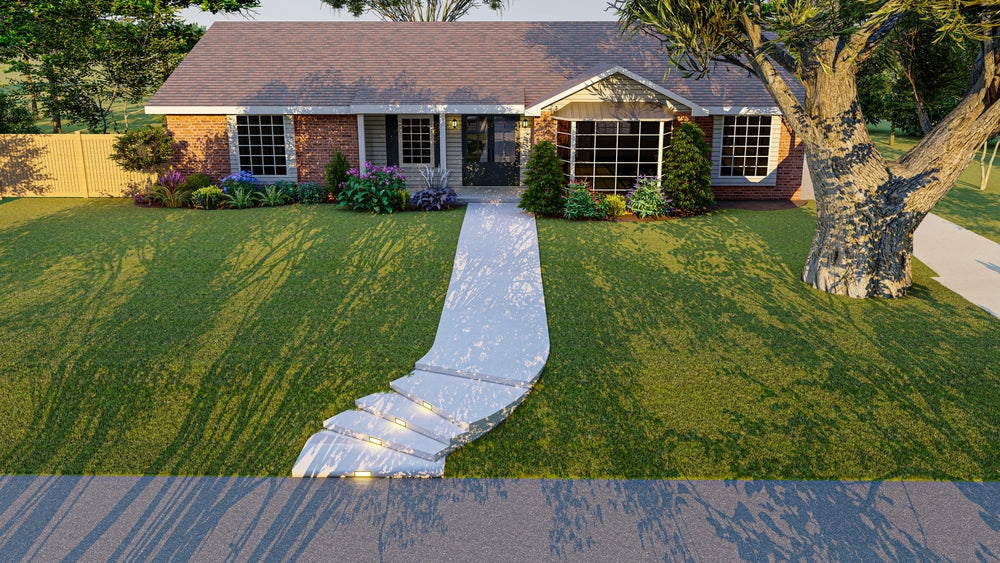
If you're constantly opening the front door, this can let in outdoor pollen and germs. Placing the air purifier in a central area or near the most-used entrance can help remove contaminants flowing into living space.
Can I use my air purifier near a window?
Using the system near an open window is a great way to reduce allergens and particulates flowing into the home along with the fresh air. If the system is used near an open window or frequently used outside air source, you may want to monitor or change the pre-filter more often.
What do I want to take out of the air?
Say you're trying to remove a specific particle, such as mold. Although an air purifier will not stop mold buildup, placing it in a mold-prone area can reduce the amount of airborne mold spores. For more tips on conquering mold, check out this article.
Prime Locations to Place an Air Purifier
- Foyer
- Kitchen
- Laundry room
- Rooms with strong smells, like where you keep your cat's litter box
- Nursery
- Home office
- Dorm rooms
- Newly painted/renovated rooms
- Home gym
- Mud room
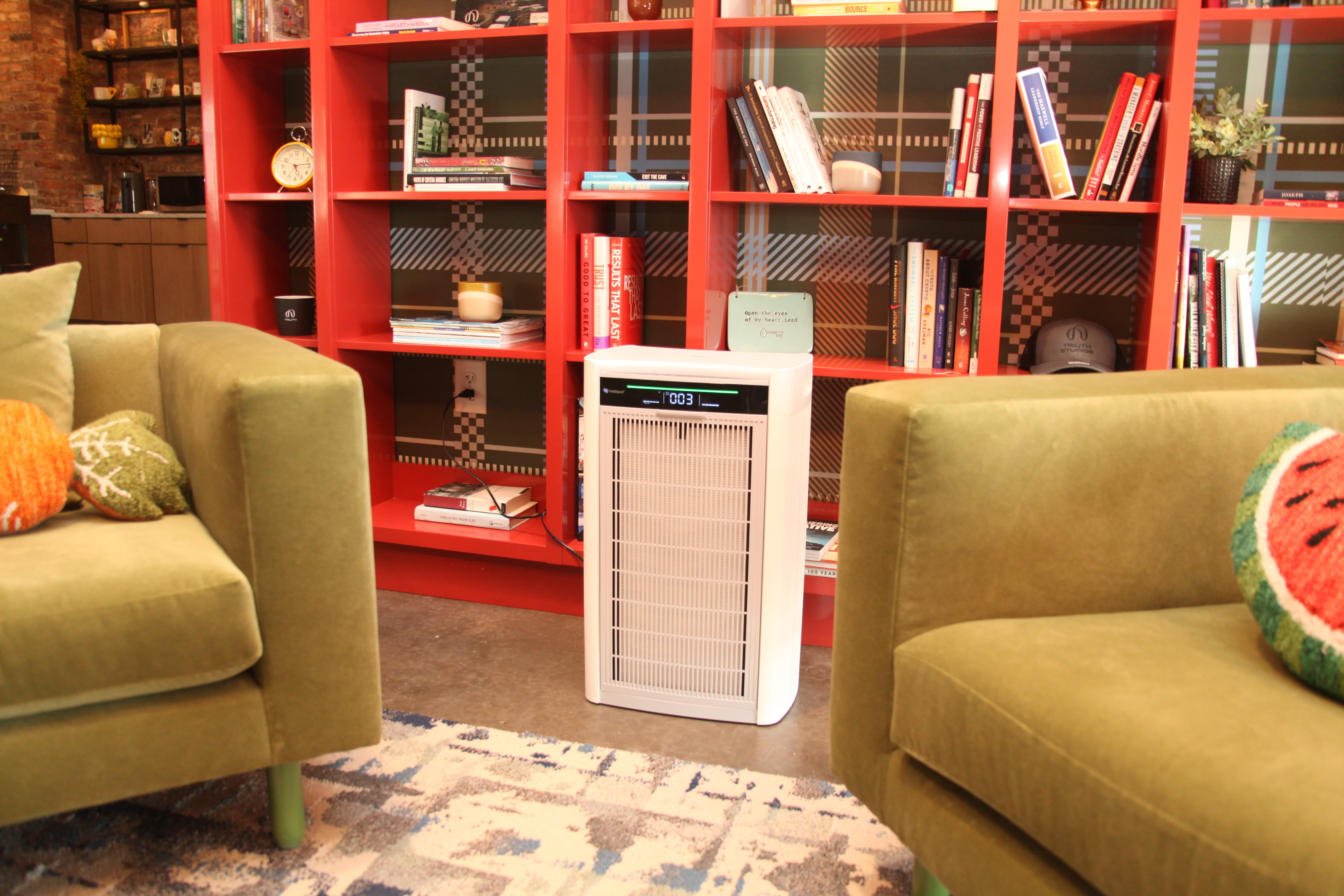
For the most effective results, place your air purifier in an area where you spend the most time and airflow won't be restricted. Remember to give your air purifier enough "breathing room" to take in harmful particles and let out as much clean, fresh air as possible. We also recommend not placing objects directly on top of your air purifier, as this can restrict the amount of air coming out of the unit.
Do the Math: How Do I Calculate Air Exchange?
Air exchange is just what it sounds like - the amount of times air circulates completely within an indoor space. Larger areas will take longer, since there is more area to cover.

For example, a 10x10 foot room with 8 foot ceilings has 100 square feet of floor space and 800 cubic feet of air. At low speed, it will take 36 minutes to exchange the air in the space (800/22), so there will be 1.6 air exchanges an hour (60/36).




11 Nontoxic Ways to Clean Your Indoor Air
How to Make Your Home a Health Sanctuary