

Summary
Poor indoor air quality is a major—but often overlooked—factor in lung health, contributing to conditions like asthma, COPD, lung cancer risk, and worsened respiratory symptoms. This article explains how everyday indoor pollutants impact the lungs and outlines simple, science-backed steps—source control, ventilation, and purification—to protect respiratory health and help everyone breathe easier at home.
In This Article
This time of year is beautiful and festive. It can also feel hectic. With your calendar so packed, you might not realize November marks several important awareness events related to lung health—making it the perfect month to raise your IQ about IAQ, or indoor air quality.
Poor IAQ—which simply means air that contains harmful levels of pollutants, particles, and allergens—can cause or contribute to the development of lung cancer, infections, and chronic lung diseases, including asthma. When the air isn't clean, people who are already living with lung disease are more at risk of experiencing breathing troubles and further damage.
Lung Cancer Awareness Month
Every November, the American Lung Association (ALA) calls on those impacted directly by lung cancer, their caregivers, and other supporters "to stand together against lung cancer, the leading cause of cancer deaths in the U.S." [1] Their Lung Cancer Awareness Month webpage features a variety of resources, content, and ways to get involved.
Lung Cancer Screening Day
To champion this campaign, facilities across the United States open their doors on the second Saturday in November for low-dose computed tomography (LDCT) lung screening. Worldwide, lung cancer is the deadliest type of cancer, and populations from lower socioeconomic backgrounds are disproportionately affected. Most screening centers typically operate Monday through Friday, making it hard for people with traditional or inflexible work schedules to get checked out. Thanks to National LCS Day, patients with the biggest need for screening gain better access. [2]
World COPD Day
Since 2002, World COPD Day has built community, increased awareness, and led to the exchange of knowledge and information about chronic obstructive pulmonary disease (COPD). Each year, in more than 50 countries across the globe, health care professionals, educators, and members of the public organize both local and cross-cultural events and activities. World COPD Day takes place on November 19th this year, and the 2025 theme is "Short of Breath, Think COPD." [3]
A Closer Look at Lung Disease
The American Lung Association lists over 60 distinct lung diseases and conditions in their searchable database, spanning everything from asthma to tuberculosis to long COVID. [4]
Since they're being recognized this month, we're going to focus on a couple of the more common ones, COPD and lung cancer, before sharing some steps you can take to help minimize symptoms and reduce your risk of developing a lung disease in the first place.
Chronic obstructive pulmonary disease (COPD)
Over 14 million adults in the United States have COPD, and lots more have it without even knowing it. [5] Worldwide, COPD is the fourth leading cause of death, responsible for 3.5 million deaths in 2021, which equates to about 5% of all global deaths. [6] And according to the Center for Disease Control and Prevention (CDC), it's the sixth leading cause of death in the U.S. [7]
Classic signs and symptoms of COPD are shortness of breath, chest tightness, coughing, tiredness, and extra phlegm. Damage to the airways or other parts of the lung causes inflammation and swelling, and that's what blocks airflow and makes it hard to breathe.
The two most common types of COPD are:
- Emphysema: Your lungs are filled with tiny elastic air sacs that stretch and fill up with air when you breathe in and deflate and release air when you breathe out. With emphysema, due to damage to the walls between those air sacs, it's much harder for your lungs to move air out of your body.
- Chronic (long-term) bronchitis: Constant or recurring irritation and inflammation of the airway lining causes chronic bronchitis. Thick mucus forms in the airways, which makes it hard to breathe.
Most people living with COPD have a combination of both emphysema and chronic bronchitis, and the degree of symptoms they experience from each varies based on their personal circumstances.
People with COPD are more susceptible to other health issues, including heart problems, the flu and pneumonia, weak muscles, brittle bones, lung cancer, and even depression and anxiety. And unfortunately, since COPD is a progressive disease, it tends to get worse over time—increasingly affecting a person's ability to exercise, cook, go on walks, and take care of themselves. [5]
Tobacco smoking is to blame for over 70% of COPD cases in the U.S. and other high-income countries, so there are things you can do to prevent ever getting it. There's no cure for COPD once you have it, but your quality of life can improve if you steer clear of smoking, stay on top of your vaccines, and avoid air pollution. [6]
Lung Cancer
Smoking tobacco is the number-one cause of lung cancer, but it also affects non-smokers. Other risk factors include exposure to secondhand smoke; indoor and outdoor air pollution; asbestos, radon, and certain chemicals; previous chronic lung diseases; and hereditary cancer syndromes.
Lung cancer begins when abnormal cells grow in the lungs in an uncontrolled way. Some symptoms to watch out for are:
- A cough that won't go away
- Shortness of breath
- Chest pain
- Haemoptysis, or coughing up blood
- Tiredness and fatigue
- Weight loss
- Repeated lung infections
Some measures you can take to help avoid the dangers of lung cancer include keeping away from smoking, minimizing your exposure to air pollution, and staying on top of your regular recommended screenings. [8]
Poor Indoor Air Quality (IAQ): The Culprits
There are a handful of threats to fresh, clean air in your home that you should keep top of mind. Not only do these poor IAQ culprits cause shortness of breath, respiratory discomfort and irritation, and increased risk of developing a lung condition, but they can also make your symptoms and quality of life worse if you're already living with or in recovery from a lung disease. Among people with COPD, for example, indoor air pollution has been linked to experiencing additional respiratory issues.
Secondhand Smoke
Tobacco smoke is an enormous source of indoor particulate matter (PM). It's to blame for 50–90% of indoor PM concentrations in high-income countries like the U.S. [9] The risk of developing lung cancer increases based on the duration and level of exposure to secondhand smoke, but even short exposures can hurt the body's cells enough to set lung cancer in motion. [10]
Cooking and Heating
Combustion of cooking and heating fuels can create PM, volatile organic compounds (VOCs), nitrogen dioxide (NO2), sulfur dioxide (SO2), and carbon monoxide (CO) that pollute the air in your home. Levels of exposure—and risk—depend on your ventilation techniques, what cooking methods and equipment you're using, and how close you are to the pollutant source. Studies show that NO2 levels are higher in poorly ventilated homes with unvented gas stoves. [9] A good rule of thumb: If you can smell what you're cooking, it's probably affecting your air quality.
Cleaning Products and Household Chemicals
It feels counterintuitive, but sometimes cleaning your house can dirty up your air. Take sweeping, for example. It can stir up particles and allergens and resuspend dust that had already settled. Cleaning supplies—including certain detergents, oven cleaners, floor polishes, upholstery cleaners, air fresheners, and aerosol sprays—release harmful VOCs and chemicals into your air. They can irritate your eyes and throat, cause headaches, and trigger other health problems, especially if you already have asthma or other respiratory illnesses. [11]
Pets and Pests
Pet dander, or tiny flecks of skin shed by animals with fur or feathers, can make allergy symptoms flare up. Pet dander and allergens tend to linger in the air for a longer time than other allergens because they're microscopic and jagged in shape. They become airborne and stick to furniture, bedding, and fabrics more easily. They can even catch a free ride on items traveling into and out of your home. [12] But cats, dogs, birds, bunnies, and guinea pigs aren't the only critters you need to watch out for. Rodents and pests—including cockroaches, dust mites, mice, and rats—also impact IAQ and play a role in respiratory disease and asthma symptoms. (Gross, but true.) [9]
Carpets and Rugs
Carpets and rugs can trap pollutants, allergens, mold spores, pesticides, dirt, and dust—not to mention toxic gases in the air that stick to small particles and settle into carpets. Shag and high-pile carpets are the biggest culprits when it comes to allergens and pollutants, and all carpets older than 10 years carry more dirt. Some new carpets, carpet pads, and installation adhesives are made with harmful VOCs and emit odors and chemicals.
Because they spend lots of time playing on the floor, and they tend to put their hands—and just about everything else—straight into their mouths, children are more vulnerable to pollution in carpets and rugs. [13]
Dampness and Humidity
Lots of routine activities that happen inside your home impact moisture and humidity. Showering, cooking, and humidifier usage are common ones. But what's the problem with having a little dampness in the air? Well, bacteria, molds, mites, and insects all thrive in damp, humid environments—and these pathogens can contribute to respiratory disorders, including asthma, chronic sinusitis, and other respiratory symptoms like coughing, wheezing, and shortness of breath. [9]
If you're living with a lung condition or disease, you'll need to consult with your doctors to find the best advice, treatments, and resources to manage your symptoms or recovery. That said, it's a no-brainer to keep the air you're breathing day in and day out as clean as you possibly can.
Indoor air can be two-to-five times—and even up to 100 times!—more polluted than outdoor air. And the average American spends 90% of their time indoors. People with underlying health conditions, especially lung disease, are more vulnerable to the effects of polluted air. [14]
1. Source control: Take a proactive approach to clean air in your home by avoiding top sources of pollution altogether. Ban smoking indoors, use low-VOC cleaning products, vacuum with a HEPA filter to trap allergens, and fix any leaks to prevent mold.
2. Ventilation and circulation: Lean on a combination of natural and mechanical ventilation techniques. Use exhaust fans while cooking and during showers, and crack a window briefly if outdoor air quality is good.
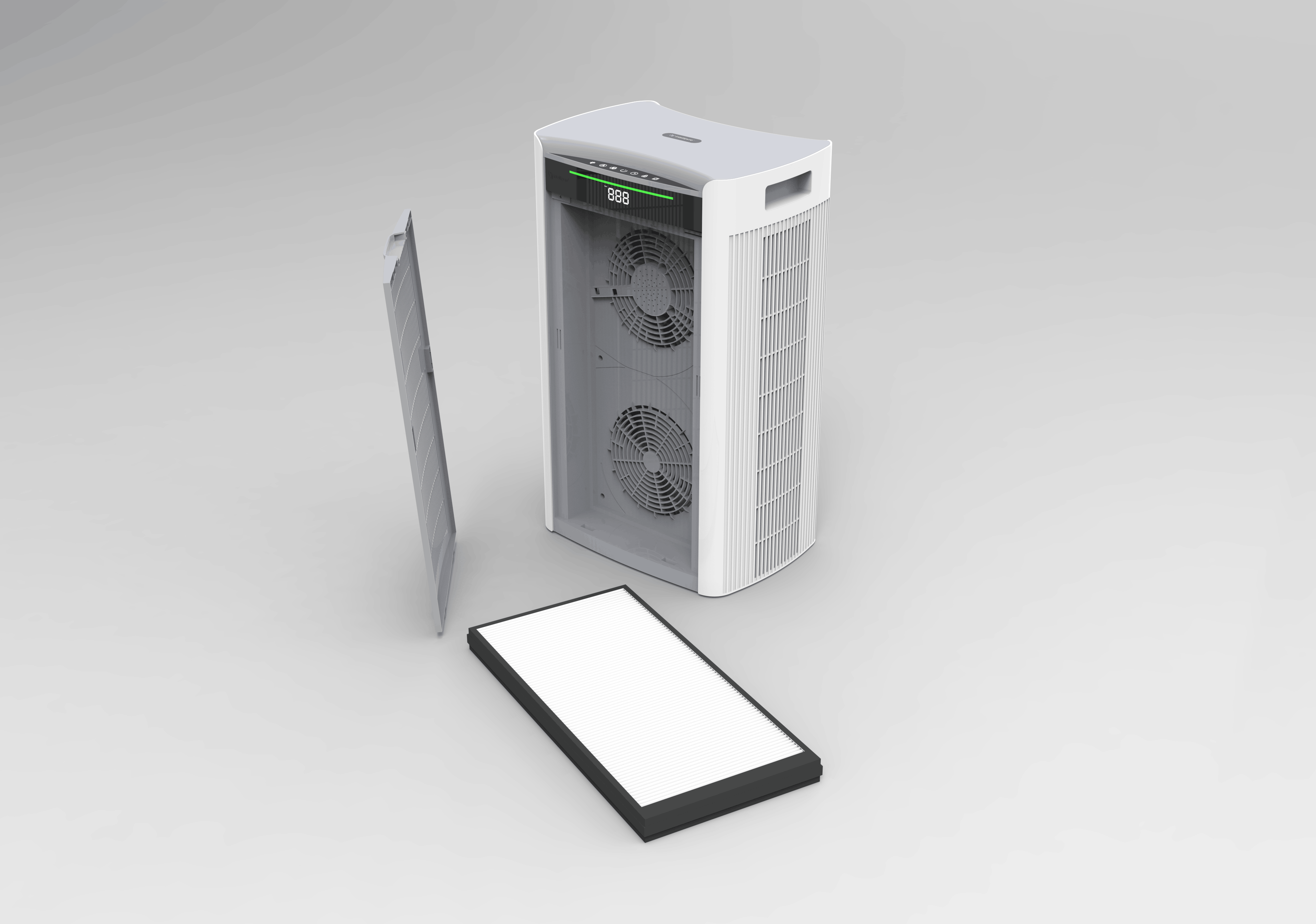
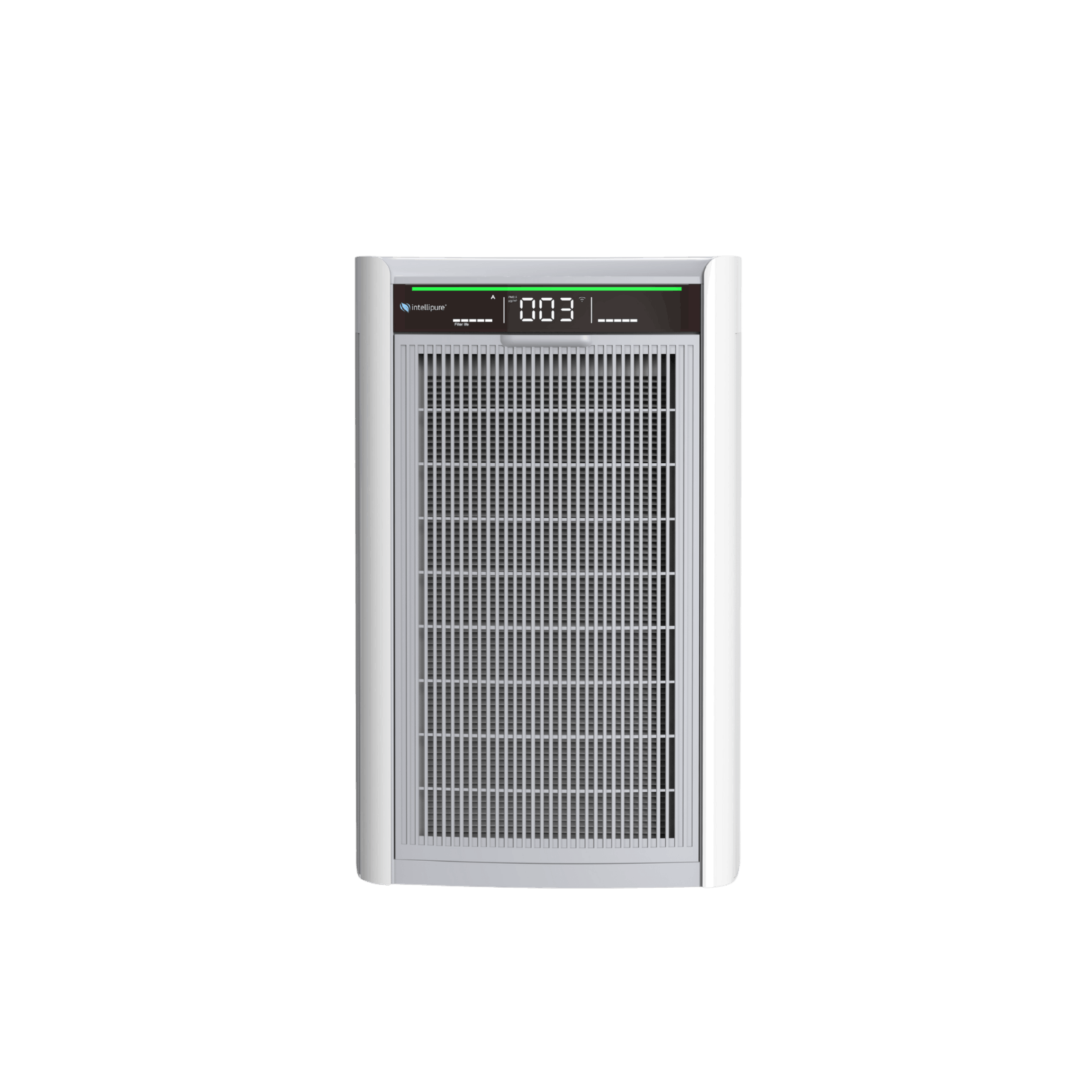
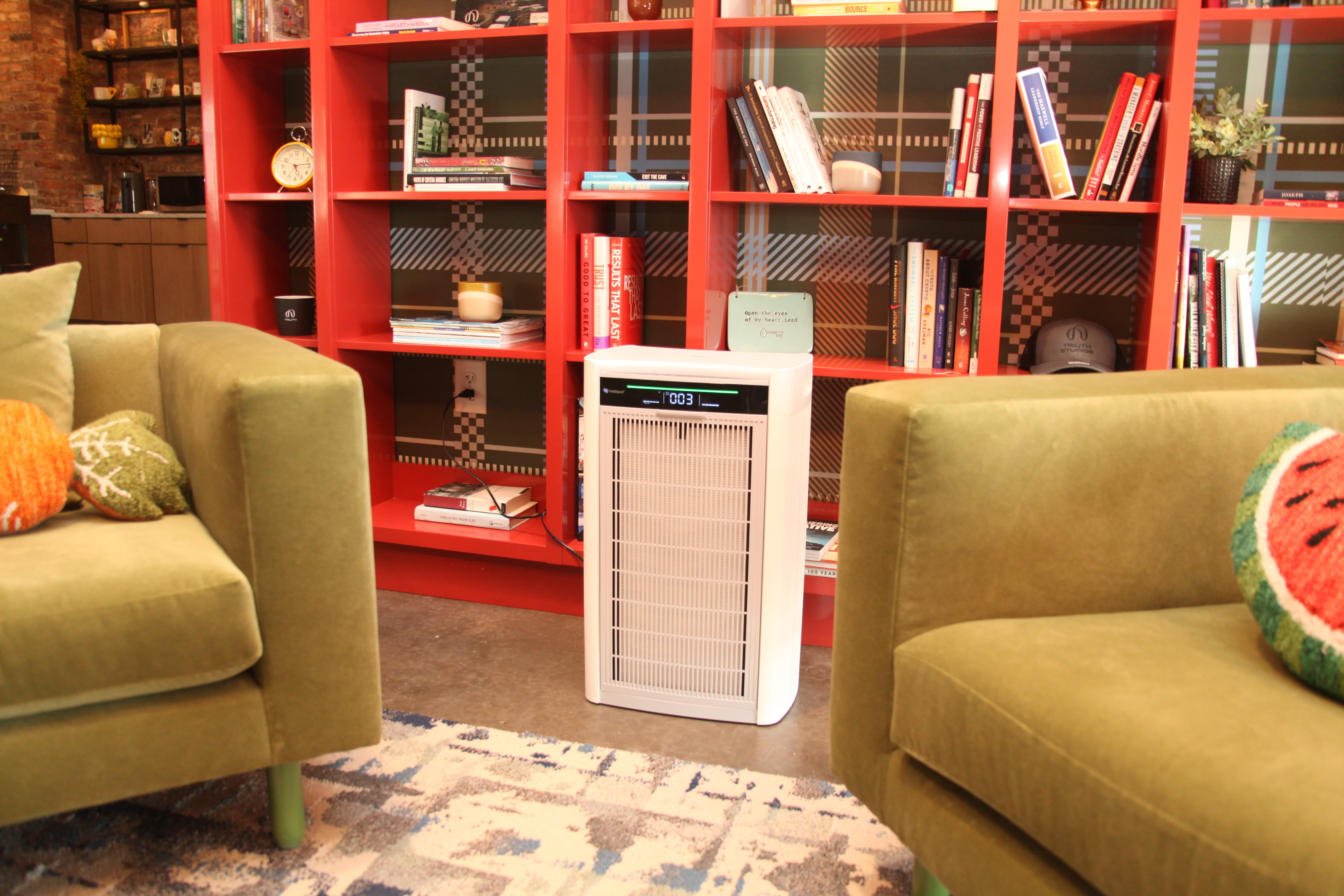
3. Purification: There's no such thing as perfect. Despite your best efforts at source control and ventilation, pollutants can and will invade the air inside your home. Fortunately, advanced air purifiers trap what's left, reducing VOCs and allergens by up to 99%. [15]
A six-month study led by Johns Hopkins Medicine revealed that people with COPD notice improved symptoms when using portable air purifiers indoors. Researchers also concluded that using portable home air purifiers can boost cardiovascular health in people with COPD. Says lead author Sarath Raju, M.D., M.P.H., "We've seen that air pollution in the home, where people spend a majority of their time, contributes to impairments in respiratory health." [16]
Clean Air for All
It couldn't be clearer that clean air matters when it comes to lung health and respiratory wellness. Everyone breathes better when the air around them is fresh, odorless, and free of pollutants, allergens, and VOCs.
Being more mindful of the IAQ in your home doesn't have to be complex or time consuming, and the rewards are big. Air purification benefits members of your household, overnight guests, and even visitors popping over for a quick visit. Friends with asthma, pet allergies, and COPD, plus those recovering from lung cancer or other respiratory conditions, might not even notice your purifier running quietly in the background—but they'll breathe better, and their lungs will thank you.
Popular Gifts to Promote Lung Health
These clean air gifting ideas say: "I care about you and your health.
References
- Lung Cancer Awareness Month | American Lung Association.
- About - Lung cancer screening day.
- World COPD Day 2025 - Global Initiative for Chronic Obstructive Lung Disease - GOLD.
- Lung Disease Lookup | American Lung Association.
- COPD - What Is COPD? | NHLBI, NIH.
- Chronic obstructive pulmonary disease (COPD).
- CDC report reveals COPD as the sixth leading cause of death in the U.S..
- Lung cancer.
- Indoor Air Pollution and Respiratory Health.
- Health Effects of Secondhand Smoke | American Lung Association.
- Cleaning Supplies and Household Chemicals | American Lung Association.
- Pet Dander | American Lung Association.
- Carpets and rugs | American Lung Association.
- Clean Air Indoors | American Lung Association.
- Improving Indoor Air Quality | US EPA.
- Johns Hopkins Medicine. (2022). Household Air Cleaners Improve Heart Health Among Individuals with COPD, Researchers Find..










How to Make Your Room Smell Fresh Naturally and Safely
Be the Host with the Most (Healthy & Happy Indoor Air)