


Summary
Many popular holiday gifts—like scented candles, air fresheners, plush toys, electronics, and pressed-wood furniture—can quietly worsen indoor air quality by releasing VOCs, dust, and allergens, especially during tightly sealed winter months. This article breaks down which gifts land on the 2025 “Naughty List,” why they impact your air, and how to reduce the damage through smarter unboxing, ventilation, and filtration. It also offers lung-friendlier gift ideas so you can give joy without gifting headaches, sneezes, or polluted air.
In This Article
Fireplaces blaze, candles flicker, brightly wrapped gifts pile up… The holidays have a way of making everything feel magical. But our air doesn't always get the memo. In fact, much of what makes the holiday season so sparkling and special can also make our lungs less merry.
It's no secret that indoor air quality (IAQ) takes a hit in winter, the time of year when many homes stay sealed and ventilation drops. [1][1] But what many people don't realize is that some of the most popular holiday gifts can make this problem even worse. Brand-new, factory-fresh products often off-gas, releasing volatile organic compounds (VOCs), carry in dust and other particulates from the manufacturing process, and even come complete with hidden allergens… all of which linger longer in winter air. [2][2]
So before you wrap up that scented candle or unbox that new plastic toy, here's a handy guide to some surprisingly common holiday presents that may be hurting your air, how to manage the hit to your home's IAQ, and some of our favorite, lung-friendlier gifts to give instead.
Why Indoor Air Takes a Hit During the Holidays
When cold weather arrives, homes become tightly sealed cocoons. Cozy? Yes. Great for your indoor air quality? Not so much.
Here's why the season creates the perfect conditions for pollution buildup:
- Less ventilation
Winter means closed windows and less fresh air moving everyday pollutants out of your home. [1][1] - More new products
Fresh decor, toys, electronics, and textiles can off-gas (slowly release) VOCs such as formaldehyde, limonene, and toluene, especially in the first days or even weeks after bringing them home. [3][4][3, 4] - Stored dust & allergens
Holiday decorating often means opening long-stored boxes from attics, basements, or garages—all prime places for dust, mold, and allergens to collect. [5][6][5, 6] - Sensitive lungs have a harder time in winter
Asthma and allergy symptoms often increase in dry, cold months, making sensitive and susceptible family members more reactive to indoor pollutants. [1][1]
Which brings us to the gifts themselves—the ones that top the dreaded Naughty List when it comes to maintaining clean, healthy indoor air.
The Naughty List: Holiday Gifts That Hurt Indoor Air Quality
Not all ho-ho-hope is lost! We're here to help, offering science-supported guidance for this greatest of gift-giving seasons. Here are the most popular holiday gifts that negatively affect indoor air quality, all with research-backed IAQ considerations.
Scented Candles & Wax Melts
Why they're on the list:
- Burning fragranced candles releases VOCs and ultrafine particles into the air. [7][8][7, 8]
- Paraffin wax, a petroleum-derived wax, produces more soot than soy or beeswax candles. [8][8]
- Artificial fragrance blends can irritate sensitive lungs or trigger headaches and asthma symptoms. [2][7][2, 7]
Better-breathing options: Beeswax or soy candles with cotton wicks, or fragrance-free varieties.
Air Fresheners, Plug-Ins & Room Sprays
Why they're on the list:
- Among the highest-emitting consumer products for VOCs and SVOCs. [7][9][7, 9]
- VOCs from fragrances can form secondary pollutants indoors—especially in low-ventilation winter environments. [9][9]
- Linked to irritation, headaches, and increased asthma symptoms in fragrance-sensitive individuals. [2][1][2, 1]
Better-breathing options: Fresh flowers, wreaths, or greenery (with some caveats), essential oils (in low concentrations and in moderation), and/or an air purifier with VOC filtration.
Perfumes, Colognes & Scented Body Products
Why they're on the list:
- Many perfumes and body sprays contain a blend of fragrance chemicals and VOCs that evaporate rapidly and accumulate indoors. [2][7][2, 7]
- Synthetic blends often include dozens of undisclosed chemicals, and aerosolized products disperse those compounds as fine droplets that stay suspended in the air longer, increasing exposure for everyone nearby. [9][9]
- Strong scents can trigger headaches, eye/nose irritation, or asthma symptoms in sensitive individuals, children, and those with respiratory conditions. [2][1][2, 1]
Better-breathing options: Choose fragrance-free or naturally scented products, or give self-care gifts like lotions and creams.
Pressed-Wood Furniture
Why it's on the list:
- Composite wood or plywood-based furniture (especially common for inexpensive, modular units and kids' rooms) can off-gas formaldehyde from adhesives and resins. [5][10][5, 10]
- Off-gassing is strongest when the product is new and freshly unwrapped.
Better-breathing options: Unbox and air out furniture in a garage or other ventilated space before gifting. Choose solid wood furniture (particularly unvarnished or sealed pieces) or products that meet low-emission standards. [10][10]
Electronics & Battery-Powered Toys
Why they're on the list:
- New electronics can emit VOCs from plastics, adhesives, and insulation materials. [7][4][7, 4]
- Warm electronics (like gaming systems) can off-gas more quickly during early use. [4][4]
- Packaging dust and manufacturing residues contribute additional particulate matter.
Better-breathing option: Unbox electronics in a ventilated area, allow them to air out, and pair with air filtration.
Plush Toys, Blankets & Fabric Gifts
Why they're on the list:
- New textiles may contain low-level VOCs from dyes or finishing treatments. [7][7]
- They're excellent reservoirs for dust mites and dander, especially after storage or shipping. [5][5]
- They're meant to be snuggled close, which means their particles are easily inhaled by sensitive lungs. This can aggravate asthma or allergies in kids during winter when IAQ is most compromised. [5][1][5, 1]
Better-breathing options: Wash plush toys before gifting and choose non-synthetic and organic textiles whenever possible.
Craft Kits (Paints, Glues, DIY Sets)
Why they're on the list:
- Many craft supplies—adhesives, markers, paints—emit VOCs, especially solvent-based ones. [2][2]
- Spray adhesives and sealants are particularly high-VOC and should only be used with proper ventilation or air filtration. [2][2]
- IAQ impact is especially important in households with children.
Better-breathing options: Choose low-VOC or water-based supplies, and use air purification during craft time.
How to Keep Gifts From Polluting Your Home's Air
We'd never suggest skipping gifts entirely. (What do you think we are? A bunch of Grinches?) But we do recommend you shop wisely and bring them home the smarter, safer way. Some simple, IAQ-friendly habits for a healthier holiday giving (and getting) season:
- Choose safer materials
Opt for low-VOC, PVC-free, or organic gifts that aren't likely to shed harmful particles. Gifts made of ceramic, glass, stone, crystals or gemstones, and plated or powder-coated metals are typically air-safer options. - Let new items off-gas before wrapping
Place new gifts in a well-ventilated area for 24 to 48 hours when possible. [2][1][2, 1] - Wipe down decor & electronics
Remove packaging dust and help reduce allergens released when items are unboxed. - Wash plush toys & blankets
A quick wash eliminates dust and reduces odor and chemical residues. - Run an air purifier during key stages
Filtering during unboxing, wrapping, unwrapping, and cleanup helps capture VOCs, dust, and ultrafine particles released every step of the way. [1][1] - Replace HVAC filters
This is especially important after decorating or bringing in brand-new gifts and decor.
The Nice List: Healthier, IAQ-Friendly Gifts for All
If you want some feel-good gift suggestions (that don't compromise clean air), try:
- Organic cotton blankets or pajamas
- Stainless steel or glass drinkware
- New books, puzzles, or board games
- Beeswax candles
- Low-VOC craft kits
- Houseplants (low-allergen varieties)
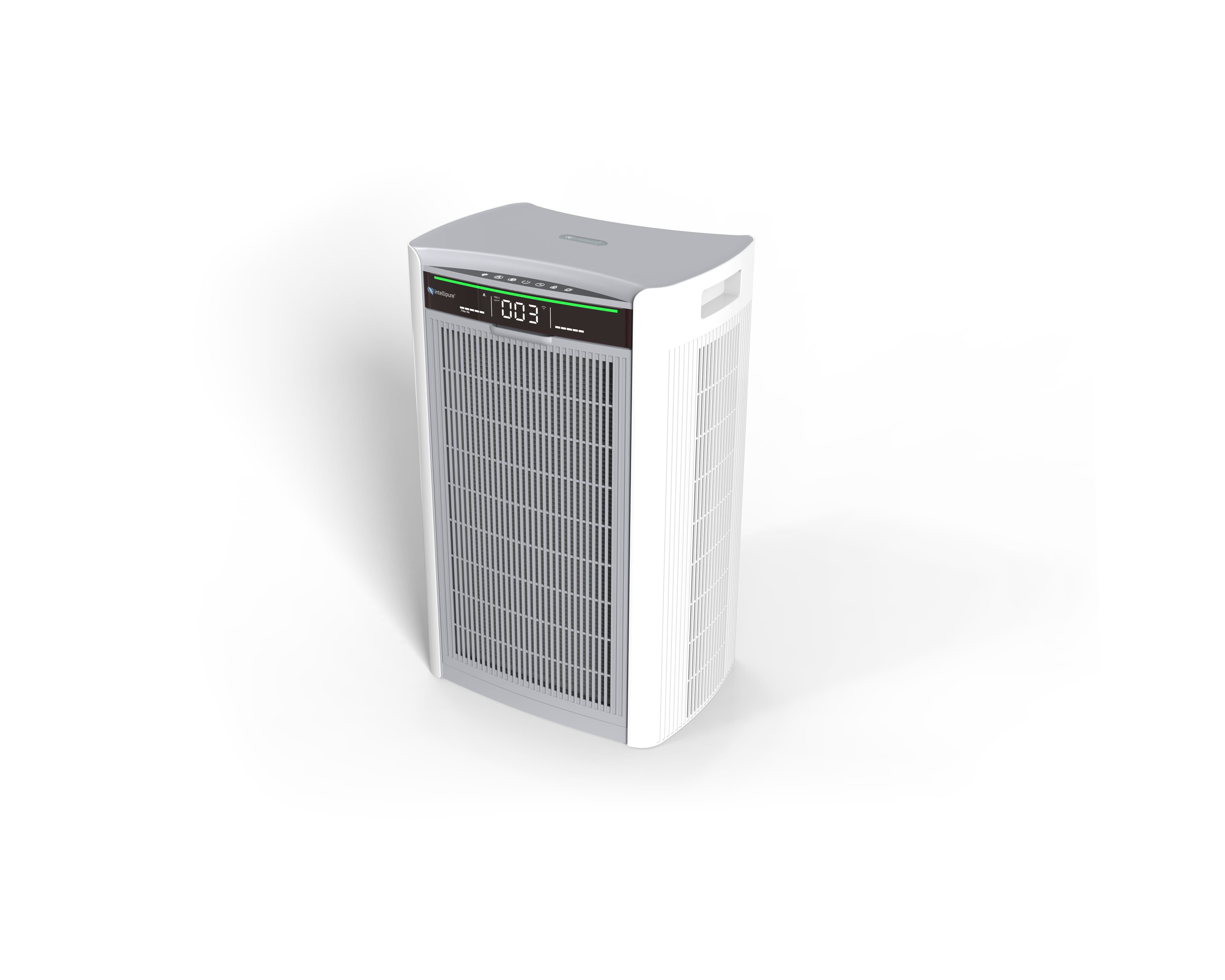
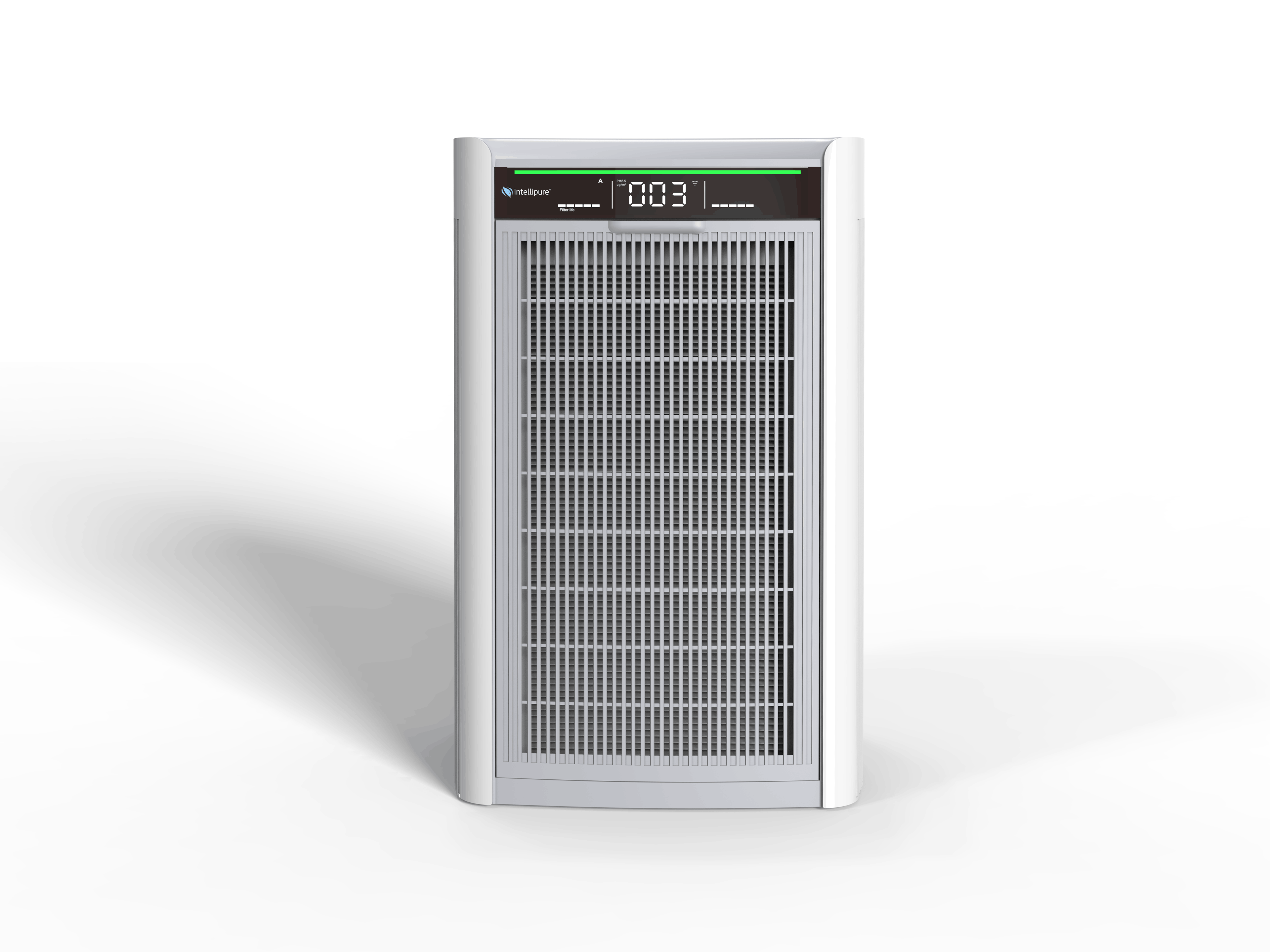
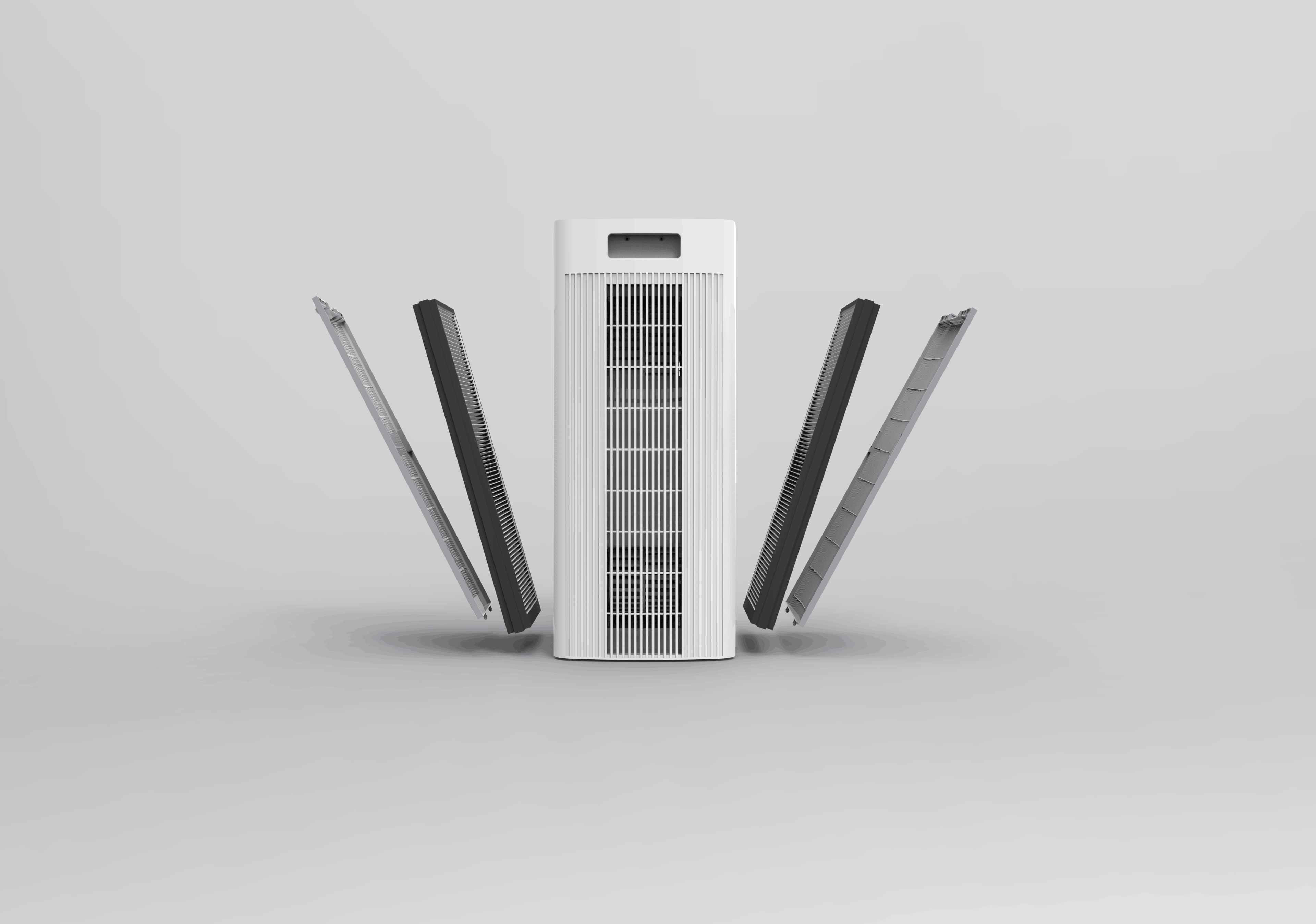
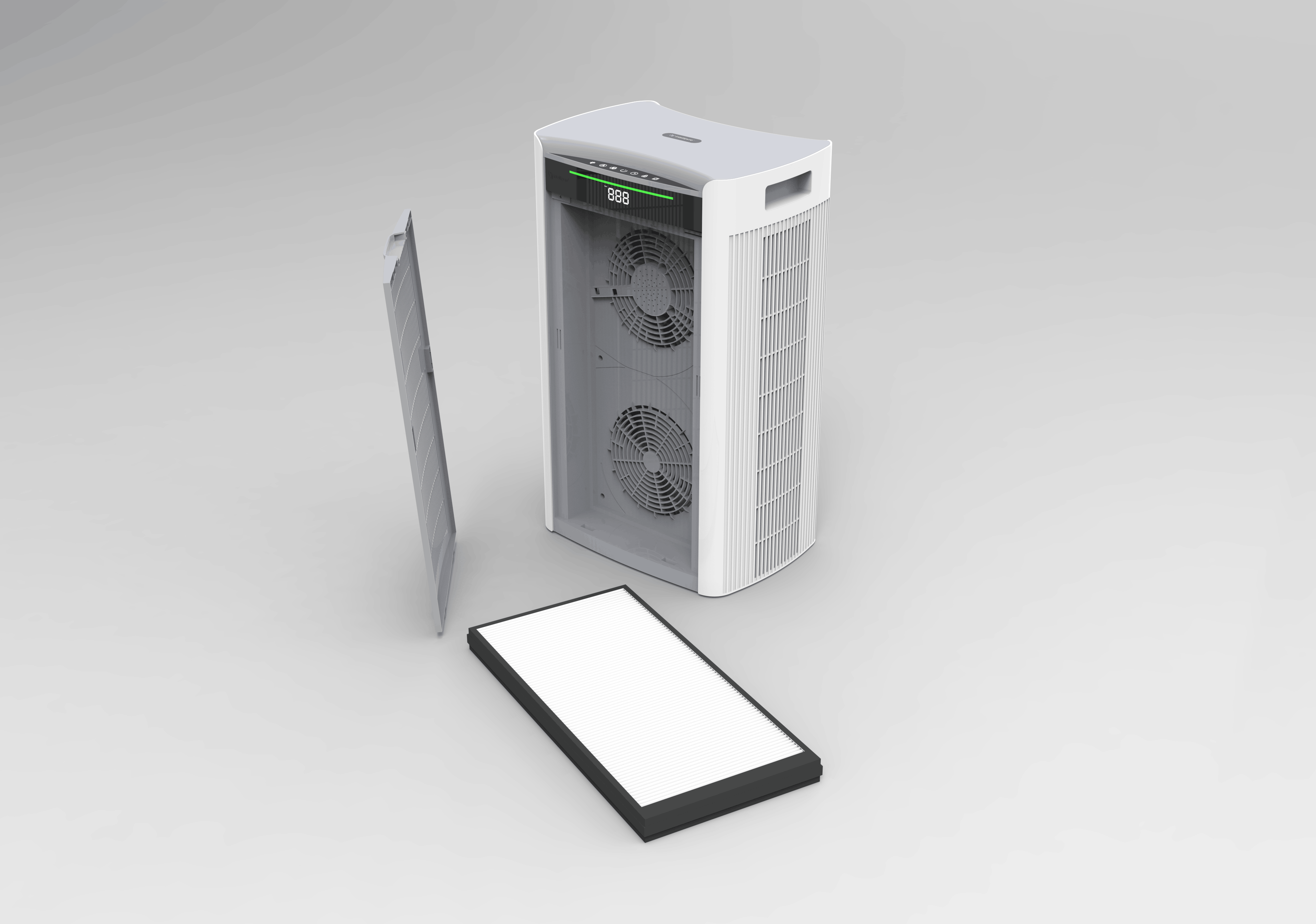
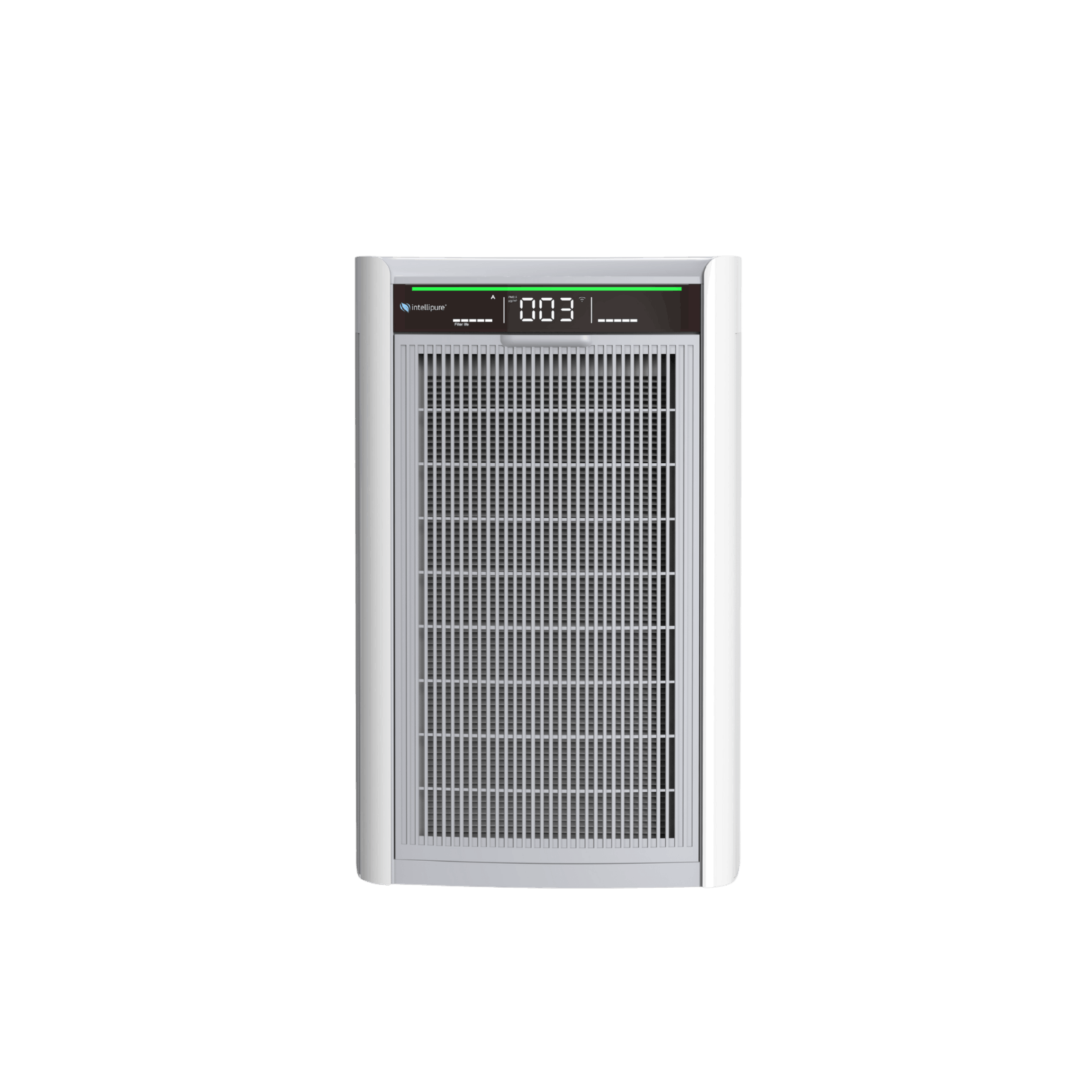
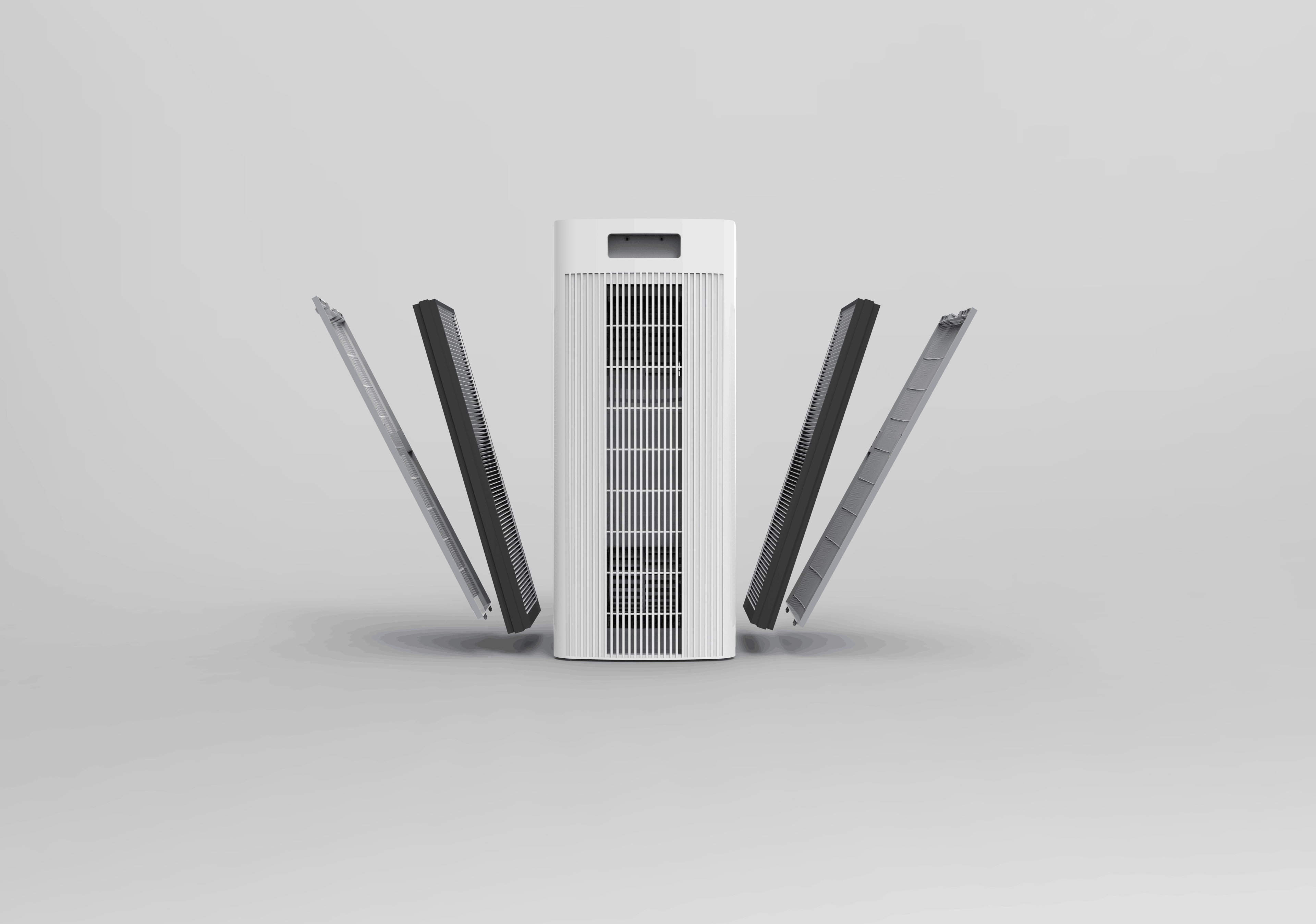
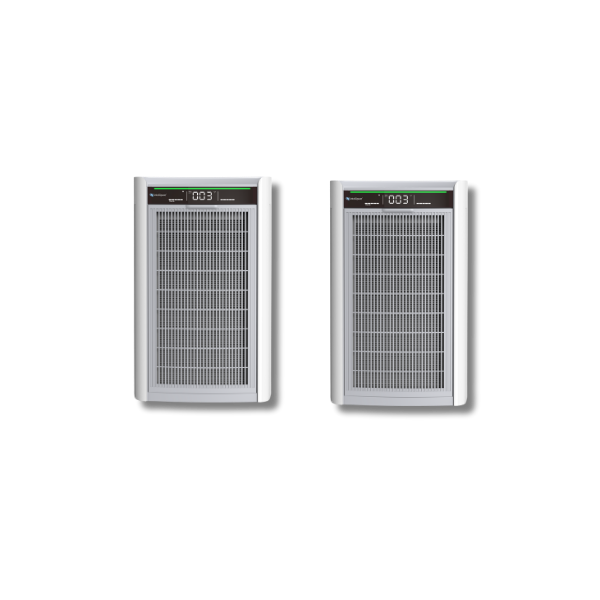
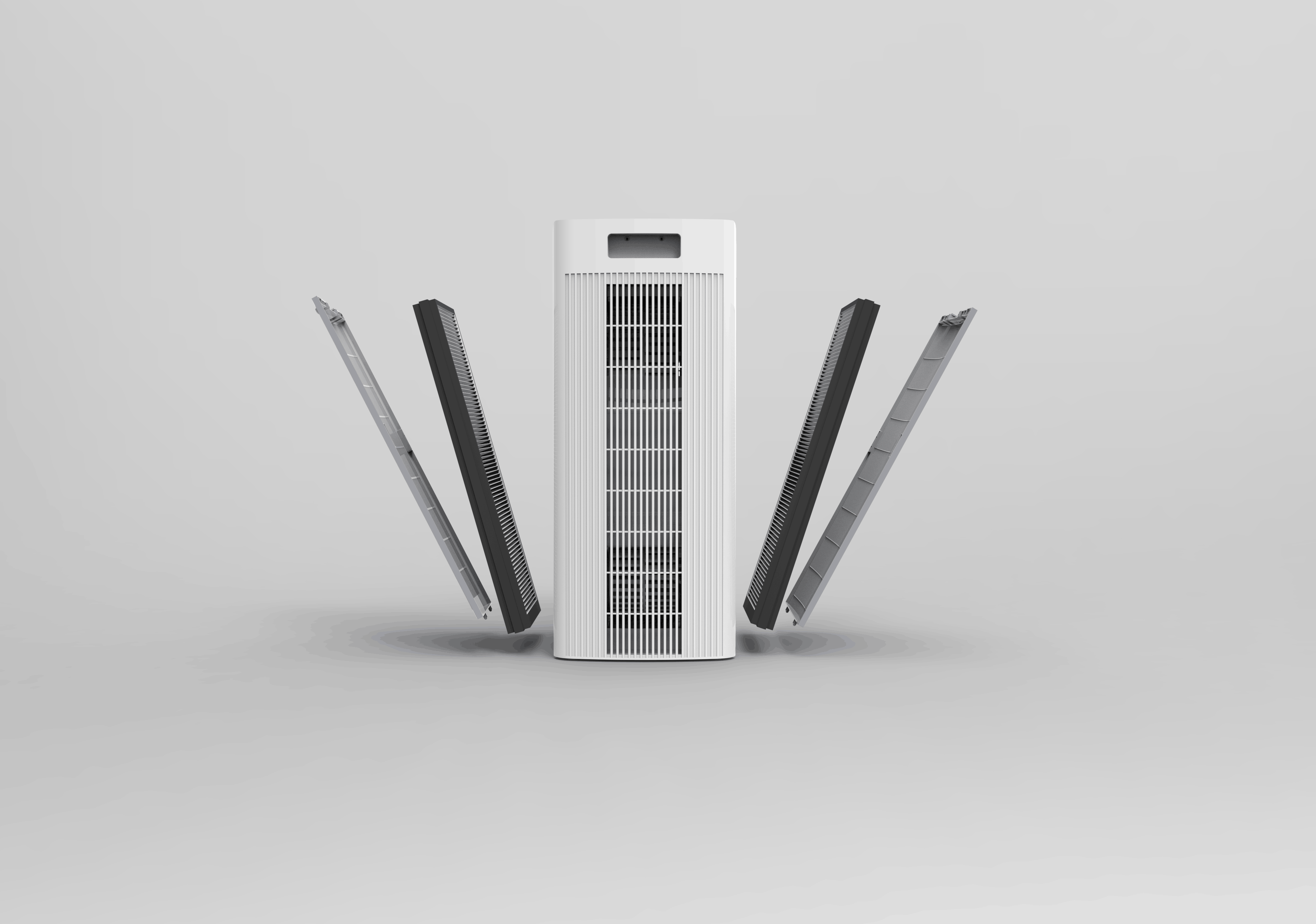
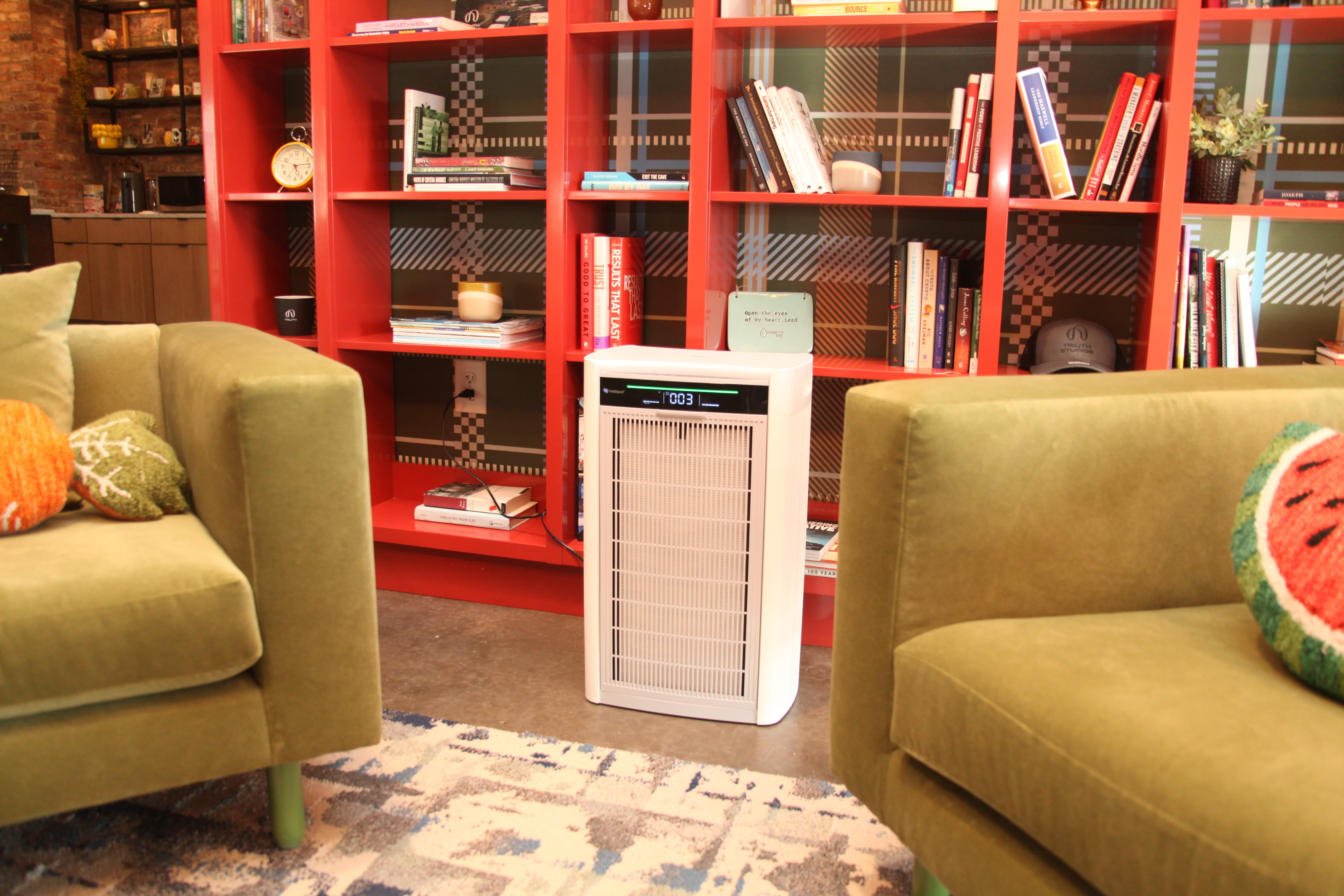
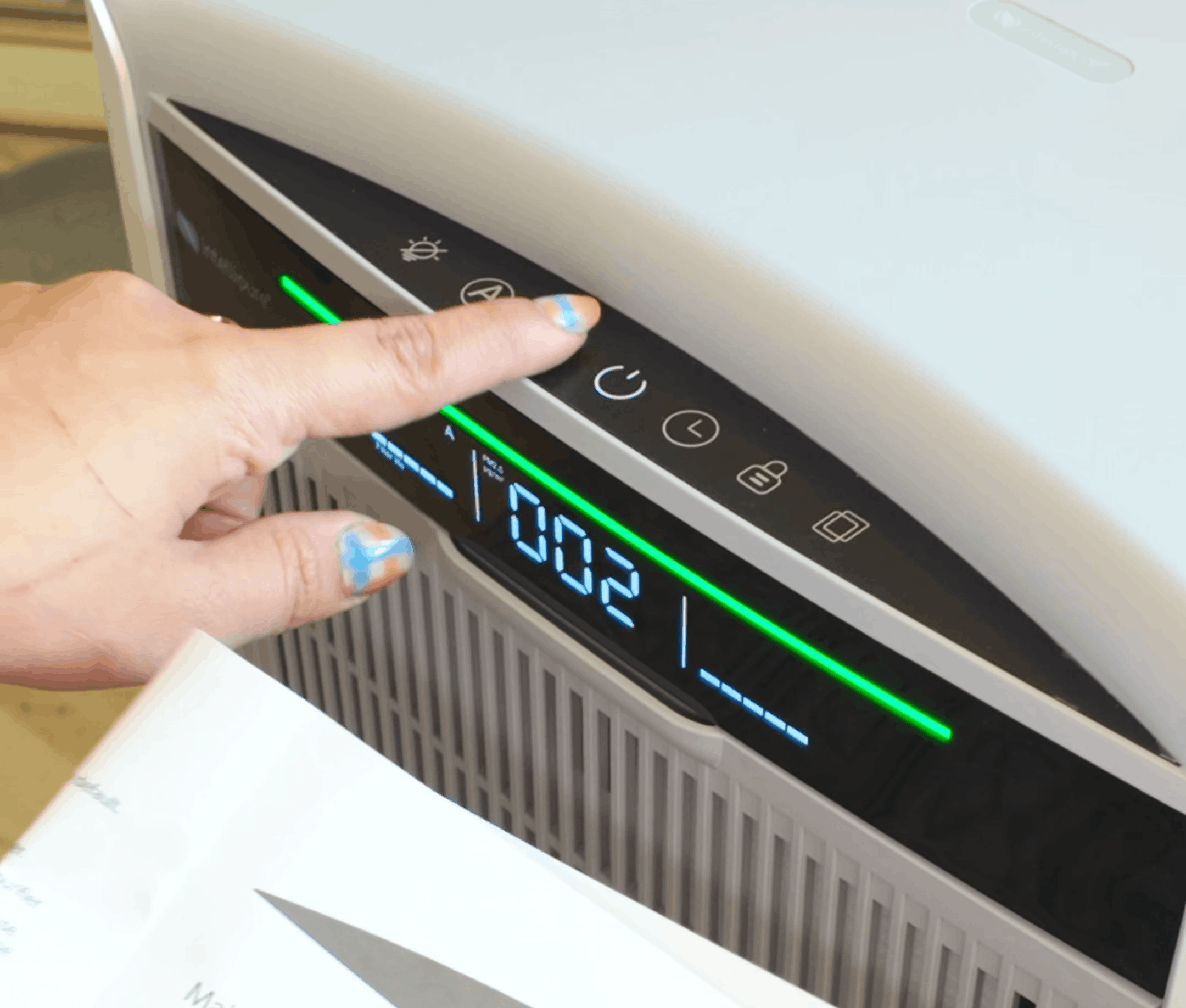
- Intellipure air purifiers or replacement filters—for the home that has everything (or, has a lot of the things that tend to lower air quality)
Clean air truly is the gift that keeps on giving.
[Shop all products]
Conclusion: Give Joy, Not VOCs
Holiday gifts should spark happiness—not headaches, sneezing, or indoor pollution. With just a little awareness (and a dash of expert IAQ knowledge), you can keep your home festive and fresh, even in those low-ventilation winter months.
A home full of clean air is a home where everyone can breathe a little easier. And really, what better gift is there than that?
References
- Introduction to Indoor Air Quality | US EPA.
- Volatile Organic Compounds' Impact on Indoor Air Quality | US EPA.
- Technical Overview of Volatile Organic Compounds | US EPA.
- Liu, Q., Shang, L., Qiu, C., Li, Q., Zhang, Y., & Han, S. (2021). LCD Screens Are a Potential Source of Indoor Air Volatile Organic Compounds. International Journal of Environmental Research and Public Health, 18(11), 5683.
- Indoor Air Quality | National Institute of Environmental Health Sciences.
- Mold | Mold | CDC.
- Tran, V. V., Park, D., & Lee, Y.-C. (2020). Indoor Air Pollution, Related Human Diseases, and Recent Trends in the Control and Improvement of Indoor Air Quality. International Journal of Environmental Research and Public Health, 17(8), 2927.
- Rezaei, K., Wang, T., & Johnson, L. A. (2002). Combustion characteristics of candles made from hydrogenated soybean oil. Journal of the American Oil Chemists' Society, 79, 803–808.
- INDOOR AIR QUALITY: Scented Products Emit a Bouquet of VOCs.
- Consumer FAQ | California Air Resources Board.







O Christmas Tree, O VOCs: How Greenery Affects Air Quality
Natural Gas & Indoor Air Quality: Winter Safety Tips