
Learn Mold Basics: Where to Find It & How to Fix it

Do you want the air you breathe to be clean? Do you want the air other people breathe to be clean too? Of course you do - everyone does. But unfortunately, there are microscopic contaminants floating around in the air we all breathe. Let's set our focus on an extremely common particle that can be found in most buildings: Mold. We hear the word "mold" all the time, but did our familiarization with it result in us forgetting how dangerous it really is? It's time to take a look at mold basics.


Let's review… Molds are a natural part of our environment that help break down and digest organic materials, which make them an essential part of our ecosystem. However, unwanted and covert molds in our home and workplace can result in headaches, allergic reactions, extended illness, or even death to humans and animals. Let's admit it, most of us think of blue cheese when we hear the word "mold," and we aren't wrong for doing so. Penicillium mold is used to produce blue cheese, which is considered safe to consume. But other molds can have much more frightening outcomes for our mental and physical health. Want to go deeper? Learn the basics of mold from the EPA.


Mold in Homes

Mold can commonly be found in homes that retain even the slightest amount of moisture from high humidity, water leaks or flooding. Dampness encourages the growth and spread of mold spores, which can lead to a wide array of health issues for residents. With that said, our little fuzzy friend doesn't necessarily need that much to grow. Mold is a resilient organism that can thrive in various environments, even those with a small amount moisture. For example, humidity levels over 60% can provide enough moisture for mold to take hold and grow. Even condensation on windows, pipes, or walls can also create a breeding ground for mold.


Where Should I Look for Mold Growth?

  • All over the house!
  • Basement / crawl space
  • Bathroom and ceiling tiles
  • Attic
  • Areas around windows
  • In and around sinks
  • Washing machine/dishwasher
  • Portable air conditioning (A/C) units
  • Anywhere that may smell like mold or has been exposed to leaks or flooding

It is also possible for mold to grow in wallpaper, drywall, insulation, and other sections of your home. Other than growing from a leak, mold spores in air can enter your home through any open airways such as windows, vents, HVAC systems, and doorways. Yes, mold is metaphorically walking through your front door and is small enough to float around in the air that you breathe.


You're probably asking yourself when the last time, if ever, you checked your house for mold. Don't worry, you are not alone! Many people wouldn't expect this much damage from mold, but as more studies are done, people are now noticing how molds severely affect the human body and mind. Globally, many people are investing in air purification systems to clean the air their families or employees breathe. So which air purifier works the best, especially with pre-existing health issues from mold or other poor air quality factors?


The Life of Mold Spores

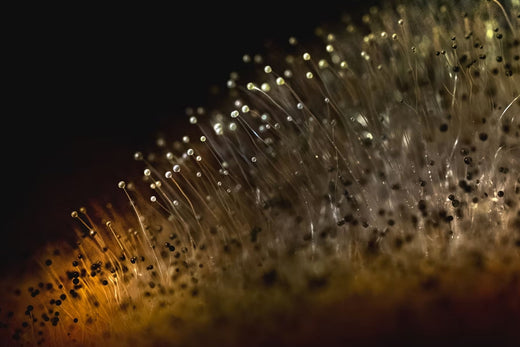
Mold produces microscopic reproductive cells called "spores." These spores look like dried dandelions when they are viewed under strong microscopic magnification, but they are far more harmful than a summer flower. Mold spores can easily travel by animals or humans brushing up against them and clinging onto fur and fabric, but they can also travel by air. Yes, this can be a bit uncomfortable to hear that your family could possibly be inhaling mold spores, but there are solutions to this issue.

So, Mold in House What to Do Next?

To start, get a mold removal service to your home to remove all traces of mold. Mold can hide in more places than you think, so it is worth calling in a professional to find and remove it all. 


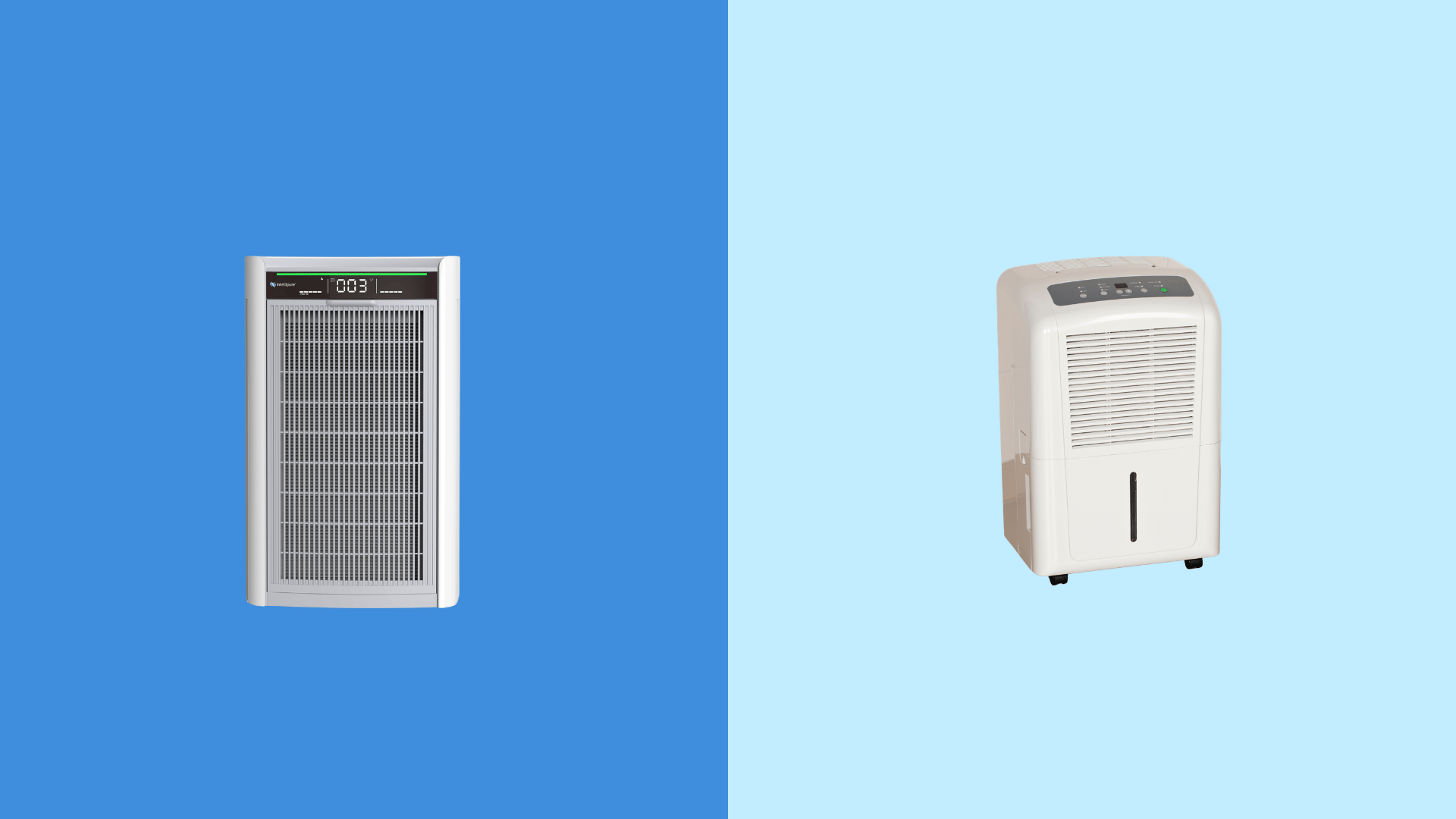
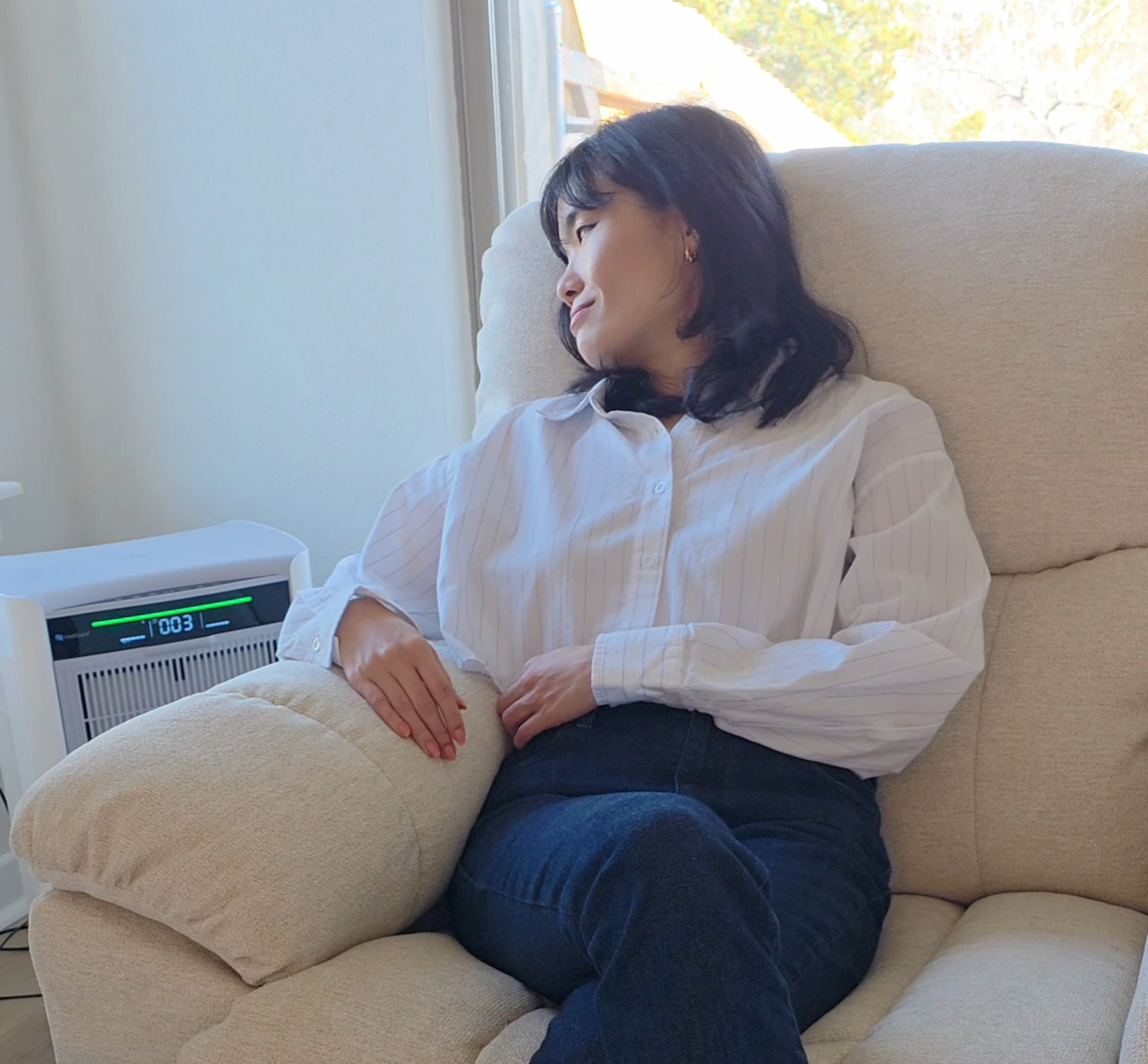
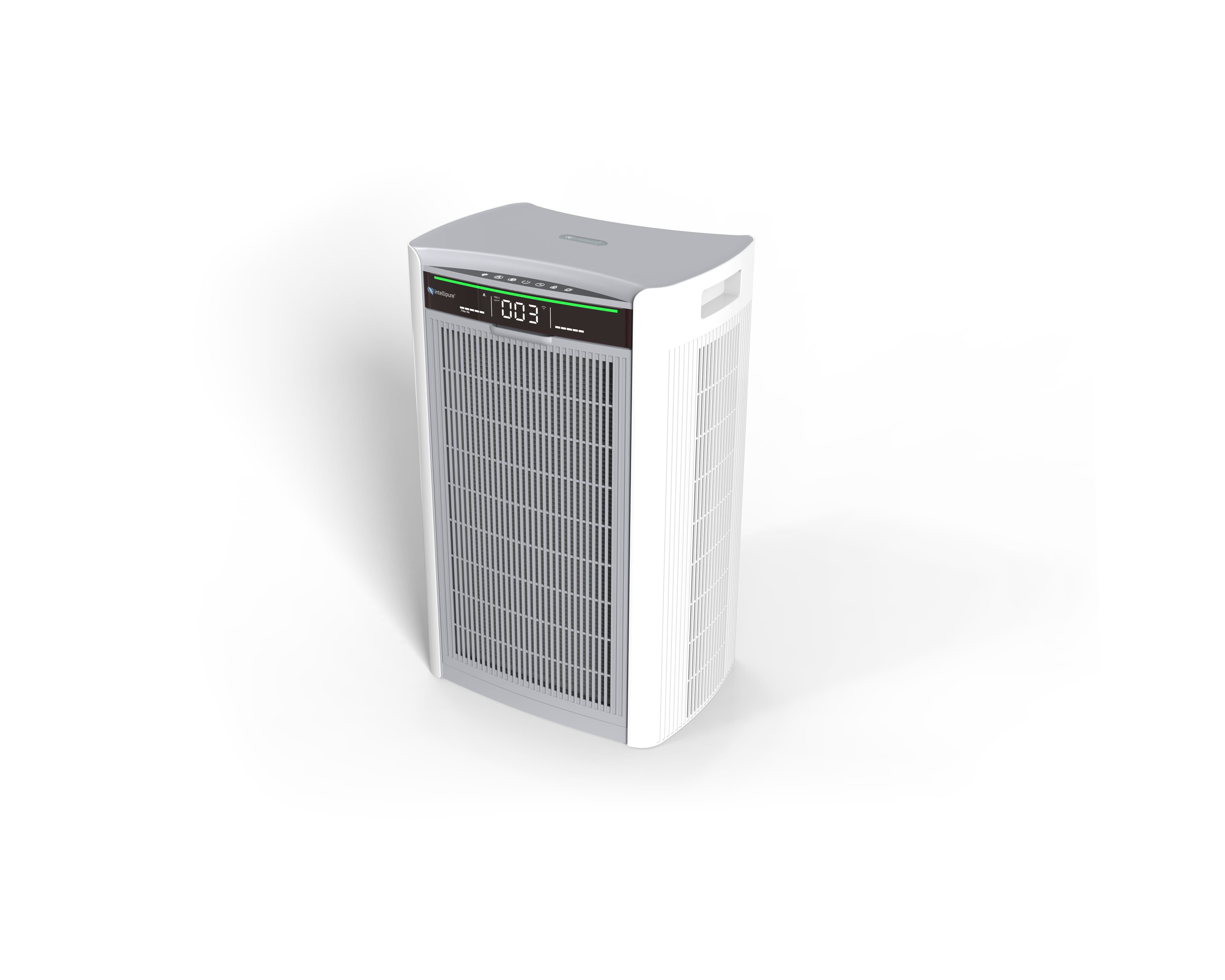
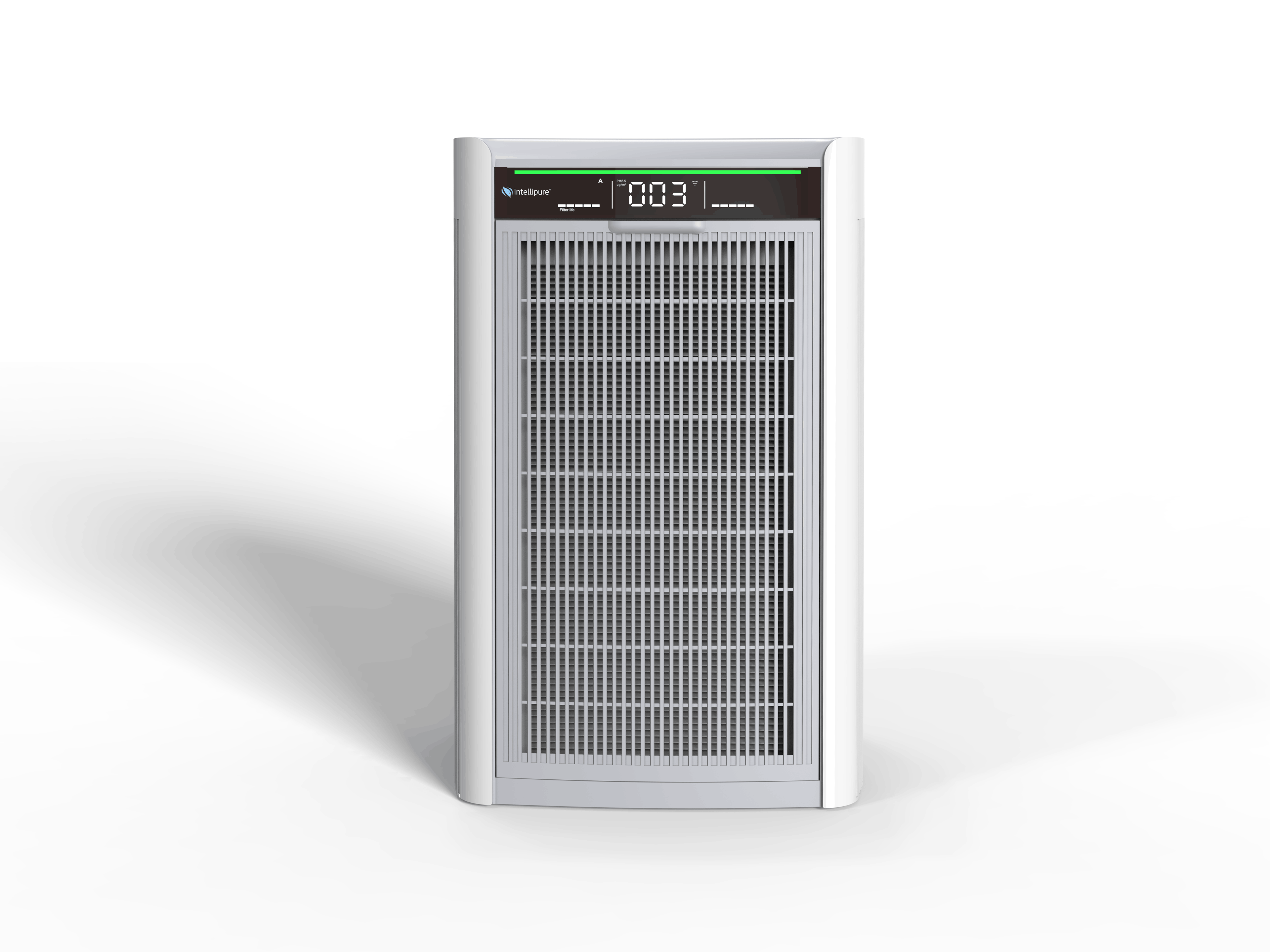
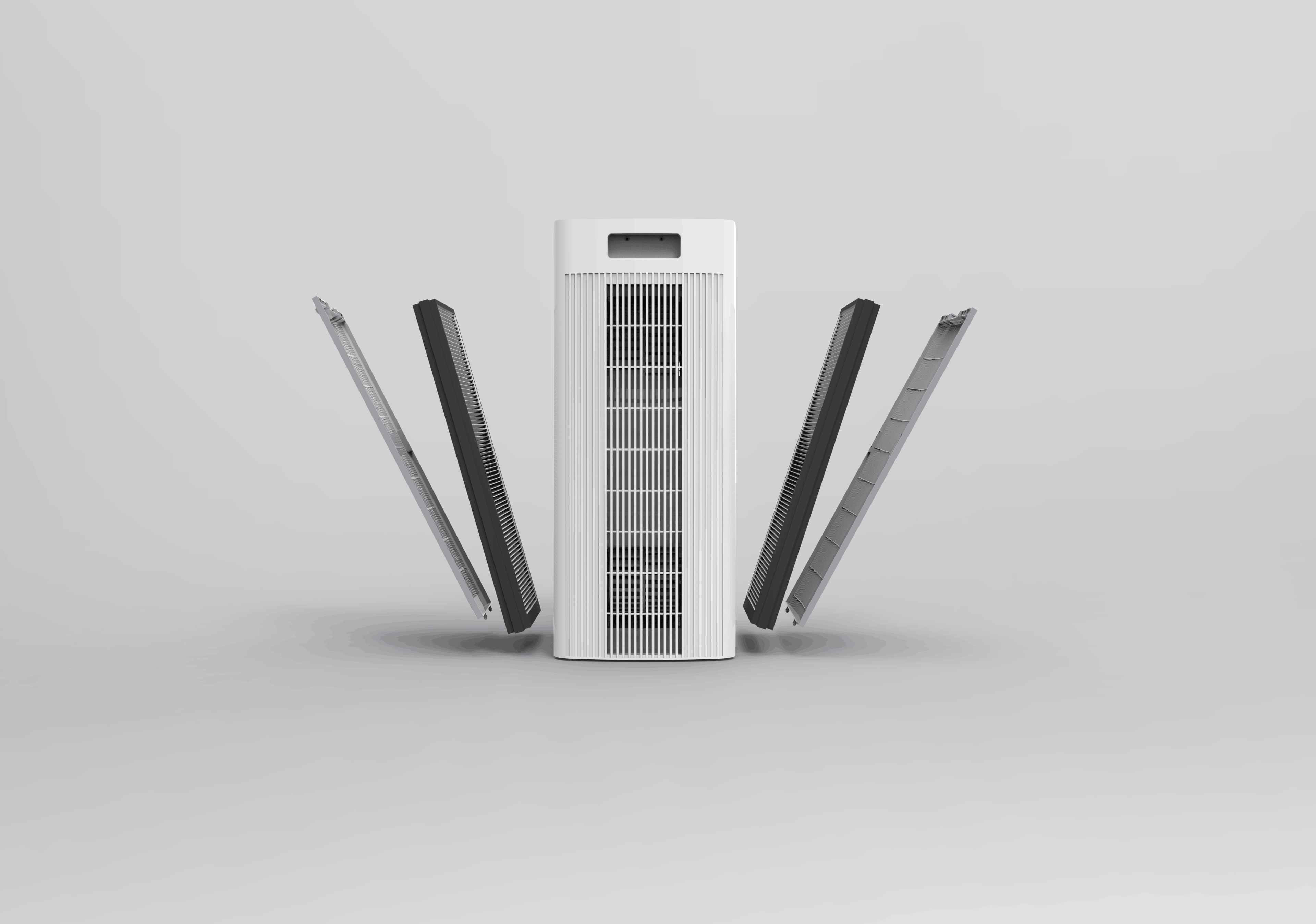
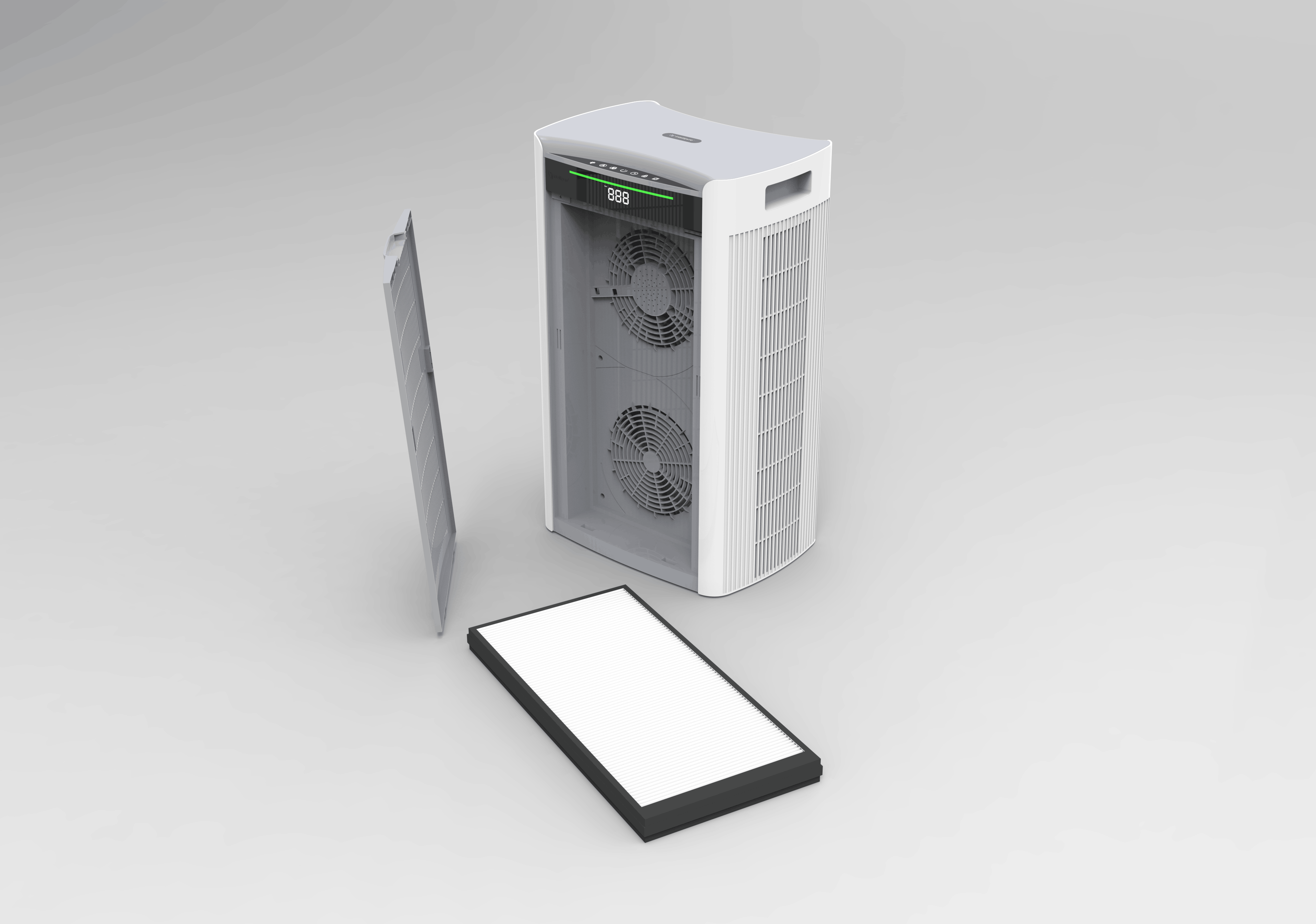
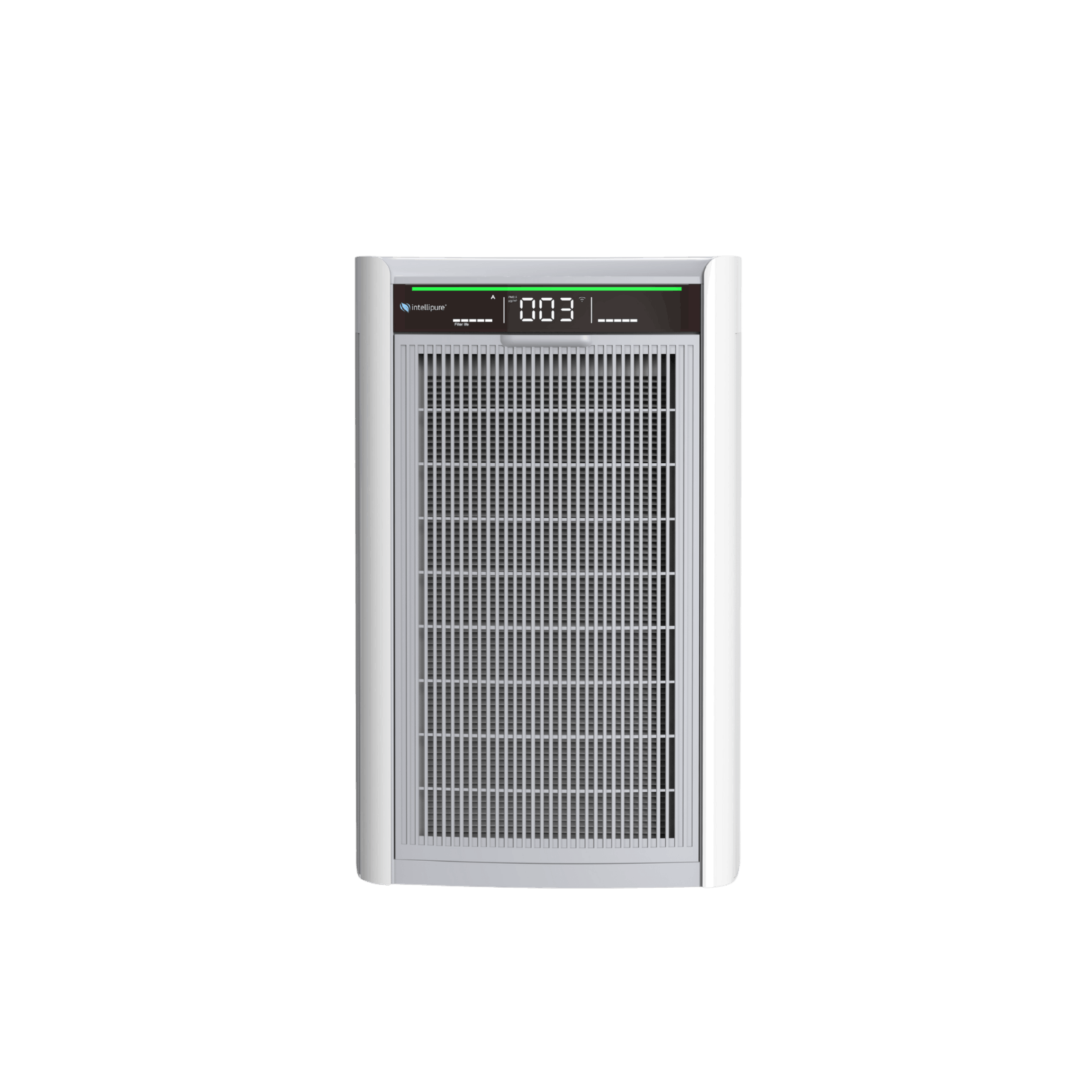
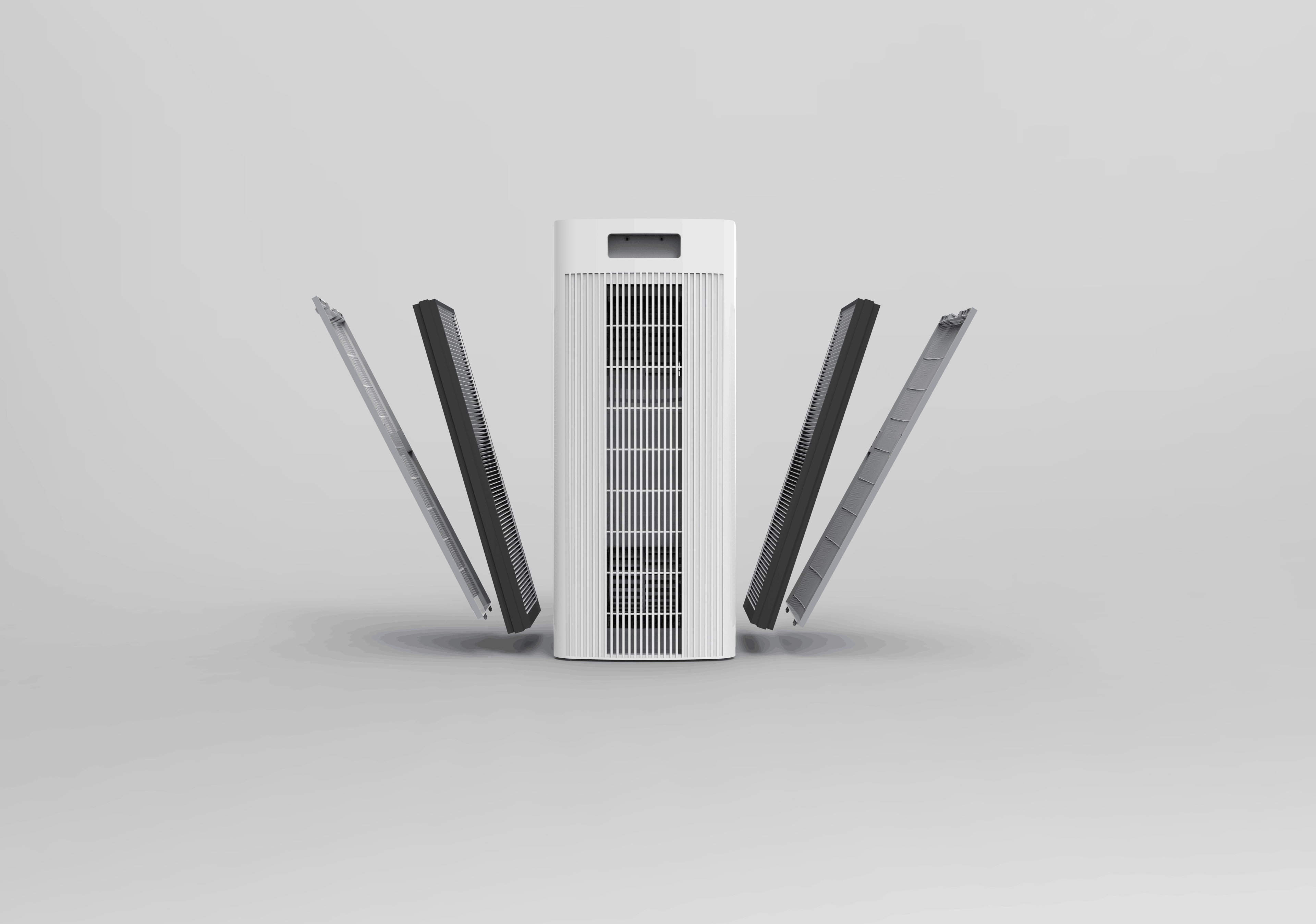
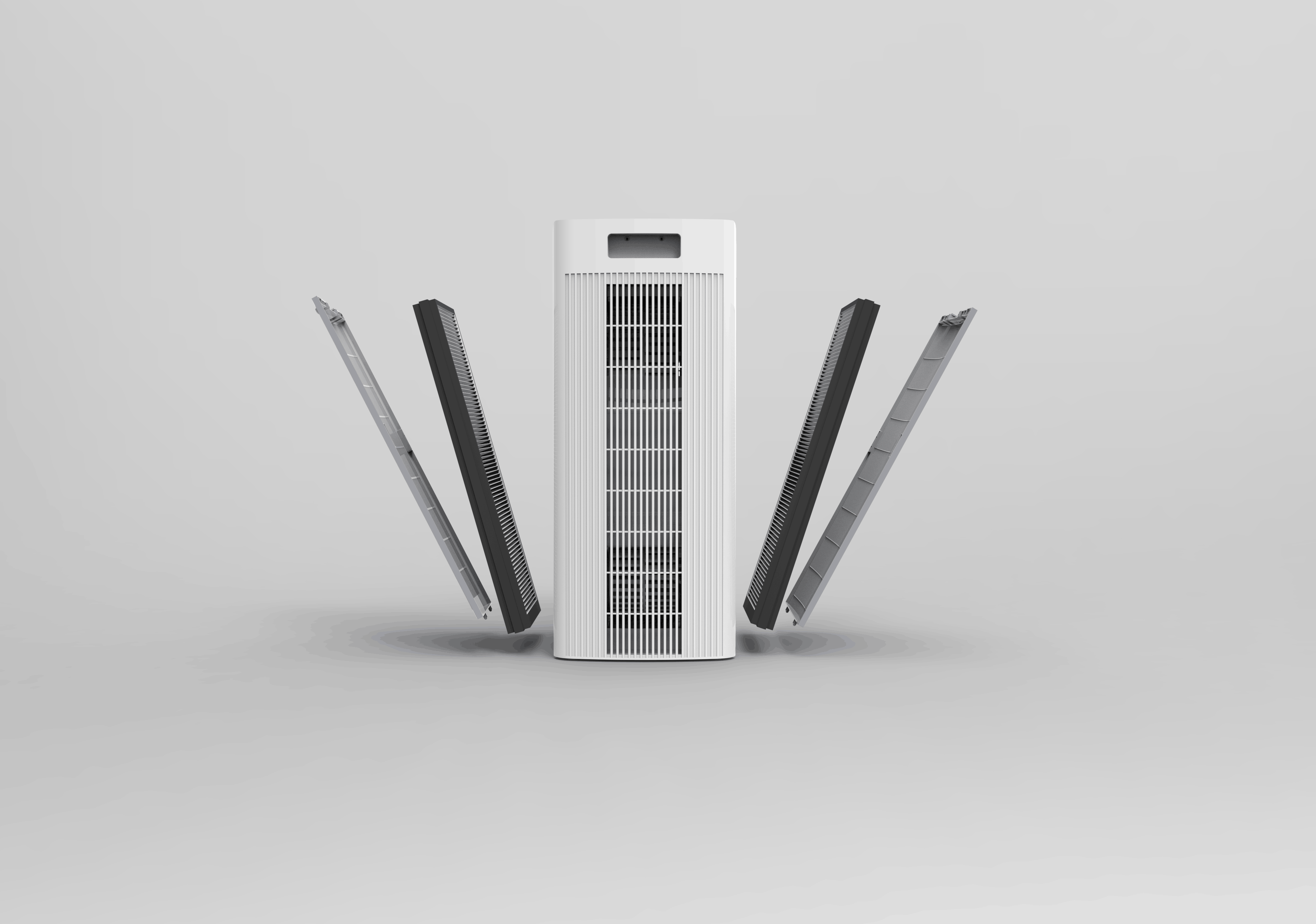
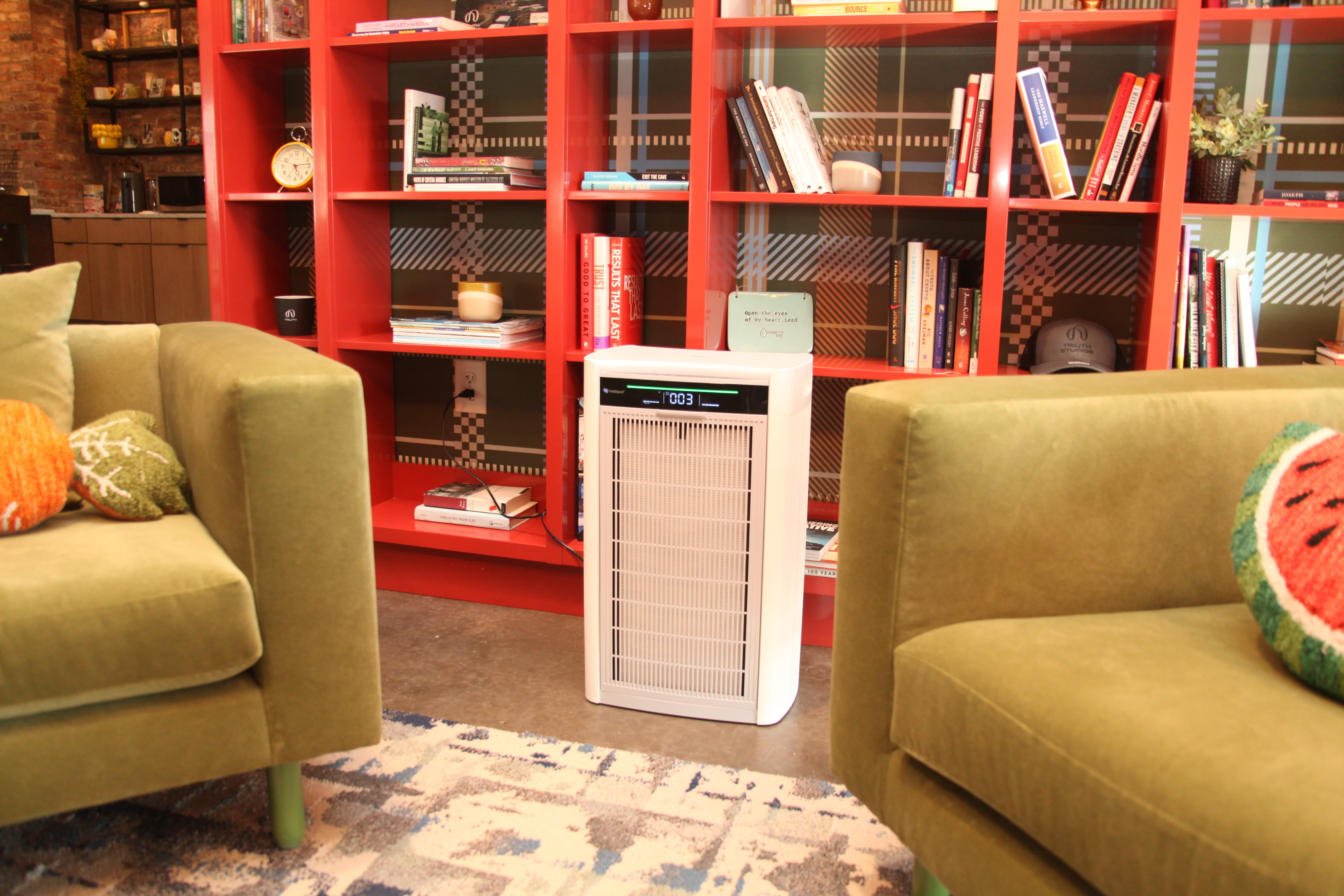
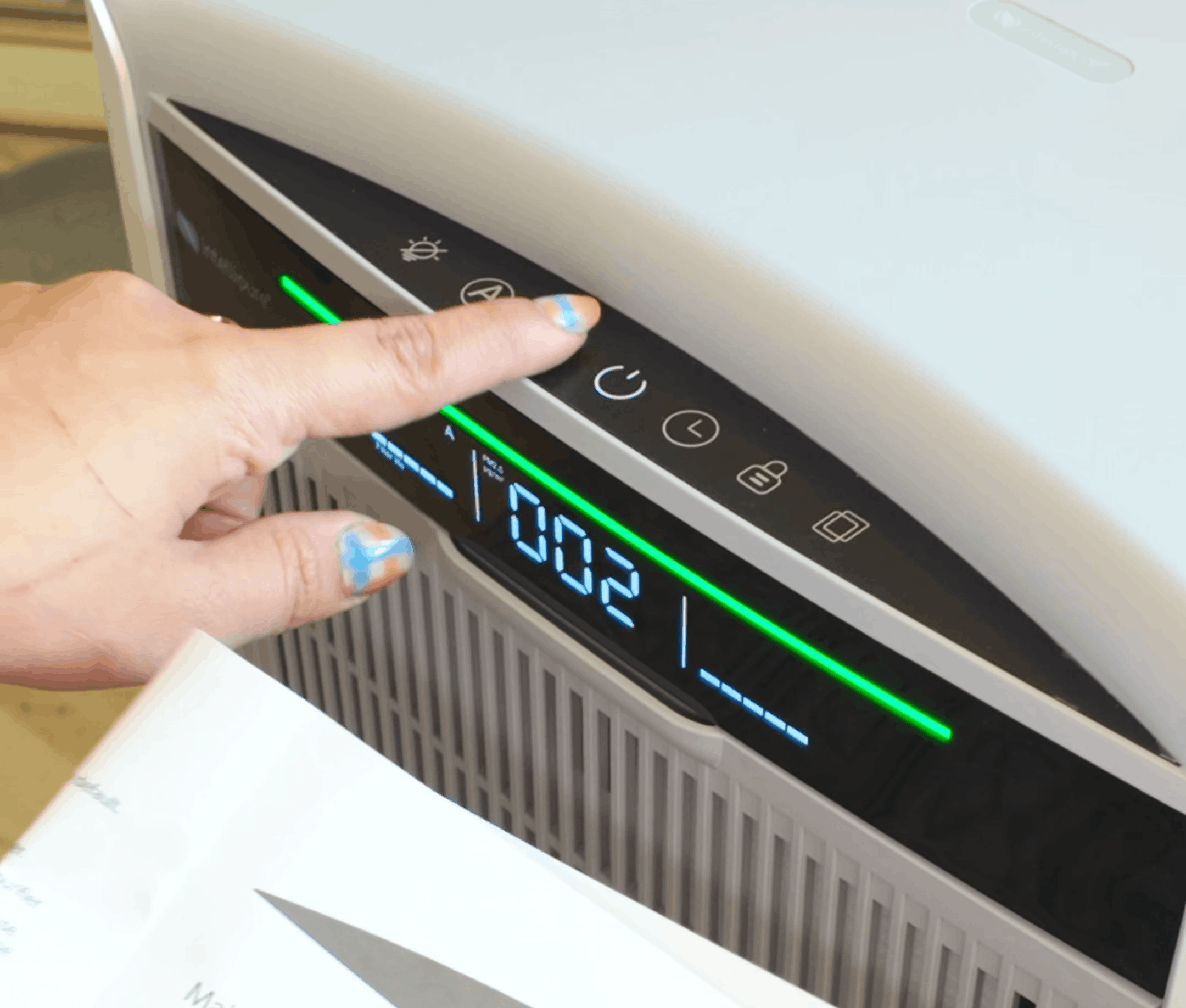
Next, order an Intellipure Air Purifier from our website. Simply install and let it handle the rest. We have a variety of units to choose from depending on the size of your space. With an Intellipure Air Purifier in your home you will see a reduction in dust, dander, pollen, dust mite waste, bacteria, fungi, viruses, and of course, mold! 


Once the mold is gone you need to keep it from coming back. If you live in an area with high-humidity consider adding a dehumidifier to your HVAC system or even just a stand-alone unit. Your HVAC system may even have a dehumidify function, so check your owner's manual to enable it. Use a ventilation fan in the bathroom to remove post shower/bath moist air. Finally make sure to search out & repair any roof leaks or leaky pipes to remove any sources of uncontrolled water. 


Once you have mold under control and an Intellipure Air Purifier keeping your air clean you can breathe easier.


Intellipure

Protect your family and the future of your home with Intellipure. We're reimagining the world as a better, safer place with innovative air purification technologies. Our solutions are engineered in the USA and trusted in nearly every industry. To find out more about the latest in clean air take a look at the Intellipure lineup and follow us on Instagram at @Intellipure.
Explore the Breathe Easy Blog

View all

Fall Leaf Burning and Air Quality

Fall Leaf Burning and Air Quality

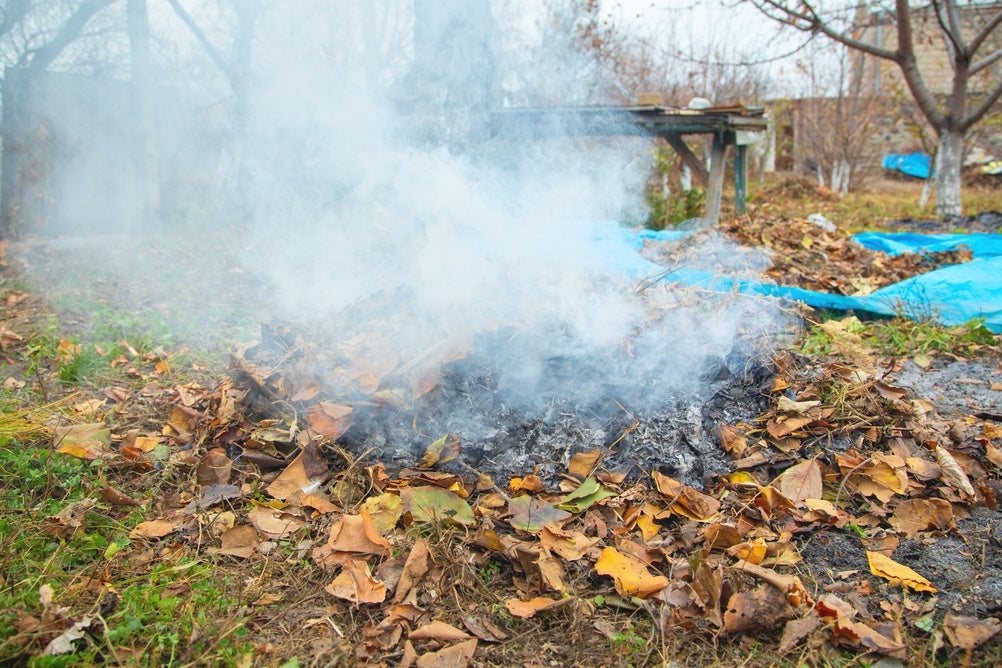
Backyard burning is pretty much exactly what it sounds like. On their own properties, people burn vegetative waste or household trash that would typically be recycled or sent to a landfill. Burning can happen in a barrel, homemade burn box, wood stove, outdoor boiler, or an open pit [1][1].

Some people think of backyard burning as a nostalgic autumn tradition and convenient, affordable way to get rid of leaves and waste. Others don't think about it at all … until the smoke from their neighbor's burn pile shows up in the air around and inside their home. 

Read more

Smoking Is Making a Comeback. What Does That Mean for Your Air?

Smoking Is Making a Comeback. What Does That Mean for Your Air?

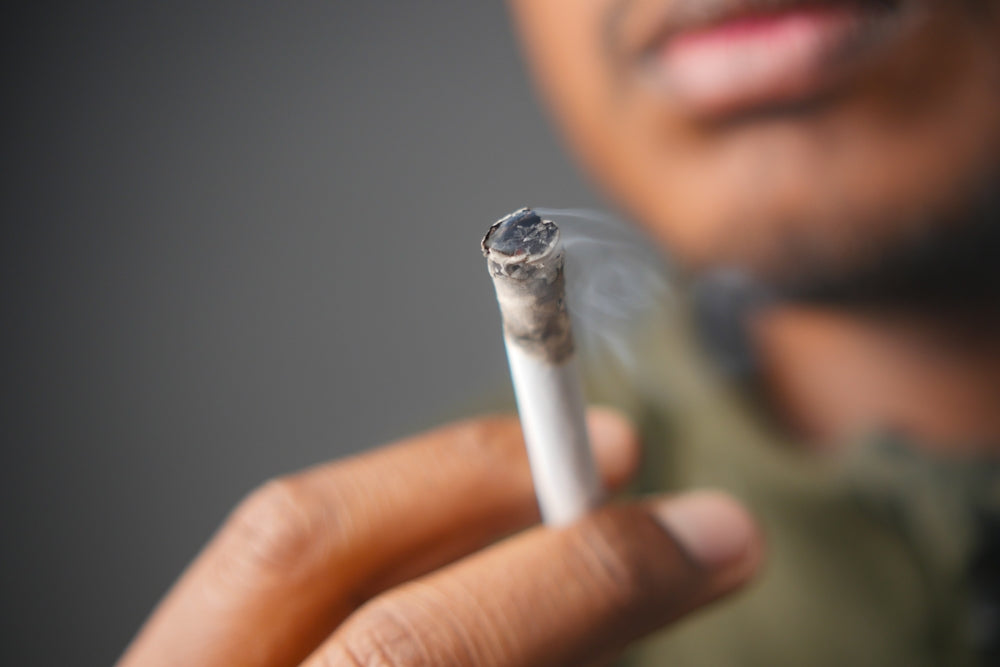
Cigarettes are having a cultural moment again. For a while, they seemed destined to become a relic of another era. Then came vaping, sleek electronic devices, flavored nicotine, a way to smoke almost anywhere, and a whole new aesthetic. 

Now, the pendulum appears to be swinging again.

Recent cultural coverage has pointed renewed interest in something trendsetters are calling analog smoking, especially among younger consumers. Cigarettes are showing up in fashion, celebrity imagery, nightlife culture, and social media feeds, alongside terms like cigfluencers, Gen Z smoking, and even vape fatigue.

Read more

Living and Breathing with Lyme Disease

Living and Breathing with Lyme Disease

When you were a kid and had never seen "Lyme disease" spelled out before, you might have assumed it had something to do with little green citrus fruits. (No? Just me?) 

Turns out, the disease is named for Lyme, Connecticut, where the first cluster of cases was documented back in 1977. Unfortunately, Lyme disease has spread far beyond Lyme's town limits: Today, it's been reported in almost every U.S. state, but the Northeast, Mid-Atlantic, and Upper Midwest regions see the most cases. It also exists in Asia, Europe, and other parts of the world [1, 2][1, 2]. 

Read more

Better Together: Why Different Air Filters Do Different Jobs

Better Together: Why Different Air Filters Do Different Jobs

Fall has a way of putting maintenance back on everyone's radar. You're changing routines, getting the house ready for cooler weather, and maybe finally tackling that list of things you meant to check months ago. Changing your air purifier filters deserves a spot on that to-do list.

Read more

What You Should Know About Humidifiers

What You Should Know About Humidifiers

Clean air isn't just about clearing out particles and volatile organic compounds. Humidity is an important component of indoor air quality (IAQ), and the United States Environmental Protection Agency (EPA) lists monitoring and adjusting humidity as a way to improve the air in your home [1][1]. 

Plus, research suggests that indoor humidity could play a bigger role in your health than you might think. Experimental studies show that too much or too little humidity can create conditions that make it easier for germs and allergens to stick around [2][2].

Read more

Should You Pair an Air Purifier and a Dehumidifier This Summer?

Should You Pair an Air Purifier and a Dehumidifier This Summer?

Sticky summer air isn't for everyone. Whether you love or hate climates that make you sweat on the way to your mailbox, the objective reality is that humidity creates a few extra challenges for people who care about air quality.

Before we get into those potential clean-air and respiratory health threats, let's take a minute to go over the basics of humidity.

Read more

Hurricane Season Starts Outside. The Air Prep Starts at Home.

Hurricane Season Starts Outside. The Air Prep Starts at Home.

Hurricane prep usually starts with the obvious: batteries, bottled water, flashlights, medications, and a plan for where to go if conditions turn dangerous. But hurricane season home preparation should also include the air inside your home.

I've lived in Florida my whole life, so hurricane prep feels almost like a seasonal ritual. Still, indoor air can be easy to overlook when there are shutters to hang and supplies to track down.

Read more

Clean Air Self-Care: Small Ways to Breathe and Feel Better at Home

Clean Air Self-Care: Small Ways to Breathe and Feel Better at Home

As I live and breathe, National Wellness Month is finally here! And what better time to talk about personal wellness tips and tricks than this? Self-care can take many forms. For some, it's a better bedtime routine. Morning people might tell you it's a few quiet minutes before the day begins.

Read more

Outside In: How Your Yard Affects Your Indoor Air Quality

Outside In: How Your Yard Affects Your Indoor Air Quality

Counterintuitively, a big part of maintaining good indoor air quality (IAQ) is being more mindful of the air outside your home. That's because half of what's in the air outside can make its way inside [1][1].

From pollen and mold spores to pesticides and other lawn treatments, lots of different outdoor contaminants find their way into the air you breathe when you're chilling on the couch, eating lunch at the kitchen table, or even tucked under the covers in bed. 

Read more