

Summary
On average, people spend about 90% of their time indoors, mostly in their houses [1].
In This Article
On average, people spend about 90% of their time indoors, mostly in their houses [1][1]. We reference this stat quite a bit in our articles because it highlights that most of your exposure to airborne pollutants is likely happening inside your own home.
Particles, gases, volatile organic compounds (VOCs), mold, pollen, and other common indoor air pollutants can be harmful to your health. Some let themselves into your home from outside, through open windows and doors and tiny cracks and crevices. Others come from indoor activities and sources, including building materials, home furnishings, cleaning and consumer products, smoking, and cooking. Because pollutants can arrive in all sorts of ways, it makes sense that the air quality in your home varies from week to week and even over the course of a single day [1][1].
According to the United States Environmental Protection Agency (EPA), the two best ways to improve indoor air quality are to:
- Reduce (or better yet, remove) the root causes of pollution. In other words: source control.
- Ventilate with clean outdoor air. (Emphasis on clean. Don't crack open your windows during a wildfire, etc.)
These aren't the only steps you can take to ensure the air around you is healthy and fresh. The EPA adds: "Research shows that filtration can be an effective supplement to source control and ventilation. Using a portable air cleaner and/or upgrading the air filter in your furnace or central heating, ventilation, and air-conditioning (HVAC) system can help to improve indoor air quality" [1][1].
But have you ever actually looked into upgrading your filters? It's one of those seemingly simple tasks that can get real confusing real quick, if you don't know exactly what you're looking for. (Kind of like how it usually takes my family two or three tries to buy the right light bulb.)
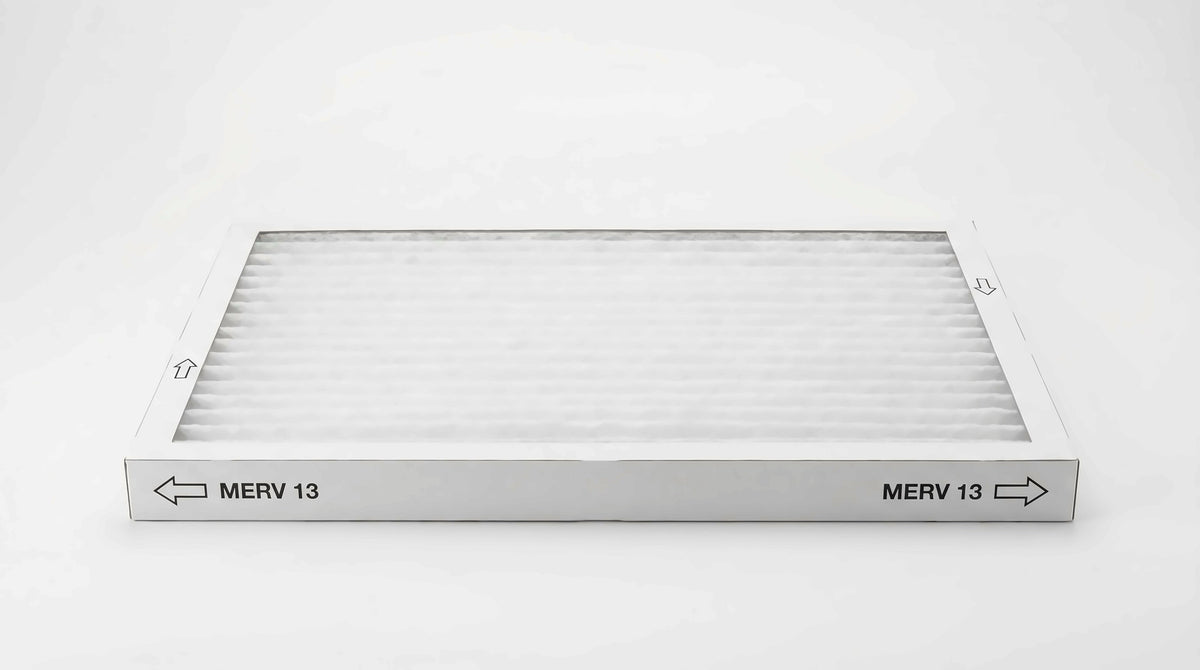
Once you finally make your way to the air filter aisle at the home improvement store, your journey's only just begun. HVAC filters come in different sizes and thicknesses, with different designs and numbers of pleats, and they have different ratings, too. The filter packages are coated with claims and callouts. And there's a four-letter word (or acronym, rather) that you'll see absolutely everywhere, almost always followed by a number. But what does it mean? Who is this MERV fellow?
Meet MERV
It might sound like the name of your spouse's old college buddy, or the guy who rotates your tires, but MERV is actually an acronym for "minimum efficiency reporting value." It's a rating derived from a test method created by the American Society of Heating, Refrigerating, and Air Conditioning Engineers (ASHRAE).
MERV ratings, which go from 1 through 16, are helpful when you're trying to compare the performance of HVAC filters [2][2]. More specifically, the rating tells you an air filter's ability to capture particles that range in size from 0.3 to 10 microns (µm)*.
*If you have no clue what a micron is, you're not alone! For context, the diameter of a human hair is about 50 microns.
The main thing to know about MERV ratings is: The higher the number, the smaller the particle that filter can capture [2][2].
Reading the MERV Rating
If you really want to nerd out, the EPA provides a table that shows the particle size in microns (µm) with average capture efficiency for each MERV rating.
Here's more generalized info on applications and performance:
MERV Ratings 1–4
- Offers minimal protection to HVAC equipment in residential and light commercial settings.
- Can typically help control contaminants like carpet fibers, dust mites, pollen, Spanish moss, and spray paint dust [3][3].
MERV Ratings 5–8
- Offers good protection to HVAC equipment in residential applications and minimal equipment protection in commercial and industrial settings.
- Can typically help control contaminants like fabric protector, hair spray, mold spores, and pet dander (plus the contaminants listed for lower MERV ratings) [3][3].
MERV Ratings 9–12
- Offers superior protection to HVAC equipment in residential applications and good equipment protection in commercial and industrial settings.
- Can typically help control contaminants like auto emission particles, humidifier dust, lead dust, Legionella (bacteria), and milled flour (plus the contaminants listed for lower MERV ratings) [3][3].
MERV Ratings 13–16
- Offers superior protection to HVAC equipment in commercial and residential applications and is appropriate in hospitals and healthcare applications.
- Can typically help control contaminants like bacteria, cooking oil, face powder, paint pigments, and most smoke (plus the contaminants listed for lower MERV ratings) [3][3].
If you do decide to upgrade to a higher efficiency HVAC filter, the EPA recommends that you choose a filter with at least a MERV 13 rating…or as high a rating as your system's fan and filter slot can accommodate [2][2]. More on this caveat in the section below.
Know Your System
Unfortunately, choosing the right filter isn't as simple as grabbing the one on the shelf with the highest MERV rating. You also need to make sure the filter you select will work with your HVAC system. Most furnaces and HVAC systems can handle a MERV 13 filter, but that doesn't mean every system can accommodate higher efficiency options without issues. Since many systems don't include clear recommendations for filter ratings, it's a good idea to get advice from a professional HVAC technician. They can help you find the most efficient filter for your system and determine whether any modifications are needed to accommodate a filter with a higher MERV rating [1, 2][1, 2].
HVAC filters come in various sizes, with thicknesses typically ranging from 1 to 5 inches. The right size depends on your system's filter slot and frame [1][1]. Two important factors determine how well an HVAC filter performs: how effectively it captures airborne particles and the degree to which it allows airflow. When air encounters resistance as it passes through the filter, known as pressure drop, airflow through the system might be reduced [3][3].
Choosing a filter that's too restrictive can cause problems. In a study of forced-air heating and cooling systems in 10 California homes, researchers found that using MERV 16 filters could increase blower energy use by about 20% and create issues with noise and usability. Systems that were already operating near their blower's performance capabilities with lower-rated MERV filters got pushed past their limits after MERV 16 filters were installed [4][4].
If you want filtration beyond MERV 13, an HVAC technician can determine whether your current system can handle it or if the filter upgrade would require modifications to the ductwork or equipment. Another option that the U.S. Department of Energy suggests is to use a separate air purifier with a HEPA filter. These units can provide very effective filtration without adding resistance to your HVAC system [3][3].
MERV Is Not HEPA
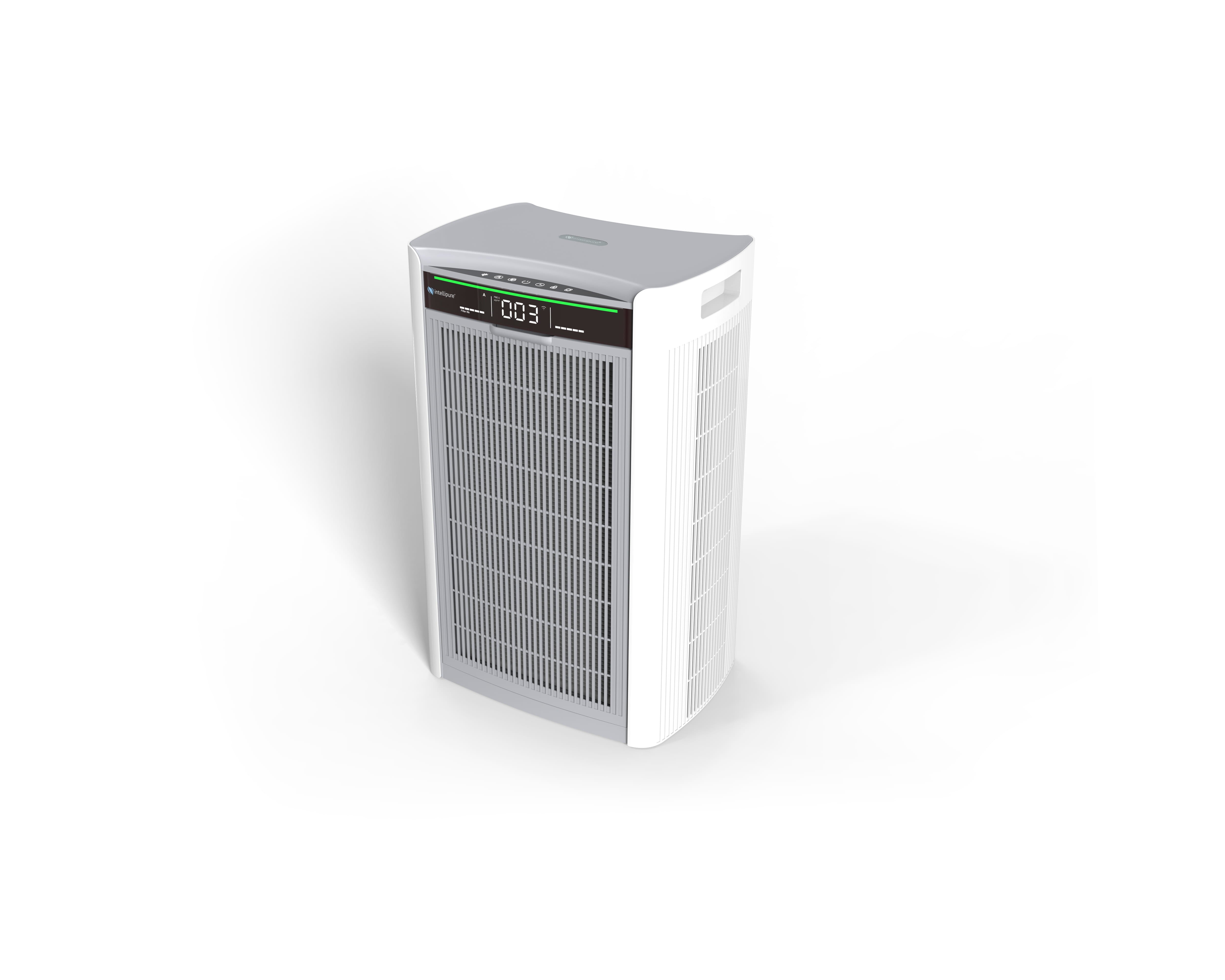
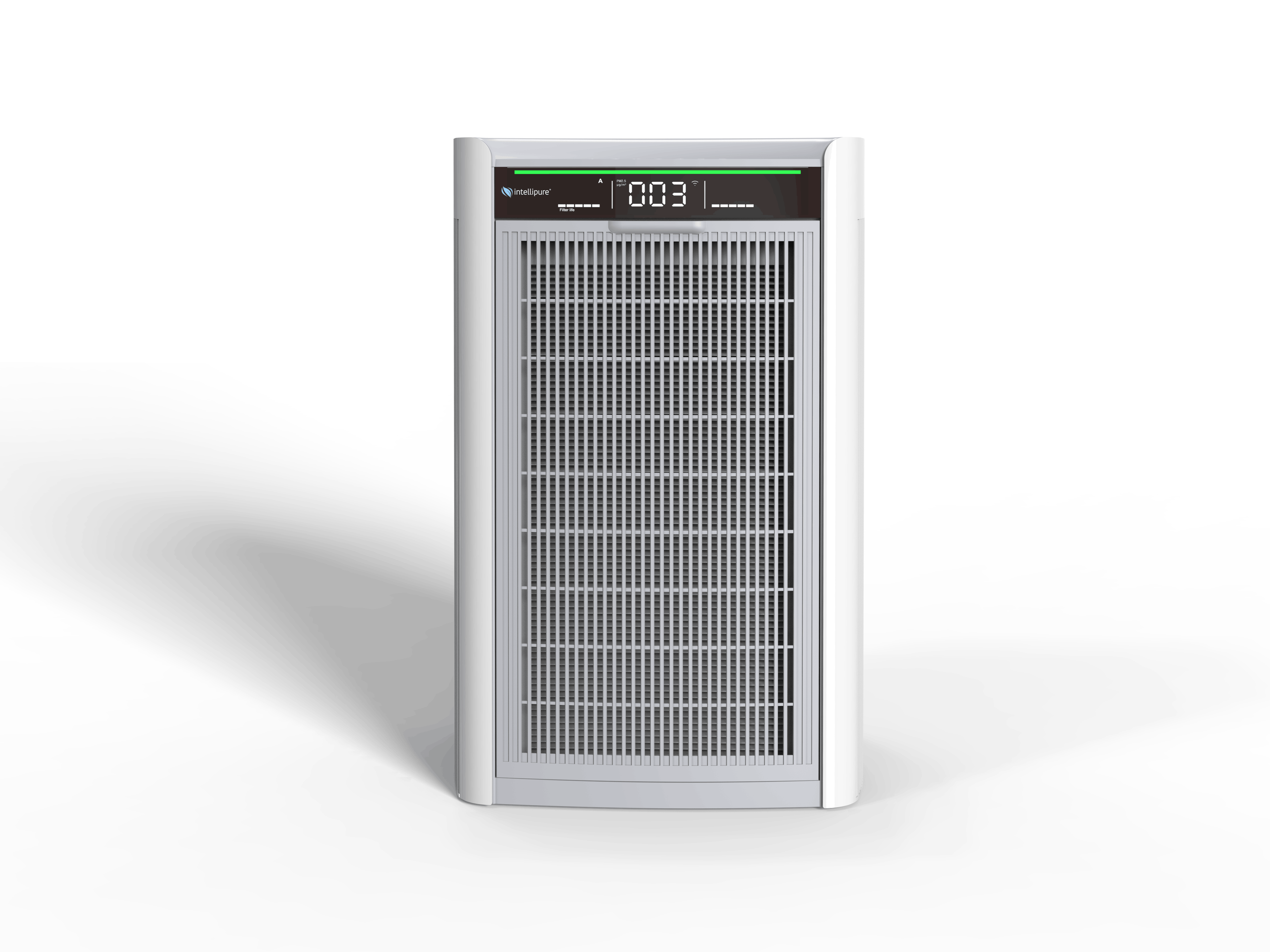
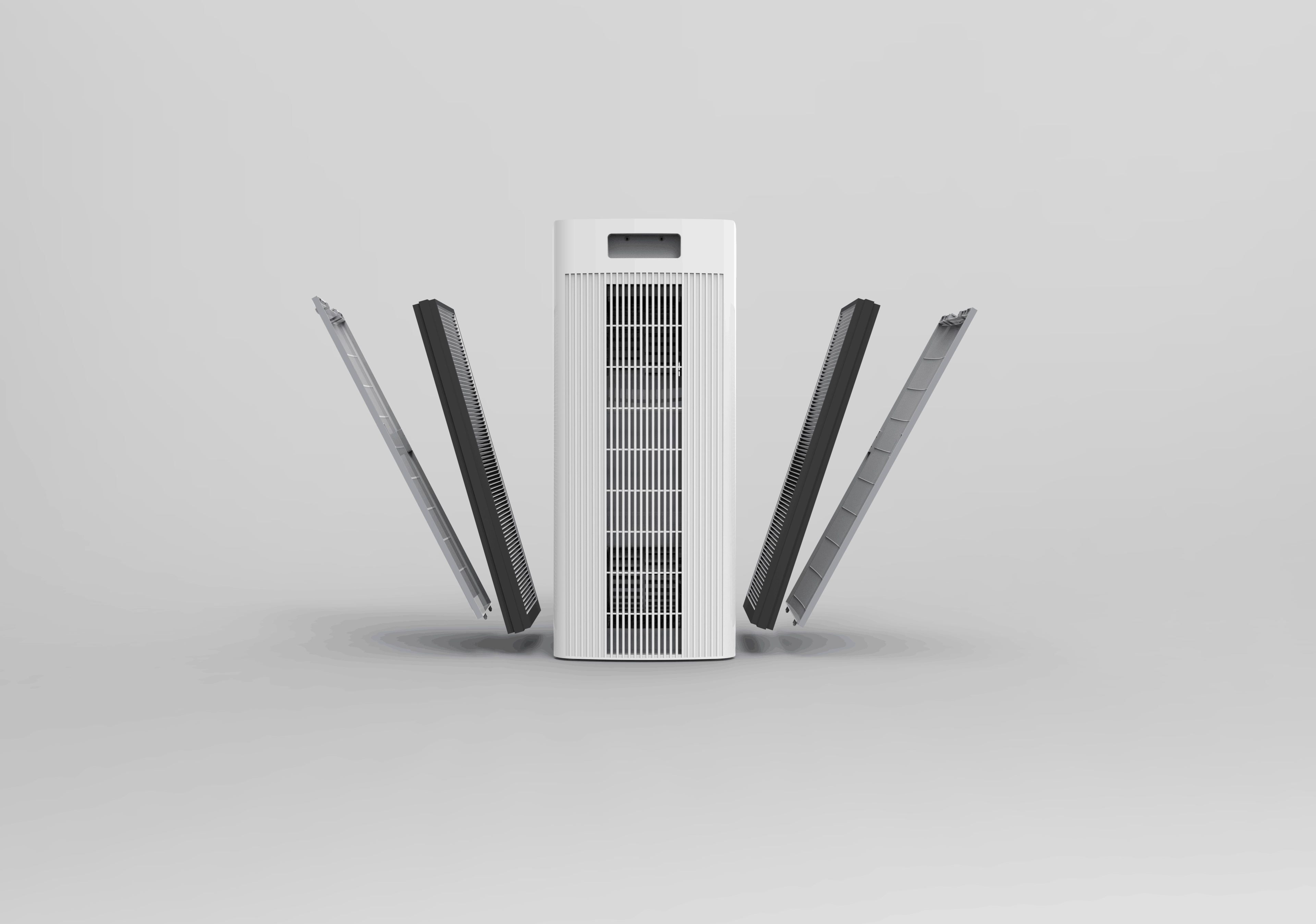
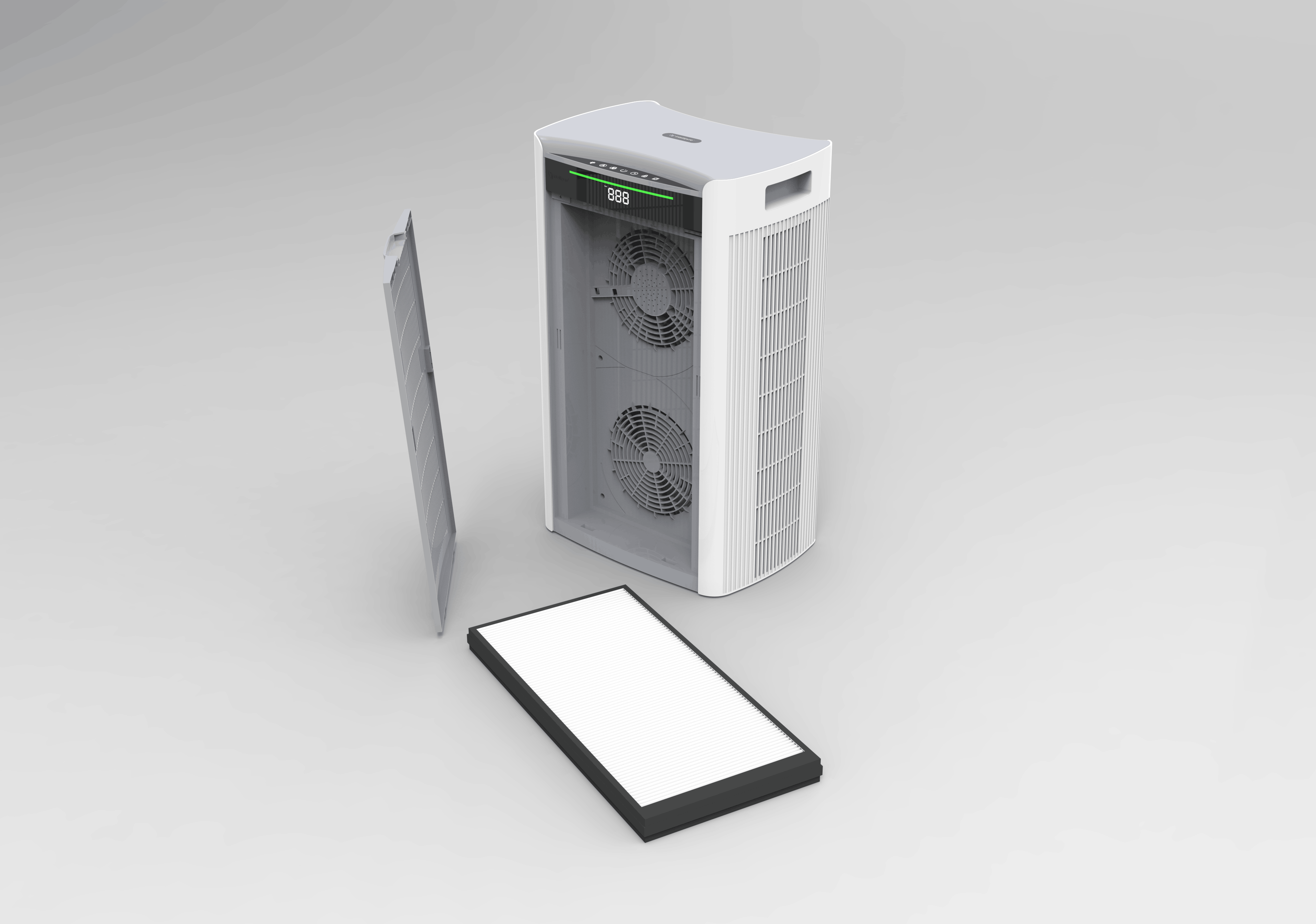
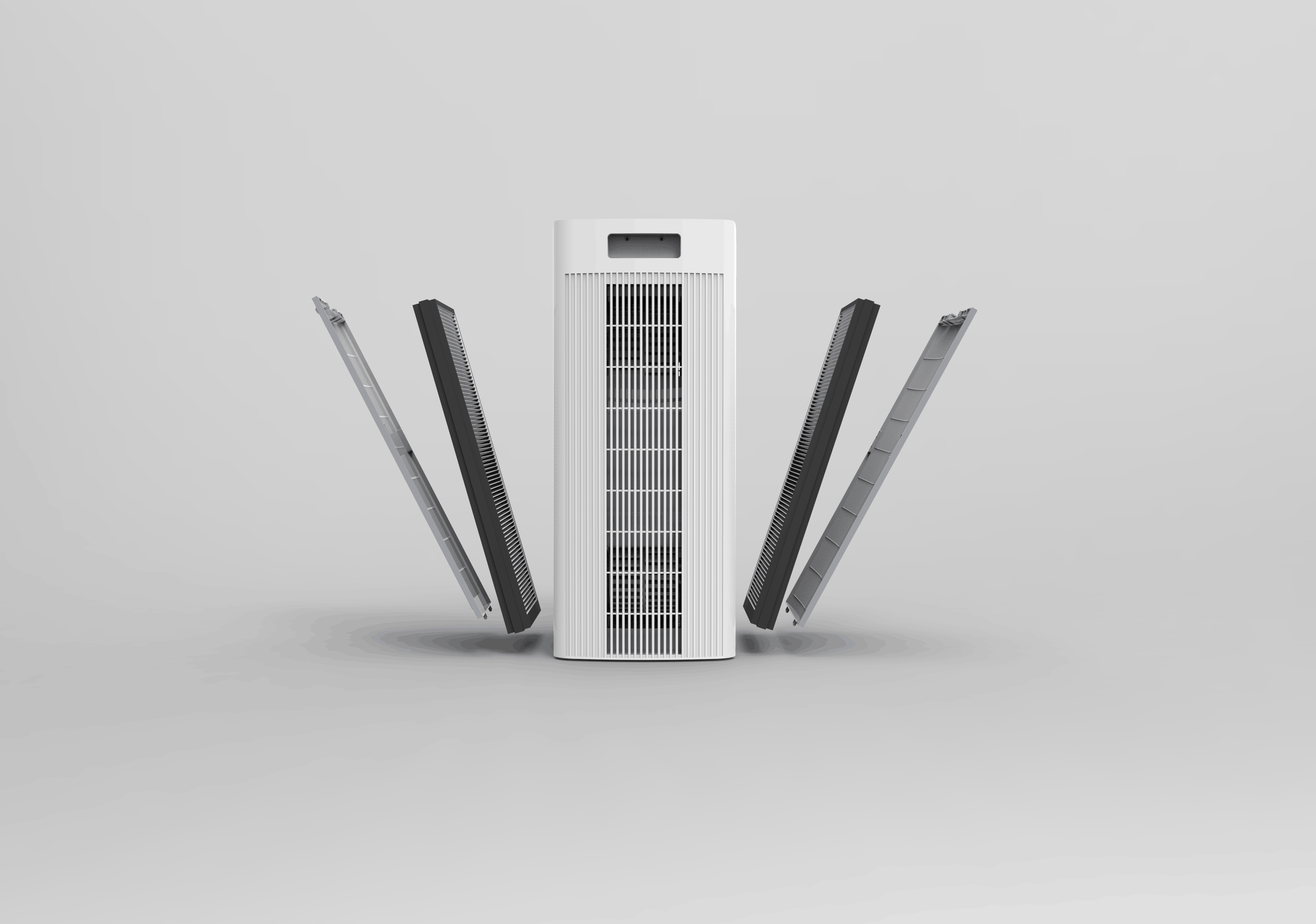
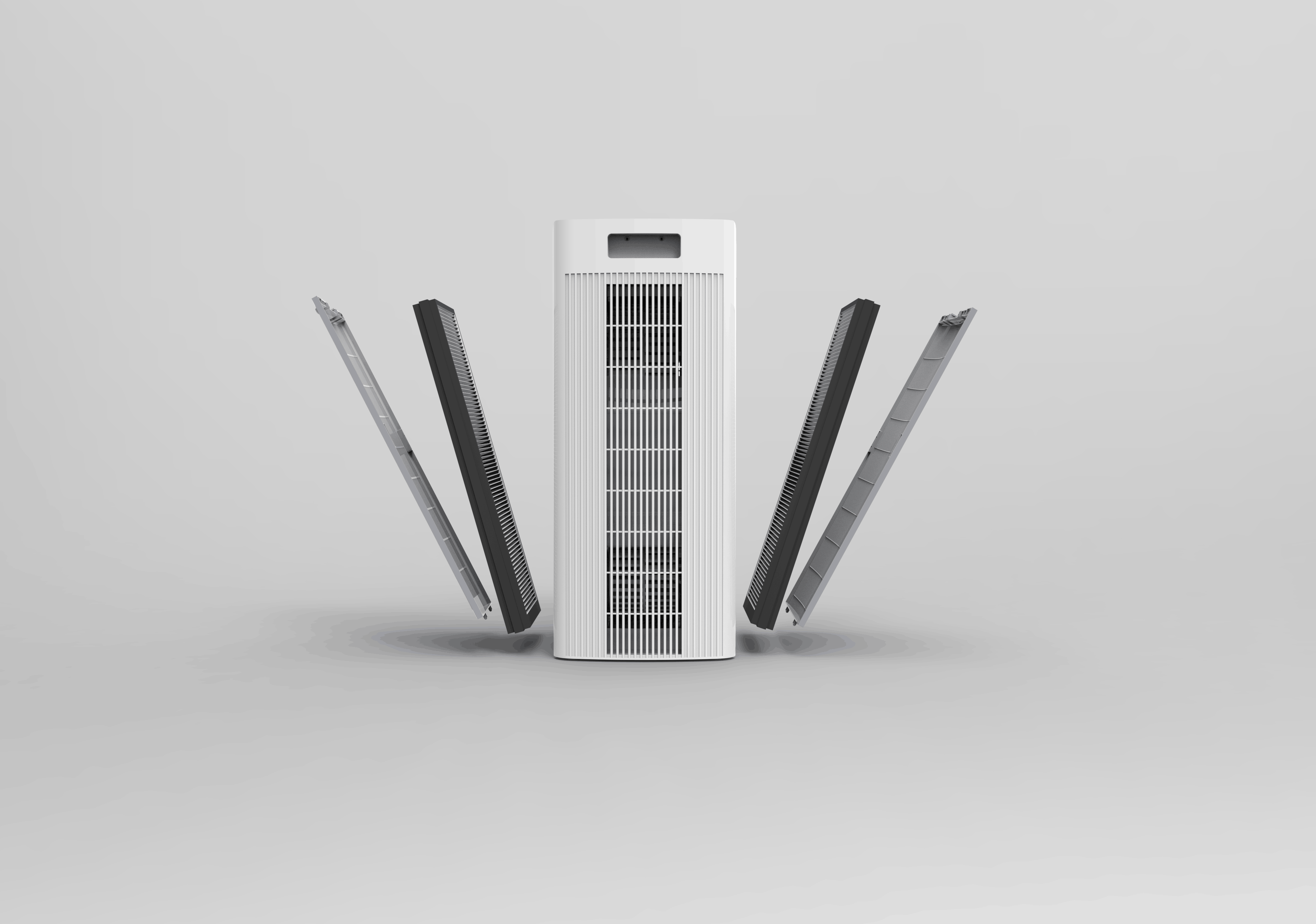
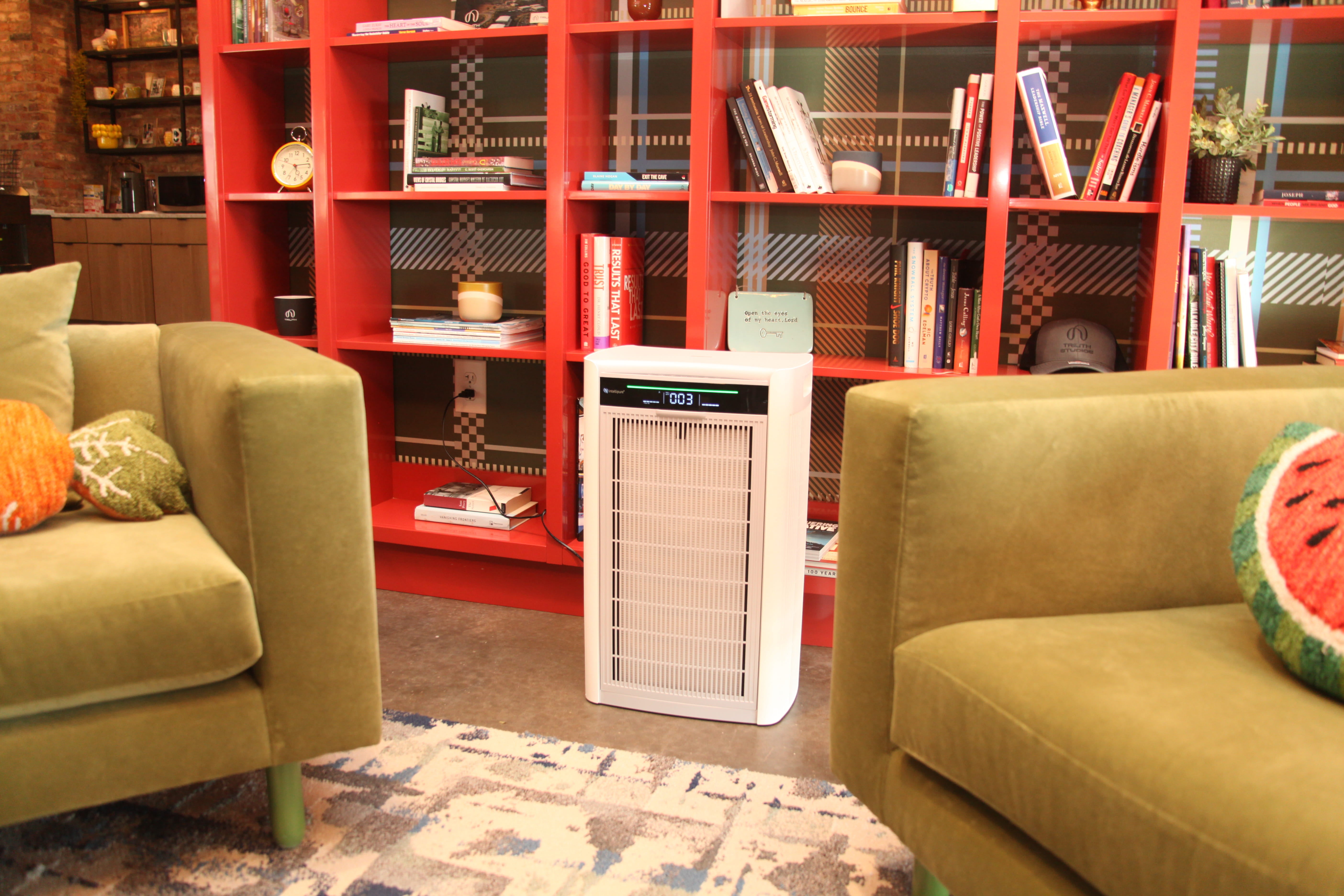
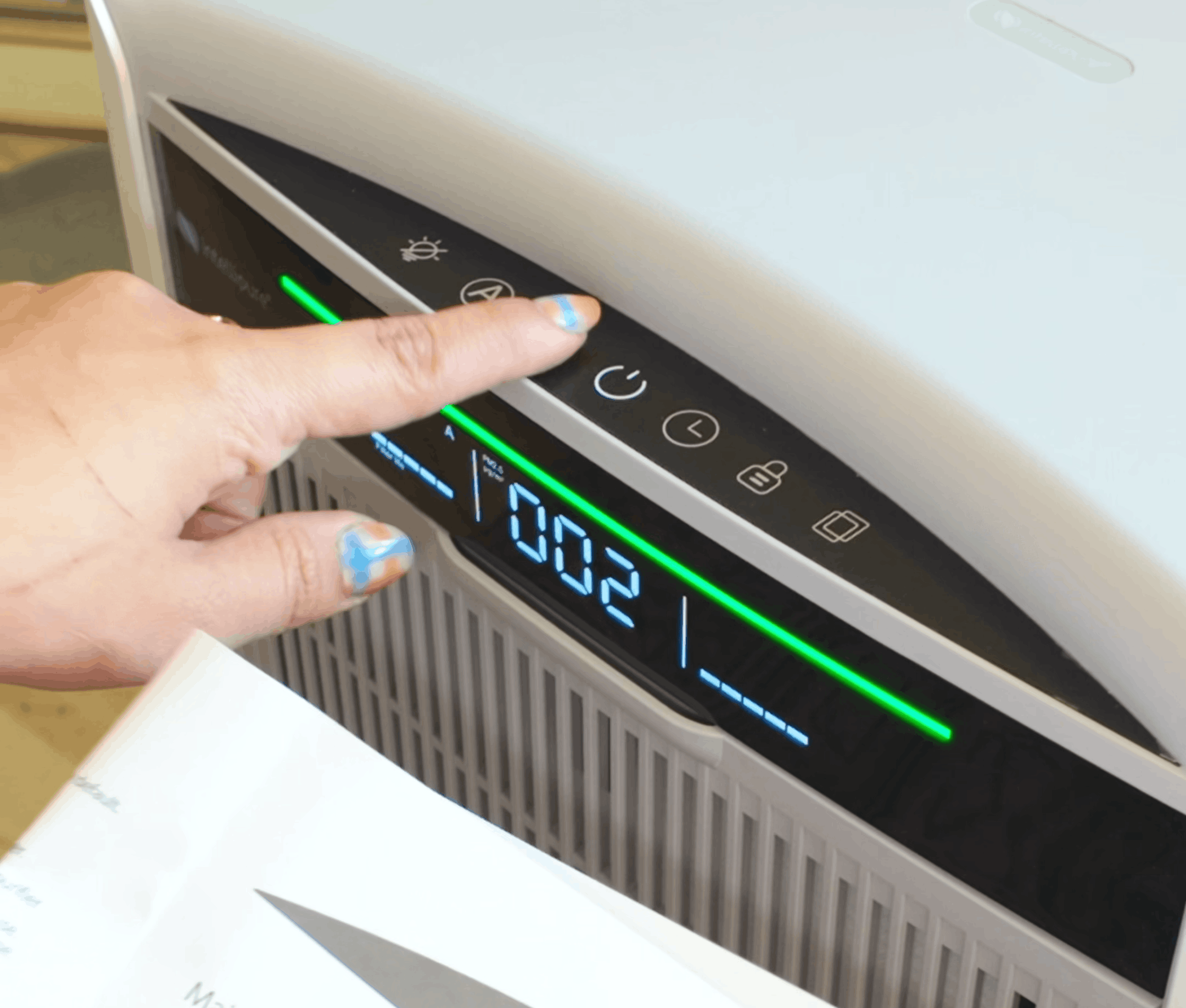
Portable air cleaners, also called "air purifiers" or "air sanitizers," are designed to filter the air in a single room or area. Both portable air cleaners and HVAC systems can reduce indoor air pollution, but their filters are not rated in the same way [1][1].
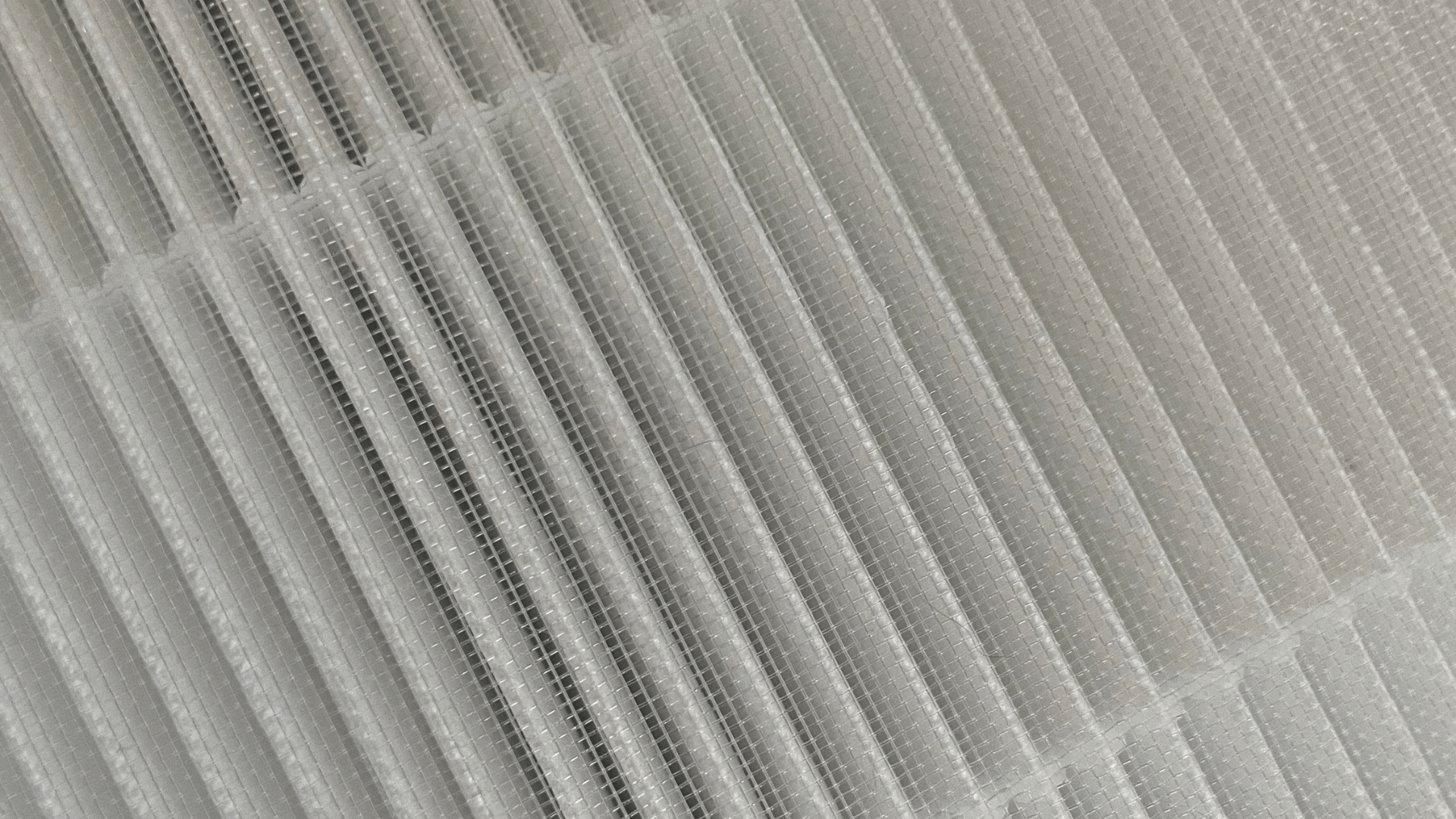
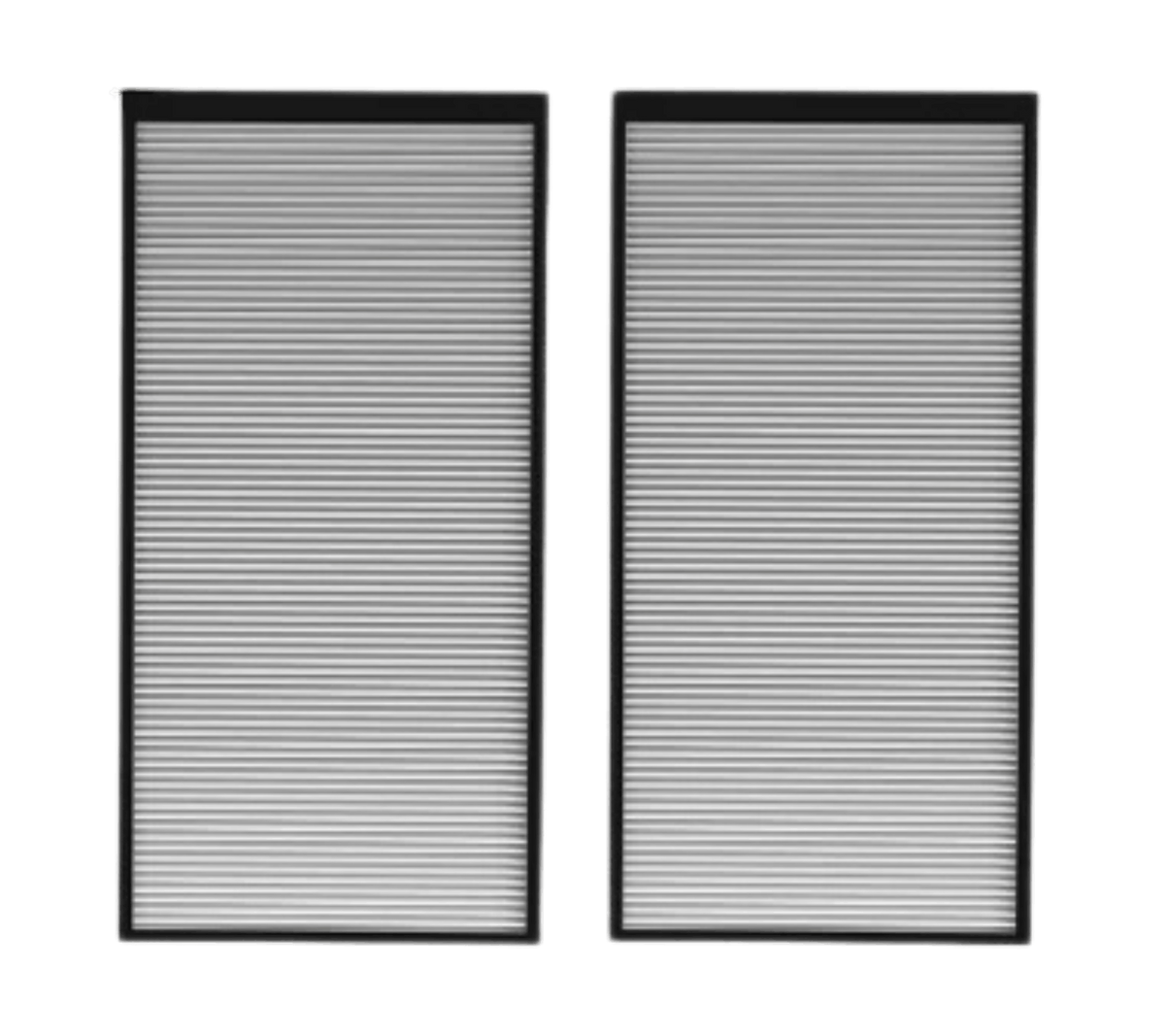
We've already been over MERVs, or minimum efficiency reporting values, which describe how well an HVAC filter can capture larger particles between 0.3 and 10 µm. Portable air cleaners, on the other hand, usually rely on a type of pleated mechanical air filter known as HEPA. HEPA stands for "high efficiency particulate air," defined officially by the U.S. Department of Energy. These filters can remove at least 99.97% of airborne particles that are 0.3 µm in size, including dust, pollen, mold, bacteria, and other tiny airborne particles.
Interestingly, 0.3 microns is considered the most difficult particle size to capture. HEPA filters can trap particles that are larger and smaller than 0.3 µm even more efficiently [5][5].
Results from several studies have suggested that portable HEPA air cleaners can have a positive impact on your health, including modest improvements in overall cardiovascular and respiratory wellness. Research also highlights that using HEPA air cleaners can improve allergy and asthma symptoms. These health benefits aren't always dramatic or noticeable, but they're often measurable by health professionals [1][1].
Some experts might recommend a portable air cleaner with a HEPA filter before a MERV 16 filter, especially if your HVAC system doesn't support the pressure drop, or airflow resistance, that a high MERV filter can cause [1][1].
Practical Tips
For those of us who like to scroll down to the bullet list, here are the highlights:
- Choose a filter with a MERV 13 rating or higher, once you've checked that your HVAC system fan and filter slot can accommodate it.
- Talk to a professional HVAC technician if you're not sure which high efficiency filter will work best for your system [2][2].
- Make sure the filter fits right. Not so tight that you have to bend or crush the filter to make it fit in the slot, but also snug enough that air doesn't leak around the sides [1][1].
- Replace your filters regularly based on the manufacturer's recommendations. Dirty, overloaded filters simply don't work very well [2, 1][2, 1]. Regular maintenance is especially important with higher efficiency filters that can be more vulnerable to clogging and collapse [3][3].
- Pay attention to how dirty your filters look when you change them, and start changing them more frequently if they look really clogged [1][1].
- Use calendar reminders so that you're less likely to forget to change your filters [3][3].
- For more continuous cleaning, consider a portable air purifier. Your air purifier can run whenever you choose to flip it on, whereas HVAC filters usually only remove pollutants from the air while the system is operating (which is typically less than 25% of the time during heating and cooling seasons).
- Steer clear of HVAC filters and portable air cleaners that intentionally produce ozone, which is a lung irritant.
- Find and remove sources of indoor air pollution in your home, and ventilate your air with clean outdoor air. Filtration is great, but it doesn't replace source control and ventilation [1][1].
To Recap
MERV is a 1-to-16 rating that tells you how well an HVAC filter captures particles. The higher the number, the smaller the particles it can trap. If you're upgrading your HVAC filters, the EPA recommends at least a MERV 13, or as high a rating as your system will tolerate [2][2]. If your system can't handle a higher rating, a portable air cleaner with a HEPA filter can pick up the slack in the rooms where you spend the most time. And remember, whatever filter you land on, do your best to change it on time, because even the best filter won't help much once it's clogged.
Now you can walk proudly and confidently down the filter aisle knowing who MERV is and what he can do for your home's air.
References
- United States Environmental Protection Agency. Guide to Air Cleaners in the Home [Internet]. 2026. Available from: https://www.epa.gov/indoor-air-quality-iaq/guide-air-cleaners-home.
- United States Environmental Protection Agency. What Is a MERV Rating? [Internet]. 2026. Available from: https://www.epa.gov/indoor-air-quality-iaq/what-merv-rating.
- Building America Solution Center. High-MERV Filters [Internet]. U.S. Department of Energy, Office of Critical Minerals and Energy Innovation; 2022. Available from: https://basc.pnnl.gov/resource-guides/high-merv-filters#edit-group-description.
- Walker IS, Faulkner D, Dickerhoff DJ, Turner WJN. Energy Implications of In-line Filtration in California Homes [Internet]. Available from: Ernest Orlando Lawrence Berkeley National Laboratory; 2013. Available from: https://www.osti.gov/servlets/purl/1167440.
- United States Environmental Protection Agency. What Is a HEPA Filter? [Internet]. 2026. Available from: https://www.epa.gov/indoor-air-quality-iaq/what-hepa-filter.




When Outdoor Air Pollution Becomes an Indoor Problem