

Summary
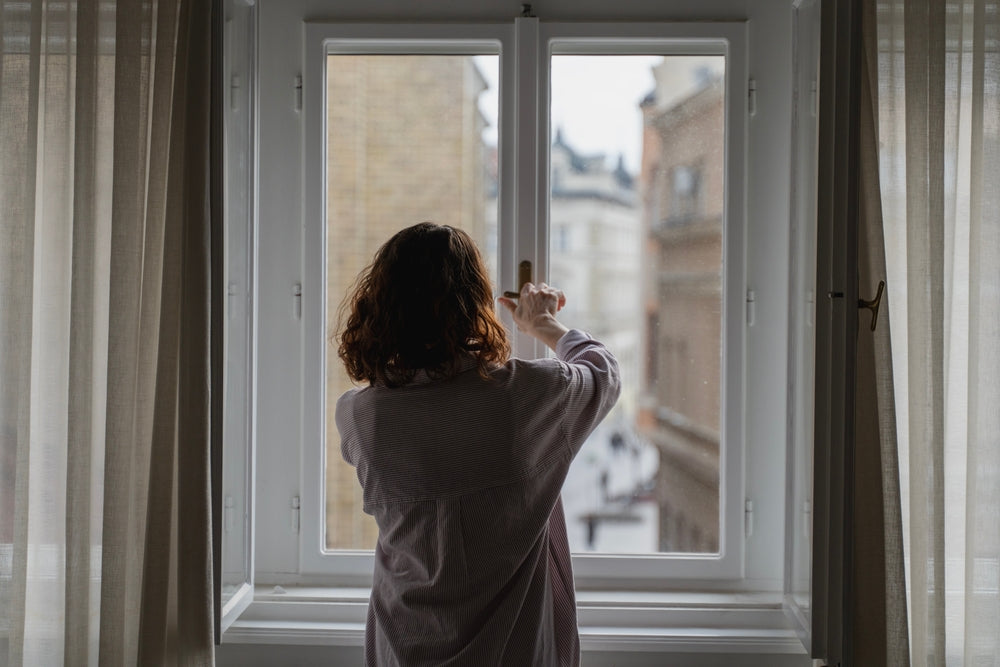
When the weather cools down, closing the windows to secure some cozy warmth just feels like common sense. You keep the cold air out, turn up the heat, and settle in for the season.
When the weather cools down, closing the windows to secure some cozy warmth just feels like common sense. You keep the cold air out, turn up the heat, and settle in for the season. Maybe throw on some comfy socks, too.
But closing up your home changes more than the temperature. It also changes how air moves through your space. (Or doesn't.) With less ventilation, pollutants generated indoors can stick around longer, while outdoor pollution that has already made its way inside doesn't simply disappear.
In other words: Outdoor air problems don't always stay outdoors.
Outside Has a Way of Getting In
Indoor air quality (IAQ) is shaped by what happens both inside and outside your home. Outdoor particulate matter from sources like traffic and industrial activity can enter buildings, while indoor activities such as cooking, heating, cleaning, burning candles, and even everyday occupancy add their own pollutants to the mix [1][1].
How much outdoor pollution makes it inside depends partly on the building and how air moves through it. Ventilation, open windows, gaps in the building envelope, and mechanical systems can all affect that exchange [1][1].
That makes ventilation a little bit of a balancing act. Bringing in outdoor air can definitely dilute yucky, stale air indoors, which helps, but that same incoming air can also carry outdoor pollutants and allergens with it [2][2].
Crack a Window, Please
When temperatures drop, many of us almost instinctively reduce that air exchange. Windows get closed. Doors aren't propped open. Heating systems kick on.
Meanwhile, life indoors keeps producing pollutants on top of pollutants.
Research has long identified ventilation as one way to remove or dilute pollutants originating inside homes and other buildings [3][3]. Poor ventilation, on the other hand, can increase both the concentration of indoor pollutants and the amount of time people are exposed to them [1][1].
And air quality isn't just about what you can smell or see. Particulate matter (PM), volatile organic compounds (VOCs), carbon monoxide, biological material, and other contaminants can all contribute to indoor air pollution [1][1].
Sure, your cozy house may feel sealed off from the outdoor environment, but your air is still a combination of whatever's going on outside and everything happening within your four walls.
More Ventilation, Fewer Problems … Right?
All of this begs the question: Couldn't I just throw open some windows? Clear the air?
Not necessarily. Like most things in life, the answer involves a smidge of nuance.
Ventilation can reduce indoor pollutant exposure by diluting contaminated indoor air [2][2]. Research has also connected better IAQ and ventilation with improved comfort and performance in indoor environments [2, 3][2, 3]. But outdoor conditions matter just as much. (And you're quite literally inviting those conditions in.)
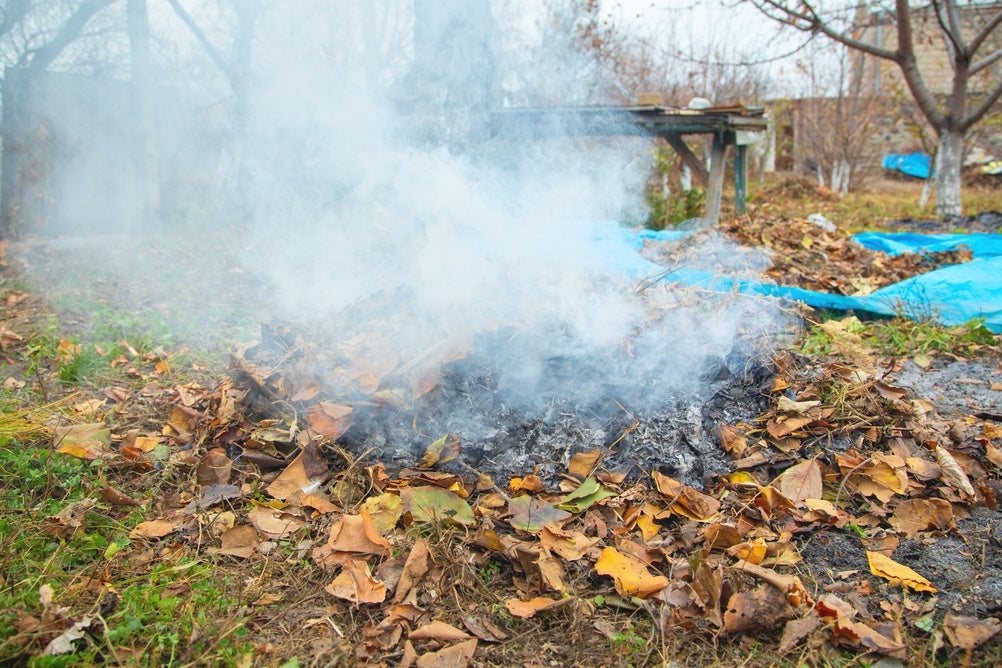
Check your local air quality index (AQI). If smoke, heavy traffic pollution, pollen, or other common contaminants are elevated outside, simply bringing more outdoor air indoors can introduce other sources of exposure [2][2].
Give Your IAQ a Fall Reset
Seasonal routines change, so your clean-air habits can change with them.
While you work out obtaining or updating your clean air game, start with the sources you can control. You probably already have access to a few solid methods.
- Use kitchen ventilation while cooking
- Address excess moisture
- Keep combustion sources in mind
- Avoid unnecessarily adding particles and VOCs to your indoor air [1][1]
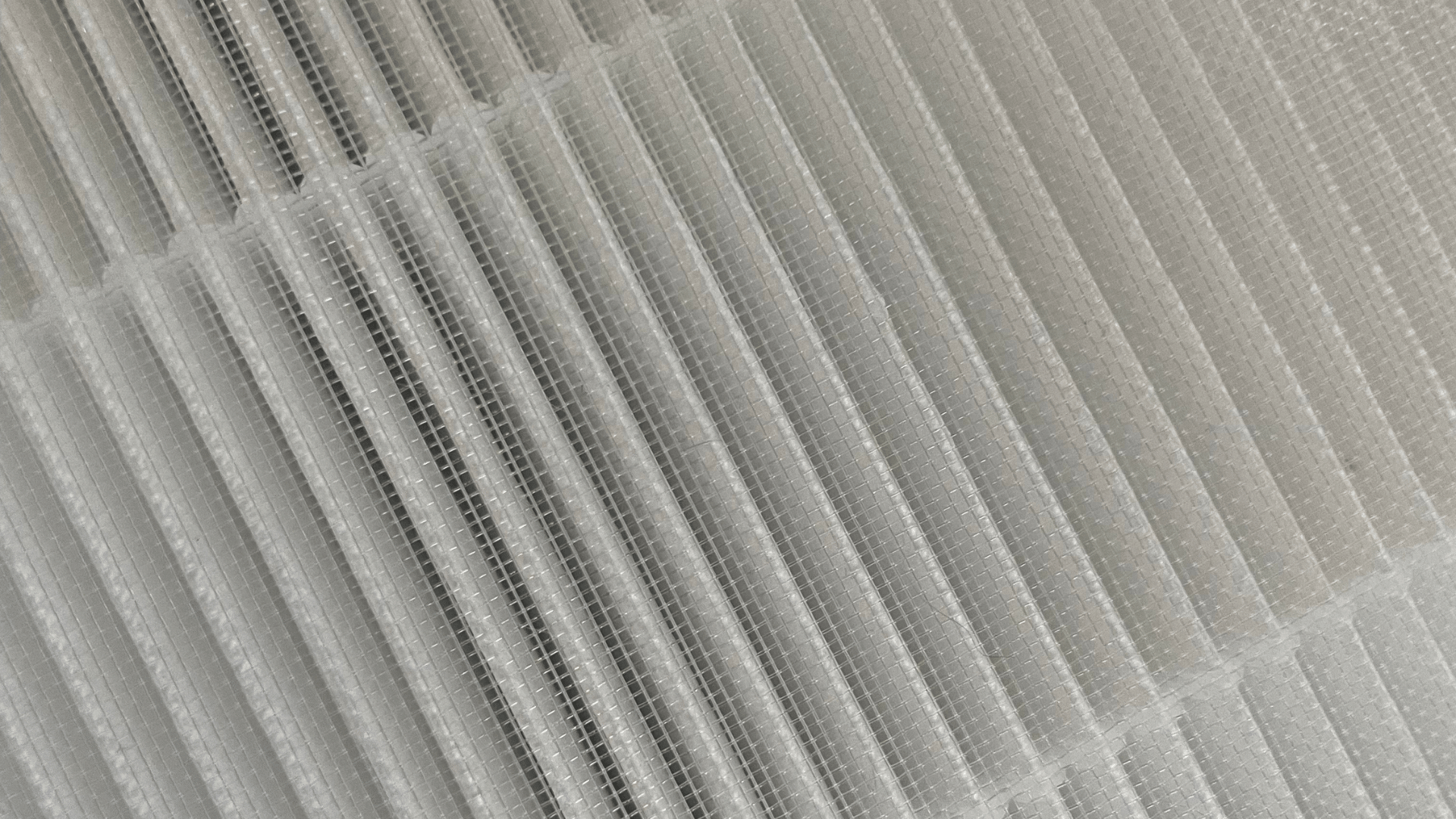
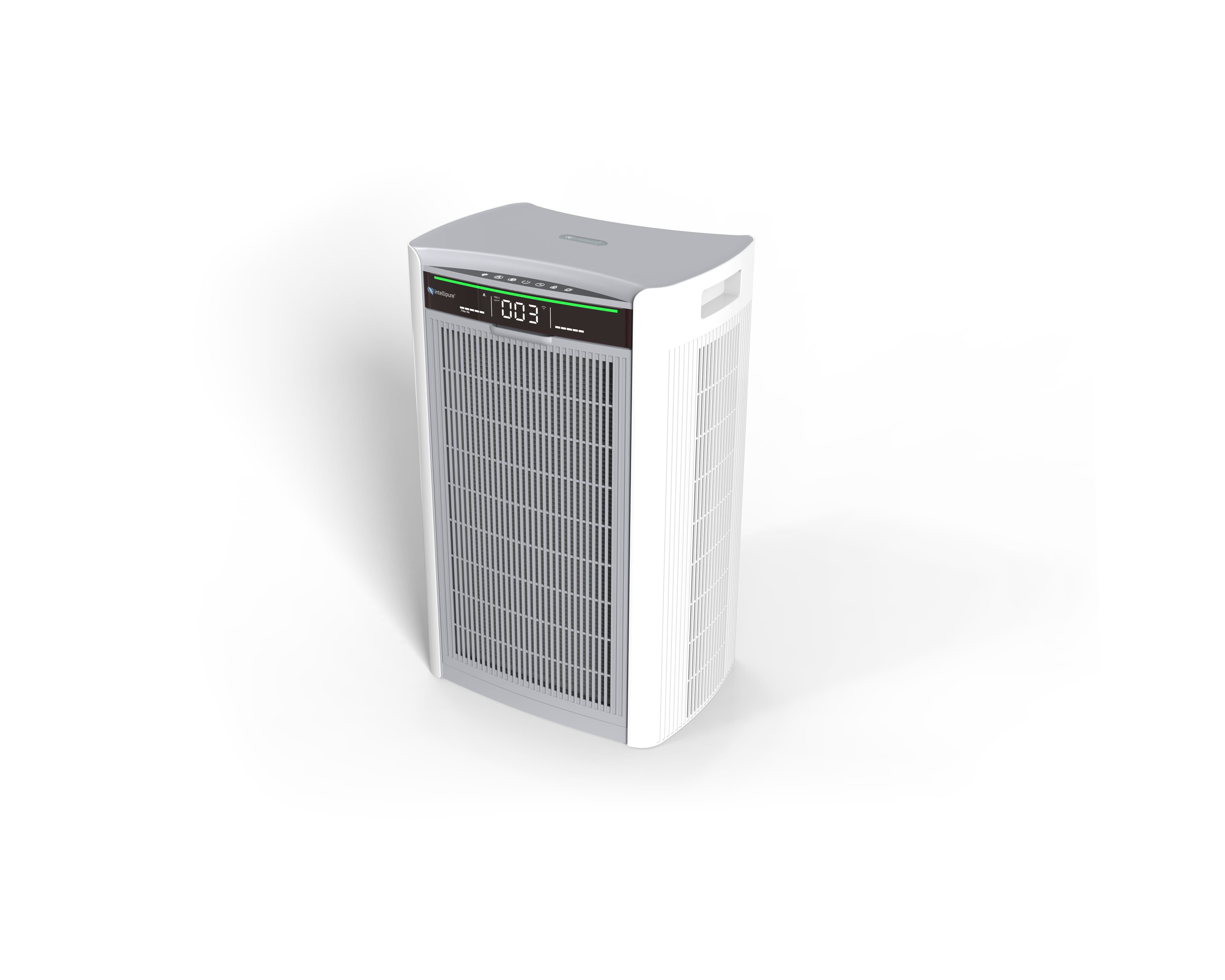
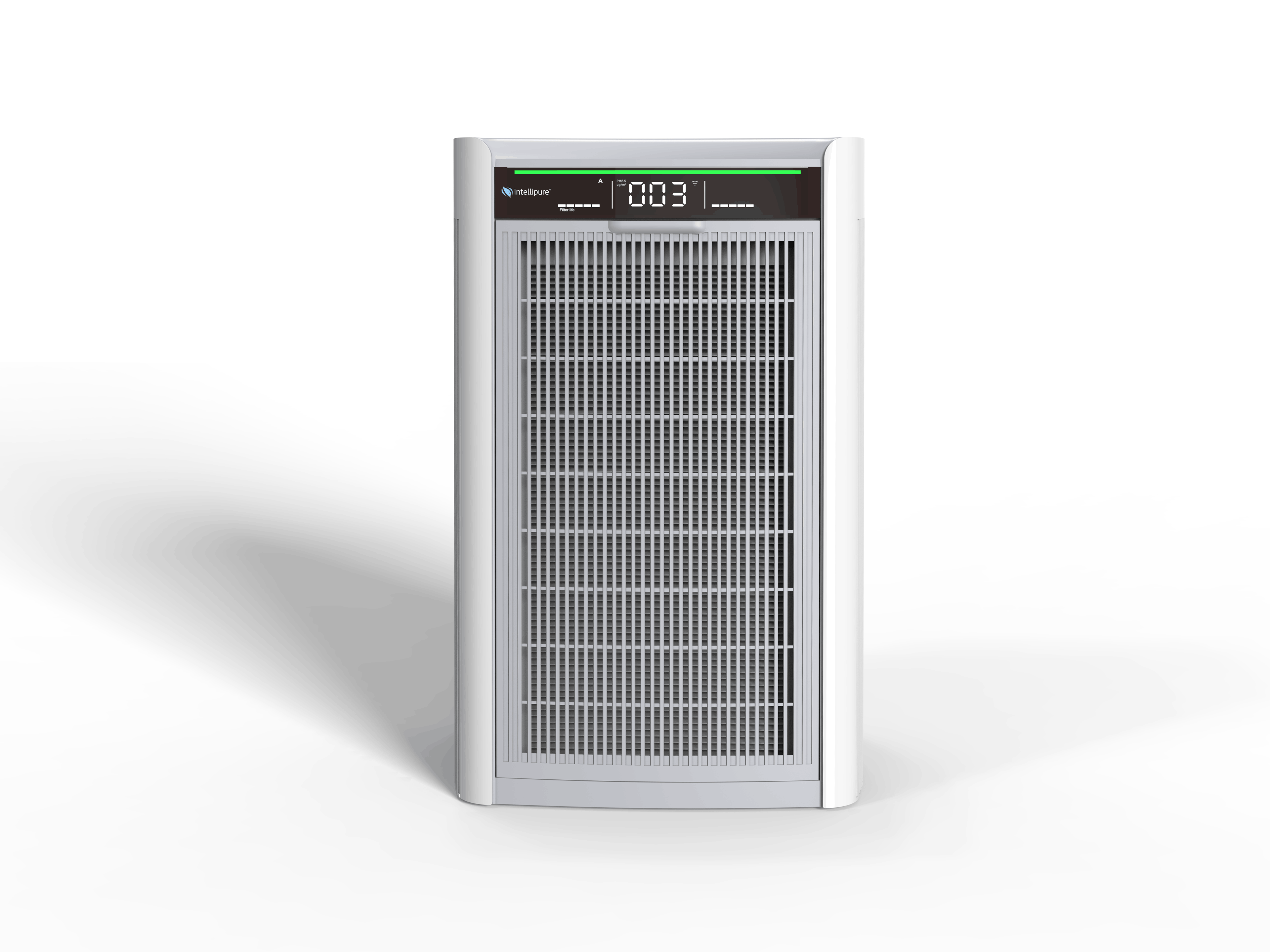
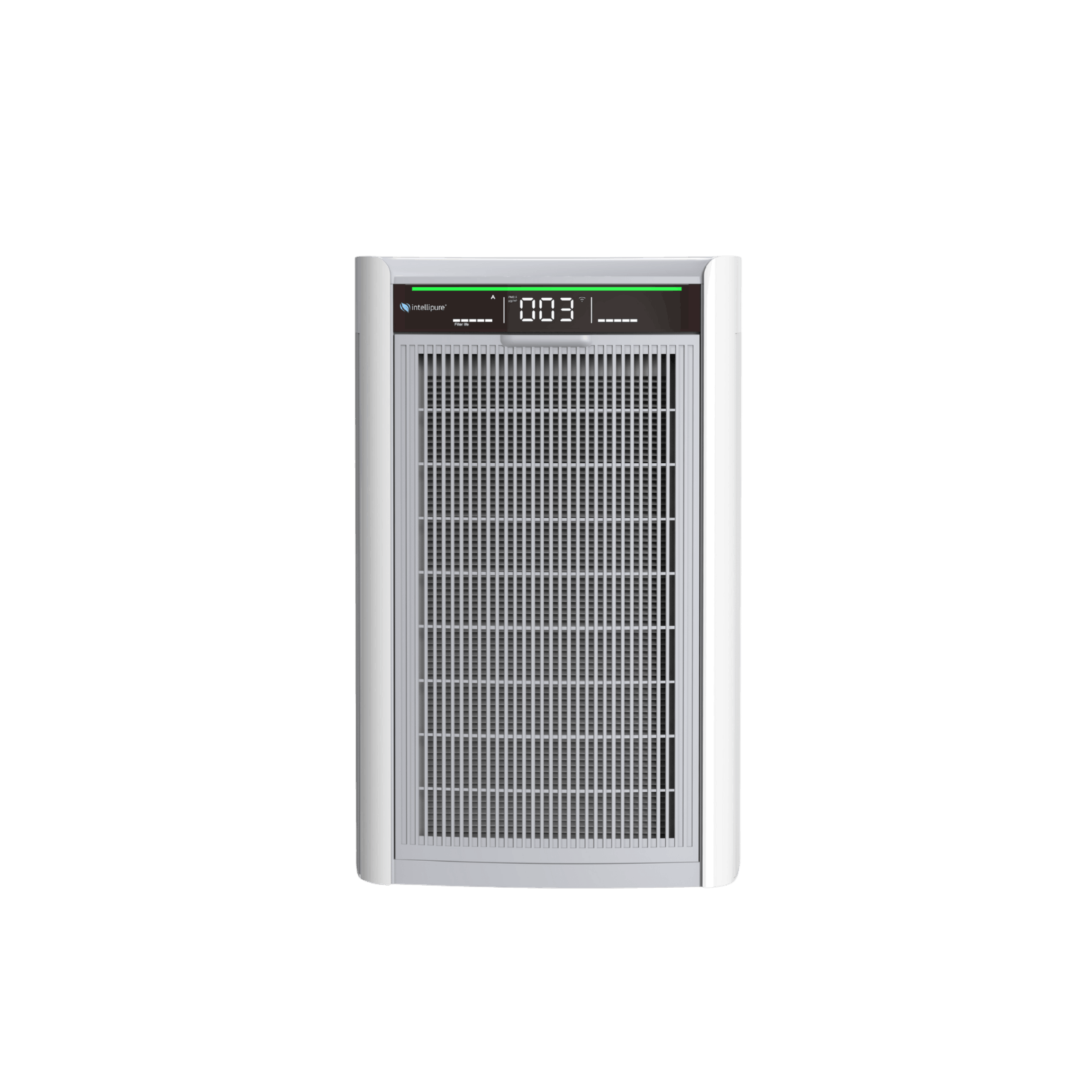
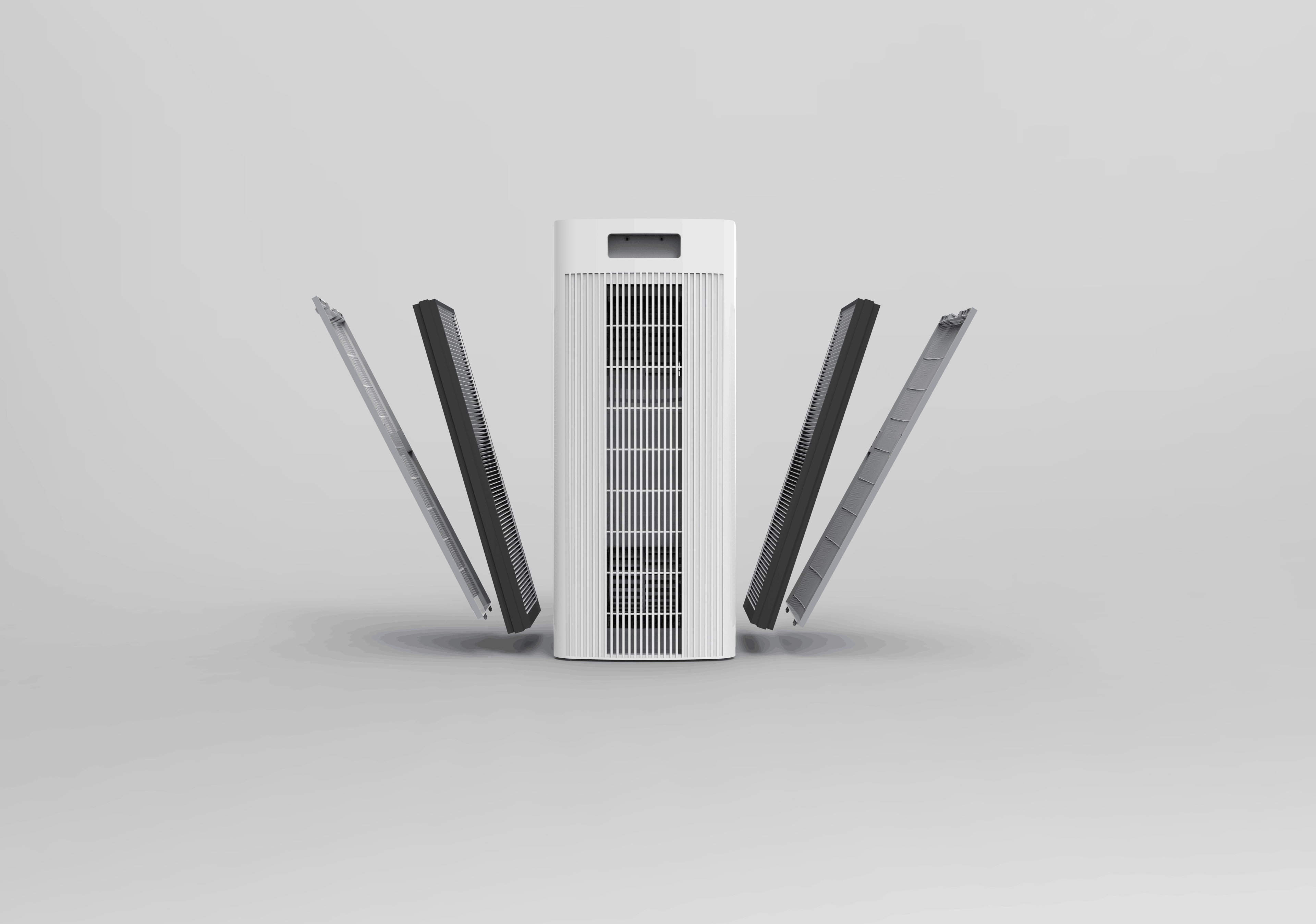
Then pay attention to outdoor conditions before relying on open windows for fresh air. When opening up the house isn't practical or outdoor air quality isn't cooperating, a high-quality air purifier can help reduce airborne particles already circulating inside.
Your windows might be (mostly) closed for the season, but your approach to cleaner air shouldn't be. Because when outdoor pollution comes inside (and indoor pollutants have fewer places to go), the air trapped between those four walls deserves a little extra attention.
References
- Holden KA, Lee AR, Hawcutt DB, Sinha IP. The impact of poor housing and indoor air quality on respiratory health in children. Breathe (Sheffield, England). 2023;19(2):230058. doi:10.1183/20734735.0058-2023.
- Wolkoff P, Azuma K, Carrer P. Health, work performance, and risk of infection in office-like environments: The role of indoor temperature, air humidity, and ventilation. International journal of hygiene and environmental health. 2021;233:113709. doi:10.1016/j.ijheh.2021.113709.
- Wyon DP. The effects of indoor air quality on performance and productivity. Indoor air. 2004;14 Suppl 7:92-101. doi:10.1111/j.1600-0668.2004.00278.x.






Can You Use FSA or HSA Funds for an Air Purifier?