




Summary
Cleaner air at home may be even more affordable than you think. If you have a Flexible Spending Account (FSA) or Health Savings Account (HSA), you may be able to use those funds to help cover the...
Cleaner air at home may be even more affordable than you think. If you have a Flexible Spending Account (FSA) or Health Savings Account (HSA), you may be able to use those funds to help cover the cost of an air purifier and, in some cases, its replacement filters.
It's one of the lesser-known ways these healthcare accounts can work for you. A health hack, if you will. While air purifiers aren't automatically eligible expenses, they can qualify when they're being used for a medical purpose.
So, before you pay completely out of pocket, it's definitely worth knowing how FSA and HSA eligibility works.
First Things First: What Are FSAs and HSAs?
A Flexible Spending Account (FSA) is an employer-sponsored account that lets you set aside pre-tax money to pay for eligible healthcare expenses. Funds are commonly contributed through payroll deductions, and employers may contribute, too. Depending on the plan, there may be rules around how much money rolls over or how long you have to spend it.
A Health Savings Account (HSA) is another tax-advantaged way to pay for qualified medical expenses. HSAs are available to people enrolled in qualifying high-deductible health plans. Unlike FSA funds, the money in an HSA belongs to the account holder and generally rolls over from one year to the next.
Different accounts, similar goal: Helping make qualified healthcare expenses easier to manage.
What Are FSA and HSA Funds Designed to Cover?
When you think about healthcare spending, things like copays, prescriptions, and doctor's appointments probably come to mind first. I know, I know. The sometimes overwhelming stuff. But qualified medical expenses can include a much wider range of products and services.
Under Internal Revenue Service (IRS) rules, qualified medical expenses generally include costs for medical care as defined under Section 213(d) of the tax code. Health FSAs also generally reimburse expenses that would qualify for the medical and dental expense deduction. That can include certain products you use right at home.
The important part is why the product is being purchased. There's a difference between buying something because it supports general wellness and buying it because it's being used for medical care.
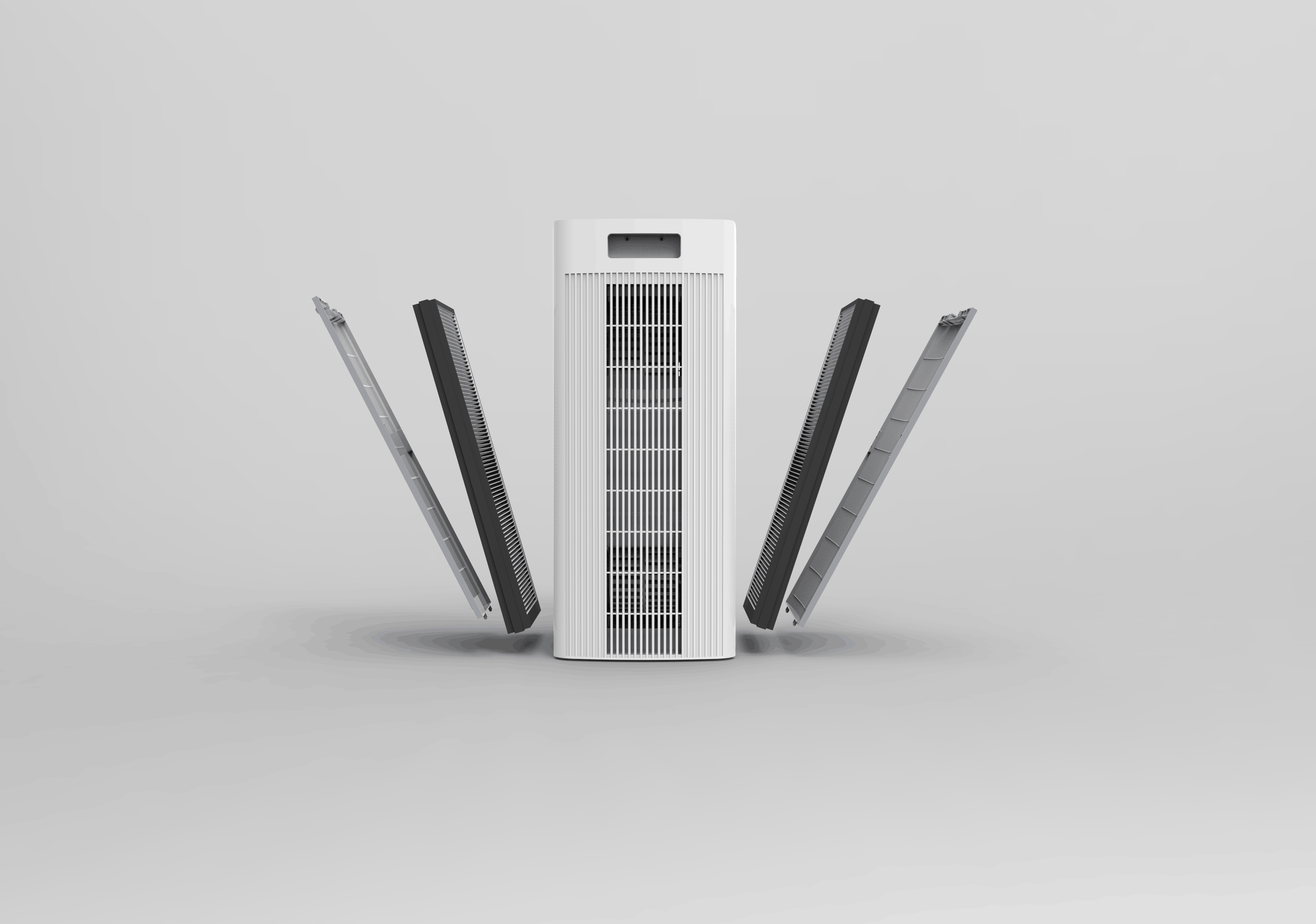
An air purifier, especially a high quality air purifier for indoor air, is a good example. You may simply want cleaner air, which is reason enough to enjoy having one. But if a healthcare provider recommends an air purifier to help manage a specific medical condition, the purchase may also fall into qualified-medical-expense territory.
When Can an Air Purifier Qualify?
Short answer? Medical necessity is the key.
An air purifier may qualify as an FSA or HSA expense when it's primarily being used to help treat, mitigate, or manage a medical condition. Current guidance from FSAFEDS, the federal government's FSA program, specifically lists allergy-treatment products including HEPA filters and air purifiers as eligible expenses with appropriate documentation.
That documentation commonly includes a Letter of Medical Necessity (LMN).
An LMN is essentially just your healthcare provider's explanation of why a particular product is medically necessary for you. For air purifiers, FSAFEDS currently requires an LMN signed by a doctor along with a detailed receipt.
For HSA funds, the IRS uses the broader qualified-medical-expense standard. Tax-free HSA distributions can be used to pay or reimburse qualified medical expenses that meet the federal definition of medical care.
Requirements can vary by account and administrator, so it's a good idea to check what documentation yours requires before you buy.
What Can You Actually Use FSA or HSA Funds For?
Here's where things get especially useful: eligibility may extend beyond the initial air purifier purchase.
The Air Purifier
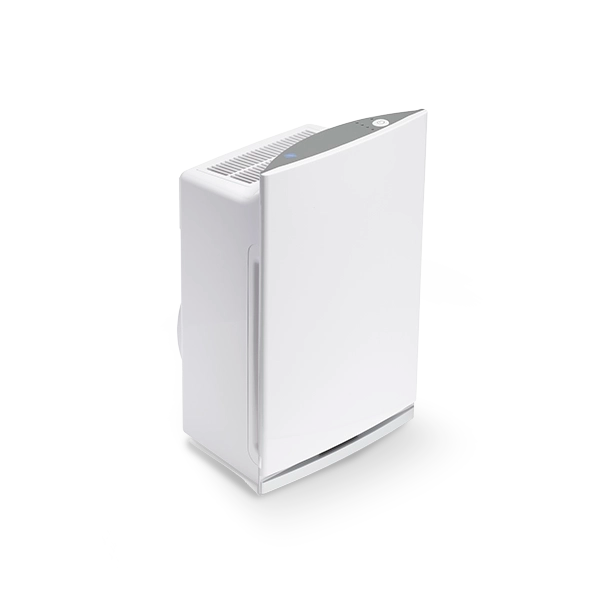
When an air purifier is being purchased for a qualifying medical reason, the unit itself may be eligible for FSA or HSA funds.
For FSA reimbursement, that may mean getting an LMN from your healthcare provider, purchasing the purifier, and submitting the required documentation and itemized receipt to your plan administrator.
Depending on your account, you may be able to pay using an FSA or HSA card at the time of purchase or pay another way and request reimbursement afterward.
Replacement Filters
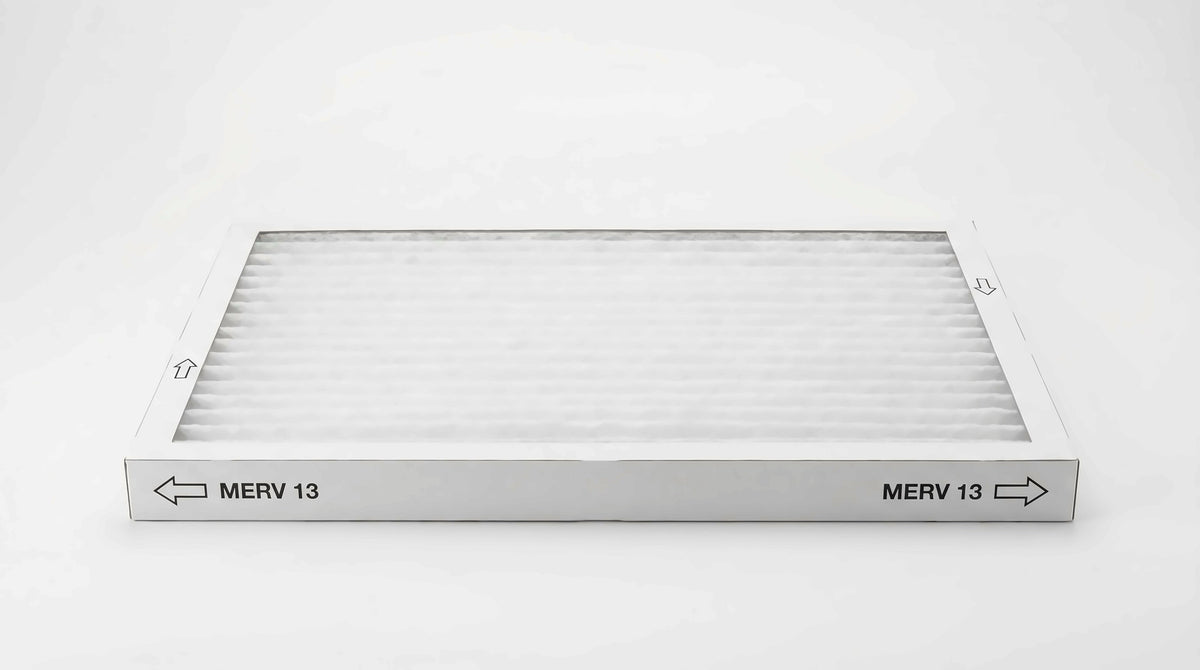
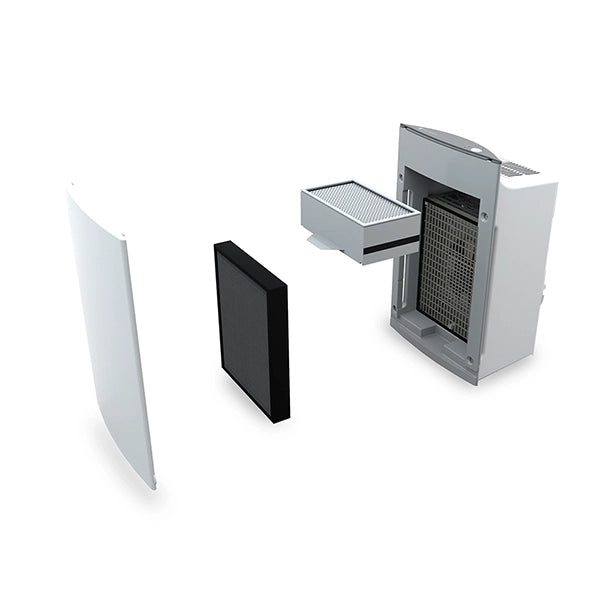
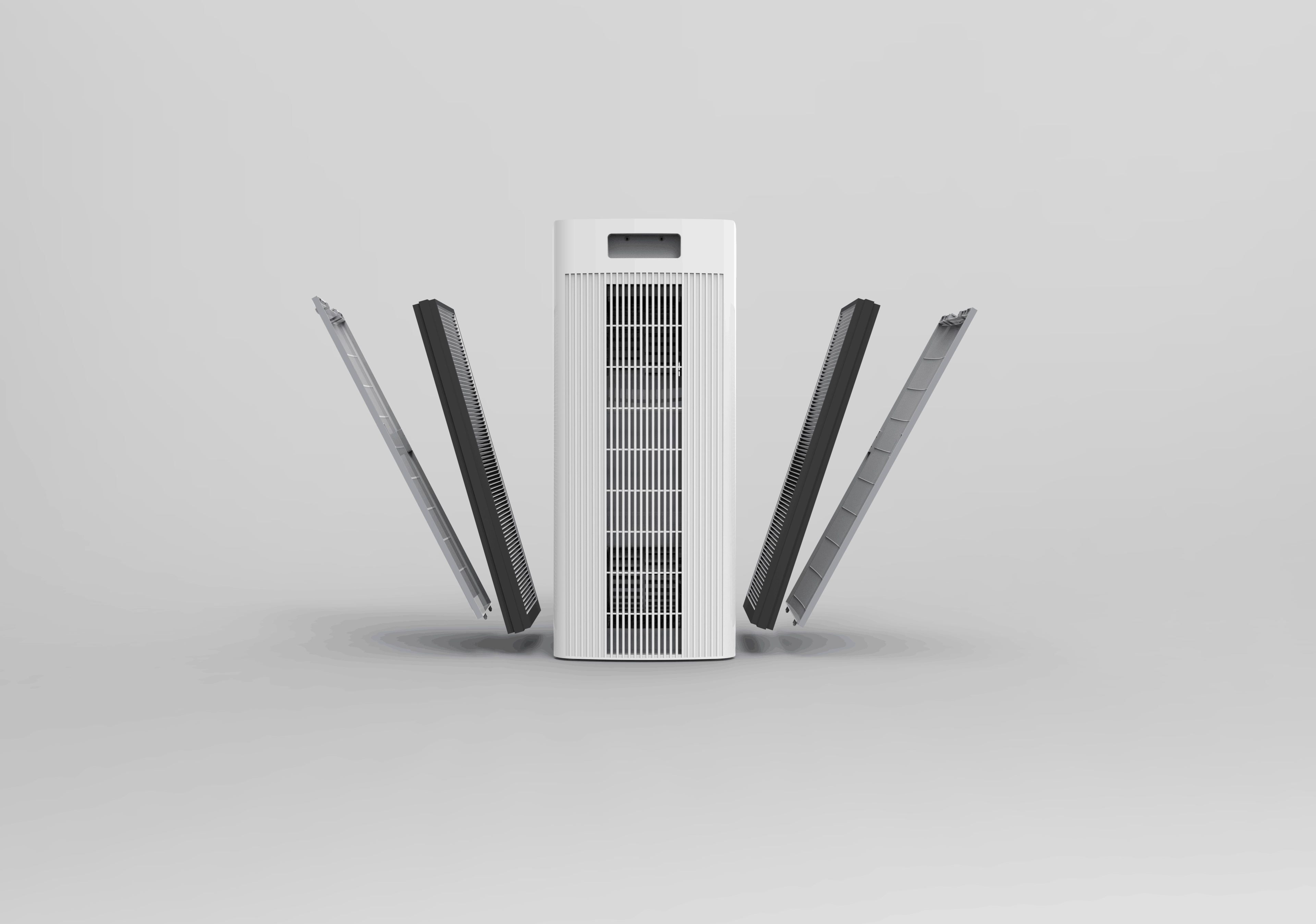
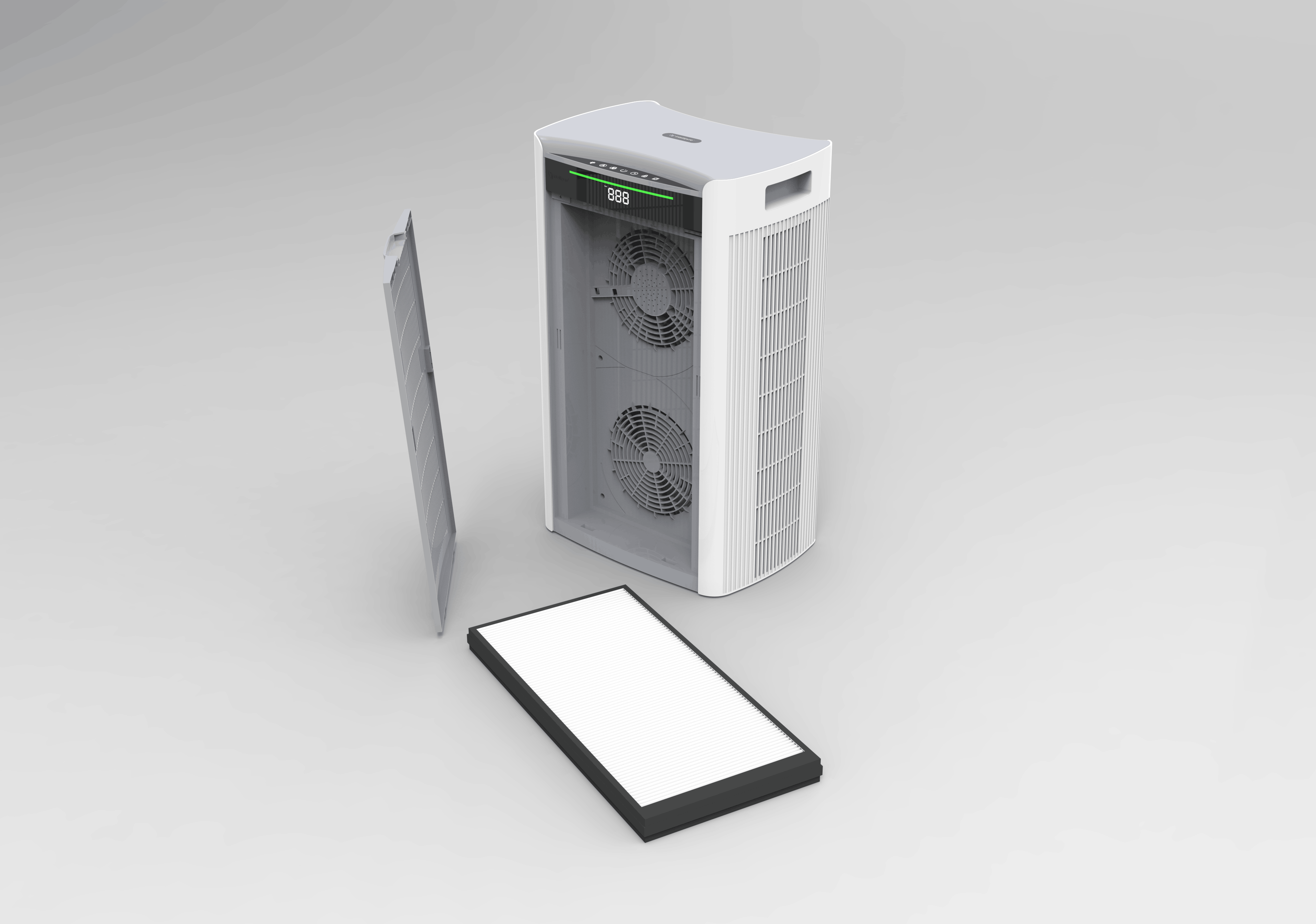
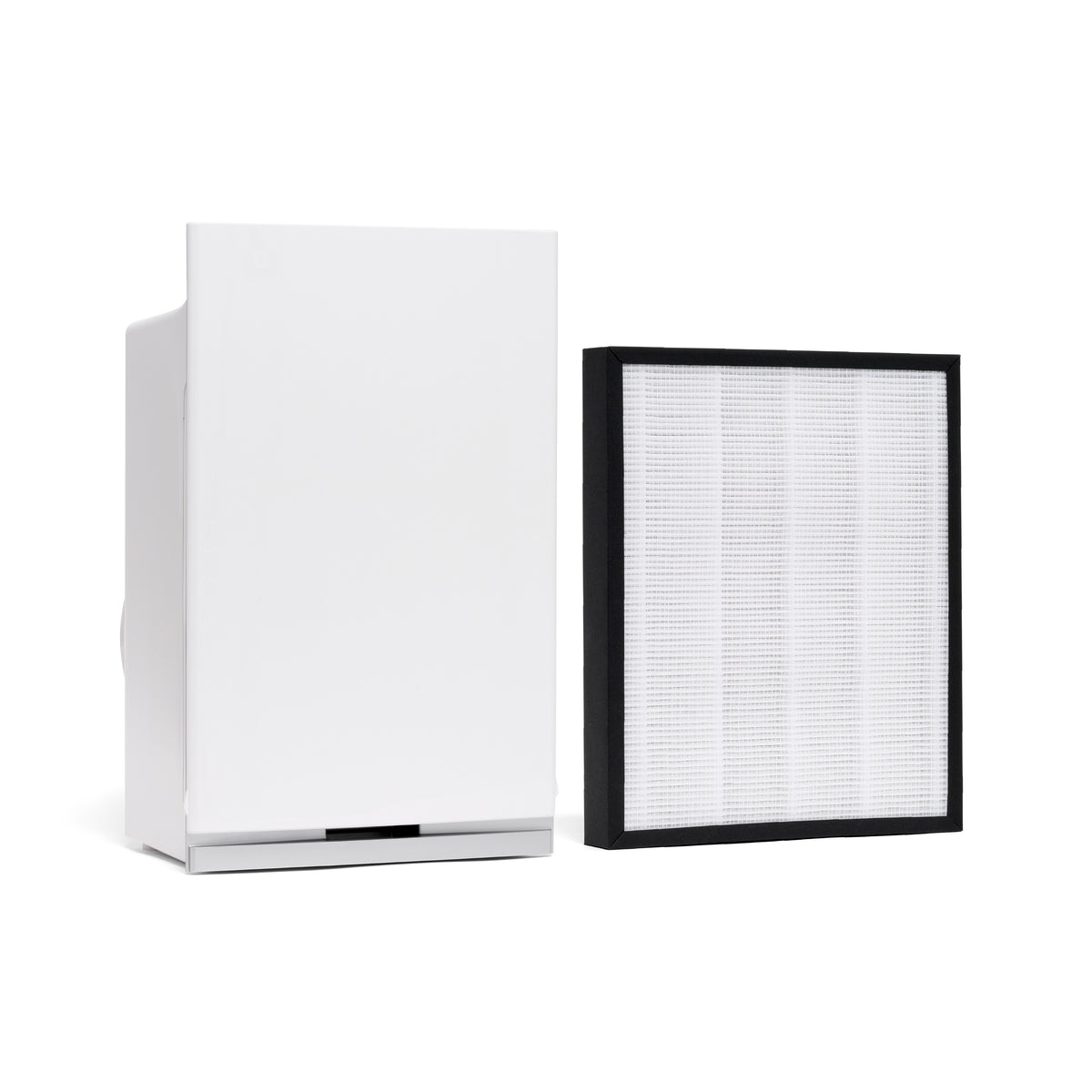
Your purifier can't do its job indefinitely without a little maintenance. Filters eventually need to be replaced to keep the system working as designed.
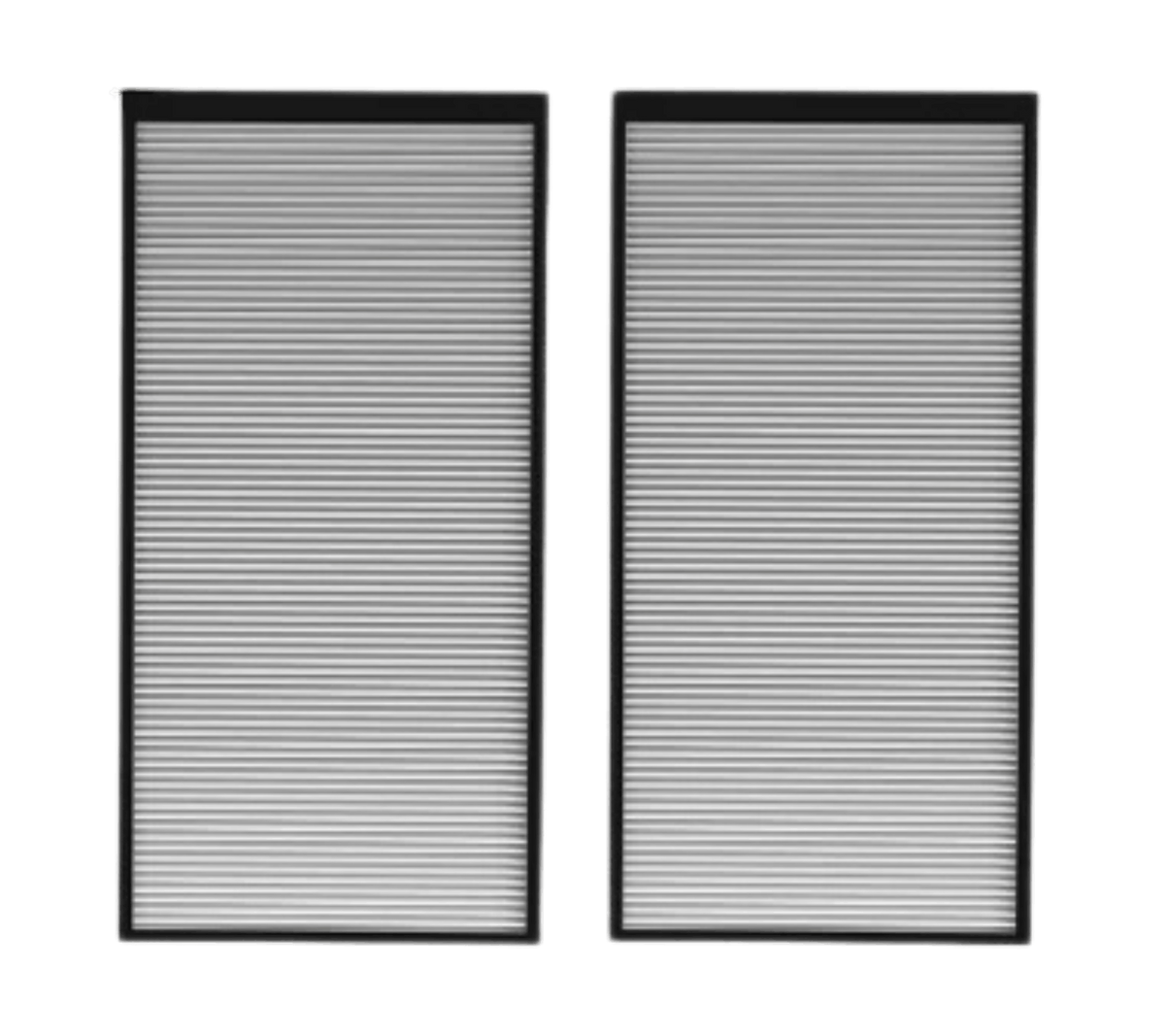
There is support for those ongoing costs qualifying, too. FSAFEDS specifically includes HEPA filters alongside air purifiers in its eligible allergy-treatment-product category when the required medical documentation is provided.
IRS guidance also recognizes that when an eligible medical asset requires ongoing operation or upkeep, those costs can qualify as medical expenses when their main purpose remains medical care.
In other words, FSA or HSA funds may help with both bringing a qualifying purifier home and keeping it filtering properly over time.
How Does It Work?
The exact process depends on your account, but the basic steps are pretty simple:
- Check your FSA or HSA administrator's eligibility and documentation requirements.
- If needed, ask your healthcare provider for a Letter of Medical Necessity (LMN).
- Purchase your qualifying air purifier or replacement filters.
- Keep your itemized receipt and supporting documentation.
- Submit the expense for reimbursement.
For HSA expenses, keeping good records is especially important. The IRS requires account holders to maintain documentation showing that tax-free distributions were used for qualified medical expenses and weren't reimbursed elsewhere.
Your Healthcare Dollars Could Go a Little Further
Your FSA or HSA isn't just there for the next doctor's visit. In the right circumstances, those funds can help support the care that happens at home, too.
If an air purifier has been recommended as part of managing a medical condition, your healthcare dollars may help cover the unit itself as well as qualifying replacement filters. That can make investing in cleaner indoor air, and maintaining it over time, a little easier on your everyday budget.
Before purchasing, take a quick look at your account's requirements and find out whether you'll need an LMN or other documentation.
Then, you can put those healthcare dollars to work where you spend a whole lot of time: Home.
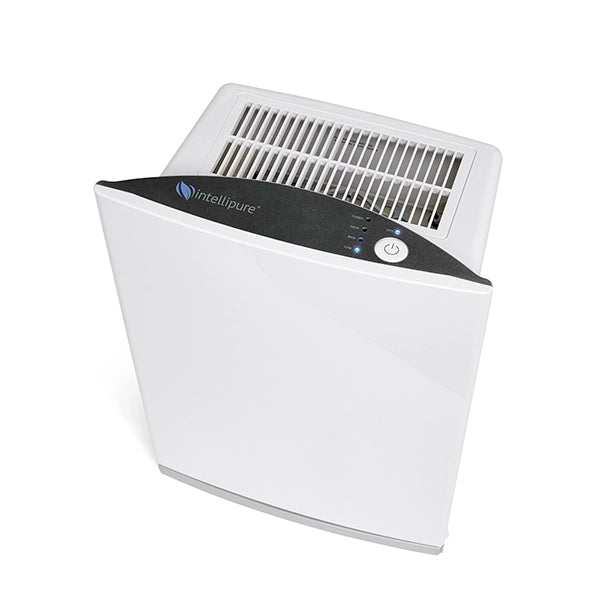
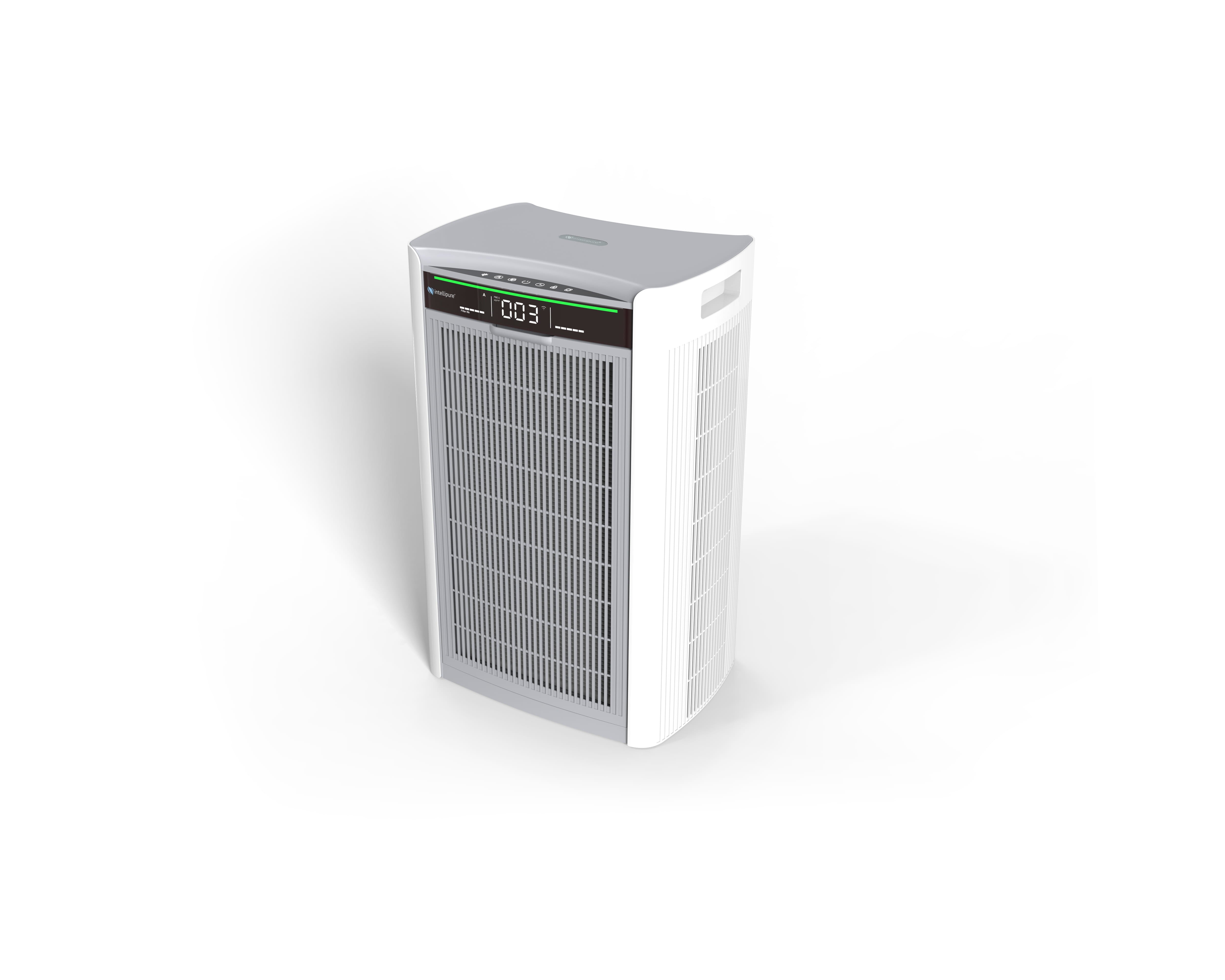
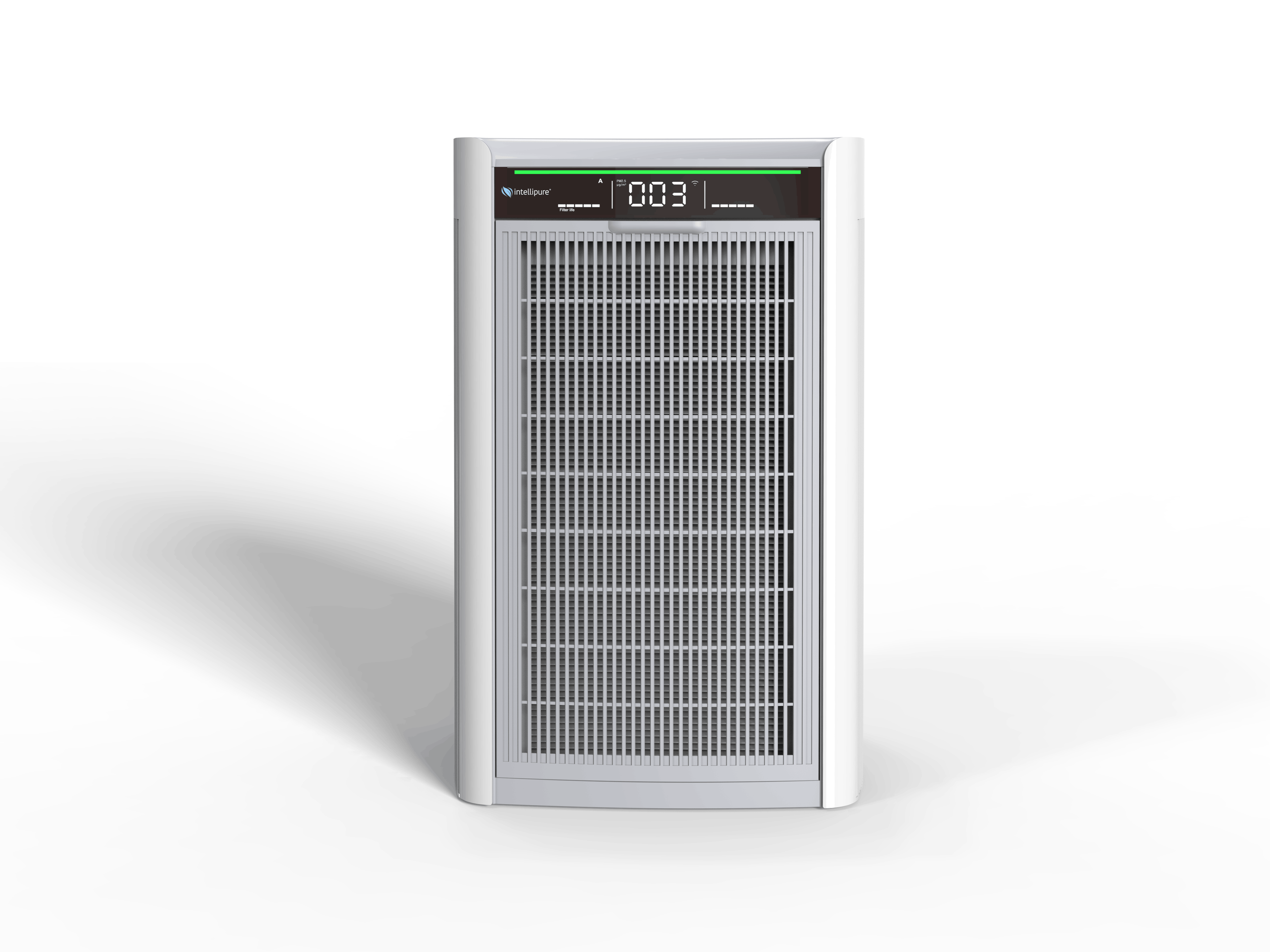
Intellipure air purifiers may be eligible for FSA/HSA reimbursement with a Letter of Medical Necessity (LMN) from a licensed medical professional, submitted to and approved by your FSA/HSA provider. Eligibility and reimbursement are determined solely by your provider and is not guaranteed.
Sources
Internal Revenue Service. Publication 502 (2025), Medical and Dental Expenses.
Internal Revenue Service. Publication 969 (2025), Health Savings Accounts and Other Tax-Favored Health Plans.
FSAFEDS. Eligible Health Care FSA Expenses.











Breathe Better, Learn Better
When Outdoor Air Pollution Becomes an Indoor Problem