


Before a Snow Storm: How to Prepare
While stocking up on essentials and monitoring forecasts are key parts of winter preparedness, it’s also important to think about how cold weather and indoor heating can affect your home environment. Reduced ventilation and increased indoor activity can impact air quality, making preparation essential.
Actionable Tips
-
Create a Go Bag
Pack essentials like medications, important documents, water, non-perishable food, flashlights, a battery-powered radio, extra batteries, blankets, and pet supplies. Include extra warm clothing and hand warmers. Click here to learn more.
-
Stock Up on Essentials
Have enough food, water, and household supplies to last several days in case travel becomes unsafe. Click here to learn more.
-
Family Communication Plan
Establish emergency contacts and check-in plans, especially if family members are traveling or commuting. Click here to learn more.
-
Prepare for Power Outages
Charge devices in advance, keep backup batteries, and consider portable power sources. Have extra blankets and warm layers ready. Click here to learn more.
-
Air Preparedness
Have indoor air solutions ready, like high-efficiency air purifiers, to help manage indoor pollutants that can build up when homes are sealed tightly during cold weather.
-
Winterize Your Home
Insulate pipes, seal drafts around windows and doors, and ensure your heating system is functioning properly. Click here to learn more about weather proofing your house.
Tip: Winter storms can disrupt travel and power for days. Preparing before the storm arrives is the safest approach.
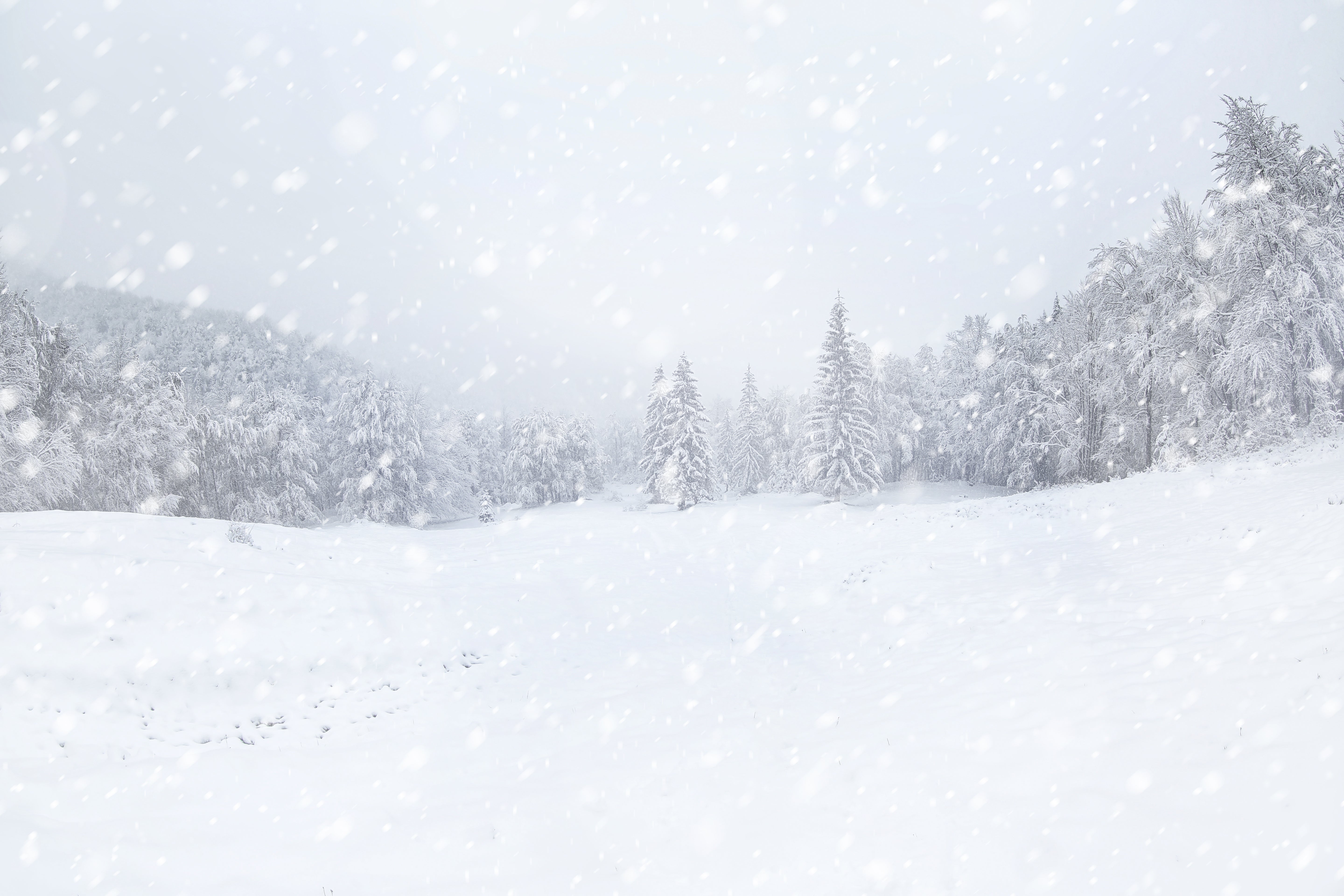
When Is Winter Storm Season?
Winter storms typically occur between late fall and early spring, with peak activity from December through February. Northern and mountainous regions experience the highest frequency, but snow, ice, and freezing temperatures can impact many parts of the United States.
Storm conditions can develop quickly, so staying informed is essential.
During a Snow Storm: Stay Safe
Snow storms can create hazardous conditions both inside and outside your home. Staying warm, avoiding unnecessary travel, and using safe heating practices are key to protecting your household.
Actionable Tips
-
Stay Indoors
Avoid travel during severe conditions. Roads can become icy and dangerous quickly. Click here to learn more about sheltering in place.
-
Stay Warm Safely
Use heating sources properly. Never use ovens or grills to heat your home, and ensure fireplaces and space heaters are monitored. Click here to learn more.
-
Prevent Carbon Monoxide Exposure
Keep generators and fuel-burning devices outside and away from windows and doors. Install and check carbon monoxide detectors. Click here to learn more about CO poisoning in your home.
-
Plan for Pets and Vulnerable Household Members
Keep pets indoors and ensure elderly individuals and children are warm and safe. Click here to learn how to best protect your pets during a natural disater.
-
Dress in Layers
If you need to go outside, wear warm, layered clothing, gloves, hats, and waterproof boots. Click here to learn more about clothing layering.
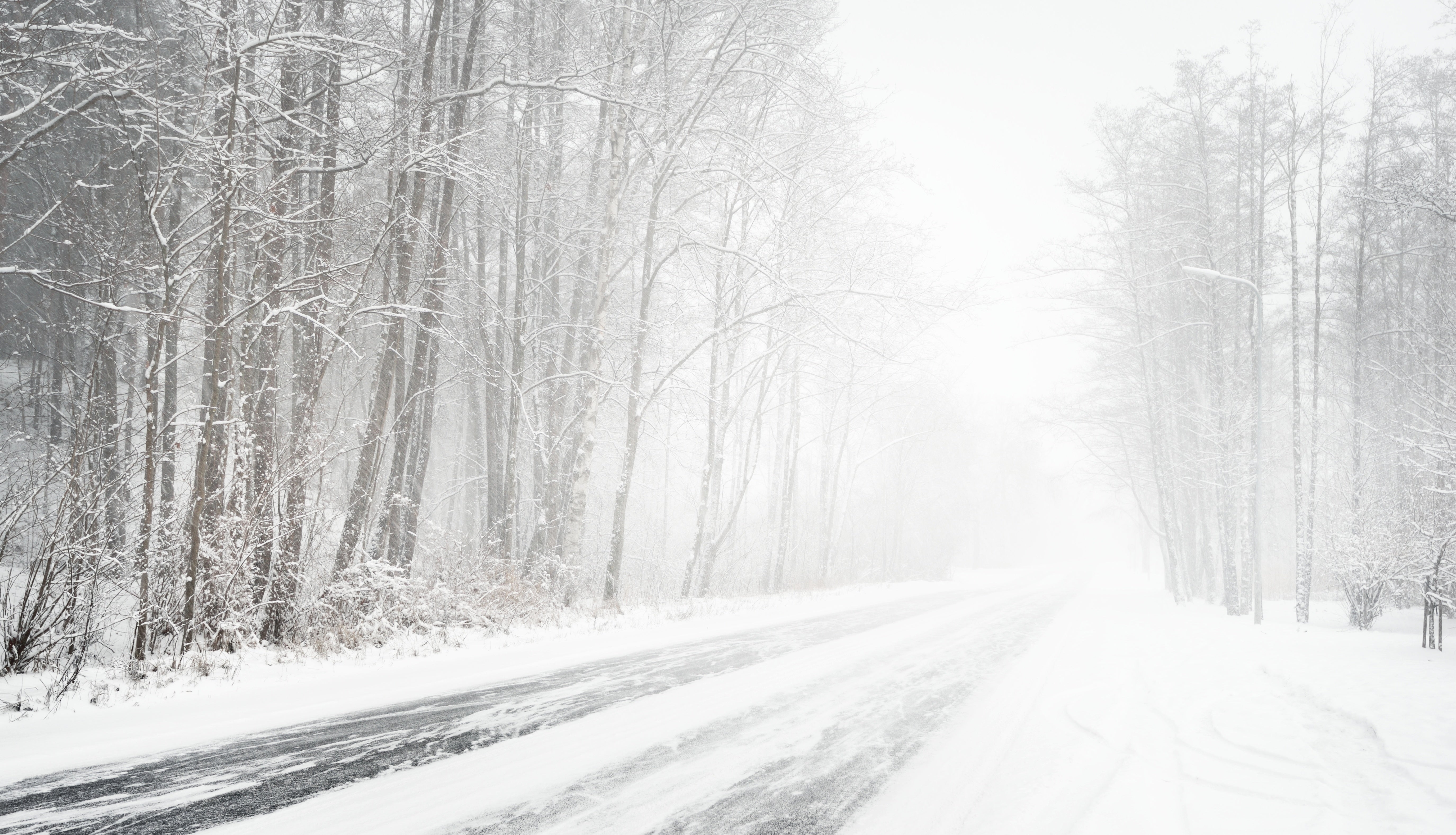
Cold Without Power: What If the Heat Goes Out?
Power outages during winter storms can quickly lead to dangerously low indoor temperatures. If this happens:
- Use blankets, sleeping bags, and extra layers to retain body heat
- Close off unused rooms to conserve warmth
- Gather in one area to share body heat
- Seek shelter at a designated warming center if conditions become unsafe
Planning ahead for this scenario can help prevent cold-related illnesses like hypothermia.
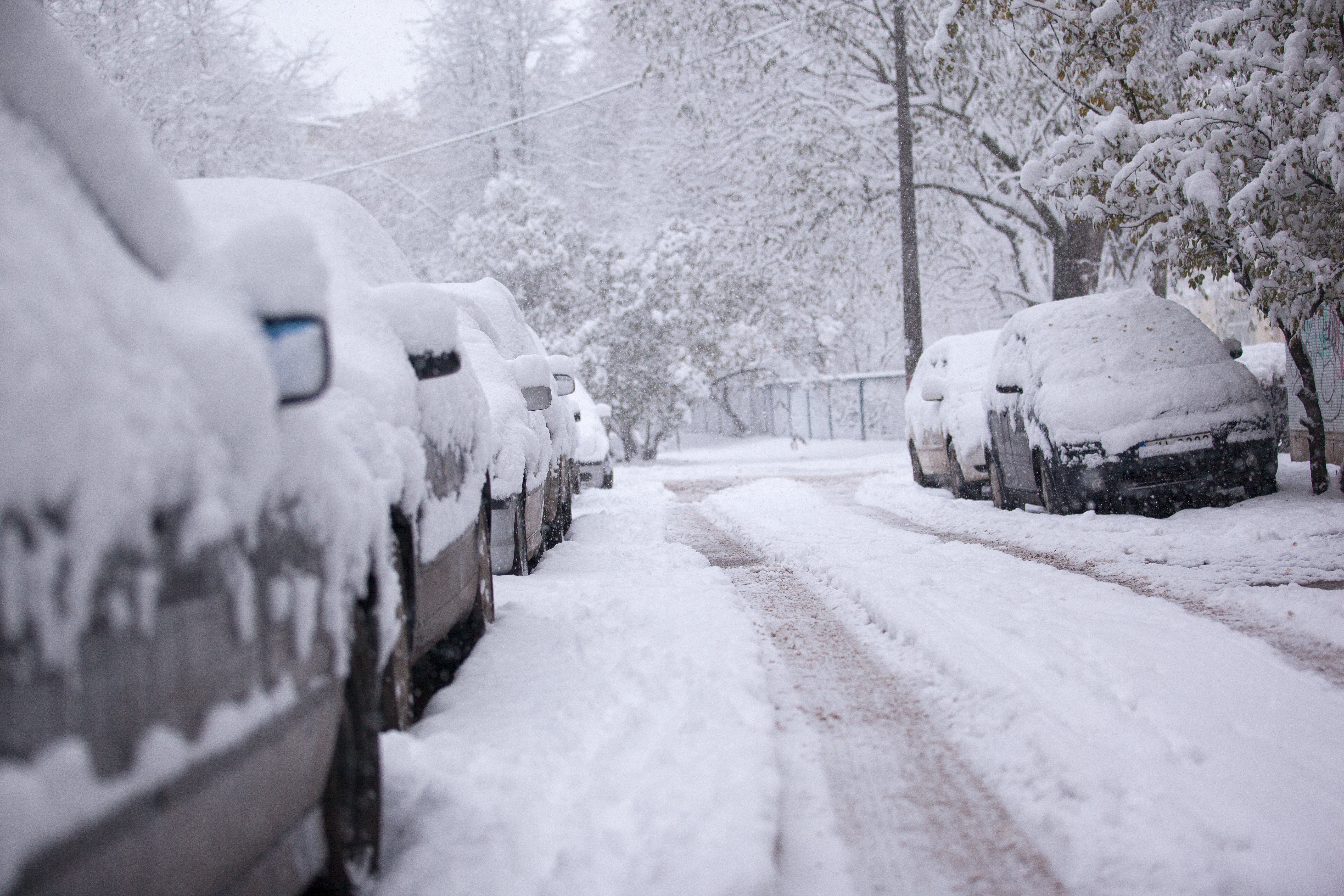
Understanding Winter Weather: Indoor Air Considerations
During snow storms, homes are often sealed tightly to retain heat. While this helps maintain warmth, it can also lead to:
- Reduced ventilation
- Increased indoor pollutants
- Higher humidity from cooking and heating
- Circulation of dust, pet dander, and allergens
Balancing warmth with clean indoor air is an important part of winter safety.
After a Snow Storm: Clean Up & Recover
After the storm passes, snow and ice can still pose risks. Slippery conditions, blocked roads, and lingering cold temperatures can impact safety. When recovering:
- Clear walkways carefully to prevent slips and falls
- Watch for ice buildup on roofs and gutters
- Check for damage to your home or heating systems
- Continue monitoring indoor air quality, especially if using alternative heating sources
Running air purifiers can help reduce indoor pollutants that accumulate while your home is closed up.
Disaster Relief & Support
When wildfires or other natural disasters strike, many organizations are ready to provide assistance, resources, and guidance. From emergency shelter and food to recovery programs and financial support, help is available. Check out the links below to learn more and connect with trusted disaster relief organizations.
Protecting Indoor Air Quality Year-Round
Whether you’re dealing with winter weather or everyday indoor pollutants, maintaining good indoor air quality (IAQ) is essential. Since people spend more time indoors during colder months, clean air becomes even more important.
Helpful tips
-
Run HEPA Purifiers Regularly
Keep your air clean by running high-efficiency purifiers in frequently used rooms. Click here to learn more about the benefits of an air purifier.
-
Maintain HVAC Systems:
Check and replace filters to ensure your system is removing pollutants effectively.
-
Minimize Indoor Pollution Sources
Limit smoke from candles, cooking, and tobacco to protect air quality. Click here to learn about the negative effects of synthetic fragrences on your air quality.
-
Monitor Local Air Quality
Stay informed about outdoor smoke levels, especially during wildfire season, to adjust your indoor precautions. Click here to check your local air quality.

Learn to Breathe Easier Year-Round
Indoor air quality affects your health every day, from allergies and sleep to overall well-being. Our Breathe Easy blog is full of practical tips, expert advice, and actionable strategies to help you protect your home’s air no matter the season.

Breathe Your Best with Intellipure
When it comes to your family’s safety, it’s best to invest in proven, science-backed solutions. Intellipure air purifiers are designed to help reduce airborne pollutants like dust, allergens, and other particles that can build up when homes are sealed during cold weather.
From everyday comfort to extreme winter conditions, Intellipure helps create a cleaner, healthier indoor environment so you and your family can breathe better.
Is It Time to Change Your Filters?
Snow storms can keep windows closed and air circulating indoors, causing filters to fill up faster over time. Take a moment to check if yours might be due for a replacement.
References
-
[1]
Build A Kit [Internet]. Available from: https://www.ready.gov/kit
-
[2]
Good Housekeeping [Internet]. 12 Essentials to Keep Extras of in Case of an Emergency. Available from: https://www.goodhousekeeping.com/home/renovation/g70467356/backup-emergency-supplies/
-
[3]
Family Emergency Communication Planning Document [Internet]. Available from: https://www.ready.gov/sites/default/files/2020-03/family-emergency-communication-planning-document.pdf
-
[4]
Power Outages [Internet]. Available from: https://www.ready.gov/power-outages
-
[5]
Weather-proof the House: Prevent Frozen Pipes and Other Cold-Related Home Disasters [Internet]. 2026. Available from: https://www.nar.realtor/magazine/real-estate-news/home-and-design/weather-proof-the-house-prevent-frozen-pipes-and-other-cold-related-home-disasters
-
[6]
Winter Weather [Internet]. Available from: https://www.ready.gov/winter-weather
-
[7]
Weather Prediction Center (WPC) Home Page [Internet]. Available from: https://www.wpc.ncep.noaa.gov/#page=ovw
-
[8]
Fema Shelter In Place Guidance [Internet]. Available from: https://www.fema.gov/sites/default/files/documents/fema_shelter-in-place_guidance.pdf
-
[9]
Winter Weather Hub: Staying warm | City of Colorado Springs [Internet]. Available from: https://coloradosprings.gov/safeheating
-
[10]
Carbon Monoxide (CO) Poisoning in Your Home - MN Dept. of Health [Internet]. Available from: https://www.health.state.mn.us/communities/environment/air/toxins/index.html
-
[11]
Pet Disaster Preparedness & Recovery [Internet]. Available from: https://www.redcross.org/get-help/how-to-prepare-for-emergencies/pet-disaster-preparedness.html?srsltid=AfmBOopwgwpa3yRIN1dnncQSetUKlB9CddnLsl05LDAP7YX0j6_Ss2Kk
-
[12]
Clothing Layer Basics For The Outdoors [Internet]. Available from: https://thesurvivaluniversity.com/clothing-layer-basics-for-the-outdoors/
-
[13]
Dangerous Cold – Power Outage Do’s and Don’ts, Heat Your Home Safely [Internet]. Available from: https://www.redcross.org/about-us/news-and-events/news/Heat-Your-Home-Safely-during-Cold-Weather.html?srsltid=AfmBOorc0lGrRmvVSFt8csohQD2YBU3XquEW0chEb3JSc8-qfVMTyHxs
-
[14]
US EPA [Internet]. 2024. Winter Weather and Indoor Air Quality | US EPA. Available from: https://www.epa.gov/emergencies-iaq/winter-weather-and-indoor-air-quality
-
[15]
Air Purifier Benefits: How An Air Purifier Can Improve Your Health & Home [Internet]. www.intellipure.com. 2025. Available from: https://www.intellipure.com/blogs/all-articles/air-purifier-benefits-how-an-air-purifier-can-improve-your-health-and-home
-
[16]
When Good Smells Go Bad: How Synthetic Fragrances Can Affect Your Health [Internet]. www.intellipure.com. 2026. Available from: https://www.intellipure.com/blogs/all-articles/when-good-smells-go-bad-how-synthetic-fragrances-can-affect-your-health
-
[17]
Intellipure [Internet]. Know Your Air. Available from: https://www.intellipure.com/pages/air-quality