


Before a Hurricane: How to Prepare
While evacuation planning and storm tracking are key parts of hurricane preparedness, it’s also important to consider how these storms can impact your home environment. Flooding, debris, and moisture can all affect indoor air quality, making preparation critical even if you don’t leave your home.
Actionable Tips
-
Create a Go Bag
Pack essentials like medications, important documents, water, non-perishable food, flashlights, a battery-powered radio, extra batteries, phone chargers, and pet supplies. Include masks to protect against debris and mold during cleanup. Click here to learn more.
-
Know Your Evacuation Zone
Understand whether you live in an evacuation zone and plan multiple routes in case roads are closed. Follow guidance from local authorities. Click here to find your evacuation zone.
-
Family Communication Plan
Establish emergency contacts, meeting points, and a communication plan in case you’re separated. Click here to learn more.
-
Secure Your Home
Install storm shutters or board up windows, secure outdoor furniture, and reinforce doors and garage doors if possible. Click here to learn how to board up your home.
-
Stock Emergency Supplies
Have enough water (at least one gallon per person per day), food, and essentials to last several days without power or access to stores. Click here to learn more about preparing for hurricane season.
-
Air Preparedness
Prepare for potential indoor air issues by having high-efficiency air purifiers ready to help manage moisture-related pollutants, dust, and debris after the storm.
Tip: Hurricanes can intensify quickly. Preparing early—before a storm is imminent—can make evacuation and sheltering much safer.
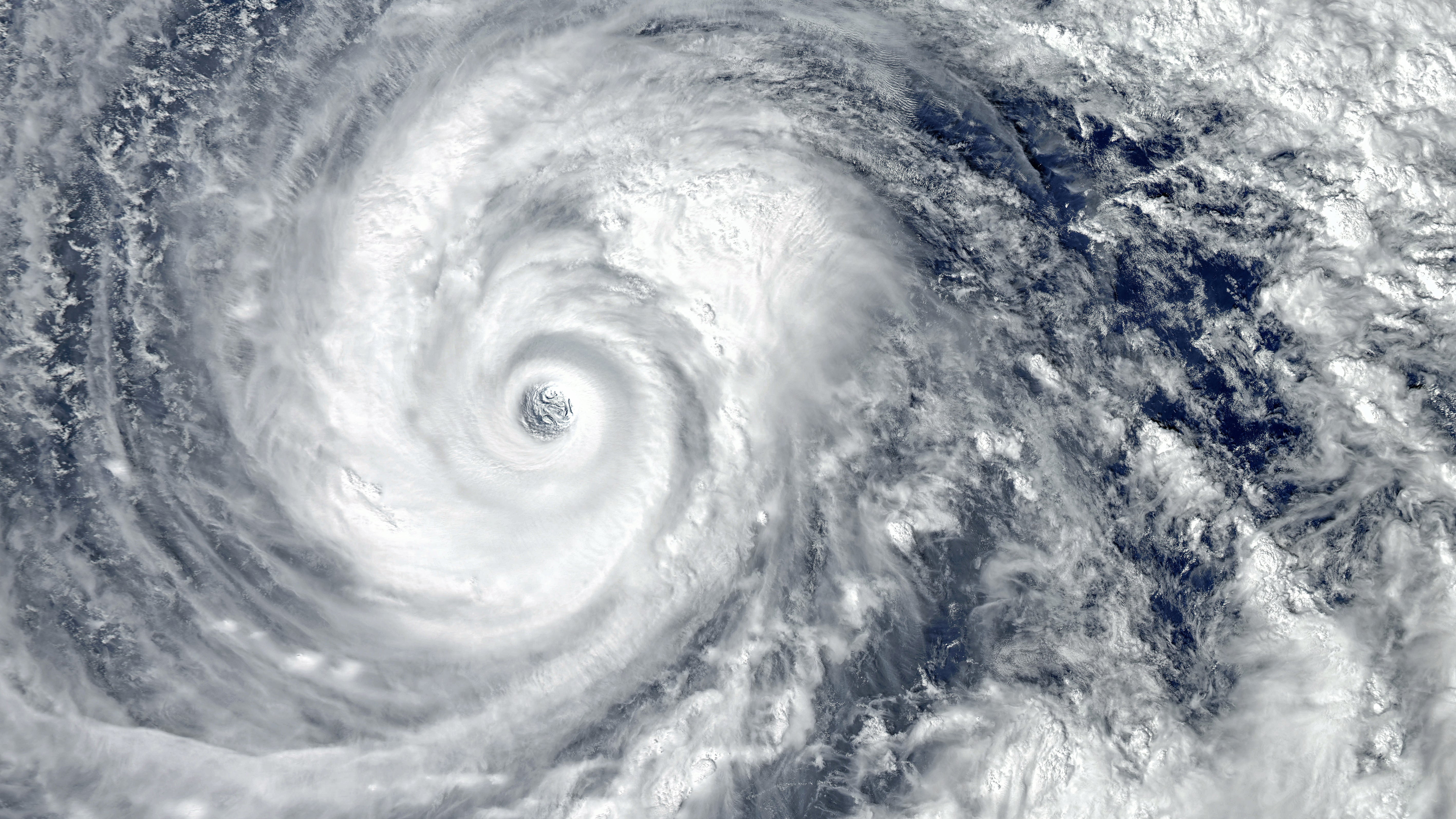
When Is Hurricane Season?
Hurricane season in the United States typically runs from June 1 through November 30, with peak activity occurring between August and October. Coastal regions along the Atlantic Ocean and Gulf of Mexico are most at risk, but storms can impact inland areas with heavy rain and flooding.
Stay informed by monitoring forecasts regularly, as storm paths and intensity can change rapidly.
During a Hurricane: Stay Safe
Hurricanes can last for hours or even days, requiring you to remain alert and ready to respond to changing conditions. Whether you evacuate or shelter in place, safety should remain your top priority.
Actionable Tips
-
Evacuate if Advised
If local authorities issue an evacuation order, leave immediately with your go bag and follow designated routes. Do not wait until conditions worsen. Click here to learn more about creating an evacuation plan.
-
Shelter in Place
Stay in an interior room away from windows and doors. Keep curtains or blinds closed to protect against shattered glass. Click here to learn more about sheltering in place.
-
Prepare for Power Outages
Use flashlights instead of candles to reduce fire risk. Keep devices charged and limit unnecessary usage. Click here to learn more about preparing for power outages.
-
Plan for Pets and Vulnerable Household Members
Have food, medications, and a safe location prepared. Click here to learn how to best protect your pets during a natural disater.
-
Avoid Floodwaters
Do not walk or drive through flooded areas. Even shallow water can be dangerous and may contain debris or contaminants.
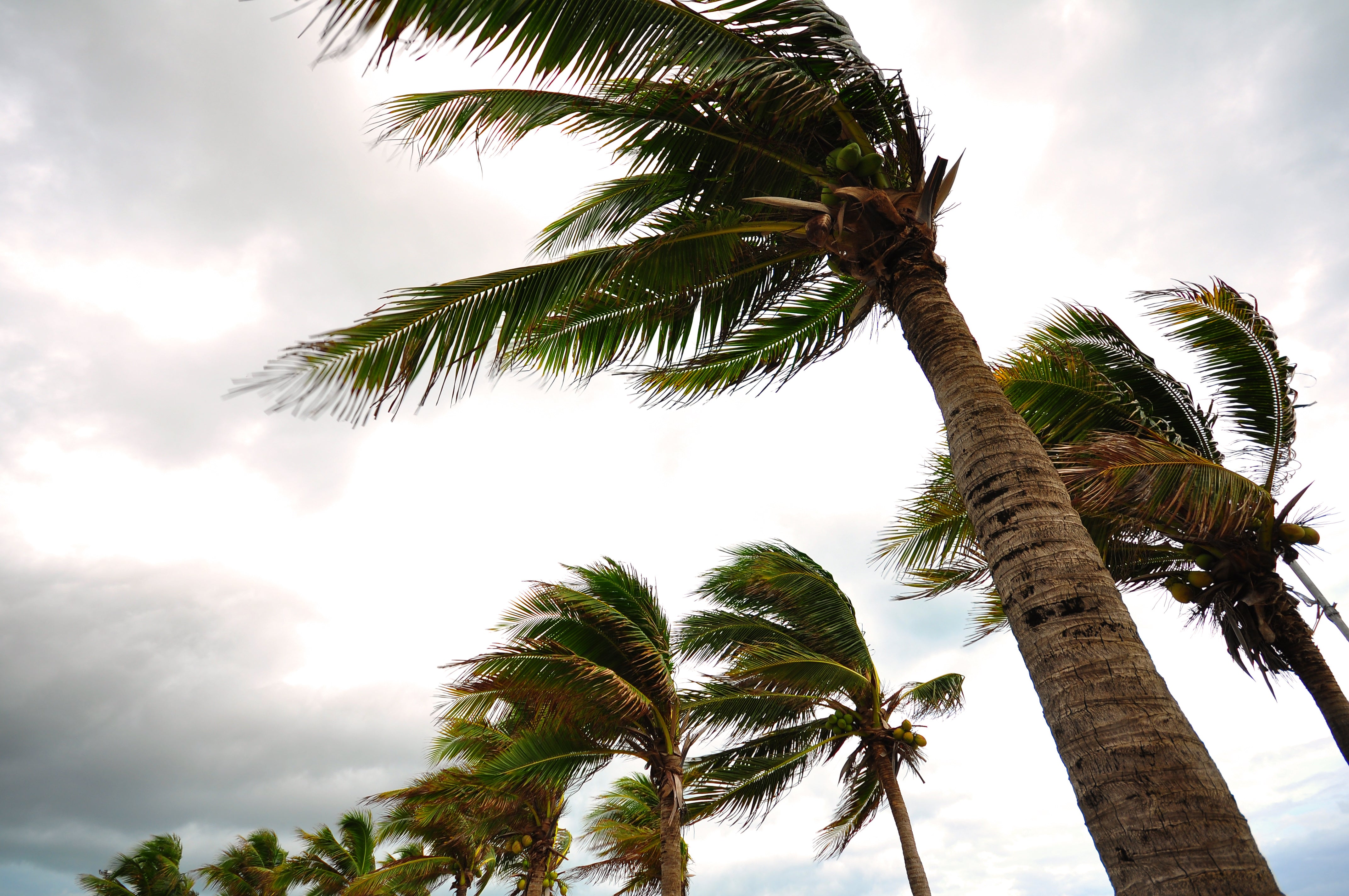
Understanding Hurricanes: What’s in the Air?
After a hurricane, indoor and outdoor air may contain a mix of pollutants, including:
- Mold spores from water damage
- Dust and debris from damaged structures
- Bacteria and contaminants from floodwaters
- Chemical residues from household or industrial materials
These particles can linger long after the storm has passed, making air quality an important part of recovery.
After a Hurricane: Clean Up & Recover
Recovery from a hurricane can be complex and may take time. Prioritizing safety, proper cleanup, and air quality can help create a healthier environment as you rebuild. When cleaning up:
- Wear protective gear, including masks and gloves
- Remove water-damaged materials promptly
- Dry out affected areas as quickly as possible
- Use air purifiers to help reduce airborne particles during and after cleanup
Disaster Relief & Support
When hurricanes or tropical storms strike, many organizations are ready to provide assistance, resources, and guidance. From emergency shelter and food to recovery programs and financial support, help is available.
Check out the links below to learn more and connect with trusted disaster relief organizations:
Protecting Indoor Air Quality Year-Round
Whether you’re recovering from a storm or maintaining a healthy home, indoor air quality (IAQ) plays a critical role in your well-being. Clean air can impact everything from respiratory health to sleep and overall comfort.
Helpful tips
-
Run HEPA Purifiers Regularly
Keep your air clean by running high-efficiency purifiers in frequently used rooms. Click here to learn more about the benefits of an air purifier.
-
Maintain HVAC Systems:
Check and replace filters to ensure your system is removing pollutants effectively.
-
Minimize Indoor Pollution Sources
Limit smoke from candles, cooking, and tobacco to protect air quality. Click here to learn about the negative effects of synthetic fragrences on your air quality.
-
Monitor Local Air Quality
Stay informed about outdoor smoke levels, especially during wildfire season, to adjust your indoor precautions. Click here to check your local air quality.
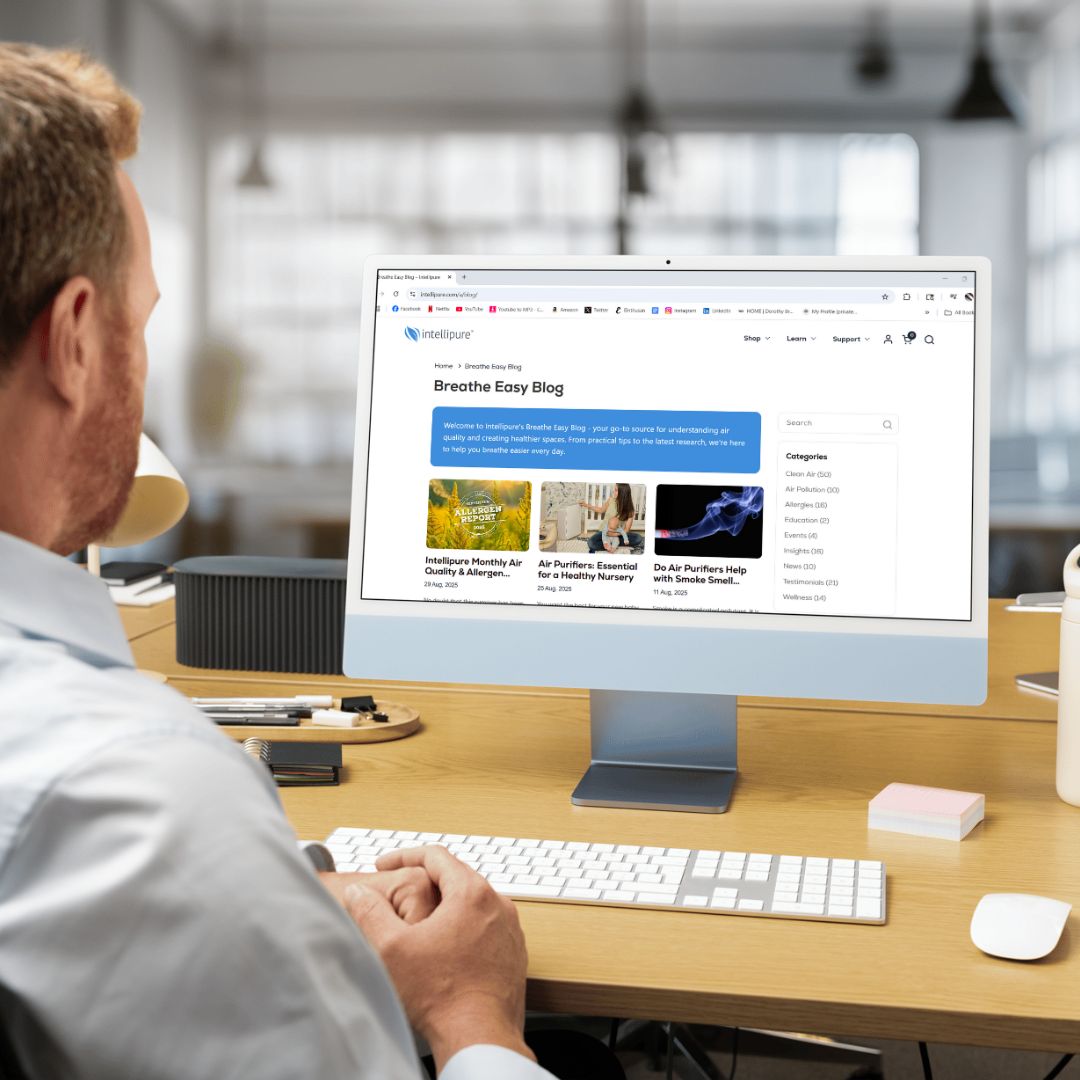
Learn to Breathe Easier Year-Round
Indoor air quality affects your health every day, from allergies and sleep to overall well-being. Our Breathe Easy blog is full of practical tips, expert advice, and actionable strategies to help you protect your home’s air no matter the season.

Breathe Your Best with Intellipure
When it comes to your family’s safety, it’s best to invest in proven, science-backed solutions. Intellipure air purifiers are designed to help reduce airborne pollutants like dust, mold spores, and other particles that can increase after severe storms.
From everyday air quality to post-storm recovery, Intellipure helps create a cleaner, more comfortable indoor environment so you and your family can breathe better.
Is It Time to Change Your Filters?
Hurricanes can bring in moisture, debris, and pollutants that make your air purifier work harder. Take a moment to check if your filters might be due for a replacement.
References
-
[1]
Build A Kit [Internet]. Available from: https://www.ready.gov/kit
-
[2]
5 8 25 Find Your Evacuation Zone Final [Internet]. Available from: https://flash.org/hurricanestrong/wp-content/uploads/12/2025/05/5-8-25-Find-Your-Evacuation-Zone-Final.pdf
-
[3]
Family Emergency Communication Planning Document [Internet]. Available from: https://www.ready.gov/sites/default/files/2020-03/family-emergency-communication-planning-document.pdf
-
[4]
FLASH [Internet]. 2022. Board Up Your Home Before Storms | FLASH. Available from: https://flash.org/mitigation/how-to-board-up-your-house/
-
[5]
Hurricane Season Be Prepared [Internet]. Available from: https://www.fda.gov/consumers/consumer-updates/hurricane-season-be-prepared
-
[6]
Hurricanes [Internet]. Available from: https://www.ready.gov/hurricanes
-
[7]
Hurricane Tracking & Storm Radar | AccuWeather [Internet]. Available from: https://www.accuweather.com/en/hurricane
-
[8]
Develop an Evacuation Plan (Hurricane Preparedness) [Internet]. Available from: https://www.weather.gov/wrn/hurricane-evacuation
-
[9]
Fema Shelter In Place Guidance [Internet]. Available from: https://www.fema.gov/sites/default/files/documents/fema_shelter-in-place_guidance.pdf
-
[10]
Power Outages [Internet]. Available from: https://www.ready.gov/power-outages
-
[11]
Pet Disaster Preparedness & Recovery [Internet]. Available from: https://www.redcross.org/get-help/how-to-prepare-for-emergencies/pet-disaster-preparedness.html?srsltid=AfmBOopwgwpa3yRIN1dnncQSetUKlB9CddnLsl05LDAP7YX0j6_Ss2Kk
-
[12]
Leigh T. The Impact of Hurricanes and Typhoons on Air Quality. AirGuard [Internet]. 2024 Nov 14; Available from: https://www.airguard.ai/insightsarticles/the-impact-of-hurricanes-and-typhoons-on-air-quality
-
[13]
CDC. Hurricanes. Safety Guidelines: After a Hurricane or Other Tropical Storm. Available from: https://www.cdc.gov/hurricanes/safety/how-to-safely-stay-safe-after-a-hurricane-or-other-tropical-storm.html
-
[14]
Air Purifier Benefits: How An Air Purifier Can Improve Your Health & Home [Internet]. www.intellipure.com. 2025. Available from: https://www.intellipure.com/blogs/all-articles/air-purifier-benefits-how-an-air-purifier-can-improve-your-health-and-home
-
[15]
When Good Smells Go Bad: How Synthetic Fragrances Can Affect Your Health [Internet]. www.intellipure.com. 2026. Available from: https://www.intellipure.com/blogs/all-articles/when-good-smells-go-bad-how-synthetic-fragrances-can-affect-your-health
-
[16]
Intellipure [Internet]. Know Your Air. Available from: https://www.intellipure.com/pages/air-quality